A good fishing hat does more than keep the sun out of your eyes. Whether you're casting from a boat off the California coast or wading through freshwater streams, the right headwear protects you from UV rays, keeps you comfortable in changing weather, and lasts through countless trips. With so many options on the market, from wide-brimmed designs to technical caps, choosing the right one comes down to understanding what features matter most for your fishing style.
Why You Need a Quality Fishing Hat
Sun exposure adds up fast when you're on the water. The reflection off the surface doubles your UV exposure, making proper protection essential. A dedicated fishing hat offers more coverage than a standard baseball cap, shielding your face, ears, and neck from harmful rays that can lead to long-term skin damage.
Beyond sun protection, a good hat helps you fish better:
- Reduces glare so you can spot fish and structure more easily
- Keeps sweat out of your eyes during hot summer sessions
- Protects your head from unexpected rain showers
- Prevents hooks from snagging in your hair during backcasts
The core functions of a fishing hat extend to comfort and performance, not just protection. When you're focused on reading water conditions or working a lure, you don't want to think about your gear.
Styles and When to Wear Them
Different fishing situations call for different hat styles. Understanding the basics helps you match your headwear to the conditions you'll face.
Wide-Brimmed Sun Hats
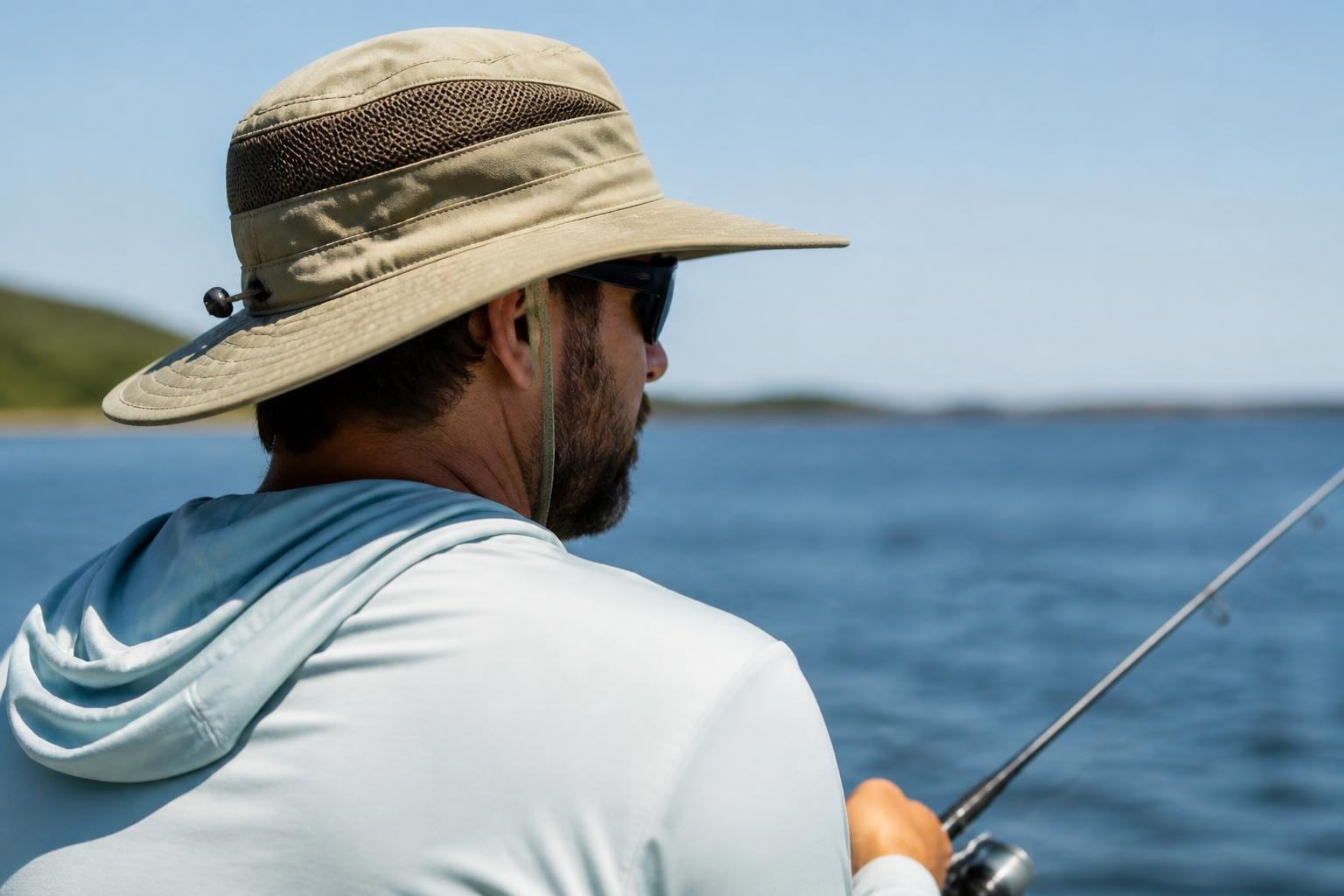
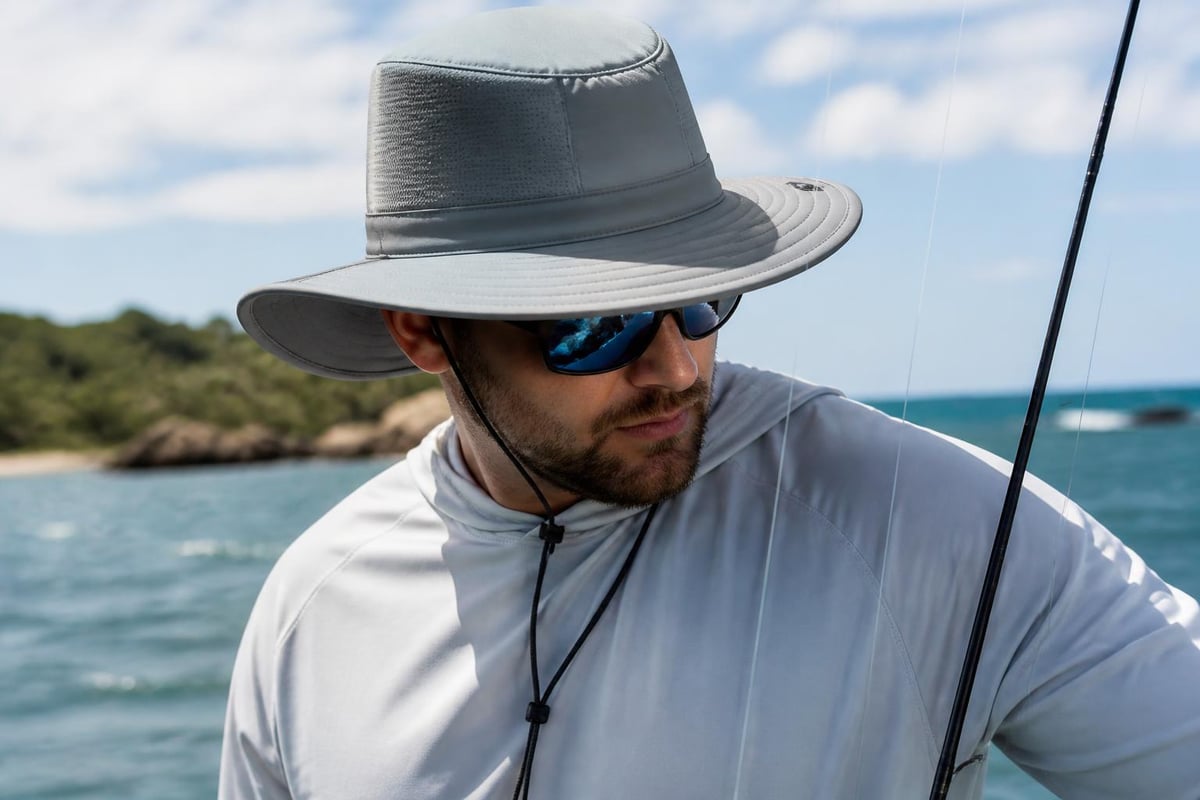
These provide maximum coverage all around your head. The brim typically extends 3-4 inches, creating a shade zone for your entire face and neck. Wide-brimmed styles work best for open-water fishing where there's minimal overhead cover and maximum sun exposure.
Look for these features in wide-brimmed hats:
- Chin straps to keep the hat secure in wind
- Floating brims if you're fishing from a kayak or boat
- Mesh panels for airflow in humid climates
- Dark underbrim to reduce glare reflection
Many anglers fishing spots like the Skyway Fishing Pier prefer this style for all-day sun protection.
Caps and Visors
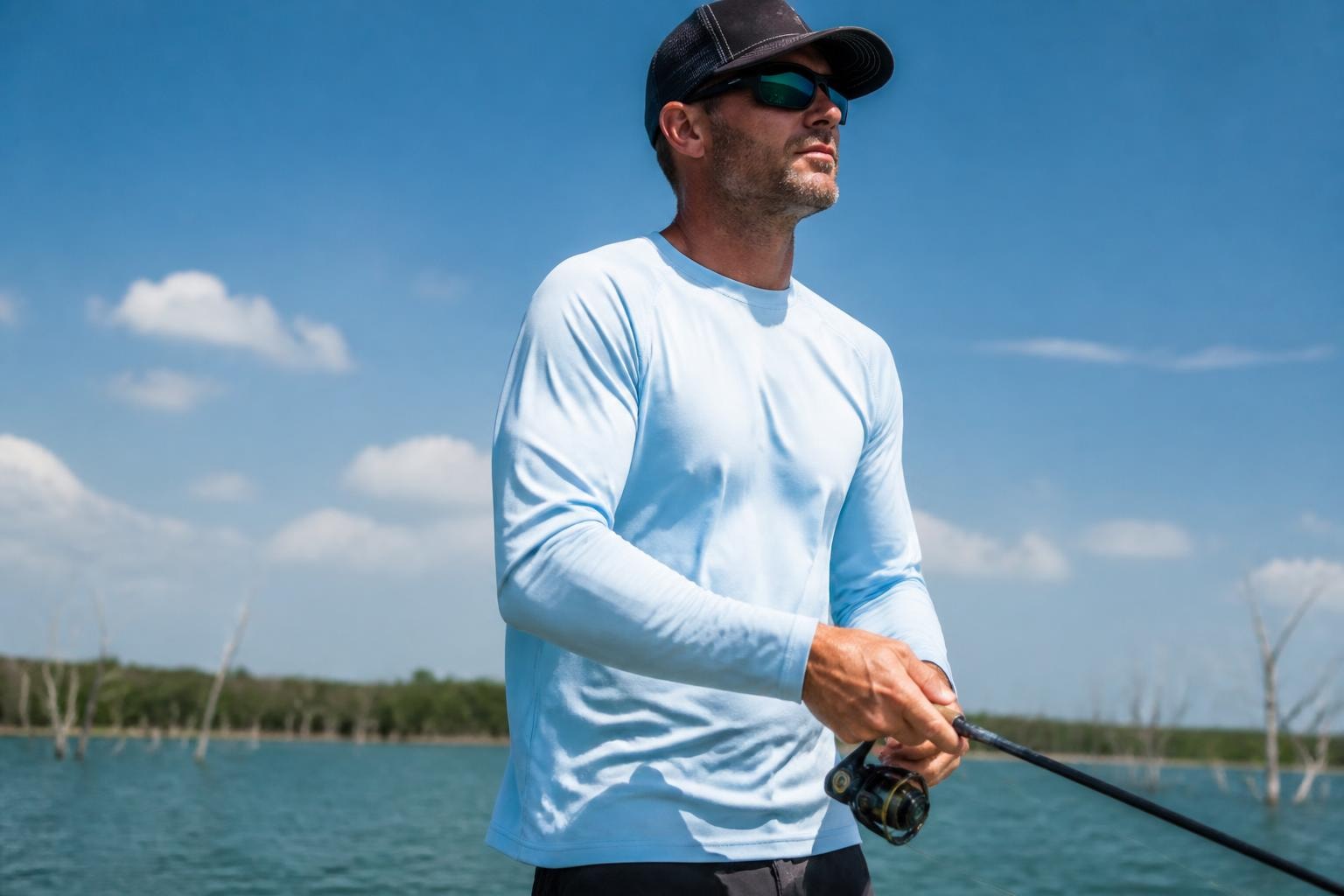
A fishing cap offers more mobility and less wind resistance than wide-brimmed options. The extended bill protects your face while keeping peripheral vision clear. This style suits anglers who fish around structure, under tree cover, or in situations where a full brim might catch on branches.
Visors provide even more ventilation while still shading your eyes. They're popular for warm-weather fishing when heat management becomes as important as sun protection.
Neck Flaps and Cape Styles
Some hats include removable neck flaps or built-in capes that drape over your shoulders. These designs give you the most comprehensive coverage without adding a separate buff or neck gaiter. They're ideal for locations with intense sun, like offshore fishing or flats fishing in places such as Anclote Key.
Materials That Make a Difference
The fabric your fishing hat is made from affects both protection and comfort. Modern materials have evolved far beyond simple cotton caps.
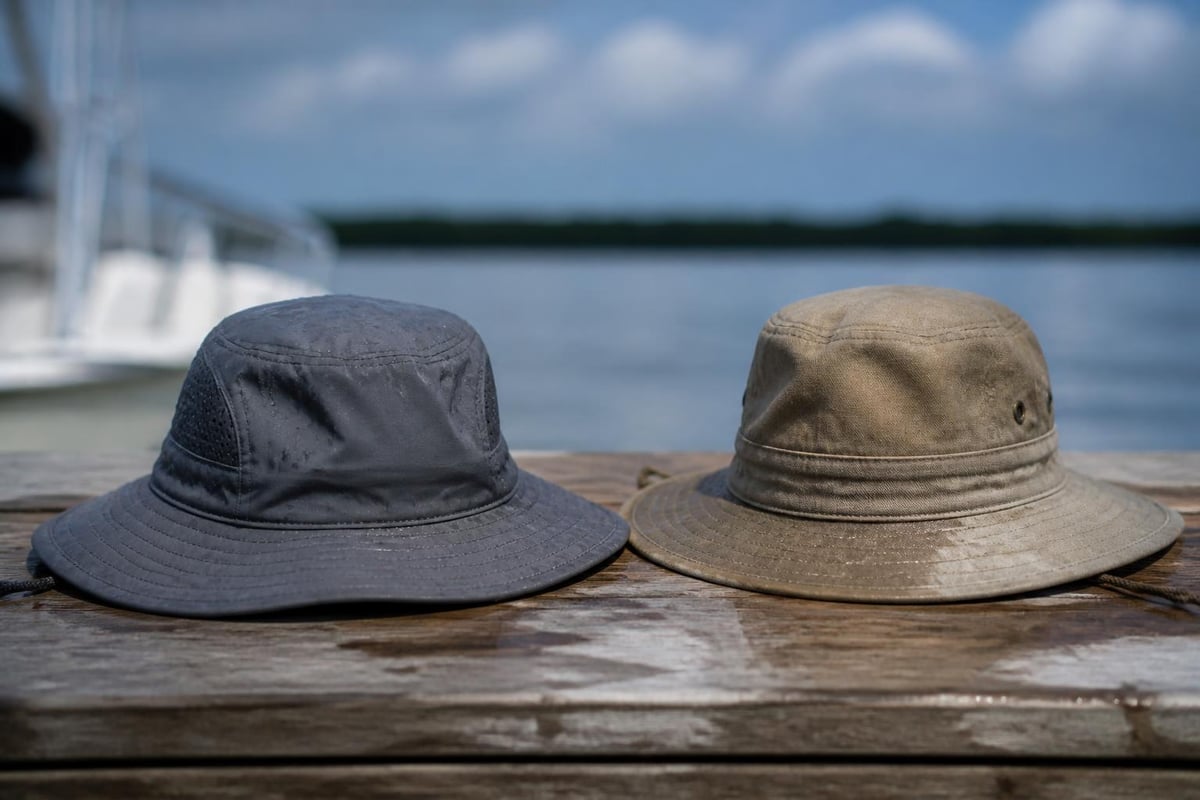
Synthetic fabrics like polyester and nylon excel at:
- Wicking moisture away from your skin
- Drying quickly after rain or spray
- Maintaining shape through repeated use
- Resisting mold and mildew in humid conditions
Cotton and canvas offer a more traditional feel and excellent breathability, though they take longer to dry. Some premium options blend natural and synthetic fibers to balance comfort with performance.
The Helios Sun Hat demonstrates how lightweight synthetic materials can provide UPF 50+ protection while remaining comfortable during long fishing sessions.
Essential Features to Consider
Beyond basic style and material, specific features can make or break your experience with a fishing hat.
Sun Protection Rating
Look for UPF (Ultraviolet Protection Factor) ratings of 30 or higher. UPF 50+ blocks approximately 98% of UV radiation, offering excellent protection during those marathon sessions. When you're searching for new spots using Find Fishing Spots, you'll want gear that lets you explore all day without worry.
Ventilation and Breathability
Mesh panels, eyelets, or laser-cut perforations allow air to circulate around your head. This becomes critical during summer fishing in humid regions. The tradeoff is that more ventilation can mean slightly less sun protection in those specific areas.
Common ventilation approaches include:
- Crown mesh panels
- Sidewall eyelets
- Perforated synthetic fabrics
- Moisture-wicking sweatbands
Water Resistance
A water-resistant or waterproof fishing hat keeps you comfortable during unexpected rain. Many hats use DWR (Durable Water Repellent) treatments that cause water to bead up and roll off rather than soaking in. This feature matters most if you frequently fish in variable weather conditions.
Adjustability and Fit
A hat that flies off in the wind or slides over your eyes isn't doing its job. Adjustable chin cords, drawstring toggles, and sizing systems help you dial in the perfect fit. Some designs include foam inserts that let the hat float if it does end up in the water.
Matching Your Hat to Your Fishing Environment
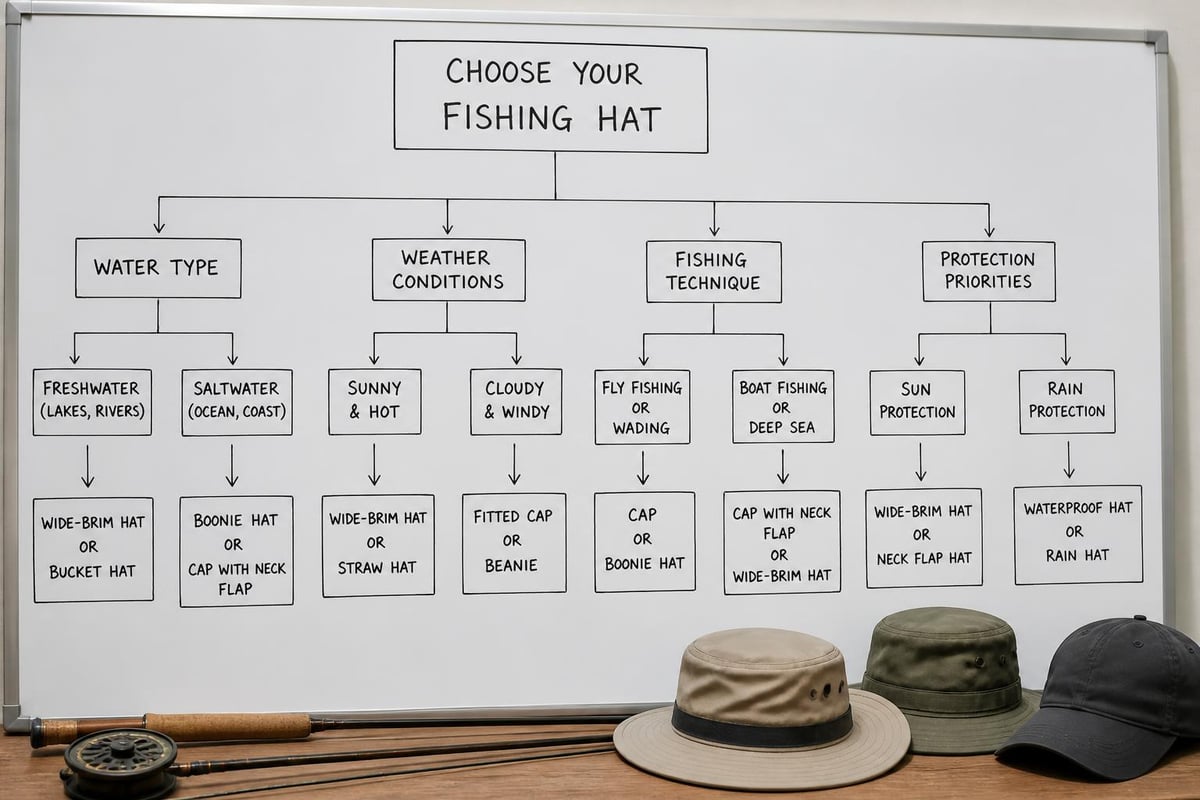
Your primary fishing locations should influence your hat choice. Saltwater anglers fishing spots like the Mission Beach Jetty face different challenges than those targeting freshwater bass.
Saltwater considerations:
- Salt-resistant materials that won't degrade
- Secure retention systems for boat fishing
- Maximum sun protection for open water
- Quick-drying fabrics for spray exposure
Freshwater fishing factors:
- Lower profile for casting under cover
- Earth tones for stealth approaches
- Moderate brims that don't catch on brush
- Insect-resistant treatments in some regions
Understanding how to choose the right fishing hat based on your specific needs helps narrow down the options.
Care and Maintenance Tips
A quality fishing hat represents an investment in your comfort and safety. Proper care extends its lifespan and maintains protective features.
- Rinse after saltwater exposure to prevent salt crystals from degrading fabric
- Hand wash with mild soap rather than machine washing when possible
- Air dry completely before storing to prevent mold
- Store with crown supported to maintain shape
- Reapply DWR treatment annually if your hat has water-resistant coating
Most fishing hats improve with age as they conform to your head, but they'll last longer with basic maintenance. Check reviews on sites like the Official Fishing Network to see how different models hold up over time.
Making Your Final Choice
The best fishing hat balances protection, comfort, and durability for your specific needs. Before purchasing, consider how often you fish, what conditions you encounter most, and which features you'll actually use.
If you fish multiple environments, you might benefit from owning two hats: a wide-brimmed option for open-water situations and a cap for close-quarters fishing. Many anglers keep both in their tackle setup.
The importance of essential sun protection gear can't be overstated, especially as you spend more days exploring different waters throughout the year.
Don't overlook the value of trying hats on before buying when possible. Fit varies significantly between brands, and what works for one person might not suit another. When shopping online, check return policies so you can test the fit at home.
Choosing the right fishing hat comes down to understanding your priorities and matching them with proven features. Whether you're planning day trips to spots in North Carolina or exploring new waters across the country, having proper head protection makes every outing more enjoyable. Ready to discover your next fishing destination? Browse thousands of detailed locations with GPS coordinates and access information at Find Fishing Spots.