A good fishing shirt isn't just another piece of clothing. It's the barrier between you and hours of sun exposure, the difference between staying comfortable or feeling miserable after a hot morning on the water. Whether you're exploring saltwater spots near Key Largo or casting in freshwater lakes, what you wear matters as much as the gear in your tackle box.
What Makes a Fishing Shirt Different
Regular t-shirts just don't cut it when you're spending serious time outdoors. A proper fishing shirt is engineered with specific features that address the unique challenges anglers face.
Sun protection stands at the top of the list. Most quality fishing shirts come with built-in UPF ratings, which measure how much UV radiation the fabric blocks. UV protection fabrics are constructed differently than regular clothing, with tighter weaves and special treatments that shield your skin from harmful rays.
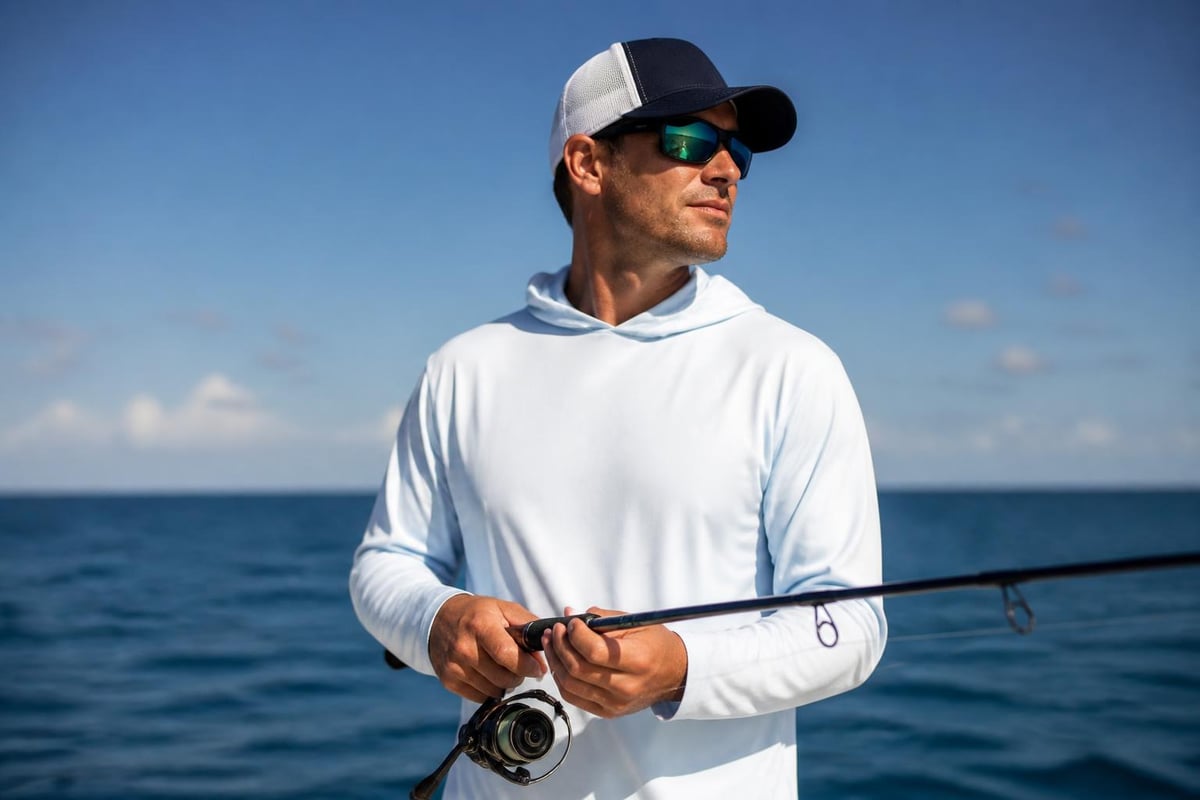
Beyond sun safety, moisture management keeps you comfortable during those humid summer days. Sweat-soaked cotton clings to your skin and takes forever to dry. Modern fishing shirts pull moisture away from your body and let it evaporate quickly, so you stay cooler and drier from dawn to dusk.
The Best Materials for Fishing Shirts
Not all fabrics perform the same when you're on the water. Understanding the differences helps you choose the right fishing shirt for your conditions.
Polyester Performance
Polyester dominates the fishing apparel market for good reason. This synthetic fabric offers exceptional durability and resists wear from saltwater, sun exposure, and frequent washing. It dries incredibly fast, which matters when you're getting splashed or dealing with morning dew.
The moisture-wicking properties of polyester make it ideal for warm-weather fishing. When you're working a topwater lure or fighting a fish, your body generates heat and sweat. Polyester moves that moisture to the outer surface where it evaporates, keeping your core temperature regulated.
Nylon Benefits
Nylon brings its own strengths to fishing shirts. Known for superior strength and durability, this material handles abrasion better than most fabrics. If you're fishing in heavy cover or around barnacle-covered structures, nylon resists tears and punctures that would damage lesser materials.
The quick-drying nature of nylon also shines in diverse fishing conditions. Whether you're wading through shallow flats or dealing with spray from a choppy bay, nylon sheds water and dries rapidly. Its lightweight feel doesn't weigh you down even when wet.
Fabric Blends
Many manufacturers combine materials to maximize performance. Polyester-nylon blends offer the best of both worlds, bringing polyester's moisture management together with nylon's durability. These blends often perform better than single-material options across different fishing environments.
Essential Features to Look For
When shopping for your next fishing shirt, certain features separate great options from mediocre ones.
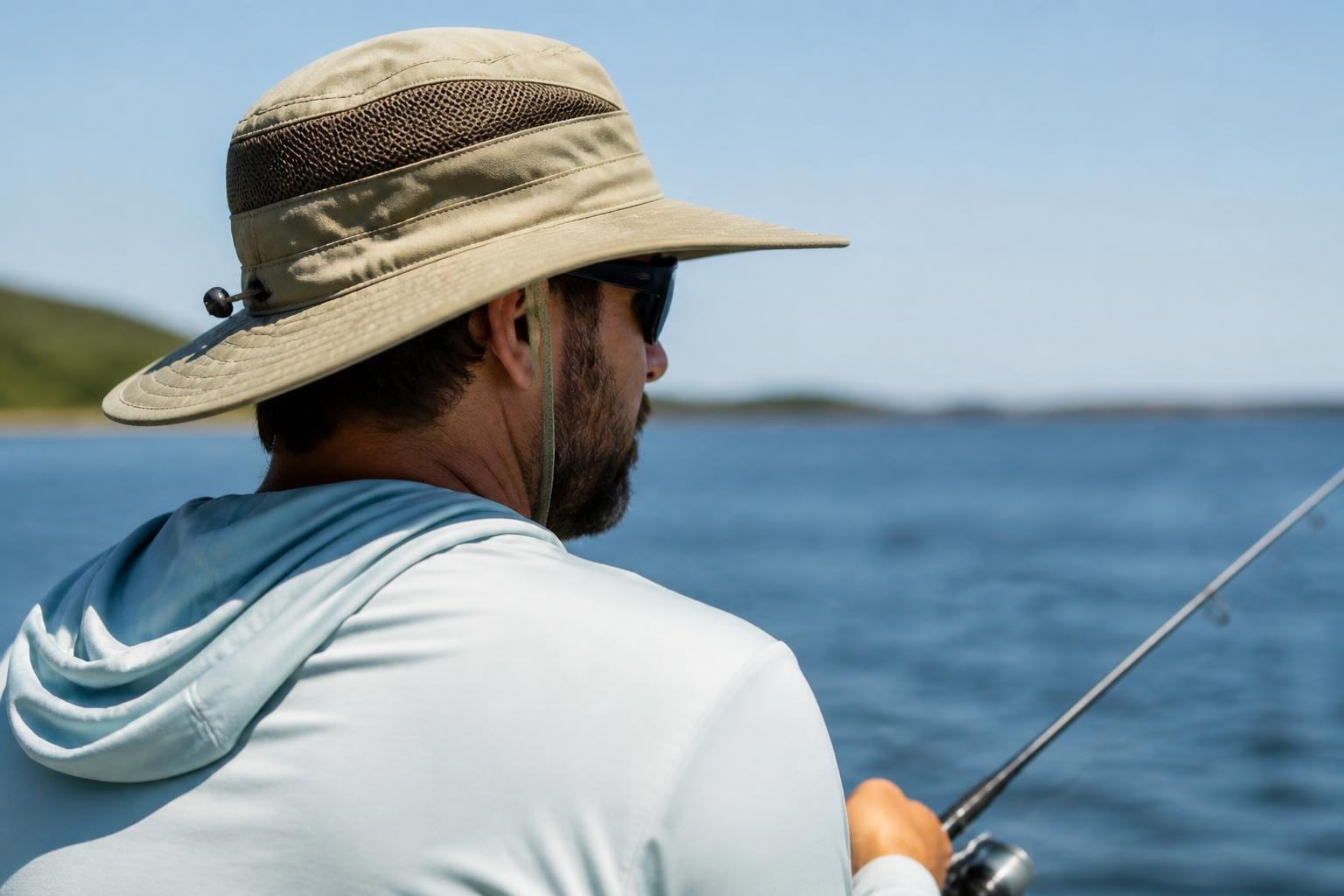
Ventilation makes a huge difference. Look for shirts with mesh-backed shoulders or underarm panels. These ventilation zones improve airflow and help regulate body temperature during active fishing. Some designs include strategic perforations that enhance breathability without compromising sun protection.
Pockets serve practical purposes beyond just holding things. Quality fishing shirts feature well-placed pockets for storing leaders, small tackle boxes, or your fishing license. Look for pockets with secure closures that won't dump your gear when you bend over to land a fish.
- Rod holder loops let you secure your rod while changing lures
- Microfiber cleaning patches built into the shirt help wipe down sunglasses
- Roll-up sleeves with tab closures allow versatile sun coverage options
- Extended back hems provide extra coverage when bending or reaching
Matching Your Shirt to Your Fishing Style
Different fishing environments demand different performance characteristics. Consider where you spend most of your time on the water when choosing a fishing shirt.
Saltwater anglers need maximum durability and quick-drying capabilities. The corrosive nature of salt water breaks down inferior materials over time. Performance fishing shirts designed for saltwater use incorporate fabrics that resist salt damage and maintain their integrity through countless wash cycles.
Freshwater fishing often involves more varied conditions. You might start early morning when it's cool, then face scorching afternoon sun. A versatile fishing shirt with convertible sleeves adapts to changing temperatures throughout the day.
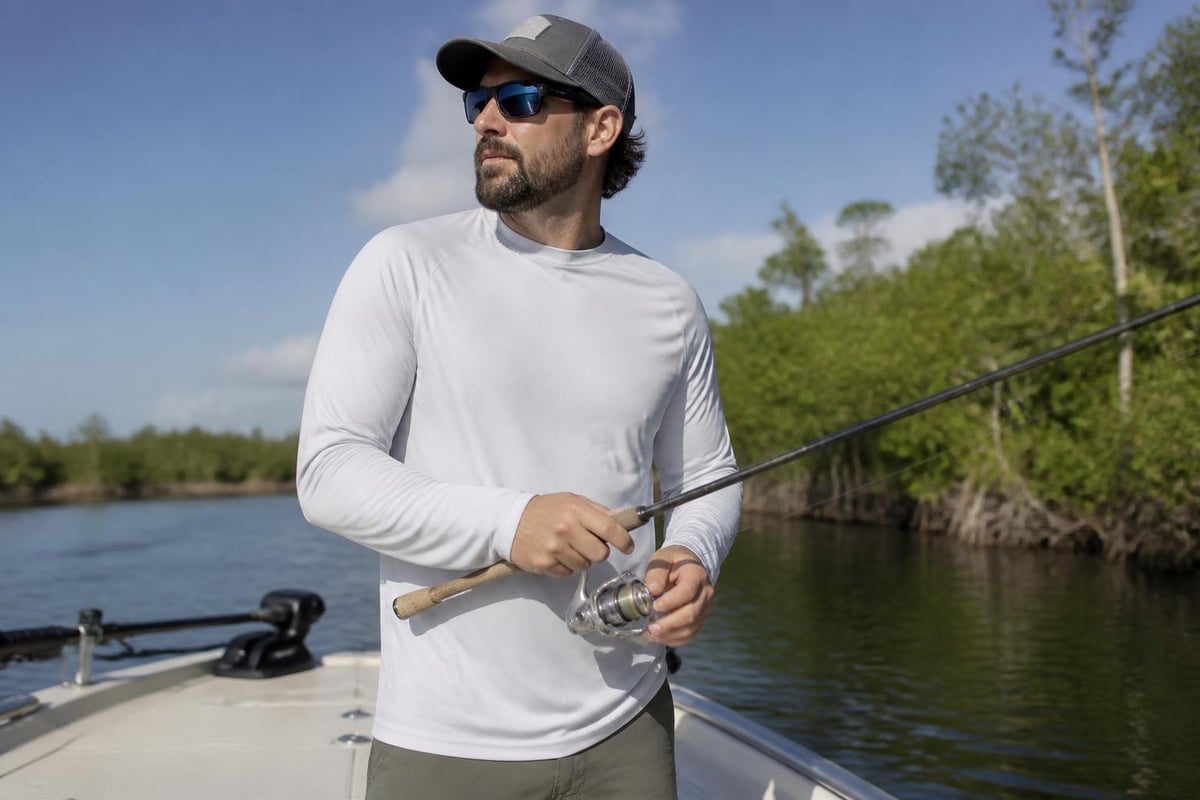
For wade fishing or kayak fishing, prioritize lighter weights and maximum breathability. These activities generate more body heat than boat fishing, so ventilation becomes critical. Look for athletic-cut designs that allow full range of motion when casting or paddling.
Color and Pattern Considerations
While performance matters most, color choices affect both functionality and fish-catching success. Light colors reflect heat better than dark shades, keeping you cooler during summer outings. However, some anglers prefer earth tones or patterns that blend with their surroundings, especially when sight-fishing for wary species.
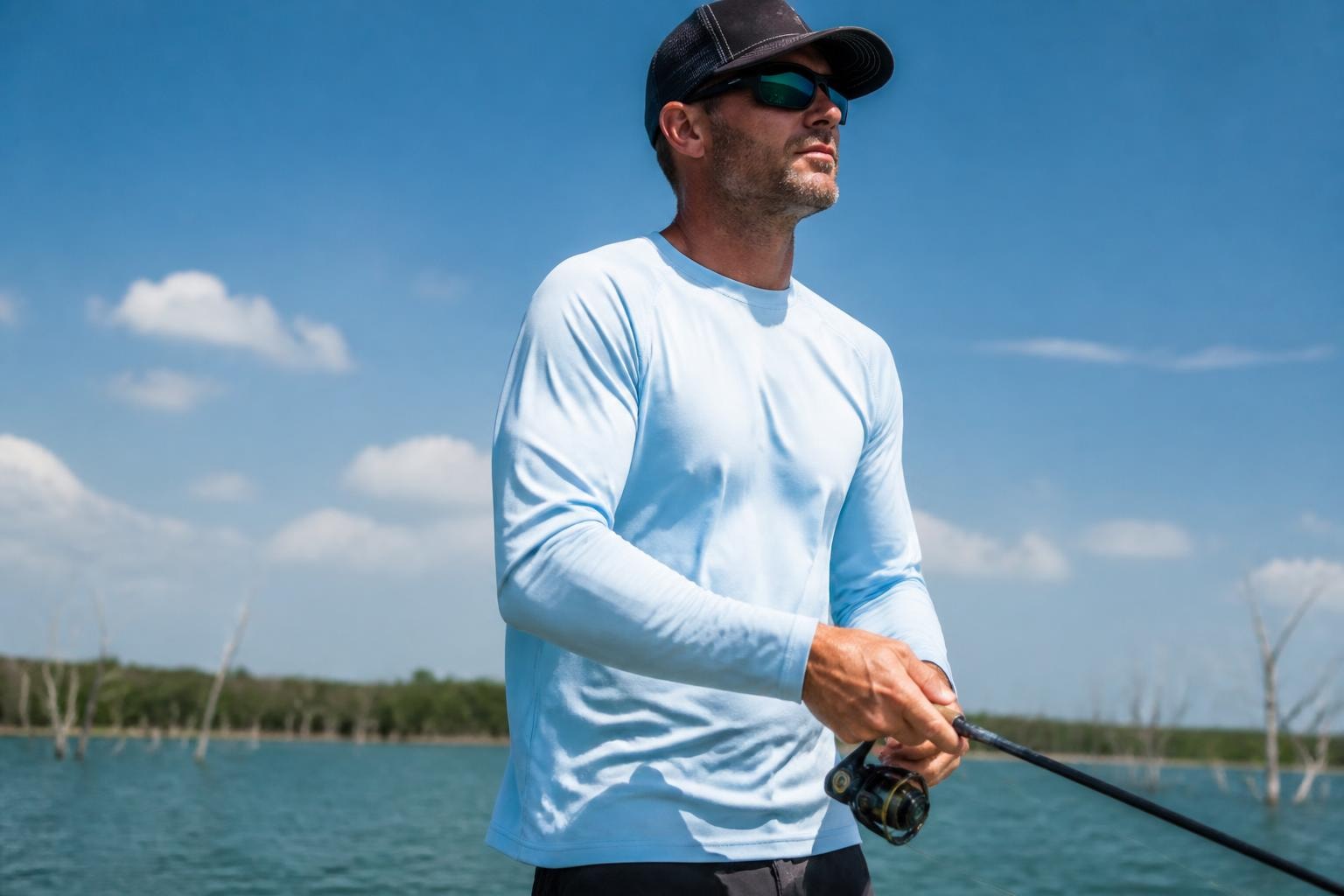
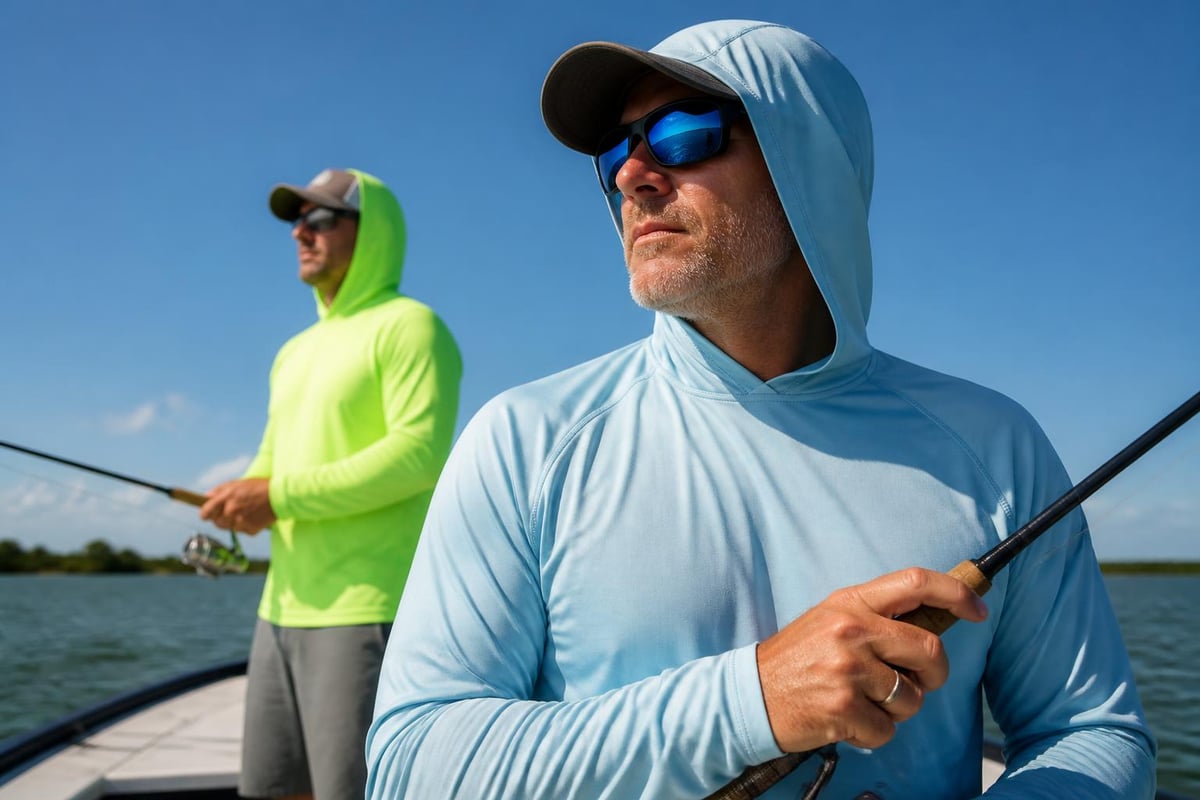
Bright colors improve visibility and safety. When fishing from a boat in high-traffic areas or during low-light conditions, wearing colors that stand out helps other boaters spot you. Many coastal guides prefer light blue or white fishing shirts for this reason.
Patterns can hide stains and wear better than solid colors. Fish blood, bait residue, and general outdoor grime show less on camouflage or multi-colored designs. This practical consideration extends the professional appearance of your fishing shirt between washes.
Caring for Your Fishing Shirt
Proper maintenance extends the life of your investment. Understanding fabric properties helps you clean them correctly and maintain their performance features.
Always rinse fishing shirts after saltwater exposure. Salt crystals trapped in fabric fibers break down materials over time. A quick freshwater rinse removes salt and prevents this damage. For heavily soiled shirts, use mild detergent and avoid fabric softeners, which can clog the moisture-wicking properties.
- Rinse immediately after fishing to remove salt, dirt, and fish slime
- Wash in cold water to preserve fabric integrity and color
- Air dry when possible to extend fabric life and maintain shape
- Avoid high heat in dryers that can damage synthetic fibers
- Store in a cool, dry place away from direct sunlight
When you're ready to explore new waters, finding quality fishing spots becomes easier with proper resources. The right fishing shirt keeps you comfortable while you discover your next favorite location, from brackish estuaries to mountain streams.
Size and Fit Matters
A fishing shirt that fits properly performs better than one that doesn't, regardless of how advanced the fabric technology might be. Too tight restricts movement when casting or reaching for gear. Too loose catches wind and creates unnecessary bulk.
Look for athletic or relaxed fits depending on your preference and body type. Athletic cuts offer a trimmer profile that reduces wind resistance and looks sharp, while relaxed fits provide maximum comfort and airflow. Many anglers size up slightly for layering options during cooler months or transitional seasons.
Pay attention to sleeve length and torso coverage. Longer sleeves provide better sun protection but can feel restrictive in hot weather. Shirts with proper torso length stay tucked in or provide adequate coverage when reaching overhead, preventing exposed skin from getting sunburned during long fishing sessions.
The right fishing shirt transforms your time on the water by keeping you protected, comfortable, and focused on what matters most. When you've got the gear that works, you're free to concentrate on finding fish and enjoying the experience. Whether you're targeting species in Florida’s diverse fishing locations or exploring new territories across the country, Find Fishing Spots helps you discover your next adventure with detailed GPS coordinates, access information, and location specifics all in one convenient directory. Start exploring Find Fishing Spots today and find where the fish are biting.