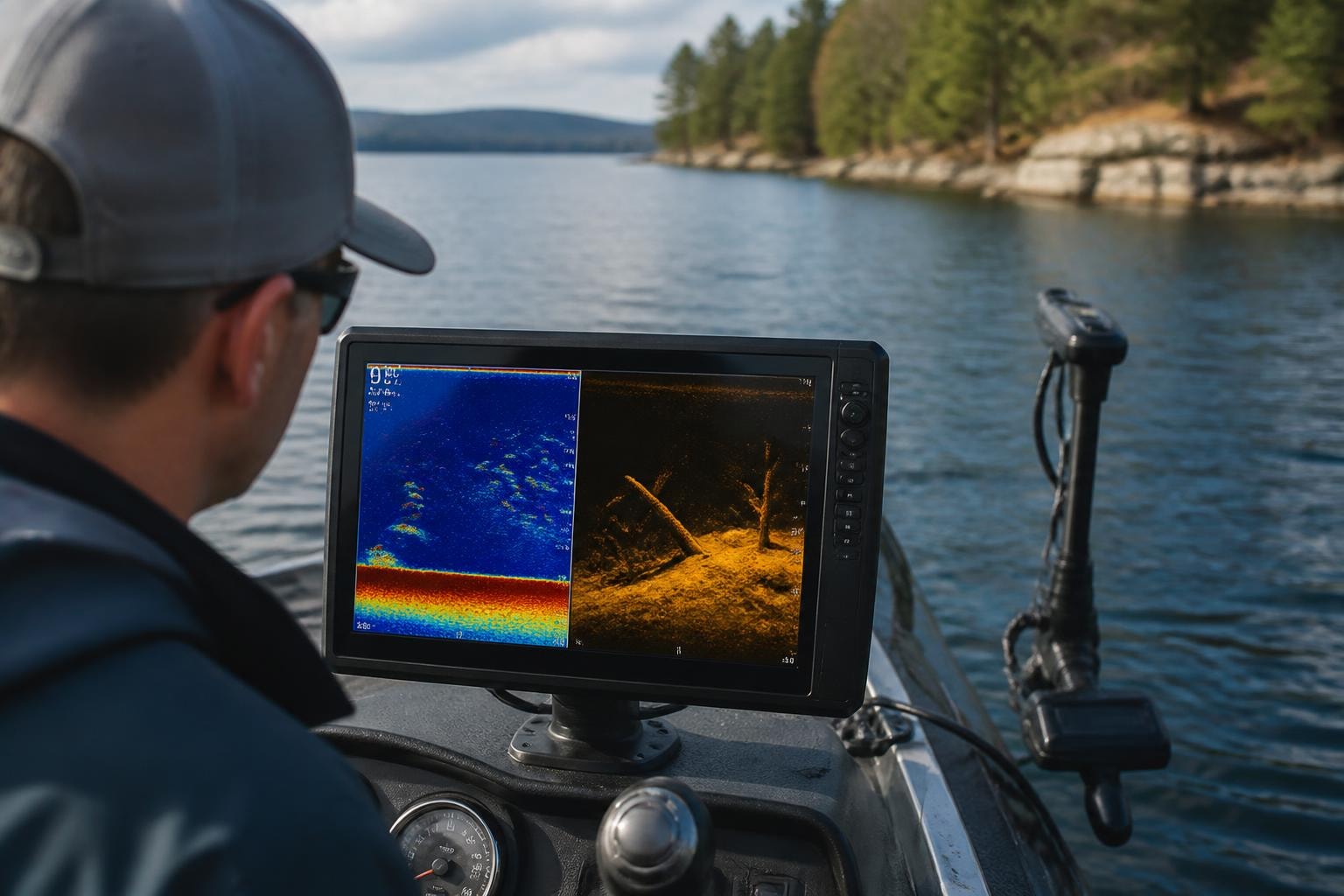
If you've spent any time around serious anglers in the past few years, you've probably heard them talking about garmin livescope. This real-time sonar technology has fundamentally changed how we locate and catch fish. Instead of interpreting static images or delayed sonar returns, you're watching fish swim in real-time on your screen. It's like having x-ray vision underwater, and once you've seen it in action, it's hard to go back to traditional fish finders.
What Makes Garmin LiveScope Different
Traditional sonar sends pulses downward and shows you what's beneath your boat after it's already passed. Garmin livescope takes a completely different approach by using live scanning sonar technology that updates continuously, showing you fish movement as it happens.
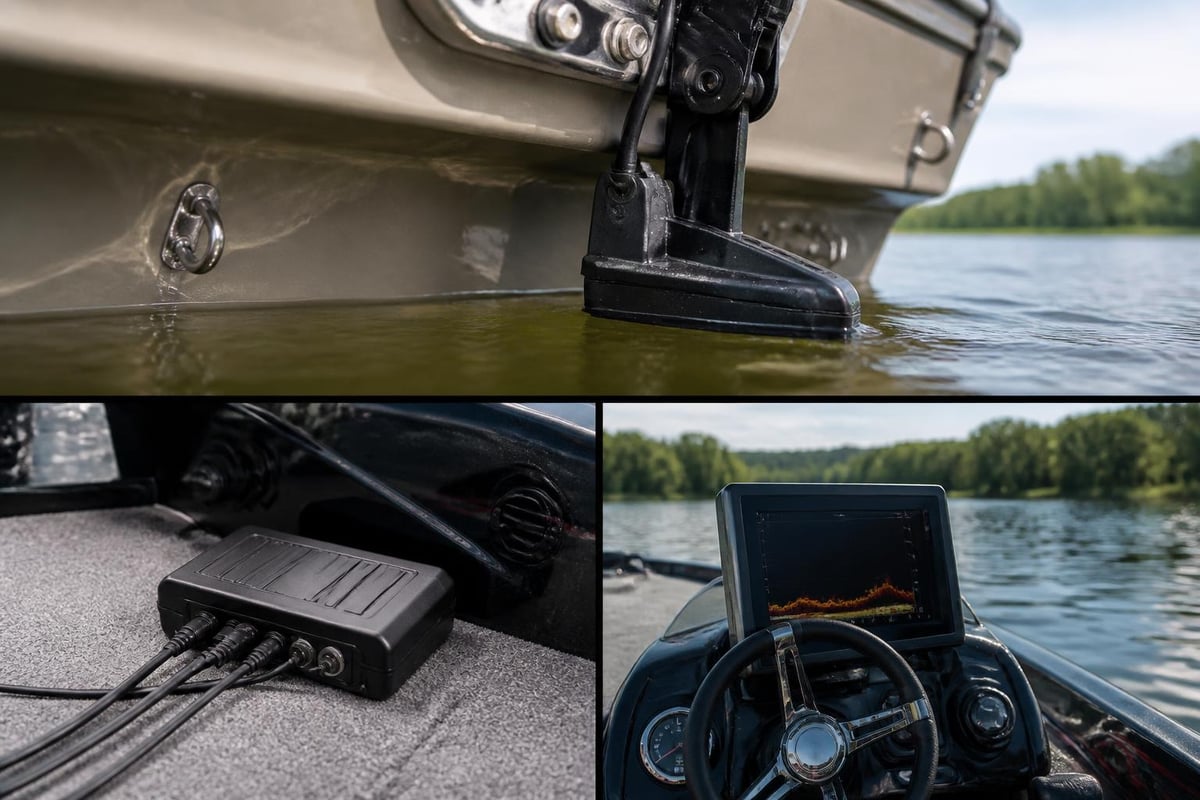
The system consists of three main components:
- Transducer: The LVS32 or LVS34 transducer mounts on your trolling motor or boat
- Black box: The GLS 10 processing unit that powers the whole system
- Compatible display: A Garmin chartplotter or fishfinder that shows the live imagery
What sets this apart is the refresh rate. You're getting real-time updates that let you see fish reacting to your lure, swimming patterns, and even how they respond to your boat's presence. When you're exploring new fishing locations, this kind of detail helps you understand fish behavior quickly.
Different Viewing Modes for Different Situations
Garmin livescope offers multiple viewing modes that adapt to various fishing scenarios. Forward mode shows what's ahead of your boat, perfect for scanning water while you're moving or drifting. Down mode gives you a detailed view directly beneath your vessel, ideal for vertical jigging or ice fishing.
The Perspective mode combines both forward and down views, creating a comprehensive picture of the underwater environment around your boat. Each mode serves a specific purpose depending on your fishing style and target species.
Range and Depth Capabilities
The system performs exceptionally well in depths up to 200 feet, though optimal performance happens in shallower water. You can scan forward up to 200 feet and see individual fish, structure, and bottom composition with remarkable clarity. This range makes it valuable whether you're fishing shallow coastal areas or deeper offshore structure.
Key Performance Factors:
- Water clarity affects image quality
- Transducer angle changes your viewing perspective
- Gain settings need adjustment based on conditions
- Multiple fish appear as distinct targets, not merged blobs
Choosing the Right LiveScope Model
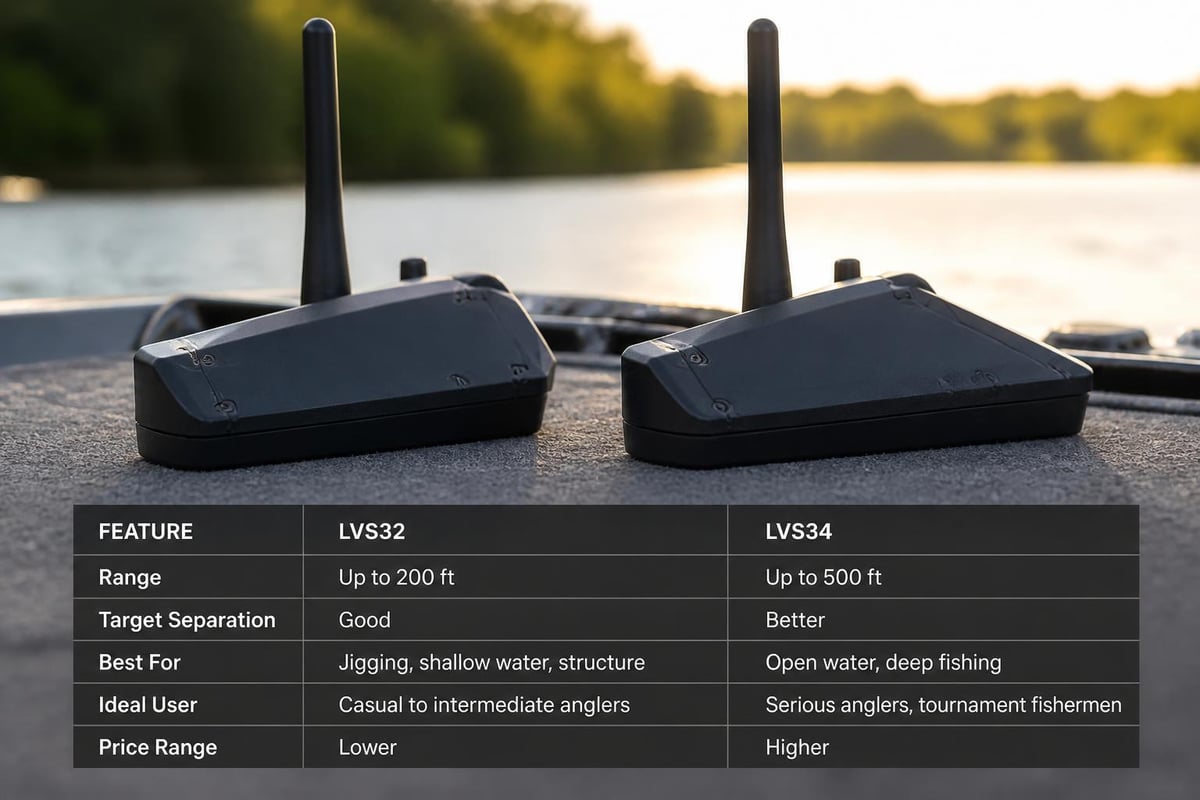
Different LiveScope models suit different fishing applications. The standard LVS32 works great for most recreational anglers and handles freshwater and inshore saltwater fishing. The LVS34 offers enhanced performance with better target separation and clearer imaging at extended ranges.
Your choice depends on several factors: boat size, primary fishing locations, budget, and how serious you are about competitive fishing. Tournament anglers often opt for the LVS34 for its superior detail, while weekend warriors find the LVS32 more than adequate for their needs.
Real-World Applications on the Water
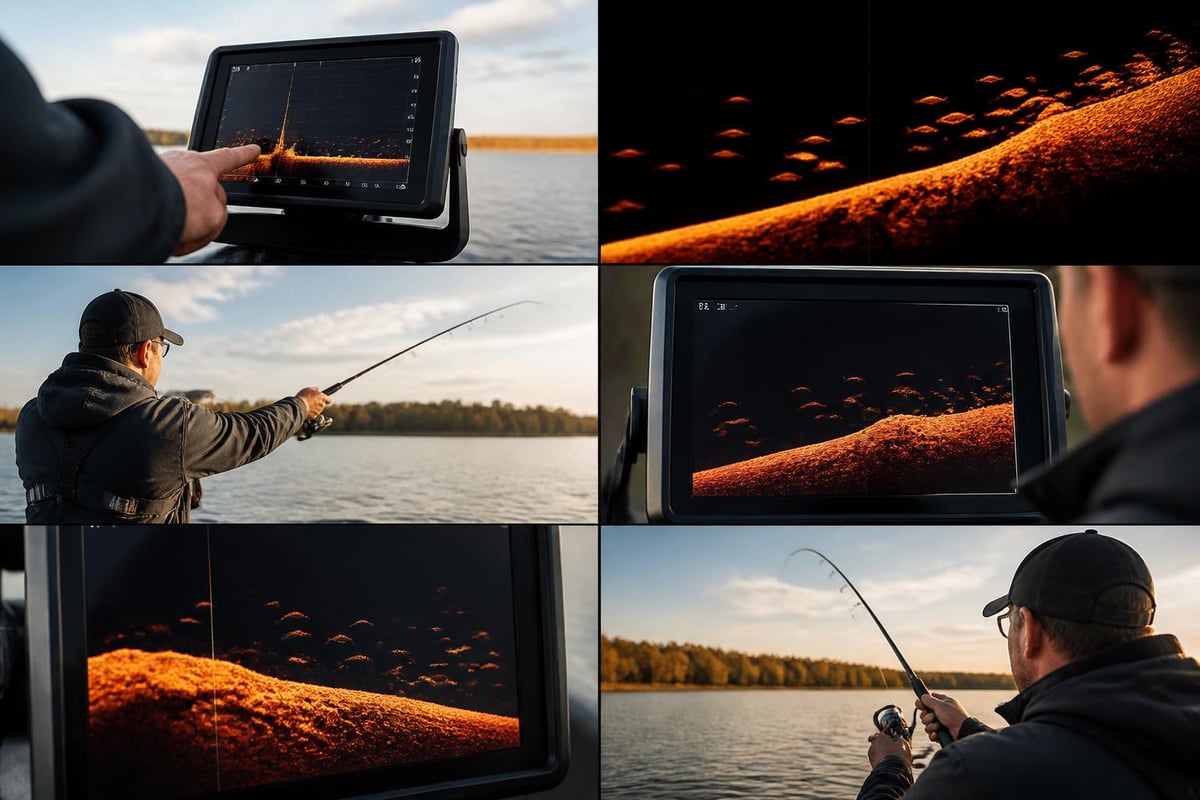
The impact on modern fishing techniques can't be overstated. Bass anglers watch fish approach their lures and adjust retrieval speed in real-time. Crappie fishermen see schools suspend at specific depths and drop jigs right into the strike zone. Walleye enthusiasts track fish movement along breaks and structure with precision that was impossible five years ago.
Common Techniques Using LiveScope:
- Sight fishing in dirty water: See fish you'd never spot visually
- Vertical jigging: Watch fish react and time your hook set perfectly
- Targeting suspended fish: Find schools holding in open water
- Structure fishing: Identify exactly where fish relate to cover
- Trolling: Monitor fish following your spread and trigger strikes
When you're checking out fishing spots in unfamiliar areas, garmin livescope dramatically shortens your learning curve. You can quickly assess if fish are present, where they're positioned, and what they're doing.
The Learning Curve and Investment
Let's be honest about the investment. Complete garmin livescope systems run between $2,000 and $3,000 depending on which components you need. That's serious money, and it raises the question: is it really worth it?
For anglers who fish regularly and want to improve their catch rates, the technology pays dividends. You'll spend less time searching and more time with your lure in the strike zone. However, there's definitely a learning period. Understanding what you're seeing on screen takes practice.
Getting Started Successfully
- Spend time in familiar water learning to interpret images
- Adjust settings frequently until you understand their effects
- Practice tracking fish movement before trying to catch them
- Join online communities where experienced users share tips
- Consider professional installation for optimal performance
The live sonar advantages extend beyond just seeing fish. You'll understand bottom composition better, locate baitfish concentrations, and identify subtle structure changes that hold fish.
Maintenance and Practical Considerations
Garmin livescope requires minimal maintenance but demands proper care. Keep the transducer clean and protect it during transport. Check all cable connections regularly, especially if you remove the transducer between trips. Software updates from Garmin often improve performance, so stay current with your system.
Battery management matters. The system draws significant power, so ensure your trolling motor battery can handle the additional load during long fishing days. Many anglers add a dedicated battery for electronics to avoid draining their trolling motor power.
Mount quality affects everything. A loose or poorly positioned transducer creates imaging issues and frustration. Take time during installation or pay a professional to ensure proper placement and secure mounting. Whether you're fishing warm water outflows or coastal piers, consistent performance depends on solid installation.
Integration with Your Fishing Strategy
Smart anglers use garmin livescope as one tool in their arsenal, not a magic solution. It works best when combined with traditional knowledge about seasonal patterns, weather conditions, and species behavior. The sonar shows you where fish are right now, but understanding why they're there comes from experience.
Combine LiveScope with quality mapping and GPS to mark productive spots. When you discover fish relating to specific structure, save those waypoints. Over time, you'll build a database of proven locations that consistently hold fish during certain conditions. This approach works particularly well when you're exploring regional fishing spots for the first time.
Garmin LiveScope has legitimately transformed fishing by giving anglers real-time underwater visibility that was impossible just a few years ago. While the investment is substantial and there's a learning curve, the technology delivers results for anglers who put in the time to master it. Ready to find your next productive fishing spot? Whether you're using cutting-edge sonar or traditional techniques, Find Fishing Spots helps you discover great fishing locations across the country with GPS coordinates, access information, and local details that get you on the water faster.