The dolphin fish isn't a dolphin at all. This vibrant, fast-swimming gamefish gets its name from its distinctive head shape and acrobatic surface displays, but it's 100% fish. Anglers know this species better as mahi-mahi or dorado, and it ranks among the most exciting catches in saltwater fishing. With brilliant blue-green bodies that flash gold and yellow, these fish light up the ocean when they're hooked. Whether you're trolling offshore or casting around floating debris, dolphin fish offer action-packed fishing that keeps anglers coming back season after season.
What Makes Dolphin Fish Special
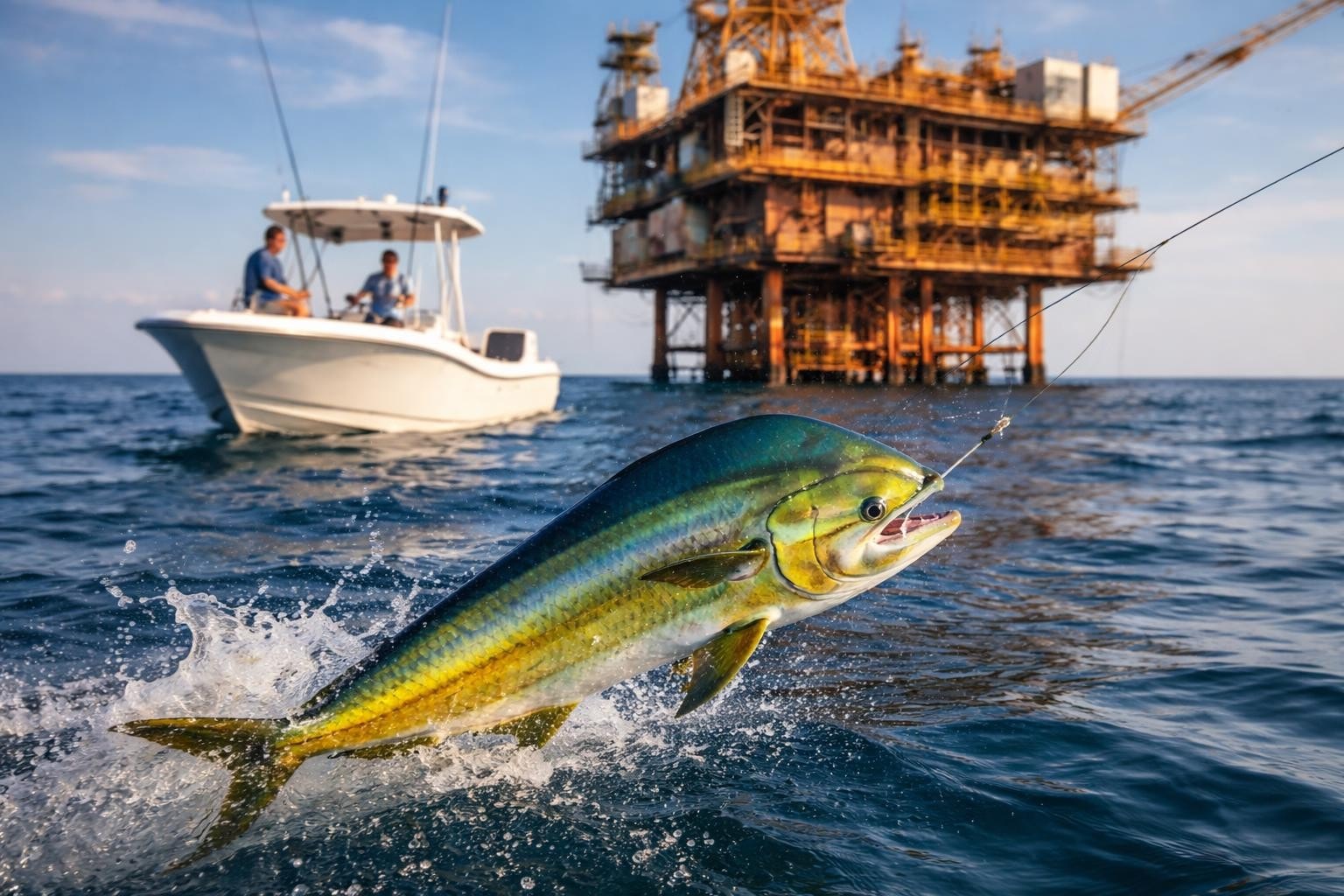
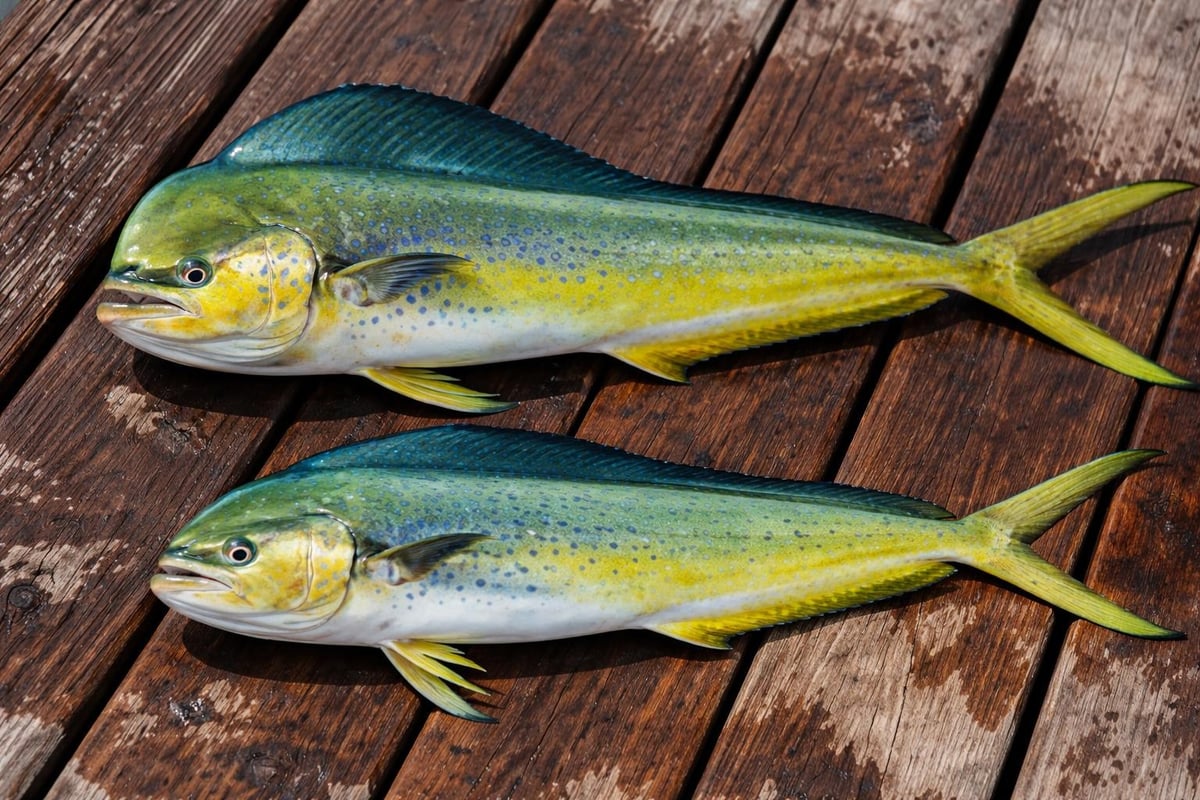
Dolphin fish stand out in the ocean for several reasons beyond their stunning appearance. These pelagic predators grow fast, reaching weights of 30-50 pounds, with bulls (males) occasionally topping 80 pounds. Their compressed bodies and prominent foreheads make them instantly recognizable, especially mature males with their squared-off, almost vertical heads.
Key identifying features include:
- Bright blue-green backs with golden yellow sides
- Long, continuous dorsal fin running nearly the entire body length
- Deeply forked tail built for speed
- Small, sharp teeth designed for grabbing baitfish
- Color changes rapidly when caught or stressed
Speed is what really sets these fish apart. Dolphin fish can swim up to 50 mph in short bursts, making them one of the ocean's fastest predators. They're also opportunistic feeders, which means they'll strike a wide variety of lures and baits. This aggressive feeding behavior, combined with their spectacular jumps and runs, makes them a favorite target for both experienced captains and weekend anglers.
Where to Find Dolphin Fish
Dolphin fish thrive in warm ocean waters worldwide, typically between 70-85°F. In U.S. waters, they're most abundant from spring through fall along the Atlantic coast, throughout the Gulf of Mexico, and off Southern California. These fish are highly migratory, following warm currents and concentrating near temperature breaks, weed lines, and floating objects.
The best locations for targeting dolphin fish include offshore structures and natural gathering points. Look for them around:
- Sargassum weed lines where baitfish congregate
- Temperature breaks where warm and cooler water meet
- Floating debris like logs, pallets, or buoys
- Offshore structure such as oil rigs and FADs (fish aggregating devices)
- Current rips and color changes in the water
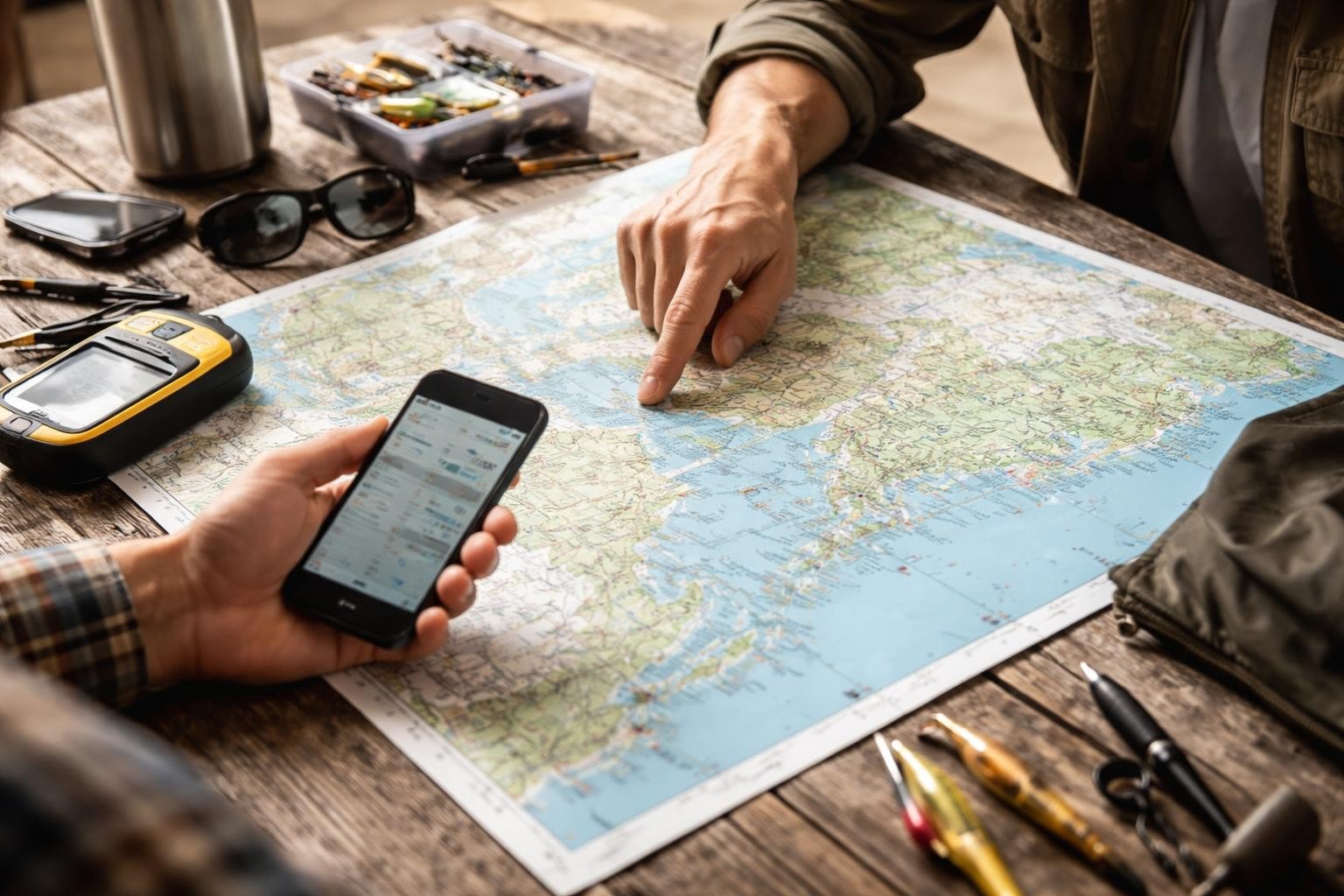
When planning your dolphin fish expedition, check out fishing spots in offshore locations that feature deep water access and known migration routes. California anglers frequently find success at spots like La Jolla Canyon and Nine Mile Bank, while East Coast fishermen target waters off Florida and the Carolinas during peak season.
Understanding dolphin fish habitat preferences helps anglers predict where they'll show up throughout the season. Unlike the marine mammals they're named after, which have specific conservation challenges, dolphin fish populations remain healthy and support robust recreational and commercial fisheries.
Tackle and Techniques That Work
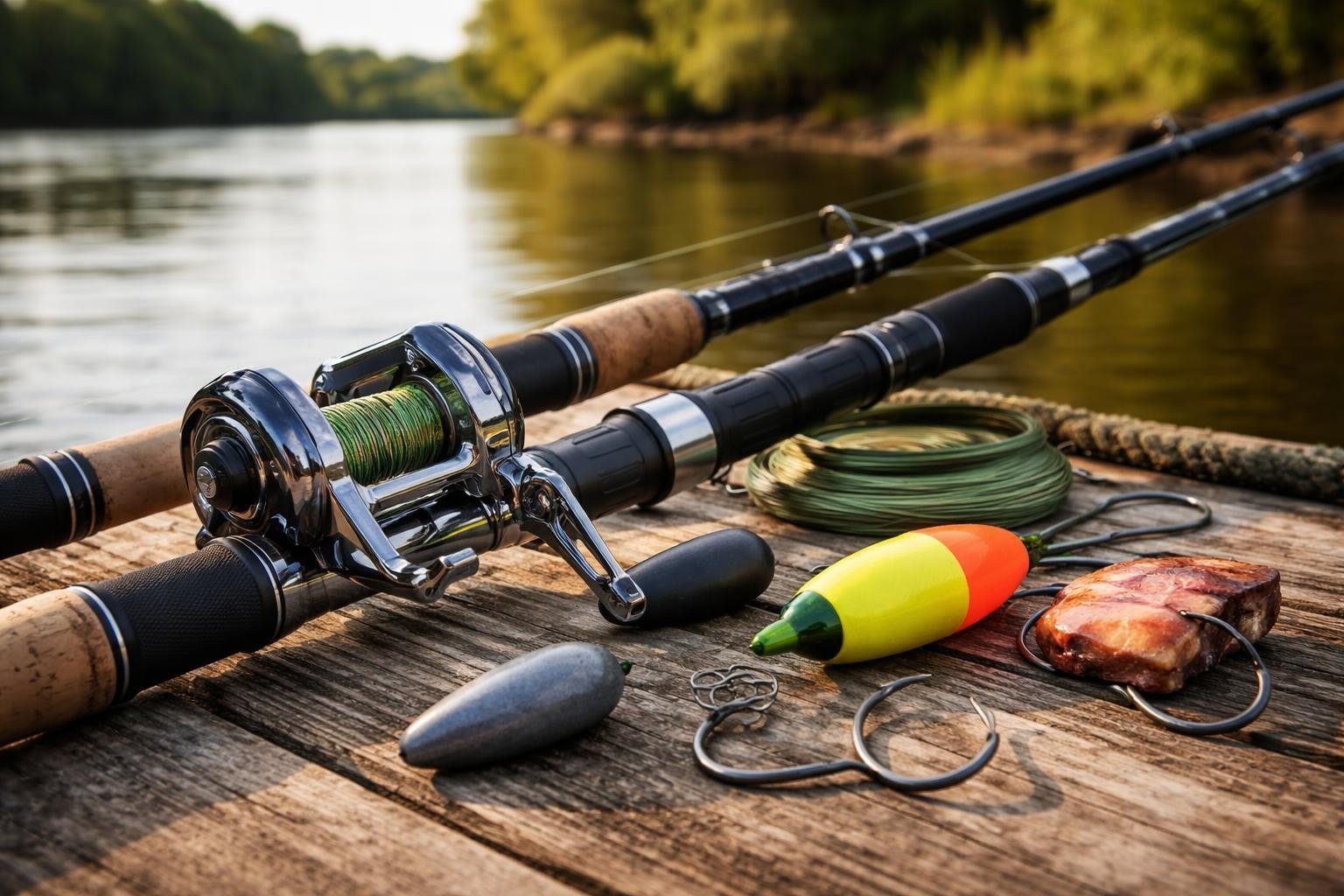
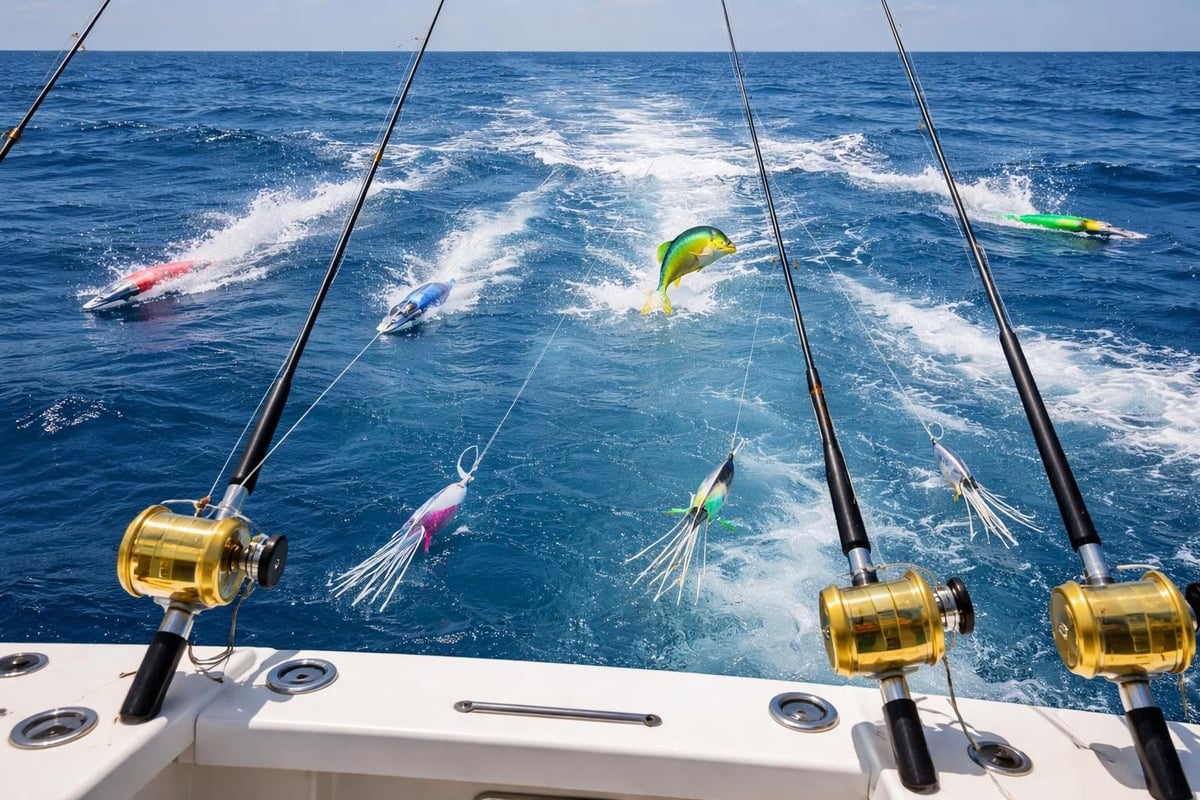
Catching dolphin fish doesn't require specialized gear, but matching your tackle to their speed and strength improves your success rate. Medium to medium-heavy spinning or conventional rods paired with reels holding at least 300 yards of 20-30 pound test line handle most situations. Fluorocarbon leaders in the 30-50 pound range prevent bite-offs without spooking fish.
Effective fishing methods include:
- Trolling with skirted lures, feathers, or rigged ballyhoo at 6-9 knots
- Chunking with cut bait around weed lines and debris
- Live baiting with pilchards, goggle-eyes, or small tuna
- Casting poppers and stick baits to visible fish
The key to consistent dolphin fish action is covering water until you locate active schools. Once you hook the first fish, keep it in the water near the boat while preparing additional rods. Dolphin fish are incredibly social, and the rest of the school will typically stay with their hooked companion, giving you multiple hookup opportunities.
Best Times and Seasons
Timing your dolphin fish trips around their seasonal movements dramatically increases your chances. In the Atlantic and Gulf, the prime season runs from April through October, peaking during summer months when water temperatures climb into the upper 70s and 80s. Pacific Coast fishing is productive from late spring through early fall.
Daily timing matters too. Early morning and late afternoon often produce the best bite, though dolphin fish will feed throughout the day when conditions are right. Overcast days with light chop create ideal hunting conditions, as the reduced light makes it easier for dolphin fish to ambush baitfish near the surface.
Moon phases influence fishing success, with new and full moons triggering stronger feeding activity. Plan trips around these periods when possible, and always check local fishing reports before heading out. The Find Fishing Spots directory provides current information on productive locations and recent catches across different regions.
What to Do With Your Catch
Dolphin fish rank among the finest eating fish in the ocean. Their firm, white meat has a mild, slightly sweet flavor that works with virtually any cooking method. The flesh stays moist when properly prepared, making it forgiving for less experienced cooks.
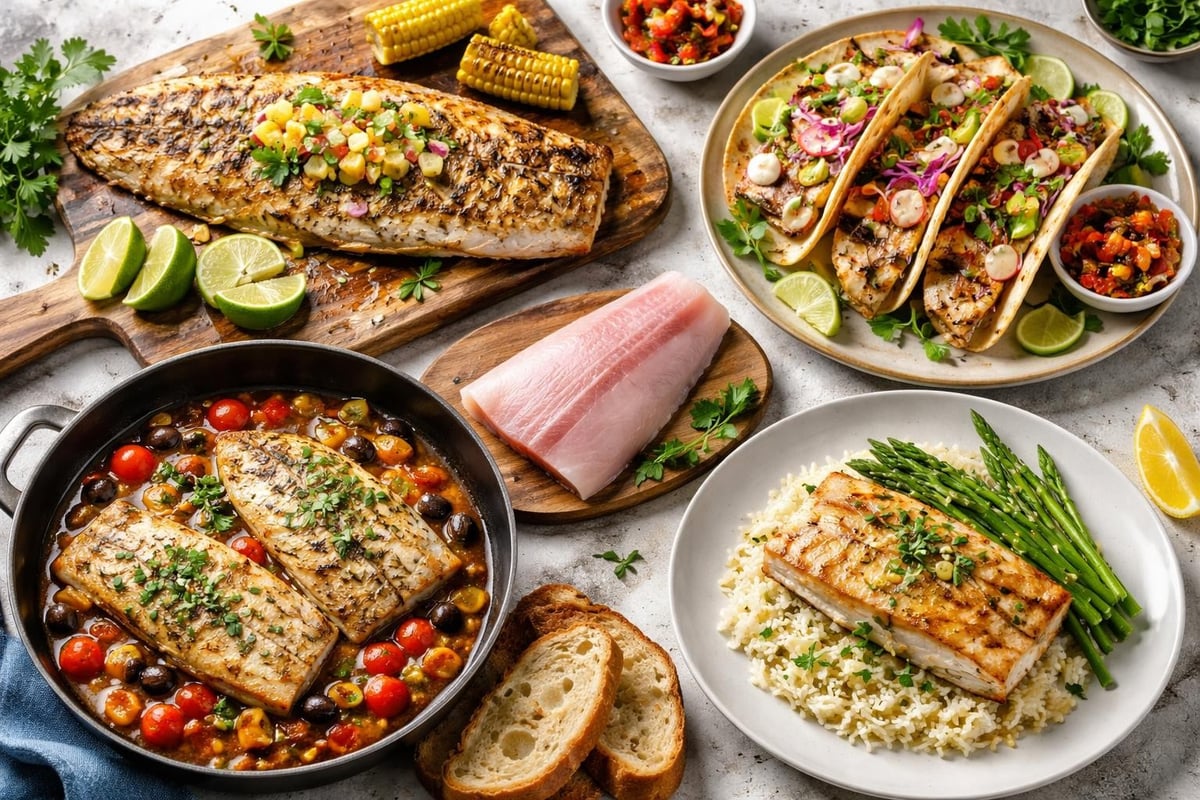
Popular preparation methods include grilling, baking, and pan-searing. For a quick weeknight meal, try pan-seared dolphin fish with lemon sauce, which highlights the fish's delicate flavor. If you prefer oven preparation, detailed instructions for baking dolphin fish deliver consistently excellent results.
Handle your catch properly from the moment it hits the deck. Bleed the fish immediately, ice it quickly, and clean it within hours for the best table quality. Dolphin fish lose their brilliant colors shortly after death, but the meat quality remains excellent. Many anglers vacuum-seal portions and freeze them for enjoying year-round.
Conservation and Bag Limits
Dolphin fish populations are considered stable thanks to their rapid growth rate and high reproductive capacity. Females can spawn multiple times per year, releasing hundreds of thousands of eggs during each event. This biological advantage helps populations recover quickly from fishing pressure.
Most states and federal waters enforce bag limits to ensure sustainable fishing. Typical recreational limits range from 10 fish per person per day in federal waters, with some states imposing more conservative restrictions. Minimum size limits are less common for dolphin fish compared to other species, but always check current regulations for your fishing location.
Practice responsible fishing by releasing undersized fish quickly and carefully. Keep only what you'll use, and consider releasing larger bulls to preserve the breeding population. These fast-growing fish reach maturity within their first year, so even modest conservation efforts support long-term population health.
Dolphin fish deliver everything anglers want: explosive strikes, acrobatic fights, and excellent table fare. Whether you're targeting them around offshore structures or cruising weed lines for scattered schools, these colorful speedsters provide unforgettable action. Ready to start planning your next dolphin fish adventure? Find Fishing Spots connects you with productive offshore locations across the U.S., complete with GPS coordinates, access information, and local insights to help you land your next trophy mahi-mahi.