Chasing yellowfin tuna in 2026 promises the thrill of a lifetime, with anglers and seafood lovers everywhere watching the action heat up. Whether you are new to the hunt or a seasoned pro, this guide has you covered.
We will walk you through the latest tips, proven strategies, and everything you need to know for landing yellowfin tuna. Get ready to dive into their biology, migration habits, effective fishing techniques, gear picks, sustainability, and even the best ways to enjoy your catch.
Curious how to level up your next trip? Let’s get started and make your yellowfin tuna adventure the best one yet.
Understanding Yellowfin Tuna: Biology and Behavior
Yellowfin tuna are among the most sought-after fish in the ocean, admired for their speed, strength, and beauty. To consistently catch them, it helps to know what makes these tuna tick. Let’s break down their biology, natural habits, and what sets them apart from the crowd.
Species Overview and Identification
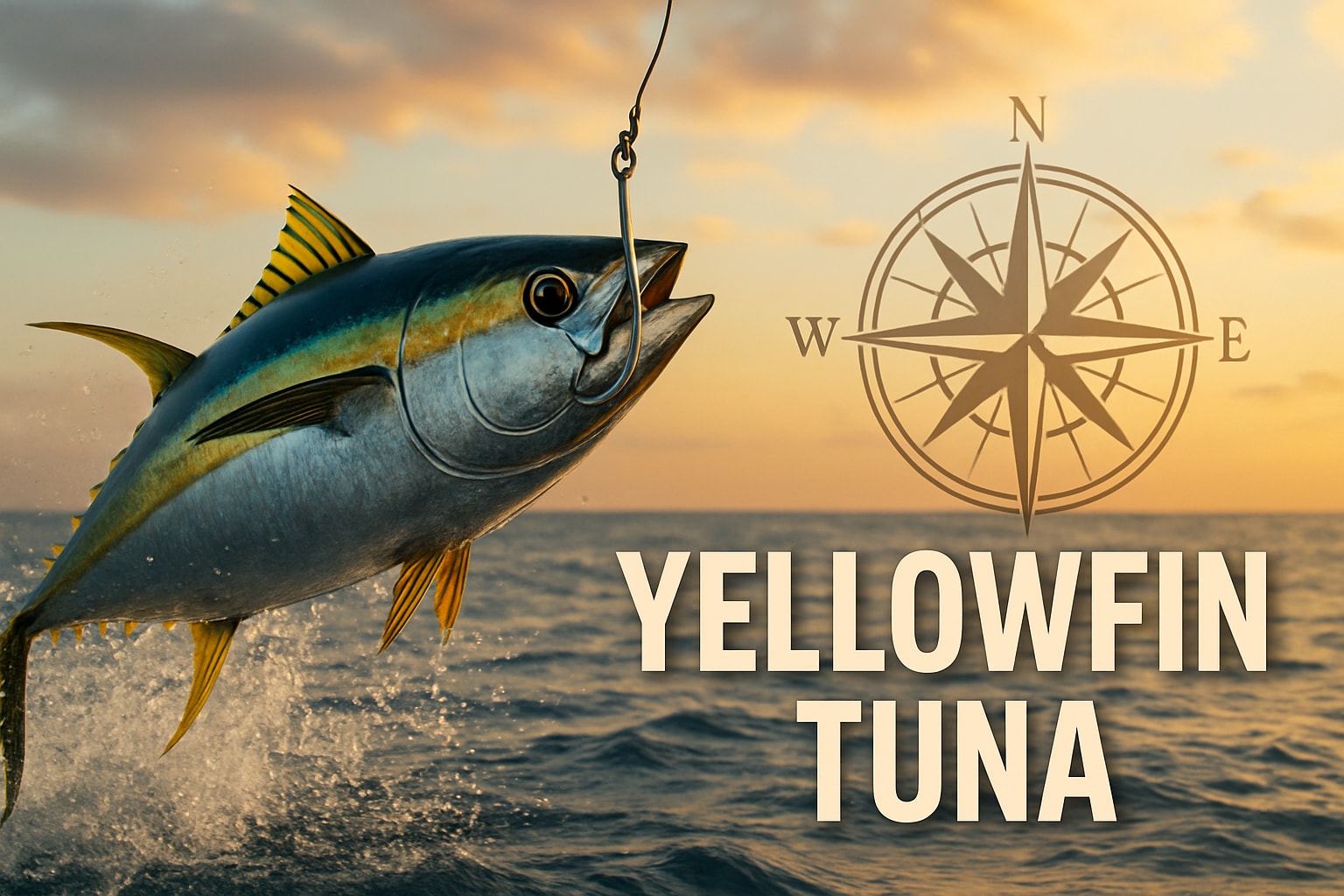
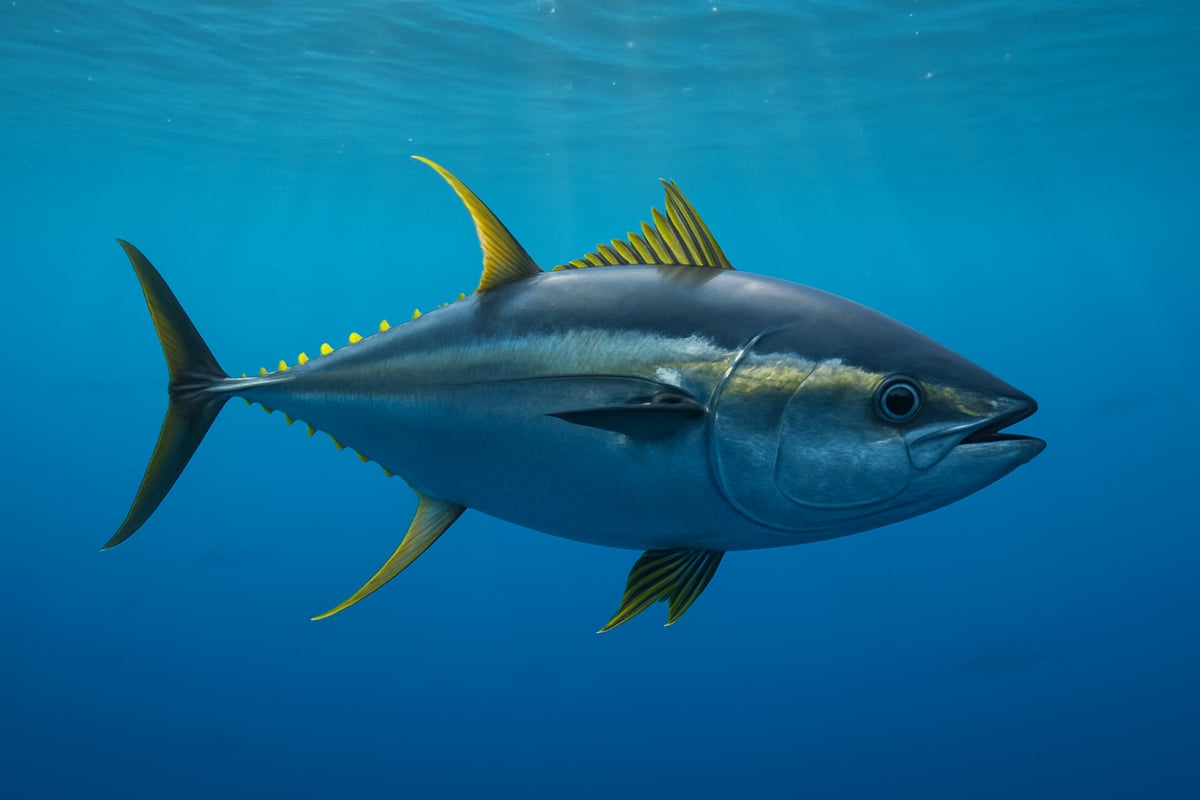
Yellowfin tuna (Thunnus albacares) are instantly recognizable by their metallic blue backs, silver bellies, and, most notably, those long, bright yellow dorsal and anal fins. These powerful fish can grow over six feet in length and weigh more than 400 pounds, though most catches range from 40 to 150 pounds. Their streamlined bodies are built for speed, making them fierce fighters in the open ocean.
You’ll find yellowfin tuna in warm, tropical, and subtropical waters around the globe. Populations thrive in the Pacific and Atlantic, with notable numbers off the coasts of the U.S., Central America, and Africa. Compared to bluefin or bigeye tuna, yellowfin are slimmer and have a quicker growth rate. For more details on their appearance and behaviors, check out the Yellowfin Tuna Species Profile.
Life Cycle and Spawning Habits
Yellowfin tuna have a fascinating life cycle. Spawning typically happens in warm waters, with peak seasons varying by region. In the Pacific, spawning can occur year-round, while in the Atlantic, it’s usually most active in late spring and early summer. Adult yellowfin prefer open ocean environments, but juveniles often stick closer to floating debris or sargassum weed lines for protection.
These fish mature quickly, often reaching reproductive age by two or three years old. Their highly migratory lifestyle sends them on long journeys, sometimes crossing entire ocean basins. Spawning in massive groups boosts their reproductive success and keeps populations resilient, provided fishing pressure stays in check.
Feeding Patterns and Predatory Behavior
Yellowfin tuna are relentless predators, feeding mostly on schooling fish like sardines, anchovies, and mackerel, along with squid and crustaceans. Their speed and agility come in handy when hunting, often working together in groups to herd and attack prey. Quick bursts of speed let them ambush their targets with precision.
As apex predators, yellowfin tuna play a key role in the marine food web, keeping prey populations balanced. They’re not invincible, though; larger sharks, marlin, and even some whales will target yellowfin, especially juveniles. Understanding their feeding habits can give anglers a real edge, since matching the hatch often leads to more bites and bigger catches.
Prime Yellowfin Tuna Habitats and Seasonal Movements
Yellowfin tuna are found in some of the most exciting and diverse waters on the planet. Knowing where to look, when to go, and what shapes their movement can make all the difference for anglers in 2026. Let’s break down the prime habitats, seasonal migrations, and big-picture environmental factors shaping your yellowfin tuna adventures.
Key Global Hotspots for Yellowfin Tuna
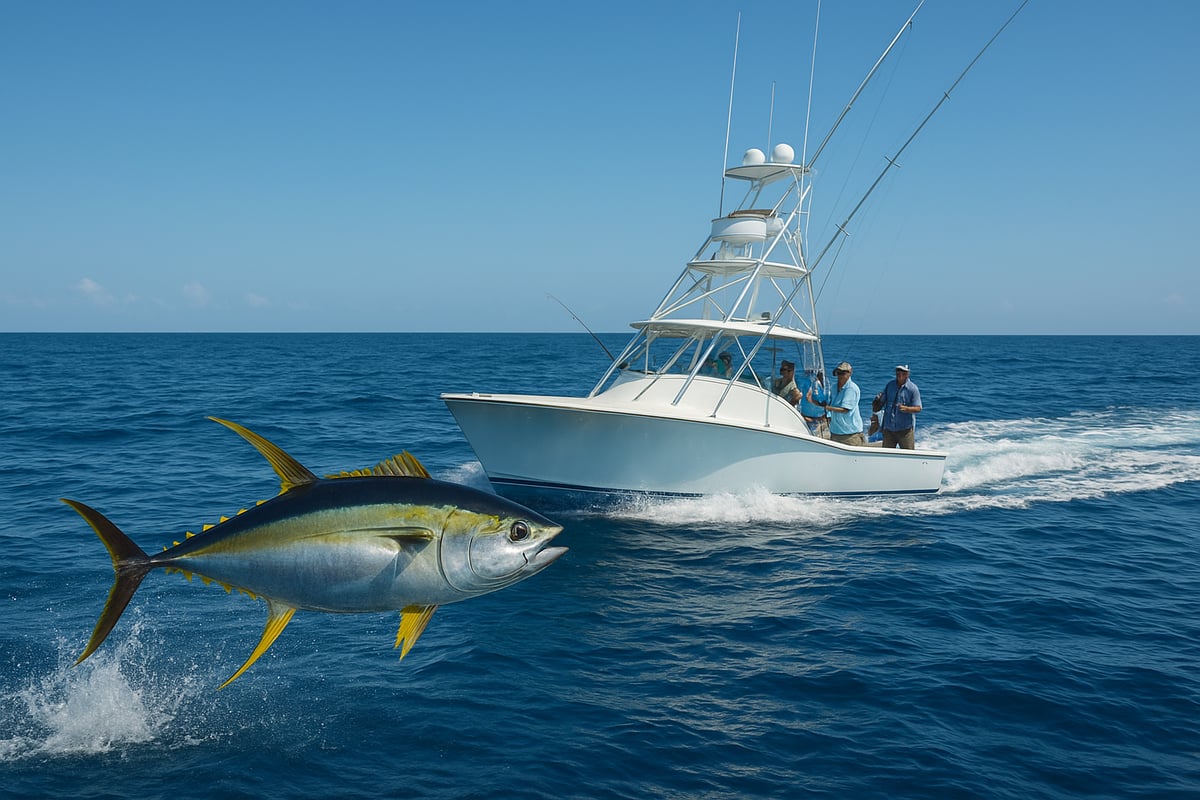
Yellowfin tuna thrive across the tropical and subtropical belts of the Pacific, Indian, and Atlantic Oceans. Some of the world’s most legendary fishing grounds include the waters off Hawaii, the Seychelles, and the eastern Pacific near Costa Rica.
In the U.S., the Gulf of Mexico, California’s offshore banks, and the Pacific Islands are top destinations. Florida, especially, attracts anglers searching for yellowfin tuna, with areas like the Keys, Islamorada, and Key West offering prime access. If you want to plan your trip, check out these saltwater fishing spots in Florida for local insight.
What makes these regions so productive? Yellowfin tuna are drawn to warm, nutrient-rich waters where ocean currents, temperature, and salinity create ideal hunting grounds. Upwellings and current edges often concentrate baitfish, making these areas hotspots for both recreational and commercial tuna action.
Seasonal Migration and Behavior Trends
Yellowfin tuna are highly migratory, covering thousands of miles each year. Their movements are shaped by water temperature, food availability, and spawning cycles. Recent satellite tagging studies reveal that yellowfin tuna follow predictable routes, often tracing the edges of warm currents and moving into new areas as seasons shift.
In 2026, expect yellowfin tuna to be most plentiful in the northern hemisphere’s summer and fall, when waters warm and baitfish school up. El Niño and La Niña cycles can dramatically affect their distribution, pushing schools closer to shore or farther offshore depending on ocean conditions. Keeping an eye on water temperature charts and current reports is key for anglers hoping to intercept yellowfin tuna at peak times.
Understanding these seasonal shifts helps anglers plan trips for the best chance of success, whether targeting yellowfin tuna off the U.S. West Coast, in the Caribbean, or farther afield.
Environmental and Human Impacts
The abundance and movement of yellowfin tuna are influenced by more than just natural cycles. Commercial fishing pressure can change local populations and sometimes shifts migration routes as tuna respond to increased activity. Bycatch—especially interactions with dolphins and other marine life—remains a concern in some regions.
Climate change is also altering the landscape. As ocean temperatures rise, yellowfin tuna habitats may shift, with some areas seeing more fish and others less. Conservation zones and protected areas are increasingly important for ensuring healthy populations. Anglers and commercial fishers alike play a role in supporting the long-term future of yellowfin tuna by respecting catch limits and participating in conservation efforts.
For anyone invested in the future of yellowfin tuna fishing, staying informed about environmental changes and human impacts is just as important as knowing where to drop a line.
Expert Fishing Techniques for Yellowfin Tuna
Getting ready to target yellowfin tuna means setting yourself up with the right gear, mastering proven methods, and learning a few tricks from the pros. Let’s break down what works best for these fast, powerful fish and how you can up your game for 2026.
Tackle, Gear, and Preparation
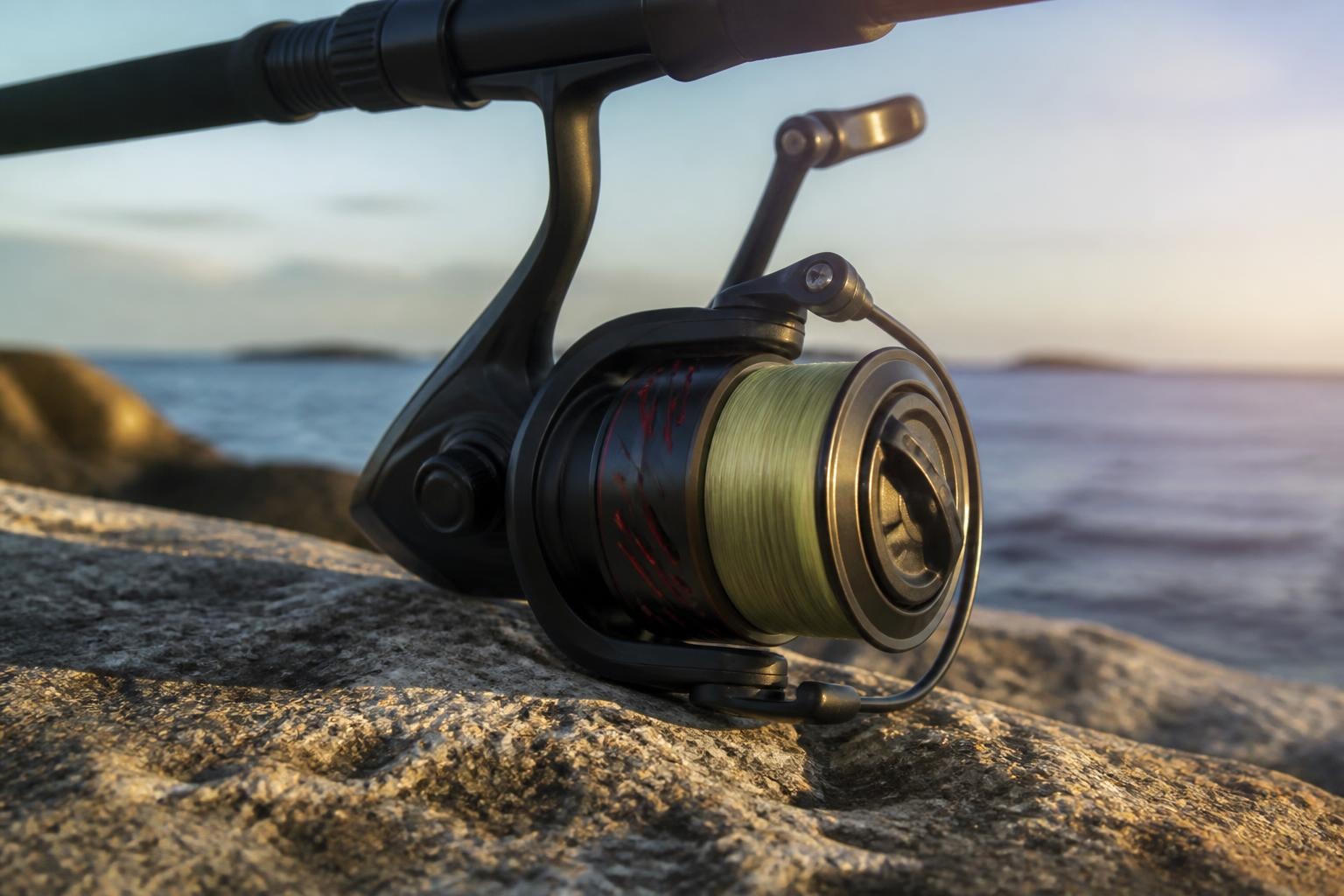
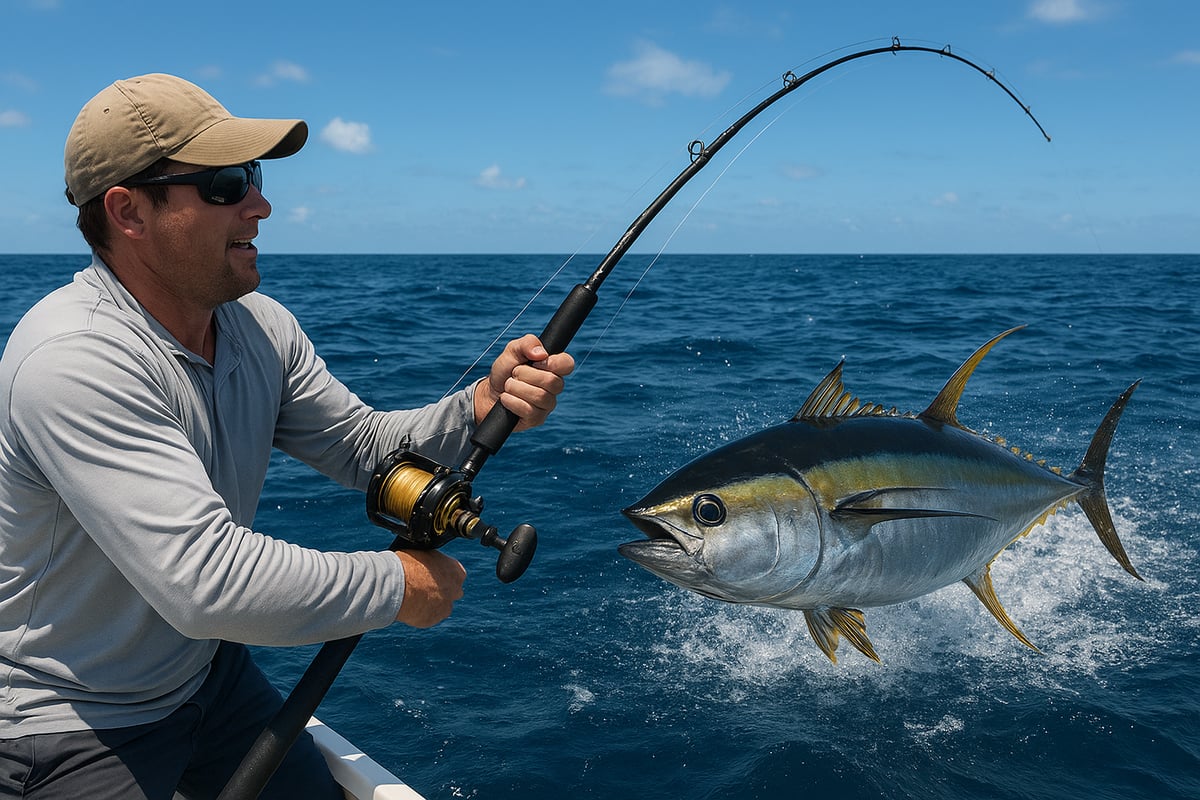
When chasing yellowfin tuna, your gear matters. Choose a sturdy rod rated for 30 to 80 pounds, matched with a high-capacity reel and a smooth drag system. Braided line (50 to 80 lb test) is a favorite for its sensitivity and strength, giving you control over hard-fighting fish.
Terminal tackle should include strong circle hooks, fluorocarbon leaders (60 to 130 lb), and a variety of lures. Top picks are poppers, metal jigs, and live bait rigs. Bring a selection so you can adapt to the conditions and tuna size.
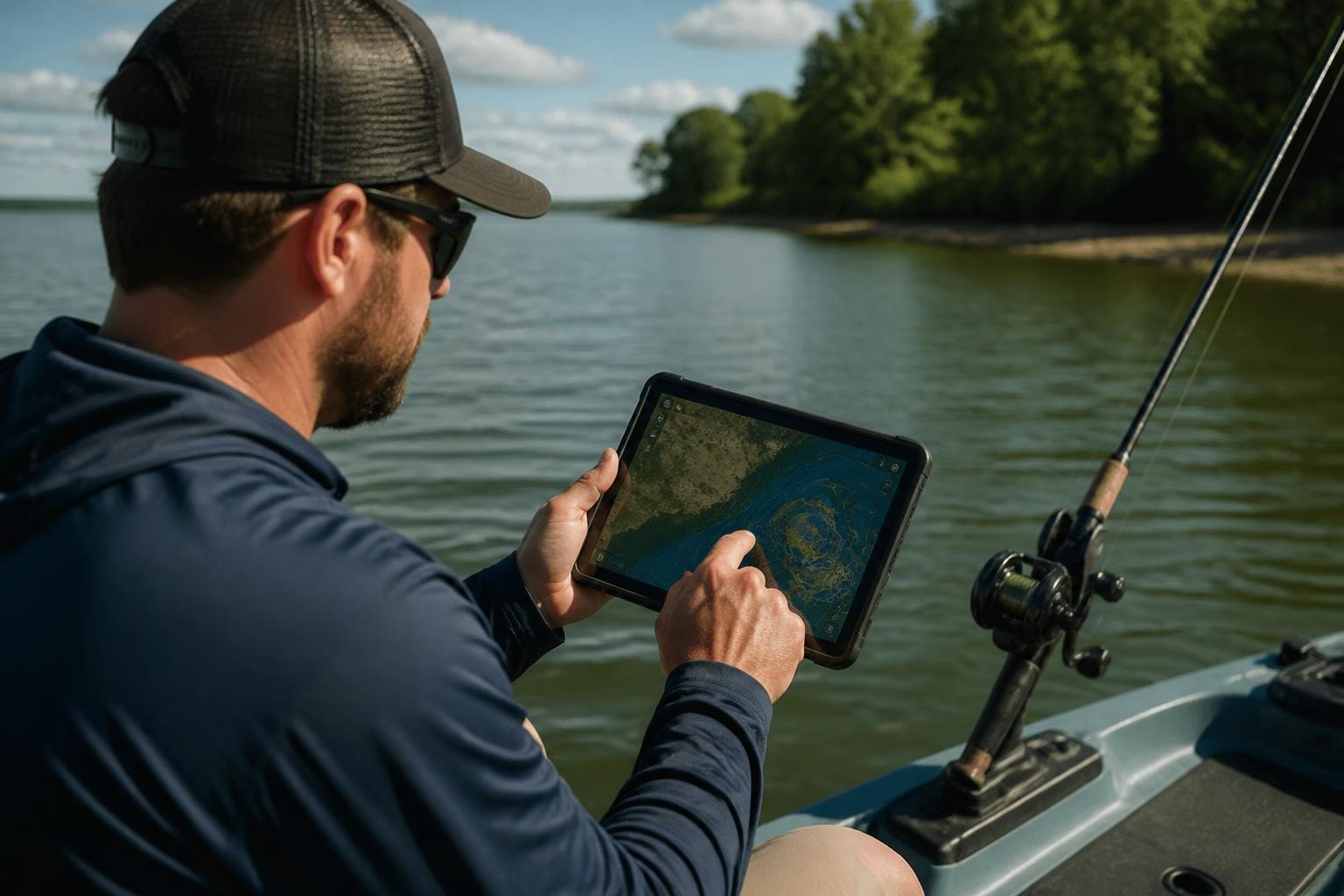
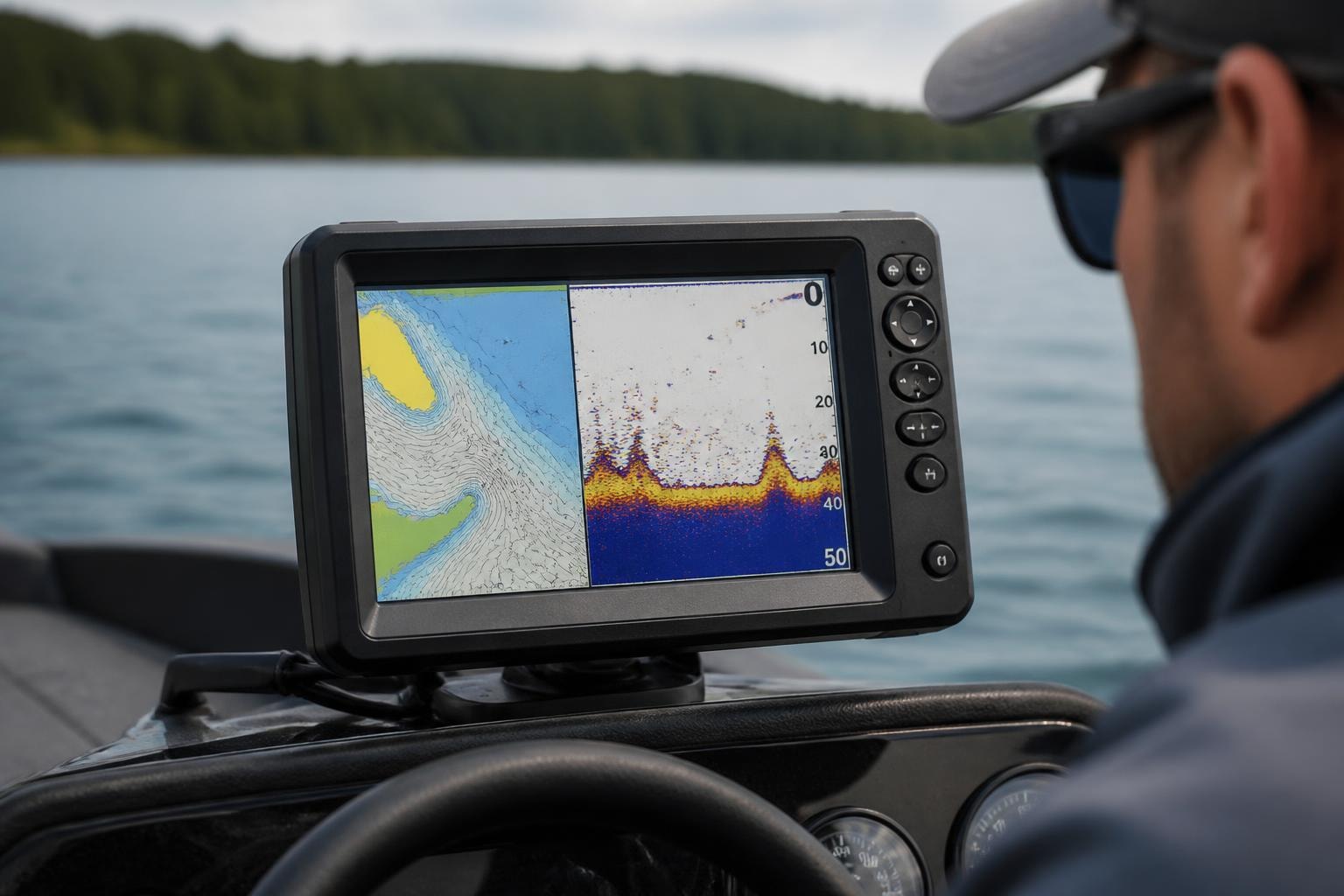
Electronics are your best friend offshore. Use sonar and GPS to locate bait schools and track moving fish. Don’t skimp on safety gear: life jackets, emergency beacons, and a well-stocked first aid kit are must-haves. Preparation is half the battle when it comes to yellowfin tuna.
Proven Methods: Live Bait, Trolling, and Chunking
Live bait consistently produces yellowfin tuna. Choose lively sardines or mackerel, rig them with a circle hook, and present them naturally in the current. Positioning your bait just behind the boat’s wake often draws strikes.
Trolling is another go-to, especially when covering ground. Use spreader bars, skirted lures, and vary your speed between 6 and 8 knots. Change colors and sizes if the bite slows down.
Chunking involves cutting bait into pieces and tossing them overboard to attract tuna. Chum steadily, then present a hooked chunk in the slick. Timing is key—early morning or late afternoon often yields the best results. For a deeper dive into yellowfin tuna fishing techniques, check out this expert guide for gear and strategy tips.
Advanced Tips from Pros
Reading the water is a skill. Look for temperature breaks, floating debris, or diving birds—these often signal yellowfin tuna below. If the fish are finicky, downsize your leader or switch to a stealthier presentation.
Adjust tactics for changing conditions. When tuna are deep, try vertical jigging. If they’re feeding on the surface, switch to topwater lures and cast ahead of the school.
When you hook multiple yellowfin tuna, keep lines clear and communicate with your crew. Don’t rush the fight—steady pressure lands more fish. Common mistakes include using gear that’s too light, ignoring safety, or failing to adapt to tuna behavior. Stay alert, and you’ll land more yellowfin tuna.
Sustainable Fishing and Conservation Insights
Fishing for yellowfin tuna is more popular than ever, but with this popularity comes a responsibility to protect the species for future generations. Sustainable practices and smart management are key to keeping these incredible fish thriving in our oceans.
Current Yellowfin Tuna Population Status
Keeping tabs on yellowfin tuna numbers is crucial for healthy fisheries. Recent assessments show that while some populations are stable, others are feeling the strain from heavy fishing pressure, especially in the Atlantic and Indian Oceans. Regional differences are significant, making it important for managers to use the latest science when setting catch limits.
For up-to-date information on stock health and management measures, check out the Atlantic Yellowfin Tuna Stock Assessment. Staying informed helps anglers and industry alike make better choices to support yellowfin tuna populations.
Responsible Fishing Practices
If you want to do your part for yellowfin tuna, it starts with following the rules and using the right gear. Always check for current catch limits and size regulations before heading out. Many regions require circle hooks, which help reduce harm to both the tuna and any bycatch like billfish or sharks.
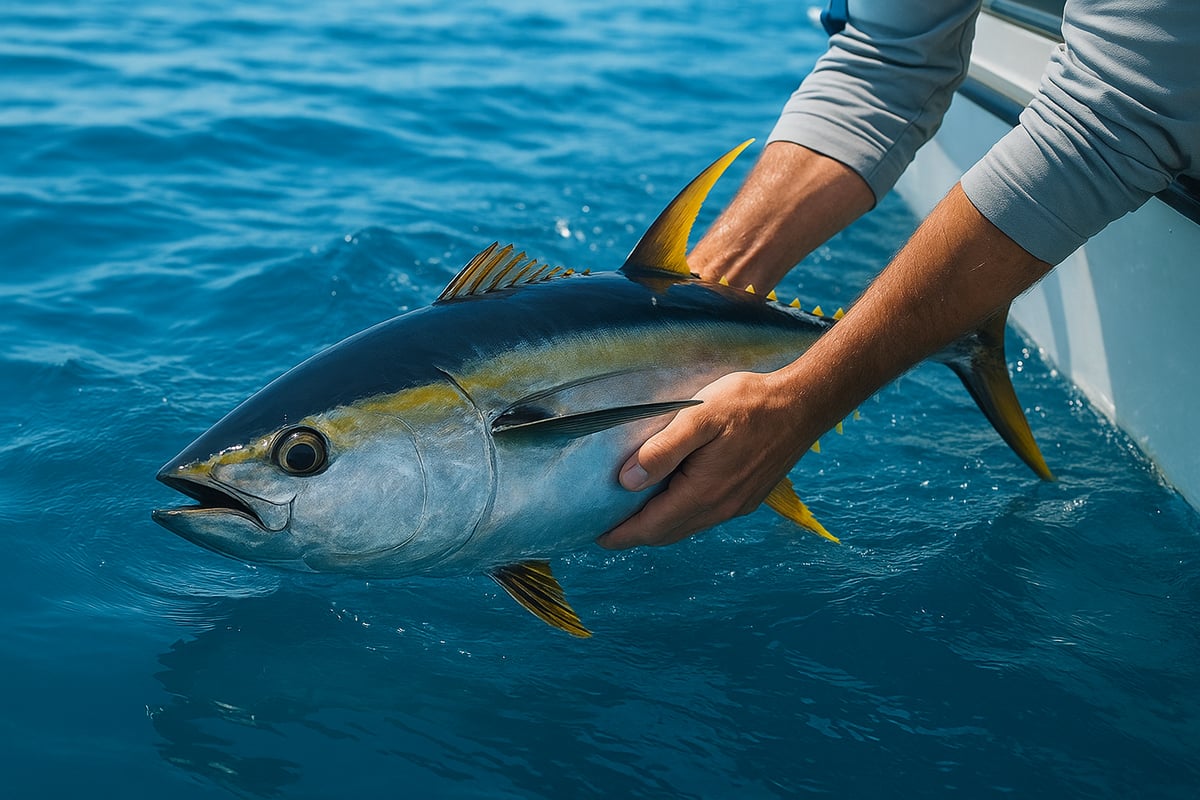
When possible, release non-target species quickly and safely. Reporting your catch data or participating in tagging programs can help scientists track yellowfin tuna and improve management. Every angler’s actions add up, so practicing these habits makes a real difference.
The Future of Yellowfin Tuna Fisheries
Looking ahead, international groups are stepping up efforts to keep yellowfin tuna stocks healthy. Organizations like ICCAT and IATTC are working to enforce regulations, improve traceability, and encourage sustainable fishing practices. New tech, like electronic monitoring and better gear designs, is making it easier to track catches and cut down on bycatch.
As consumer demand for responsibly sourced yellowfin tuna grows, eco-labels and certifications are becoming more important. Anglers and seafood lovers alike play a role in shaping a future where yellowfin tuna remain a prized catch for years to come.
Culinary Delights: Preparing and Enjoying Yellowfin Tuna
Craving something fresh and flavorful from your latest catch? Few fish deliver in the kitchen like yellowfin tuna. Whether you reel one in yourself or pick up a prime cut at the market, this versatile fish is a favorite among home cooks and chefs alike. Let’s dive into the tastiest ways to enjoy yellowfin tuna, how to pick the best fillet, and how to keep your choices sustainable.
Popular Culinary Uses and Recipes
Yellowfin tuna shines in a range of dishes. Its deep pink flesh and clean flavor make it a top pick for raw preparations. Sashimi and sushi are classic choices, where the fish’s buttery texture really stands out. Poke bowls, packed with marinated cubes of yellowfin tuna, have soared in popularity for their vibrant flavors and healthy appeal.
If you prefer your yellowfin tuna cooked, try grilling thick steaks over high heat for a smoky char and tender center. Searing the outside while keeping the inside rare preserves its delicate texture. The fish’s mild, meaty taste pairs well with simple seasonings like sea salt, cracked pepper, or a brush of soy and ginger. However you prepare it, yellowfin tuna brings restaurant-quality flavor to your table.
Selecting and Handling Yellowfin Tuna
Getting the most out of yellowfin tuna starts with picking the freshest fish. Look for firm, glossy flesh that springs back when pressed. The color should be a rich pink or red, never dull or brown. If buying whole, clear eyes and a fresh, ocean scent are good signs.
Once home, keep your yellowfin tuna chilled and use it within a day or two for raw dishes. For cooked recipes, you can store it a bit longer, but always keep it cold. Be mindful of mercury levels—moderation is key, especially for children and pregnant women. If you caught your yellowfin tuna yourself, clean and ice it as soon as possible to lock in peak flavor.
Sustainability in the Seafood Market
With demand for yellowfin tuna always on the rise, choosing responsibly sourced fish makes a real impact. Look for labels like Marine Stewardship Council (MSC) or “dolphin-safe” to ensure your purchase supports healthy oceans. Buying from reputable markets and asking about sourcing is a simple way to support sustainable fishing.
For more insights into the conservation efforts and current status of yellowfin tuna populations, check out the Yellowfin Tuna Conservation Status. By making informed choices, every shopper and angler plays a part in protecting this incredible species for future generations.
The Future of Yellowfin Tuna Fishing: Trends and Innovations for 2026
The future of yellowfin tuna fishing is shaping up to be more exciting, tech-savvy, and sustainable than ever. As we look ahead to 2026, anglers and industry pros are embracing new tools, adapting to environmental changes, and working together to protect these prized fish. Let’s dive into the biggest trends and what they mean for everyone chasing yellowfin tuna.
Technological Advances in Tuna Fishing
Fishing for yellowfin tuna is getting a serious upgrade thanks to tech innovations. Satellite tagging is now standard, making it easier to track migration patterns in real time. Anglers are using electronic monitoring and digital logbooks to record catches, helping scientists better understand yellowfin tuna movements.
Onboard gear is smarter, too. Fish finders use AI to spot tuna schools, while new lure designs reduce bycatch. These advances mean more efficient fishing, less guesswork, and better protection for the species.
Climate Change and Ocean Health
Climate change is reshaping where and when yellowfin tuna show up. Warmer waters are shifting traditional hotspots, so anglers must stay flexible. Research shows yellowfin tuna are moving to cooler zones, which could mean new fishing grounds in 2026.
Adapting means watching sea temperatures and learning from ongoing studies on resilience. The health of the ocean is closely tied to the future of yellowfin tuna, so understanding these trends is key for successful fishing.
Regulatory and Market Developments
Regulations for yellowfin tuna are evolving, with a focus on sustainability. Expect more catch limits, stricter size rules, and greater traceability in the tuna supply chain. New eco-labels and digital tracking tools help consumers identify responsibly caught yellowfin tuna.
The market for traceable, eco-friendly tuna is growing. Fisheries and retailers are working together to meet demand, making it easier for everyone to support healthy tuna populations.
Community and Angler Engagement
Anglers play a huge role in the future of yellowfin tuna fishing. Citizen science programs let everyday fishers report catches and tag tuna, adding valuable data for researchers. Educational efforts are spreading the word about sustainable practices.
If you’re looking to join a responsible fishing community, check out resources like Offshore fishing in Key West, where local knowledge and conservation efforts go hand in hand. Working together, anglers can help protect yellowfin tuna for future generations.
Expert Predictions and What to Watch For
Fisheries scientists and seasoned anglers agree: the outlook for yellowfin tuna depends on smart management and ongoing innovation. Watch key indicators like stock assessments and migration shifts. Opportunities abound for those who adapt to new tools and changing ocean conditions.
Challenges remain, but the passion of the yellowfin tuna community is driving positive change. Stay curious, stay engaged, and 2026 could be a banner year for everyone who loves the chase.
Now that you’ve got the inside scoop on yellowfin tuna—from their habits and prime spots to the best gear and sustainable fishing tips—you’re probably itching to put this knowledge to use. Whether you’re scouting for your first yellowfin or planning your next big trip, having the right location makes all the difference. Want to find the best fishing spots near you, complete with GPS coordinates and local details? Let’s make your next tuna adventure a whole lot easier—just Find Spots and get ready to reel in something memorable!