When it comes to speed and excitement, few ocean creatures rival the wahoo fish. Known for blistering runs and prized by anglers worldwide, this species is a true legend in saltwater fishing circles.
This ultimate Wahoo Fish Guide for 2026 is your one-stop resource for everything wahoo. Whether you are looking to identify a wahoo fish, find its favorite haunts, or land one yourself, you are in the right place.
We will break down how to spot a wahoo fish, where to find them, and share expert fishing tips so you can get in on the action.
Wahoo Fish Identification: Key Features and Differences
Spotting a wahoo fish in the wild is a thrill for any angler. These fish are built for speed, and their streamlined bodies look like they were designed in a wind tunnel. If you want to recognize a wahoo fish instantly, keep reading for the key features and differences that set this species apart.
Physical Appearance and Size
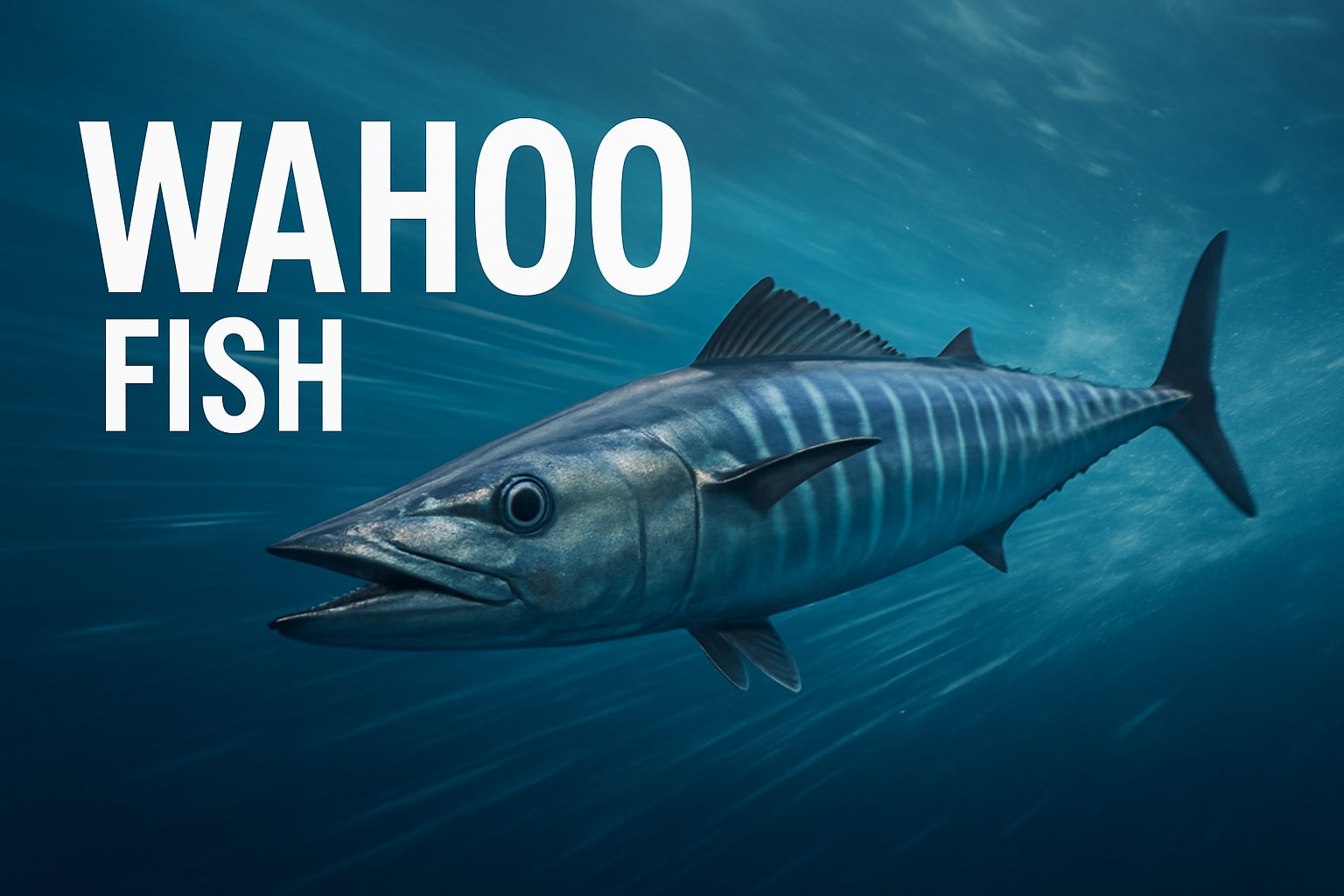
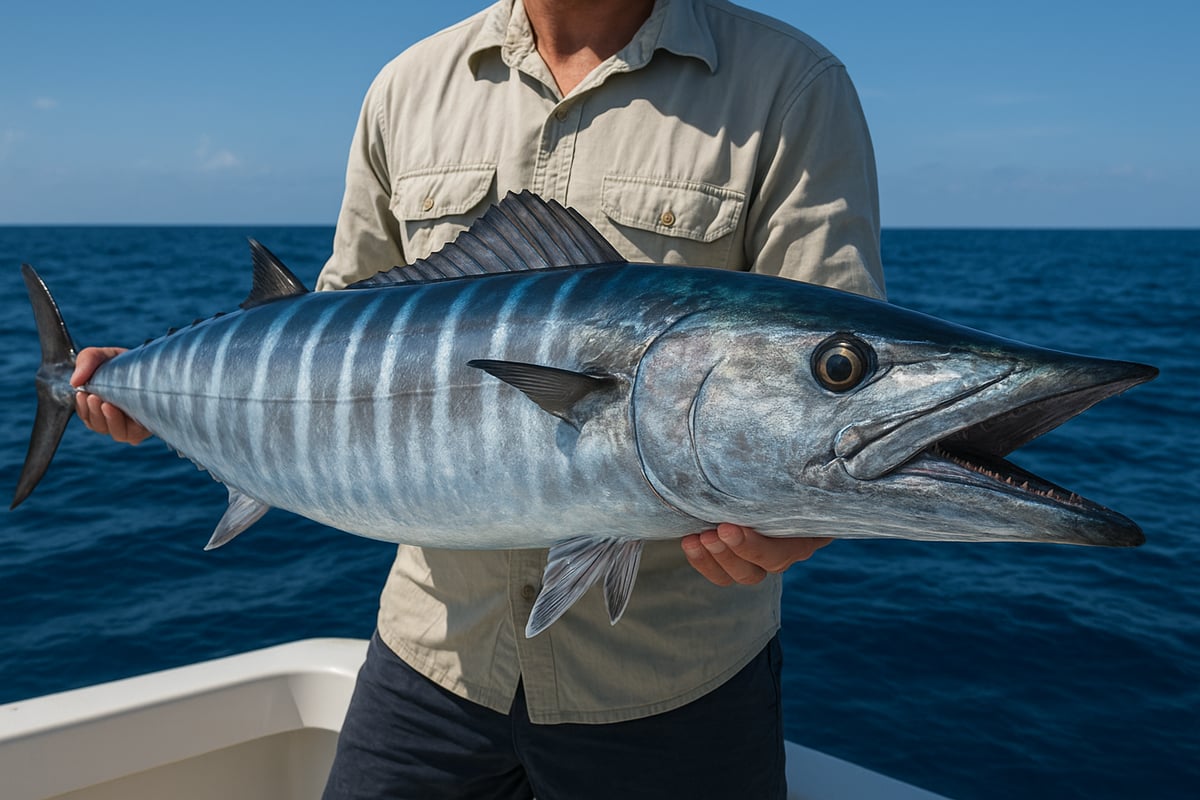
The wahoo fish stands out with its long, torpedo-shaped body and sleek profile. This body shape helps it slice through open water at lightning speeds. Most wahoo fish caught by anglers measure about 1 meter, but giants can reach up to 2.5 meters and weigh over 80 kilograms.
Coloration is another clue: wahoo fish display dark blue or gray backs, fading to silver sides with vertical blue stripes or mottled bands. Their eyes are large and alert, while the mouth is long and pointed, packed with razor-sharp teeth. Look for a powerful tail fin and a tall, sail-like dorsal fin that folds neatly against the body.
Distinguishing Wahoo from Similar Species
It’s easy to confuse a wahoo fish with a greater barracuda or a king mackerel at first glance. But there are telltale differences. Wahoo fish have very small, almost invisible scales, while barracuda scales are larger and more noticeable. The jaw structure on a wahoo fish features a fleshy flap covering the lower jaw, unlike the exposed jaws of barracuda.
When compared to king mackerel, the wahoo fish lacks the pronounced lateral line dip and has a more pointed snout. There’s no way to tell males from females just by looking, since both sexes look identical to the human eye.
Notable Identification Facts
Scientifically, the wahoo fish is known as Acanthocybium solandri, a proud member of the Scombridae family. If you ever hook one, you’ll never forget the “screaming reel” sound as your line peels away at breakneck speed. Anglers often tell tales of wahoo fish making heart-pounding runs that test even the toughest gear.
For a deep dive into the wahoo fish’s physical traits and behavior, check out the Wahoo species profile by Florida Museum. Their guide explores everything from body structure to fascinating stories from the water.
Unique Adaptations for Speed and Hunting
What makes the wahoo fish a top predator? It’s all about evolution. The fish’s smooth, tiny scales and narrow shape cut down on drag, letting it reach speeds that rival tunas and bonitos. Its wide jaws and needle-sharp teeth let it gulp down prey in a single bite, while its big eyes are built for spotting movement in clear, blue water.
These adaptations make the wahoo fish not just fast, but incredibly efficient at hunting and surviving in the open ocean. For anglers and conservationists, knowing these features is crucial for proper identification and responsible fishing.
Wahoo Habitat and Global Distribution
The wahoo fish is a true ocean wanderer, thriving in some of the most exciting and challenging environments on the planet. Whether you’re dreaming of an offshore adventure or planning your next big catch, understanding where wahoo fish call home is the first step to success.
Preferred Environments and Water Conditions
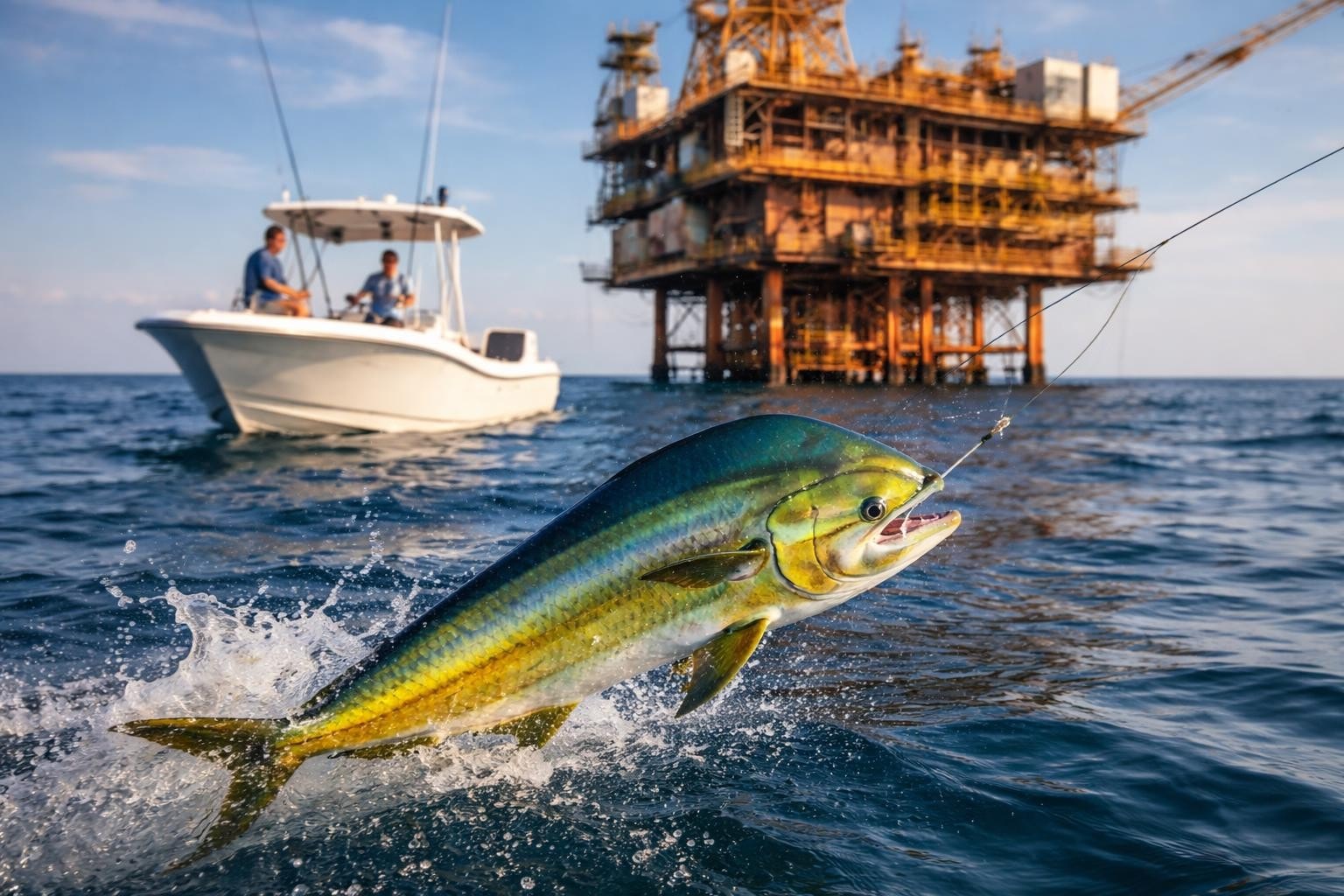
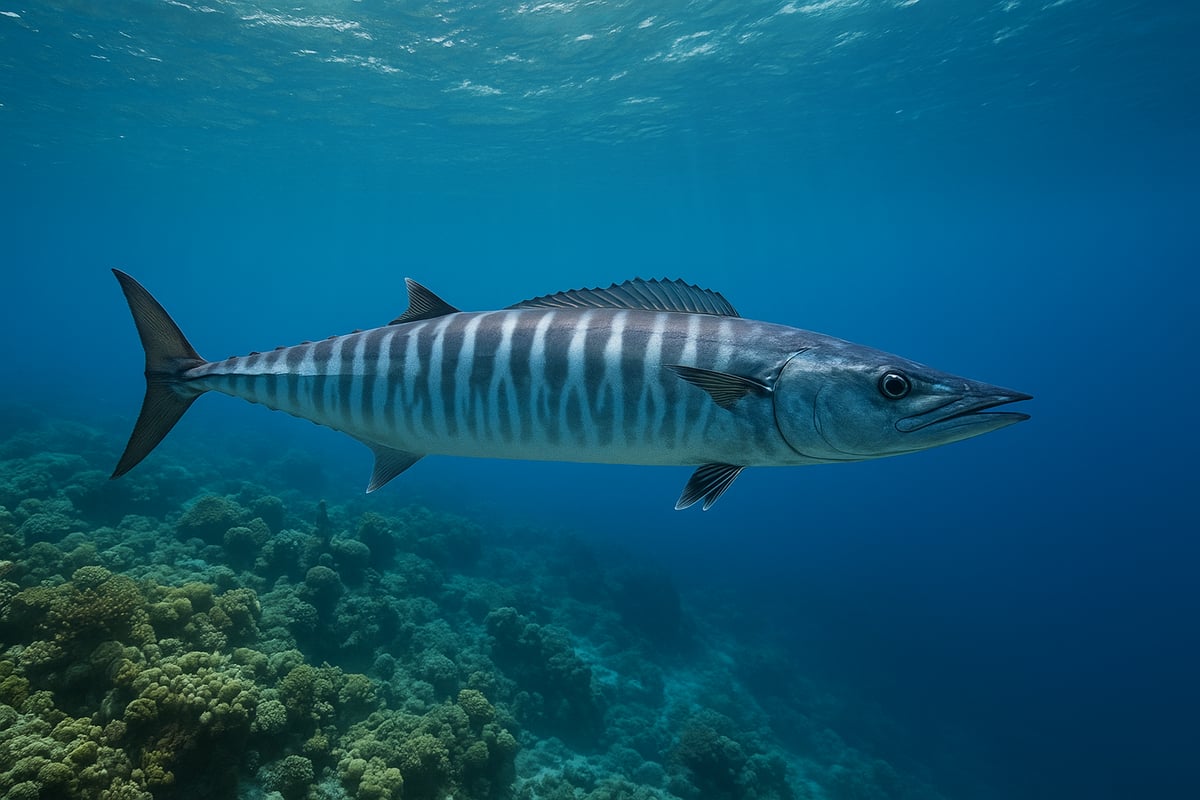
Wahoo fish are built for the open ocean. They thrive in warm, tropical, and subtropical waters where temperatures usually stay above 20°C (68°F). You’ll often find them patrolling offshore areas, especially around reefs, steep drop-offs, oil rigs, or other underwater structures.
Unlike coastal fish, wahoo fish rarely venture near the bottom. They prefer the vast blue, where clear water and good visibility help them hunt. Their streamlined bodies and keen eyesight make them right at home in these fast-moving, pelagic environments.
Global Range and Hotspots
The wahoo fish boasts a circum-global range, spanning the Atlantic, Pacific, and Indian Oceans. In the Atlantic, they’re found from Massachusetts and France all the way down to Brazil and West Africa. The Caribbean Sea and waters off Florida are especially famous for wahoo action. If you’re looking for a top destination, check out the Florida wahoo fishing spots for a taste of world-class offshore angling.
Across the Pacific, hotspots include Hawaii, northern Australia, and eastern Africa. You’ll also find wahoo fish in parts of Asia and the Mediterranean, though they’re less common in the Black Sea. Each region offers unique opportunities and challenges for anglers chasing this prized species.
Seasonal Patterns and Migration
Wahoo fish are present year-round in their core habitats, but their numbers can spike seasonally in certain areas. For example, in temperate regions, you might see more wahoo during the summer months, while winter brings peak catches near Gulf of Mexico oil rigs. These fish are highly migratory, covering vast distances in search of food and ideal conditions.
Interestingly, there is limited mixing between Atlantic and other ocean populations. This means local knowledge plays a big role in predicting when and where wahoo fish will show up in numbers.
Human Interaction and Access
Chasing wahoo fish is usually an offshore game. Most anglers need a boat to reach the deep, open waters where these speedsters roam. Sportfishing charters and commercial crews target wahoo for their fighting ability and delicious meat. In some regions, artisanal fishers also pursue them, adding to the species’ value and mystique.
Relevant Statistics and Data
Unlike some schooling pelagics, wahoo fish are typically found alone or in small groups. Most fish caught are under a meter long, a result of fishing pressure and the species’ solitary nature. Large individuals are highly prized and can make for memorable fishing stories.
Key Insights and Examples
Wahoo fish abundance varies widely by location and season. Destinations like Hawaii and Florida are legendary for consistent action, while less-known hotspots may require more research. The expertise of local guides and operators often makes the difference between a slow day and a wahoo fish bonanza.
Wahoo Life Cycle, Diet, and Behavior
Ever wondered what makes the wahoo fish such a legendary predator in the open ocean? Their life cycle, rapid growth, and relentless hunting style all play a part in the wahoo’s reputation. Whether you’re chasing one on a line or just curious about how they live, understanding the wahoo fish’s habits gives you a real edge.
Reproduction and Early Life
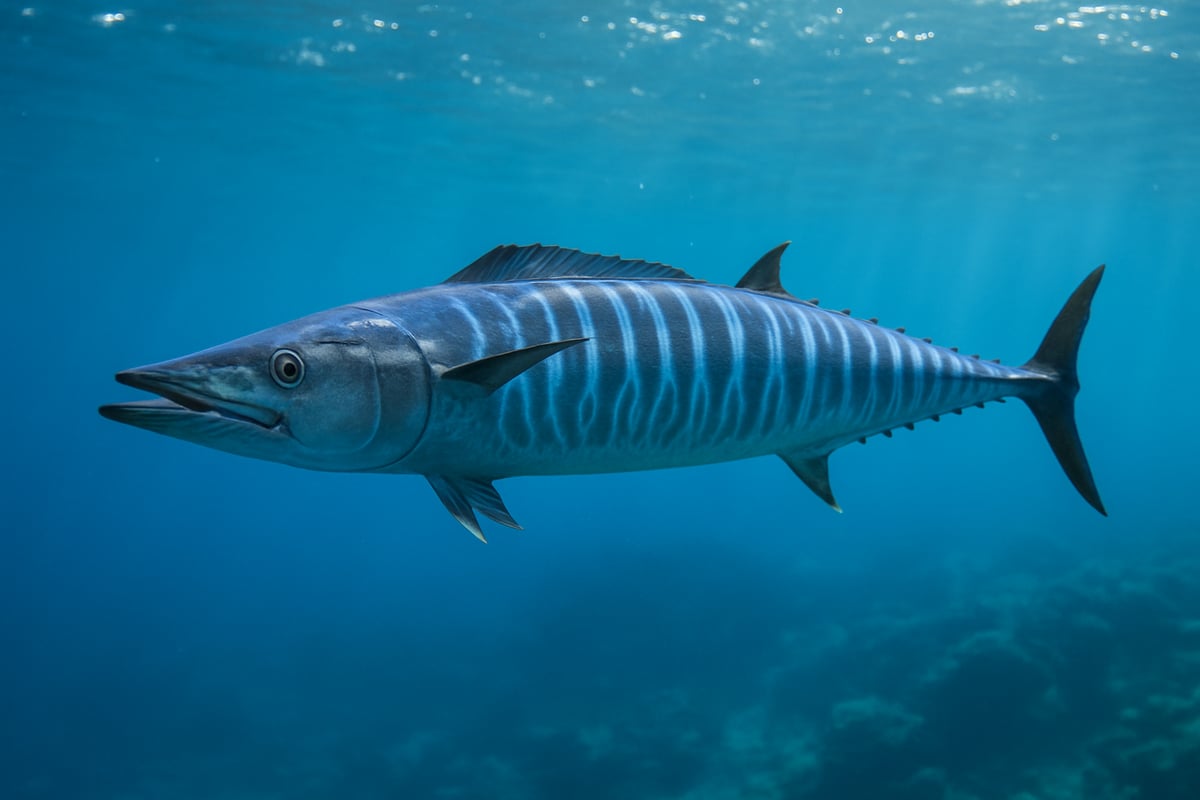
Wahoo fish spawn offshore, usually gathering in groups near the ocean’s surface after dark. Females release eggs, and males fertilize them right in the water column. These eggs float freely, drifting with the currents.
After hatching, wahoo fish larvae feed on plankton and tiny fish. As they grow, their diet quickly shifts to small fish larvae. Juvenile wahoo fish develop rapidly, gaining the speed and agility they’ll need as adults.
Growth and Maturity
One of the most impressive things about the wahoo fish is how fast they grow. Most reach maturity when they’re about 85 to 105 centimeters long. Unlike some other species, the wahoo fish doesn’t change sex as it ages.
This rapid development means that young wahoo fish quickly join the ranks of adult predators. Their streamlined bodies and powerful muscles are built for speed, letting them outswim many would-be threats.
Feeding Habits and Diet
The wahoo fish is a true carnivore. Adults feed mostly on other fish, making up around 85 percent of their diet, with squid and other cephalopods filling in the rest. They prefer to swallow prey whole, but their sharp teeth also let them bite bigger targets into manageable pieces.
If you’re interested in the science behind their eating habits, check out this wahoo diet and feeding behavior study. Wahoo fish rarely hunt near the bottom, instead cruising the open water in search of prey.
Social and Hunting Behavior
Most of the time, you’ll find wahoo fish alone or in small, loose groups. They’re always on the move, patrolling vast stretches of ocean with their keen eyesight. Their hunting style is all about speed—darting after baitfish and striking before the prey knows what hit it.
Wahoo fish are highly migratory, covering long distances as they track schools of bait across the open sea. This constant movement makes them both a challenge and a thrill for anglers.
Adaptations for Survival
Speed is the wahoo fish’s greatest weapon. Their streamlined bodies slice through water with minimal drag. Sharp teeth and powerful jaws give them an edge over almost any prey.
Other adaptations include large, sensitive eyes that help them spot prey in clear offshore waters. All these traits combine to make the wahoo fish one of the ocean’s top predators.
Key Insights, Examples, and Data
Despite their popularity, there’s still a lot we don’t know about the early life stages of the wahoo fish. Most are caught as adults, since juveniles spend their early months far offshore.
Studies of wahoo fish stomach contents confirm their fish-heavy diet. Their role as a top predator helps shape the open ocean ecosystem. Next time you catch or spot a wahoo fish, you’ll know you’re looking at a true marvel of marine evolution.
Top Wahoo Fishing Techniques and Gear for 2026
Ready to chase the ocean’s speedster? The thrill of targeting wahoo fish is all about matching their pace and power. With the right approach, gear, and a bit of local savvy, you’ll boost your odds of landing one of these prized pelagics. Let’s break down the top techniques and must-have gear for 2026.
Trolling: The Go-To Method
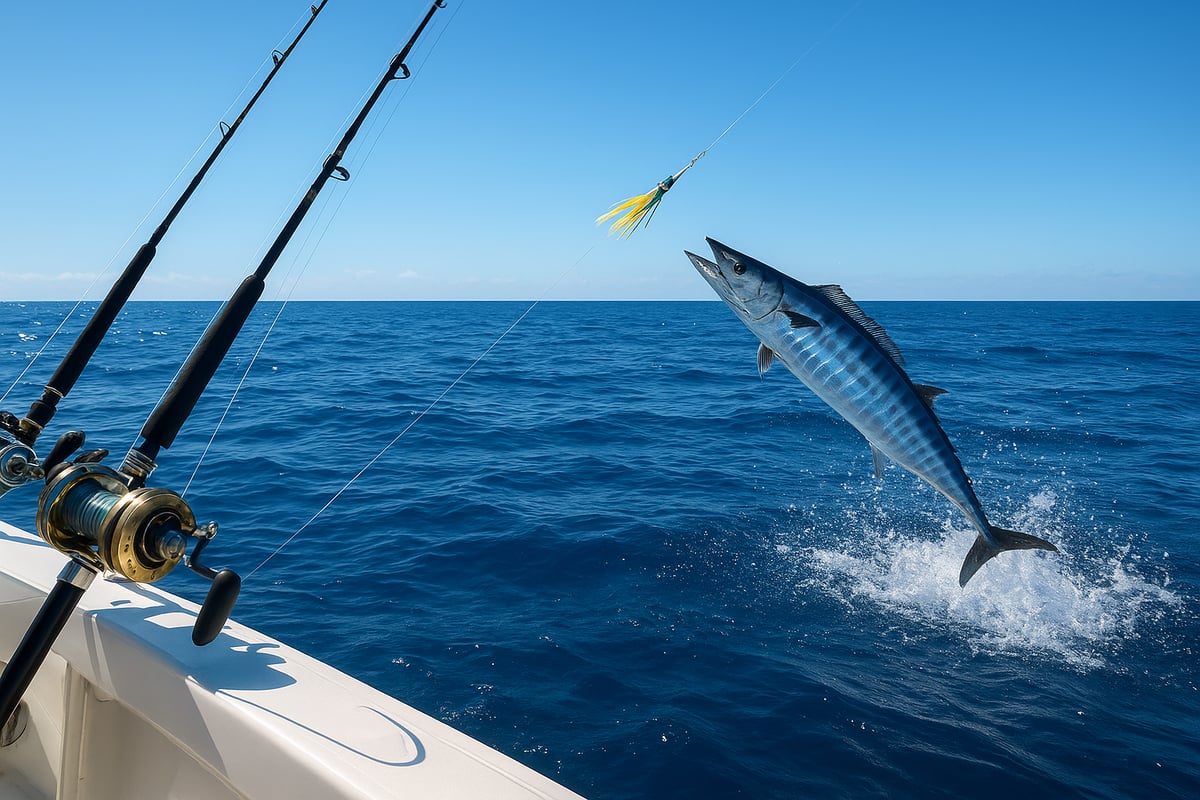
Trolling remains the gold standard for wahoo fish. Their lightning speed means you’ll want to troll lures or live bait at higher speeds, often between 8 and 18 knots. Running several lines at different depths helps you cover more water and trigger those explosive strikes.
Experienced captains often zigzag along drop-offs or current edges, keeping baits in the wahoo’s strike zone. If you’re new to offshore fishing, check out Offshore fishing tips and spots for extra strategy ideas.
Lure and Bait Selection
Picking the right lure can make all the difference. Blue, silver, and green lures mimic the baitfish wahoo fish love to chase. High-speed trolling lures with a flashy, erratic action get their attention.
Live baits like small tuna or bonito also work wonders. Don’t be afraid to experiment—sometimes a change in color or size is all it takes to trigger a bite.
Alternative Techniques
While trolling is king, drifting with jigs, spoons, or deep-diving plugs can be productive, especially when wahoo fish are holding near structure. Kite fishing with live bait is another trick, letting you present baits naturally on the surface.
Try these methods near oil rigs, reefs, or drop-offs where wahoo often lurk. Adapt your setup to local conditions for the best results.
Tactics for Different Environments
Every spot is different. In clear water, run lures deeper and farther from the boat. Around reefs or rigs, keep baits closer and ready to adjust quickly.
Season matters too. In core wahoo fish ranges, you’ll find action year-round, but in fringe areas, timing your trip to peak seasons is key. Local guides can share when and where to focus your efforts.
Gear Recommendations
Wahoo fish have teeth like razors, so use strong, wire or heavy mono leaders. Sturdy rods and high-speed reels let you handle their blistering runs.
Keep your drag smooth and check your gear often—these fish test every knot and connection.
Safety and Conservation
Handle wahoo fish with care. Their jaws are powerful, so always use pliers to remove hooks and avoid fingers near their mouth.
Consider releasing large breeders and respect size limits. Responsible angling helps ensure future generations get to enjoy the chase.
Expert Tips for Targeting Wahoo Successfully
Chasing the elusive wahoo fish is part science, part art, and a big dose of patience. Whether you dream of landing a trophy or just want a day packed with action, a few expert strategies can help you get there. Let’s break down what makes a successful wahoo hunt and how you can up your odds next time you hit the open water.
Understanding Wahoo Behavior
Learning the habits of the wahoo fish is the first step to success. These predators prefer areas with structure, like reefs, drop-offs, or manmade rigs. They’re drawn to spots where baitfish gather and where water temperatures create natural breaks.
Wahoo fish are notorious for being solitary or hanging in small groups, so patience pays off. Focus your efforts during peak feeding times, usually at dawn and dusk, when these speedsters are most active.
Planning Your Wahoo Fishing Trip
Preparation is everything. Start by researching local migration patterns and historical hotspots. Booking with a reputable charter or guide, especially in legendary spots like Marathon Florida offshore fishing, can make all the difference. These pros know where wahoo fish are biting and what tactics work best.
Get your gear ready in advance. Make sure your lures and leaders are up to the task, and double-check everything before heading out.
Maximizing Your Chances
Technology is your friend. Use sonar and fish finders to locate wahoo fish in the water column. Don’t just stick to the surface—try fishing at different depths to cover more of their hunting range.
- Vary your trolling speed to trigger reaction bites.
- Spread out lines at multiple depths.
- Adjust lure color and size based on water clarity.
Persistence and adaptability will help you capitalize on every opportunity.
Handling and Landing Techniques
Landing a wahoo fish is a thrill, but safety comes first. Use a gaff or large net to bring the fish onboard, keeping your hands clear of those razor-sharp teeth.
When removing hooks, always use long-nose pliers and avoid reaching near the mouth. Quick, careful handling ensures both your safety and the quality of the catch.
Conservation and Ethical Angling
Respect for the wahoo fish and the ocean is crucial. Release any large or breeding-size individuals to help keep populations healthy. Only keep what you plan to eat, and always follow local regulations and size limits.
Practicing catch-and-release and handling fish gently supports the future of the sport.
Notable Statistics and Real-World Examples
Wahoo fish seldom form dense schools. Instead, they roam widely, so every hookup feels like a small victory. Many anglers land their personal bests while trolling for other pelagic species, adding to the excitement.
Stories from places like the Gulf of Mexico and Florida show that patience and the right approach often lead to unforgettable catches. Trophy-sized wahoo are out there for those willing to put in the time and effort.
Wahoo as a Culinary Delight: Handling, Preparation, and Cooking Tips
Landing a wahoo fish is just the start of a top-notch culinary experience. From the moment this prized catch hits the deck, how you handle and prepare it makes a world of difference. Let’s walk through the best ways to bring out the full flavor of wahoo fish in your kitchen.
Best Practices for Handling Wahoo
As soon as you land a wahoo fish, bleed it right away and put it on ice. This step keeps the flesh firm and the flavor clean. Use a sharp fillet knife to remove the sides, working carefully to avoid bones and maximize those thick, beautiful fillets. Quick, gentle handling is the key to top-quality wahoo fish for the table.
Flavor Profile and Culinary Appeal
Wahoo fish is a favorite among seafood lovers and chefs thanks to its mild, slightly sweet taste and firm, flaky texture. It’s versatile and holds up well to a variety of cooking methods. In places like Hawaii and Florida, fresh wahoo fish is a menu staple for good reason—it delivers a satisfying bite without being overpowering.
Popular Cooking Methods
There are plenty of ways to enjoy wahoo fish. Grilling brings out its natural flavor and gives a nice charred edge. Sashimi is another popular option, letting you savor the delicate taste raw. Baking, broiling, and pan-searing also work well, as the meat stays moist and tender. Chefs recommend light seasoning to let the true flavor of wahoo fish shine.
Storage and Preservation
Wahoo fish spoils quickly if not chilled. Always store fillets on ice or in the fridge soon after cleaning. For longer storage, vacuum-seal and freeze the fillets to lock in freshness. Proper handling means you’ll enjoy wahoo fish at its best, whether cooking it right away or saving it for later.
Nutritional Value
If you’re looking for a healthy seafood choice, wahoo fish checks all the boxes. It’s high in protein, low in fat, and a solid source of omega-3 fatty acids. Many anglers and chefs in regions like North Carolina’s famous wahoo hotspots value it for both its taste and its nutrition, making it a top pick for anyone who loves seafood.
Wahoo fish is a true culinary delight—treat it right from the start, and you’ll be rewarded with some of the ocean’s finest eating.
Now that you know how to spot and target wahoo like a pro, the next step is finding the perfect spot to put your skills to the test. Whether you’re chasing that first trophy catch or just want to enjoy a day out on the water, local knowledge makes all the difference. I always find it helps to have the right info on hand—like access points, coordinates, and what kind of water you’ll be fishing. Ready to plan your next adventure and see where the wahoo are biting near you? Just Find Spots and get out there!