Every angler knows the struggle of tangled flies, smashed patterns, or that sinking feeling when a favorite fly goes missing. The right fly box solves these headaches, keeping your collection secure, organized, and ready for action.
A smart fly box choice means less time fumbling and more time fishing. In 2026, there are more options than ever, and picking the perfect one for your style can feel overwhelming.
That’s where this guide comes in. We’ll break down what matters most, spotlight the latest features, and show you how to match a fly box to your fishing needs.
Stick with us as we cover types, key features, matching boxes to different fishing scenarios, new trends for 2026, and tips to keep your fly box in top shape.
Understanding Fly Box Types
Choosing the right fly box can feel overwhelming, especially with so many options out there. Understanding the types of fly box available is the first step to keeping your flies safe and organized, no matter where you fish.
Traditional vs. Modern Fly Boxes
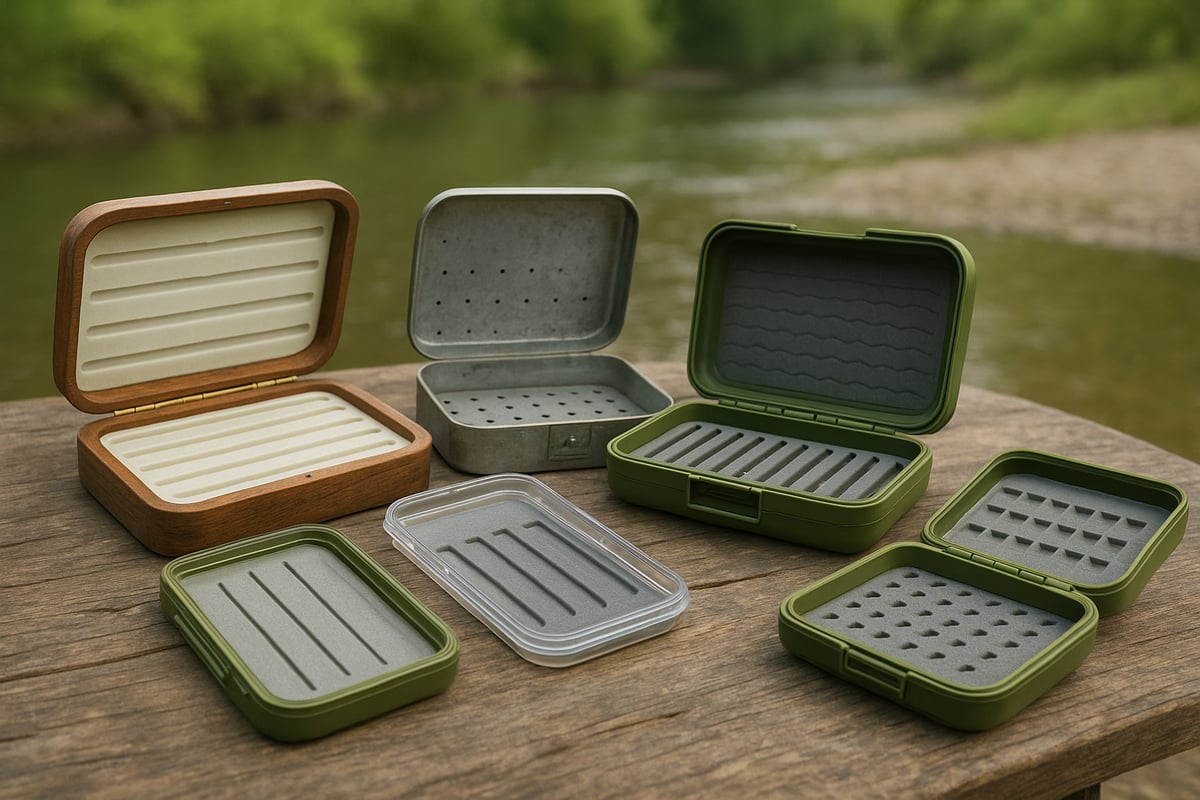
Traditional fly box designs were often made from wood or metal. These boxes have a classic look and a nostalgic feel, reminding anglers of fly fishing’s early days. However, they tend to be heavier and less resistant to water. Over time, metal can rust and wood can warp if not cared for properly.
Modern fly box options use materials like tough plastic or composite blends. These materials make the box lighter, more durable, and often waterproof. For example, compare an old Orvis wooden fly box with one of their new waterproof models. The newer version keeps flies dry and protected, even if you drop it in the river. Many anglers now prefer modern boxes because they offer better organization, lighter weight, and reliable water resistance.
Common Fly Box Designs
Today’s fly box comes in a variety of designs, each catering to different types of flies and fishing situations. The most popular styles include slit foam, compartment, magnetic, and hybrid boxes.
- Slit Foam: Great for small dry flies or nymphs. Foam holds flies snugly in place and prevents tangling.
- Compartment: Features small lidded sections, perfect for larger flies like streamers or bulky patterns.
- Magnetic: Uses magnets to hold flies, making it quick to grab or store flies—especially handy for tiny midges.
- Hybrid: Combines foam and compartments, offering flexible storage for mixed fly collections.
Data shows that compartment boxes are most popular for large flies, while slit foam designs dominate for small dries. For instance, the Plano EDGE Micro is a go-to for micro flies, and large streamer boxes are favored by bass anglers. No single fly box design fits every angler, so it’s important to think about the flies you use most.
For a deeper look at different designs, materials, and features, check out the C&F Design Fly Boxes Overview, which breaks down the pros and cons of each option.
Specialty Fly Boxes for Unique Needs
Some fishing scenarios call for a specialty fly box. If you fish saltwater, you’ll want a fly box with corrosion-resistant hardware and a larger capacity for big saltwater flies. Freshwater anglers may prefer lighter boxes with soft foam or delicate inserts to protect smaller patterns.
There are also boxes designed specifically for streamers, midges, or articulated flies. For those fishing from kayaks or boats, waterproof and floatable options keep your flies safe if the box takes a spill. Double-sided boxes hold more flies but can be bulkier, while single-sided versions are slimmer and easier to stash in a pocket.
Saltwater-specific fly boxes often use anti-corrosive hardware to withstand harsh conditions, making them a smart choice for coastal adventures. By matching your fly box to your unique needs, you’ll protect your flies and make your time on the water smoother.
Key Features to Consider When Choosing a Fly Box
Choosing the right fly box can make all the difference when you are on the water. Let’s break down the most important features to consider, so you can find a fly box that fits your fishing style and keeps your flies safe and ready.
Size and Capacity
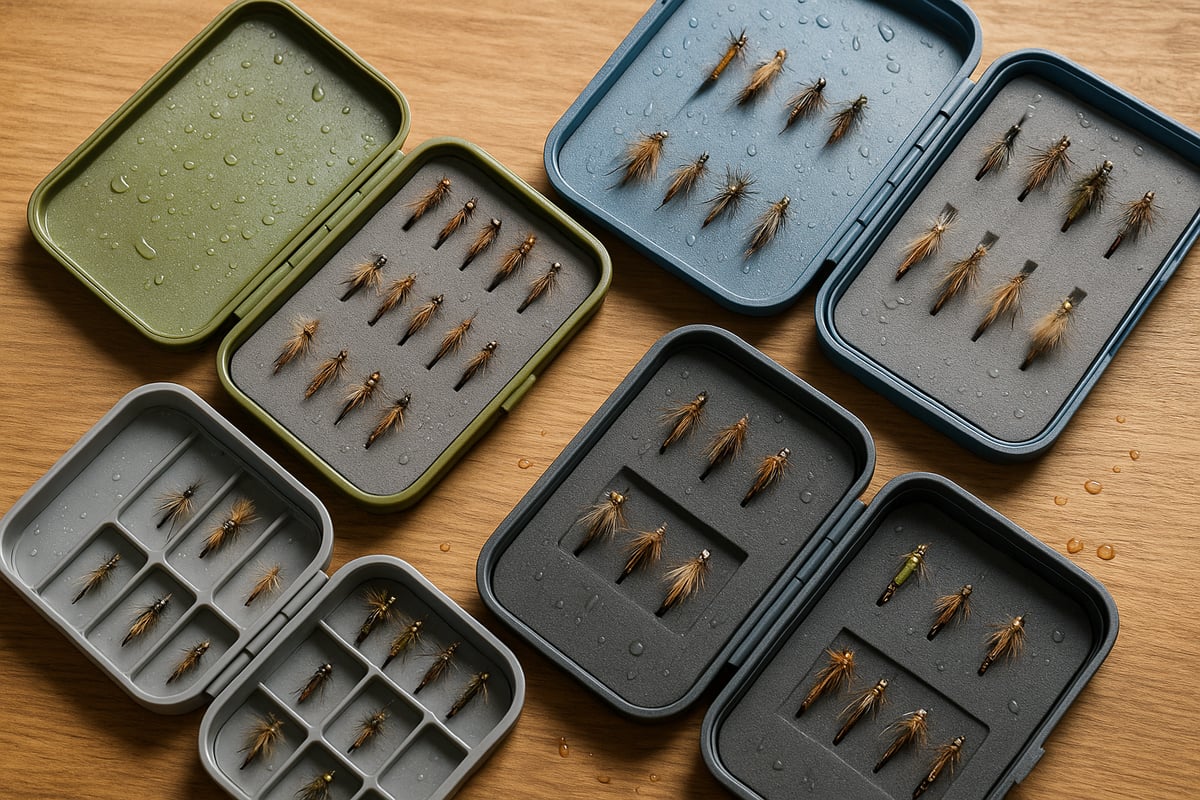
Start by sizing up your fly collection. Are you heading out for a quick afternoon or planning a multi-day trip? The size and capacity of your fly box should match the number and variety of flies you carry.
You will find pocket-sized boxes perfect for light loads, and larger boat boxes for those who bring the whole arsenal. Many brands use sizing like “3400 (Extra Small)” up to “3700 (Large),” so check the specs before you buy.
Overfilling a fly box can crush delicate flies and make them hard to find. Always leave enough space for each pattern. Matching your fly box to your fishing style and trip length keeps your gear organized and your flies in top shape.
Organization and Accessibility
A well-organized fly box means less time fumbling and more time fishing. Look for features that make flies easy to grab, like adjustable dividers, color-coded inserts, or labeling spots. Magnetic closures are a game-changer for one-handed opening, especially when you are waist-deep in a river.
Picture this: you are changing flies in fast water, and every second counts. An organized fly box lets you find the right pattern fast, with no stress. For more ideas on streamlining your setup, check out this Fishing tips and spots guide to see how experienced anglers use their fly box in different fishing spots.
Better organization means you fish more and search less, which is what we all want.
Durability and Water Resistance
Your fly box needs to handle bumps, drops, and wet conditions. Modern fly boxes use tough materials like ABS plastic, aluminum, or composites that shrug off rough treatment. Waterproof seals and gasketed lids are essential for keeping water out, which prevents rust and ruined flies.
Many newer boxes are rated IPX6 or higher, so they will stand up to rain or a quick dunk. Brands like Orvis and Plano EDGE offer reinforced corners for extra protection. Choosing a durable, water-resistant fly box is a smart investment that pays off in the long run.
Weight and Portability
If you are hiking to a remote stream or wading all day, every ounce counts. Lightweight fly boxes are ideal for anglers on the move. However, heavier boxes might offer more protection, so it is a trade-off between safety and comfort.
Look for clip-on or lanyard-compatible designs if you want your fly box close at hand. Portability is key for backcountry trips or travel. Think about how your fly box fits with the rest of your gear, and pick the lightest, most practical option for your adventures.
Matching Your Fly Box to Your Fishing Style
Choosing the right fly box can make or break your day on the water. The best box is one that fits your flies, fishing environment, and the way you like to fish. Let's break down how to match your fly box to your unique angling style.
Fly Size and Type
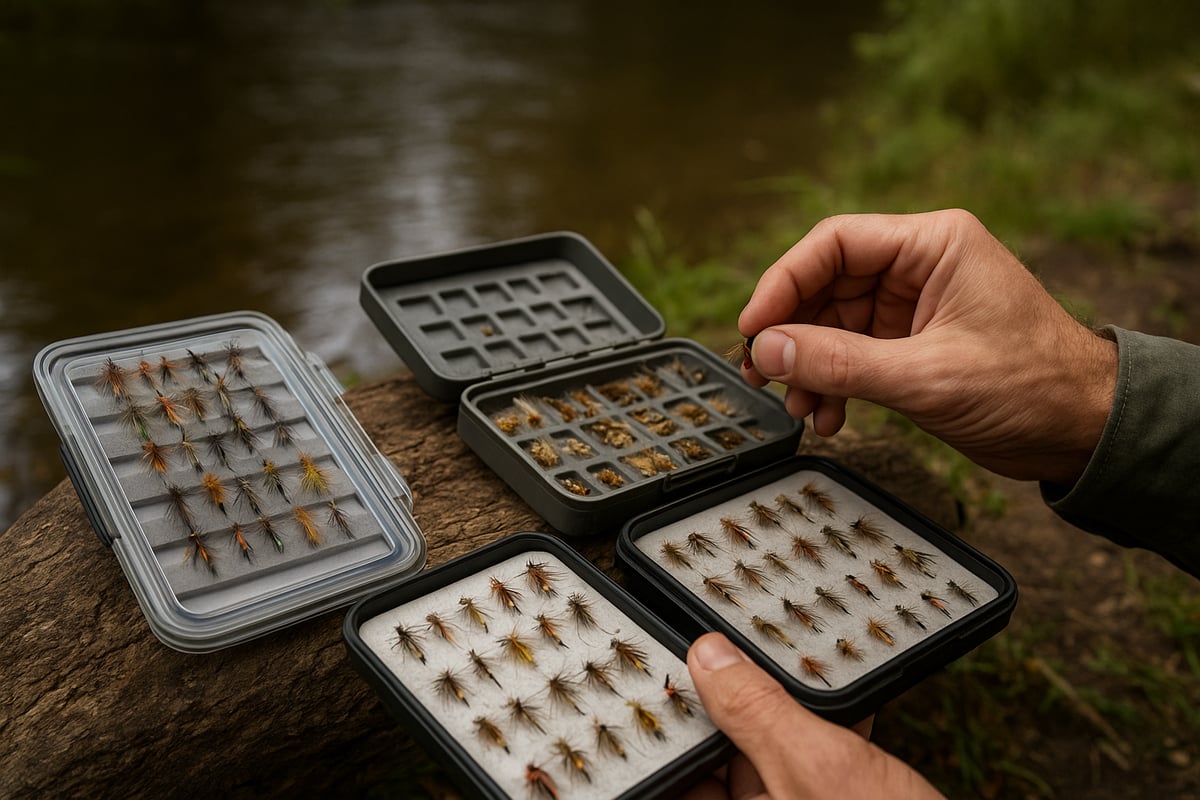
Start by considering the size and type of flies you use most. If your fly box is packed with tiny dries or midges, a slit foam design works best, keeping delicate patterns safe and easy to grab. For chunky streamers or articulated flies, deep compartment boxes prevent squishing and tangling.
- Slit foam: Ideal for small nymphs and dries.
- Deep compartments: Great for large streamers and bulky patterns.
- Hybrid boxes: Useful for anglers who carry a mix of fly types.
Using the wrong fly box can crush fragile flies or leave you fumbling for the right pattern. For example, the Plano EDGE Micro excels at storing tiny midges, while a large streamer box is perfect for bass flies. Always match your box to your main fly selection for the best results.
Water Type: Freshwater vs. Saltwater
The water you fish in shapes your fly box needs. Saltwater anglers should look for corrosion-resistant hardware and larger capacity to hold bigger flies. Freshwater fly boxes are often lighter, with inserts tailored for smaller, more delicate flies.
If you paddle or wade, floatable and waterproof boxes are a must. Kayak anglers, especially, will appreciate a box that stays dry and above water. Want to explore more about pairing your gear with different spots? Check out the Best fishing locations overview for ideas on adapting your fly box to varied waters.
Frequency and Duration of Fishing Trips
How often and how long you fish makes a difference. Day trippers may need just a compact fly box, while multi-day adventurers benefit from modular systems that hold a wider fly variety.
If you fish every weekend, specialized boxes for different flies can save time. Occasional anglers might prefer a simple, all-purpose fly box that covers the basics. Matching your box setup to your fishing rhythm keeps things simple and effective.
Storage and Transport Preferences
Where and how you carry your gear matters. A vest, sling pack, or chest pack might call for a slim, single-sided fly box. Boat anglers can go bigger with double-sided boxes for extra capacity.
For minimalist anglers, compact designs fit neatly in small packs without adding bulk. Always check the fit before heading out, so your fly box is ready when you are.
Budget and Value Considerations
Fly boxes range from $10 entry-level models to premium waterproof options over $60. While it’s tempting to go cheap, remember that a low-quality box can lead to damaged flies and higher costs down the line.
Investing in a sturdy, well-designed fly box pays off in the long run—your flies last longer, and you spend more time fishing, not fixing gear.
Innovations and Trends in Fly Boxes for 2026
Staying ahead of the curve can make a real difference on the water. If you want your fly box setup to reflect the latest in fishing gear, 2026 brings some exciting developments. Let’s dive into what’s changing and why these innovations matter for every angler.
Eco-Friendly and Sustainable Materials
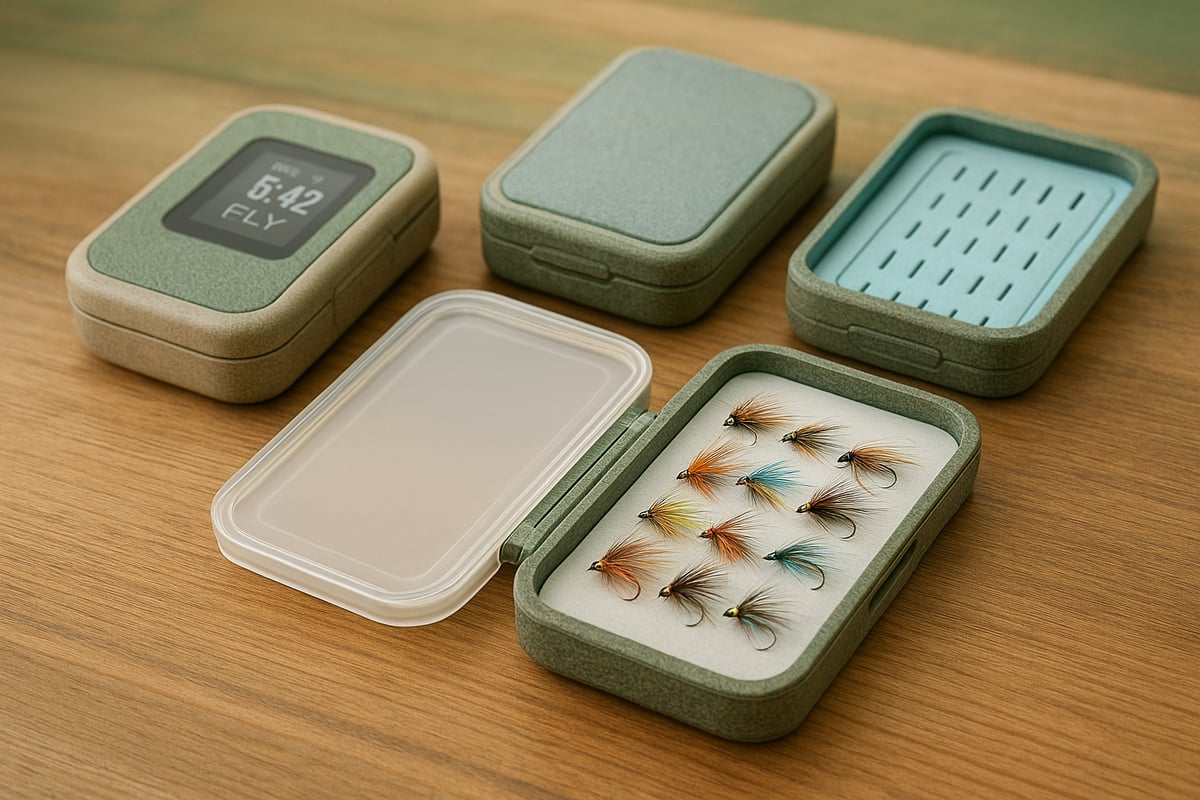
Eco-conscious anglers will love where the industry is headed. Today’s fly box manufacturers are embracing recycled plastics and even biodegradable materials. This move isn’t just about checking a box for green marketing—it’s a real shift driven by both angler demand and environmental responsibility.
Some companies have even started trade-in or recycling programs, letting you upgrade your old fly box without adding to landfill. If you’re curious about how sustainable innovation is shaping gear, check out how Fly-Box’s Sustainable Freight Transport Innovation is influencing material choices and manufacturing processes across industries.
The bottom line? Your next fly box can help protect your flies and the planet at the same time.
Smart Fly Boxes and Integrated Technology
Imagine a fly box that does more than just hold your flies. In 2026, smart fly boxes are becoming a reality. Some feature built-in humidity sensors to keep moisture at bay, while others offer Bluetooth tracking so you never lose your box on the riverbank.
Anglers can expect LED-lit interiors for low-light conditions, making it easy to find the right fly at dawn or dusk. With tech-enhanced fly box options growing, your gear can now work smarter, not just harder.
Modular and Customizable Systems
Customization is king this year. Modular fly box systems let you swap out inserts or stack boxes for different fishing trips. Whether you’re targeting trout one day and chasing bass the next, having a customizable fly box means you’re never caught off guard.
Look for brands offering interchangeable inserts and stackable designs. A modular fly box gives you flexibility and keeps your kit organized, no matter where you fish.
Enhanced Waterproofing and Durability
The latest fly box designs are tougher and more reliable than ever. New gasket materials improve waterproofing, and double-sealed lids keep out even the heaviest rain. Many boxes now feature IPX7 ratings, so you can trust your flies to stay dry.
Drop-proof and crush-resistant construction means your fly box can handle rough travel without missing a beat.
Design Aesthetics and Personalization
Personal touches are trending. In 2026, you’ll find fly boxes with custom colorways, engravings, and even limited edition designs from your favorite brands. Whether you want your name on your fly box or just a splash of your lucky color, personalization lets your gear stand out.
A stylish fly box isn’t just about looks—it’s about making your fishing experience feel uniquely yours.
Step-by-Step Guide to Choosing the Right Fly Box
Choosing the right fly box can feel overwhelming, but breaking it down into simple steps makes the process much easier. This easy-to-follow guide will help you nail down the perfect fly box for your fishing adventures.
Step 1: Assess Your Fly Collection and Fishing Needs
Start by taking a close look at your fly collection. Count how many flies you use most often and note their sizes. Think about the types of fishing you do—do you chase trout in small streams or go after bass in larger waters?
If you fish often or in different locations, your fly box needs to keep up. The right fly box should match your main fishing style, so you are never left scrambling for the right pattern.
Step 2: Select the Appropriate Box Type and Size
Now that you know your needs, pick the fly box type that fits your flies best. Slit foam boxes work well for small dries and nymphs, while deep compartments are perfect for big streamers or articulated flies.
Choose a box size that matches your storage preferences. If you hike and want to travel light, a small fly box is easier to carry. For boat trips, a larger box holds more flies without crowding them.
Step 3: Evaluate Key Features and Build Quality
Look for key features that make a fly box last. Check for waterproof seals, impact-resistant bodies, and secure closures. Test how the lid opens and closes—does it snap shut without trouble?
Quality hinges and tight gaskets can mean the difference between dry, safe flies and a soggy mess. Investing in a sturdy fly box prevents headaches down the road.
Step 4: Match Box to Storage System and Budget
Make sure your fly box fits your vest, pack, or boat storage system. It should slide in easily and not add too much weight. Consider your budget, but remember that a good fly box protects your investment in flies.
If you need a little help making the final choice, you can always contact for gear recommendations to get advice tailored to your needs.
Step 5: Test and Organize Before Your Trip
Before heading out, load your flies into the new box and practice organizing them for quick access. Try swapping out flies at home or by the water to see how it feels.
A little prep now means less fumbling and more fishing time when it matters most.
Maintenance and Longevity Tips for Your Fly Box
Keeping your fly box in top shape is just as important as choosing the right one. A little routine care can protect your flies, prevent costly replacements, and keep your gear ready for any fishing adventure.
Essential Maintenance Steps
- Clean after every trip: Rinse your fly box with fresh water to remove dirt and grit, especially after saltwater outings. Pat dry with a towel and leave it open to air out.
- Check seals and hinges: Inspect the gasket, latches, and hinges for cracks or wear. Replace foam inserts or broken parts as needed so your flies stay protected.
- Avoid trapped moisture: Store your fly box open in a dry area. This helps prevent mold, rust, and corrosion, which can ruin both your box and your flies.
- Use desiccant packs: Toss a small silica gel pack inside, especially if you fish in humid areas. This helps keep moisture at bay and protects delicate patterns.
Pro Tips for Lasting Gear
Don’t overstuff your fly box. Packing in too many flies can crush hackles, bend hooks, and wear out foam inserts quickly. Instead, reorganize your flies by season and trip to keep things tidy and extend the life of your gear.
If you’re curious about the latest in waterproofing and tough materials, check out how innovations in maritime gear—like those highlighted in the Fly-Box’s Electric Foiling Vessel Trials—are inspiring new standards for fly box durability and protection.
Make Your Investment Last
Regular maintenance pays off. By keeping your fly box clean, dry, and organized, you’ll save money in the long run and avoid the frustration of damaged gear. A well-cared-for fly box means your flies stay sharp and ready, so you can focus on what matters—catching fish and enjoying your time on the water.
Now that you’ve got a handle on picking the perfect fly box for your fishing style and trips, it’s time to put that new gear to work. The right fly box keeps your flies organized and ready, but knowing where to fish is just as important. Whether you’re after saltwater giants or small stream trout, finding the best local spots can make all the difference. If you’re ready to explore new waters or revisit old favorites, check out Find Spots for a directory of fishing locations near you. Let’s get those flies wet!