If you've ever dreamed of catching a fish that fights like a freight train and looks like it was painted for a tropical art show, you need to know about peacock bass. These South American natives have become legendary among anglers for their aggressive strikes, acrobatic fights, and stunning colors. While they're not actually bass (they're cichlids), their reputation as hard-fighting game fish has made them bucket-list targets for freshwater anglers across the country. Whether you're planning a trip to their native Amazon waters or targeting them closer to home in South Florida, understanding these incredible fish will help you land more of them and appreciate what makes them so special.
What Makes Peacock Bass Special
Peacock bass stand out from typical freshwater game fish in nearly every way. Their aggressive feeding behavior puts largemouth bass to shame, and their explosive topwater strikes create heart-stopping moments that keep anglers coming back. These fish don't just bite-they attack with a ferocity that can snap light tackle and test even heavy gear.
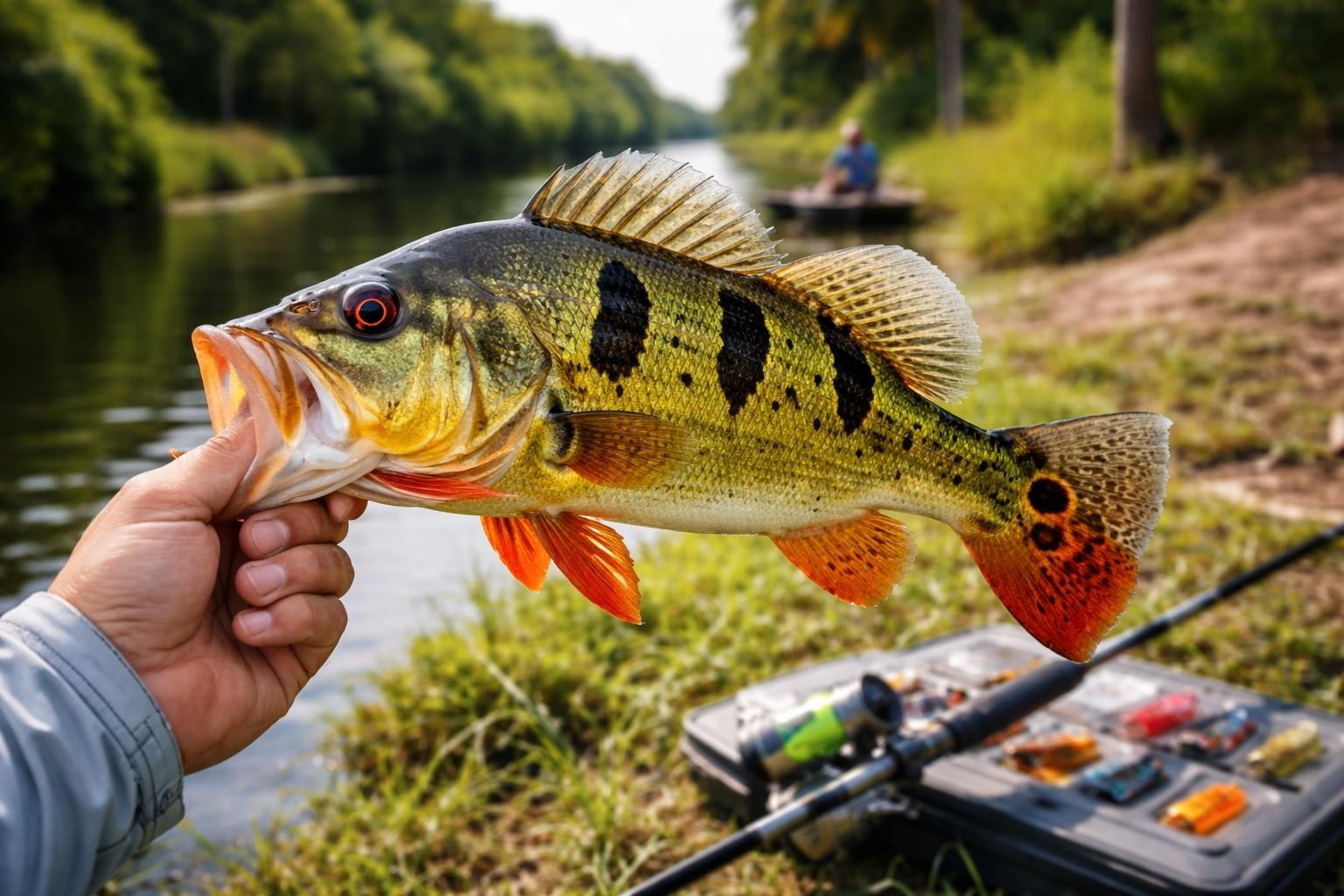
The most striking feature is their appearance. Peacock bass display vibrant yellows, greens, and golds with bold vertical bars running down their sides. Most species feature a distinctive "eye spot" or ocellus on their tails, which resembles a peacock's tail feather and gives them their common name. This marking serves as a defense mechanism, confusing predators about which end is the head.
Size and Species Variation
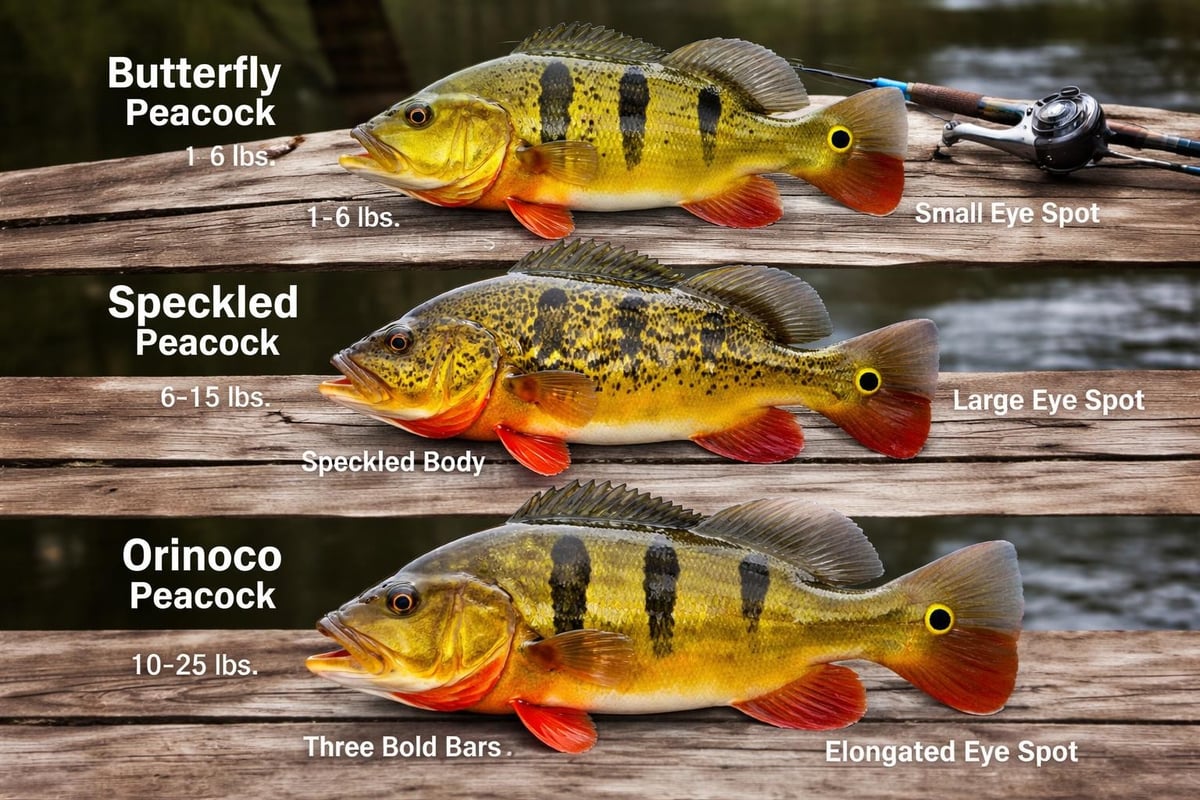
Multiple species fall under the peacock bass umbrella, each with unique characteristics:
- Butterfly peacock bass (Cichla ocellaris): Smaller species, typically 2-5 pounds, found in Florida
- Speckled peacock bass (Cichla temensis): The giants, reaching over 30 pounds in the Amazon
- Orinoco peacock bass (Cichla orinocensis): Mid-sized species with beautiful coloration
- Royal peacock bass (Cichla intermedia): Known for their deep body shape
- Paca peacock bass (Cichla monoculus): Found throughout various Amazon tributaries
The size difference matters for tackle selection and fishing approach. Florida's butterfly peacock typically run 1-8 pounds, with anything over 5 pounds considered excellent. In contrast, Amazon expeditions targeting speckled peacock can produce fish exceeding 20 pounds regularly.
Where to Find Peacock Bass in the U.S.
Your best bet for catching peacock bass without leaving the country is South Florida. The Florida Fish and Wildlife Conservation Commission introduced butterfly peacock bass to Miami-Dade and Broward County canal systems in 1984 to control invasive tilapia and other non-native species. The experiment succeeded beyond expectations, creating a world-class urban fishery.
Prime Florida Locations:
- Miami-Dade County canal system
- C-4 Canal near Lake Ida
- Tamiami Canal along US-41
- Snapper Creek Canal
- Military Trail Canal in Palm Beach County
These canals run through residential neighborhoods, making them accessible without a boat. Bank fishing and wade fishing are productive, though kayaks or small boats open up more water. When you're exploring freshwater fishing locations, remember that peacock bass prefer warmer water, so they're most active during Florida's hot months.
Seasonal Patterns in Florida
Peacock bass activity follows Florida's temperature swings more than traditional bass. They thrive when water temperatures stay above 70°F and slow down considerably when it drops below 65°F. This makes them most aggressive from April through October, with peak action during the summer months when other anglers abandon the heat.
During cooler months (December through February), peacock bass become lethargic and concentrate in deeper holes or near warm water discharges from power plants and industrial facilities. They won't completely shut down, but expect slower fishing compared to summer's non-stop action.
Tackle and Gear for Peacock Bass
Forget finesse fishing when targeting peacock bass. These fish respond to aggressive presentations and require gear that can handle their bulldog runs and head-shaking jumps. Your standard bass tackle will work for smaller butterflies, but you'll want heavier gear for bigger fish or when fishing around heavy structure.
Rod and Reel Setup:
- Spinning gear: 7' medium-heavy rod with 2500-4000 size reel
- Baitcasting setup: 7' to 7'6" heavy power rod with high-speed reel (7.1:1 or higher)
- Line choice: 15-30 lb braided line with 20-30 lb fluorocarbon leader
- Fly fishing: 8-9 weight rod with floating or intermediate line
Braid gives you the strength to pull fish from cover while providing the sensitivity to feel their aggressive strikes. The fluorocarbon leader protects against their rough gill plates and provides some abrasion resistance around rocks and wood.
Best Lures and Presentations
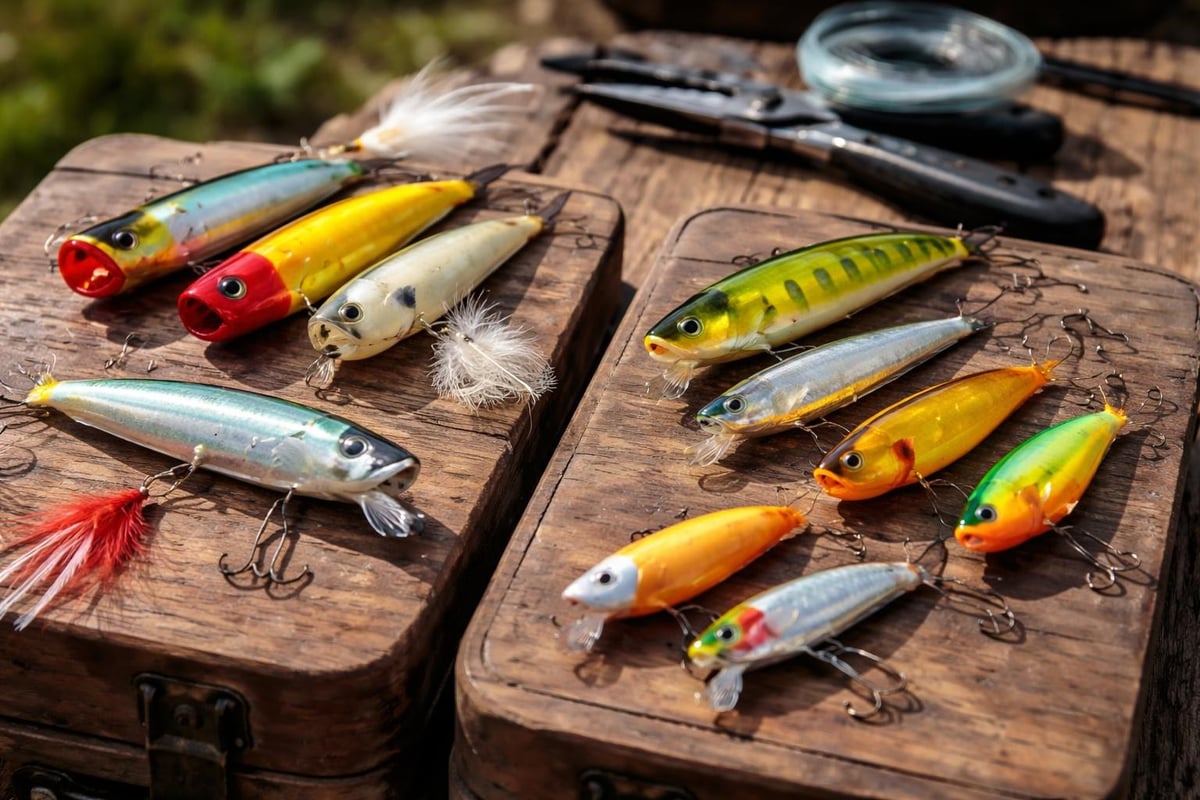
Peacock bass aren't picky, but they have preferences. Topwater lures produce the most exciting strikes, especially during early morning and late afternoon. When fish are feeding, they'll blast anything moving on the surface.
Top Lure Choices:
- Prop baits and buzz baits for topwater commotion
- Large spoons (gold and silver) cast and retrieved quickly
- Jerkbaits in bright colors (chartreuse, white, yellow)
- Tube jigs in 4-5 inch sizes
- Jigs with large profile trailers
- Live shiners or other baitfish when regulations allow
Color matters less than action with peacock bass. They're sight feeders that respond to movement, flash, and vibration. Retrieve lures faster than you would for largemouth bass-peacock bass love chasing down fast-moving prey and will race other fish to eat first.
Fishing Techniques That Work
The aggressive nature of peacock bass means you can often get away with techniques that would spook other species. They compete for food aggressively and will often hit a lure multiple times if they miss on the first strike. This trait makes them perfect for anglers who enjoy fast-paced fishing.
Topwater Strategy:
Start your day throwing topwater lures to visible structure. Cast beyond the target and retrieve back past it, creating maximum commotion. Peacock bass will often follow the lure and strike right at the boat, so don't lift your rod until you feel weight. When a fish misses, immediately cast back to the same spot-they'll usually strike again.
Subsurface Tactics:
When topwater slows, switch to jerkbaits or spoons. Work them with an erratic retrieve pattern: fast rips followed by brief pauses. Peacock bass rarely hit on the pause like bass do-they smash lures during fast retrieves. Keep your rod tip low and use long, sweeping strokes to maximize lure movement.
Structure and Cover to Target
Look for the same structure that holds largemouth bass, but fish it more aggressively. Peacock bass relate to visible cover and ambush prey from these spots. They're not as likely to bury themselves deep in vegetation but prefer to patrol edges and openings.
Prime structure includes:
- Rock piles and riprap banks
- Overhanging trees and bushes
- Canal intersections and deep bends
- Docks and seawalls with shade
- Artificial structure like bridge pilings
- Drop-offs and ledges in deeper canals
During bright conditions, peacock bass seek shade more than depth. A shadowed seawall in three feet of water often holds more fish than a deep hole in full sun. Early and late in the day, they'll move into open water to feed, making flats and shallow areas productive.
Fighting and Landing Peacock Bass
When a peacock bass hits, you'll know it. Their strikes feel like you've hooked a small torpedo, and the fight that follows will test your drag settings and knot strength. The Florida Museum notes that pound-for-pound, peacock bass fight harder than most freshwater species, making even small fish memorable catches.
Fight Characteristics:
- Initial powerful run, often toward cover
- Multiple head-shaking jumps
- Strong, steady pressure rather than long runs
- Tendency to dive under structure at boat-side
- Surprising strength relative to body size
Keep steady pressure and don't allow slack line. Peacock bass have hard mouths, but they can throw hooks during jumps if you give them leverage. Use your rod to absorb their head shakes while maintaining tension. When they jump, keep your rod tip low rather than "bowing" to them like you would with tarpon.
Proper Handling and Release
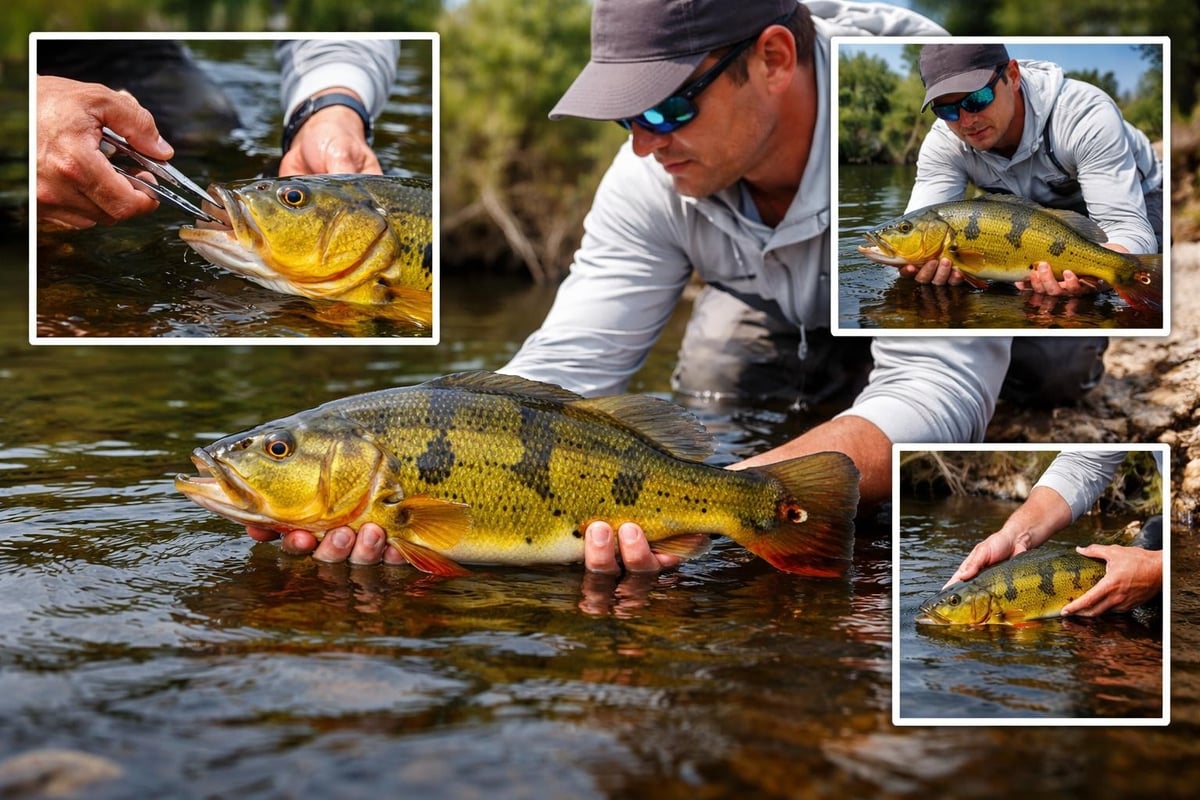
These fish are tougher than most freshwater species but still deserve careful handling, especially in Florida where they're a managed resource. Support their weight horizontally, avoid squeezing their bodies, and minimize air exposure. Their bright colors make for great photos, but work quickly to get them back in the water.
For those interested in learning more about fishing best practices, proper catch and release ensures healthy populations for future fishing. Peacock bass can be kept and eaten in Florida (check current regulations), but many anglers release them to maintain the fishery.
The Amazon Experience
For the ultimate peacock bass adventure, nothing compares to fishing their native waters in the Amazon basin. Fly fishing outfitters have developed incredible programs targeting multiple species in remote river systems where fish have minimal fishing pressure and grow to massive sizes.
Amazon peacock bass fishing differs dramatically from Florida fishing. You're dealing with larger fish, heavier tackle, and wilderness conditions. Speckled peacock bass over 15 pounds are common, and fish approaching 30 pounds get caught each season. These giants require serious gear and techniques adapted to jungle fishing.
Amazon Fishing Characteristics:
- Remote lodge-based or boat-based expeditions
- Sight-fishing to visible fish in clear water
- Large topwater lures and flies
- Heavy tackle to handle big fish and structure
- Multi-species opportunities (peacock, payara, catfish)
- Seasonal variations affecting fish location and size
The dry season (typically September through March) concentrates fish in main river channels and lagoons, making them easier to target. High water during the rainy season spreads fish into flooded forests, increasing challenge but also providing unique fishing opportunities.
Conservation and Ecological Impact
Peacock bass introduced to Florida have both positive and negative ecological impacts. They've successfully controlled invasive species populations and created economic benefits through sport fishing tourism. However, ecological research in Southeast Asia shows peacock bass can significantly impact native fish populations when introduced to new waters.
In Florida, biologists monitor peacock bass populations closely. They've established reproducing populations in select canal systems but haven't spread to natural lakes and rivers, likely due to temperature limitations. This geographic restriction helps protect native species while maintaining a popular sport fishery.
Responsible Angling Practices:
- Never transport peacock bass to new waters
- Follow all state and local regulations
- Report unusual catches or locations to wildlife agencies
- Practice catch and release when targeting trophy fish
- Educate other anglers about peacock bass ecology
When you're searching for new fishing opportunities, understanding the ecological context of target species helps you make informed decisions about where and how to fish. Peacock bass provide incredible sport, but their introduction to new waters requires careful management.
Tips for First-Time Peacock Bass Anglers
Your first peacock bass trip will be different from typical bass fishing. These fish require adjustments in technique, tackle, and expectations. They're more aggressive, fight harder, and often bite better during conditions that would slow bass fishing.
Beginner Success Tips:
- Start during warm months for maximum activity
- Bring heavier tackle than you think you need
- Fish faster retrieves than normal
- Don't set the hook on topwater strikes until you feel weight
- Expect multiple strikes on the same cast
- Target visible structure in shallow water
- Plan for hot weather and sun exposure
- Bring extra lures-aggressive strikes can destroy tackle
The learning curve isn't steep. Peacock bass are willing biters that reward aggressive fishing. Your biggest challenge will be adjusting to their power and maintaining focus during fast-paced action. For comprehensive information about fishing gear recommendations, remember that peacock bass fishing favors proven techniques over finesse.
Planning Your Peacock Bass Trip
Whether you're fishing Miami canals or booking an Amazon expedition, proper planning makes the difference between success and frustration. Research your destination, understand seasonal patterns, and prepare appropriate gear for conditions you'll face.
Florida Trip Planning:
- Book accommodations near target canal systems
- Research access points and parking options
- Check weather forecasts for hot days (best fishing)
- Obtain proper Florida fishing license
- Download offline maps showing canal systems
- Pack sun protection and hydration
- Consider hiring a local guide for your first trip
Amazon Trip Planning:
- Book through reputable lodges 6-12 months ahead
- Plan trips during optimal seasons for target species
- Verify tackle requirements with outfitters
- Ensure proper vaccinations and travel documents
- Purchase comprehensive travel insurance
- Prepare for wilderness conditions and limited communication
- Budget appropriately for all-inclusive packages
When researching top fishing destinations, factor in travel costs, time commitment, and skill level requirements. Florida offers excellent peacock bass fishing without international travel, while Amazon trips provide once-in-a-lifetime experiences for serious anglers.
Peacock bass offer some of freshwater fishing's most exciting action, whether you're casting to them in urban Miami canals or pursuing giants in remote Amazon tributaries. Their aggressive nature, spectacular strikes, and hard fights make every catch memorable, and their beauty adds visual excitement to the experience. Ready to find peacock bass waters near you or plan your next fishing adventure? Find Fishing Spots helps you discover fishing locations across the country with GPS coordinates, access information, and local details that put you on the water faster and more informed.