Sea bass fish rank among the most sought-after species for both recreational and commercial anglers across the United States and beyond. Whether you're fishing rocky coastal reefs, jetties, or deeper offshore structures, these prized fish offer exciting action and excellent table fare. The term "sea bass" actually encompasses several different species, each with unique characteristics, habitats, and fishing seasons. Understanding which type you're targeting and where to find them makes all the difference between a slow day and a cooler full of keeper fish.
Understanding Sea Bass Species
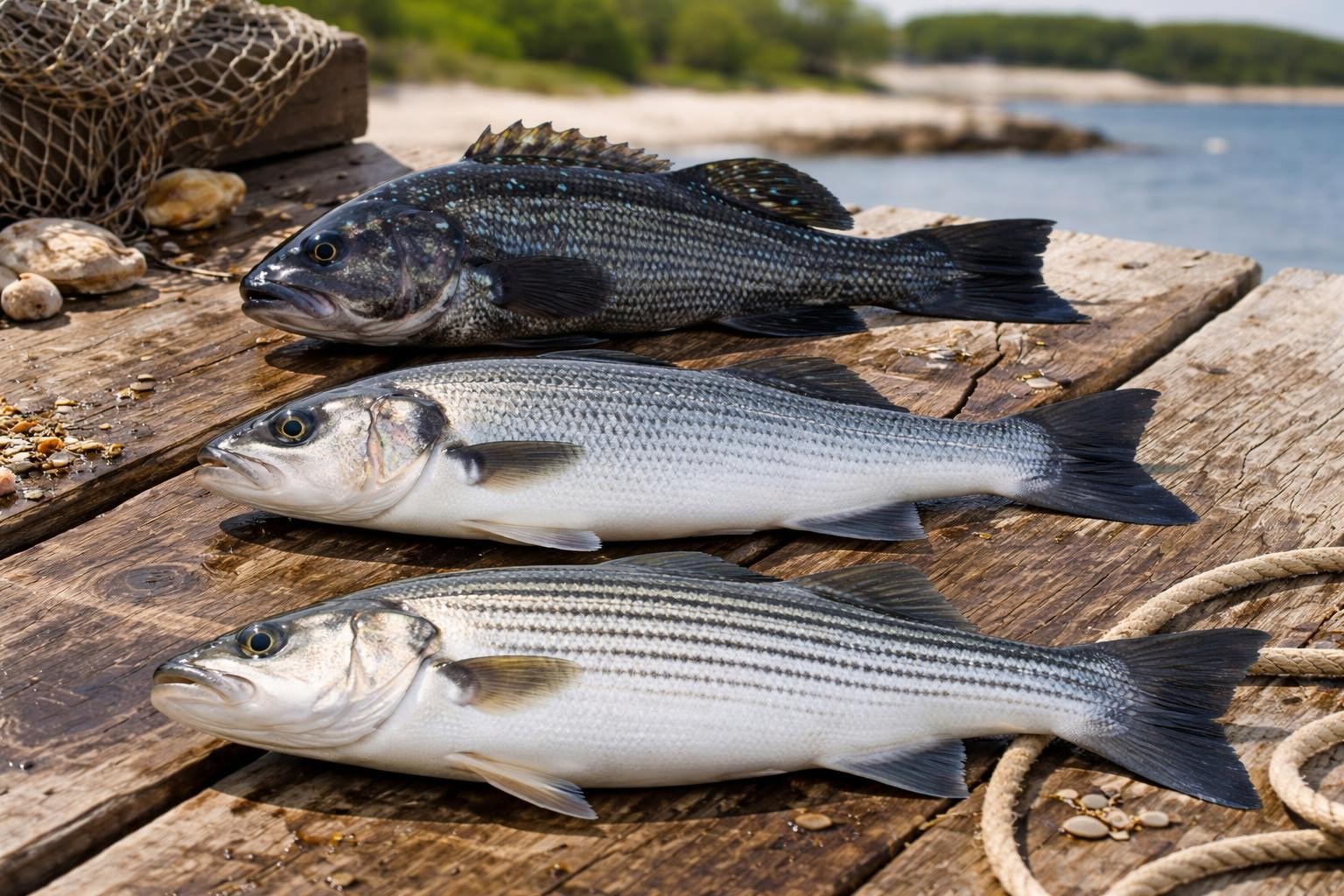
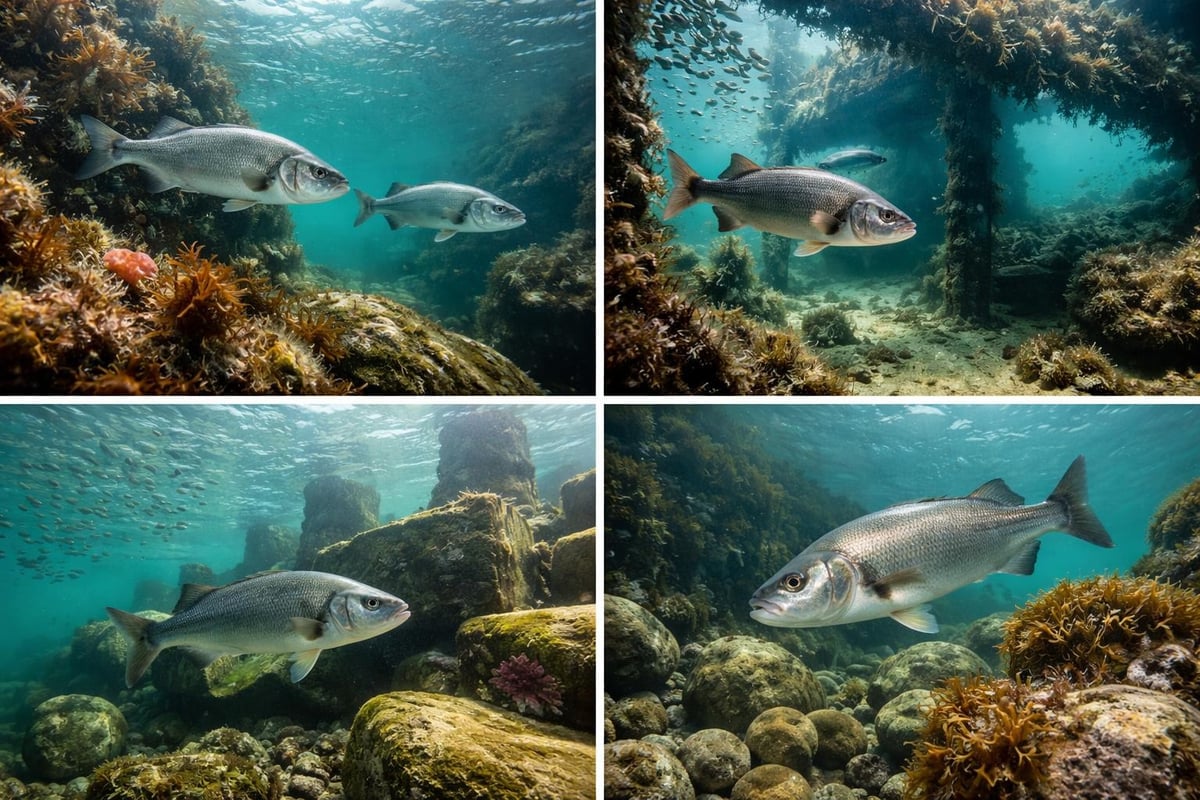
The sea bass fish family includes numerous species found in waters around the world. Black sea bass dominate the Atlantic coast from Massachusetts to Florida, thriving around rocky structures, wrecks, and reefs. European sea bass, also called branzino, populate Mediterranean and eastern Atlantic waters and have become increasingly popular in American cuisine.
Giant sea bass roam Pacific waters off California, though they're now protected due to overfishing. Striped bass, while technically not a "true" sea bass, often get grouped in conversations about sea bass fishing because of their coastal habitat and popularity.
Key identifying features include:
- Broad, robust bodies with large mouths
- Spiny dorsal fins that require careful handling
- Coloration ranging from dark gray to greenish-brown
- White or silvery bellies
- Size variations from 1-2 pounds up to 20+ pounds depending on species
Black sea bass tend to be smaller, with most catches ranging between 1-5 pounds, while trophy fish occasionally exceed 10 pounds. These fish change sex as they mature, starting as females and transitioning to males, which affects population dynamics and fishing regulations.
Where to Find Sea Bass Fish
Sea bass fish prefer structured environments where they can ambush prey and find protection. Rocky bottoms, artificial reefs, shipwrecks, and boulder fields attract these fish like magnets. Water depth varies by species and season, but most black sea bass fishing happens between 20-150 feet.
Inshore sea bass basics cover shallower fishing opportunities, especially during spring and fall migrations. Jetties, breakwalls, and nearshore reefs become hotspots when sea bass move into warmer shallows to spawn. Summer finds them dispersed across deeper reefs and wrecks, while winter pushes many south or into deeper water.
Temperature plays a crucial role in sea bass location. These fish prefer water between 55-70°F, though they tolerate a wider range. When exploring saltwater fishing spots along the Atlantic coast, focus on areas with complex bottom structure.
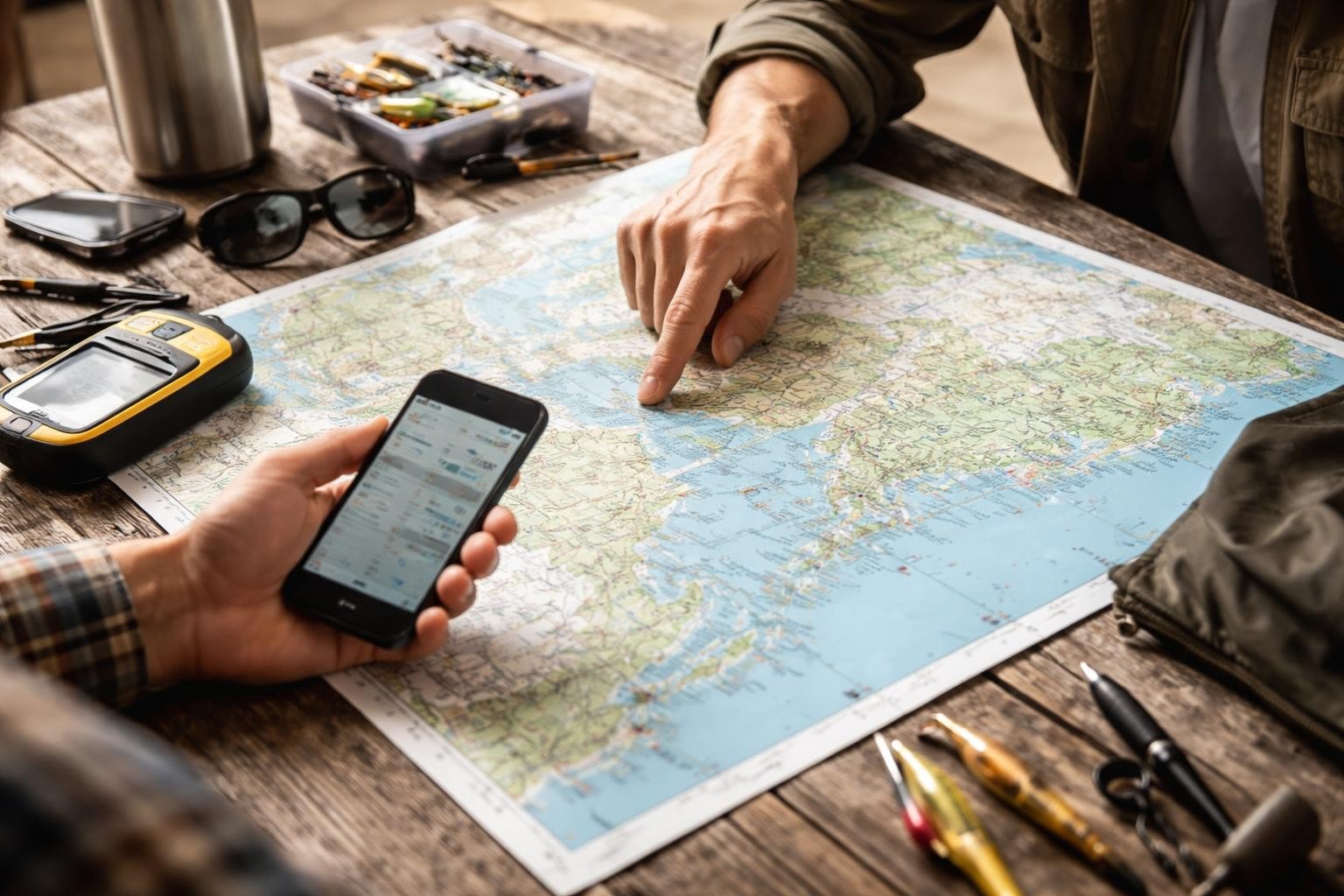
GPS coordinates matter tremendously. Successful anglers mark productive spots and return when conditions align. Using resources like Find Fishing Spots helps locate known sea bass territory with access information and specific coordinates, saving hours of searching.
Effective Fishing Techniques
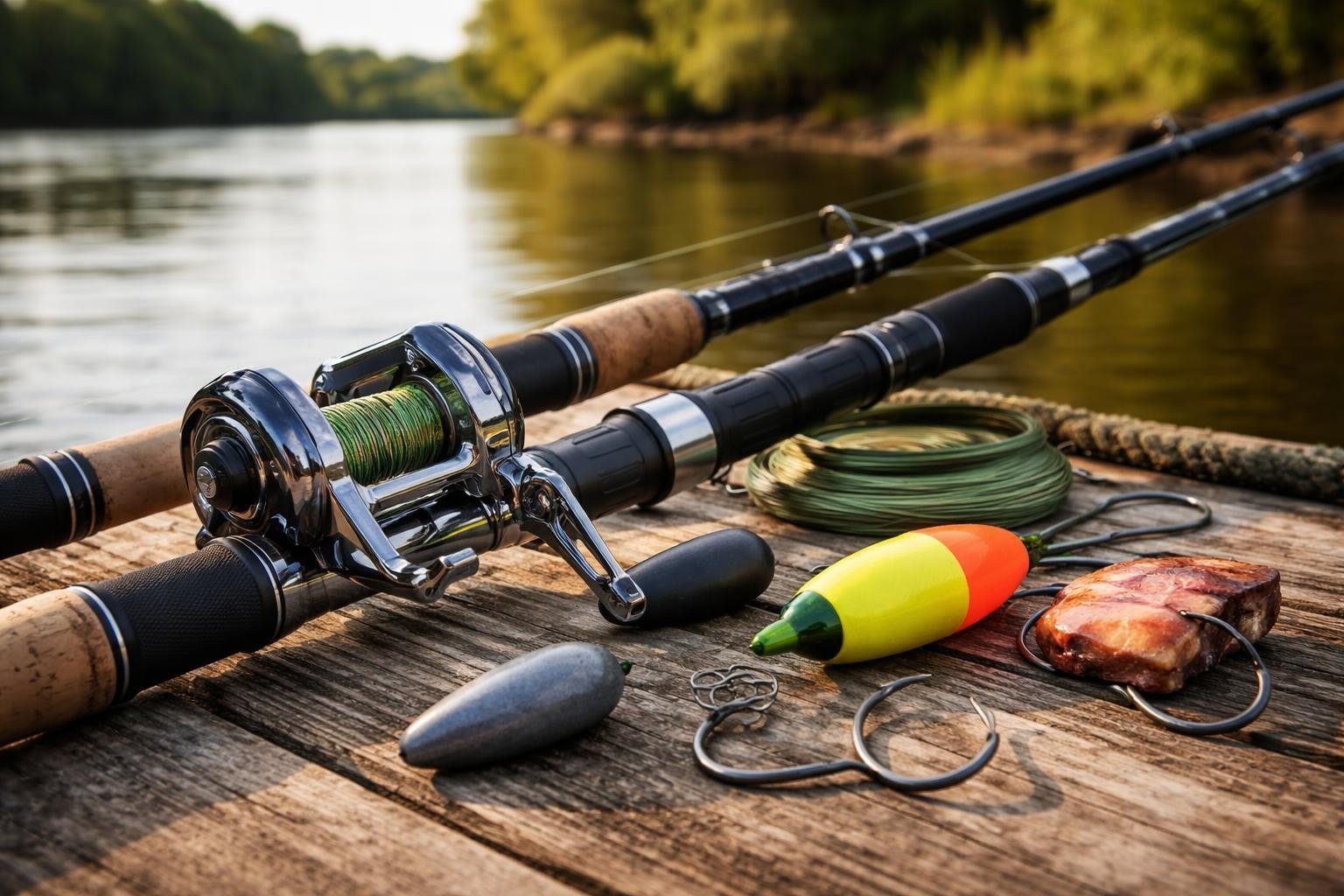
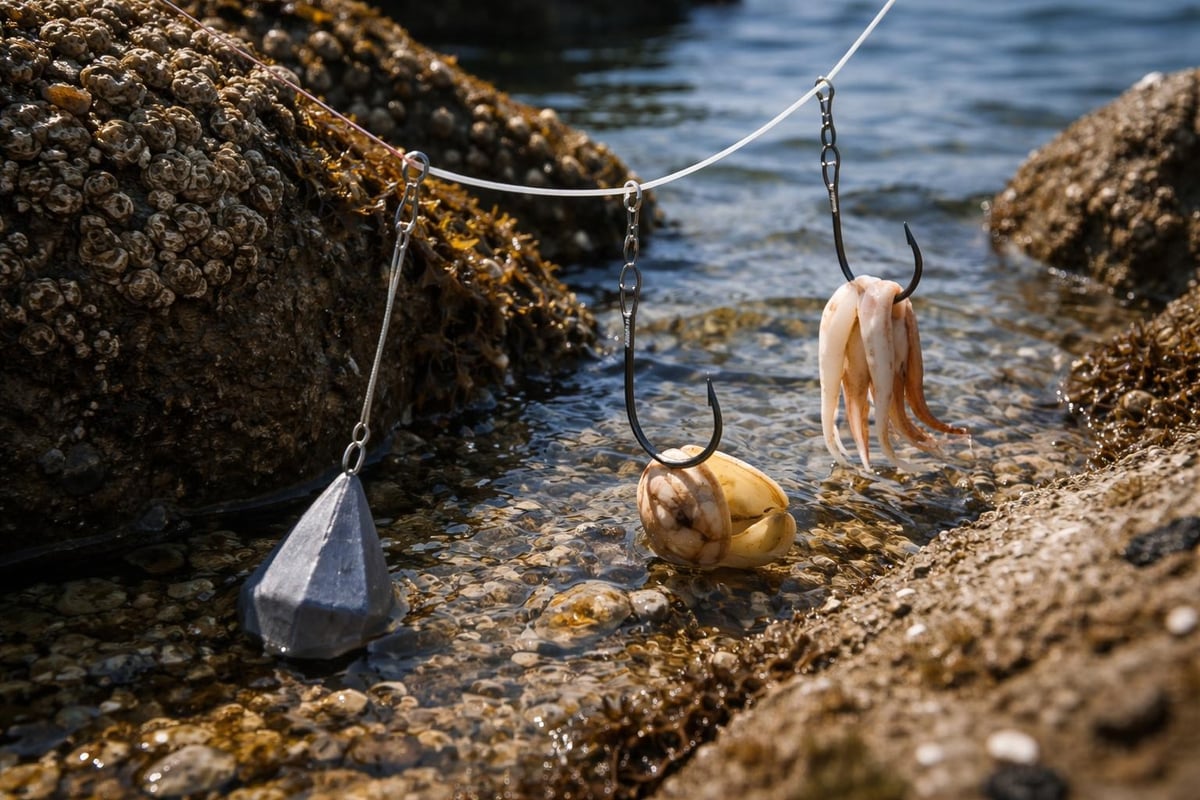
Bottom fishing remains the most productive method for catching sea bass fish. High-low rigs with two hooks maximize your chances, allowing you to present multiple baits at different heights above the bottom. Circle hooks in sizes 3/0 to 5/0 work well and reduce gut-hooking.
Preferred baits include:
- Squid strips or whole squid
- Clams (surf clams work great)
- Cut mackerel or bunker
- Live crabs or crab pieces
- Sandworms or bloodworms
Artificial lures produce excellent results too. Bucktail jigs tipped with bait or soft plastic trailers catch fish consistently. Diamond jigs and metal spoons work when fish are actively feeding. Vertical jigging over structure triggers aggressive strikes from competitive fish.
Tide movement influences feeding activity significantly. Strong tidal flow often produces the best bite, especially during the first two hours of incoming or outgoing tide. Slack tide can slow things down, though fish sometimes feed aggressively right before slack periods.
Seasonal Patterns and Regulations
Sea bass fish follow predictable seasonal movements that dictate fishing success. Spring migration brings fish inshore as water temperatures rise. May through June offers exceptional fishing along the mid-Atlantic coast as sea bass spawn around nearshore reefs and wrecks.
Summer spreads fish across their range, from shallow inshore reefs to deeper offshore structure. This season provides consistent action but requires knowing specific spots. Florida’s coastal waters offer year-round opportunities in southern regions where water stays warmer.
Fall triggers another strong bite as fish feed heavily before moving to deeper winter grounds. September through November produces some of the year's best fishing, with fish fattening up on baitfish and crustaceans.
Regulations vary by state and change frequently based on stock assessments. Size limits typically range from 12.5-16 inches, with bag limits between 5-15 fish per angler. Seasons often close during spawning periods or winter months to protect the population.
Always check current regulations before fishing. Some states implement slot limits, requiring release of both small and trophy-sized fish to protect breeding stock. Conservation-minded anglers follow these rules strictly to ensure healthy populations for future generations.
Handling and Preparing Your Catch
Sea bass fish require careful handling because of their sharp dorsal spines. Grip fish firmly behind the head, avoiding the spiny fins that can puncture skin. A wet towel provides better grip and protects the fish's slime coat if you plan to release it.
Culinary uses for sea bass include grilling, baking, pan-searing, and steaming. The firm white flesh holds up well to various cooking methods and absorbs flavors beautifully. Simple preparations with lemon, herbs, and olive oil highlight the fish's natural sweetness.
For catch and release, minimize handling time and keep fish in the water when possible. Use circle hooks to reduce deep hooking. Descending devices help fish suffering from barotrauma when brought up from depth, increasing their survival odds.
Bleeding and icing fish immediately preserves quality. A cooler with ice keeps your catch fresh throughout the day. Clean fish soon after returning to shore for best flavor and texture.
Whether you're targeting sea bass fish off rocky jetties or exploring deeper offshore reefs, success comes from understanding their habits and habitats. These adaptable predators provide excellent sport fishing opportunities and reward anglers who learn their patterns. Ready to find productive sea bass spots near you? Check out Find Fishing Spots for detailed location information, GPS coordinates, and access details across saltwater fishing destinations nationwide.