Ready to catch more fish in 2026? If you want to boost your success on the water, unlocking the secrets of berkley powerbait is a game changer. This bait has helped anglers of all levels land more fish, thanks to its irresistible scent and innovative design.
In this expert guide, you’ll discover the latest tips and techniques for using berkley powerbait. We’ll cover everything from choosing the right bait and rigging it perfectly to mastering seasonal tactics and pro-level tricks.
Dive in and get ready to transform your fishing experience with proven advice and insider strategies.
Understanding Berkley PowerBait: What Makes It Unique?
What sets Berkley PowerBait apart from the crowd? Anglers everywhere talk about its uncanny ability to turn a slow bite into a day to remember. This section unpacks the science, the variety, and the strategy behind making berkley powerbait your go-to for more hookups.
The Science Behind PowerBait Scent & Flavor
The real magic of berkley powerbait lies in its proprietary scent and flavor technology. Scientists at Berkley developed a formula that not only attracts fish but also gets them to hold on longer, giving you more time to set the hook. Unlike traditional soft baits or dough baits, berkley powerbait releases a cloud of scent that spreads through the water column, making it easier for fish to home in on your lure.
Research shows anglers see a significant jump in catch rates with berkley powerbait compared to unscented plastics. For example, side-by-side tests often reveal double the hook-up ratio, especially when fishing for picky trout or pressured bass. Scent dispersion varies with water temperature and clarity, but PowerBait’s formula is designed to perform in both warm, murky lakes and cold, clear streams.
Berkley’s ongoing innovation has led to specialized scents for different species and water types. If you want a deeper dive into how the scent and flavor science really works, check out this Berkley PowerBait scent technology breakdown.
Types of Berkley PowerBait Available in 2026
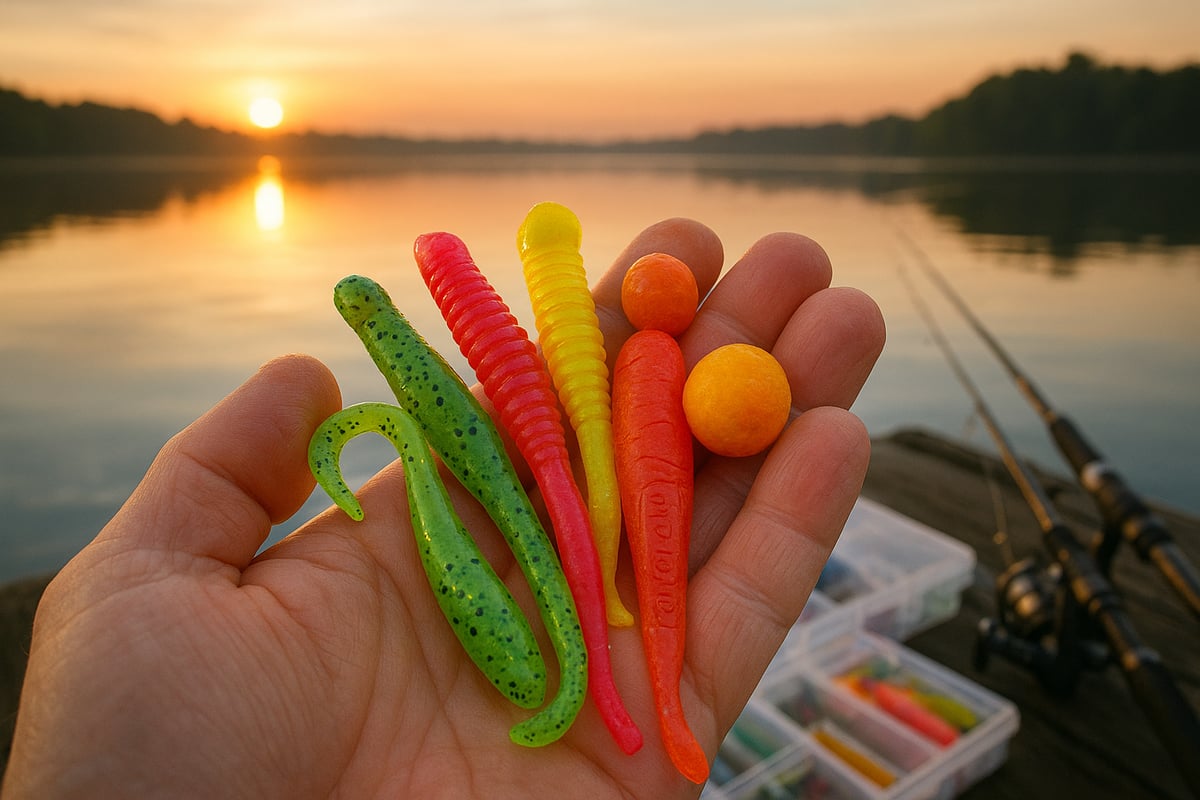
In 2026, berkley powerbait comes in more shapes, colors, and flavors than ever. The lineup includes classic soft baits like worms, creatures, and minnows, along with floating dough baits and unique specialty shapes for specific situations. Each bait is engineered with target species and presentation style in mind.
New releases this year include advanced swimbaits and ultra-realistic designs that mimic live prey. There’s also a growing range of colors and scent options, letting you fine-tune your approach for stained or clear water. Wondering about the differences between PowerBait, Gulp!, and MaxScent? PowerBait is all about scent and taste, Gulp! focuses on water-based dispersion, and MaxScent amps up the scent trail for finicky fish.
Top sellers remain the classic Power Worm, the Gilly swimbait, and dough baits for trout. Features like long-lasting scent, soft yet durable construction, and consistent action make berkley powerbait stand out among competitors.
Choosing the Right PowerBait for Your Target Species
Picking the right berkley powerbait makes all the difference. Start by matching bait shape and size to your target—think slender worms for bass, floating dough for trout, and micro shapes for panfish. For catfish and walleye, try larger, scent-heavy baits or specialty rigs designed for bottom feeders.
Season and region matter too. In spring, natural colors and subtle scents excel, while summer calls for brighter hues and stronger aromas. Local success stories show that pairing a chartreuse minnow with a slow retrieve can be deadly for walleye in northern lakes.
Data from top US gamefish tournaments backs it up: anglers using berkley powerbait consistently rank higher in catch rates across bass, trout, and panfish categories. Choosing the right bait is about knowing your water, your fish, and trusting the PowerBait advantage.
Rigging & Presentation: Proven Techniques for Success
Getting the most out of berkley powerbait starts long before your first cast. Rigging and presentation are where good anglers become great, turning a simple bait into an irresistible meal for any fish. Let’s break down the top techniques to help you land more fish every time you hit the water.
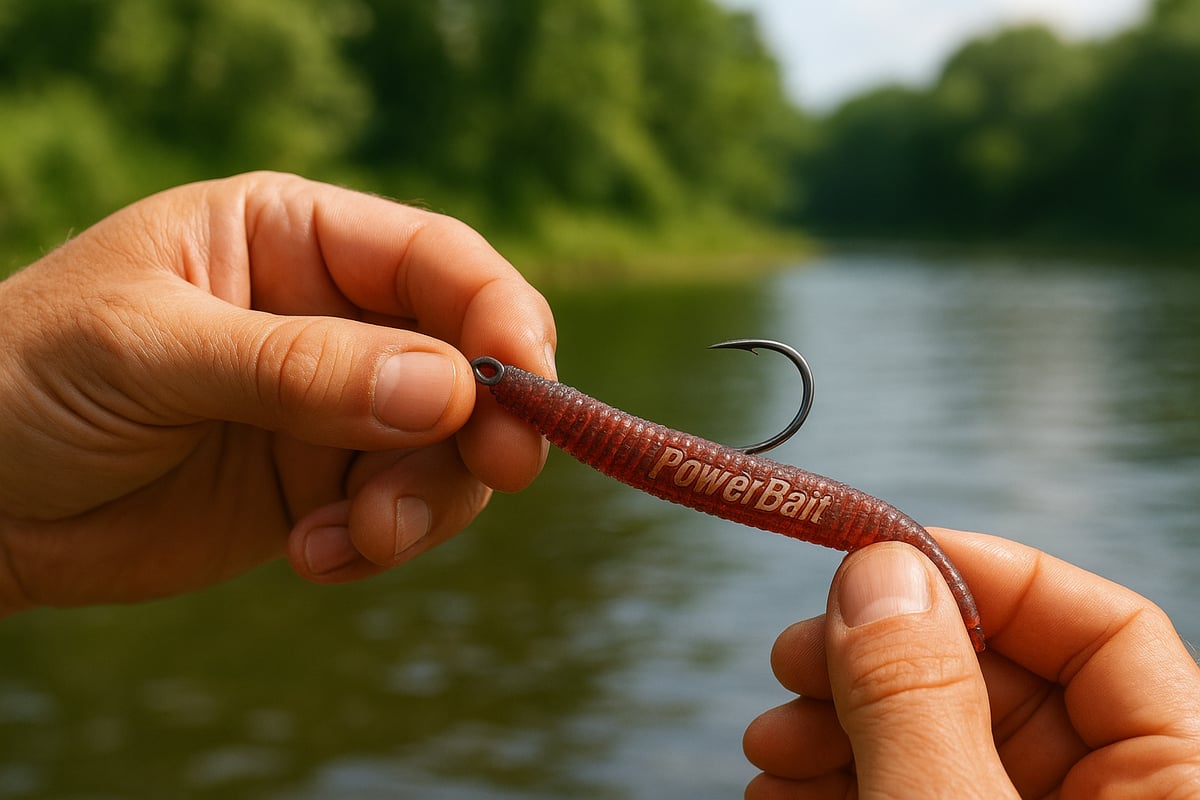
Step-by-Step Guide to Rigging PowerBait
Start by selecting the right berkley powerbait for your target species and conditions. For soft baits like worms or minnows, thread the hook through the head and out the side, making sure the bait sits straight. This helps it move naturally in the water.
With dough baits, roll a small piece into a ball and mold it around a treble hook. Make sure the hook points remain exposed for solid hooksets. For swimbaits, pair them with a weighted jighead, inserting the hook so the bait remains streamlined.
Avoid common mistakes, like bunching up the bait or letting it hang crooked. A straight presentation increases action and scent dispersion. Adjust your rigs based on depth and current; heavier weights for deeper or faster water, lighter for shallow and calm days.
Best Retrieval and Presentation Methods
Once your berkley powerbait is rigged, it’s all about the retrieve. For bass and walleye, try slow rolling your bait along the bottom, pausing every few cranks. Trout often respond to a gentle twitch or even a deadstick approach, letting the bait sit still to tempt wary fish.
Vary your retrieve speed and cadence until you find what works. Mimic the natural movement of worms, minnows, or insects by mixing slow pulls with short pauses. Floating presentations work well in weedy areas, while sinking baits excel in deeper holes.
For more detailed tips on retrievals and adapting to different spots, check out the Fishing Tips and Spots Guide. Experiment with techniques and watch for subtle bites—sometimes the smallest twitch signals a big fish.
Tuning Your Setup for Maximum Effectiveness
Matching your gear to berkley powerbait makes a huge difference. Use a medium-light spinning rod for finesse soft plastics and dough, or a medium-heavy rod for swimbaits and larger presentations. Fluorocarbon line offers great sensitivity and is nearly invisible in clear water, while braided line works well for thick cover or heavy structure.
Tie strong knots like the Palomar or improved clinch to keep your bait secure. Use leaders if fish are line-shy, especially in clear conditions. Adjust your tackle based on water clarity—lighter lines for clear water, heavier for stained or muddy spots.
Pro tip: Keep your drag set light to avoid tearing the bait during the fight. If you’re missing strikes, try downsizing your hook or switching to a different berkley powerbait color or scent. Small adjustments can lead to big payoffs.
Species-Specific PowerBait Strategies
Targeting different fish species with berkley powerbait can make all the difference between a good day and a great one. Each fish has its own preferences, so matching your bait and technique to the species is key for consistent success.
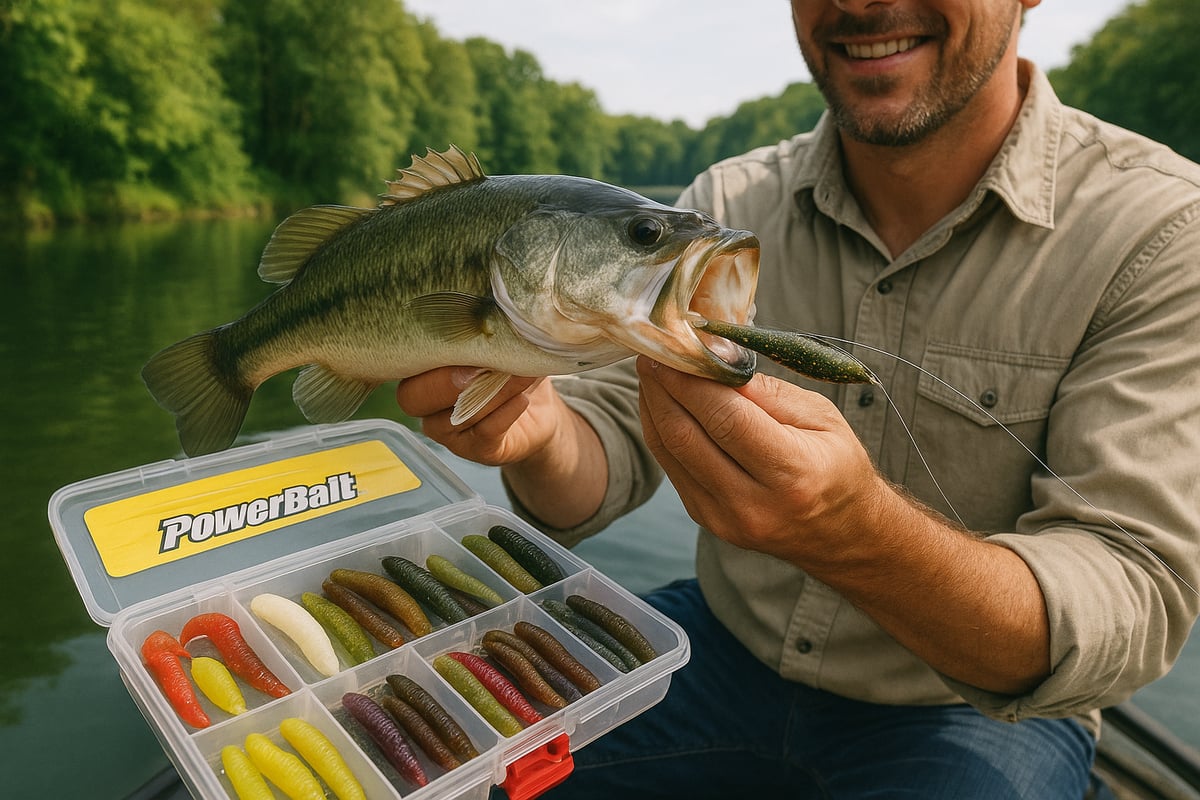
PowerBait for Bass: Tactics and Top Picks
Bass are notorious for being picky, but berkley powerbait gives you an edge. For largemouth and smallmouth, try classic shapes like worms, craws, or the award-winning Gilly. Popular rigs include:
- Texas rig for heavy cover
- Carolina rig for deeper water
- Drop shot for finesse presentations
Adjust your approach by season. In spring, use bright colors and slow retrieves. Summer calls for natural hues and a bit more speed. Come fall, switch to bulkier profiles, and in winter, downsize for lethargic fish. Many tournament setups feature berkley powerbait due to its consistent results. Looking for new waters to try your bass tactics? Check out Top Freshwater Fishing Spots for inspiration.
Trout Fishing with PowerBait: Modern Approaches
Trout love berkley powerbait, especially when you match your method to the conditions. Floating dough baits work wonders on stocked trout in lakes and ponds. For wild trout or moving water, soft bait shapes like eggs or nymphs are hard to beat.
Rigging is simple but effective. Use a small treble or single hook for dough, and a light split shot to keep your bait just off the bottom. Adjust scent and color based on water clarity—chartreuse and garlic for dirty water, salmon peach for clear streams. When trout are pressured, downsizing your berkley powerbait and going finesse often triggers more bites. Data from trout derbies shows consistent top finishes with these tactics.
PowerBait for Panfish, Catfish, and Walleye
Don’t overlook berkley powerbait for species like crappie, bluegill, catfish, or walleye. Micro shapes and scents attract panfish, especially when fished under a float or on a tiny jig. For catfish, try larger dough baits or specialty chunks on a slip-sinker rig—channel cats love the strong scent.
Walleye anglers have success jigging minnow-shaped berkley powerbait or trolling with paddle-tail swimbaits. Match color to local forage and tweak your presentation based on current and depth. Regional stories from guides and tournament anglers show that a simple switch to berkley powerbait often turns a slow bite into a hot streak.
Seasonal & Environmental Adjustments for PowerBait
Fishing success with berkley powerbait often comes down to reading the environment. Adapting your tactics to the season and water conditions can help you hook more fish, no matter where you’re casting.
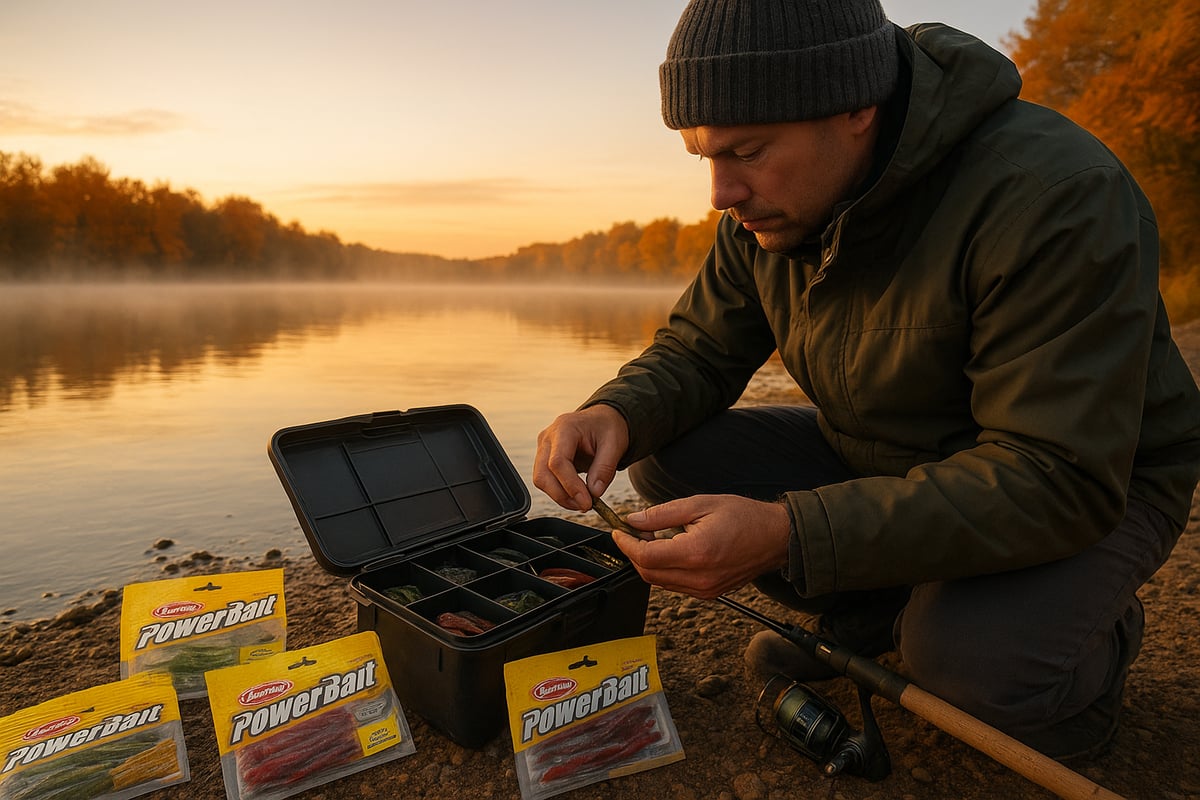
Adapting to Water Temperature and Clarity
Water temperature and clarity play a huge role in how berkley powerbait performs. In colder water, fish move slower and scents disperse more gradually, so opt for smaller baits and more natural colors. When the sun is high and the water’s clear, lighter shades like chartreuse or white can be more effective, while murky or stained water calls for brighter or darker colors to stand out.
Switching up your bait size also pays off. During spring and fall, fish are often more active and willing to chase larger presentations. In the heat of summer or chill of winter, scale down to finesse your approach. Timing matters too. Early mornings and late evenings are often prime windows, especially after a storm when fish move shallow to feed.
If a cold front hits, try slowing your retrieve and keeping berkley powerbait close to cover where fish hunker down. Sometimes, just swapping to a scent-heavy bait or a different color can trigger more bites. Keep a few seasonal favorites handy, like floating trout dough for spring, or minnow shapes for late fall walleye.
PowerBait Tactics for Different Water Types
Whether you’re fishing freshwater or venturing out to saltwater spots, adjusting your berkley powerbait tactics is key. In lakes and ponds, go with natural shapes and colors that mimic local forage. Rivers often require heavier weights or jigheads to keep your bait in the strike zone, especially if there’s current.
Saltwater anglers can also enjoy success with berkley powerbait. Try using tougher, more durable shapes to withstand toothy fish and rougher conditions. For those exploring new areas, check out Saltwater Fishing Locations in Florida for ideas on adapting PowerBait to different inshore environments.
If you’re fishing from the bank, a slip float or bottom rig helps keep your presentation in the right spot. On a boat, vertical jigging or trolling with swimbaits can cover more water. Ice anglers should downsize and use highly visible colors to attract bites through the ice. No matter the water, tweak your rig and approach to match depth, structure, and the species you’re after.
Advanced Tips, Tricks & Pro Secrets
Ready to take your berkley powerbait game to the next level? This section is packed with advanced tricks, troubleshooting tips, and the latest pro secrets for 2026. Whether you want to outsmart pressured fish or stay ahead of the curve, these expert insights can help you get more bites and land bigger catches.
Customizing PowerBait for More Bites
Want to make your berkley powerbait stand out when the fish are picky? Try adding a few drops of liquid scent or a splash of bait dye to give your lure extra appeal. Some anglers trim the tails or combine two different PowerBait shapes for a look fish haven’t seen before.
Using berkley powerbait as a trailer on jigs or spinnerbaits can also boost your chances, especially when targeting bass. Keep your baits fresh by sealing them in airtight containers, and avoid mixing scents to preserve effectiveness. If you’re curious about how scent innovation can change your game, check out this Berkley PowerBait MaxScent baits review for more ideas on boosting your setup.
Experiment with combinations and keep track of what works best in your local waters. Sometimes, a little creativity with berkley powerbait makes all the difference.
Troubleshooting: Solving Common PowerBait Problems
Even with berkley powerbait, stubborn fish can test your patience. If you’re getting short strikes, try switching to a smaller hook or adjusting your rig so the bait sits more naturally. Tweak your retrieve speed, or let the bait sit still for a few seconds before moving it again.
When bait theft happens, double-check your rigging to ensure the berkley powerbait is secure and covers the hook point. Try using a stinger hook if fish keep nipping at the tail. If missed hooksets are an issue, sharpen your hooks and check your line for stretch.
Don’t toss out used berkley powerbait right away—sometimes reusing a chewed-up bait works wonders in tough conditions. Keep experimenting, and remember: every problem on the water is a chance to learn and improve.
Staying Ahead: Latest Innovations & Trends for 2026
Berkley powerbait continues to lead the pack with new releases and smarter designs. The PowerBait Gilly, for example, turned heads and took top honors at ICAST, proving how innovative shapes can trigger more strikes. You can read more about its award-winning design in this Berkley PowerBait Gilly wins Best of Show article.
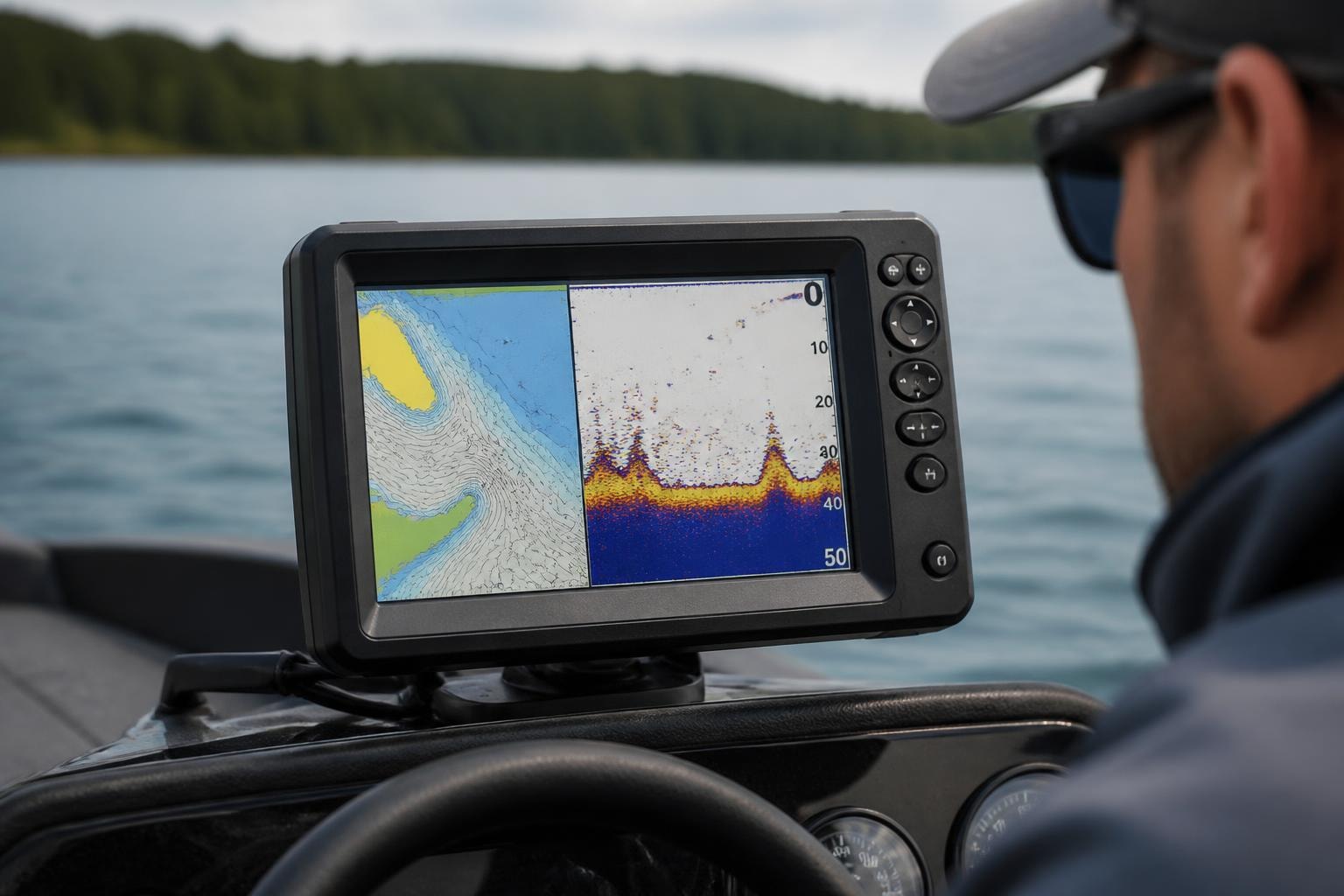
In 2026, look for updates that blend advanced scent science with eco-friendly materials. Some baits are even being paired with electronics to target specific fish on sonar. Staying current with berkley powerbait trends means you’ll always be one cast ahead of the crowd.
Expert Resources & Community Insights
Getting the most out of berkley powerbait often comes down to learning from other anglers. Online forums and social media groups are packed with tips, success stories, and honest advice from folks who fish the same waters as you. These communities are a goldmine for troubleshooting, sharing photos, and swapping local tricks.
If you want a deeper dive, expert reviews and tutorials are just a click away. For instance, the Berkley PowerBait Gilly gear review breaks down bait performance and gives real-world feedback you can trust. You will also find plenty of video demonstrations and how-to guides from both weekend warriors and pro anglers.
Local and national berkley powerbait tournaments are another great way to connect. These events let you see top strategies in action, meet Berkley-sponsored pros, and pick up new ideas. Want to stay ahead of the curve? Join angler networks, follow Berkley’s latest updates, and keep an eye on community forums for the freshest news and best practices.
Now that you’ve got the inside scoop on making the most of Berkley PowerBait in 2026—from picking the right bait for your target fish to dialing in your rig and adapting to the season—you’re ready to put those tips to the test. But having the perfect setup isn’t much help if you’re not fishing in the right spot. If you want to discover new lakes, rivers, or even hidden ponds near you, I’ve got just the thing. Head over to Find Spots to explore the best fishing locations, complete with GPS info and all the details you need for your next big catch.