Few lures hold the legendary reputation of the bucktail jig. In 2026, anglers of every skill level trust this classic for its unmatched versatility and proven results. Whether you fish saltwater or freshwater, this guide gives you everything needed to master the bucktail jig. We’ll break down the basics, explain types and gear, share proven techniques, reveal the best fishing spots, and offer expert tips for maximizing your catch. Want to catch more fish, adapt to any challenge, and build real confidence? Dive in and discover why the bucktail jig remains the must-have lure for every angler.
Bucktail Jig Fundamentals: What Every Angler Should Know
If you have ever peeked into a seasoned angler’s tackle box, chances are you’ve spotted a bucktail jig. This classic lure is trusted by generations for one simple reason: it works. Whether you fish saltwater or freshwater, knowing the basics of the bucktail jig sets you up for success.
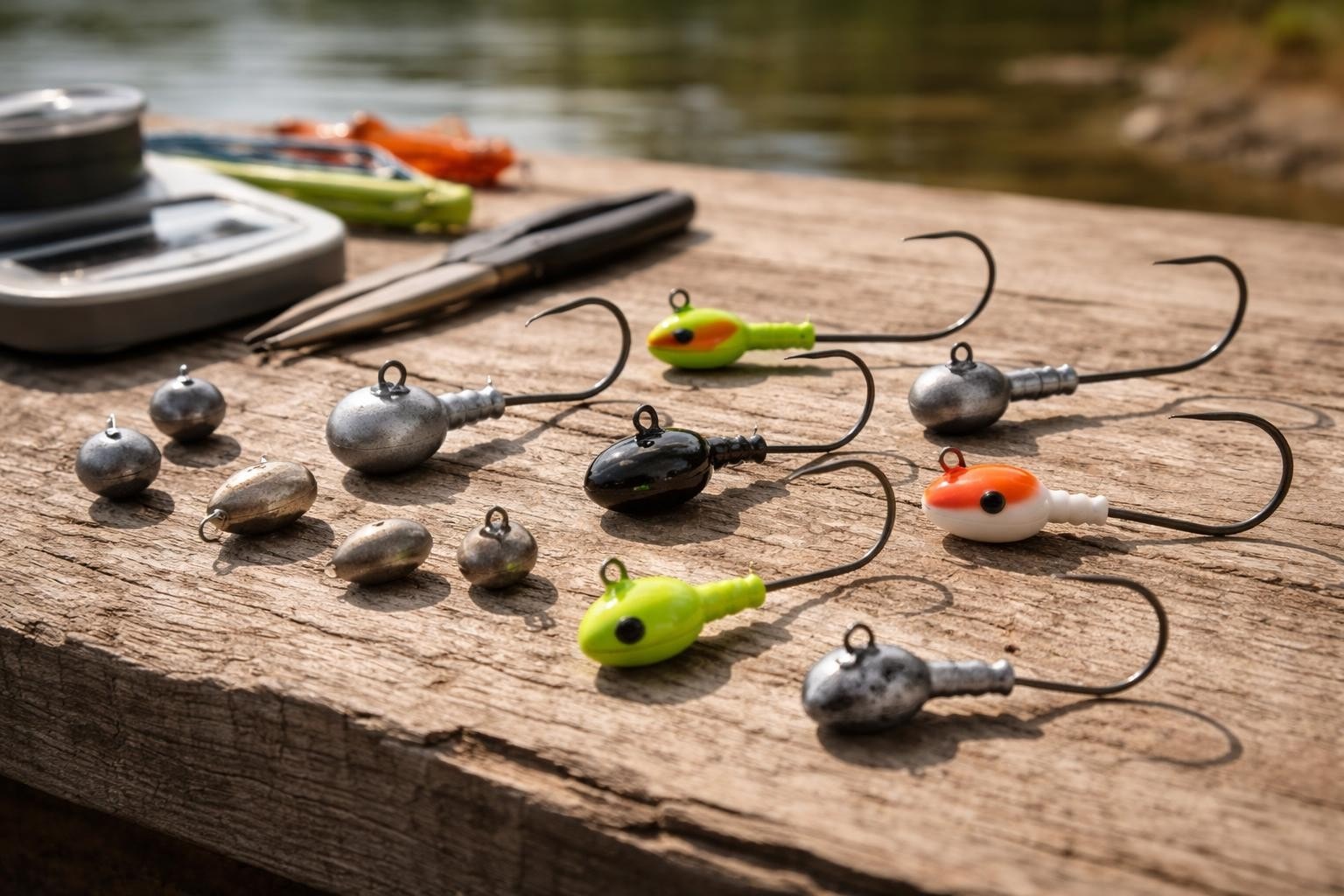
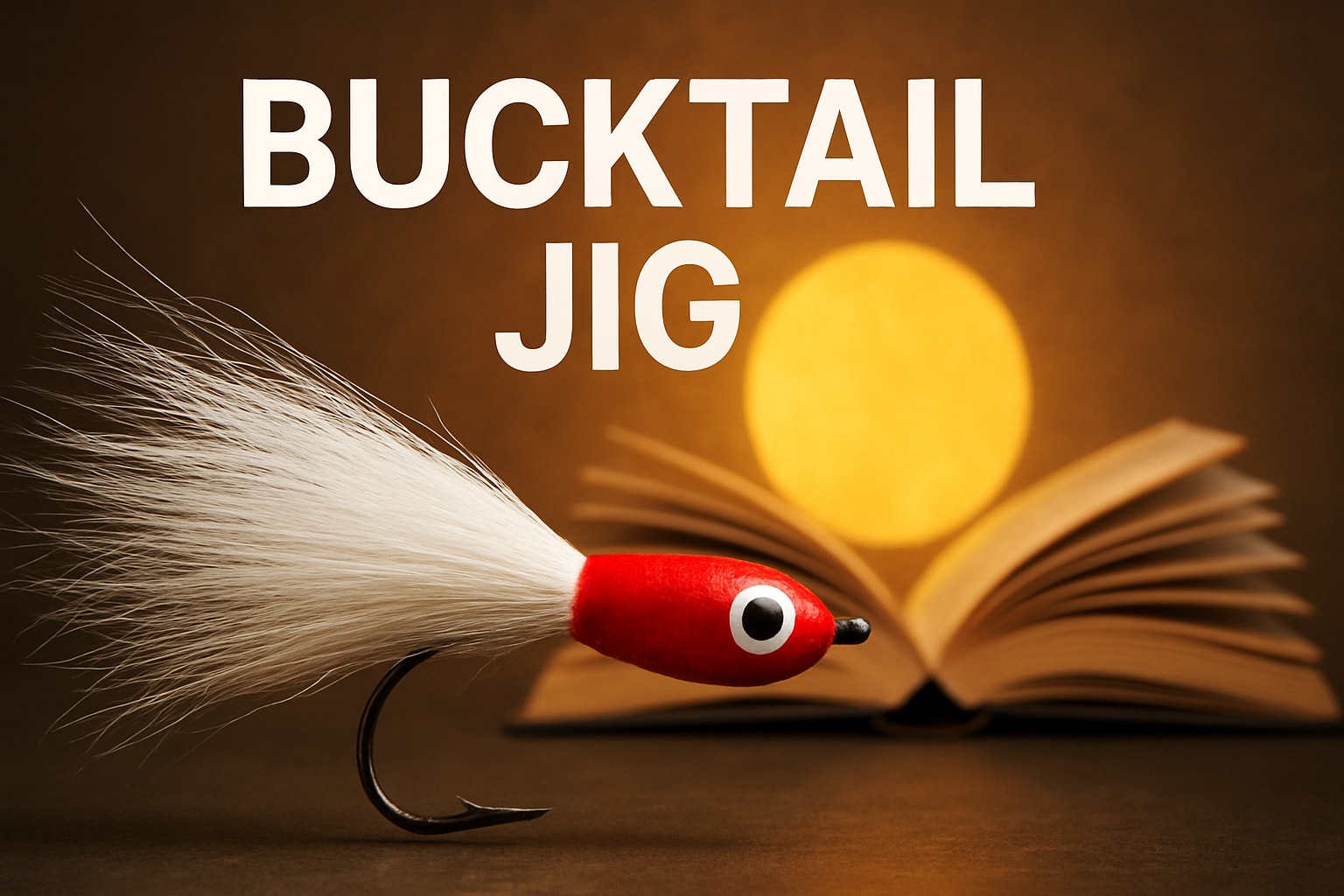
The Anatomy of a Bucktail Jig
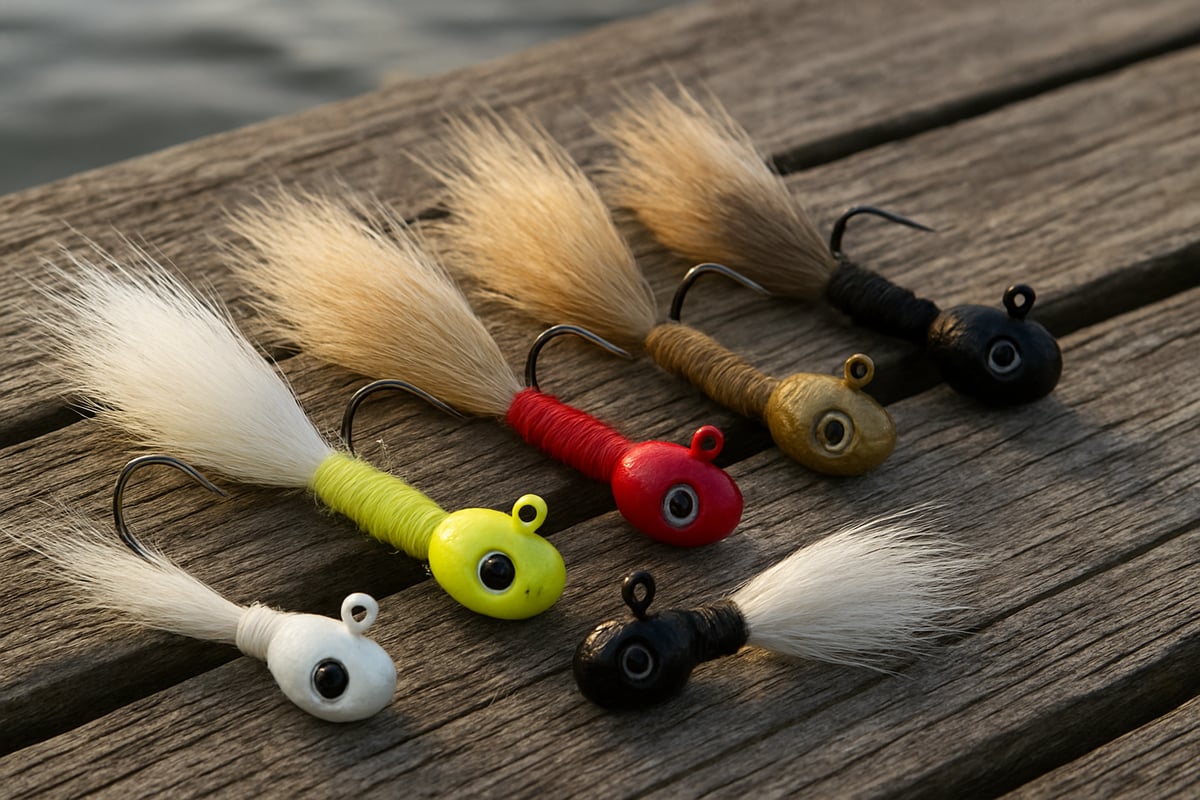
At its core, a bucktail jig is made up of three simple parts:
- A weighted head for casting distance and keeping the lure near the bottom.
- A strong hook to secure your catch.
- A skirt of natural or synthetic hair, most often real deer tail, that brings the lure to life.
When you cast a bucktail jig, the hair pulses and flares, mimicking the look and movement of baitfish, squid, or shrimp. This realistic action fools everything from striped bass to fluke. Unlike soft plastics, the bucktail jig can handle toothy fish and rocky bottoms, lasting trip after trip.
This lure’s reliability isn’t new. It was so dependable that the U.S. Navy included bucktail jigs in WWII survival kits, and Navy Seals still trust them today. Decades later, they remain a staple for anglers chasing multiple species in all kinds of water. Many experienced anglers agree that the bucktail jig’s effectiveness for striped bass is unmatched, making it a go-to lure from New England to the Gulf.
Why Bucktail Jigs Remain Essential in 2026
So, what keeps the bucktail jig front and center in 2026? Its unique design lets it hug the bottom in strong currents, reaching fish that other lures miss. Whether you are tossing it in deep channels, rocky shorelines, or calm estuaries, the bucktail jig adapts to almost any scenario.
It is also a budget-friendly choice. You can retie the hair or reuse the jig head, stretching your investment. Both shore and boat anglers love its versatility and simplicity. Top pros continue to feature bucktail jigs in their gear lists, and for good reason. If you want a lure that stands the test of time, the bucktail jig is the one you will keep reaching for.
Types, Sizes, and Trailers: Building Your Bucktail Jig Arsenal
Building a solid bucktail jig arsenal is all about matching your gear to the fish and conditions you face. With so many styles, sizes, and trailers out there, picking the right combo might feel overwhelming. Let's break it down so you can confidently choose the perfect bucktail jig setup for every situation.
Bucktail Jig Styles and When to Use Them
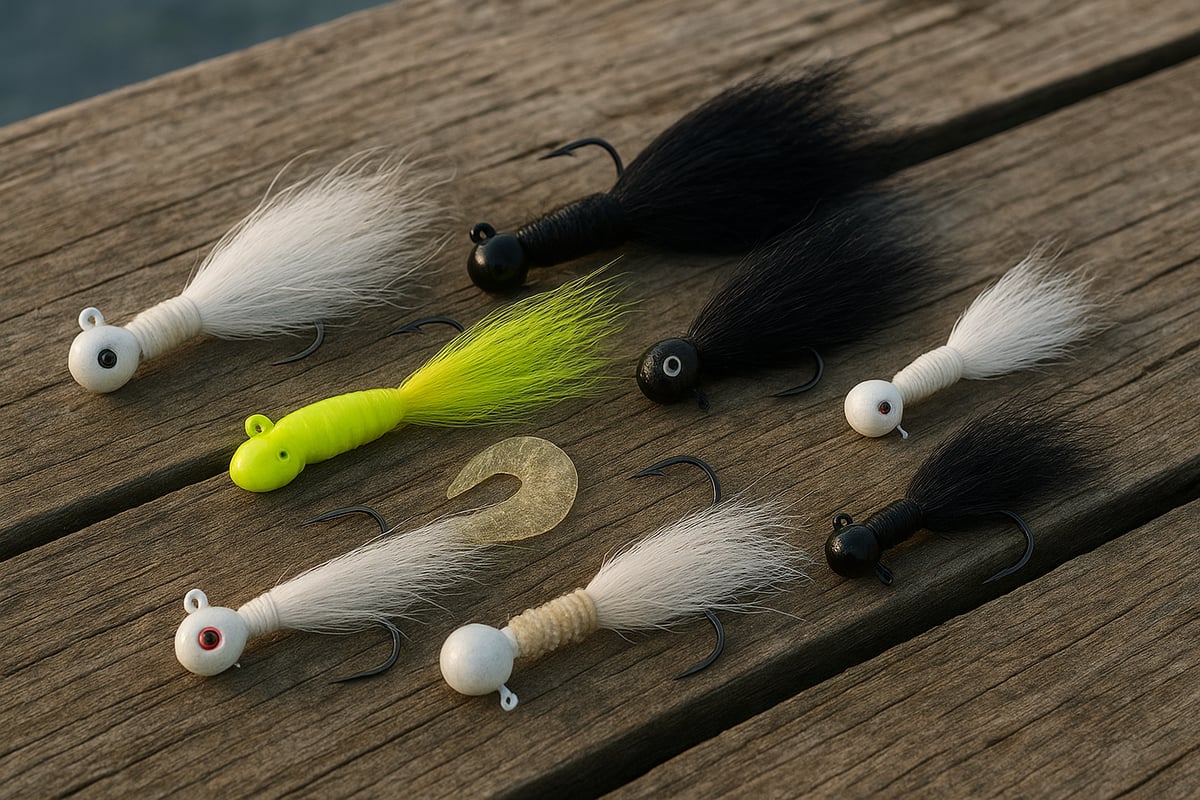
There are several head styles to consider when building your bucktail jig collection. Popular options include:
- Smilin’ Bill: Great for deep water and mimicking squid.
- Flathead/Upperman: Perfect for shallow water and imitating small baitfish.
- Roundhead/Micro: Ideal for finesse presentations in calm backwaters.
- Hotlips: Designed for strong currents and aggressive retrieves.
Matching the right bucktail jig head to your fishing conditions is key. Flathead jigs shine in shallow, rocky areas where you want to mimic small baitfish. Smilin’ Bill heads let you reach deeper water, especially when targeting larger predators or working strong currents.
Size is just as important. Micro jigs (1/8 oz) excel for light-tackle fishing in estuaries and backwaters. For surfcasting or deeper channels, most anglers reach for 1/4 to 1 oz bucktail jigs. When the current is ripping or you need to get down fast, 1–3 oz jigs are the ticket.
Color also plays a role. Go with white, chartreuse, or red/white during the day. For night fishing, black or yellow stands out best. One reason bucktail jigs remain a favorite is their durability. Unlike soft plastics, they hold up to toothy fish and rough structure.
For more tips on choosing the right style and adapting to fishing conditions, check out the nuances in jig selection and techniques.
Choosing and Using Trailers (Enticers)
Adding a trailer to your bucktail jig can double its effectiveness in the water. Trailers enhance the lure’s action, increase its profile, and help you stand out to hungry fish. Some of the most popular choices include:
- White curly tail grubs for extra movement
- Red pork rind strips for big bass appeal
- Synthetic stickbaits or soft plastics like Berkley Gulp
Match your trailer size to your jig. Use a 1-inch trailer with micro jigs and 4-inch or longer for 1 oz and up. Curly tail grubs are a go-to for both schoolies and larger striped bass, while pork rind has a reputation for attracting trophy fish.
Color matters here too. In clear water or bright sunlight, stick to natural colors. In stained water or at night, try bold shades like chartreuse or black. Always rig your trailer securely so you don’t lose it to a hard strike or snag.
Many anglers report better results on bucktail jig setups with trailers, especially for larger fish. Take the time to experiment with different combinations until you find what works best in your waters.
Setting Up for Success: Rods, Reels, Line, and Rigging
Getting the right setup is half the battle when fishing with a bucktail jig. A balanced rod, reel, and line combo makes all the difference in casting accuracy, lure control, and feeling even the lightest bite. Let’s break down what you need for bucktail jig success, from rod and reel to the final knot.
Selecting the Right Rod and Reel
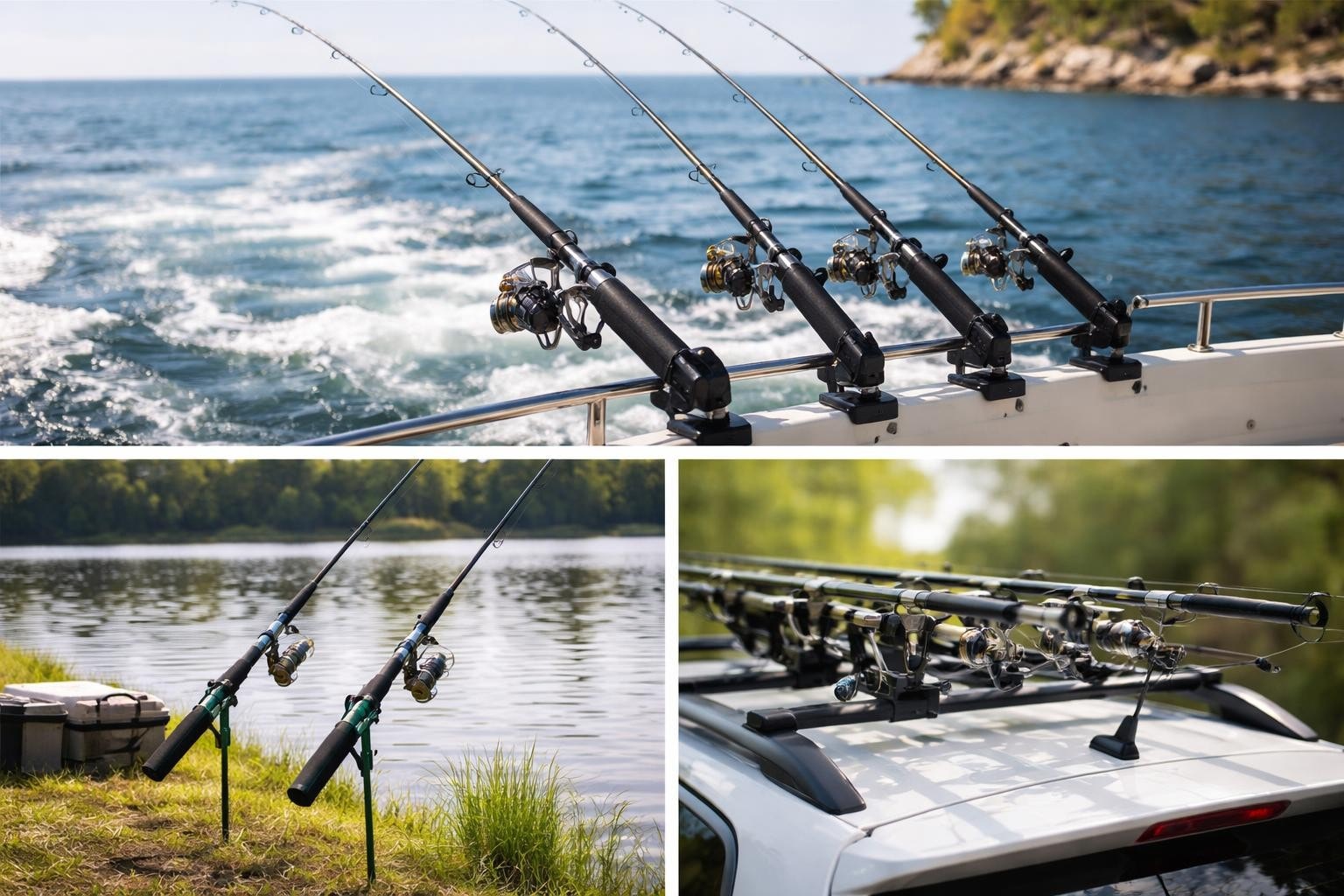
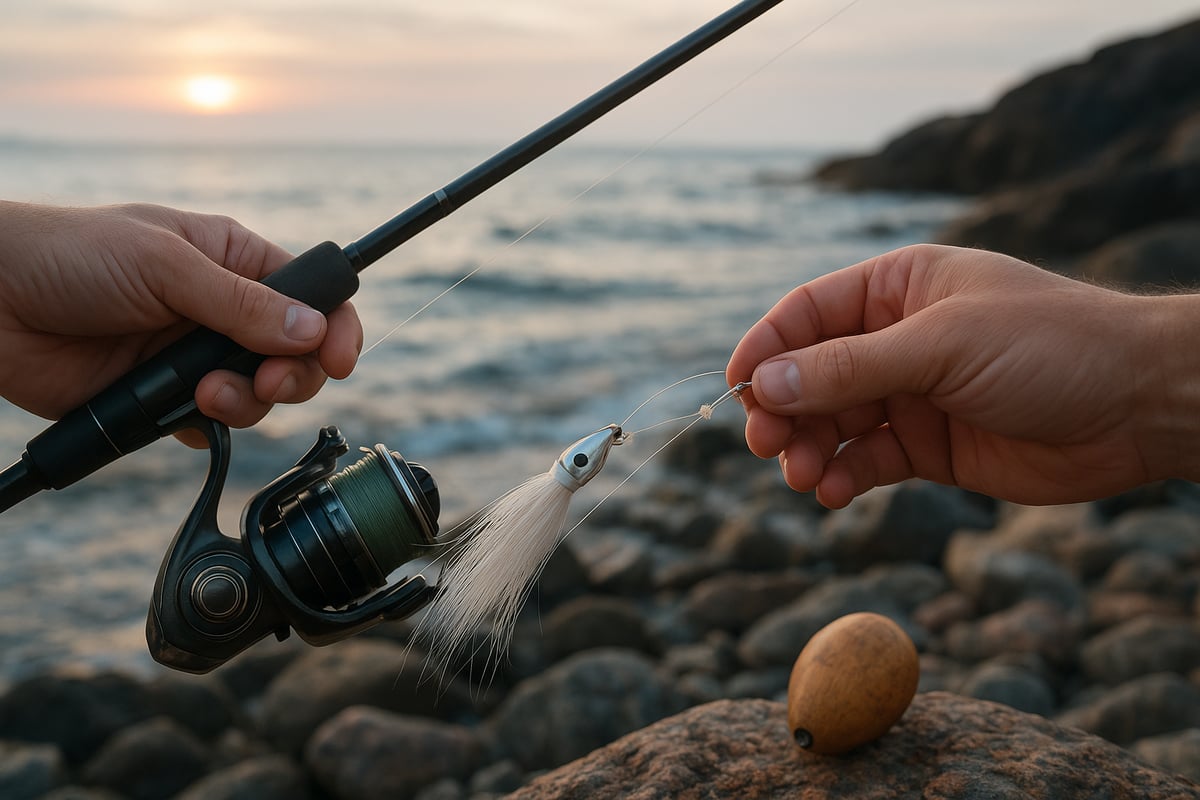
Choosing the best rod and reel for bucktail jig fishing depends on where you fish and the weight of your jig. For backwaters and estuaries, a 5 to 7 foot light-action rod paired with a 1000-2500 size spinning reel and 4-8 lb line is ideal for micro jigs. If you’re casting heavier bucktail jig setups from the surf or targeting strong fish, step up to a 9 or 10 foot medium-heavy rod and a 4000-6000 size spinning reel loaded with 20-30 lb line.
Surfcasters fishing places like the Cape Cod Canal fishing guide often use long rods for distance and power, making it easier to work a 1-3 oz bucktail jig through fast current. On a boat, a 7 foot medium rod and conventional reel handle larger jigs and deep water easily. Always match your rod’s action and power to the size of your bucktail jig and the conditions you face.
Line Choices: Braid vs. Monofilament
When it comes to line, braided line has become the top choice for bucktail jig anglers. Braid’s sensitivity lets you feel every bump and subtle strike, especially when fishing in current or deep water. Pair it with a 3-4 foot fluorocarbon or monofilament leader for abrasion resistance and a stealthy presentation.
A typical setup is 20-30 lb braid with a 30 lb test mono leader. Connect them using a reliable knot like the Slim Beauty or FG knot for smooth casting. Braided line excels for bucktail jigging in moving water, while monofilament can be handy in calm, snaggy spots where a bit of stretch helps prevent break-offs. Always check your leader for nicks and retie if needed to avoid losing a good fish.
Rigging Techniques for Maximum Performance
Rigging your bucktail jig properly is key to getting the right action and preventing lost fish. Many anglers tie the jig directly to the leader for maximum sensitivity, but snaps or swivels can make swapping jigs easier. For surf fishing or snaggy areas, try a float and jig rig: attach a wooden egg float above a 3 foot leader and your bucktail jig. This setup keeps the jig above snags and boosts casting distance in wind or rough surf.
When adding a trailer, thread it securely onto the hook to ensure it stays put during aggressive strikes. Use the right knot for your chosen rig, and always test the connection before casting. Taking an extra moment to double-check your knots and rigging can mean the difference between landing a trophy and telling a story about the one that got away.
Where to Fish Bucktail Jigs: Locations, Structure, and Seasonal Patterns
Finding the right spot for bucktail jig fishing can make all the difference between a slow day and a full cooler. The beauty of the bucktail jig is its ability to shine in just about any environment, whether you’re casting from shore, wading in a backwater, or dropping down from a boat. Let’s break down where these lures work best and how to read the water for more bites.
Productive Environments for Bucktail Jigging
Bucktail jig anglers have a ton of options when it comes to picking a spot. Deep moving water, like breachways and inlets, is a classic choice. These areas funnel bait and draw in predators. Rocky shorelines, boulder fields, and surf zones are also hotspots, especially when waves stir up the bottom and bring baitfish close.
Estuaries and backwaters are perfect for micro jigging. These calmer waters hold schoolie stripers, fluke, and even white perch. Offshore, boaters drift bucktail jigs over deep channels or drop-offs for larger species. For example, the Jetty and inlet tactics at Fort Pierce show how jetties can produce steady action for a mix of fish. No matter your location, the bucktail jig’s versatility means you can adapt to almost any water.
Structure and Fish Behavior
Understanding how fish use structure is key to bucktail jig success. Fish hang near current seams, drop-offs, rocks, and sand holes because these spots hold bait and offer shelter. Using a bucktail jig lets you target these strike zones with precision.
Seasonal bait migrations matter, too. In spring and fall, match your jig size and color to what’s around, like squid or peanut bunker. When small bait is thick, try a float and jig rig in the surf. Anglers often land stripers, bluefish, and fluke from the same rocky points by changing up retrieve speed or jig weight. The more you pay attention to structure, the more you’ll get out of your bucktail jig.
How to Discover New Bucktail Jig Hotspots
The best way to level up your bucktail jig game is by exploring new water. Online resources like FindFishingSpots.com help you pinpoint fresh locations, from saltwater jetties to secret backwater creeks. The site offers GPS details, access tips, and water type info, so you can match your approach to the conditions.
You can search by region, structure, or even target species, making it easy to plan your next trip. There’s a community vibe, too, with anglers sharing their own favorite bucktail jig spots and tips. Whether you’re just starting out or already a diehard, using these tools will keep your fishing fresh and your tackle box ready for anything.
Proven Bucktail Jig Techniques: Step-by-Step Methods for Every Situation
Fishing with a bucktail jig is all about matching your approach to the water and the fish. Whether you’re standing in fast-moving current or quietly working a backwater, there’s a technique for every situation. Let’s break down the most effective methods, with easy steps and real-world tips to help you hook up more often.
Jigging in Current: Mastering the Drift
When targeting fish in moving water, the bucktail jig shines. Here’s a proven approach:
- Cast the bucktail jig across the current and let it sink, feathering the line to feel bottom contact.
- Start a slow retrieve, bouncing the jig along the bottom to keep it in the strike zone.
- When the jig lifts out of current, reel in and recast to cover new ground.
This method helps you stay connected to the bottom, where fish often wait to ambush prey. Many anglers land keeper bass in strong currents using this steady drift technique.
Float and Jig in the Surf
The float and jig method brings the bucktail jig to life in the surf, even when waves are crashing. Here’s how to do it:
- Attach an egg float and a three-foot leader to a small bucktail jig for extra casting distance and snag prevention.
- Retrieve slowly, letting the waves and current create action on the jig.
- This setup is deadly in white-water surf during high tide, especially when baitfish are thick.
Schoolie stripers and big bluefish often strike close to shore using this approach, making it a favorite for surf anglers.
Straight Retrieve and Bounce for Calm Waters
In calm or moderate water, a straight retrieve with a bucktail jig can be unbeatable. Follow these steps:
- Cast a 1/4 to 1 oz bucktail jig with a curly tail trailer and let it sink.
- Reel in slowly, occasionally bouncing the rod tip to add a darting action.
- Target fish under bait schools or along rocky edges for best results.
This method is simple but highly effective, especially when fish are chasing bait. For more tips on how to use bucktail jigs for walleye and bass in weedy areas, check out bucktail jigs in weed fishing.
Micro Jigging in Backwaters
Micro jigging with a bucktail jig is perfect for quiet estuaries and ponds. Here’s what works:
- Use ultralight tackle with a 1/8 oz bucktail jig to mimic small prey like grass shrimp.
- Cast and retrieve slowly, letting the jig flutter naturally in the water.
- This approach excels for schoolie stripers, white perch, and hickory shad.
At places like Weedon Island Preserve flats and mangroves, anglers use this method to target a variety of species in shallow, protected waters.
Adapting to Conditions: Tips and Adjustments
Success with a bucktail jig often comes down to reading the water and making smart tweaks. Remember to:
- Change retrieve speed and jig weight as current or depth shifts.
- Swap colors or trailers for different water clarity or target species.
- Use braided line for better feel in deep or moving water, and mono for snaggier spots.
Many anglers find their best days come from adapting techniques, like switching to a heavier bucktail jig when wind or current picks up. Experimenting and staying flexible is key to consistent success.
Advanced Tips, Customization, and Common Mistakes to Avoid
Want to get even more out of your bucktail jig? Let’s dig into advanced tweaks, common mistakes, and the kind of wisdom only anglers and local legends can share. A little know-how goes a long way, whether you’re crafting your own or just looking to avoid rookie errors.
Customizing Bucktail Jigs for Maximum Effectiveness
There’s real magic in building or modifying your own bucktail jig. If you’ve got the time and curiosity, pouring lead, painting heads, and tying on deer hair lets you fine-tune every detail. Some anglers even keep dozens of molds to match local baitfish exactly.
You don’t have to start from scratch, either. Modifying store-bought jigs works wonders. Try swapping out trailers, repainting heads to match the day’s forage, or adding a small spinner for extra flash. Personalizing your bucktail jig can give you an edge when fish get picky.
Natural materials matter, too. Many pros swear that deer hair breathes and pulses underwater in a way plastics just can’t, which is why there’s a resurgence in natural fibers in fishing jigs. You can always experiment with blends to see what gets more bites.
A custom bucktail jig isn’t just about looks—it’s about confidence and results. That extra effort can mean your lure stands out when it counts.
Troubleshooting and Avoiding Common Pitfalls
Even the best bucktail jig won’t work if you fall into a few classic traps. Losing jigs to snags? Try using floats in rocky areas or adjusting your jig weight to match the current. Keeping your lure where the fish are is half the battle.
Action is everything. Retrieve too fast and your bucktail jig might ride above the strike zone. Use mismatched trailers and you’ll lose the natural movement that makes these lures so deadly. Stick to the basics: steady retrieves, subtle bounces, and trailers that fit the jig’s size.
Staying in contact with the bottom is key, especially in deeper water. If you can’t feel your bucktail jig ticking along rocks or sand, switch up your weight or line until you do. And don’t overthink it—some of the best catches happen with the simplest presentations, like a plain bucktail jig with a white curly tail.
When in doubt, slow down, simplify, and focus on what the fish are telling you.
Expert Insights and Community Wisdom
No one has all the answers when it comes to bucktail jig fishing. The best anglers keep learning, whether it’s from old-timers at the dock or by swapping stories online. Try new colors, sizes, or retrieves until you hit the right combo for your waters.
Adaptability is your secret weapon. Fish switch up their patterns fast, so don’t be afraid to change your bucktail jig style or technique as conditions shift. Sometimes a subtle tweak—like switching to a darker color at dusk—makes all the difference.
Document your successes and failures. Keep a simple log or snap a photo of your best bucktail jig setups. Sharing tips with the community not only helps others but sharpens your own skills. Over time, you’ll see patterns emerge that turn good days into great ones.
Most importantly, trust your instincts and have fun. Every cast with a bucktail jig is a chance to learn something new and maybe land your next personal best.
Now that you’ve got the bucktail basics and some tricks up your sleeve, the next step is to put them to use where it really counts—on the water. Whether you’re chasing stripers in the surf or exploring backwater estuaries for something new, you’ll want to know exactly where to go. That’s where having a go to spot makes all the difference. If you’re ready to find your next favorite fishing hole or just want to see what’s biting nearby, you can easily check out Find Spots and match your newfound skills with the perfect location. Happy jigging!