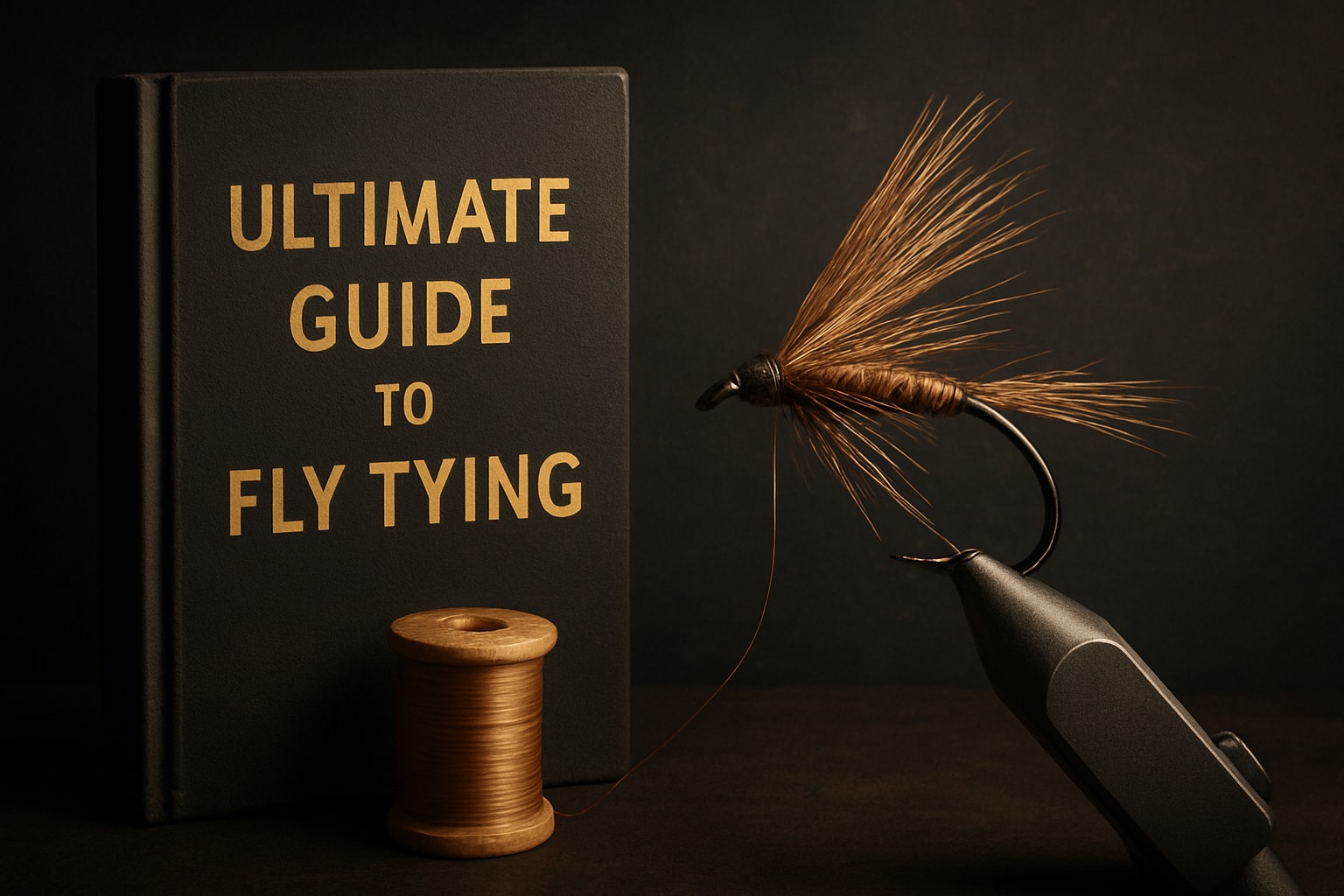
It’s 2026 and fly tying is making a real comeback, blending classic craftsmanship with new innovations. More anglers are discovering how fly tying can boost their fishing success and add a creative spark to every outing.
This guide is here to help you master fly tying from the ground up. We’ll walk you through essential tools and materials, step-by-step tying instructions, advanced techniques, the hottest fly patterns, and tips for overcoming common challenges.
Ready to craft your own effective, custom flies? Whether you’re brand new or looking to sharpen your skills, fly tying opens up endless possibilities for anglers who want to stand out on the water.
Essential Fly Tying Tools and Materials
Getting into fly tying in 2026 means having the right gear and setup. Whether you're just starting or leveling up, your tools, materials, and workspace can make all the difference. Let’s dig into what every fly tyer needs to tie strong, effective flies.
Key Tools Every Fly Tyer Needs
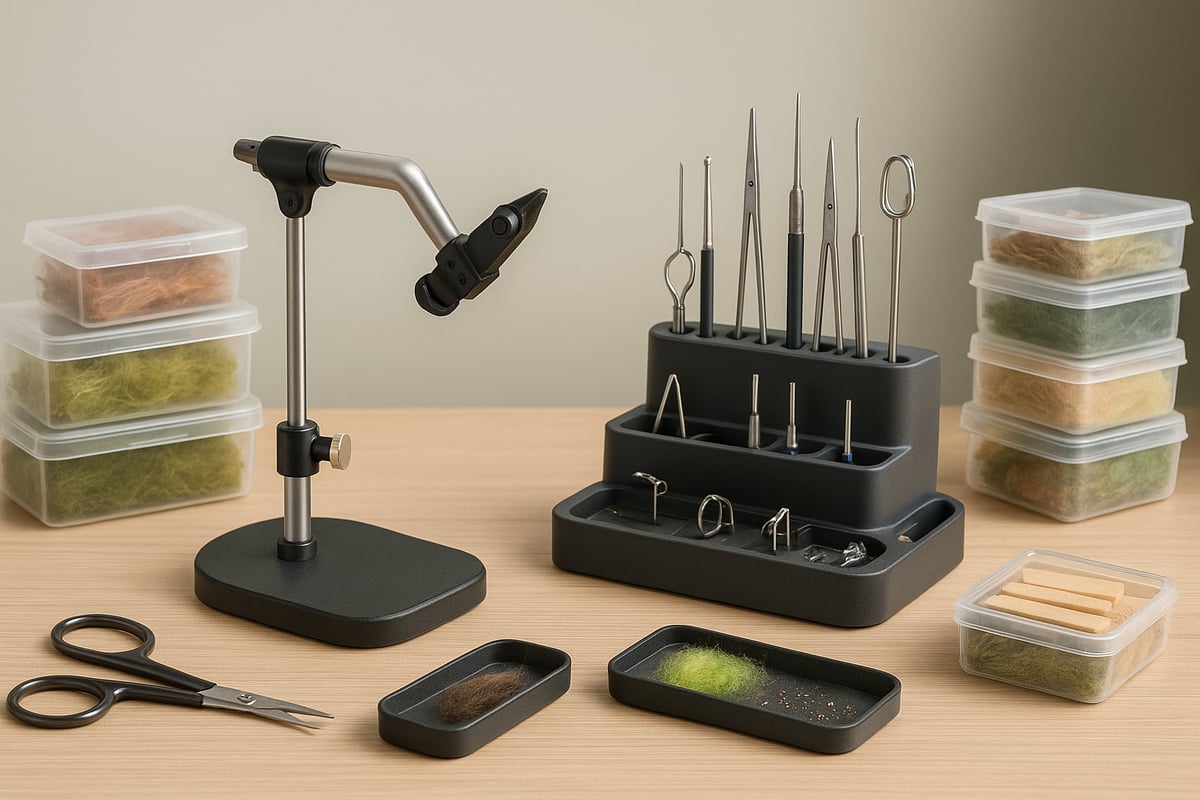
When it comes to fly tying, certain tools are the backbone of every setup. Start with a quality vise that holds your hook steady—a rotary vise speeds up tying and ensures consistency. Bobbins keep your thread under control, while sharp scissors are crucial for clean cuts. Hackle pliers help grip delicate feathers, and a whip finisher makes sturdy knots. Don’t forget a bodkin for precise adjustments and applying head cement.
In 2026, ergonomic upgrades are everywhere. Look for tools with comfortable grips and adjustable features, perfect for long tying sessions. Many leading brands now offer magnetic bases and modular attachments, making swaps and tweaks quick and easy. Investing in durable, precision tools pays off with better, longer-lasting flies.
Must-Have Fly Tying Materials
Fly tying materials have come a long way. Natural options like hackle, feathers, and fur are still staples, but synthetic fibers, foam, and UV-reactive dubbing deliver new possibilities. High-quality threads, wires, tinsels, beads, and eyes let you customize patterns for any water—fresh or salt.
Top brands in 2026 are rolling out eco-friendly synthetics and specialty coatings for extra durability. Whether you’re tying for trout or tarpon, there’s a material to match. Want to stay ahead of the curve? Check out Innovative Fly Tying Materials and Techniques for the latest advancements in materials that boost your flies’ performance.
Organizing Your Fly Tying Station
A tidy fly tying station keeps the creative flow going. Use modular storage or stackable bins to separate materials by type or pattern. Magnetized trays prevent tiny hooks and beads from rolling away, and labeled drawers save time when you’re in the zone.
Cleanliness matters. Wipe down your bench often and store materials in airtight containers to prevent damage. Multi-tier tool stations keep everything within easy reach, while compact lighting and magnifiers help you see every detail. Fly tying is just more fun when your workspace is organized and inviting.
Sourcing High-Quality Materials
Finding top-tier fly tying materials in 2026 is easier than ever. Specialty shops and trusted online retailers offer a wide range, but always check for authenticity and consistency. Quality materials not only make tying easier but also ensure your flies hold up on the water. Remember, the right supplies can turn a good fly into a great one.
Step-by-Step Guide: How to Tie a Fly in 2026
Ready to start your fly tying journey? Let’s break down the process into simple, manageable steps. Even if you’re just starting out, you’ll find this approach easy to follow and packed with tips to set you up for success.
Preparing Your Tools and Materials
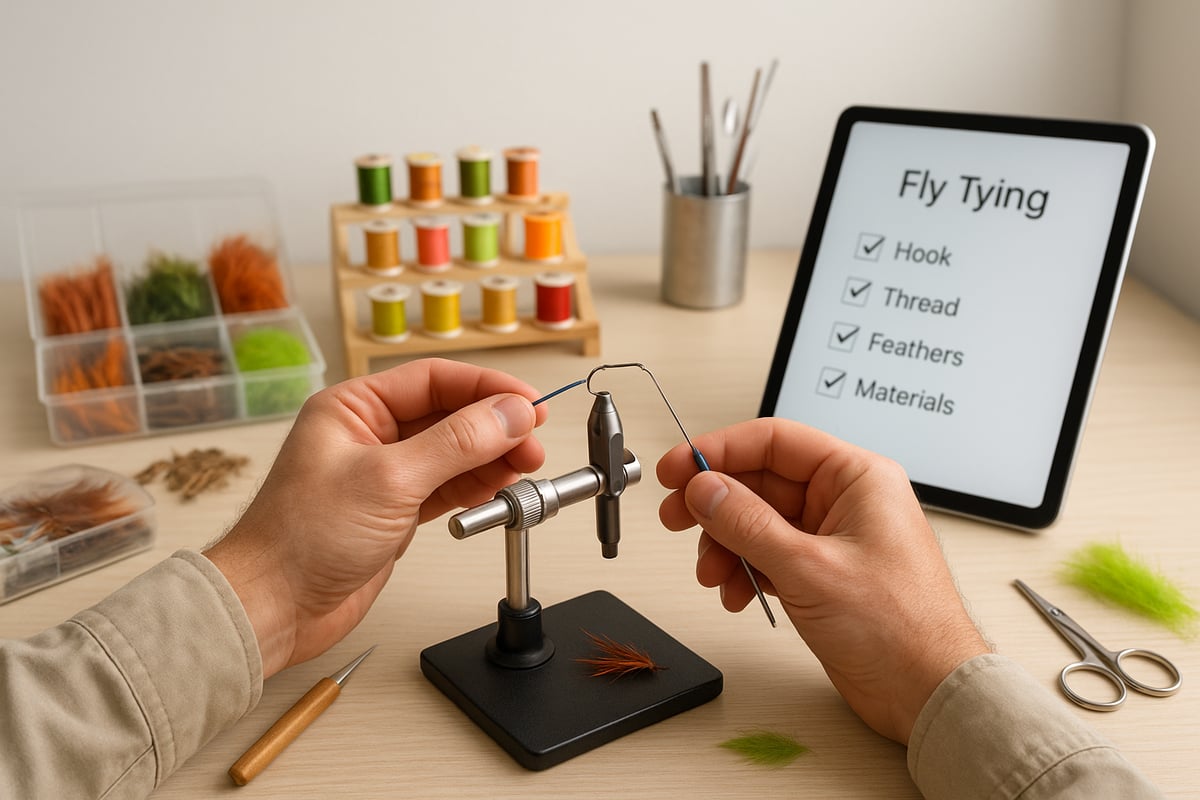
Before you dive into fly tying, take a minute to gather all your tools and materials. Lay out your vise, bobbin, scissors, hackle pliers, and anything else you’ll need. Good lighting is essential, so position a bright lamp or use a magnifier if you like extra detail.
Pick the right hook for your target fish. For example, trout and bass require different sizes and shapes. Many tyers now use digital checklists or mobile apps to stay organized, making sure nothing gets left out. Comfort is key, so adjust your chair and workspace to avoid strain. A tidy setup keeps your fly tying experience smooth and enjoyable.
Building the Fly: Core Steps
Start by securing your hook firmly in the vise. Lay a solid thread foundation along the shank, keeping wraps smooth and even. Next, attach tail materials, then build up the body using dubbing, tinsel, or wire. Add wings or hackle, depending on the pattern you’re following.
Adjust thread tension as you go. Too tight and delicate materials might snap, too loose and things could unravel. If you’re new, don’t hesitate to pause and watch a quick video tutorial. Some of the best Fly Tying Demonstrations at East Idaho Expo show expert hands at work, which can really help your technique.
Finish your fly tying process by forming a neat head. Use a whip finisher or a few half-hitch knots to secure everything. A dab of head cement locks it in place for durability. Remember, practice makes perfect, and every fly you tie builds your skills.
Finishing Touches and Quality Checks
Now, inspect your finished fly. Look for symmetry and balanced proportions. Trim off any stray fibers, and check that all wraps are snug. A quick water test or gentle pull ensures durability.
For extra strength, many tyers use a UV light to cure adhesives, making the fly last longer. Consistency in your finishing touches can make a big difference in your catch rates. With these habits, your fly tying results will be reliable, effective, and ready for the water.
Advanced Fly Tying Techniques and Tips
Fly tying has come a long way in recent years, and sharpening your skills is all about mastering new tricks and keeping up with the latest tools. Whether you want your flies to fool even the pickiest fish or just want to tie cleaner, tougher patterns, these advanced techniques will help you step up your game.
Modern Techniques for Realistic Flies
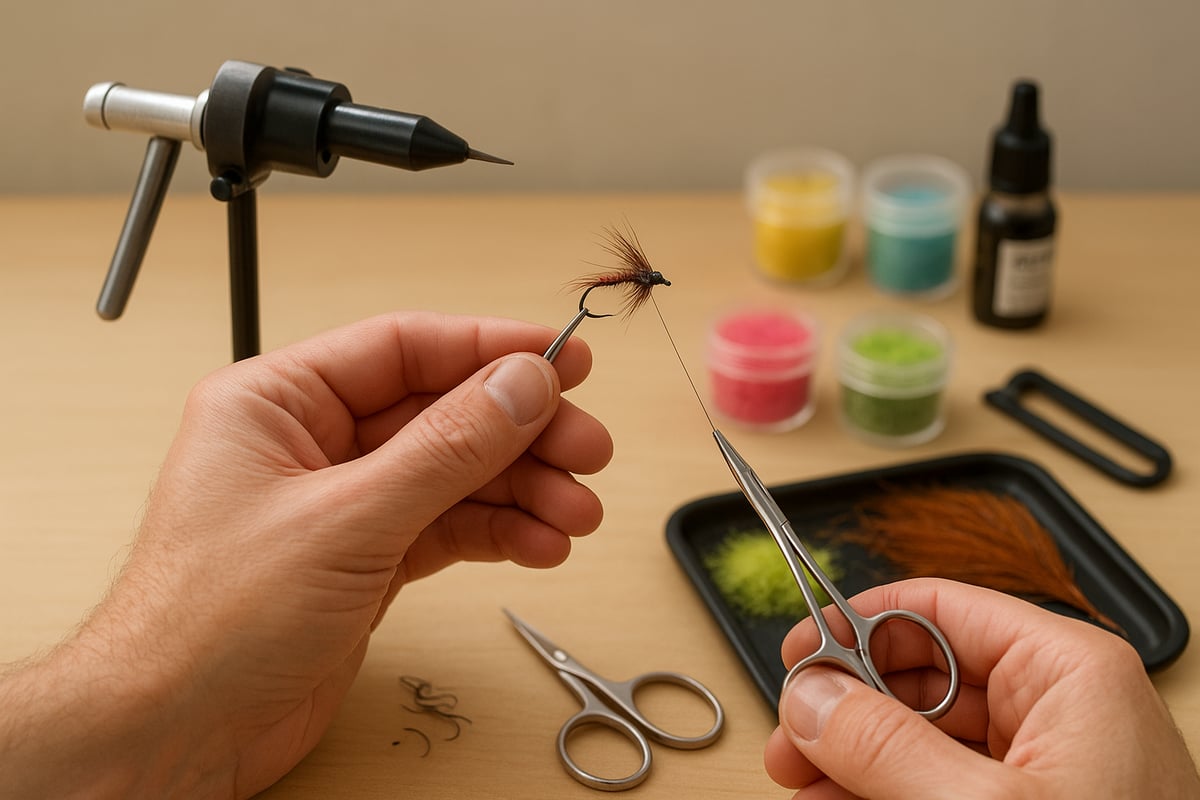
The heart of advanced fly tying is making flies that look and move just like the real thing. Techniques like dubbing loops and split-thread dubbing let you build full, buggy bodies with lifelike movement. Adding resin coatings, especially UV-cured options, creates glossy, durable heads and segmented bodies. Using wire, foam, or biot strips can mimic the segmented look of natural insects.
Want even more realism? Add rubber legs or marabou to bring your flies to life in the water. Experimenting with these tricks not only boosts your catch rate, it makes the entire fly tying process more creative. For step-by-step tutorials and inspiration, check out the Fly Tying Library by Dry Fly Innovations.
Customizing Flies for Local Waters
Every fishery is different, so tailoring your fly tying to match local hatches is key. Start by observing the insects and baitfish in your favorite spots. Adjust the size, color, and profile of your flies to match what fish are eating right now.
Use online databases and field notes to track seasonal changes and tweak your patterns. Maybe you swap out a bright body for a more muted tone or change the wing material for extra movement. Dialing in your fly tying this way will help you outfish store-bought patterns, especially when chasing finicky trout or bass.
Time-Saving and Efficiency Hacks
If you want to tie more flies and try new patterns, efficiency matters. Batch tying is a lifesaver—prep all your hooks and materials ahead of time, then tie multiple flies in each stage before moving on. Pre-cutting materials and using stackable bins keeps everything at your fingertips.
Modern rotary vises speed up the process, letting you spin the hook and keep wraps even. Magnetic hackle pliers and automated bobbins make material changes quick and easy. The more efficient your fly tying setup, the more you can experiment and refine your favorite patterns.
Troubleshooting Common Fly Tying Issues
Even seasoned anglers run into challenges with fly tying. If your thread keeps breaking or materials slip out of place, check your tension and try using a smoother bobbin. For uneven flies, slow down and double-check each step.
Practice and patience go a long way, and every mistake is just a chance to learn something new.
Popular Fly Patterns for 2026: What’s Working Now
Fly tying in 2026 is all about adapting to what fish are eating right now and using modern materials to create irresistible patterns. Let’s look at what’s actually working on the water this year, from classic dry flies to cutting-edge streamers. Whether you’re just starting out or already have a few seasons at the vise, these patterns and tips will help you stay one step ahead.
Top Dry Fly Patterns
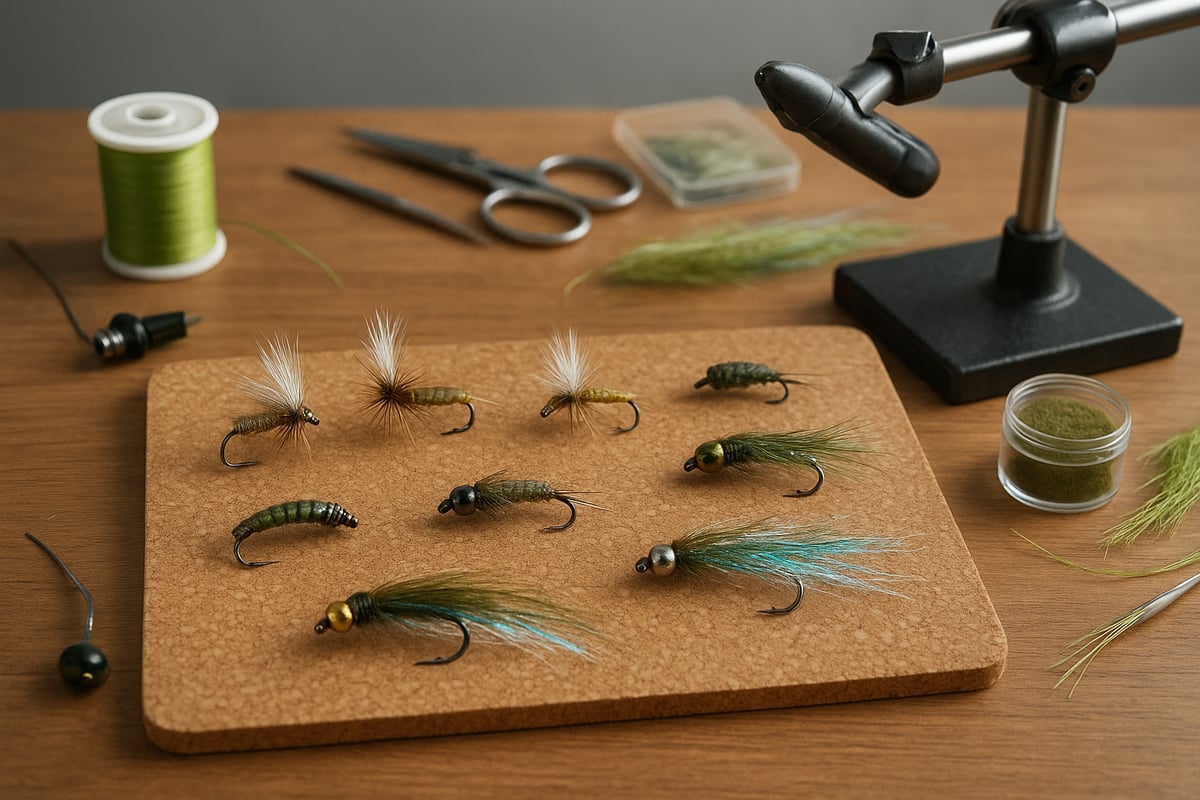
Dry flies are still the bread and butter for many anglers, and fly tying these patterns has never been more creative. The Parachute Adams remains a go-to, but 2026 versions often feature synthetic posts for better visibility and durability. Another standout is the UV Sparkle Caddis, which uses UV-reflective wings to catch the sunlight and a fish’s eye.
Guides swear by the CDC Elk Hair Caddis, now tied with water-repellent fibers for extra float. Don’t overlook the new High-Viz Blue Wing Olive, which uses bright synthetic hackle for low-light conditions. These innovations show how fly tying helps anglers match the hatch with precision and gives them an edge when fish get picky.
Must-Try Nymph and Emerger Patterns
Nymphs and emergers are the secret weapons of fly tying, catching fish even when nothing’s happening on top. The Perdigon nymph, streamlined with ultra-thin UV resin and tungsten beadheads, sinks quickly and stays in the strike zone. Hare’s Ear nymphs are now being tied with flashback strips and micro rubber legs for extra movement.
The CDC Bubble Emerger is another hot pick, combining a buoyant CDC wing with a slim body. Many anglers use beadhead pheasant tail nymphs with colored tungsten beads for Euro nymphing. These patterns prove that fly tying is about tinkering and adapting, making sure your flies look and act just right in the water.
Streamers, Saltwater, and Specialty Flies
Big fish need big flies, and fly tying for streamers and saltwater patterns has exploded in 2026. Articulated streamers, like the Modern Gamechanger, use jointed segments and synthetic flash for lifelike swimming action. The Flash Minnow, made with holographic fibers, is a favorite for bass and pike.
Saltwater anglers are crushing it with epoxy shrimp and crab patterns, designed for durability and realism. Techniques and materials for these flies have been shaped by innovations seen at places like Saltwater fishing at Biscayne Bay, where local species demand tough, flashy flies. Fly tying these patterns lets you target everything from tarpon to redfish with confidence.
Adapting Patterns for Changing Conditions
The real magic of fly tying is tweaking patterns to fit the day’s conditions. If water is clear, scale down size and go natural. For murky water, try brighter colors or add weight for a faster sink. Swapping out bead colors or adding a flashback can make all the difference when fish are stubborn.
Stay flexible, observe what’s happening on the water, and let your fly tying evolve with every trip.
Learning Resources and Community for Fly Tyers
Getting better at fly tying is all about tapping into the right resources and finding your community. Whether you’re a beginner or looking to master new patterns, the learning never stops. Let’s check out the best ways to sharpen your skills and stay inspired in 2026.
Online Tutorials, Courses, and Videos
The internet is packed with fly tying tutorials, making it easier than ever to learn at your own pace. Platforms like the Orvis Learning Center and YouTube feature step-by-step videos for every skill level. From basic knots to advanced patterns, you can follow along and pause as needed.
Interactive webinars and live streams are booming in 2026. These let you ask questions in real time and connect with experts. For those who want more structure, online courses break down techniques into manageable lessons. If you want official guidance, check out Fly Tying Technique Demonstrations by FFI for hands-on demonstrations and pro tips.
Visual learners can replay steps until it clicks. With so much content, you’ll find a style and pace that fits your fly tying journey.
Books, Magazines, and Print Guides
Sometimes, you want a guide you can flip through at your tying station. Classic books like “The Benchside Introduction to Fly Tying” break down each step with clear photos. Magazines such as “Fly Tyer Magazine” deliver fresh patterns and expert advice.
Print guides are great for deep dives and building a personal reference library. They give you timeless techniques and new ideas for every season.
Fly Tying Clubs and Events
Joining a fly tying club is like gaining a whole crew of fishing friends. Local and national groups host regular meetups, both in person and online. You’ll swap stories, get feedback, and watch live demos.
Events like annual expos and workshops bring the community together for hands-on learning. Competitions challenge your skills and spark creativity. In 2026, many clubs offer hybrid meetings, so you can participate from anywhere. Being part of a club keeps your fly tying fresh and fun.
Social Media and Online Forums
Staying connected is easy with social media. Facebook groups, Reddit threads, and Instagram pages are buzzing with fly tying photos, tips, and challenges. You can post your latest fly, get feedback, or discover new patterns.
Online forums are perfect for asking questions and trading advice with tyers worldwide. The sense of community helps you grow faster and troubleshoot problems as they pop up.
Staying Up to Date with Trends and Innovations
The fly tying world is always evolving. Subscribing to newsletters and following industry leaders keeps you in the loop on new materials and techniques. Many brands and pros share updates and tutorials as soon as trends emerge.
Continuous learning means you’ll always have fresh tricks to try at the vise. Stay curious and you’ll never run out of inspiration.
Now that you’ve picked up some fresh fly tying tricks and ideas for 2026, why not put your new skills to work on the water? Whether you’re just getting started or perfecting your own patterns, having the right spot makes all the difference. I always find it more rewarding to test my flies in different environments—sometimes a new lake or stream teaches you more than hours at the vise. If you’re ready to explore new waters and see what’s biting nearby, check out Find Spots to discover fishing locations across the U S with all the details you need.