Craving a seafood dish that’s both elegant and easy to prepare? Halibut stands out as a favorite among chefs and home cooks alike for its delicate flavor, firm texture, and versatility in the kitchen.
In this guide, you’ll discover everything you need to know about halibut fish. We’ll share expert tips for picking the freshest fillets, reveal the best cooking methods, and explain how to make sustainable choices that matter.
Whether you’re a seasoned angler, a curious foodie, or just hungry for something new, this halibut roadmap will help you cook—and enjoy—this prized catch like a pro.
Get ready to make your next seafood meal a standout with our insider advice and hands-on strategies.
Halibut Fish Basics: Species, Habitat, and Seasonality
Getting to know the halibut fish means understanding its unique species, where it thrives, and when it’s available at its best. Let’s break down what makes this catch a favorite for both anglers and home cooks.
Overview of Halibut Species
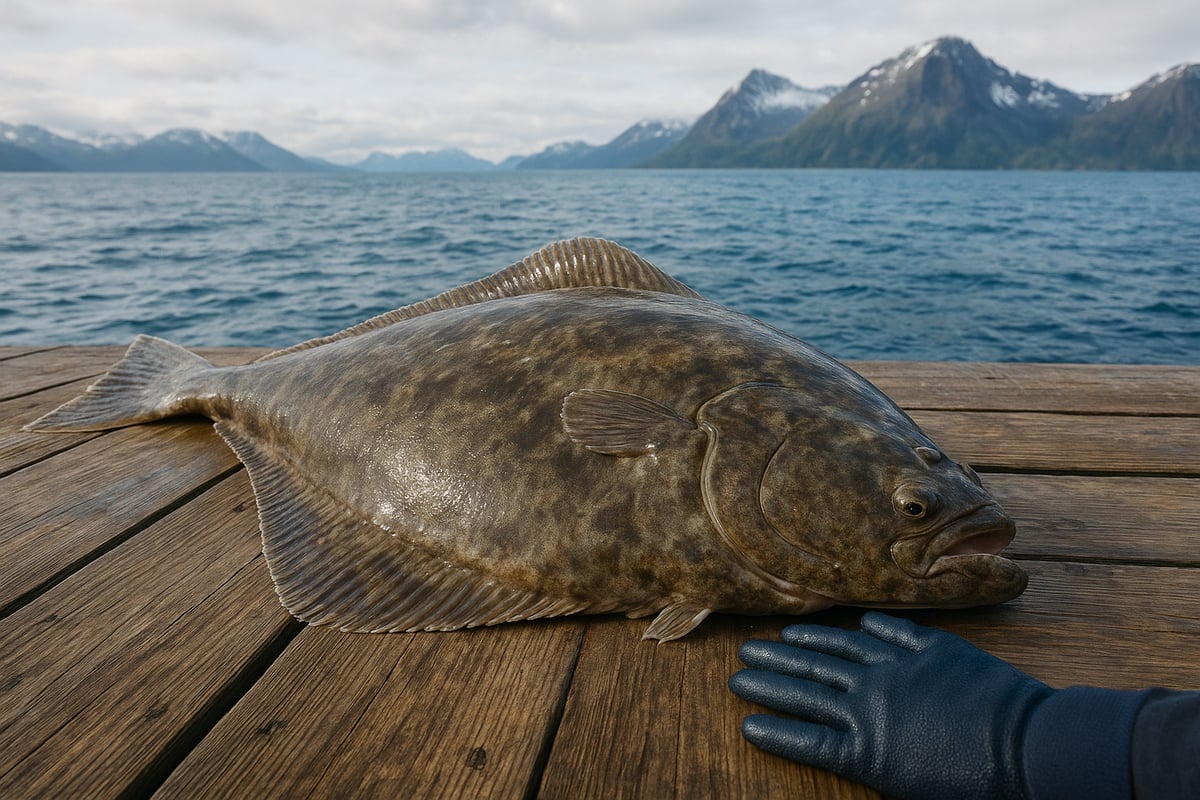
There are two main types of halibut fish: Atlantic and Pacific. Pacific halibut are typically larger, often topping 400 pounds, while Atlantic halibut can still reach impressive sizes but are less common in markets. Both have a flat, diamond-shaped body, with eyes on one side and a mottled brown or olive coloring that helps them blend into the ocean floor.
The halibut fish is prized for its mild, sweet flavor and firm, white flesh. Record catches have tipped the scales at over 500 pounds, making these giants a true trophy for any angler.
Natural Habitat and Lifecycle
The halibut fish prefers cold, deep waters, thriving in the North Pacific and North Atlantic. They’re usually found along continental shelves, resting on sandy or gravel bottoms. As juveniles, they start out in shallower waters and gradually move deeper as they grow.
Migration is a big part of the halibut fish’s life. Adults travel long distances to reach traditional spawning grounds, where they lay thousands of eggs each season. The lifecycle goes from tiny larvae drifting in ocean currents to powerful adults that can live for decades.
Halibut Fishing Seasons and Regional Availability
Knowing when and where to find halibut fish is key for both buyers and anglers. In the U.S., Alaska boasts the longest season, typically running from March to November. The West Coast and New England have shorter windows, often peaking in late spring and summer.
Seasonality affects the halibut fish’s texture and flavor, with the freshest catches coming during peak months. For a detailed look at regional fishing calendars, check out these halibut fishing seasons and availability. Sustainable management ensures stocks remain healthy and available year after year.
Halibut’s Role in Commercial and Recreational Fishing
Halibut fish play a huge part in coastal economies, especially in Alaska. Commercial landings bring in millions annually, supporting local jobs and communities. Recreational anglers also love the challenge of hooking a trophy-sized halibut fish, making it a popular species for charter trips.
Recent stats show that halibut fish support both large-scale fisheries and small local operations. Whether caught for profit or sport, halibut remains a staple in American seafood culture.
What to Look for When Buying Halibut in 2026
Shopping for halibut fish in 2026 can be a treat if you know what to look for. Whether you are at a local market or browsing online, making the right choice ensures top flavor and freshness every time.
Fresh vs. Frozen Halibut: Pros and Cons
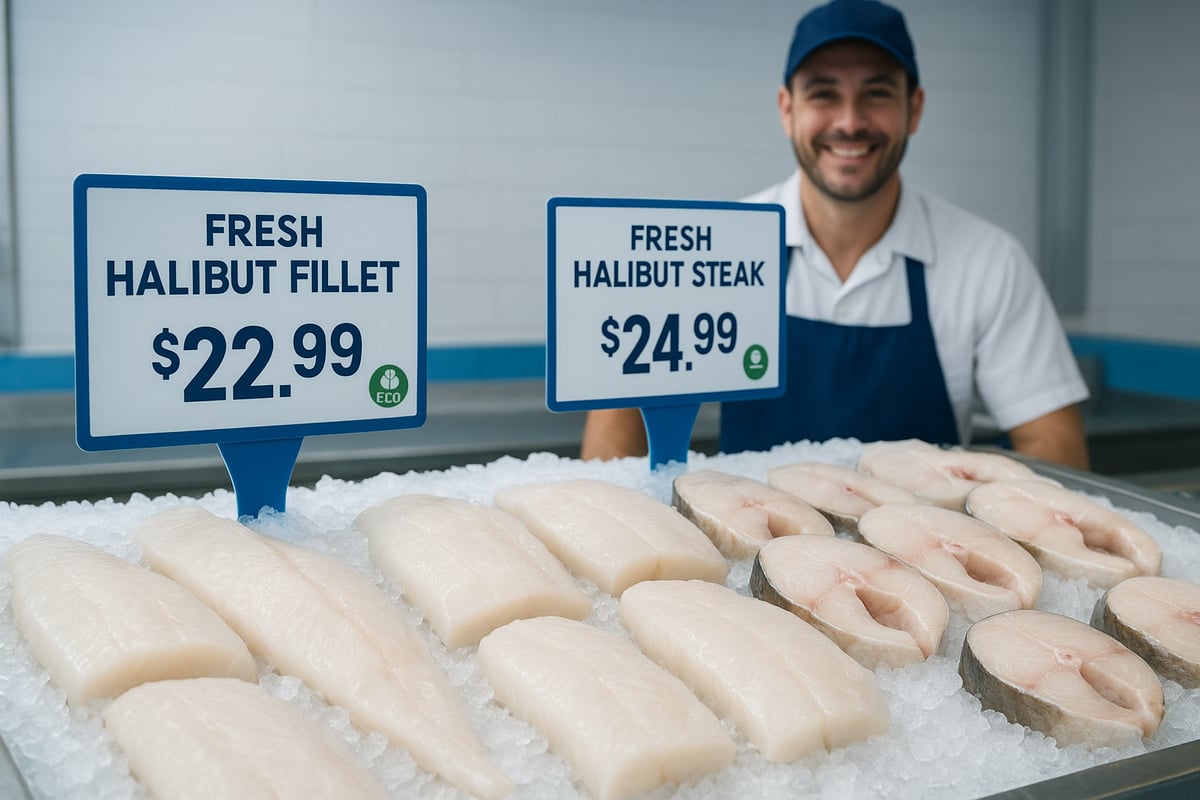
When choosing halibut fish, both fresh and frozen options have their perks. Fresh halibut fish is prized for its delicate, clean flavor and slightly firmer texture. It is best enjoyed during peak fishing season, usually spring through early fall, when supply is highest.
Frozen halibut fish, on the other hand, offers year-round availability without sacrificing much in taste or nutrition. Modern freezing techniques lock in flavor and texture, making frozen fillets a great backup when fresh is scarce. Just remember, frozen halibut fish should be tightly sealed and used promptly after thawing for the best results.
Signs of Freshness and Quality Indicators
Spotting top-quality halibut fish is easier than you think. Start with the flesh: it should be bright white, slightly translucent, and glistening with moisture. Avoid any fillets that look dull, gray, or dried out.
Give it a sniff. Fresh halibut fish smells clean, like the ocean, with no sour or fishy odor. Check the texture by pressing gently with your finger. The flesh should spring back and feel firm, not mushy or slimy.
- Look for clear, unclouded eyes if buying whole.
- Skin should be shiny without discoloration.
- Avoid cuts with brown spots or bruising.
Sustainable Sourcing and Eco-Labels
Buying halibut fish responsibly protects ocean health for future generations. Look for certifications like MSC (Marine Stewardship Council) or NOAA’s FishWatch, which signal that your halibut fish was harvested with care for the environment.
Sustainable options help prevent overfishing and support healthy ecosystems. Curious about what these labels mean or how to spot them? The Halibut sustainability and certifications page offers a handy guide to choosing certified halibut fish, so you can shop with confidence.
Where to Buy: Fish Markets, Grocers, and Online
You can find quality halibut fish at reputable fish markets, specialty grocers, and trusted online retailers. Shopping in person lets you inspect freshness firsthand and ask questions about sourcing or catch dates.
- Ask your fishmonger where and how the halibut fish was caught.
- Inquire about delivery schedules for the freshest stock.
- Compare prices, which can vary by region and season.
Online shops are great for convenience, especially if you want wild-caught or certified sustainable halibut fish delivered to your door.
Storage and Handling Tips
Once you bring halibut fish home, store it in the coldest part of your fridge, ideally on ice in a covered dish. Use fresh halibut fish within two days for best quality. If you need to keep it longer, wrap tightly and freeze.
Always wash your hands and clean surfaces after handling raw halibut fish to avoid cross-contamination. A little care keeps your prized catch tasting fresh and safe.
Expert Tips for Cooking Halibut Perfectly
Cooking halibut fish at home can feel intimidating, but with a few expert tricks, you’ll get restaurant-worthy results every time. From prepping your fillets to choosing the right cooking method, these tips will help you make the most of halibut fish’s mild flavor and delicate texture.
Preparing Halibut for Cooking
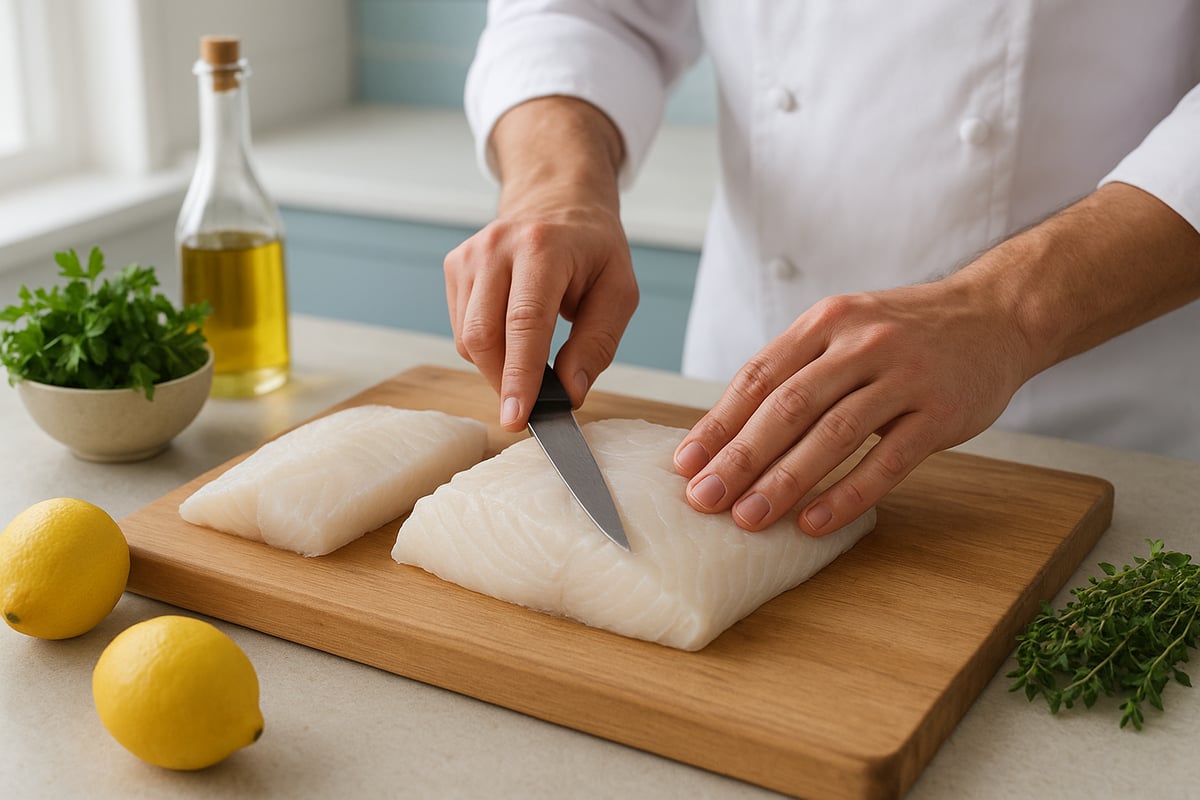
Start by choosing the right cut for your halibut fish dish. Fillets are great for baking or pan-searing, while steaks hold up well on the grill. Decide if you want skin-on or skinless; skin-on helps keep moisture in, but some prefer the cleaner look of skinless.
Use a pair of tweezers to remove pin bones from the halibut fish fillet. Trim any dark spots or ragged edges for a clean presentation. Portion your halibut fish into even pieces so they cook at the same rate. Prep work may seem simple, but it sets you up for success.
Top Cooking Methods for Halibut
Halibut fish is versatile and works with several cooking styles. Baking is ideal for thicker cuts—set your oven to 400°F, season lightly, and check for flakiness after 10-15 minutes. Grilling adds a smoky note; oil the grill and the halibut fish to prevent sticking, and use medium-high heat for 3-4 minutes per side.
Pan-searing creates a golden crust and locks in moisture. Heat a nonstick pan, add a touch of oil, and cook halibut fish until just opaque. For gentle options, try poaching or steaming to preserve delicate texture. For more inspiration, check out these halibut cooking techniques and recipes.
Flavor Pairings and Marinades
Halibut fish shines with simple flavors. Classic pairings include fresh dill, parsley, and chives. A squeeze of lemon or a splash of white wine brightens up the dish. Butter-based sauces are perfect for adding richness to halibut fish.
For a global twist, try Asian-inspired ginger-soy marinades or Mediterranean touches like capers and olives. Don’t be afraid to experiment with bold spice blends—halibut fish’s mild flavor is a blank canvas for creativity.
Avoiding Common Cooking Mistakes
Overcooking is the biggest pitfall with halibut fish. Test doneness by gently flaking the thickest part with a fork—the flesh should be opaque but moist. Use a thermometer if you’re unsure; 130-135°F is the sweet spot for halibut fish.
Undercooking can be risky, so always check the thickest section. If you have leftovers, cool them quickly and store in an airtight container. Reheat gently to keep your halibut fish tender and flavorful.
Serving Suggestions and Presentation Ideas
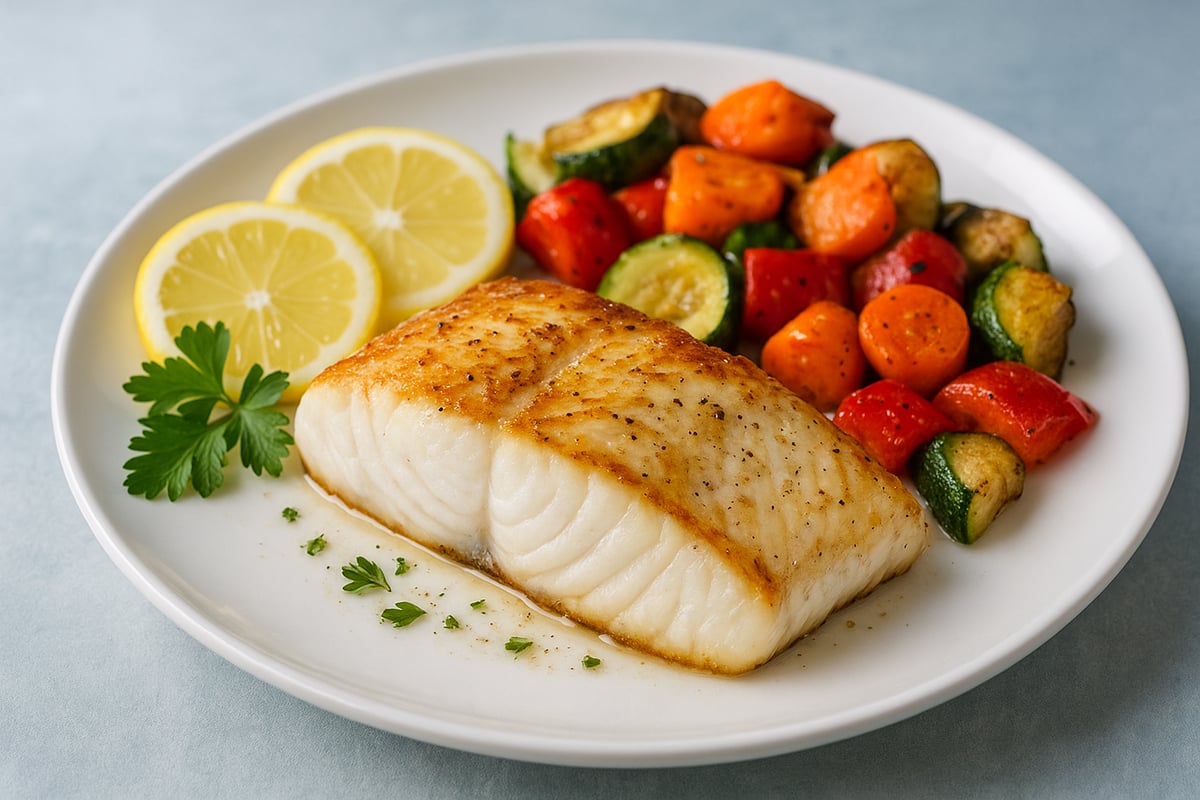
Presentation takes halibut fish from homey to gourmet. Slice fillets on a bias and fan them on the plate. Pair halibut fish with seasonal vegetables, herbed rice, or roasted potatoes for a balanced meal.
Garnish with fresh herbs or a citrus wedge for a burst of color. For special occasions, try a drizzle of herbed oil or a sprinkle of microgreens—your halibut fish will look as good as it tastes.
Halibut Nutrition and Health Benefits
Looking for a nutritious choice from the sea? Halibut fish is a top pick for anyone wanting a healthy, delicious meal. Let’s break down what makes it such a powerhouse on your plate.
Nutritional Profile of Halibut
Halibut fish is loaded with nutrients that support a healthy lifestyle. Each serving is packed with lean protein, making it ideal for muscle maintenance and keeping you full longer. You’ll also find a healthy dose of omega-3 fatty acids, which are great for your heart and brain.
This fish is a good source of vitamins like B6, B12, and D, along with minerals such as selenium, magnesium, and potassium. If you’re counting calories, halibut fish is a smart option, with roughly 140 calories per 3-ounce cooked portion.
Choosing halibut fish means you’re getting a nutrient-rich meal without extra fat or carbs, making it a favorite for health-conscious eaters.
Health Benefits
Eating halibut fish brings a wave of health perks. Its omega-3 fatty acids help lower inflammation and support cardiovascular health, which is crucial for keeping your heart in top shape. The lean protein in halibut fish helps build and repair muscles, so it’s a go-to for athletes or anyone staying active.
Another bonus? Halibut fish tends to have lower mercury levels compared to other large fish, making it a safer seafood choice for most folks. With all these benefits, adding halibut fish to your menu is a simple way to boost your overall wellness.
Dietary Considerations and Allergen Info
Wondering if halibut fish fits your diet? The good news is it’s naturally gluten-free, low in carbs, and works well with keto, paleo, and Mediterranean meal plans. Just be aware, like all seafood, halibut fish can cause allergic reactions in people with fish allergies.
If you have a seafood sensitivity, it’s best to talk to your doctor before adding halibut fish to your diet. For most people, though, it’s a safe and satisfying addition to a healthy eating routine.
Halibut in a Balanced Diet
How often should you enjoy halibut fish? Most experts suggest eating seafood like halibut fish two to three times per week. It fits nicely into a balanced diet, pairing well with veggies, grains, and fresh herbs for a complete meal.
Compared to other white fish, halibut fish stands out for its mild flavor, firm texture, and stellar nutrition. Whether you’re meal prepping or planning a special dinner, halibut fish brings both taste and health to your table.
Halibut Sustainability: What Consumers Need to Know
Sustainability is a big topic when it comes to halibut fish. If you want to keep enjoying this delicious catch for years to come, it helps to know where things stand today. Atlantic and Pacific halibut populations have seen ups and downs, but recent efforts have helped stabilize many stocks. Pacific halibut fish numbers are generally healthy, thanks to strict management, while Atlantic halibut fish remain more vulnerable and need continued protection. Keeping an eye on how these populations shift is key for anyone who cares about the future of halibut fish.
Sustainable Fishing Practices and Regulations
When it comes to catching halibut fish, strong rules and responsible habits make a real difference. Fisheries rely on quotas, size limits, and seasonal closures to prevent overfishing. Agencies like NOAA work closely with local fishers to set these guidelines. Bycatch reduction is also a big focus, helping other species stay safe while halibut fish are harvested. Want to learn more about what you can do? Check out these sustainable fishing practices for tips that help protect the ocean and keep halibut fish on the menu.
How to Support Sustainable Halibut
You play a role in the future of halibut fish with every purchase. Look for eco-labels like MSC or ask your fishmonger about the source of their halibut fish. Supporting local fisheries that follow sustainable practices helps ensure the industry thrives. Even simple choices—like buying in season or choosing smaller portions—can have a positive impact. Advocacy and staying informed also make a difference for halibut fish, so don’t be afraid to ask questions and share what you learn.
Future Outlook for Halibut Fisheries
Looking ahead, the future of halibut fish depends on smart management and adapting to new challenges. Climate change is shifting ocean conditions, which could affect halibut habitats and migration. The good news? Innovations in traceability and transparency are making it easier for everyone to track how halibut fish are sourced. By staying involved and making thoughtful choices, you help keep halibut fish available for generations.
Halibut Recipes and Serving Inspiration for 2026
Looking to make the most of your halibut fish haul? Whether you love classic flavors or want a modern twist, there’s no shortage of inspiration for your next meal. From quick weeknight dinners to impressive holiday feasts, halibut fish is the star that always shines.
Classic and Modern Halibut Recipes
Halibut fish fits both timeless and trendy tables. The classic lemon butter halibut never goes out of style, offering a buttery, bright flavor that highlights the fish’s natural sweetness. For a fresh spin, try halibut tacos topped with a zesty slaw, or a Mediterranean-style halibut with olives, tomatoes, and capers.
Feeling adventurous? In 2026, global fusion is in. Experiment with miso-glazed halibut, or pair your halibut fish with roasted vegetables and plant-based sauces. These recipes let you showcase the mild, flaky texture halibut fish is known for, keeping your menu exciting and modern.
Step-by-Step: Cooking Halibut at Home
Cooking halibut fish at home is easier than you might think. Start by patting the fillets dry, then season with salt, pepper, and your favorite herbs. For baking, preheat your oven to 400°F, place the fish on a lined tray, and bake for 10-15 minutes until just opaque.
Prefer pan-searing? Heat a nonstick skillet with a splash of oil, cook the halibut fish for 3-4 minutes per side, and finish with a squeeze of lemon. If you love grilling, brush with marinade and grill gently to keep it moist. These simple steps help every cook, from beginner to pro, create restaurant-quality halibut fish at home.
Entertaining with Halibut: Special Occasions and Meal Ideas
Halibut fish is perfect for special occasions, thanks to its versatility and elegant presentation. Make it the highlight of your next family gathering with a buffet of grilled halibut fish, roasted potatoes, and fresh salads. For plated dinners, serve halibut fish with a white wine sauce and seasonal greens.
Pair your halibut fish dishes with a crisp Sauvignon Blanc or a citrusy sparkling water. These meal ideas bring a touch of coastal flair to any celebration, making halibut fish an unforgettable centerpiece for both casual and formal entertaining.
Halibut for Meal Prep and Leftovers
Halibut fish is a meal prep champion. Store cooked halibut fish in an airtight container in the fridge for up to three days. To reheat, gently warm in the oven to preserve moisture.
Leftover halibut fish can be flaked into salads, mixed into grain bowls, or tucked into sandwiches for an easy lunch. These creative uses ensure nothing goes to waste and keep your meals flavorful all week.
Sourcing Halibut for Home Cooks and Anglers
If you want to catch your own halibut fish, check local regulations and best practices for ethical harvesting. Many communities offer recipe swaps and fishing clubs where you can share your halibut fish experiences. For expert advice on catching and handling halibut, check out these fishing tips and techniques to get started.
Whether you buy or catch it yourself, sourcing high-quality halibut fish makes every meal memorable.
If you’re feeling inspired to try your hand at cooking halibut or want to find the freshest catch for your next meal, why not go straight to the source? Whether you’re a seasoned angler or just love discovering new fishing spots, finding the perfect place to catch (or buy) halibut makes all the difference. I always say the best meals start with local knowledge—so if you’re ready to explore new waters or scout out hidden gems near you, check out Find Spots for personalized fishing locations, tips, and all the details you need to get started.