Looking for a fish that’s both challenging and rewarding? It’s no wonder the mangrove snapper tops every angler’s list for inshore and nearshore action in 2026. These feisty fish are famous for their fighting spirit and make every trip exciting.
This guide is packed with expert advice and the freshest strategies for catching mangrove snapper, whether you’re just starting or you’ve spent years on the water. We’ll dive into their unique biology, reveal their favorite hiding spots, break down seasonal patterns, and share tips on gear, bait, and proven techniques.
Get ready to boost your catch rates, stay within the rules, and learn from local pros. Let’s make your next mangrove snapper adventure your best one yet.
Mangrove Snapper Overview: Biology and Identification
If you want to boost your inshore fishing game, understanding the mangrove snapper is key. This species is a favorite for anglers thanks to its unique look and feisty attitude. Let’s break down how to spot one and what makes it tick.
Physical Characteristics and Identification
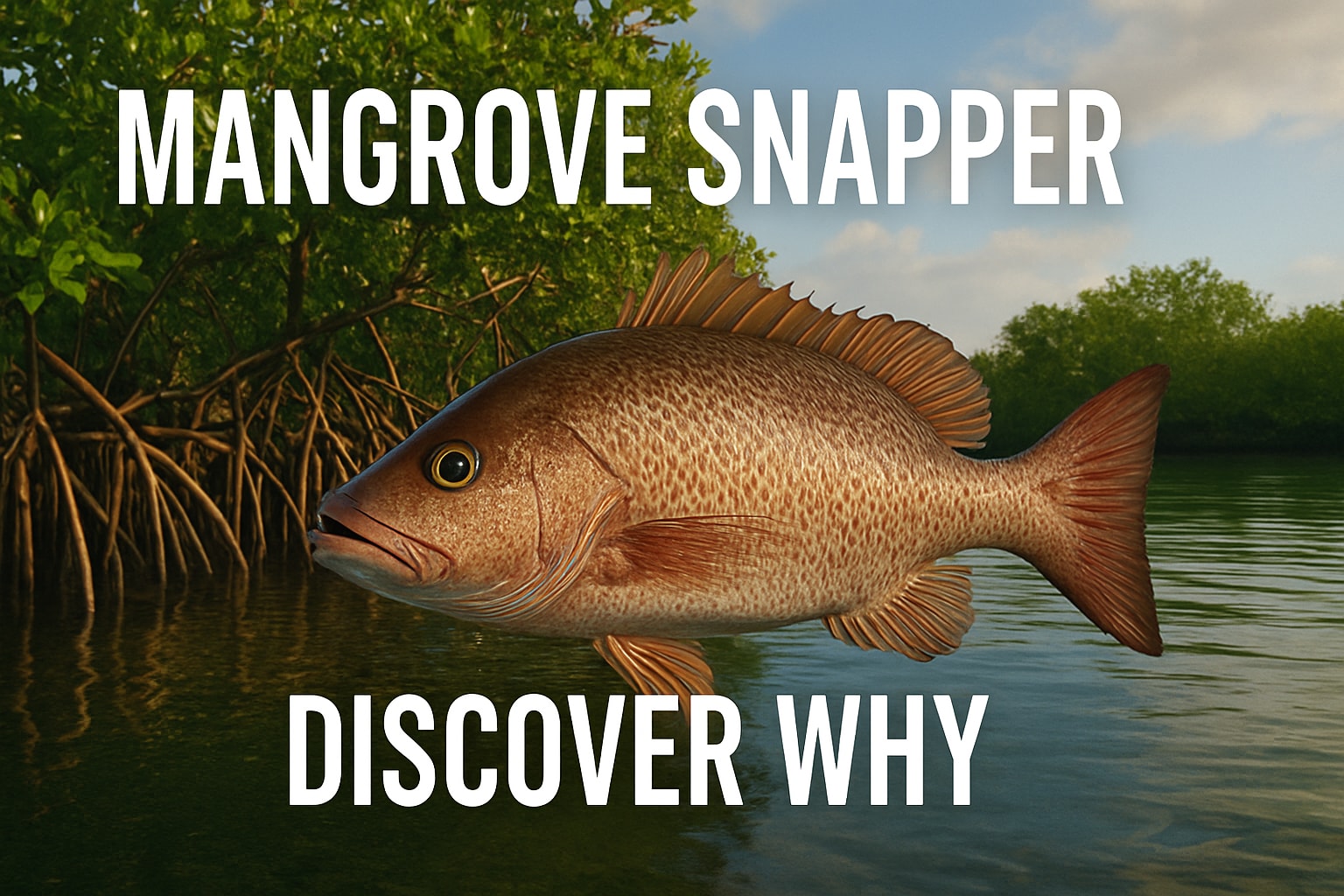
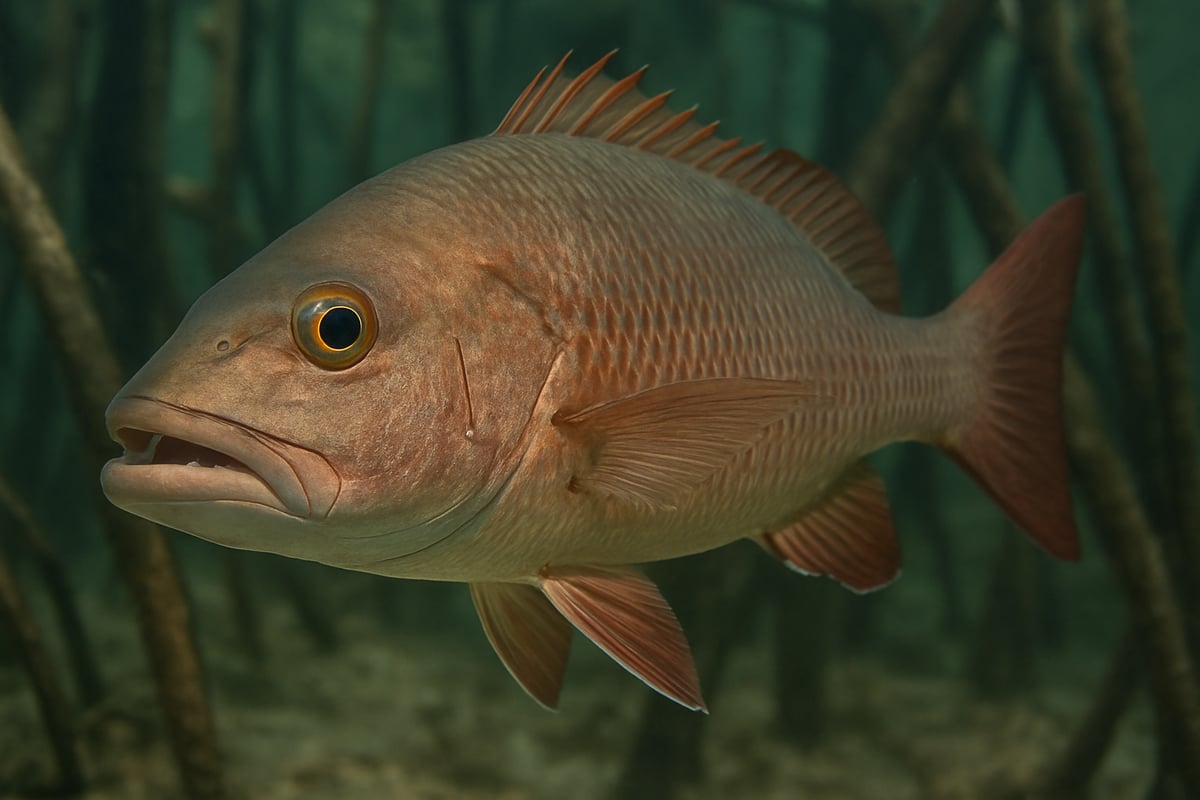
The mangrove snapper stands out with its olive-gray back, reddish flanks, and a light belly. When the sun hits just right, you’ll catch a flash of red across its sides. Notice the prominent canine teeth—these are perfect for crunching down on prey and are a quick giveaway when identifying this fish.
Most mangrove snapper average between 1 and 5 pounds, but some can grow much larger. The Texas record tips the scales at a whopping 17 pounds. Juvenile mangrove snapper look similar to adults but are usually more vividly colored and have a slightly rounder shape.
What about telling them apart from other snapper? Unlike red snapper, which have a more uniform red color and lack the sharp canine teeth, mangrove snapper are darker and stockier. Cubera snapper get much bigger and have broader heads. Growth rates are steady, and some mangrove snapper live up to 20 years.
Knowing these details is crucial for following fishing rules. If you want more help with ID, check out the Mangrove Snapper Identification Guide, which has photos and tips to keep you on the right side of regulations.
Natural Behavior and Diet
Mangrove snapper are true opportunists. Their diet is all about what’s available: shrimp, crabs, and small fish are favorites. These fish love to hunt at night, often feeding around dusk or under the cover of darkness. You’ll often spot them in small schools, darting in and out of mangrove roots, reefs, or around dock pilings.
What’s it like to hook a mangrove snapper? Get ready for a quick, aggressive strike and a strong fight—especially if you’re fishing near heavy cover. Their natural behavior helps them thrive in all sorts of environments, from brackish estuaries to deeper reefs. Juveniles prefer the tangled safety of mangrove roots, while adults move out to deeper water as they grow.
Good news for anglers: mangrove snapper populations are holding steady across the Gulf and Atlantic. Their adaptability and healthy numbers make them a reliable catch for years to come.
Prime Habitats and Seasonal Patterns
Finding the best spot for mangrove snapper is half the fun and challenge. These fish are experts at hiding, so knowing where to look can make or break your day on the water.
Preferred Environments
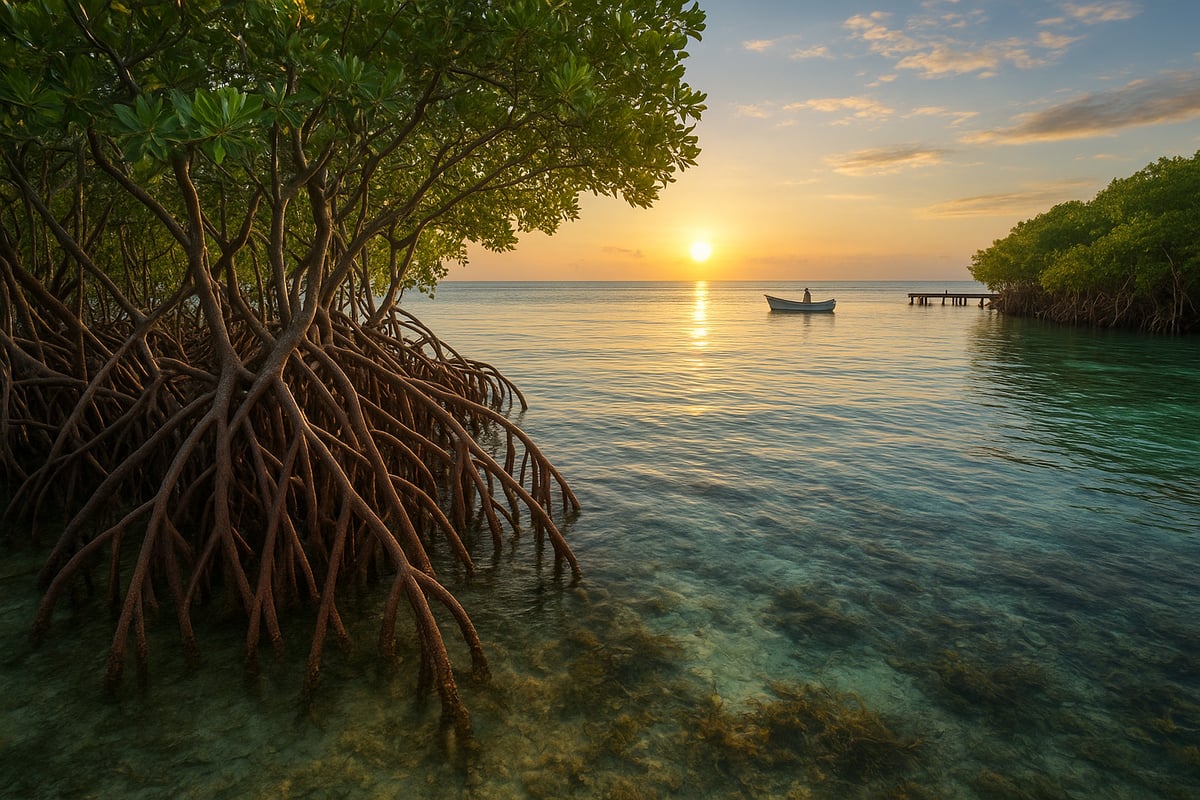
Mangrove snapper thrive in a wide variety of coastal spots. If you’re searching for them, start with these prime habitats:
- Mangrove shorelines and tangled roots
- Estuaries with brackish water
- Shaded docks and piers
- Rocky jetties and artificial reefs
- Offshore ledges and wrecks
Juvenile mangrove snapper love the protective cover of mangrove roots, which act as natural nurseries. As they grow, adults move to deeper water like reefs and wrecks, especially near the mouths of bays. Structure is key—anything that offers shelter or ambush points will attract these fish.
Water conditions matter, too. Mangrove snapper prefer moderate salinity, warm temperatures, and areas with plenty of current or tidal flow. The best concentrations are often found along the Florida and Texas coasts, where brackish estuaries and nearshore reefs hold big schools. If you’re planning a trip, check out the top saltwater fishing spots Florida for proven locations.
Reports show most catches come from shallow areas with lots of cover, but don’t overlook deeper reefs once the fish mature. Wherever you go, keep an eye out for baitfish and crustaceans—that’s a surefire sign you’re in the right place for mangrove snapper.
Seasonal Movements and Best Times to Fish
Timing your trip for mangrove snapper is just as important as picking the right spot. These fish move with the seasons, following food and water conditions.
In spring and summer, mangrove snapper often migrate offshore to spawn. You’ll find bigger adults gathering on reefs and wrecks in deeper water during this time. As fall approaches and the weather cools, they return inshore, seeking warmer, protected waters around mangroves, docks, and estuaries.
Tides and moon phases play a huge role in mangrove snapper activity. Strong tidal flows bring baitfish into feeding zones, turning the bite on. Many anglers notice peak catches during full moon tides, especially at dawn and dusk.
Don’t forget weather and water clarity. Clear water and stable conditions usually mean more active mangrove snapper. Night fishing can produce trophy-sized fish, especially near lighted docks or bridges.
Local reports show that the best action often happens when the water is moving—think incoming or outgoing tides. If you can, plan your trip around these times for your best shot at a cooler full of mangrove snapper.
Essential Gear and Tackle for Mangrove Snapper
Choosing the right gear can make or break your mangrove snapper trip. With their sharp eyesight and knack for darting into cover, these fish demand a solid setup that balances stealth and strength. Whether you’re new to the game or upgrading your arsenal, let’s break down what you need for consistent success.
Rods, Reels, and Line Recommendations
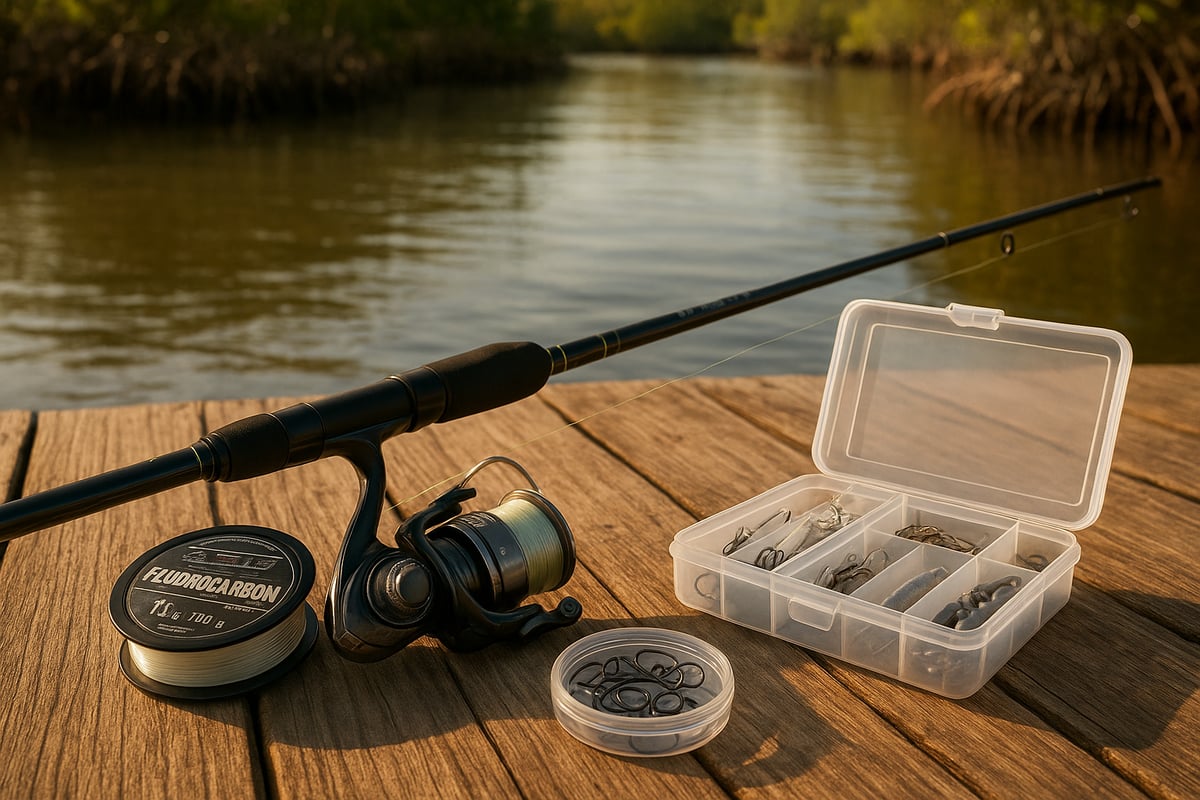
When targeting mangrove snapper, a medium-heavy rod in the 6 to 7 foot range gives you the control and backbone needed for hard runs. Pair it with a quality spinning or baitcasting reel, depending on your comfort. Spinning reels are great for precision casting along mangrove edges, while baitcasters offer extra muscle when pulling snapper from tight spots.
For line, most anglers use 10 to 20 pound test braided or monofilament for inshore fishing. If you’re working heavy structure like docks or pilings, bump up to 30 pound test to handle bigger mangrove snapper and prevent break-offs. Always add a 20 to 30 pound fluorocarbon leader to stay invisible to wary fish and avoid cutoffs from sharp teeth or barnacles.
Tournament anglers often favor setups like a 7 foot St. Croix Avid rod with a Shimano Stradic reel, spooled with 15 pound braid and a 25 pound leader. Heavier gear is a must if you expect to battle snapper around dense cover.
For more detailed breakdowns of rods, reels, and line choices, check out these Essential fishing gear tips for mangrove snapper anglers.
Terminal Tackle and Rigging Tips
Mangrove snapper are notorious for short, aggressive strikes, so your terminal tackle needs to be up to the task. Circle hooks in sizes 1/0 to 3/0 are the go-to, as they improve hook-up rates and make catch-and-release easier. J-hooks work too, but many regulations favor circle hooks for conservation.
Popular rigs include the Carolina rig for casting near structure, the knocker rig for bottom fishing, and a free-line setup for shallow mangrove edges. Use egg sinkers or split shot to match current and depth, and add swivels or beads to keep line twist at bay.
Live bait rigs shine for mangrove snapper, especially when paired with lively shrimp or finger mullet. Artificial lure fans can rig soft plastics or jigs directly to the leader for a more active approach.
Data shows that anglers using circle hooks not only land more mangrove snapper but also help them survive release. Always tailor your rigs to the conditions and the fish’s mood that day.
Best Baits and Lures for Mangrove Snapper
Finding the right bait or lure is half the battle when targeting mangrove snapper. These fish are smart, quick, and picky, so knowing what tempts them can turn a slow day into a full cooler.
Live and Natural Baits
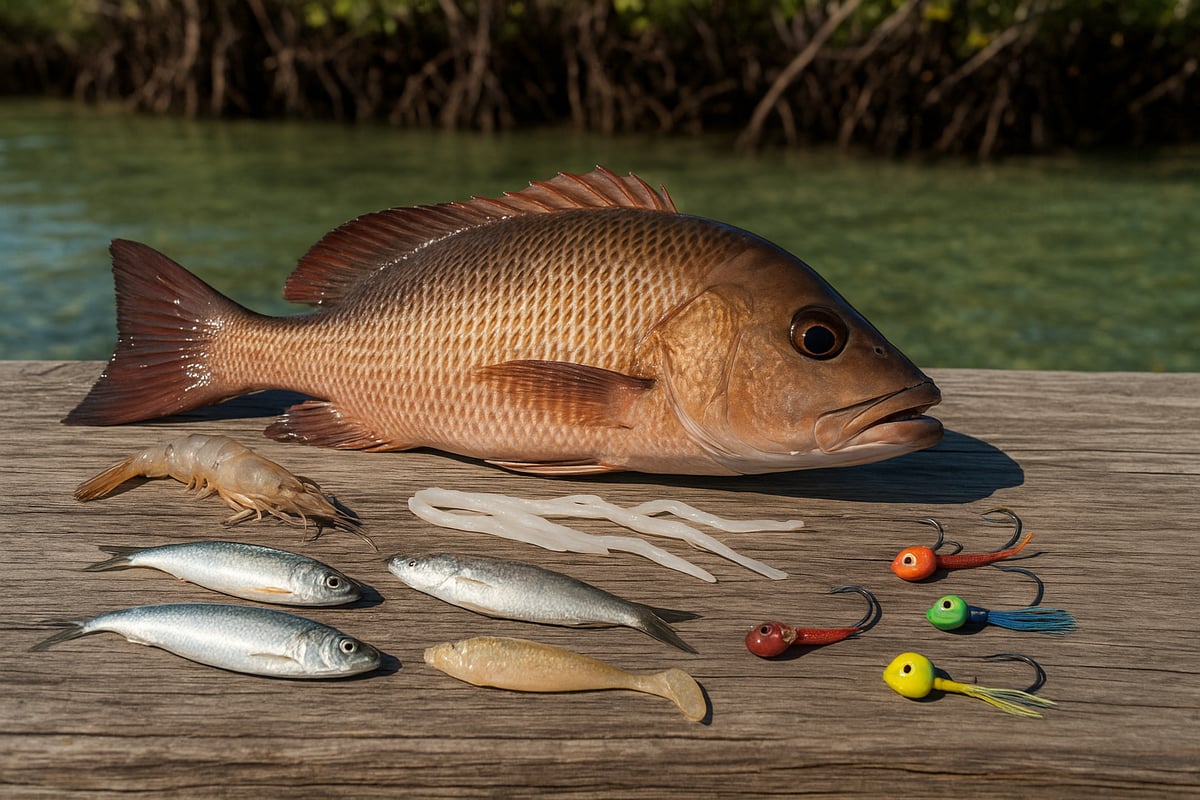
When it comes to mangrove snapper, live bait is often unbeatable. Their natural instinct is to hunt prey like shrimp, pilchards, finger mullet, and pinfish. A lively shrimp flicking under a popping cork can draw snapper out from their hiding spots, especially in shallow water.
Cut baits like squid and sardines are also reliable choices. These work well when snapper are holding deeper or when you need to keep bait on the hook longer. Always match your bait size to the local forage, since mangrove snapper can be suspicious of anything too large or unnatural.
Presentation is key. Hook live bait through the nose or tail to let it swim naturally. For cut bait, a small strip threaded onto a hook keeps it secure but still appealing. During spawning, using live bait gives a clear edge, as mangrove snapper become even more selective.
If you want consistent results, focus on fresh, local bait. It’s the closest match to what mangrove snapper are already feeding on, making them more likely to commit. A well-placed shrimp or pilchard can make all the difference.
Artificial Lures and Presentation Techniques
Artificial lures are a fantastic option for mangrove snapper, especially when live bait is scarce. Soft plastics, jerkbaits, jigs, and small plugs are all proven performers. The trick is to mimic the movement and look of local prey.
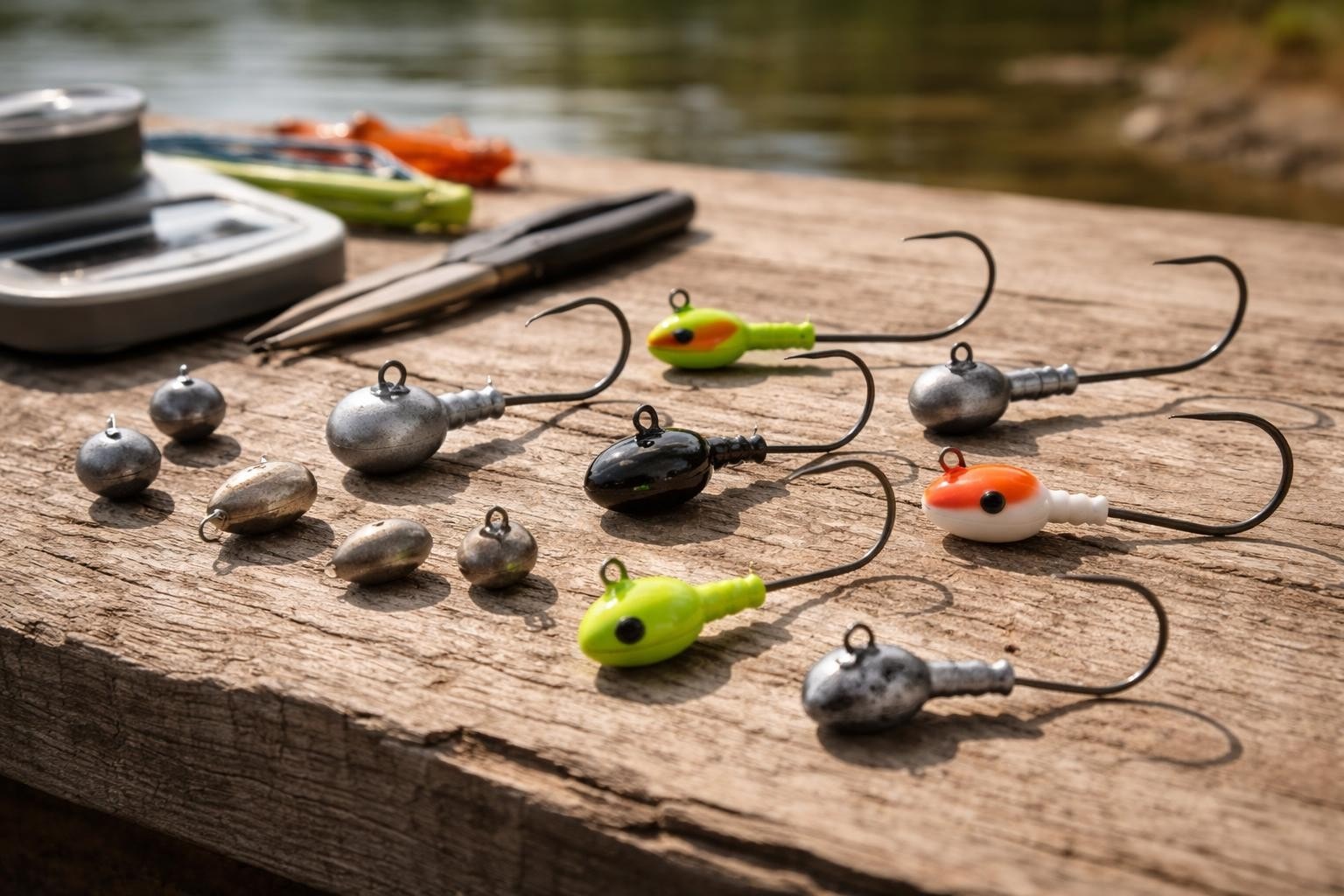
Choose lure colors based on water clarity. Bright colors stand out in murky water, while natural tones work best in clear conditions. A 1/8 oz jighead paired with a paddle tail soft plastic is a classic combo for fishing around mangroves and docks.
Vary your retrieve speed to trigger strikes. Sometimes a slow, steady drag gets the bite, while other times a quick twitch or hop is more effective. Scented baits can boost your chances, particularly when snapper are finicky or pressured.
Soft plastics account for about 30% of tournament catches, showing just how effective they can be. If you’re looking to up your game, check out Expert fishing techniques and tips for more pro-level tactics and presentations tailored to mangrove snapper.
Mixing up your lures and techniques keeps the action fresh and lets you adapt to changing conditions. The more you experiment, the more you’ll discover what triggers big mangrove snapper to bite.
Advanced Techniques and Pro Tips for 2026
Want to take your mangrove snapper game to the next level? Advanced strategies make all the difference, especially when targeting bigger, smarter fish in pressured areas. Let’s break down how to read the water, find productive spots, and land more fish with confidence. With a few pro tips and the right approach, you’ll be outsmarting those elusive mangrove snapper in no time.
Reading Water and Locating Fish
Finding mangrove snapper starts with knowing where to look. These fish love structure, so keep an eye out for:
- Fallen trees and submerged logs
- Oyster bars and rocky outcroppings
- Dock pilings, bridge supports, and jetties
Reefs and wrecks are classic hotspots. If you’re fishing in South Florida, check out proven locations like Miami Beach fishing reefs and wrecks where mangrove snapper gather year-round.
Electronics and sonar help pinpoint snapper schools, especially when they’re holding tight to deep structure. Watch for blips near the bottom or around ledges. Tidal flow is key—snapper often stack up where current brings in food. Focus on current breaks and eddies behind obstacles.
Stealth is your secret weapon. Approach quietly, limit shadows on the water, and avoid banging gear. Night fishing is a favorite for bigger mangrove snapper. Try casting near dock lights, where snapper ambush prey after dark. Local guides swear by dawn and dusk for trophy fish, when snapper are most active and less wary.
Hooking, Fighting, and Landing Snapper
Getting a solid hook set is crucial when targeting mangrove snapper. Use circle hooks and let the fish load the rod before reeling—this helps prevent gut hooks and increases your landing rate.
Mangrove snapper are notorious for powerful runs toward structure. To avoid break-offs, keep your drag set firm but not locked down. Angle your rod to steer fish away from pilings or rocks. Most lost fish are due to snapper wrapping the line around cover, so stay alert and react fast.
When it’s time to land your catch, a rubberized net is a safe choice. For experienced anglers, a lip-grip tool works well, especially with larger mangrove snapper. If you’re practicing catch-and-release, handle the fish with wet hands and minimize air exposure for a quick, healthy release.
Quick tips:
- Use circle hooks for safer releases
- Watch your drag and rod angle around structure
- Net or lip-grip for safe fish handling
- Release undersized fish promptly
With a little practice, these advanced techniques will help you land more quality mangrove snapper and avoid common pitfalls near heavy cover.
Regulations, Conservation, and Responsible Fishing
Understanding the rules and embracing conservation is key if you want to keep catching mangrove snapper for years to come. With changing regulations and a growing focus on responsible fishing, here’s what every angler needs to know.
Current Size and Bag Limits
Staying legal starts with knowing the latest rules for mangrove snapper. In 2026, most Gulf and Atlantic states require a minimum length of 12 inches, though some local waters may differ. Daily bag limits often range from five to ten fish per person, but always double-check your region before heading out.
There’s a big difference between state and federal waters, especially offshore. For instance, Florida’s regulations can be found on the Florida Mangrove Snapper Regulations page, which is updated as new laws roll out.
- Some areas have seasonal closures to protect spawning snapper.
- Protected zones may have stricter size or bag limits.
- Always measure your mangrove snapper carefully before keeping them.
Following these guidelines keeps your catch legal and supports healthy populations.
Conservation Best Practices
Responsible anglers know that mangrove snapper are too valuable to risk by careless handling. Conservation starts with releasing any fish under the legal size, ideally using wet hands and gentle release techniques.
- Use circle hooks to reduce deep hooking and improve survival rates.
- Handle fish as little as possible and keep them in the water when you can.
- Limit air exposure to just a few seconds for quick photos.
Overfishing and habitat loss have threatened many species, but thanks to widespread conservation efforts, mangrove snapper stocks remain stable. Every angler plays a role by reporting illegal catches and spreading the word about smart fishing. Practicing these habits ensures great fishing opportunities for future generations.
Expert Resources and Community Insights
Local Knowledge and Guide Recommendations
Tapping into local knowledge can make all the difference when chasing mangrove snapper. Hiring a guide gives you access to proven hotspots and insider techniques, letting you skip the guesswork. Many seasoned anglers rely on community forums and real-time fishing reports to track daily bite patterns and find the best spots.
Online catch logs are a goldmine for spotting seasonal trends and learning from others’ successes. Tournaments dedicated to mangrove snapper bring the community together, sparking friendly competition and sharing of tips. For deeper insights into their habits, check out this resource on Mangrove Snapper Biology and Habitat.
Continuing Your Mangrove Snapper Journey
Staying ahead means keeping up with new techniques, gear, and evolving regulations. Angler communities offer a space to swap advice, celebrate catches, and hear about the latest mangrove snapper hotspots. Digital tools now make it easier than ever to log trips, find new locations, and plan successful outings.
As you explore, remember to practice ethical fishing and stewardship. Sharing your experiences helps keep the mangrove snapper fishery healthy for everyone. No matter your experience level, there is always more to discover and enjoy with this rewarding species.
Now that you’ve got the scoop on where mangrove snapper hang out, what baits work best, and how to land them like a pro, the real adventure starts—finding those hidden honey holes. I know how valuable it is to have local insights and GPS info at your fingertips, whether you’re chasing your first snapper or looking for your next personal best. If you’re ready to put these tips into action and discover prime spots near you, check out Find Spots—it’s your go to directory for uncovering the best fishing locations all across the U S. Happy fishing!