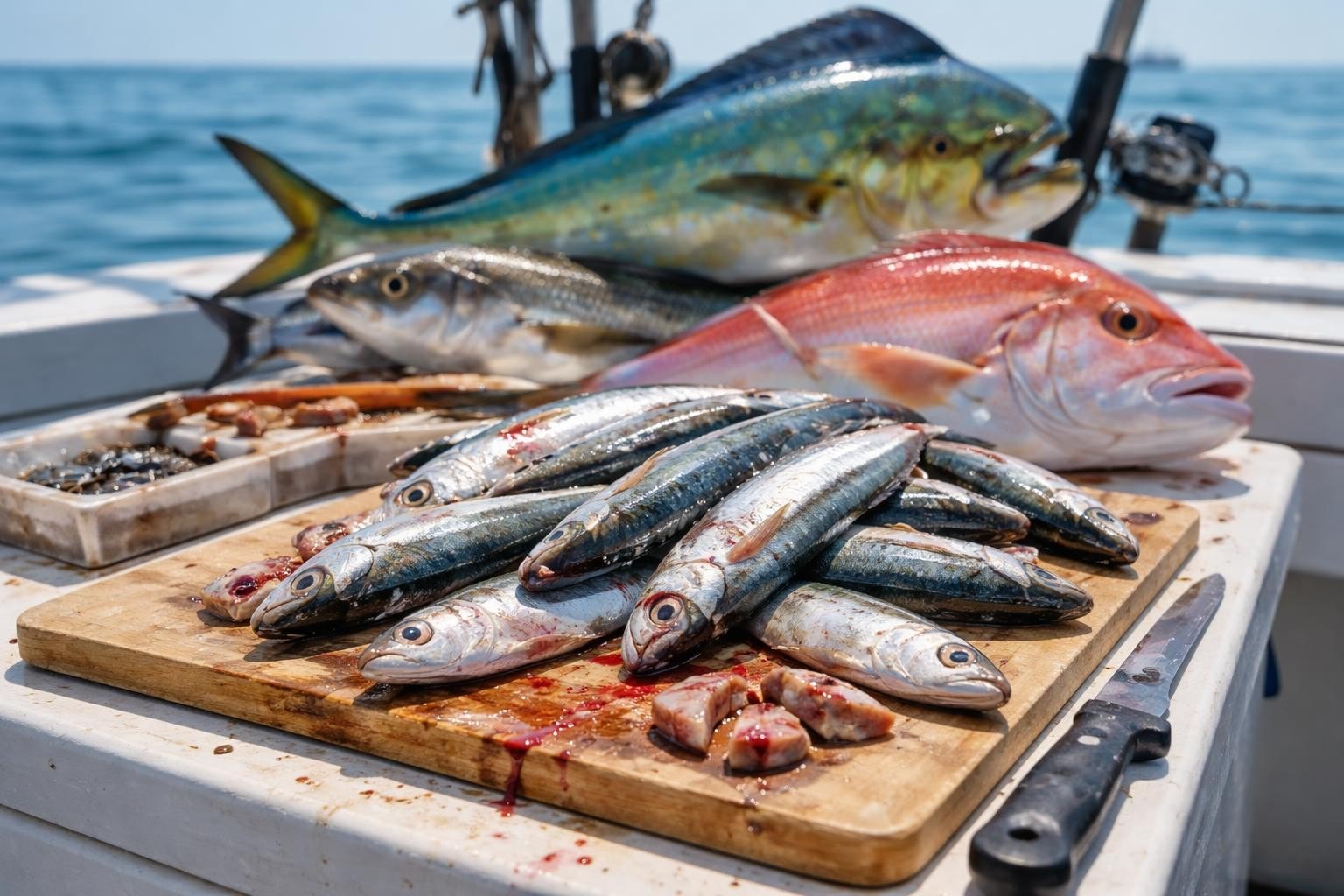
Ready to hook into the powerhouses of the ocean? Speed jigging has taken the fishing world by storm, delivering explosive action and bigger catches for anglers chasing pelagic species in 2026.
In this guide, you’ll get everything you need to master speed jigging. We’ll break down the latest gear, show you step-by-step techniques, share advanced tactics, and offer up-to-date regional tips. Whether you’re brand new or looking to sharpen your skills, our goal is to give you real, practical advice for more success on the water.
Let’s dive in and turn your next trip into a story worth telling.
What is Speed Jigging? History, Evolution, and Core Principles
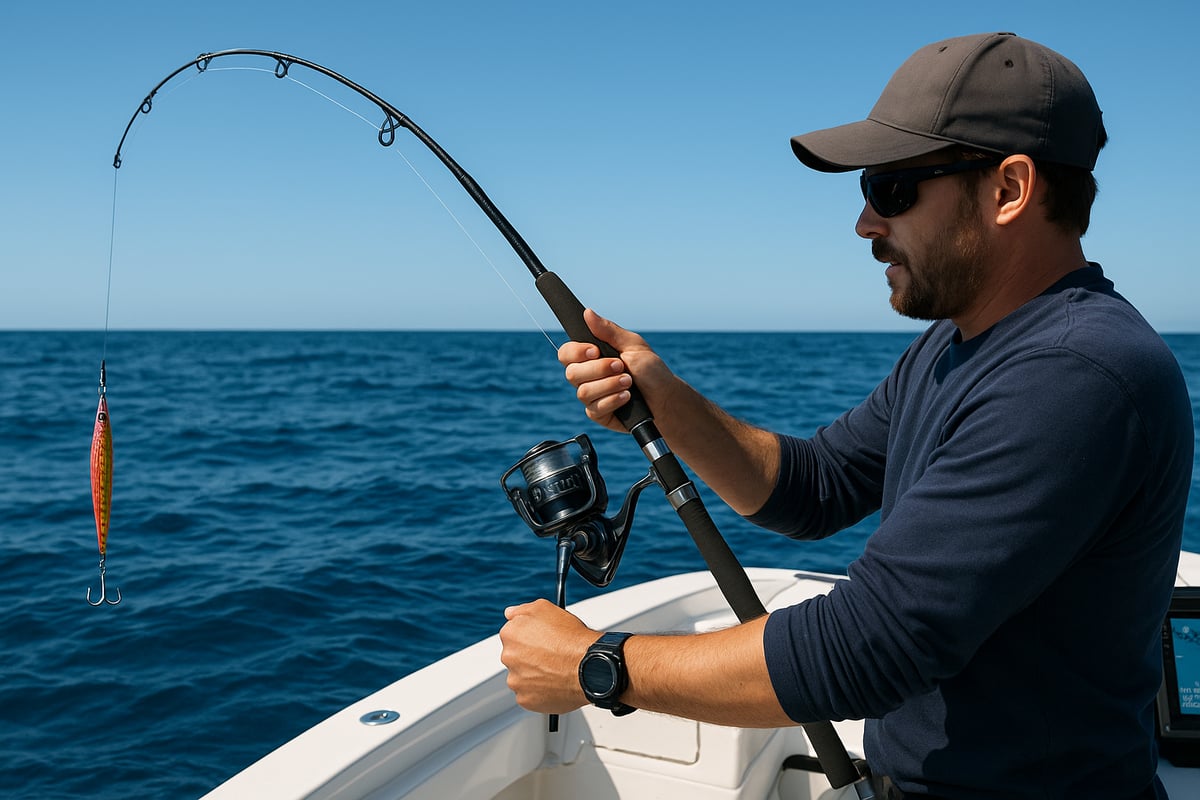
Speed jigging is a high-energy vertical fishing technique that uses rapid, rhythmic lure movements to trigger aggressive strikes from pelagic fish. This method first took off in Japan’s offshore waters, where anglers looked for new ways to target deep-dwelling predators. Unlike slow-pitch or traditional jigging, speed jigging is all about quick, erratic action that mimics fleeing baitfish. If you want to dive deeper into the nuances and lure selection, check out this Comprehensive Guide to Jigging Lures and Techniques.
Definition and Origins of Speed Jigging
In its early days, speed jigging was mostly a secret weapon among Japanese offshore anglers. They developed it to catch tuna, amberjack, and kingfish lurking deep beneath the surface. The method quickly spread worldwide as anglers saw how effective it was at drawing strikes from fish that ignored other presentations. Nowadays, speed jigging is a go-to technique on charter boats across the globe.
Evolution of Gear and Methods
The rise of speed jigging brought big changes in fishing gear. The introduction of Butterfly jigs and knife jigs gave anglers more options for mimicking injured bait. High-speed reels and specialized rods made it easier to work jigs fast and stay connected to fish. Electronics like advanced fishfinders and GPS units now help pinpoint structure and bait schools, boosting catch rates and making the technique accessible to more people.
Core Principles of Speed Jigging
At its heart, speed jigging relies on speed, rhythm, and the right lure presentation. You drop your jig fast, then retrieve it in quick, unpredictable bursts. This action is irresistible to predators like tuna, amberjack, and kingfish. Speed jigging is especially effective for reaching fish holding deep or those that have become wary from heavy fishing pressure. The constant movement and sudden changes in direction make the lure stand out, even when fish aren’t feeding aggressively.
Major Milestones and Trends
Speed jigging exploded in popularity across North America and Europe after 2010, thanks to online forums and viral fishing videos. In 2026, anglers are embracing lighter, stronger gear and using data-driven approaches to maximize results. A notable trend is the use of real-time mapping and satellite data to find productive spots. For example, bluefin tuna in the Mid-Atlantic are now being targeted with speed jigs when traditional trolling comes up empty.
When and Where to Use Speed Jigging
Speed jigging shines in deep water, especially near thermoclines, reefs, and underwater humps where bait congregates. It’s the top choice when fish are holding deep or ignoring live bait and trolling. Anglers find the best success when conditions line up—strong currents, visible bait schools, and structure all point to prime speed jigging opportunities. In these scenarios, this method can outfish just about any other approach.
Essential Gear for Speed Jigging in 2026
Getting the right gear is the backbone of successful speed jigging. With technology moving fast, choosing the right rods, reels, jigs, and accessories can mean the difference between a slow day and a personal best.
Rods, Reels, and Lines: What Matters Most
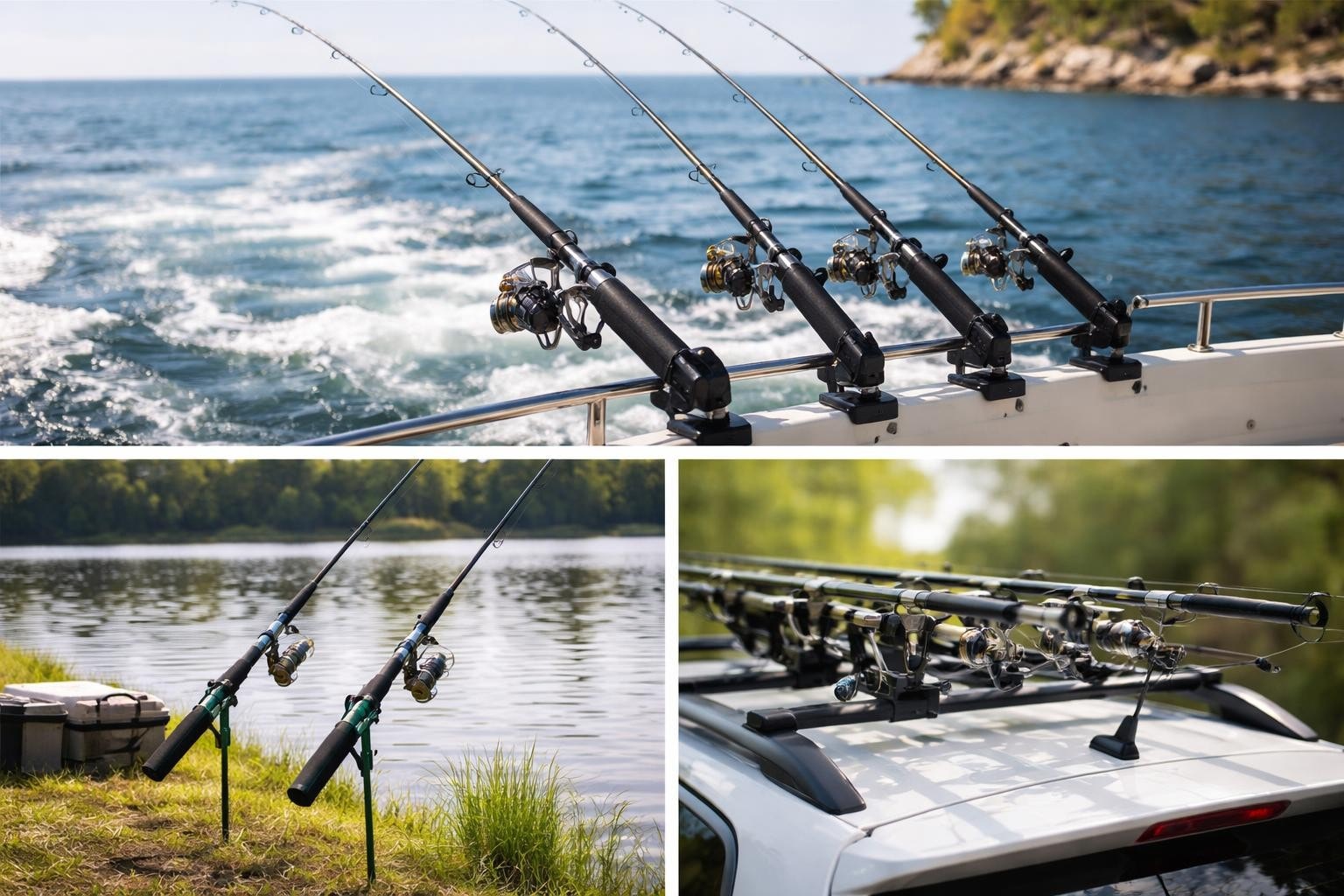
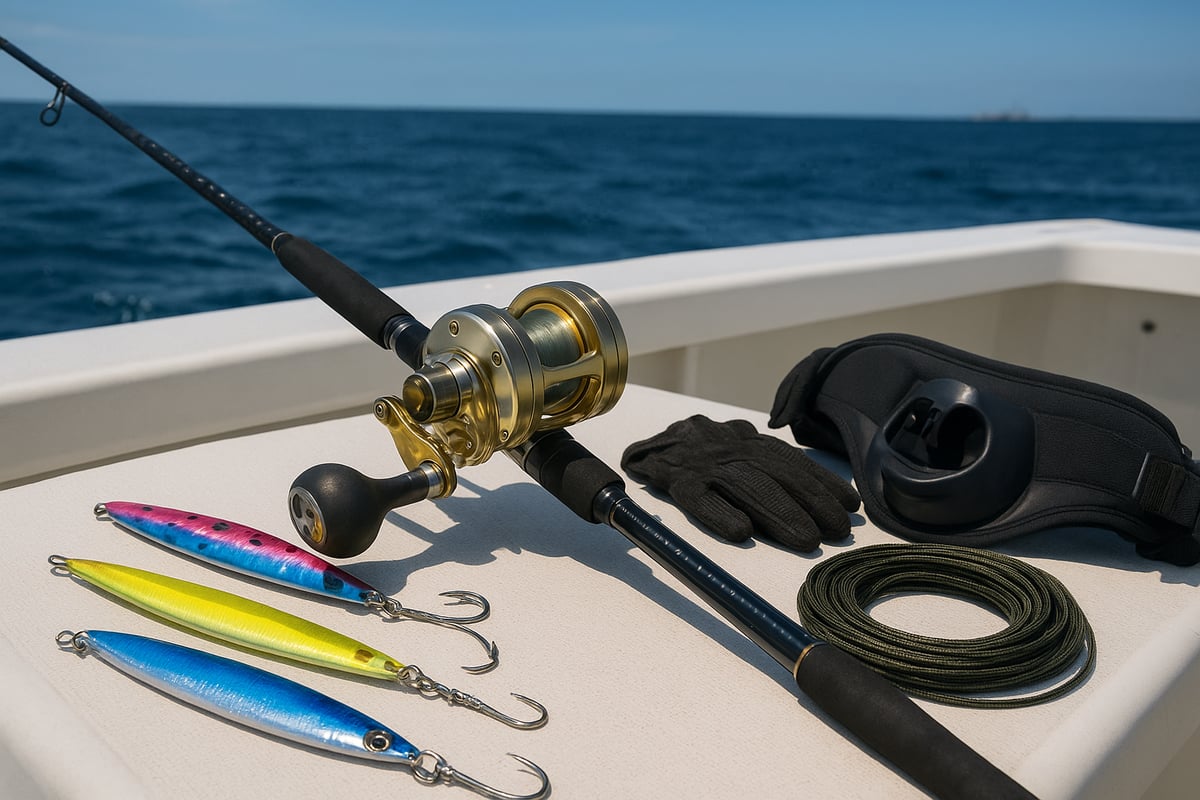
Let’s start with rods. For speed jigging, you want a rod with a soft tip for detecting bites but enough backbone to muscle big fish. Match this with a high-speed reel, which gives you the retrieval speed and line capacity needed for deep drops and fast runs. Wondering what’s new this year? Check out the New Saltwater Rods and Reels for 2026 to see the latest in lightweight, corrosion-resistant tech.
When it comes to line, braided line (65-100 lb test) is king. It’s thin, strong, and has almost no stretch, giving you total control. Monofilament just can’t compete for sensitivity or power in speed jigging situations.
Jig Selection: Shapes, Weights, and Colors
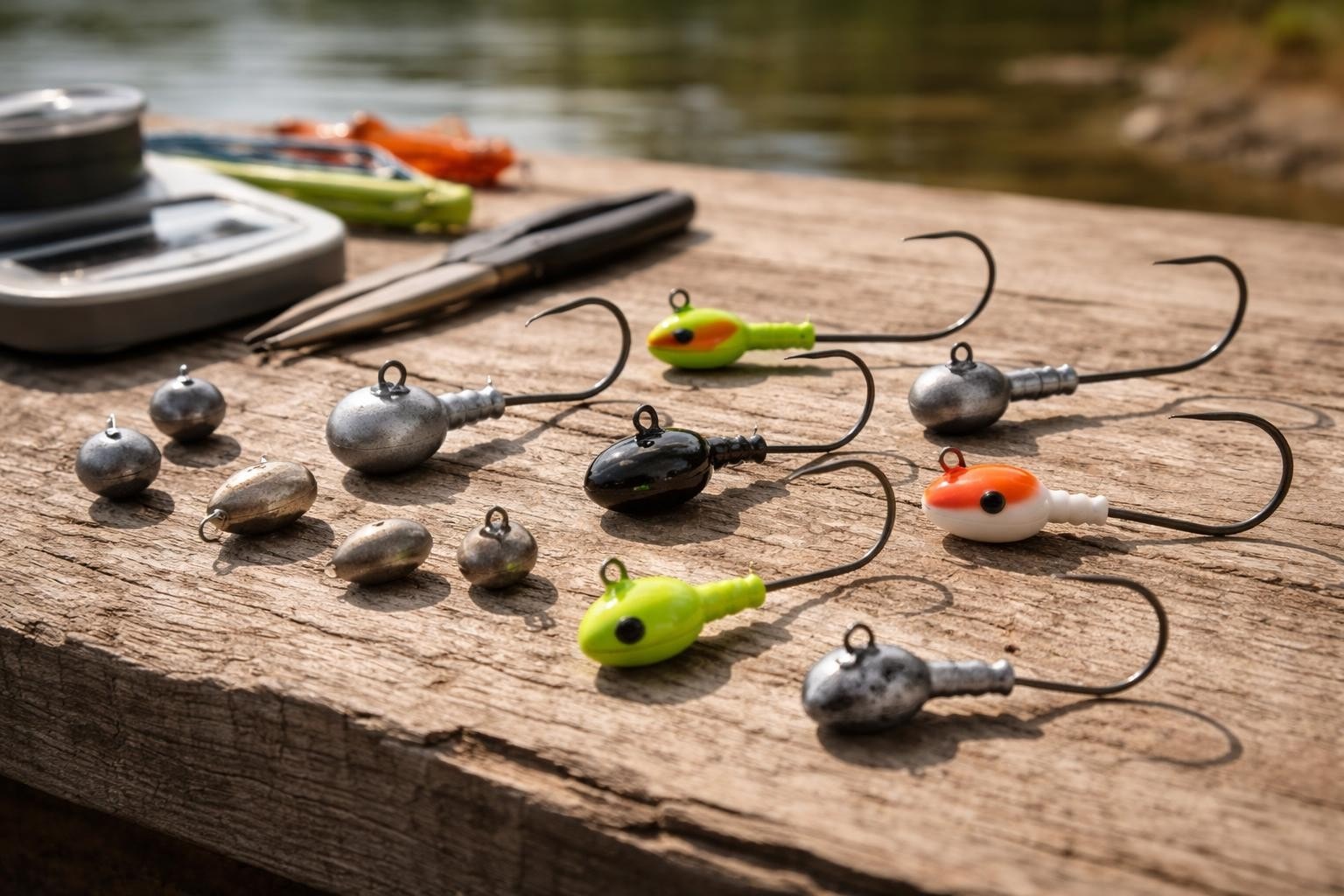
Picking the right jig is like choosing the right lure for a stubborn fish. Butterfly jigs, knife jigs, and the latest models for 2026 all have their place. The key is matching the jig’s weight to your depth and current. If you’re fishing deep, heavier jigs help you stay in the zone.
Color matters too. Pink and blue/white have proven deadly for bluefin, especially when the bite is slow. Don’t be afraid to switch it up if fish are ignoring your usual favorite. The variety of shapes and weights lets you adapt your speed jigging technique to changing conditions.
Hooks, Leaders, and Rigging
The business end of your speed jigging setup deserves attention. Assist hooks are the go-to for most anglers, giving you better hookups and fewer tangles than trebles. Choose strong, sharp hooks and rig them close to the jig to avoid missed strikes.
Leaders should be fluorocarbon or high-quality mono for abrasion resistance. Use strong knots, like the FG or PR knot, to connect braid to leader. Single assist hooks are popular for simplicity, but double rigs can help if you’re missing bites. Always check your rigging before the drop.
Electronics and Accessories
Modern electronics are a game-changer for speed jigging. Fishfinders and GPS units let you pinpoint structure, bait schools, and thermoclines with ease. This means less time searching and more time fishing.
Don’t forget comfort and safety. Gloves protect your hands from braid, and a gimbal or fighting belt saves your back during long battles. A quality setup is about more than just rods and reels—it’s about lasting all day and landing that trophy fish.
Maintenance and Upgrades for 2026
Keeping your speed jigging gear in top shape is easier than ever. Look for corrosion-resistant materials in reels and guides, especially if you fish saltwater often. Quick rinse routines after each trip will help your investment last.
New reel tech in 2026 features smoother drags and sealed bearings, so you spend less time fixing gear and more time fishing. Regularly check your line for nicks, swap out worn hooks, and stay updated on the latest upgrades to keep your setup dialed in for every trip.
Step-by-Step: Mastering Speed Jigging Technique
Getting the hang of speed jigging is like learning a dance with the ocean. Each step matters, from finding the fish to landing your catch. Let’s break down the process so you can fish smarter, not harder.
Step 1: Locating Fish and Identifying Depth
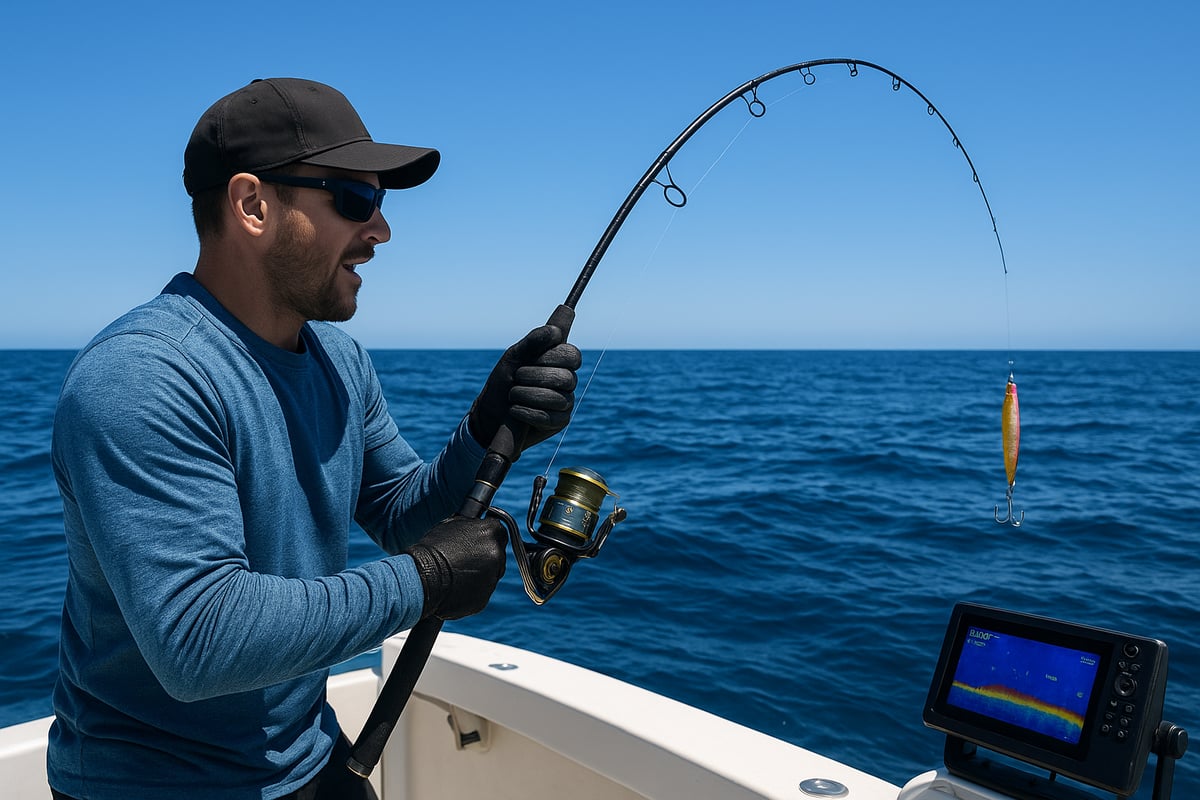
Start your speed jigging session by scanning the water with your sonar. Look for bait balls, thermoclines, or structure like humps and wrecks. Fish often hold just above or below these spots. Pay attention to the screen—sometimes, bluefin tuna will stack on sand eel humps, as SatFish users found in 2025. Drop your jig to the depth where you see the most marks for the best shot at a hookup.
Step 2: Positioning the Boat for the Perfect Drop
Now, set your boat up so you’ll drift right over the fish. Approach from up-current or upwind, giving yourself time to react. Factor in drift speed and distance—dropping your jig 30 to 50 feet below the marked fish can help mimic natural prey. A little planning at this stage sets up the entire speed jigging approach for success.
Step 3: Jig Deployment and Retrieval Rhythm
With your spot locked in, release the jig quickly to the target depth. Start a fast, rhythmic retrieve as soon as it hits bottom or your desired zone. Use a circular rod motion and steady reel cranks to give the jig a lively, erratic action. The right rhythm is key for speed jigging, making your lure irresistible to hungry predators lurking below.
Step 4: Triggering Strikes and Hooksets
Stay alert as you retrieve, since most bites happen on the upward movement. You might feel a tap or sudden weight—keep your rhythm steady to trigger a reaction strike. When you sense a hit, set the hook with a firm upward sweep and maintain even tension. This keeps your line tight and improves your chances of landing that trophy.
Step 5: Fighting and Landing Big Fish
Once hooked up, control the fight with a low rod angle and smooth, steady pressure. Adjust your drag to avoid breaking the line, especially with powerful fish like bluefin or amberjack. Work as a team if you have a buddy on board—one angler manages the rod while the other clears lines. This teamwork is what makes speed jigging so rewarding.
Pro Tips and Common Mistakes
- Use a single assist hook to reduce tangles and boost hookups
- Avoid extra hardware, which can spook fish
- Keep an eye on your fishfinder throughout the drift for real-time adjustments
Want more insider advice? Check out these Speed Jigging Tips and Techniques for extra pointers that can turn near-misses into solid connections.
Mastering speed jigging is all about practice, patience, and keeping your gear dialed in. Each trip teaches you something new, so stay flexible and keep chasing that next big catch.
Advanced Speed Jigging Tactics and Pro Strategies
Unlocking the next level of speed jigging takes more than just the basics. It’s about reading the water, adapting on the fly, and using every tool in your arsenal. Whether you’re chasing trophy bluefin or dialing in on finicky yellowtail, these pro strategies will put you ahead of the pack.
Adapting to Fish Behavior and Conditions
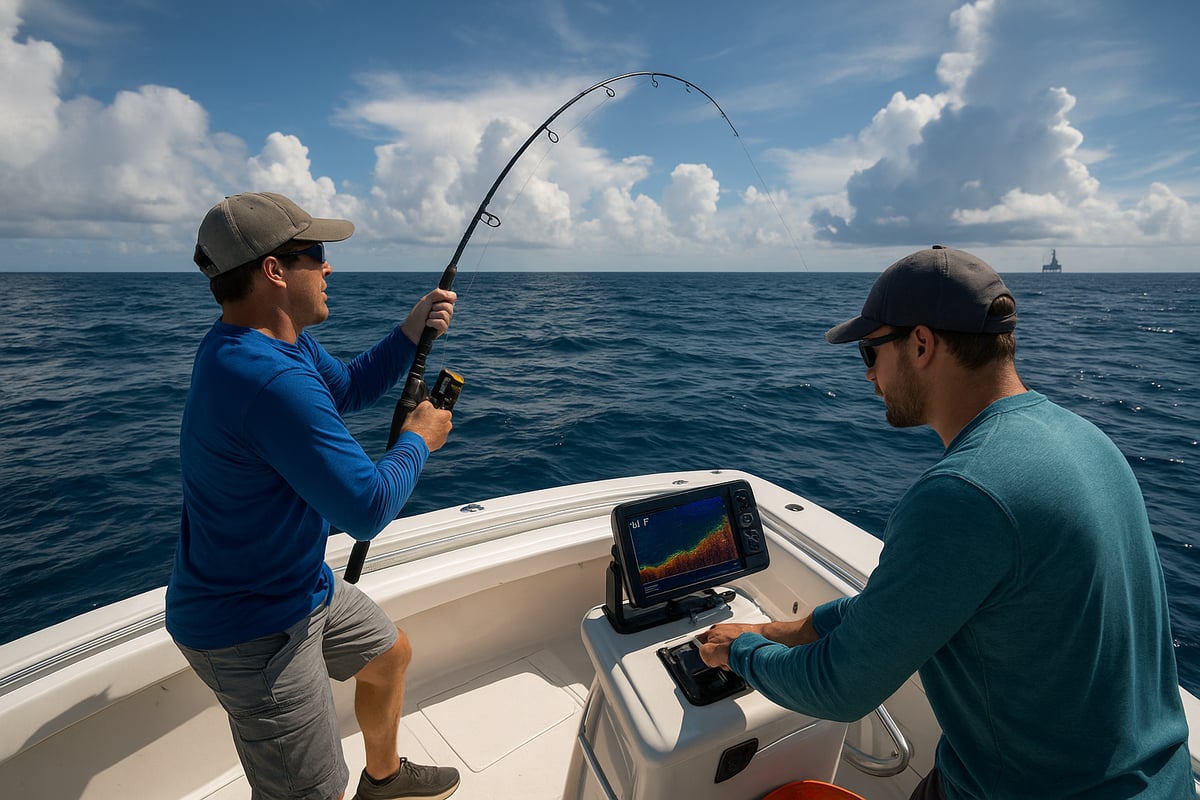
Every day on the water is different, so top anglers tweak their speed jigging approach to fit the moment. If fish are acting shy, drop down a size—sometimes a 4 inch jig will tempt a hundred pound tuna when larger lures get ignored. Change up your jig color or retrieve speed if you see fish following but not hitting.
- Watch for changes in bait activity or water clarity.
- Adjust your rhythm to match how fish are reacting.
- Never be afraid to reposition if the sonar marks vanish.
Mastering speed jigging means staying flexible and reading the subtle cues that fish give you.
Depth and Water Column Coverage
Pelagic species often suspend at different depths. To maximize your speed jigging results, work the entire water column, not just the bottom. Drop your jig past where you mark fish, then retrieve it steadily through the zone where bites are most likely.
- Start deep and work up in 10 to 20 foot increments.
- Mix in short pauses or speed bursts to trigger reaction strikes.
- Keep your eye on the fishfinder for real time feedback.
Covering more of the water column boosts your odds of connecting with actively feeding or cruising fish.
Regional and Species-Specific Adjustments
What works for bluefin in the Mid Atlantic might not fly for yellowtail off California. Regional preferences and seasonal changes play a big role in speed jigging success. In summer, fish may respond to a faster retrieve and brighter jigs, while winter calls for a slower, more methodical approach.
- Research local hotspots and migration patterns.
- Match your jig size and color to the prevalent baitfish.
- Check local regulations for gear or species restrictions.
Dialing in your speed jigging tactics to match the region and target species can make or break your trip.
Using Technology for an Edge
Modern electronics have transformed how we approach speed jigging. Fishfinders, GPS, and real time mapping help pinpoint structure and bait schools quickly. In 2026, smart fishing gear is taking things even further, with AI powered rods and reels that adapt to fish behavior on the fly. Curious about what’s next? Check out the Upcoming Smart Fishing Gear for 2026 for a peek at the latest innovations.
- Use SST and current data to plan your drifts.
- Log each catch to refine your approach on future trips.
Embracing new tech gives you a serious advantage in the ever evolving world of speed jigging.
Tournament and Team Strategies
When fishing in a group or tournament, communication and teamwork are essential. Assign roles before the bite starts—one angler watches the meter, another keeps the boat positioned, and others drop jigs in different zones. This spreads out your coverage and increases the odds of finding the hot bite.
- Rotate who drops first to avoid tangles.
- Call out hookups so everyone can adjust.
- Share what’s working as conditions change.
Working as a team turns speed jigging into a coordinated effort that’s both efficient and fun.
Example: Outperforming Trollers on Deep Bluefin
There are days when trolling just doesn’t cut it, especially for bluefin holding deep. In these situations, speed jigging can be the game changer. Dropping a heavy jig to the right depth and working it with a fast, steady retrieve often triggers strikes when everything else fails. Stories from the Mid Atlantic show anglers landing trophy fish by adapting quickly and trusting their electronics.
Speed jigging shines brightest when you’re willing to out think and out work the competition.
Regional Hotspots and Seasonal Considerations for Speed Jigging
Want to know where the action is hottest for speed jigging in 2026? The right spot and timing make all the difference, whether you’re chasing monster bluefin or speedy yellowtail. Let’s break down the top regions, key seasonal moves, and local factors to help you plan your next successful trip.
Top U.S. and Global Locations in 2026
If you’re looking for prime speed jigging waters, the U.S. offers several hot zones. The Mid-Atlantic, especially around sand eel humps, is famous for bluefin runs. Florida’s offshore structures, like the The 409 Hump fishing spot, are legendary for amberjack and kingfish. On the West Coast, California draws yellowtail chasers. Globally, Japan, Australia, and the Mediterranean stay at the forefront of innovative speed jigging, with local guides always pushing the envelope.
Seasonal Patterns and Migration
Timing matters as much as location. Pelagic species migrate with water temps and bait schools. Bluefin peak in the Mid-Atlantic from late spring into summer, while yellowtail fire up off California in early summer. In Florida, winter and spring see kingfish and amberjack stacking up on offshore humps. Watching these migrations can help you hit the perfect speed jigging window.
Structure and Bait: Keys to Success
Want to boost your odds? Target underwater features like reefs, wrecks, and humps. These spots concentrate bait and big predators. For example, Alligator Reef offshore structure is a proven hotspot for pelagic action. If you find sand eels or mackerel on sonar, that’s your sign to drop a jig. Bait presence is a green light for speed jigging success.
Weather, Currents, and Water Conditions
Don’t overlook the conditions. Temp breaks and colliding currents pull in bait and predators, making these zones excellent for speed jigging. Clear water is usually better, but sometimes a little turbidity sparks feeding frenzies. In rough seas or strong winds, adjust your jig weight and drift angle for better control and contact.
Local Regulations and Conservation
Finally, always check the latest size and bag limits before you head out. Some regions update rules yearly to protect stocks. Practice ethical release when needed and respect protected species. Staying informed on 2026 regulations keeps the fishery healthy and your speed jigging adventures hassle free.
Troubleshooting: Common Speed Jigging Challenges and Solutions
Every angler faces unexpected hurdles during speed jigging trips. Knowing how to tackle these issues keeps your day on the water productive and fun.
Dealing with Tangles and Line Management
Tangles and line twist are a common headache in speed jigging, especially with braided line. Always spool your reel tightly and use a quality swivel to reduce twist.
- Keep your rod tip high when retrieving.
- Avoid overlapping lines if multiple anglers are jigging.
- Rig your jig with a single assist hook to cut down on fouling.
If a tangle happens, pause and fix it right away. A smooth, organized setup keeps your speed jigging efficient and stress free.
Low Bite Situations: How to Adjust
Even the best speed jigging spots can go quiet. When this happens, experiment with different jig sizes and colors. Sometimes, a smaller or brighter jig triggers a bite.
Try slowing your retrieve or adding short pauses. If nothing works, move to a new depth or drift. Stay flexible and keep an eye on your fishfinder for subtle changes.
Gear Failures and Quick Fixes
Broken rods, reels, or leaders can ruin a trip. Always pack a backup rod and extra leaders. Keep a small repair kit handy with spare hooks, split rings, and pliers.
If a reel locks up, rinse it with fresh water and check for debris. For a snapped leader, retie using a strong knot and get back to speed jigging quickly.
Fatigue and Safety Tips
Speed jigging is physically demanding, especially during long fights with big fish. Use a gimbal belt and gloves to protect your hands and waist.
Take regular breaks, stay hydrated, and never skip sunscreen. Good technique helps prevent injury and lets you enjoy more time on the water.
Learning from Electronics and Data
Use your sonar logs and catch records to spot patterns. Reviewing past trips can reveal when and where speed jigging was most productive.
For more tips and new spots, check out the Fishing tips and spots guide. Staying curious and learning from every outing makes you a better angler.
Staying Ahead: New Innovations in 2026
Keep up with the latest trends in speed jigging, like smart jigs and AI-driven mapping apps. Join local forums and follow expert advice to stay sharp.
Being open to new ideas and tech gives you the edge when the bite gets tough. Embrace change and your results will keep improving.
Now that you’ve got the inside scoop on mastering speed jigging—from picking the right gear to dialing in your technique—the only thing left is finding the perfect spot to put your new skills to the test. Whether you’re after bluefin in the Mid Atlantic or hunting structure along the California coast, having the right location makes all the difference. I always recommend checking out local details, access points, and what’s biting before heading out. If you’re ready to explore new waters and level up your catches, just Find Spots and get started on your next fishing adventure!