Trout fishing is more exciting than ever in 2026. Whether you’re chasing wild rainbows in rushing streams or exploring new waters with high-tech gear, the sport keeps evolving and challenging anglers of all backgrounds.
This ultimate guide is your ticket to mastering trout fishing. We’ll dive into trout species, top locations, must-have gear, advanced strategies, and seasonal tips to help you catch more fish, no matter your experience level.
Ready to discover new tactics, gear, and digital tools? Let’s explore how you can transform your trout fishing adventures and reel in your best season yet.
Understanding Trout Species and Behavior
Trout fishing is all about knowing your quarry, and that starts with understanding the different species and what makes them tick. Whether you’re casting in a mountain stream or trolling a big lake, recognizing trout habits and preferences can make or break your day.
Common Trout Species and Their Habitats
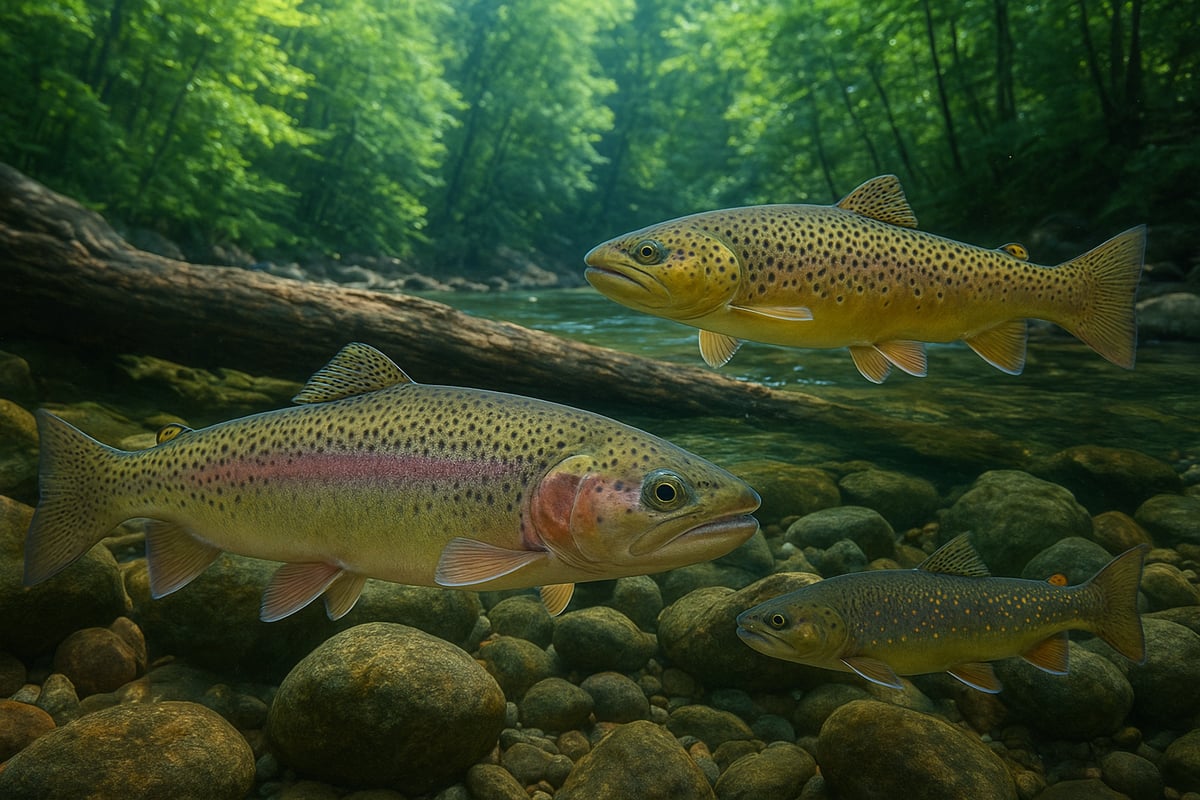
When it comes to trout fishing, a few species stand out across North America. The most popular are rainbow trout, brown trout, brook trout, cutthroat trout, and lake trout. Each thrives in cold, clean, and oxygen-rich waters, but their favorite hangouts can differ.
Rainbow trout are often found in fast-moving streams, darting through riffles and pools. Lake trout, as their name suggests, prefer deep, cold lakes where they can chase baitfish. Brook trout love shaded streams in the Appalachians, while brown trout are common in the Midwest’s spring-fed rivers.
Diet and feeding patterns also vary. Rainbows chase insects and small fish, while lake trout hunt deeper for bigger prey. The U.S. Fish & Wildlife Service reports trout populations in over 40 states, showing just how widespread these fish are. Matching your tactics to the species you’re after is key for success. For more details and expert advice on different trout and where to find them, check out Trout Fishing Tips and Spots.
Seasonal Patterns and Feeding Behavior
The seasons have a big impact on trout fishing. Water temperature is a driving force—trout are most active when it’s between 50°F and 65°F. In spring, hatches of insects like mayflies trigger feeding frenzies. Trout move into shallow riffles and feeding lanes, making this a prime time for action.
Summer brings warmer water, so trout often become sluggish and hide in deeper, cooler spots. Fall is another hot period, as trout fatten up before winter. Winter slows things down; trout stay deep and eat less, but midday warmth can spark some activity.
“Matching the hatch” is a classic tip—choose lures or flies that imitate local insects. Pay attention to weather, light, and water clarity. Watch for rises and surface activity to clue you into what trout are eating. Observing these details will help you dial in your trout fishing approach year-round.
Reading Water: Locating Trout in Rivers and Lakes
Finding trout starts with reading the water. In rivers, look for riffles, pools, undercut banks, and places with structure like rocks or fallen trees. Trout often sit behind rocks to save energy while waiting for food to drift by.
Current, depth, and cover all affect where trout hold. Surveys show about 70 percent of river trout are found near some kind of structure. In lakes, target drop-offs, submerged logs, and points where cool water flows in.
Polarized sunglasses are a game-changer, helping you spot trout below the surface and read subtle changes in depth or current. Seasoned anglers swear by learning to “read” water, whether it’s a tumbling stream or a quiet lake. Adapting your approach for still water versus moving water will up your trout fishing game every time.
Finding the Best Trout Fishing Spots in 2026
Trying to find the best trout fishing locations in 2026? You’re not alone. The search for that perfect stream, hidden lake, or bustling river is easier and more exciting than ever. Let’s break down how digital tools, local insights, and responsible exploration can help you land your next trophy trout.
Digital Tools and Online Resources
The digital age has completely changed how we approach trout fishing. Today, anglers use everything from Google Maps to real-time fishing forums to find their next best spot. Social media platforms like Instagram and YouTube are packed with recent catch reports, photos, and even live GPS coordinates shared by fellow anglers.
More than 60 percent of U.S. anglers now use digital resources to plan their trips. Apps and online communities not only offer up-to-date info on water conditions, but also let you connect with other trout fishing enthusiasts. If you want to streamline your search, try using the Search for Trout Fishing Locations tool. It helps you quickly locate the best trout waters nationwide, all while keeping you in the loop on access points and regulations.
Just remember, while technology is a fantastic guide, always double-check local rules and respect private land.
Local Knowledge and In-Person Research
Nothing beats the value of local knowledge when it comes to trout fishing. Your neighborhood fly shop or tackle store is a goldmine for real-time advice. These folks know what’s biting, which lures are hot, and where the trout are hiding this week.
Joining a fishing club or Trout Unlimited chapter can open doors to even more insider info. You’ll hear about seasonal changes, get tips tailored to your region, and maybe even score some new fishing buddies. Studies show 45 percent of successful trout anglers rely on local recommendations for their trips.
Supporting these local businesses and organizations not only boosts your trout fishing success, but also helps preserve the waters for the next generation.
Exploring New Waters Safely and Responsibly
Exploring new trout fishing spots is a big part of the adventure. Before you set out, scout access points, parking, and always check regulations. Look for signs of healthy water like clear flow and natural cover.
Practice Leave No Trace principles to keep streams and lakes clean. Respect spawning beds and any protected areas you encounter. With angler pressure on public waters up 30 percent since 2020, it’s more important than ever to fish responsibly.
When venturing out solo, let someone know your plans. If you’re with friends, share the excitement and watch out for each other. Balance your curiosity with conservation, and the trout fishing experience will stay rewarding for everyone.
Discover Fishing Spots with FindFishingSpots.com
FindFishingSpots.com is a one-stop shop for trout fishing locations across the U.S. With GPS details, water types, and access info, it’s perfect for planning your next adventure. Their advanced filters and expert guides give both new and seasoned anglers a leg up, making it easy to discover new waters and stay current on conditions and rules.
Essential Trout Fishing Gear for 2026
Getting the right gear is half the adventure in trout fishing. Whether you’re casting into mountain streams or trolling deep lakes, having the right setup can mean the difference between a slow day and a story-worthy catch. Let’s break down what you need to fish confidently and comfortably in 2026.
Rods, Reels, and Lines: What’s New and What Works
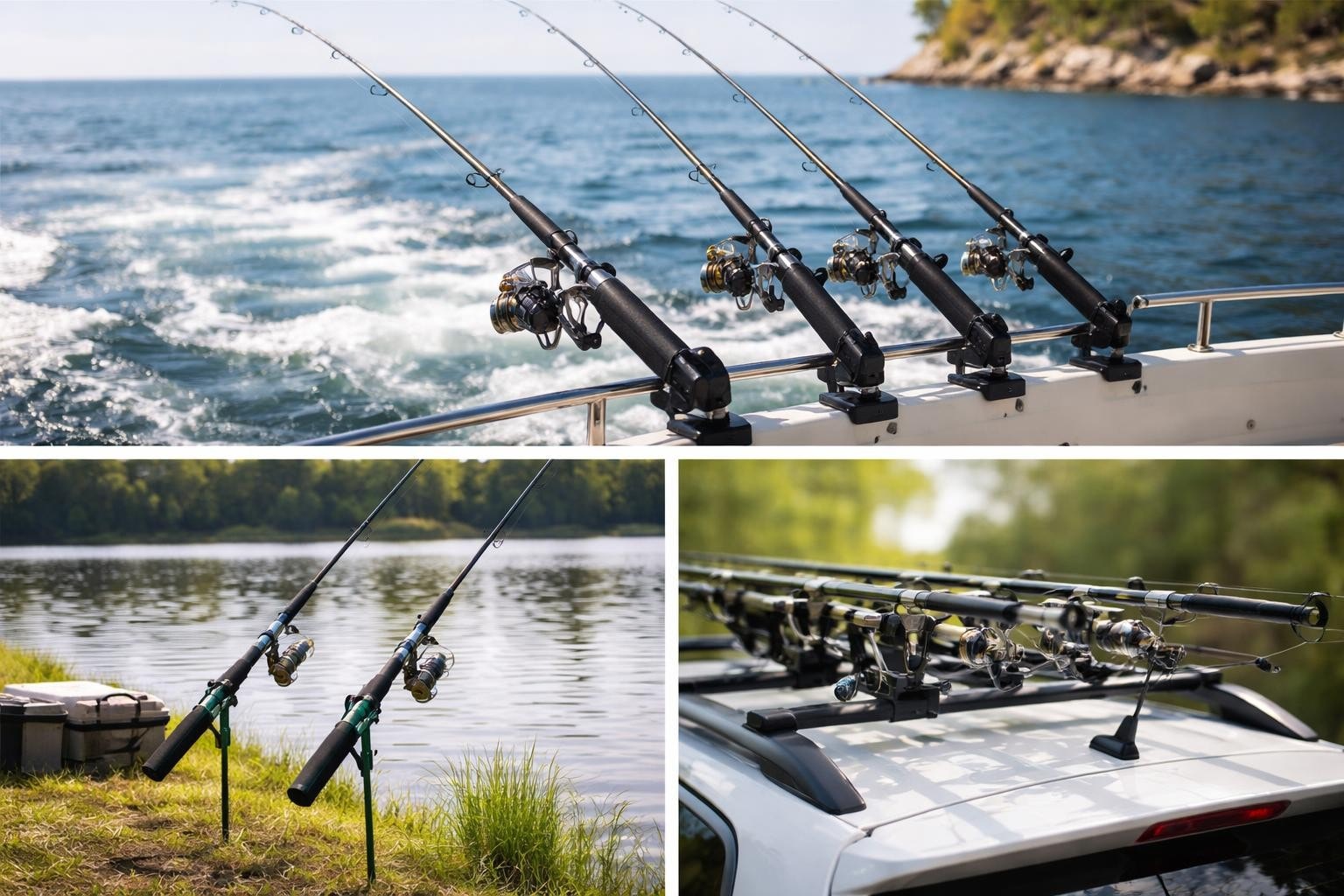
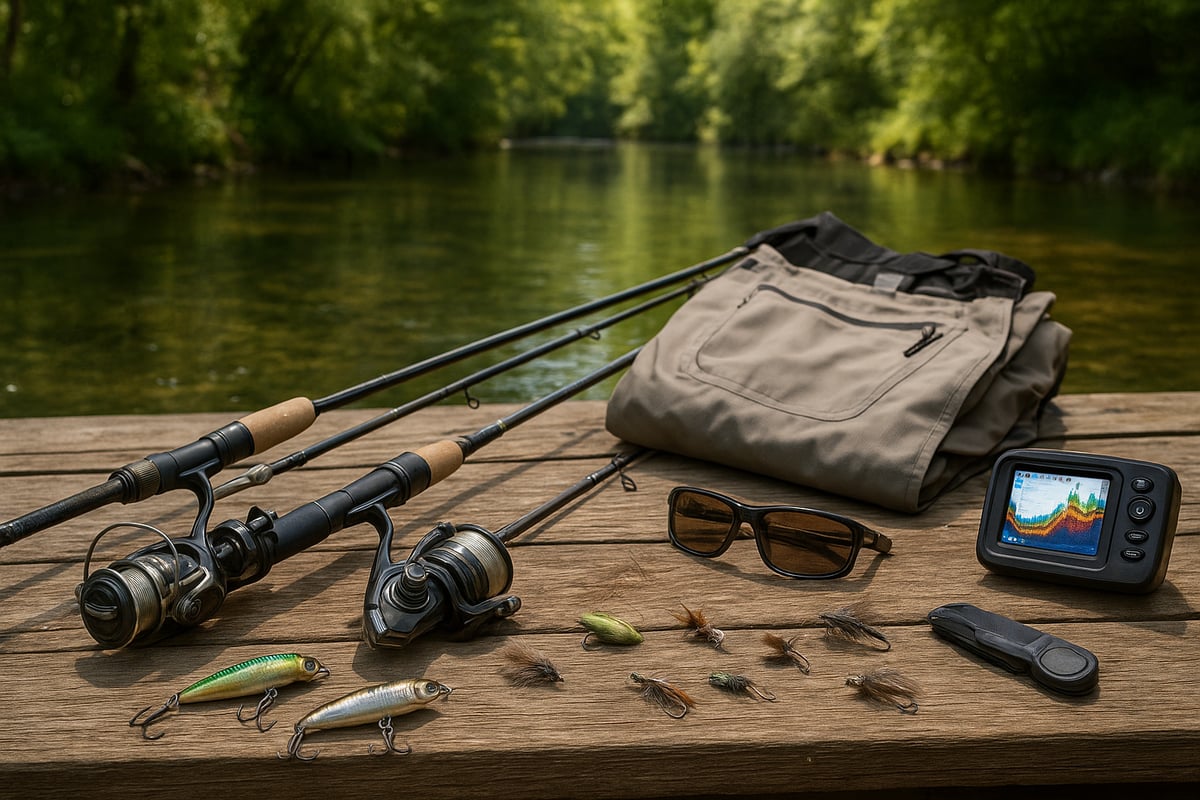
Choosing the right rod is step one for trout fishing. Most anglers prefer ultralight spinning rods for their sensitivity, or fly rods in the 3 to 6 weight range for delicate presentations. In 2026, rods use new carbon blends for better feel and lighter weight, making long days on the water easier.
Modern reels are smoother and lighter, with improved drag systems that help land even the wariest trout. For line, monofilament is still popular for beginners, while fluorocarbon offers near-invisibility for clear streams. Specialty fly lines have also evolved for better casting distance and control.
Looking for the latest gear? Check out New Fishing Gear Innovations 2025 for a peek at cutting-edge rods and reels making waves in trout fishing circles.
Must-Have Tackle, Lures, and Flies
Every successful trout fishing trip starts with a well-stocked tackle box. Spinners, spoons, and small crankbaits still top the list for covering water quickly. Soft plastics and live bait like worms or salmon eggs work wonders where allowed.
Fly anglers should carry a mix of dry flies, nymphs, streamers, and emergers. Local favorites like the Panther Martin spinner or Elk Hair Caddis can be game changers. Organize your tackle so you can swap lures fast and respond to changing trout moods.
Don’t forget, different regions have their own “secret weapons.” Ask local anglers or shops about what’s working right now for trout fishing in your area.
Waders, Apparel, and Safety Gear
Comfort and safety go hand in hand when trout fishing. Breathable waders with reinforced seams keep you dry and cool, even on long hikes to hidden pools. Layer up with moisture-wicking shirts and quick-dry pants to handle changing weather.
For footwear, felt soles offer grip on slippery rocks, while rubber soles help prevent the spread of invasive species. Safety should never be an afterthought—bring a life vest, polarized sunglasses, sunscreen, and a small first aid kit.
Most anglers agree that comfortable gear lets you focus on the fishing, not on distractions. Well-fitted waders and protective clothing make trout fishing more enjoyable and safe, no matter the season.
Tech and Accessories for the Modern Angler
Tech upgrades are making waves in trout fishing. Portable fish finders and sonar devices help locate trout in big lakes, while smart watches track weather, moon phases, and even your catch log. GoPro cameras let you relive epic battles with every cast.
Eco-friendly gear is also on the rise, with biodegradable baits and recycled tackle gaining popularity. Wearable tech like UV-protective shirts and polarized glasses keep you comfortable and safe on sunny days.
Staying up-to-date with the latest accessories means you can fish smarter, not harder. Trout fishing in 2026 is all about blending tradition with innovation for the best experience on the water.
Proven Trout Fishing Techniques & Strategies
Ready to sharpen your trout fishing game? Whether you’re at a local stream or planning a big lake adventure, the best anglers rely on tried-and-true methods tailored to each situation. Let’s break down the top strategies and how you can use them to put more trout in the net this season.
Conventional Tackle Tactics
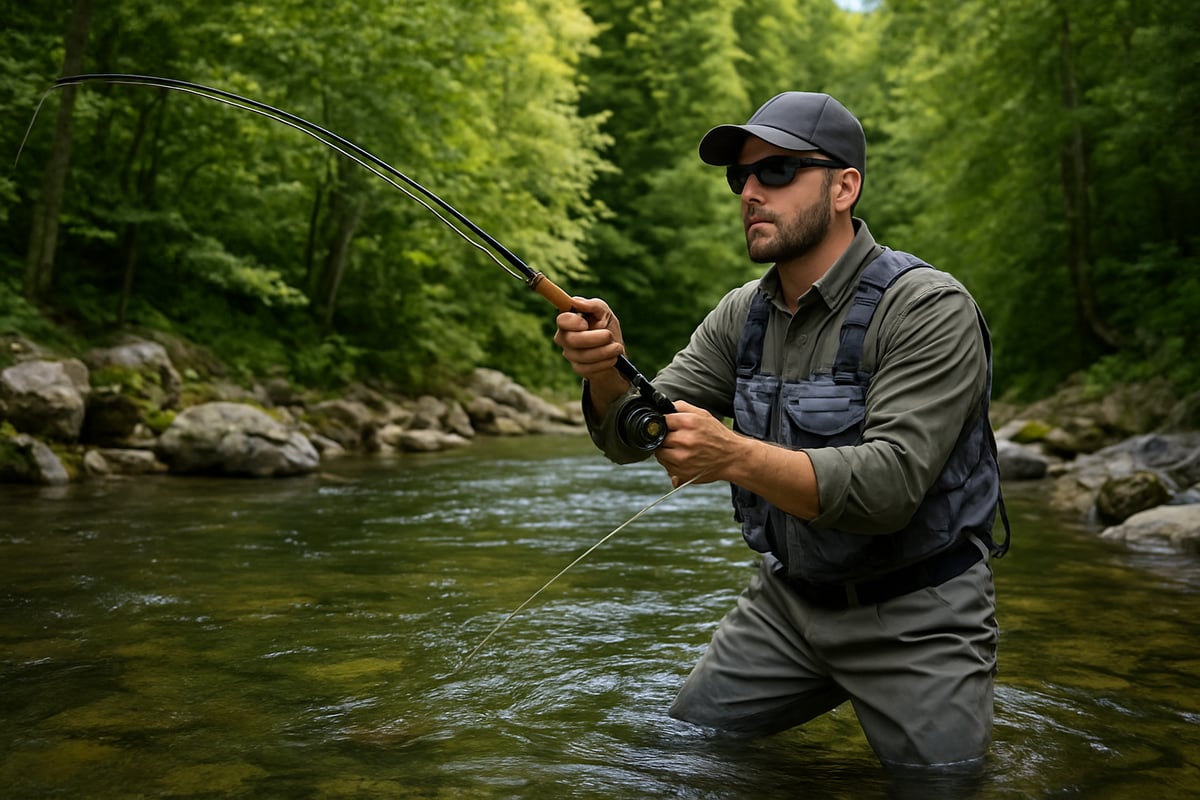
Conventional tackle is the heart of trout fishing for many anglers. Spinning and baitcasting setups let you cover a lot of water fast, especially in streams, rivers, and lakes. The key is matching your rod and reel to the environment: go light for small streams, heavier for bigger waters.
Top lures include spinners, spoons, and crankbaits. Cast upstream, let your lure drift naturally, and retrieve at different speeds to trigger strikes. Structure is your friend—work around rocks, fallen trees, and undercut banks where trout hide.
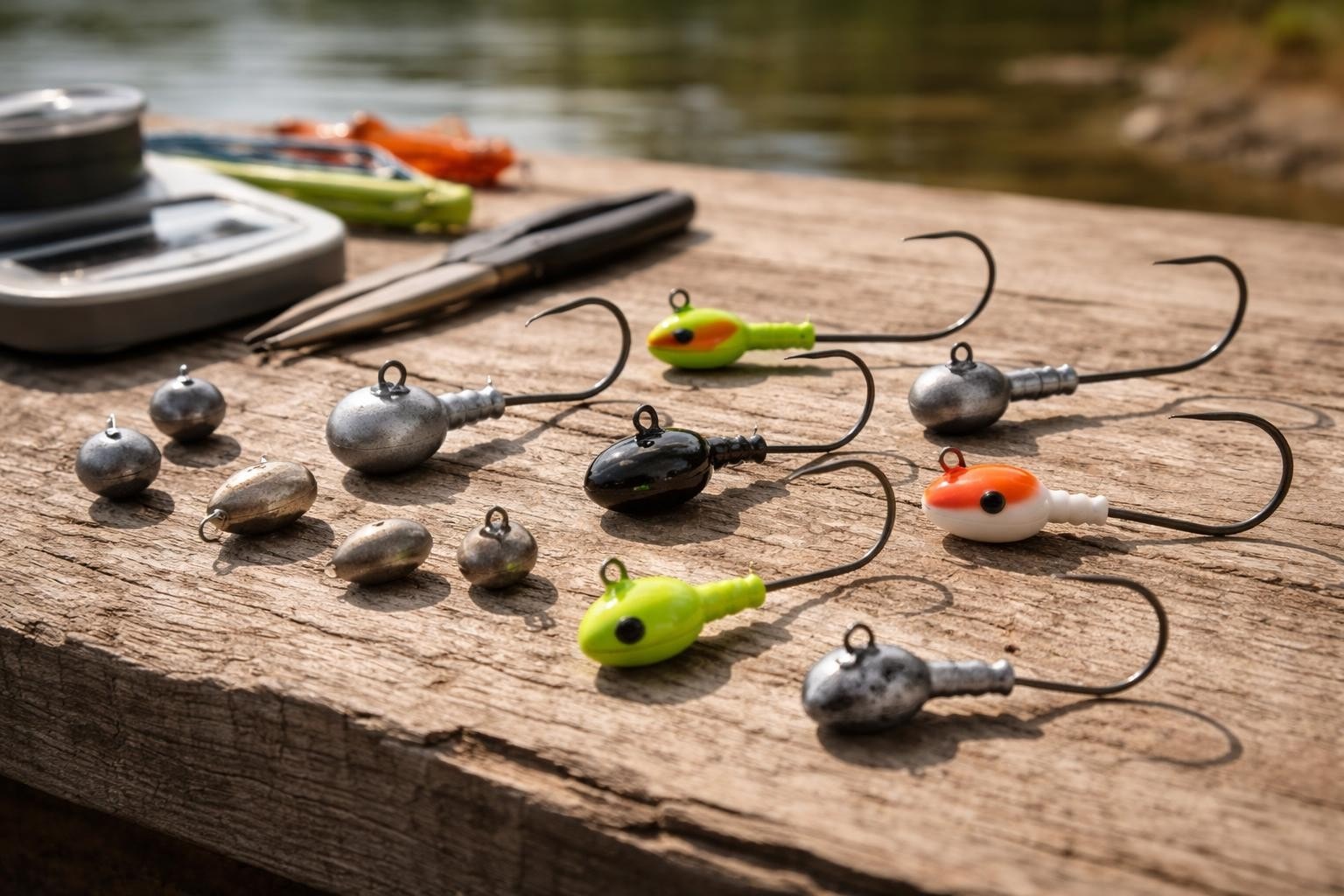
Try using small jigs in deep pools for a shot at big brown trout. For clear water, go with lighter line—trout are notoriously line-shy. Adjust your tactics for water clarity and flow, and stay alert for subtle bites. With the right approach, trout fishing with conventional gear is both productive and fun.
Fly Fishing Approaches for All Skill Levels
Fly fishing opens up a new world for trout anglers, and you don’t need to be a pro to get started. Choose a fly rod in the 3 to 6 weight range for most trout fishing situations. Use floating lines for dry flies or nymphs and sinking lines for streamers in deeper spots.
The magic of fly fishing is in “matching the hatch.” Watch for local insect activity and pick flies that imitate what trout are eating. Dry flies like the Elk Hair Caddis work wonders during summer evenings, while nymphs are deadly in the spring.
Presentation matters—practice casting gently and landing your fly softly. Read the water for rises and subtle takes. Fly fishing participation has grown rapidly since 2020, and with a little practice, you can join the ranks of successful trout fishing enthusiasts.
Advanced Tactics: Trolling, Jigging, and BFS
Once you’ve mastered the basics, advanced trout fishing tactics can help you target bigger or more elusive fish. Trolling is a go-to for lake trout—set your speed and depth, and use spoons or crankbaits to cover wide areas.
Vertical jigging shines when trout are suspended or holding deep. Drop your bait right in front of them and vary your retrieve. The Bait Finesse System (BFS) is gaining popularity for precise, ultralight baitcasting in tight spots.
Electronics like fish finders and sonar are game-changers for locating schools of trout. For example, trolling spoons for Great Lakes steelhead is a proven winner. With these advanced trout fishing methods, you’ll be set to tackle even the toughest conditions.
Adapting to Conditions: Weather, Water, and Pressure
Trout fishing is never the same two days in a row. Weather, water temperature, and angling pressure all play a big role in success. When water is high or stained, go with brighter lures or bigger flies. On sunny days, downsize and fish slower to tempt wary trout.
Heavily fished spots call for stealth—use lighter line, quiet approaches, and rotate your locations. Night fishing or early morning trips can pay off, as trout are most active at dawn and dusk. Remember, adapting your trout fishing tactics to the day’s conditions is what separates the pros from the rest.
For more insight into where to apply these strategies nationwide, check out the United States Trout Fishing Locations directory for prime spots and local tips.
Step-by-Step: Planning a Successful Trout Fishing Trip
Success in trout fishing starts before you hit the water. Research your destination, check the regulations, and pack all your gear, from rods and tackle to safety essentials. Monitor weather and water reports, and keep an eye on hatch charts for the best fly choices.
Arrive early for the best access and undisturbed water. Use stealthy movements, target prime holding spots, and make every cast count. Record your catches and conditions in a log—these notes are gold for future trips.
Stay flexible and ready to switch tactics as the day changes. Trout fishing is all about adapting and learning with every outing. With the right prep and a positive attitude, every trip is a chance to improve and make memories.
Seasonal and Regional Trout Fishing Tips for 2026
Trout fishing is never quite the same from one season or region to the next. The weather, water temperature, and even local regulations can change how you approach the water. Let’s break down what works best in spring, summer, fall, and winter so you can keep your net full and your stories fresh all year.
Spring and Early Summer: Peak Action
Spring is prime time for trout fishing. As the snow melts and rivers swell, trout become active, feeding heavily along riffles and shallow runs. Insects like mayflies, caddis, and stoneflies start hatching, kicking off a feeding frenzy.
Matching these hatches with nymphs or dry flies can lead to fast action. For example, try a beadhead nymph during a heavy mayfly hatch. About 50% of annual trout catches happen during spring, so don’t miss out.
Keep an eye on water levels and check for spawning closures before heading out. Many states publish their 2025 Statewide Trout Stocking Plan, which can help you time your trips for newly stocked waters. If you want a destination idea, Freshwater Trout Fishing at Lake George is a great spot for spring action.
Summer and Early Fall: Low Water Challenges
When summer heats up, trout fishing gets trickier. Warm, clear water can make trout wary and sluggish, especially when water temps rise above 68°F. To improve your odds, fish early in the morning or late in the evening when trout are most active.
Use lighter lines, smaller lures, and stealthy casts to avoid spooking fish. Sight fishing in shallow pools or targeting shaded stretches can pay off. During heat waves, focus on cool tributaries and practice careful catch and release to protect stressed fish.
Local regulations sometimes change in summer, so always check before you go. This is a good season to try new spots or explore less-pressured waters.
Late Fall and Winter: Cold Water Tactics
Late fall and winter bring a different pace to trout fishing but can still offer great rewards. Pre-spawn browns and rainbows are on the move, and colder water means slower trout. Switch to slow retrieves and deep presentations with smaller baits or flies.
Egg patterns and midge larvae can be especially effective. Fish around midday when water temps are at their highest. Winter fishing participation has jumped 18% since 2021, so you might find more company on the water.
Stay safe on icy banks and dress for cold conditions. Always check local rules about winter trout fishing, as some areas have special restrictions or closures. With the right approach, you can keep catching trout even in the coldest months.
Now that you’ve got the latest trout fishing tips and know what gear and tactics work best in 2026, the next step is finding that perfect spot to put it all into action. Whether you’re after a quick local fix or planning a weekend adventure, having the right info on where trout are biting makes all the difference. I always check real-time access details and local conditions before I grab my rod. Ready to discover your new favorite water? Let’s make your next outing a success—just Find Spots and get out there!