The american shad holds a special place in American fishing history as one of the country's most important anadromous species. These silvery fish make spectacular spring runs up coastal rivers to spawn, creating some of the most exciting seasonal fishing opportunities along the Atlantic seaboard and beyond. Whether you're a first-timer curious about this historic fishery or a regular looking to expand your shad knowledge, understanding where these fish travel and how to target them opens up a whole new world of springtime angling.
What Makes American Shad Special
The american shad is the largest member of the herring family found in North American waters, typically weighing between 3 and 8 pounds. Females (called "roe shad") usually run larger than males (called "buck shad"), with some specimens topping 10 pounds in certain rivers. These fish sport distinctive features that make identification straightforward once you know what to look for.
Physical Characteristics and Identification
American shad display a deep, laterally compressed body with a metallic blue or greenish back that transitions to silvery sides. A key identifying feature is the dark spot behind their gill cover, often followed by a row of smaller dark spots along the flank. Their lower jaw fits into a notch in the upper jaw, giving them a somewhat distinctive profile compared to other herring species.
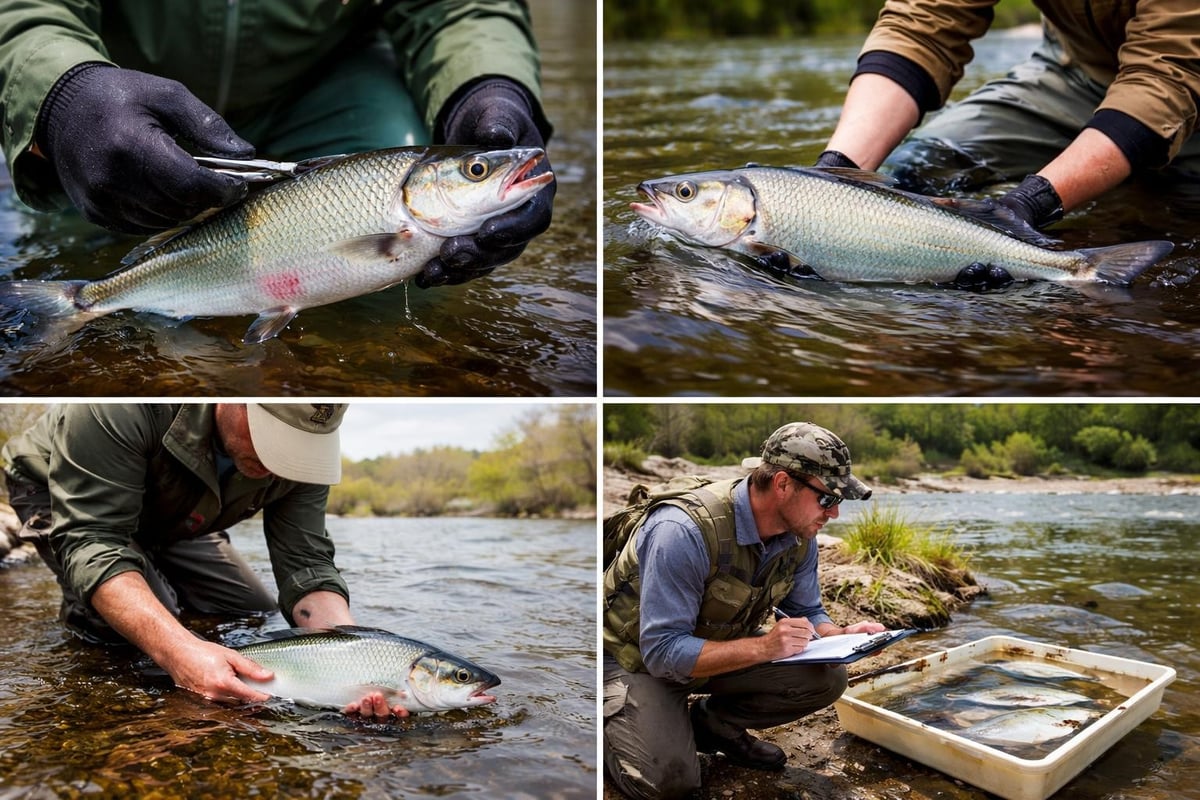
The American shad’s physical characteristics include deeply forked tails and relatively large scales that come off easily when handled. This is worth noting when practicing catch-and-release, as gentle handling helps preserve the protective slime coating and scales these fish need for their return journey to the ocean.
Range and Migration Patterns
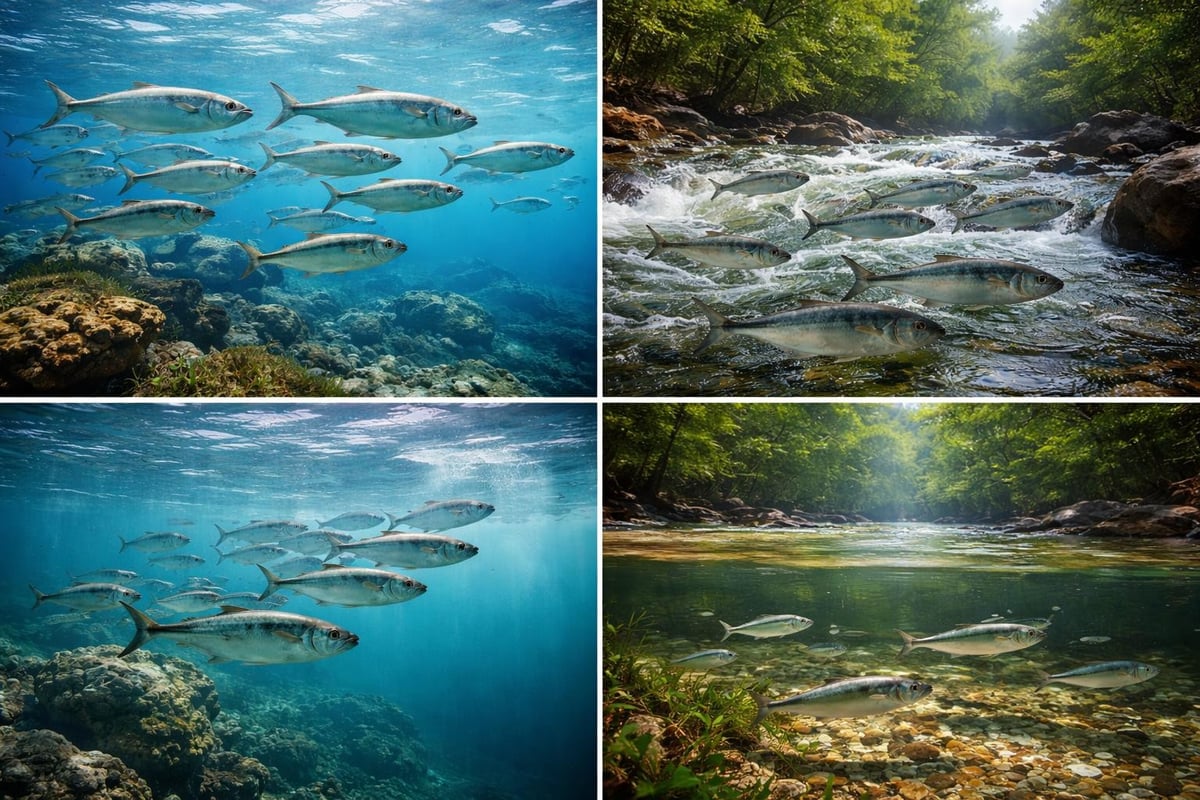
American shad historically ranged from Labrador to Florida along the Atlantic coast, though populations have declined significantly in many regions over the past century. The fish spend most of their lives in saltwater, feeding in the Atlantic Ocean before making their spawning runs into freshwater rivers each spring.
The timing of these runs varies by latitude. Southern rivers like those in Florida and Georgia see shad runs as early as January or February, while northern rivers in New England might not see peak runs until May or early June. This staggered migration means dedicated shad anglers can follow the runs northward throughout spring.
Western Introduction
In an interesting twist, american shad were successfully introduced to the Pacific Coast in the late 1800s. Today, populations thrive along the West Coast, particularly in the Columbia River system and California's Sacramento River. These West Coast populations provide excellent fishing opportunities and have become an important part of the regional angling scene.
Where to Target American Shad
Finding productive shad fishing spots requires understanding where these fish travel during their spawning runs. Rivers with good historical populations remain your best bet, though checking current regulations and population status is essential before planning a trip.
East Coast Hotspots
Atlantic coast rivers from the Carolinas through New England have traditionally supported major shad runs. The Hudson River in New York, Delaware River, Susquehanna River, and Connecticut River all host spring migrations. Further south, rivers flowing into the Chesapeake Bay system offer excellent opportunities when runs are strong.
The Fish and Wildlife Service tracks american shad populations and their recovery efforts, which can help you identify rivers with stable or improving runs. Some rivers have seen population rebounds thanks to improved fish passage around dams and better water quality.
When you're ready to explore specific locations, checking out fishing spots across different states can help you pinpoint access points along major shad rivers. GPS coordinates and access information make planning your trip much easier.
West Coast Opportunities
Pacific coast shad fishing centers on California's rivers, particularly the Sacramento and American rivers. The Columbia River system offers world-class shad fishing, with anglers enjoying consistent action during peak runs. Oregon's Willamette River also sees good numbers when conditions align properly.
West Coast runs typically peak from May through July, giving anglers an extended season compared to many East Coast fisheries. The beauty of these fisheries is that american shad populations on the West Coast aren't native, so regulations sometimes allow more liberal harvest than their Atlantic counterparts.
Tackle and Techniques for Shad
American shad don't feed during their spawning runs, which might seem like a challenge until you understand their aggressive striking behavior. These fish hit lures out of territorial defense and irritation, making the right presentation crucial for success.
Rod and Reel Setup
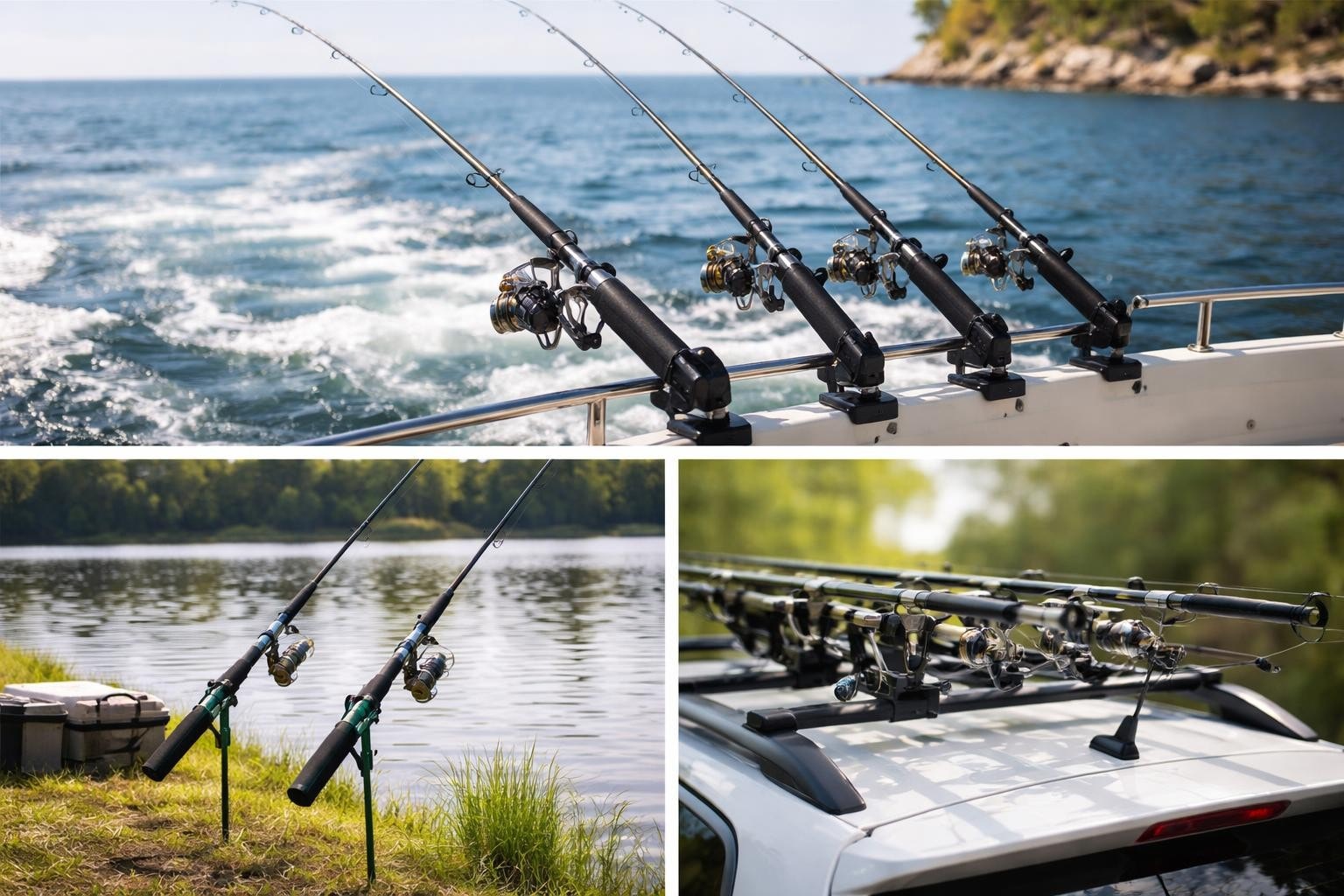
Light to medium-light spinning gear works perfectly for shad fishing. A 6 to 7-foot rod with a sensitive tip helps you detect the sometimes-subtle takes, while providing enough backbone to handle hard-fighting fish in current. Spool your reel with 6 to 10-pound test monofilament or fluorocarbon, which gives you the strength needed while maintaining the finesse required for these wary fish.
Some anglers prefer ultralight setups for maximum sport, especially when fishing smaller rivers or calmer water. The key is matching your tackle to the conditions rather than following rigid rules.
Productive Lures and Rigs
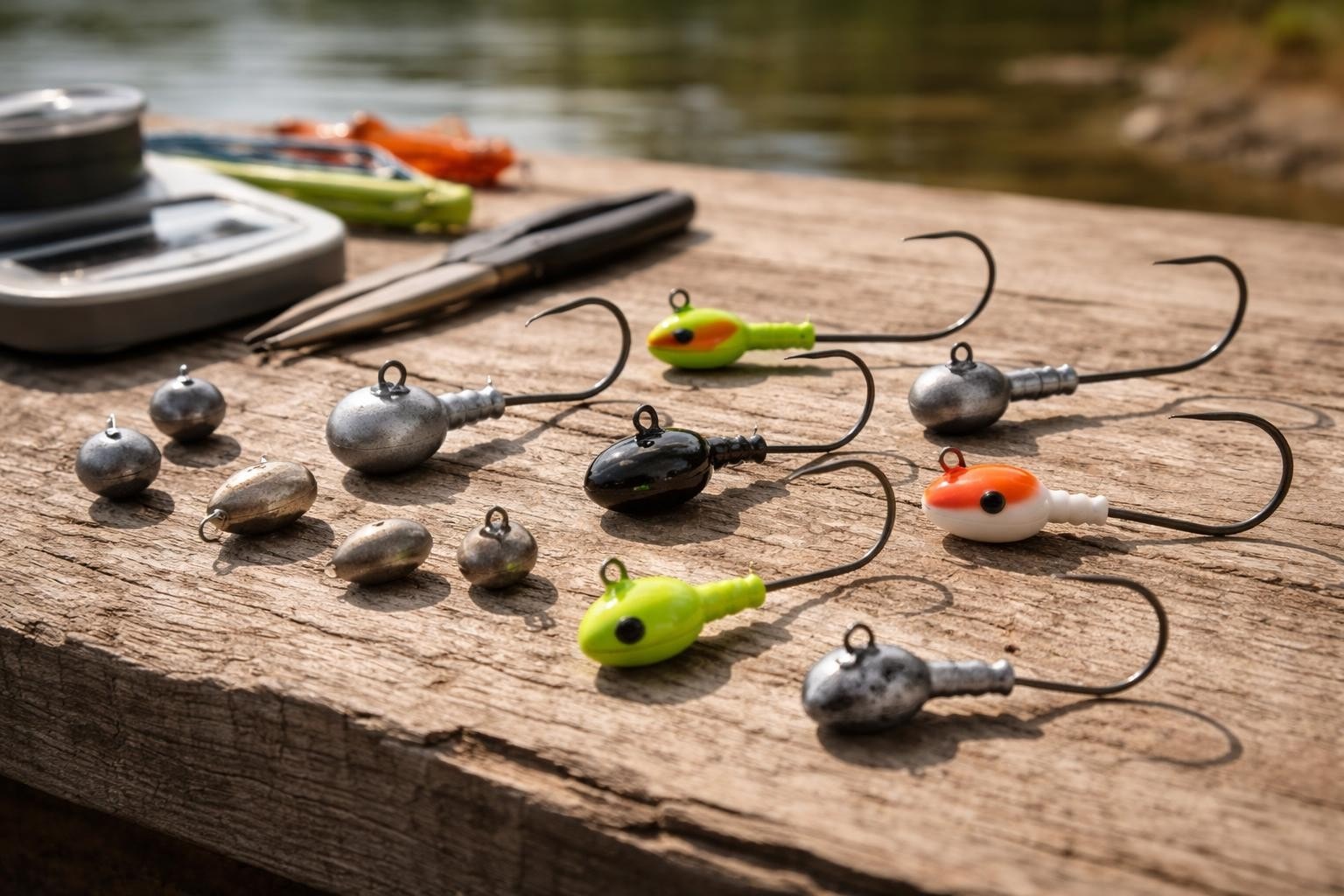
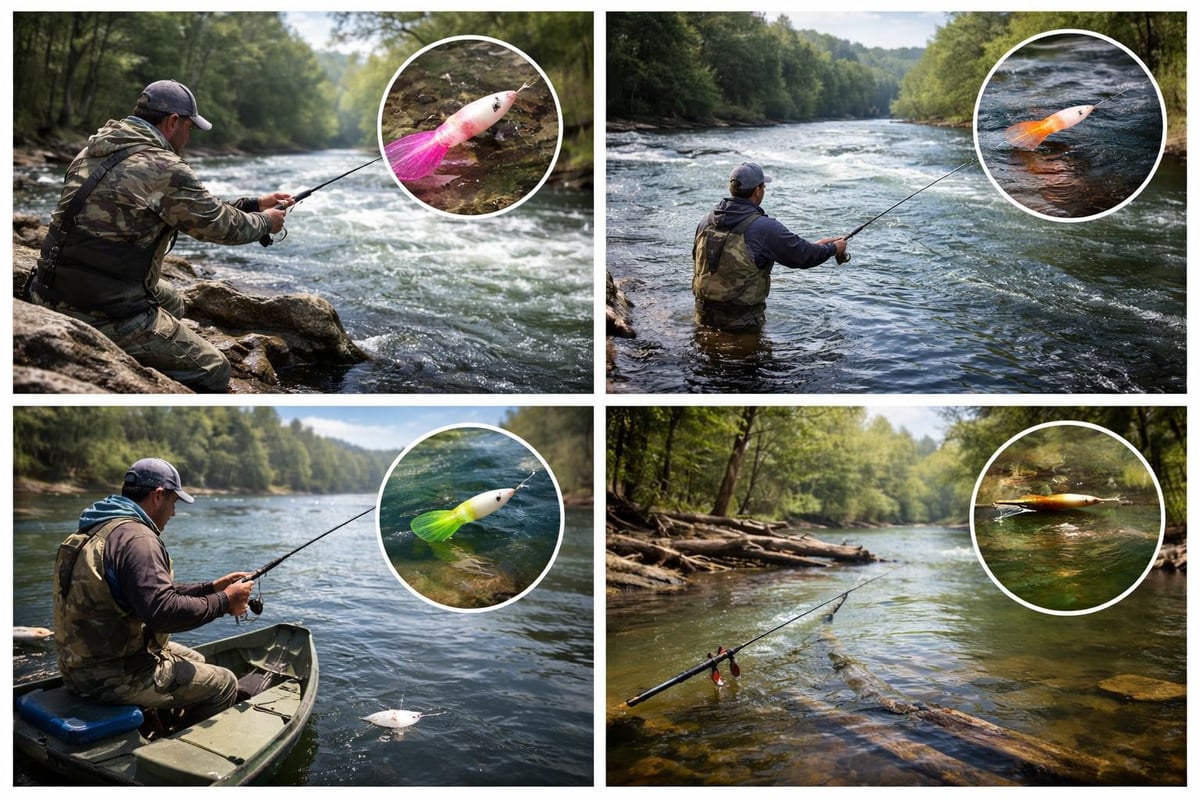
Small, flashy lures trigger strikes from american shad consistently. Shad darts reign supreme in many fisheries, with 1/8 to 1/4-ounce versions in white, chartreuse, pink, and combinations of these colors producing well. These simple jigs feature a tapered body and a small hook, designed specifically for shad fishing.
Other effective options include:
- Small spoons (1/8 to 1/4 ounce) in gold, silver, or chartreuse
- Tiny crankbaits or minnow-style lures
- Spinner-style lures with small blades
- Fly fishing patterns like Clouser Minnows or shad flies for fly anglers
The key is keeping lures small and bright. American shad have relatively small mouths despite their body size, so downsizing your offerings often means more hookups.
Reading Water and Finding Fish
Success with american shad requires understanding where these fish hold during their upstream journey. They tend to rest in slower water adjacent to faster current, conserving energy between pushes upstream. Look for current seams, eddies below obstacles, and deeper pools where fish can pause.
Prime Locations
Popular holding spots include:
- Below dams and other migration barriers
- Deeper channels with moderate current
- Inside bends of rivers where current slows
- Tailouts of pools before riffles
- Areas where tributaries enter the main river
Early morning and late evening often provide the best action, though shad will hit throughout the day when runs are strong. Overcast conditions sometimes trigger more aggressive feeding behavior compared to bright, sunny days.
Presentation Strategies
The classic shad fishing technique involves casting across and slightly upstream, then allowing your lure to swing across the current in an arc. Vary your retrieve speed and add occasional twitches to trigger strikes. Some days shad want a slow, steady swing, while other times an erratic, faster retrieve produces better.
Counting down your lure to different depths helps you locate where fish are holding in the water column. Start by letting your lure sink for 3 seconds, then 5 seconds, then 7 seconds on subsequent casts until you find the productive zone.
Understanding the American Shad Lifecycle
The american shad’s anadromous migration represents one of nature's remarkable journeys. These fish hatch in freshwater rivers, spend several months as juveniles before migrating to the ocean, then spend 3 to 6 years feeding in saltwater before returning to spawn.
Unlike Pacific salmon, american shad don't always die after spawning. Some fish, particularly in southern populations, can return to spawn multiple times over their lifetime. Northern populations more commonly die after their first spawning run, though repeat spawners do occur.
Conservation Considerations
American shad populations have declined significantly from historical levels throughout much of their range. Population assessments and management efforts by the Atlantic States Marine Fisheries Commission track these changes and implement regulations to support recovery.
Many rivers now operate under catch-and-release only regulations or severely restricted harvest limits. Always check current regulations before fishing, as rules change frequently based on population assessments. Supporting conservation through selective harvest and gentle catch-and-release practices helps ensure future generations can enjoy this fishery.
When exploring fishing locations near you, pay attention to whether spots are in rivers with known shad runs and what the current regulations allow.
Seasonal Timing and Planning Your Trip
Success with american shad fishing depends heavily on timing your trips to coincide with peak runs. Water temperature serves as the primary trigger for spawning migrations, with shad typically entering rivers when temperatures reach 50 to 60 degrees Fahrenheit.
Tracking the Runs
Southern rivers see the earliest runs, starting as early as January in Florida waterways and progressing through February and March in Georgia and the Carolinas. Mid-Atlantic rivers typically peak from late March through May, while New England rivers hit their stride from late April through June.
West Coast runs follow a different timeline, with peak action generally occurring from May through July. California's Sacramento River system often produces well into summer when flows and temperatures cooperate.
Local fishing reports, online forums, and state fish and wildlife agencies provide valuable intel on when runs are starting and peaking. Social media groups dedicated to shad fishing in specific regions offer real-time updates from anglers on the water.
Why American Shad Deserve More Attention
Despite their decline in many regions, american shad still offer incredible fishing opportunities where populations remain healthy or are recovering. These hard-fighting fish pull with surprising power, making multiple runs and testing your tackle in ways that belie their relatively modest size.
The seasonal nature of shad fishing adds to the appeal. There's something special about those few weeks each spring when rivers come alive with spawning runs, drawing anglers to the banks for a tradition that stretches back centuries. Early American colonists relied heavily on shad runs for food, and many coastal communities still celebrate the arrival of these fish each year.
Expanding Your Fishing Horizons
If you've never targeted american shad, you're missing out on a unique and exciting fishery. The light tackle, active fishing style, and seasonal timing create fishing opportunities that complement other spring pursuits. Plus, with populations scattered from Florida to Maine and throughout the Pacific Northwest, chances are good you're not too far from shad water.
Whether you prefer saltwater locations where shad first enter river mouths or freshwater spots upstream, understanding these fish opens up new seasonal patterns to explore. The Atlantic States Marine Fisheries Commission continues working on population recovery efforts that should improve fishing opportunities in coming years.
Regulations and Ethics
Before heading out for american shad, thoroughly research current regulations for your target river. Harvest limits, season dates, and even catch-and-release requirements vary significantly between states and even between different rivers within the same state.
Some rivers remain completely closed to shad fishing to protect struggling populations, while others allow limited harvest. Possession of roe (fish eggs) may be prohibited even where some harvest is allowed. Ignorance isn't an excuse when it comes to fishing regulations, so take the time to confirm you're fishing legally.
Beyond regulations, ethical considerations matter when targeting american shad. These fish face numerous challenges including habitat loss, pollution, dam construction, and climate change effects on their ocean environment. Practicing good catch-and-release technique helps ensure spawning success even if you're legally allowed to keep fish.
Quick landing, gentle handling, hook removal in the water when possible, and supporting fish in current until they swim away strongly all improve survival rates. Using barbless hooks makes release easier and less traumatic for the fish.
Getting Started with Shad Fishing
New to american shad fishing? The good news is that getting started doesn't require specialized gear or complicated techniques. Your existing light tackle fishing setup probably works perfectly with minimal adjustments.
Pick up a selection of shad darts in various colors and weights, maybe add a few small spoons or spinners, and you're essentially ready to go. Finding a productive river during the peak run often matters more than having the perfect lure selection.
Talk to local tackle shops near major shad rivers for current reports and advice on what's working. These shops often have the inside track on when runs are starting and which specific colors or techniques are producing best under current conditions.
Don't be afraid to experiment with retrieves, depths, and locations until you figure out the pattern. American shad can be selective on some days and aggressive on others, so persistence pays off. Once you connect with your first fish, you'll understand why this fishery has such devoted followers.
American shad represent a unique opportunity to connect with one of America's most historic fisheries while enjoying exciting spring action on light tackle. Understanding their migration patterns, preferred holding areas, and effective techniques puts you in position for success when these silvery fish make their annual runs. Ready to find shad fishing spots near you? Explore Find Fishing Spots to discover detailed locations with GPS coordinates, access information, and local insights for your next shad fishing adventure.