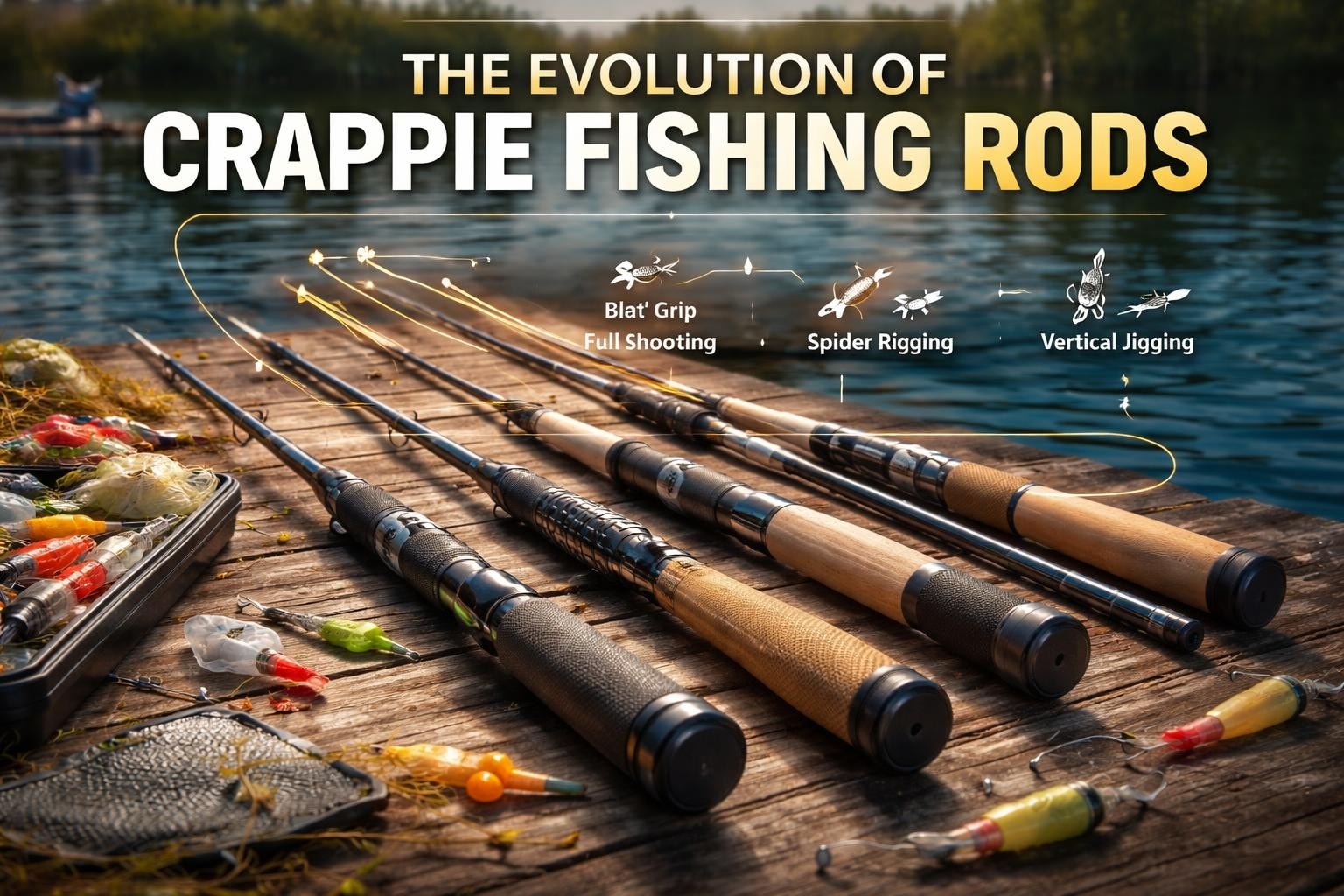
When it comes to targeting America's favorite panfish, having the right equipment makes all the difference between a frustrating day and a cooler full of slabs. ACC Crappie Stix have built a reputation among serious crappie anglers for delivering performance that punches well above their price point. Whether you're fishing bridges in Florida, brush piles in Texas, or docks along the Great Lakes, these rods offer the sensitivity and backbone you need to feel light bites and land trophy fish consistently.
Why Specialized Crappie Rods Matter
Generic spinning rods might seem like they'll do the job, but crappie fishing demands specific characteristics that all-purpose rods just don't deliver.
Sensitivity Is Everything
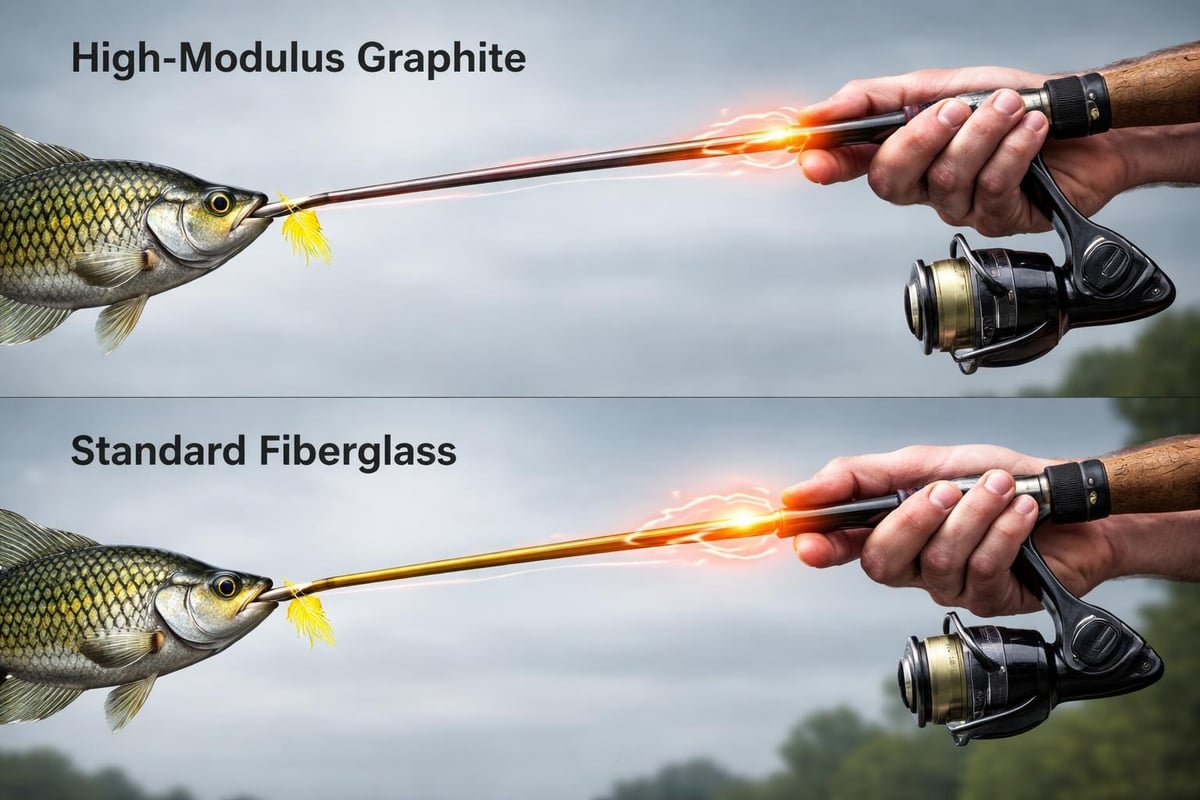
Crappie have notoriously soft bites, especially during cold fronts or in heavily pressured waters. You need a rod that transmits even the slightest tick through your hand. ACC Crappie Stix feature high-modulus graphite blanks designed specifically to detect subtle strikes that would go unnoticed with stiffer, heavier rods.
The difference becomes obvious when you're fishing with small jigs or live minnows. That barely-there "thump" could be a 14-inch slab inhaling your presentation, and if you can't feel it, you've lost your chance.
Length Choices for Different Techniques
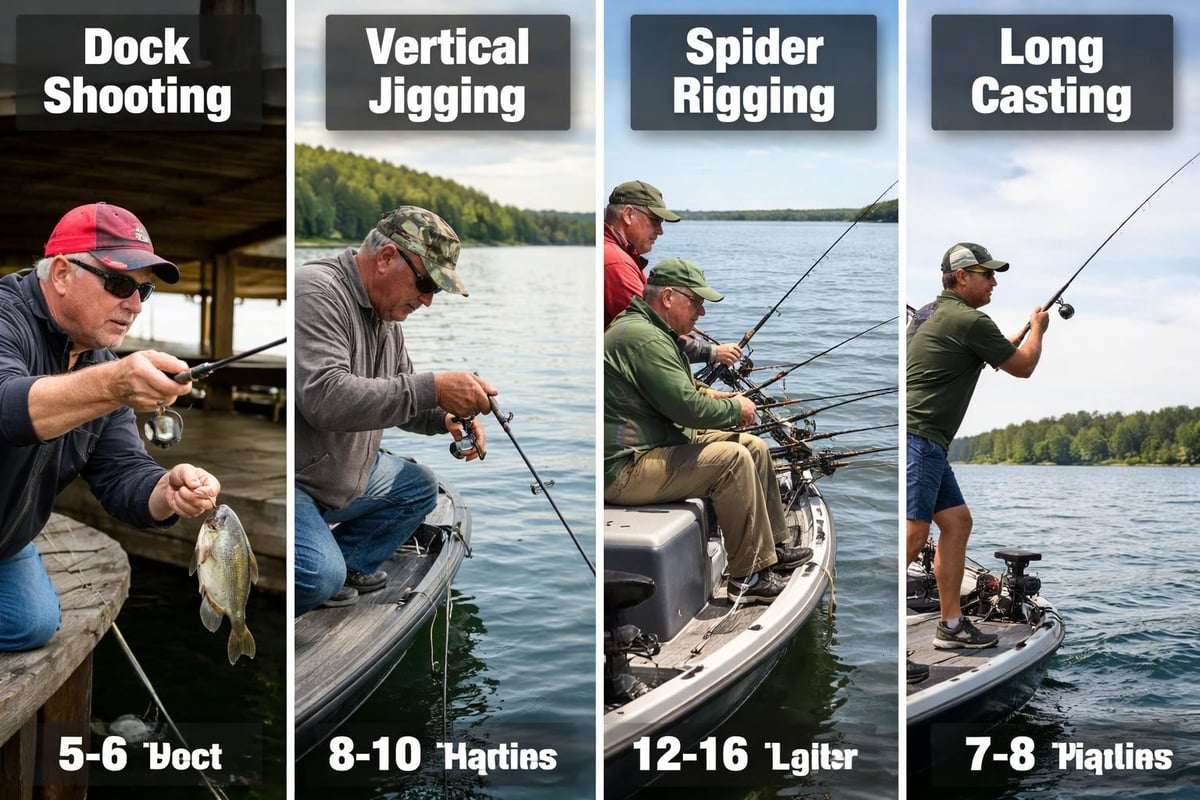
One size definitely doesn't fit all in the crappie world. Your ideal rod length depends entirely on how and where you fish:
- 5-foot models excel in tight quarters like dock shooting and brush pile flipping
- 6 to 7-foot rods handle most general crappie applications from boats or shore
- 8-foot and longer options shine for spider rigging, long-line trolling, and covering water
When you're exploring new fishing locations across different states, having multiple rod lengths lets you adapt to whatever conditions you encounter.
Breaking Down the ACC Crappie Stix Lineup
The ACC Crappie Stix website offers several distinct models, each engineered for specific presentations and fishing styles.
Dock Shooting Specialists
If you've ever tried skipping a jig under a dock with a 7-foot rod, you know the struggle. That's where dedicated dock shooting rods change the game completely.
The 5-foot dock shooting models feature fast tapers and medium power that load easily on short casts. ACC’s dock shooting spinning rod gives you the control needed to skip jigs into dark shadows where big crappie hide during bright days.
These shorter rods also shine when fishing from kayaks or small boats where space is limited. The compact length prevents constant tangles with your partner's line while maintaining enough backbone to handle 2-pound crappie in heavy cover.
The Versatile Mid-Length Options
For anglers who want one rod that handles multiple situations, the 6 to 7-foot range represents the sweet spot. These rods work equally well for:
- Casting small crappie jigs to visible structure
- Vertical jigging over brush piles
- Spider rigging with multiple rods
- Live minnow fishing under slip bobbers
The 7’6″ two-piece spinning rod has become incredibly popular because it breaks down for easy transport while maintaining the performance of a one-piece design. Split-grip handles reduce overall weight and provide better balance when fighting fish.
Long Rods for Covering Water
When crappie spread out over big flats or suspend in open water, longer rods give you serious advantages. The 8-foot two-piece model allows you to:
- Manage multiple lines when spider rigging without tangles
- Achieve greater casting distance to reach offshore structure
- Maintain better hook sets on long-line trolling setups
- Keep lines separated when fishing with a partner
These rods particularly shine on reservoirs and large natural lakes where crappie roam vast areas throughout the seasons.
Matching Rod Action to Your Fishing Style
Understanding rod action helps you choose the right ACC Crappie Stix model for your primary techniques.
Fast Action Benefits
Fast action rods bend primarily in the upper third of the blank. This design offers:
- Quick hook sets that drive hooks home before crappie spit the bait
- Enhanced sensitivity for detecting light bites in deep water
- Better accuracy when casting to precise targets like dock posts
- Improved jig control during vertical presentations
Most ACC Crappie Stix utilize medium-fast actions that balance sensitivity with forgiveness. You'll feel everything happening down below without ripping hooks from soft crappie mouths on aggressive hook sets.
When Moderate Actions Excel
Lighter, more moderate actions shine in specific situations that many crappie anglers encounter regularly. These softer rods:
- Load easier on short casts with ultralight jigs
- Reduce lost fish when using light line and small hooks
- Handle live minnow fishing where crappie need time to fully inhale the bait
- Work better with slower retrieves and finesse presentations
The key is matching your rod's action to both your technique and the typical size of crappie in your local waters. When fishing freshwater spots known for giant slabs, you might prefer slightly stiffer actions.
Construction Quality That Lasts
Affordable doesn't mean cheap when it comes to acc crappie stix construction.
Blank Technology
High-grade graphite construction provides the strength-to-weight ratio serious crappie anglers demand. These blanks resist the constant flexing that comes from setting hooks on dozens of fish during hot bites.
The material composition balances enough stiffness to move jigs precisely while maintaining the flexibility to absorb head shakes from fighting fish. You won't see the tip breakage that plagues bargain-bin rods after a season of hard use.
Guide Systems and Hardware
Quality guides matter more than many anglers realize. ACC Crappie Stix feature:
- Stainless steel guides that resist corrosion in both fresh and saltwater environments
- Properly spaced guide trains that prevent line slap and maximize casting distance
- Durable reel seats that keep your reel locked in place during long days on the water
- Comfortable grips using EVA or cork that won't slip when wet
These components might seem minor until you're on your fiftieth fish of the day and your reel starts spinning loose or your wet hands can't maintain grip.
Rigging Your ACC Crappie Stix Setup
Having a great rod means nothing if you don't pair it with appropriate line, reels, and terminal tackle.
Reel Selection Guidelines
Match your reel size to your rod length and target presentation. Here's what works:
For 5 to 6-foot rods: Use 500 to 1000 size spinning reels that balance light rods without creating tip-heavy setups.
For 7 to 8-foot rods: Step up to 1000 to 2000 size reels that hold sufficient line for longer casts while maintaining smooth drags.
Look for reels with quality drag systems. Crappie might not be giant, but trophy fish make powerful runs that cheap drags can't handle smoothly.
Line Choices for Different Situations
Your line selection dramatically impacts how well your acc crappie stix perform:
- 4 to 6-pound monofilament works great for general fishing with some stretch to prevent hook pulls
- 6 to 8-pound fluorocarbon provides invisibility in clear water while maintaining sensitivity
- 10-pound braided mainline with fluorocarbon leaders gives you the best of both worlds
When fishing around heavy brush or bridge pilings, don't be afraid to bump up line strength. Landing fish matters more than ultra-finesse presentations in snaggy cover.
Techniques That Shine With These Rods
Once you've got your acc crappie stix properly rigged, these proven techniques will help you catch more fish.
Vertical Jigging Mastery
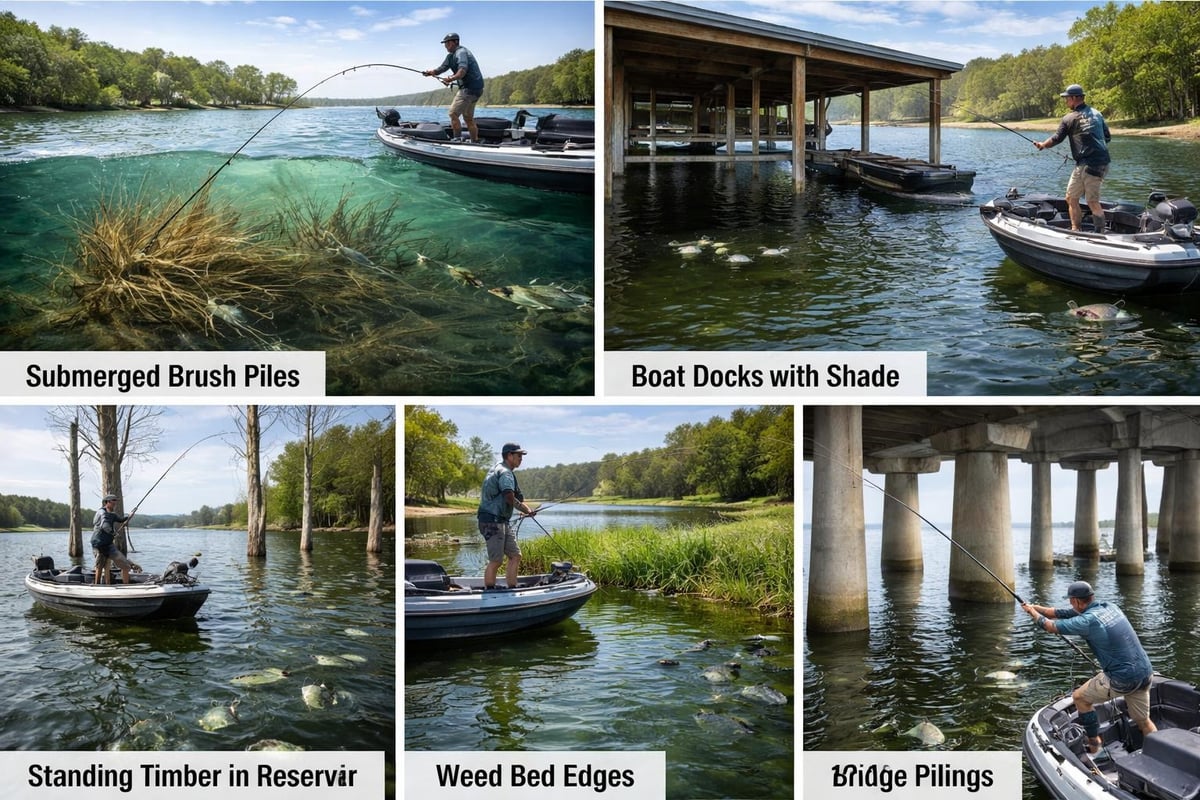
When crappie hold tight to specific structure, vertical jigging lets you keep your bait in the strike zone constantly. Position your boat directly over brush piles, standing timber, or bridge pilings.
Drop your jig straight down and work it with subtle lifts and falls. The sensitivity of ACC rods lets you feel exactly when your jig contacts structure versus when a crappie inhales it. This distinction is crucial for avoiding snags while maximizing hookups.
Spider Rigging Strategies
Spider rigging involves deploying multiple rods from rod holders around your boat while slow-trolling. This technique covers water efficiently and helps locate scattered fish.
Longer ACC Crappie Stix spread lines out to prevent tangles. Set your rods at different depths and with various jig colors to determine what pattern fish prefer. When one rod starts getting consistent bites, adjust the others to match that setup.
Casting to Visible Structure
Sometimes you can see exactly where crappie hide, like under boat docks, along weed edges, or near visible brush. Accurate casting becomes essential.
The balanced design of these specialized crappie rods allows pinpoint presentations without fatigue. Make repeated casts to prime spots, working different depths and retrieves until you figure out what triggers strikes.
Seasonal Considerations
Crappie behavior changes dramatically with water temperature, requiring technique adjustments throughout the year.
Spring Shallow Water Patterns
When water temperatures climb into the 55 to 65-degree range, crappie move shallow to spawn. This is prime time for shorter rods and precise presentations around spawning cover.
Target shallow flats, coves, and creek channels where crappie stage before moving onto beds. A 5-foot ACC model excels in these situations, allowing quiet approaches and accurate casts to bedding fish.
Summer Deep Water Tactics
As summer heat pushes crappie deep, longer rods and heavier jigs become necessary. Fish suspend along creek channels, deep brush, and main lake points.
Spider rigging with 8-foot rods lets you efficiently search different depths until you locate schools. Once you find them, vertical jigging keeps your presentation in the strike zone.
Fall Transition Periods
Fall brings cooling water and aggressive feeding as crappie prepare for winter. They often school in huge numbers around specific structure.
This is when having multiple ACC Crappie Stix rigged differently pays off. Keep rods set up for both shallow and deep presentations, allowing quick adjustments as you follow moving schools throughout the day.
Winter Slow-Bite Strategies
Cold water makes crappie lethargic and extremely light-biters. Ultra-sensitive rods become absolutely critical during winter months.
Downsize to lighter jigs and slower presentations. The graphite construction in acc crappie stix transmits even the softest winter bites that you'd never feel with heavier rods. Patience and sensitivity win during these tough conditions.
Maintenance Tips for Longevity
Quality rods deserve proper care to maintain peak performance season after season.
After Every Trip
Rinse your rods with fresh water, especially if you've been fishing saltwater locations where salt can corrode guides and reel seats. Wipe down grips to remove fish slime and sunscreen residue.
Check guides for cracks or grooves that can fray your line. Damaged guides should be replaced immediately to prevent costly line breaks during fights with trophy fish.
Storage Best Practices
Store rods vertically or in protective tubes to prevent warping. Never leave rods in hot cars where extreme temperatures can damage epoxy bonds and weaken blanks.
For two-piece models, keep ferrules clean and check occasionally that sections fit together snugly. Loose ferrules can cause poor performance and eventual failure during casting or hook sets.
Dealing With Damage
Minor guide damage can often be repaired at home with replacement guides and basic tools. Tip repairs require more skill but are manageable with proper supplies.
However, major blank damage usually means replacement rather than repair. The good news is ACC Crappie Stix remain affordable enough that replacing a broken rod won't devastate your fishing budget.
Comparing Value Across Price Points
Understanding where ACC Crappie Stix fit in the market helps you make informed purchasing decisions.
Budget Rod Limitations
True budget rods under thirty dollars rarely deliver the sensitivity and durability serious crappie fishing demands. These rods use lower-grade materials that feel dead in your hand and break under normal fishing stress.
You'll spend more time frustrated by missed bites and broken tips than you'll save on the initial purchase. Cheap rods cost more in the long run.
Mid-Range Sweet Spot
ACC Crappie Stix occupy the mid-range category where performance meets affordability. You get features and construction quality that used to require spending twice as much.
This price point works perfectly for anglers who fish regularly enough to appreciate quality equipment but don't need the absolute highest-end materials and craftsmanship.
Premium Rod Territory
Elite crappie rods costing hundreds of dollars do offer advantages in weight reduction and ultimate sensitivity. However, the performance gap between these premium options and quality mid-range rods like ACC has narrowed considerably.
Most anglers will catch just as many fish with properly selected acc crappie stix as they would with rods costing three times more. Spend the savings on more fishing trips or exploring new locations instead.
Building Your Rod Arsenal
Rather than buying one expensive rod, consider building a versatile collection of acc crappie stix for different situations.
The Three-Rod Strategy
For comprehensive coverage of most crappie fishing scenarios, start with:
- A 5 to 6-foot model for docks, brush, and tight-quarters fishing
- A 7 to 7.5-foot rod for general casting and jigging applications
- An 8-foot option for spider rigging and covering open water
This approach costs less than one premium rod while giving you proper tools for any situation you encounter.
Technique-Specific Additions
As you develop preferences for certain techniques, add specialized rods to your collection. Dedicated dock shooting rods, long-line trolling models, or ultra-light jigging sticks each enhance specific presentations.
Having the right tool for each job increases both your catch rates and fishing enjoyment. There's real satisfaction in using equipment perfectly matched to the technique and conditions.
Regional Fishing Considerations
Crappie fishing varies significantly across different regions of the United States, and your rod choices should reflect local conditions.
Southern Reservoirs
In states like Texas, Oklahoma, and Arkansas, brush pile fishing dominates. Medium-power rods with fast actions excel at pulling fish from heavy cover before they tangle your line.
The warmer climate also means year-round fishing opportunities. Having multiple ACC Crappie Stix already rigged saves time when hot bites require quick adjustments between techniques.
Northern Natural Lakes
Great Lakes states and regions like New York feature clearer water and more structure variety. Crappie often roam more, requiring versatile rods that handle both casting and vertical presentations.
Longer rods help manage wind, which can be brutal on big northern waters. The extra length also assists with boat control during windy conditions.
Gulf Coast Fisheries
Southern coastal areas offer brackish water crappie fishing that many anglers overlook. These fish grow large and fight harder in saltier water.
Corrosion-resistant components become essential. ACC Crappie Stix hold up well in these environments when properly rinsed after each trip. The same rods that catch crappie also work for speckled trout and other inshore species.
Whether you're dock shooting, spider rigging, or vertical jigging, having the right rod makes crappie fishing more productive and enjoyable. ACC Crappie Stix deliver the sensitivity, durability, and versatility you need without breaking the bank. Once you've got your gear dialed in, the next step is finding those productive honey holes where big slabs congregate. Find Fishing Spots helps you discover crappie fishing locations across the country with GPS coordinates, access details, and insights from fellow anglers, so you can spend less time searching and more time catching.