If you've spent any time chasing offshore gamefish, you've probably heard anglers raving about ballyhoo. These slender, silver baitfish have earned legendary status in the saltwater fishing world, and for good reason. Using ballyhoo as bait consistently produces strikes from some of the ocean's most prized species, including marlin, sailfish, wahoo, and mahi-mahi. Whether you're trolling the Gulf Stream or prospecting along coastal drop-offs, understanding how to properly rig and present these baits can make the difference between a slow day and a memorable trip.
Why Ballyhoo Works So Well
Ballyhoo as bait has become the gold standard for offshore trolling because these fish naturally occur in the diet of nearly every pelagic predator. Their streamlined shape and reflective scales create an irresistible profile when trolled at the right speed.
Key advantages include:
- Natural swimming action that mimics fleeing prey
- Durability when properly rigged and preserved
- Versatility across different trolling speeds
- Availability year-round through bait suppliers
- Cost-effectiveness compared to live bait operations
The baitfish themselves belong to the halfbeak family and naturally school in warm offshore waters. Gamefish recognize them instantly, which is why a well-presented ballyhoo often outperforms artificial lures. When you're exploring saltwater fishing locations along the coast, having a supply of ballyhoo in your cooler gives you a proven option that works in various conditions.
Selecting and Preserving Your Bait
Fresh ballyhoo as bait delivers the best results, but properly frozen baits run a close second when handled correctly. Most tackle shops sell vacuum-sealed packs that maintain quality for months in your freezer.
Choosing Quality Baits
Look for ballyhoo with bright, clear eyes and firm flesh. Avoid baits with broken bills or damaged skin, as these won't swim properly when trolled. Size matters too-smaller baits (around 8 inches) work well for dolphin and sailfish, while larger specimens (12+ inches) attract marlin and big wahoo.
Proper preservation techniques significantly extend bait life and improve performance. Brining your ballyhoo in a saltwater solution helps toughen the skin and maintain color. Some anglers swear by commercial products that brighten the natural hues and add firmness for extended trolling sessions.
Thawing and Prep
Never rush the thawing process. Pull baits from the freezer the night before and let them defrost slowly in your refrigerator. Quick thawing in warm water creates mushy flesh that tears easily during rigging. Once thawed, keep baits on ice and handle them gently to preserve their natural shape.
Rigging Techniques That Produce
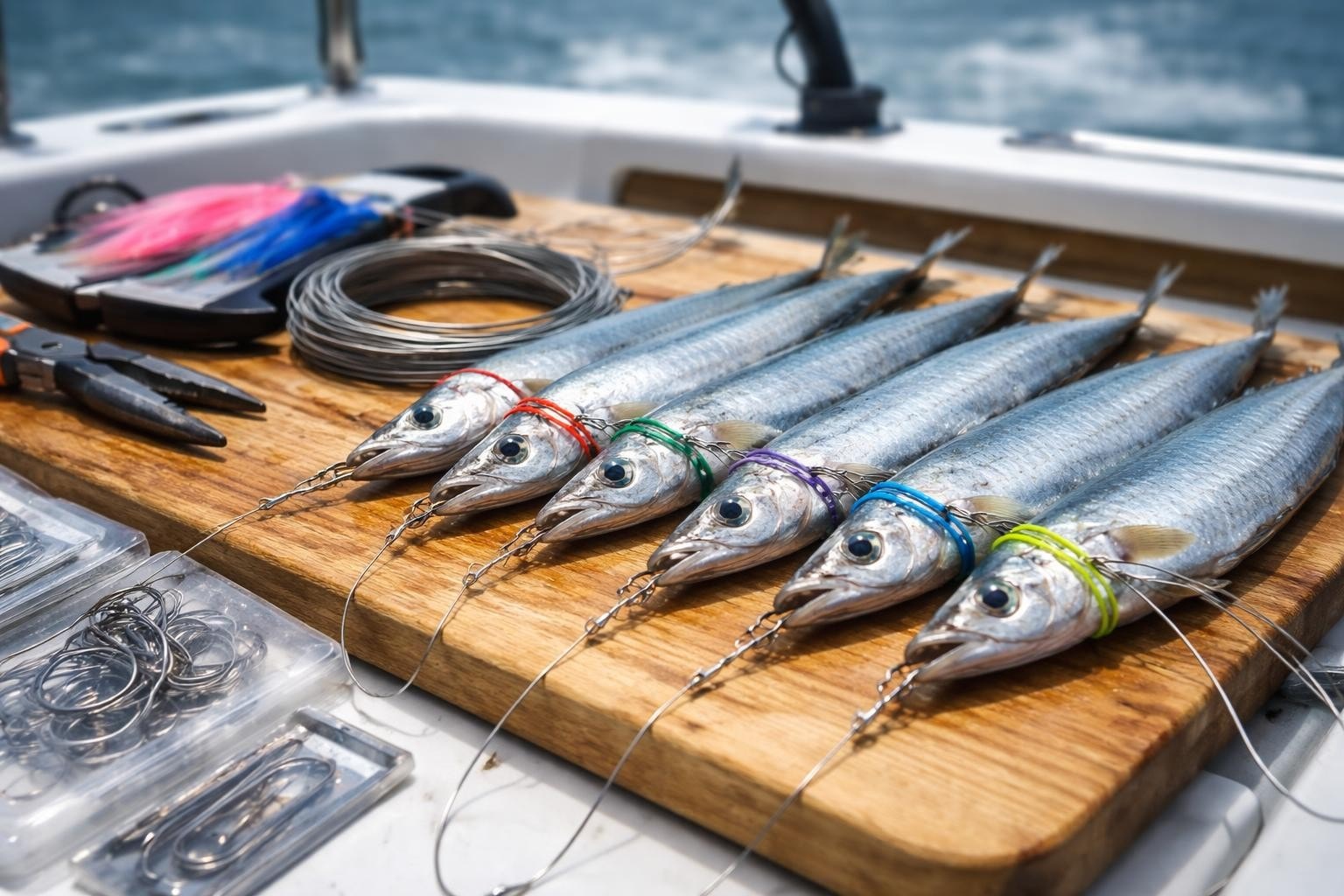
Rigging ballyhoo as bait properly separates experienced offshore anglers from beginners. The basic principle involves securing a hook through the bait's body while maintaining a natural swimming position.
Traditional rigging steps:
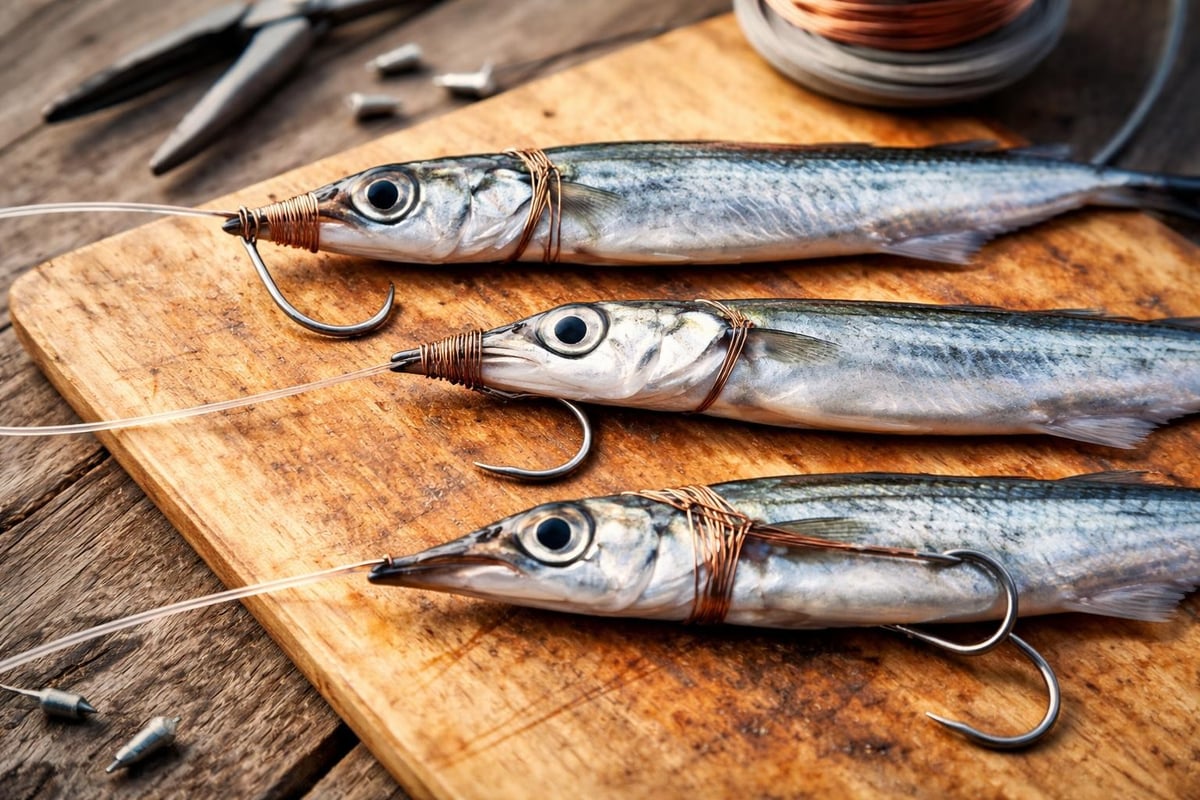
- Insert the hook through the lower jaw and out the gill plate
- Position the hook bend at mid-body
- Secure with copper wire wrapped around the bill and head
- Add a chin weight if needed for deeper running depth
- Trim the pectoral fins to reduce spin
Circle hook rigging methods have gained popularity for their conservation benefits and higher hookup percentages. These rigs position the hook differently, allowing fish to hook themselves in the corner of the mouth rather than deep in the gut. This approach works particularly well when targeting billfish species.
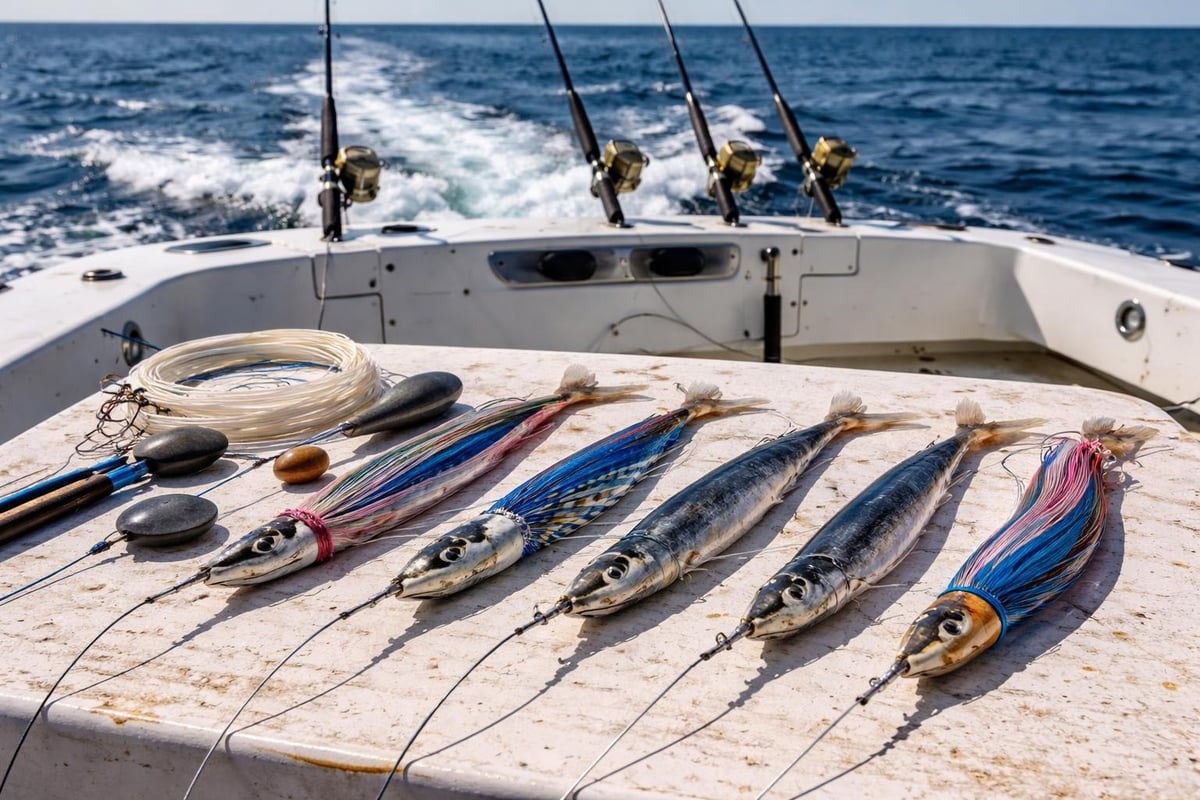
For anglers targeting specific presentations, various ballyhoo rigging techniques offer specialized approaches. The swimming ballyhoo rig creates maximum action at slower speeds, while the jet head combination produces a smoking trail that attracts aggressive strikes.
Trolling Strategies and Speed
Speed control makes or breaks your success when using ballyhoo as bait. Most species respond best to trolling speeds between 6 and 9 knots, though you'll adjust based on sea conditions and target species.
Watch your baits constantly during the first few minutes after deploying. They should swim naturally without spinning or skipping excessively. A properly rigged ballyhoo tracks straight with a slight wobble, creating flashes that trigger strikes from cruising gamefish.
Ideal trolling speeds by species:
- Sailfish: 6-7 knots
- Mahi-mahi: 7-8 knots
- Wahoo: 8-10 knots
- Marlin: 7-9 knots
Stagger your baits at different distances to cover more water and create a natural spread. Position one or two baits in the prop wash close to the boat, then extend others progressively farther back. This presentation simulates a small school of baitfish and often triggers competitive strikes.
Advanced Modifications and Tactics
Experienced captains often modify ballyhoo as bait to match specific conditions or imitate particular prey. Adding Mylar wings creates a flying fish impression that mahi-mahi find irresistible, especially during spring migrations when flying fish are abundant.
Combining with Lures
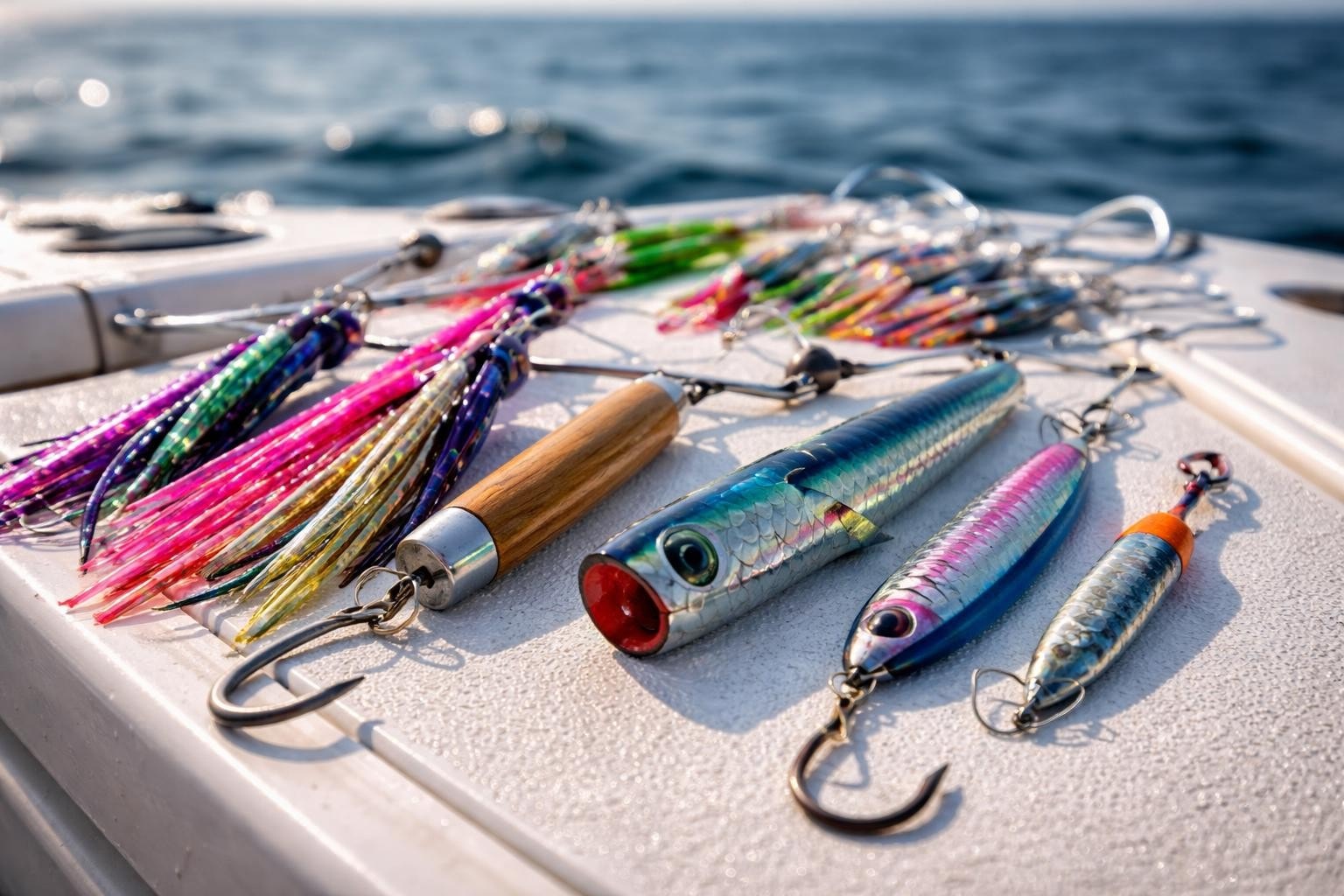
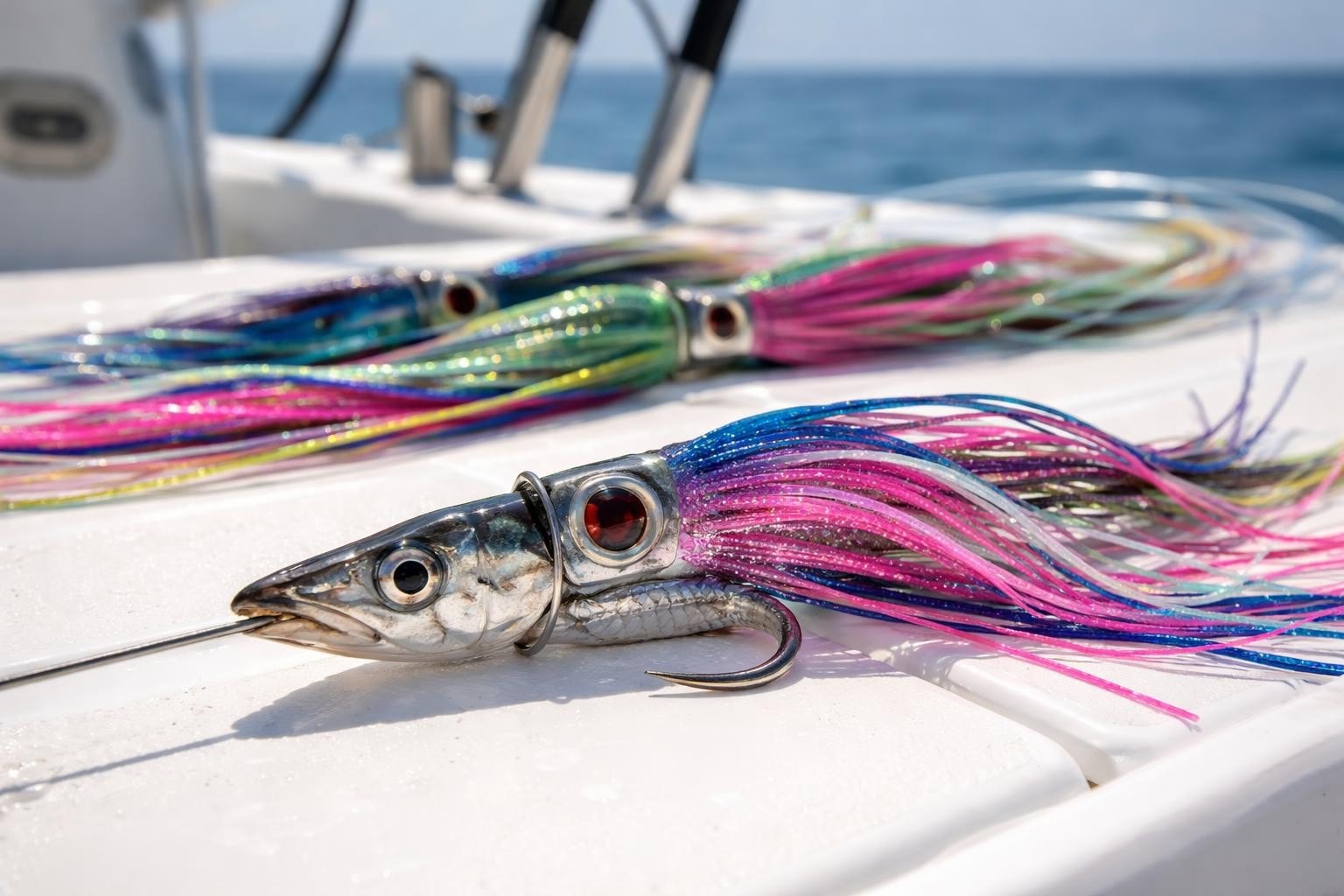
Skirted trolling lures paired with ballyhoo create deadly combinations. The lure provides flash and vibration while the natural bait adds scent and realistic texture. This hybrid approach consistently outproduces either option used alone.
Some situations call for bottom presentations rather than trolling. Rigging ballyhoo plugs for vertical jigging or live-lining targets grouper, snapper, and other structure-dwelling species that wouldn't normally encounter a trolled bait.
Regulations and Sustainable Practices
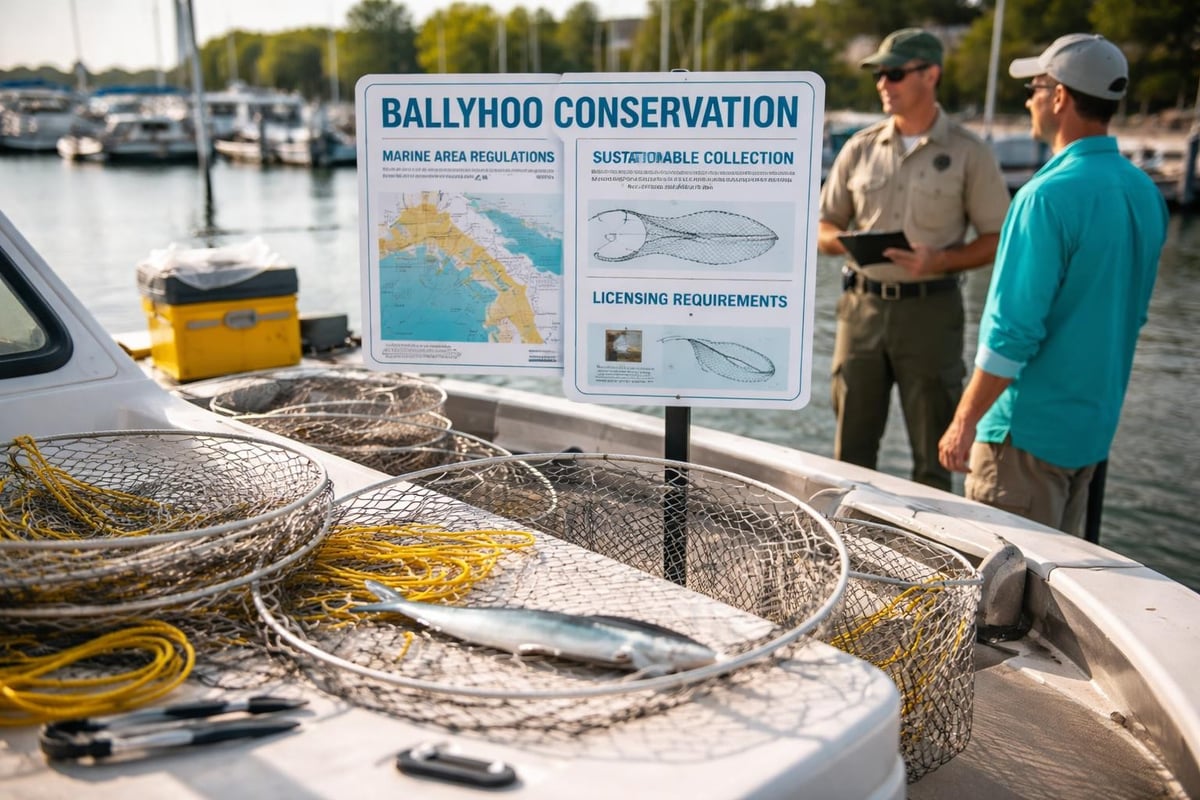
Before collecting your own ballyhoo, check local regulations carefully. Baitfish harvesting in protected areas often requires special permits, and certain zones prohibit collection entirely to protect marine ecosystems.
Hoop nets provide an effective collection method that minimizes injury to captured baitfish. These nets allow you to keep ballyhoo alive in livewells for immediate use or controlled preservation. The technique works especially well during new moon periods when ballyhoo school in predictable locations near coastal lights.
When planning your next offshore adventure, consider the variety of fishing spots available along your coastline. Different locations offer varying access to ballyhoo schools and the gamefish that feed on them.
Mastering ballyhoo as bait opens up consistent success on offshore species that other anglers struggle to catch regularly. The techniques covered here-from proper preservation and rigging to trolling strategies-give you the foundation for productive days on the water. When you're ready to put these skills into practice, Find Fishing Spots helps you discover productive offshore locations complete with GPS coordinates, access information, and local insights that make trip planning simple. Whether you're launching from a familiar marina or exploring new waters, having reliable location data ensures you spend more time fishing and less time searching.