If you're looking to add some excitement to your fishing trips, targeting cobia fish might be exactly what you need. These powerful, hard-fighting fish have earned a reputation among anglers as one of the most rewarding catches along the Atlantic and Gulf coasts. Whether you're an experienced angler or just getting into saltwater fishing, understanding what makes cobia special can help you plan more successful outings and find the right spots to pursue this prized species.
What Makes Cobia Fish Unique
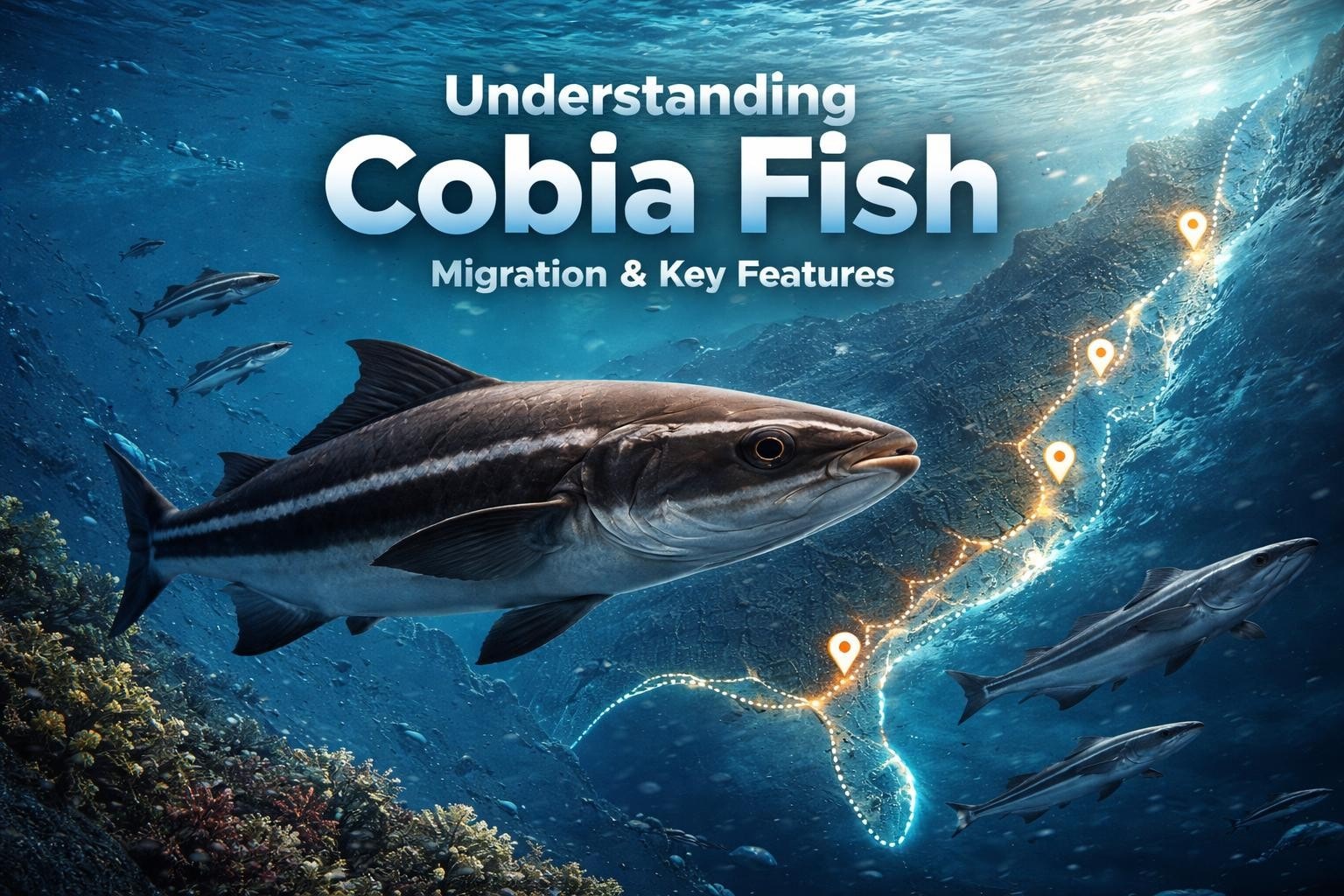
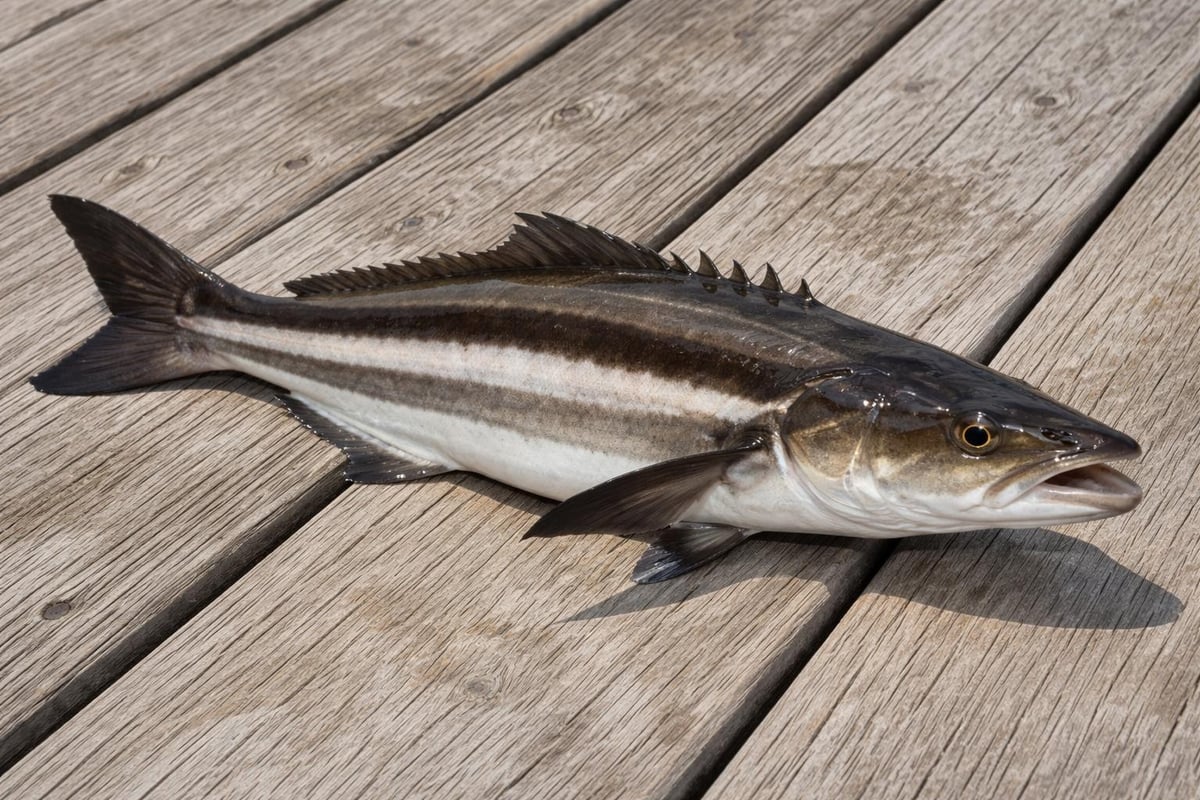
The cobia fish stands out from other species in several ways, starting with its distinctive appearance and impressive size. These fish sport a sleek, torpedo-shaped body built for speed and power, with a broad, flattened head that gives them an almost shark-like profile. Their coloring ranges from dark brown to bronze on top, fading to white or cream on the belly, with a prominent dark lateral stripe running from their eye to tail.
Physical characteristics that distinguish cobia include:
- Adults commonly reach 30 to 50 pounds, with trophy specimens exceeding 100 pounds
- Long, streamlined bodies that can grow up to six feet in length
- A lower jaw that extends beyond the upper jaw, creating an underbite
- Eight to nine short dorsal spines that aren't connected by a membrane
- Powerful tail fins that provide explosive bursts of speed
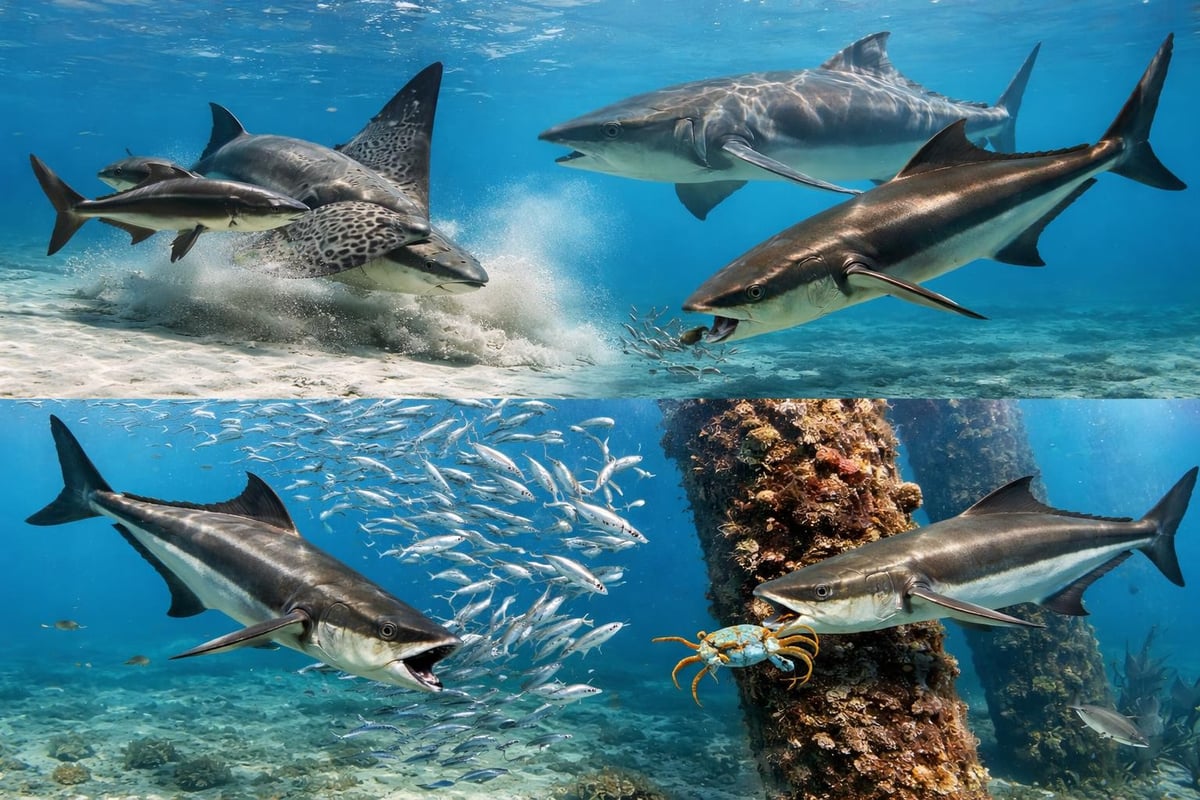
What really sets cobia fish apart is their solitary nature. Unlike many game fish that travel in large schools, cobia often swim alone or in small groups. This behavior, combined with their tendency to follow larger marine animals like rays and sharks, makes spotting them both challenging and exciting. Cobia are fascinating creatures with unique behavioral patterns that make them stand out in the marine ecosystem.
Distribution and Habitat Preferences
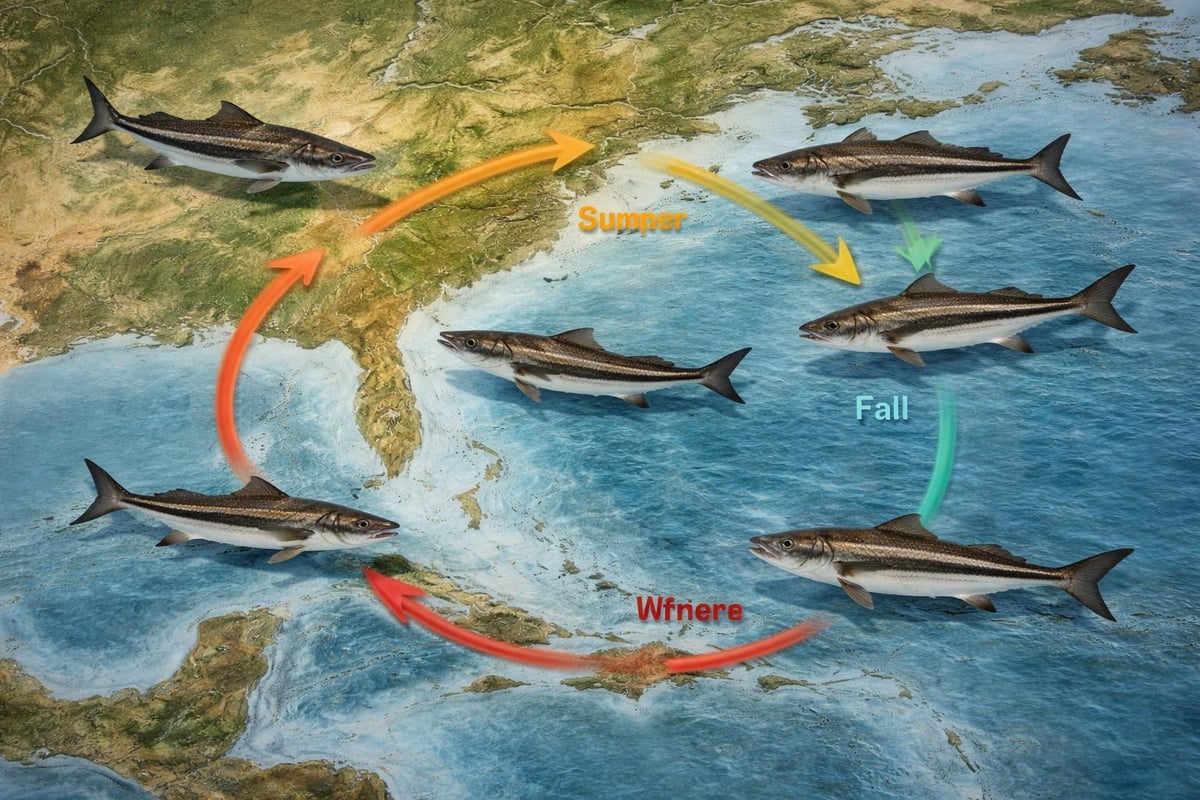
Cobia fish inhabit warm waters along both U.S. coasts, with their range extending from Massachusetts down to Argentina in the Atlantic, and throughout the Gulf of Mexico. They're highly migratory, following seasonal patterns that bring them close to shore during warmer months and send them to deeper waters when temperatures drop.
During peak season, you'll find cobia fish cruising near the surface in coastal waters, around structures, and near navigation markers. They particularly love hanging around:
- Offshore wrecks and artificial reefs
- Natural rock formations and ledges
- Channel markers and buoys
- Nearshore structures like bridges and piers
- Areas with strong tidal flow
The Virginia Institute of Marine Science has extensively documented how cobia utilize different habitats throughout their life cycle. Young cobia tend to stay in estuaries and shallow coastal waters, while larger adults venture farther offshore but return to coastal areas for spawning.
When and Where to Target Cobia
Timing plays a crucial role in successful cobia fishing. These fish follow predictable migration patterns that vary by region, making seasonal knowledge essential for anyone serious about catching them.
Seasonal Migration Patterns
Spring Migration (March through May):
In the Gulf of Mexico, cobia fish begin their northward migration as water temperatures climb above 68 degrees. This is prime time along the Florida Panhandle, Alabama, and Louisiana coasts. Atlantic coast anglers see similar patterns, with cobia appearing off Georgia and the Carolinas in April and May.
Summer Peak (June through August):
Summer brings cobia to their northernmost range. Virginia, Maryland, and even New Jersey waters see good numbers during these months. The fish spread out more during this period, utilizing a wider range of habitats from nearshore structures to offshore areas.
Fall Return (September through November):
As temperatures cool, cobia fish reverse their migration, heading back south. This creates excellent fishing opportunities as the fish concentrate along their migration routes. Gulf Coast states see increased activity during fall months.
Winter Holding (December through February):
Cobia spend winter in southern waters, particularly South Florida and the Keys, where temperatures remain warm year-round. Winter fishing can be productive in these areas, though fish are generally deeper and less active.
Proven Techniques for Catching Cobia
Success with cobia fish requires understanding their feeding behavior and preferences. These opportunistic predators eat a varied diet of crabs, squid, and smaller fish, making them receptive to multiple fishing approaches.
Sight Fishing Methods
Many anglers consider sight fishing the most exciting way to catch cobia fish. This technique involves scanning the water surface for cruising fish, often spotted by their distinctive dorsal fin cutting through the water. When you spot a cobia, position your boat ahead of its path and present your offering before the fish passes.
Key sight fishing tactics:
- Use polarized sunglasses to reduce glare and spot fish more easily
- Position yourself on an elevated platform for better visibility
- Keep movements slow and quiet to avoid spooking fish
- Have rods rigged and ready before you spot fish
- Cast well ahead of moving cobia to intercept their path
Live bait works exceptionally well for sight fishing cobia. Fresh eels, pinfish, or large menhaden presented on a circle hook produce aggressive strikes. Some anglers prefer artificial lures like large jigs or soft plastics in natural colors, which allow for repeated casts when fish are hesitant.
Structure Fishing Approaches
When cobia fish aren't visible on the surface, targeting structures produces consistent results. Navigation markers, buoys, and offshore wrecks all attract cobia looking for feeding opportunities. The Louisiana Department of Wildlife and Fisheries provides valuable insights into how cobia utilize various structures throughout their range.
Vertical jigging around deep structures works well, especially when fish are holding deeper. Drop a heavy jig or live bait to the bottom, then work it up through the water column with sharp jerks and long pauses. Cobia often strike during the pause, so maintain tension on your line to detect subtle bites.
Trolling past structures with large diving plugs or rigged baits covers water efficiently. This method helps locate active fish and works well when conditions make sight fishing difficult. Keep your speed moderate, around 4-6 knots, and position lures at varying depths.
Understanding Cobia Behavior and Biology
The feeding habits of cobia fish reflect their opportunistic nature. These fish aren't particularly picky eaters, which partly explains their willingness to strike various baits and lures. They hunt by sight and will actively chase down prey when the opportunity presents itself.
Diet and Feeding Patterns
Primary food sources include:
- Blue crabs and other crustaceans (a favorite throughout their range)
- Squid and cuttlefish
- Menhaden, herring, and other baitfish
- Eels and elongated prey items
- Shrimp and smaller invertebrates
Cobia fish feed most actively during tidal movement, particularly on outgoing tides. Early morning and late afternoon typically produce the best action, though they'll feed throughout the day when conditions are right. Water clarity plays a role in their feeding behavior, with cobia more aggressive in clearer water where they can effectively hunt by sight.
Reproduction and Life Cycle
Understanding the reproductive cycle of cobia fish helps explain their seasonal movements and concentration in certain areas. Spawning occurs from late spring through summer, with timing varying by latitude. NOAA Fisheries monitors cobia populations and provides important data about their spawning behavior and stock status.
Female cobia fish are highly fecund, producing millions of eggs during the spawning season. The eggs are pelagic, drifting with currents until hatching. Young cobia grow quickly, reaching 20-30 inches by their second year. This rapid growth rate makes them resilient to fishing pressure compared to slower-growing species.
Regional Hotspots and Local Knowledge
Different regions along the coast offer unique opportunities for targeting cobia fish. Understanding regional patterns helps you plan trips and know what to expect based on location.
Gulf Coast Opportunities
The Gulf of Mexico provides some of the most consistent cobia fishing in the country. Louisiana, Alabama, and the Florida Panhandle all see strong spring runs as fish migrate eastward. Mississippi Sound and Mobile Bay attract concentrations of fish, making them popular destinations.
Sight fishing dominates in the Gulf, with anglers prowling shallow flats and nearshore waters for cruising fish. The abundance of rays in Gulf waters means cobia are often found swimming beneath or alongside these larger animals. If you're exploring coastal waters and want reliable information on where to fish, checking out detailed fishing locations with GPS coordinates can save you valuable time on the water.
Atlantic Coast Action
The Atlantic coast cobia fishery centers around the Carolinas and Virginia during peak season. The Chesapeake Bay serves as a major staging area, with fish congregating around the bay's mouth and islands. North Carolina's Outer Banks sees excellent action from May through June as fish move northward.
North Carolina manages its cobia fishery with specific regulations tailored to local populations. The state's diverse coastal habitat provides everything from nearshore wrecks to inlet fishing, giving anglers multiple options for finding fish.
Florida's Year-Round Potential
South Florida stands out for offering cobia fishing throughout the year. The Keys, in particular, hold fish during winter when most other areas are too cold. Spots like Egmont Key at Tampa Bay’s mouth provide excellent structure and current that attract cobia during their migration.
East Coast Florida sees spring and fall runs as fish move along the coast. Sebastian Inlet, Jupiter Inlet, and the waters around Key West all produce consistently. Winter fishing in the Keys targets deeper wrecks and ledges where cobia hold in cooler water.
Tackle and Gear Recommendations
Proper equipment makes a significant difference when fighting cobia fish. These powerful fish make long runs and test your gear's limits, so quality tackle is worth the investment.
Rod and Reel Setup
Medium-heavy to heavy spinning or conventional outfits handle cobia well. A 7-foot rod with a strong backbone but flexible tip provides the power to move fish away from structure while maintaining enough sensitivity to detect bites. Pair it with a reel that holds at least 300 yards of 20-30 pound test line.
Recommended specifications:
- Spinning reels: 4000-6000 size class with smooth drag
- Conventional reels: 20-30 pound class with high line capacity
- Braided main line: 30-50 pound test for sensitivity and strength
- Fluorocarbon leader: 40-60 pound test, 3-5 feet long
- Circle hooks: 5/0 to 7/0 for live bait
- Jig heads: 1-4 ounces depending on depth and current
The South Atlantic Fishery Management Council regulates cobia fishing in federal waters, so understanding both tackle requirements and fishing regulations helps ensure compliance while pursuing these fish.
Conservation and Sustainability Considerations
Responsible fishing practices ensure healthy cobia populations for future generations. While cobia fish populations are generally stable, localized pressure and habitat changes require attention to management practices.
Current Management Status
Recreational fishing regulations vary by state but typically include:
- Minimum size limits (usually 33-36 inches fork length)
- Bag limits (often 1-2 fish per person per day)
- Seasonal closures in some regions to protect spawning fish
- Permit requirements for certain areas
The Atlantic States Marine Fisheries Commission coordinates management efforts along the Atlantic coast, working with individual states to maintain sustainable harvest levels. Their research and monitoring programs help track population trends and adjust regulations when necessary.
Best Practices for Catch and Release
When practicing catch and release with cobia fish, proper handling techniques improve survival rates. Use circle hooks to reduce deep hooking, fight fish quickly to minimize exhaustion, and keep them in the water during hook removal when possible. If you must lift a fish for photos, support its weight horizontally and return it to the water promptly.
Reviving an exhausted cobia before release increases its chances of survival. Hold the fish upright in the water, moving it slowly forward to push water through its gills. When the fish begins struggling and shows strong tail beats, it's ready for release.
Planning Your Cobia Fishing Adventure
Preparation separates successful cobia trips from disappointing ones. Before heading out, gather current information about fish movements, weather conditions, and local regulations.
Pre-Trip Planning Essentials
Check recent fishing reports from your target area to confirm cobia presence and activity levels. Water temperature reports help predict migration timing, especially during transitional seasons. Wind forecasts are particularly important since sight fishing requires relatively calm conditions.
Having multiple backup plans ensures you'll still have productive fishing even if cobia aren't cooperating. Many areas that hold cobia also host other species like king mackerel, tarpon, or Spanish mackerel, giving you alternatives if cobia fishing is slow.
Fuel and ice top the practical considerations list. Cobia fishing often involves running to various structures and covering significant water, so ensure you have adequate fuel capacity. Quality ice keeps your catch fresh if you're harvesting legal fish.
Working with Local Knowledge
Local fishing knowledge proves invaluable when pursuing cobia fish in unfamiliar waters. Charter captains, tackle shop owners, and experienced locals understand seasonal patterns, productive areas, and current conditions better than any guidebook can convey. Don't hesitate to ask questions and share information with fellow anglers you meet.
Online fishing communities and forums specific to your region provide real-time updates on fish movements and successful techniques. Social media groups dedicated to cobia fishing often share current catches, location information, and tactical advice.
Cobia fish offer an incredible combination of size, fight, and accessibility that makes them a favorite target for saltwater anglers throughout the coastal United States. Whether you're sight fishing shallow flats or working deep structures, understanding their behavior and seasonal patterns dramatically improves your success rate. Ready to find productive cobia waters near you? Find Fishing Spots provides detailed location information, GPS coordinates, and access details for saltwater fishing spots across the country, helping you plan your next cobia adventure with confidence.