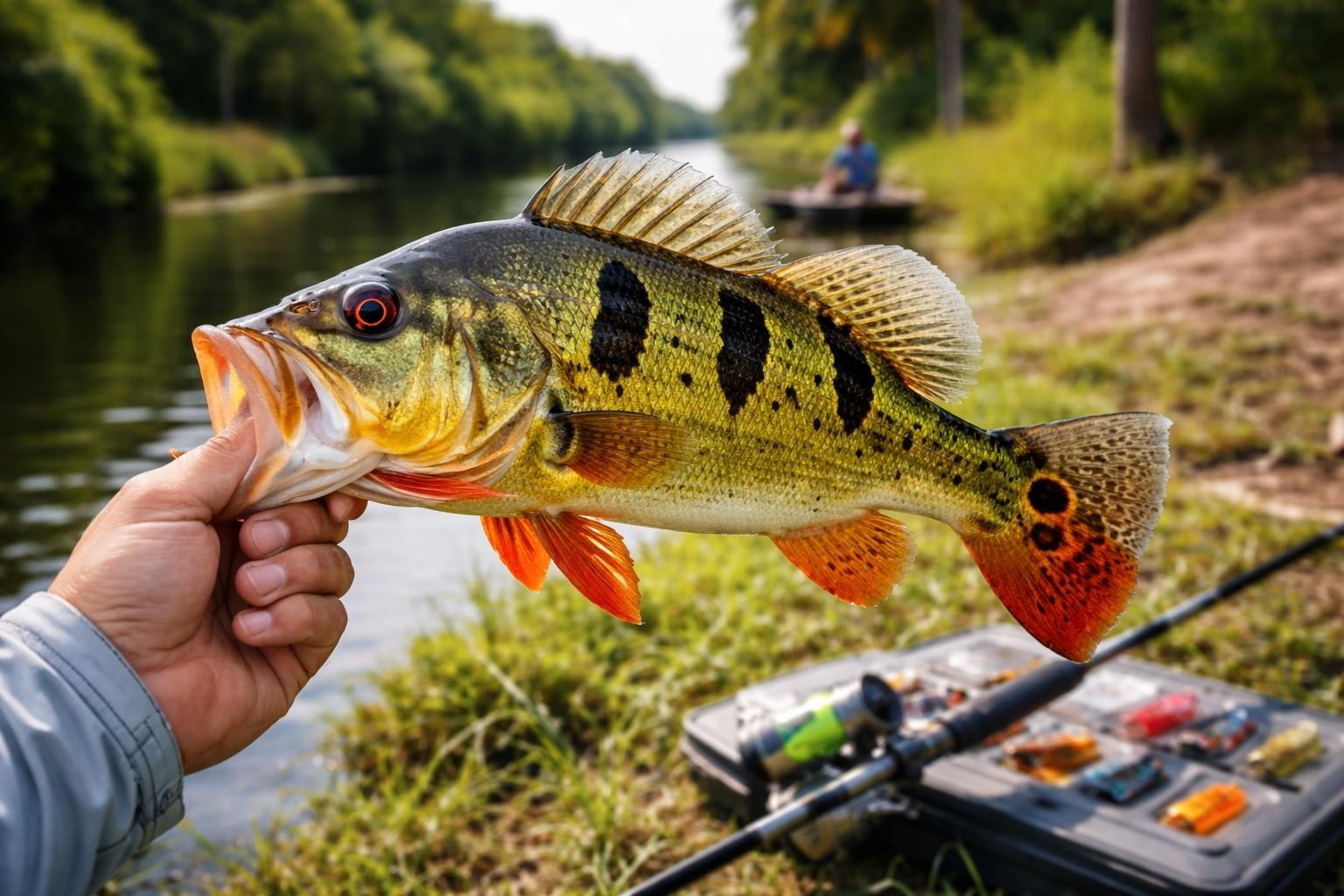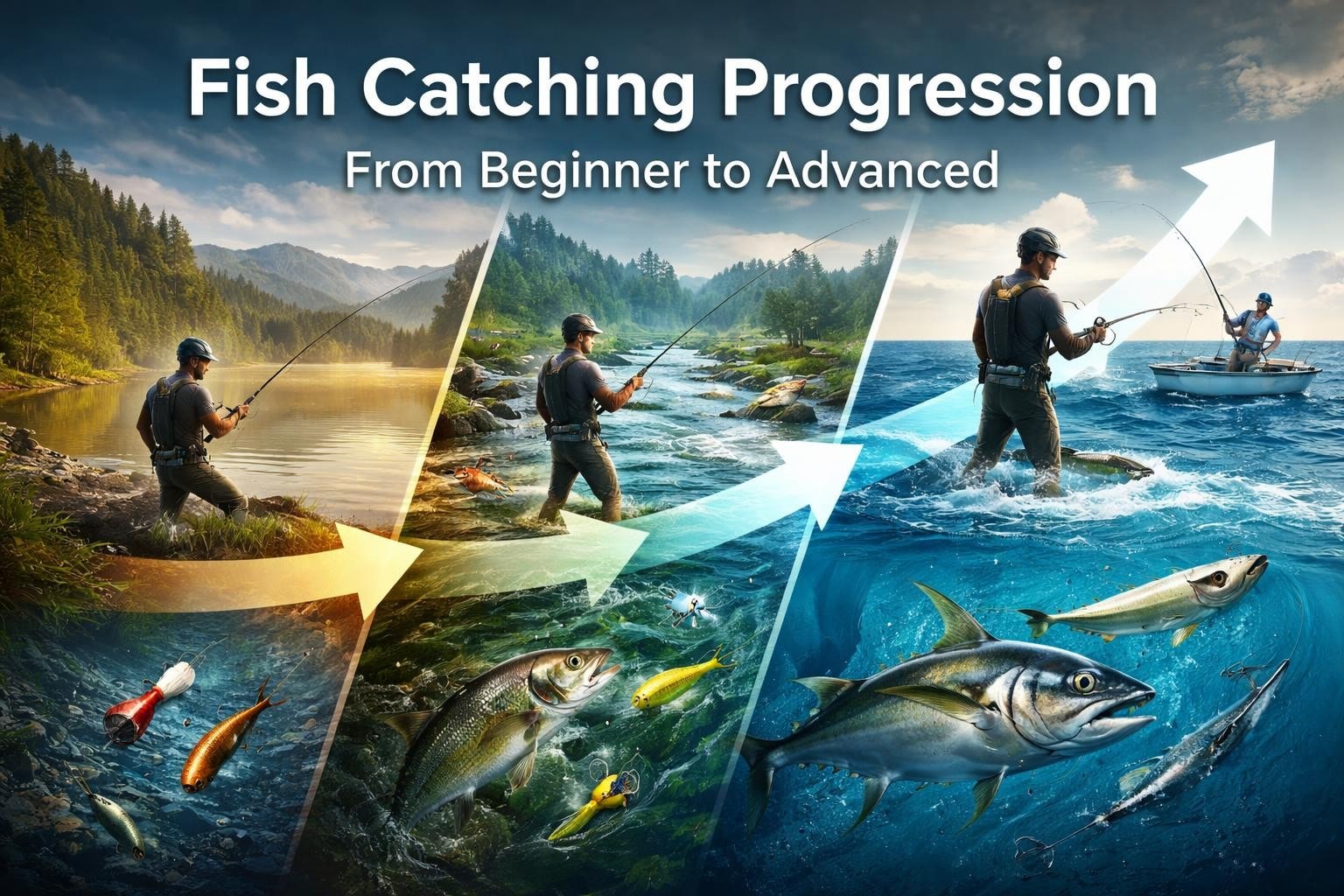
Fish catching is both an art and a science, combining patience, skill, and knowledge of the underwater world. Whether you're standing on a dock at sunrise or casting from a boat in brackish waters, understanding the fundamentals of how fish behave and respond to different techniques can make the difference between an empty cooler and a successful day on the water. This guide walks through proven methods, practical tips, and the knowledge you need to improve your fish catching success across various environments.
Understanding Fish Behavior and Habitat
Fish catching starts with knowing where fish live and why they're there. Different species prefer specific habitats based on water temperature, structure, food availability, and oxygen levels. Bass tend to hang around submerged vegetation and rocky outcrops, while trout seek cooler, oxygen-rich streams. Saltwater species like redfish cruise shallow flats during high tide, searching for crabs and baitfish.
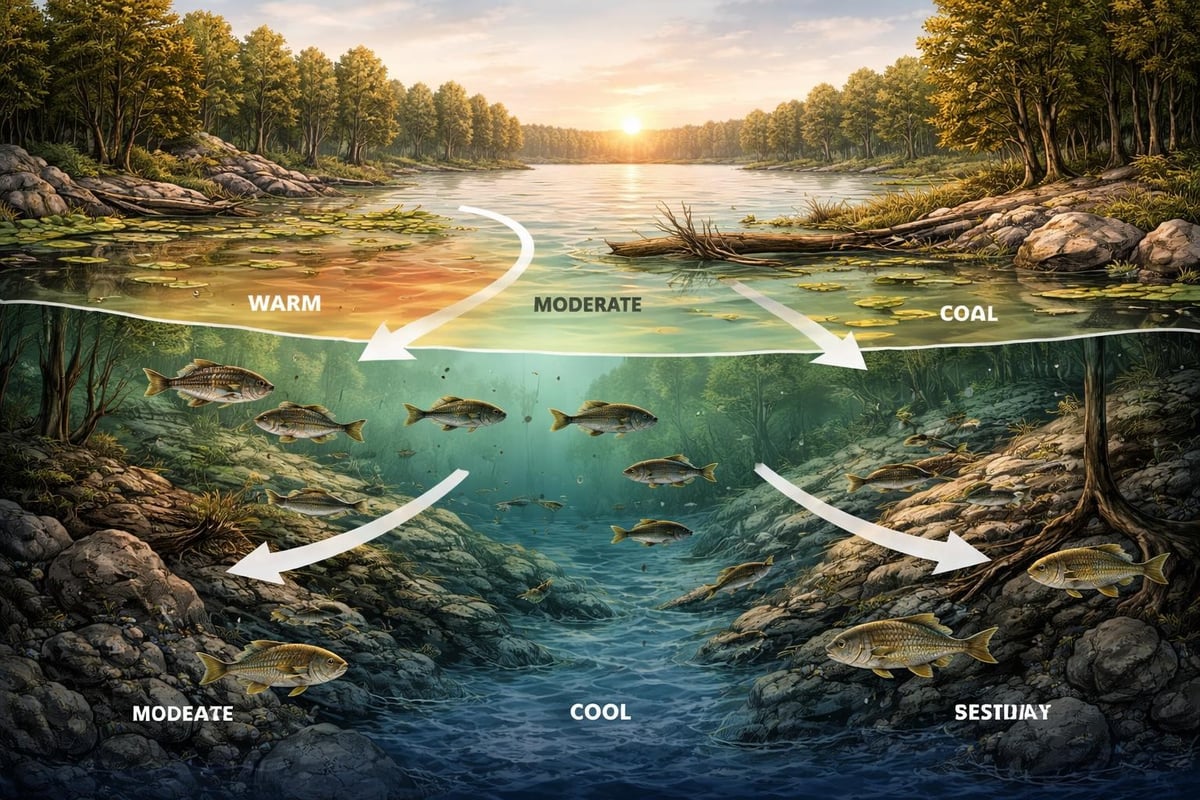
Water temperature plays a massive role in fish activity. In colder months, fish metabolism slows down, making them less aggressive feeders. During warmer periods, they're more active but may seek deeper, cooler water during midday heat. Understanding these patterns helps you predict where fish will be at different times of day and year.
Reading Water Conditions
Successful fish catching requires you to read the water like a map. Look for:
- Current breaks where fish rest while ambushing prey
- Structure changes like drop-offs, points, and channels
- Vegetation edges where baitfish congregate
- Color changes indicating depth transitions or current lines
- Surface activity such as jumping baitfish or feeding birds
Wind direction affects where baitfish gather, and fish often follow. A south wind on a northern shore pushes plankton and bait toward the bank, concentrating predator fish in these areas. These natural patterns repeat across freshwater lakes and saltwater bays alike.
Essential Fish Catching Techniques
Different fishing methods work better for specific situations and target species. Trolling involves dragging lures or bait behind a moving boat, covering large areas to locate active fish. This technique works exceptionally well for pelagic species like salmon, walleye, and striped bass in both freshwater and saltwater environments.
Casting and retrieving gives you more control and precision. You can target specific structures and vary your retrieve speed to match fish activity levels. Fast retrieves trigger reaction strikes from aggressive fish, while slow presentations appeal to cautious or lethargic fish.
Bottom Fishing and Drifting
Bottom fishing puts bait directly where many species feed. Use enough weight to keep your bait near the bottom but not so much that it snags constantly. This method works great for catfish, flounder, grouper, and snapper.
Drifting lets natural current carry your bait through productive areas. It's particularly effective in rivers, tidal areas, and open water where fish are spread out. You can cover more ground than anchoring while maintaining a natural presentation that doesn't spook wary fish.
Live bait drifting often outperforms artificial lures when fish are selective. Matching the hatch by using baitfish, shrimp, or other prey naturally found in the area increases your chances significantly.
Bait and Lure Selection Strategies
The right bait makes fish catching much easier. Live bait remains highly effective because it moves naturally and releases scent fish recognize as food. Minnows, shiners, and shad work for freshwater predators, while shrimp, mullet, and crabs excel in saltwater.
Artificial lures offer versatility and convenience. Soft plastics can be rigged multiple ways to mimic everything from worms to baitfish. Crankbaits dive to specific depths and create vibration that attracts fish from a distance. Topwater lures create explosive strikes during low-light periods when fish feed aggressively near the surface.
Matching Conditions to Presentations
Water clarity dictates lure color and size. In clear water, use natural colors and smaller profiles that match local baitfish. Murky water calls for brighter colors, larger profiles, and lures that create strong vibrations or noise. Many different fishing techniques can be adapted to specific water conditions you encounter.
Time of day influences fish catching success dramatically:
- Dawn brings aggressive feeding as fish capitalize on low light to ambush prey
- Midday often slows down, especially in clear, shallow water where fish feel exposed
- Dusk triggers another feeding window as fish prepare for nighttime
- Night can be productive for species like catfish, walleye, and snook that hunt in darkness
Weather changes activate fish. A falling barometer before a storm often triggers feeding frenzies. Post-front conditions with high pressure and bright skies tend to slow fishing, though fish still feed-they just become more selective about what they'll strike.
Location Scouting and Spot Selection
Finding productive fishing locations separates consistent anglers from frustrated ones. When exploring new waters, look for features that concentrate fish. Points extending into deeper water create highways for migrating fish. Creek mouths funnel baitfish and nutrients into main bodies of water. Docks and bridges provide shade and structure.
Research conducted by the National Park Service helps inform sustainable fishing practices and identifies healthy fish populations in various waters. Public boat ramps, shoreline access points, and designated fishing areas provide entry to productive waters across the country.
Brackish water zones where freshwater meets saltwater create unique opportunities. These transition areas host diverse species from both environments. Redfish, speckled trout, snook, and tarpon all thrive in these mixed-salinity waters. You can explore different fishing locations to identify prime brackish zones near you.
GPS Coordinates and Modern Tools
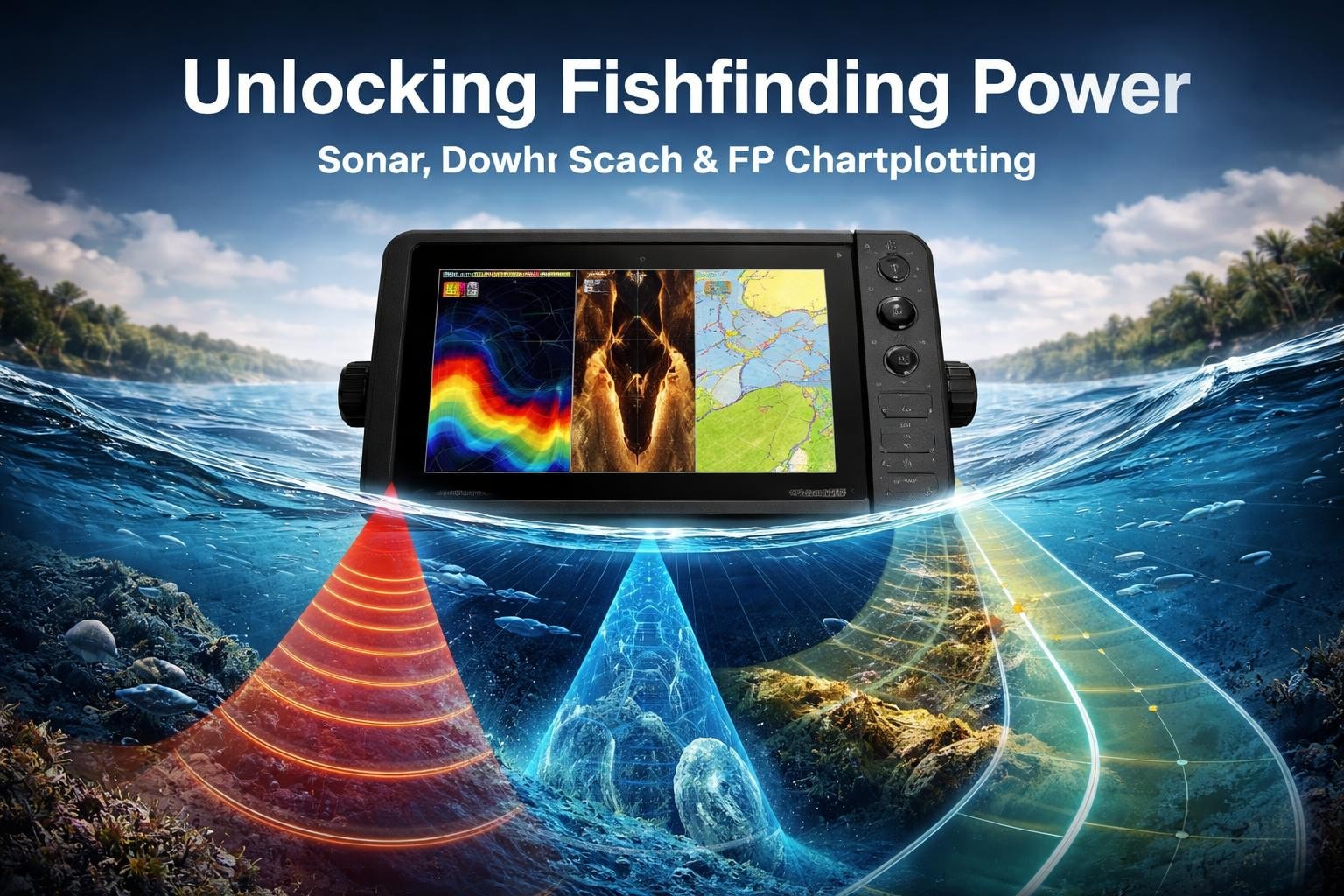
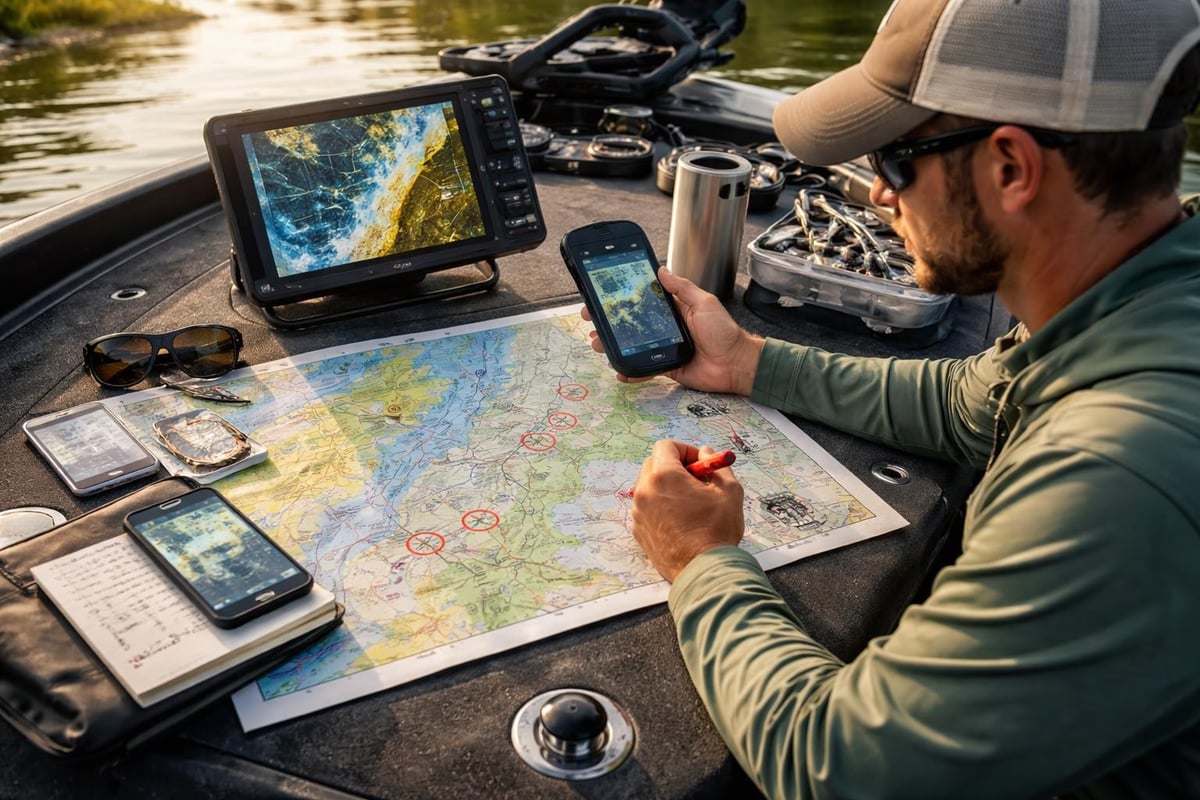
Technology has transformed fish catching in recent years. GPS allows you to mark productive spots and return precisely. Depth finders reveal bottom structure, depth changes, and even show fish suspended in the water column. Modern units combine sonar, mapping, and real-time weather data.
Recording successful spots builds your own fishing database. Note:
- Exact coordinates for easy return trips
- Depth at the specific location
- Structure type (rocks, vegetation, drop-off)
- Species caught and time of year
- Bait or lure that produced results
- Weather conditions during successful trips
Creating this information log improves your fish catching over time. Patterns emerge showing which spots produce during different seasons and conditions. Advanced tracking methods used in fisheries research demonstrate the value of systematic data collection.
Seasonal Patterns and Migration
Fish catching changes throughout the year as species respond to water temperature, spawning cycles, and food availability. Spring warming triggers fish to move shallow and feed heavily after winter. Bass build beds in protected areas. Crappie school around structure preparing to spawn. Saltwater species like snook and tarpon begin migrating north along coasts.
Summer heat pushes many fish deeper or into shaded areas during midday. Early morning and evening become prime times. Night fishing grows more productive as fish feel comfortable feeding in cooler darkness. Thermoclines develop in deeper lakes, concentrating fish at specific depths where temperature and oxygen levels are optimal.
Fall brings some of the year's best fishing. Cooling water triggers aggressive feeding as fish prepare for winter. Baitfish school tightly, and predators attack with abandon. This is when you'll find fish in predictable locations, making fish catching more consistent.
Winter Adjustments
Cold water slows fish metabolism, but they still feed. Winter fish catching requires patience and slower presentations. Downsize baits and lures. Fish deeper water where temperatures remain more stable. On sunny winter days, shallow areas warm slightly and can hold fish during midday periods.
Studies on fish growth and survival reveal how environmental factors influence fish behavior across seasons, providing insights applicable to fish catching strategies nationwide.
Ice fishing opens unique opportunities in northern regions. Fish concentrate in specific areas under the ice, and once you locate them, fishing can be fast-paced. Jigging with small lures or dead bait works well. Always prioritize safety and check ice thickness before venturing out.
Gear Setup and Rigging Techniques
Proper gear improves fish catching efficiency and enjoyment. Match your rod and reel to your target species and fishing method. Ultralight spinning gear works for panfish and small stream trout. Medium-heavy baitcasting setups handle bass and inshore saltwater species. Heavy conventional gear is necessary for big game offshore fishing.
Line choice matters more than many anglers realize. Monofilament offers stretch and forgiveness, good for topwater lures and live bait fishing. Fluorocarbon is nearly invisible underwater and sinks, ideal for finicky fish in clear water. Braided line has no stretch, excellent sensitivity, and thin diameter that cuts through vegetation.
Terminal Tackle Essentials
Your terminal tackle connects your line to your bait or lure. Basic components include:
- Hooks sized appropriately for your target species
- Weights or sinkers to control depth and casting distance
- Swivels to prevent line twist
- Leaders when targeting toothy fish or fishing around structure
- Bobbers or floats to suspend bait at specific depths
Knot strength often determines whether you land or lose fish. The improved clinch knot works for most applications. The Palomar knot provides superior strength for braided line. Loop knots allow lures to move more freely, increasing action.
Check your knots regularly, especially after catching fish or snagging. Retie if you notice any fraying or weakness. A knot failure during a battle with your target fish is frustrating and preventable.
Reading Fish Strikes and Hook-Setting
Recognizing strikes improves your fish catching success rate. Different species hit differently. Bass often strike hard and immediately try to run. Trout might tap tentatively before committing. Catfish frequently pick up bait and swim off steadily.
Setting the hook properly requires matching your technique to your gear and target species. With monofilament and a moderate action rod, a sweeping hook set works well as the line stretch needs to be taken up. Braided line with no stretch requires a shorter, sharper set. When fishing with circle hooks and live bait, simply reeling tight sets the hook without a traditional set.
Fighting and Landing Fish
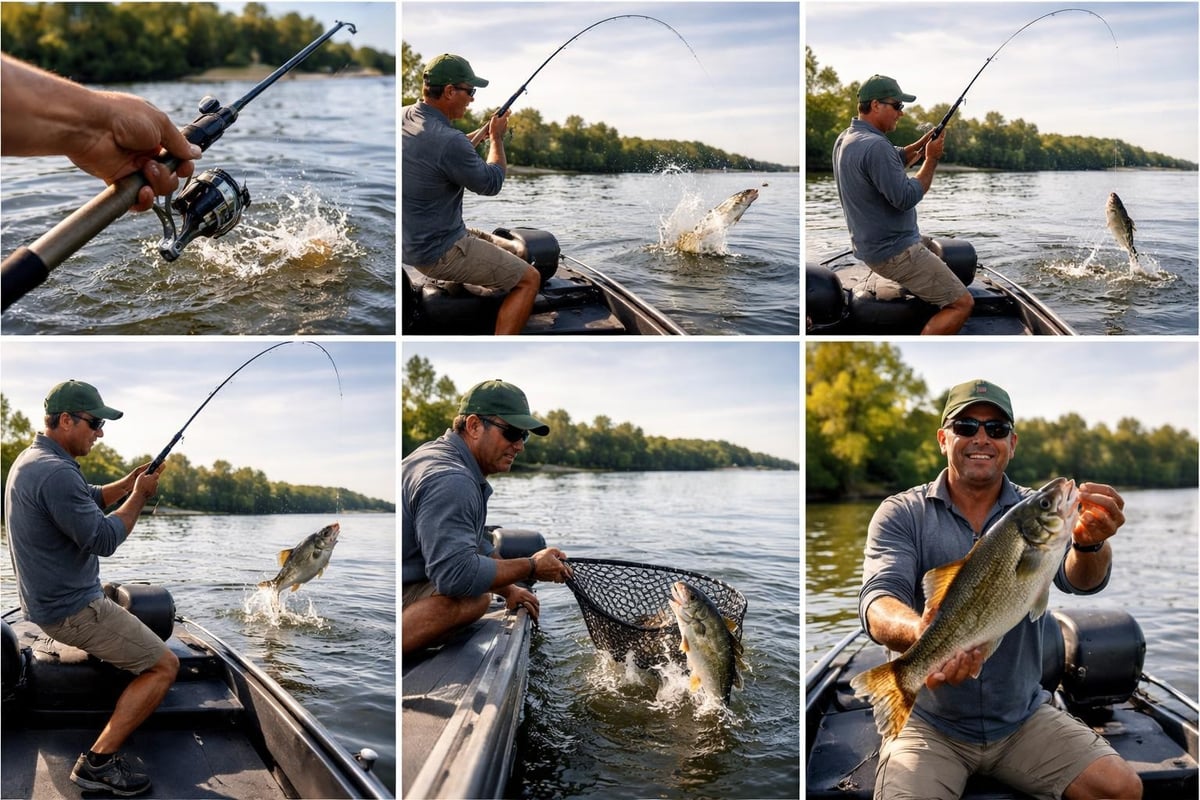
Once hooked, keep steady pressure on the fish. Too much pressure risks breaking your line or pulling the hook free. Too little allows the fish to throw the hook or find structure to wrap around. Let your drag do its job-it's designed to give line when a fish pulls hard enough to break off.
Keep your rod tip up to maintain tension and cushion sudden runs. Guide the fish away from structure, logs, or other obstacles. When the fish tires and comes to the surface, be ready with a net if needed. Accurate measurement techniques used in commercial fishing can inform proper handling practices for catch-and-release fishing.
Conservation and Ethical Fish Catching
Responsible fish catching ensures healthy populations for the future. Follow size and bag limits-they're established based on population research and sustainability models. Keep only what you'll eat, and release the rest carefully. Handle fish gently with wet hands to protect their slime coat. Use circle hooks for better survival rates when practicing catch and release.
Certain times and locations may have additional restrictions. Spawning seasons often have closures to protect vulnerable fish during reproduction. Some areas are designated catch-and-release only. Special management zones like Ajax Reef near Key Biscayne have specific regulations designed to protect ecosystems.
Take only necessary fish from each location. Overfishing even on a recreational level can impact local populations, especially in small ponds, creeks, or heavily pressured areas. Consider participating in citizen science programs that track fish populations and health. Your observations contribute valuable data.
Planning Your Next Fish Catching Adventure
Preparation leads to better fish catching outcomes. Before heading out, check weather forecasts and tide charts for saltwater locations. High and low tides create current that activates fish feeding. New and full moon phases often produce stronger tides and better action.
Research your destination beforehand. Online fishing reports, local tackle shops, and fishing communities provide current information about what's biting and where. When exploring new territory, having detailed access information and GPS coordinates helps you maximize your time on the water instead of searching for entry points.
Pack appropriately for conditions you'll encounter:
- Sun protection including hat, sunglasses, and sunscreen
- Rain gear for unexpected weather changes
- First aid kit for minor injuries
- Extra line and terminal tackle for retying after snags
- Water and snacks to maintain energy and hydration
- Fish cooler if you plan to keep your catch
- Measuring device to verify legal size limits
Safety gear is non-negotiable. Life jackets for boat fishing, a charged cell phone, and letting someone know your plans ensures help can reach you if needed. Fishing alone in remote areas requires extra precaution.
Fish catching success comes from understanding fish behavior, mastering various techniques, and adapting to changing conditions throughout the year. The more time you spend on the water observing patterns and experimenting with different approaches, the more consistent your results become. When you're ready to discover productive new locations, Find Fishing Spots provides detailed information on saltwater, freshwater, and brackish fishing spots across the U.S., complete with GPS coordinates and access details to help you plan your next successful fishing adventure.