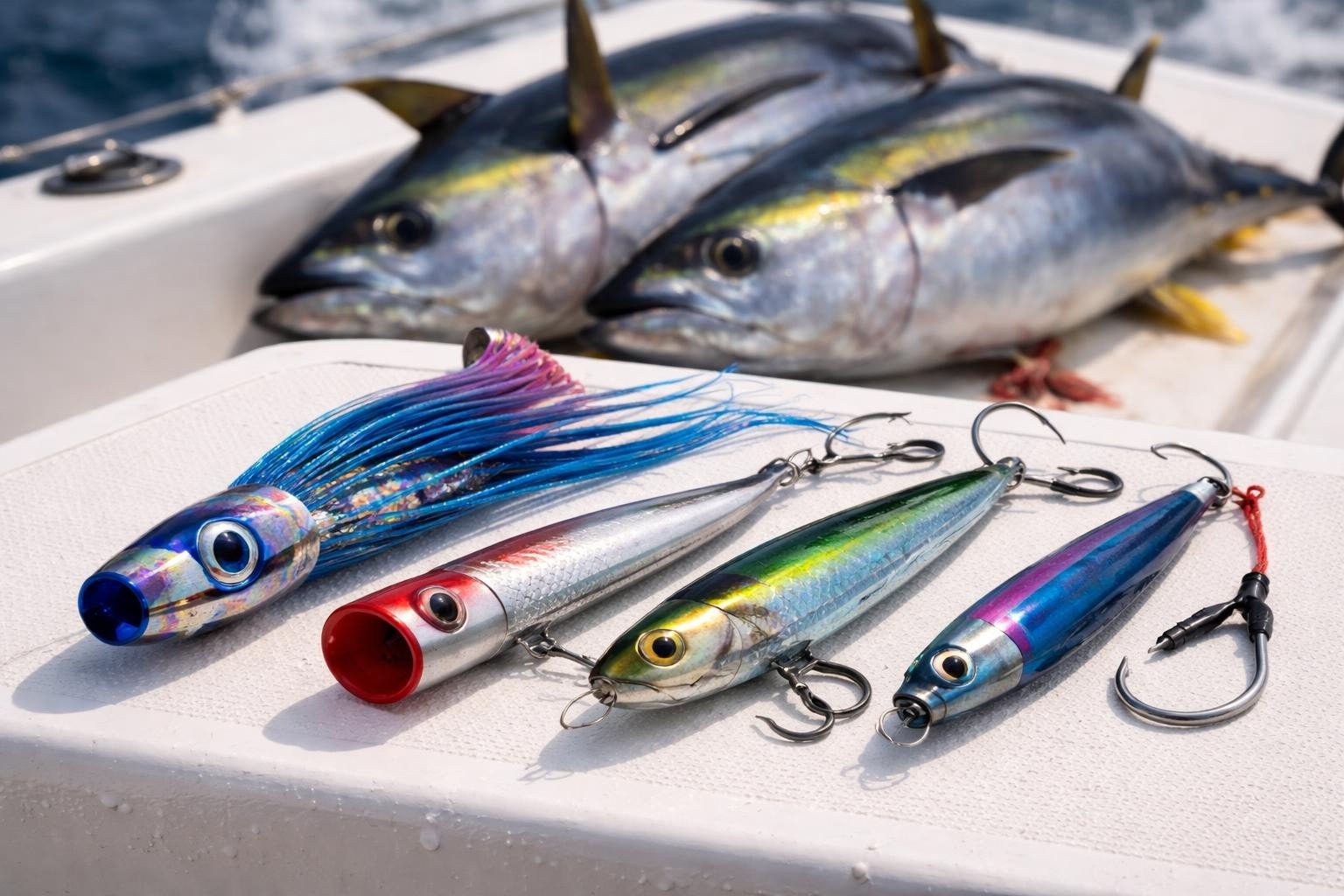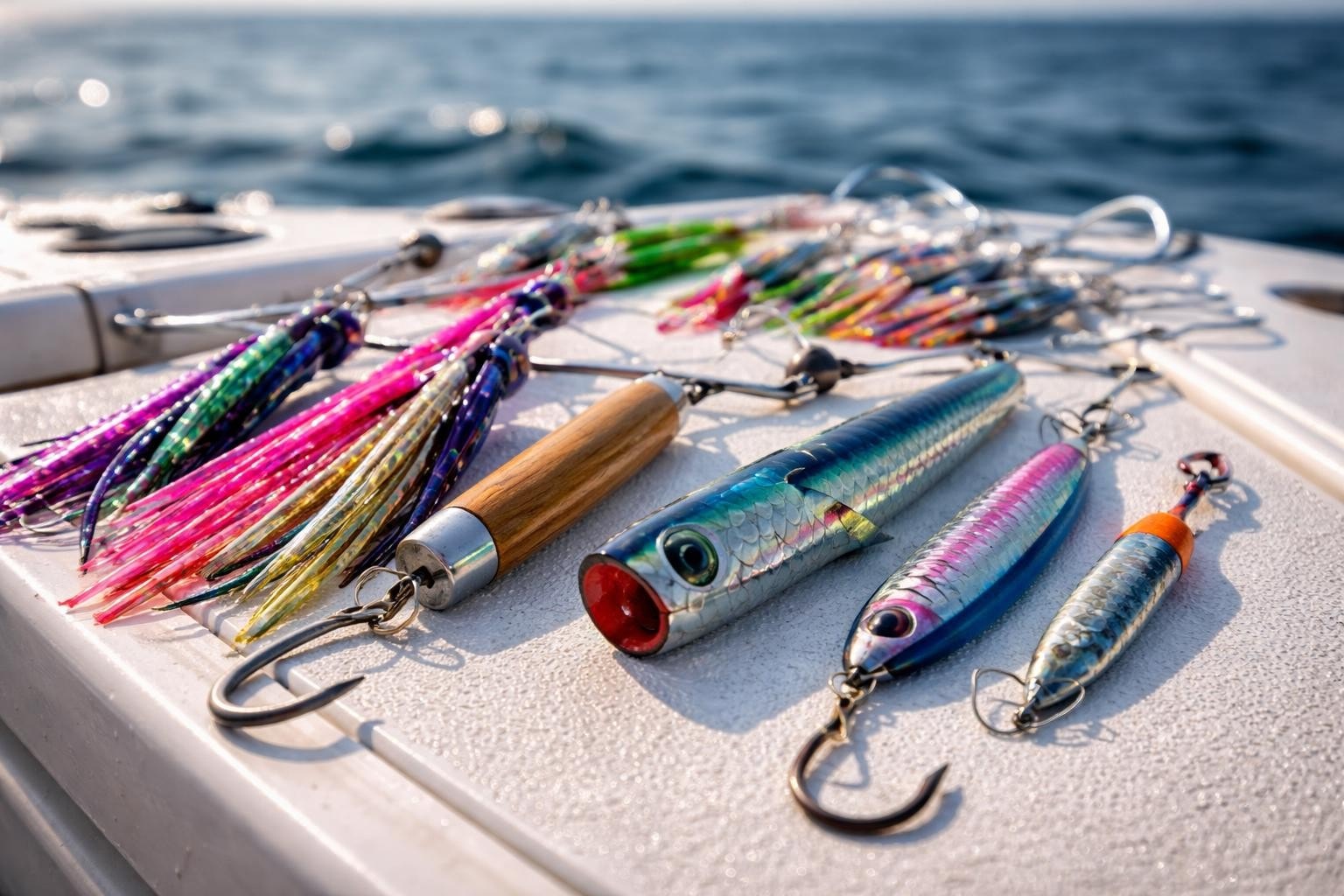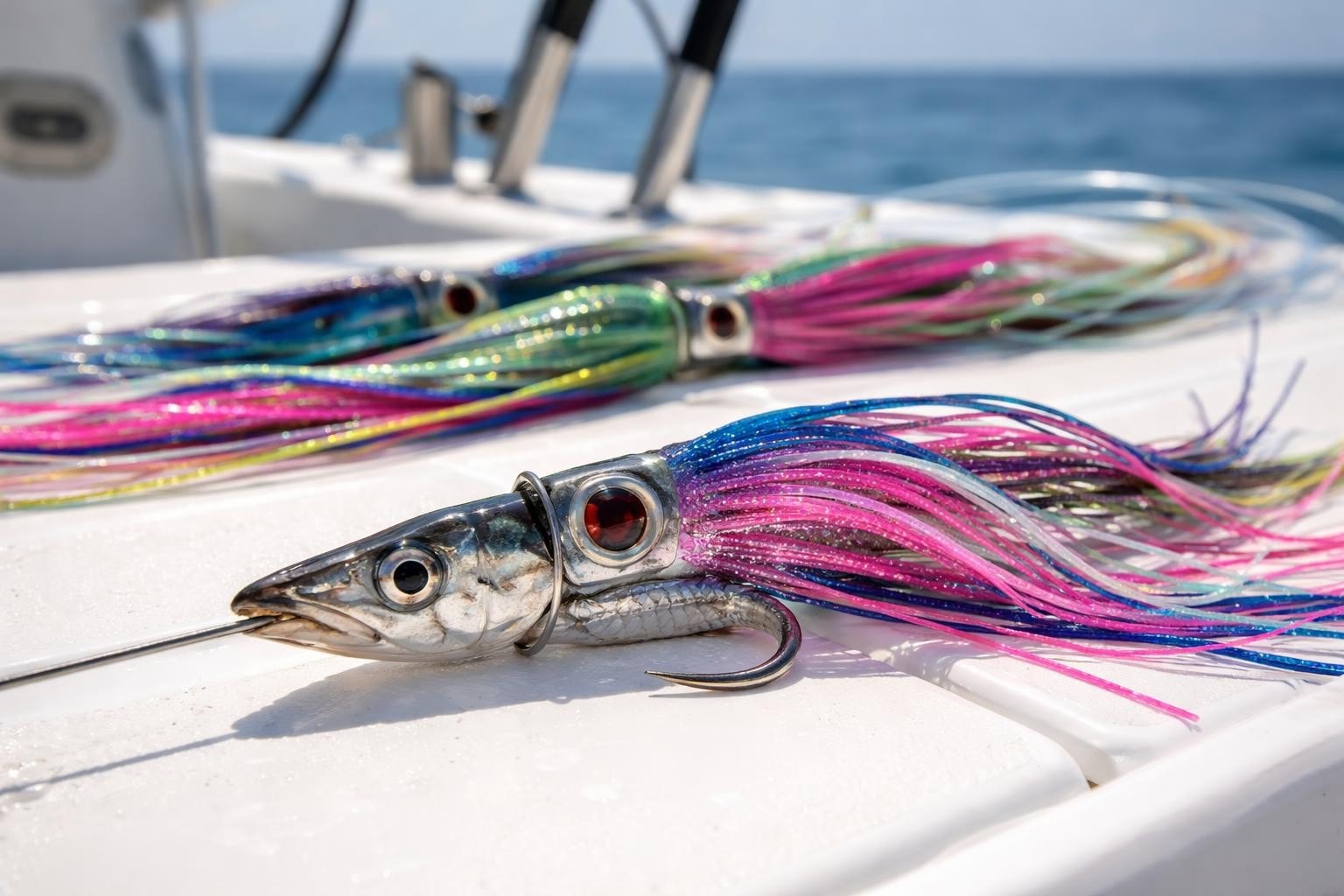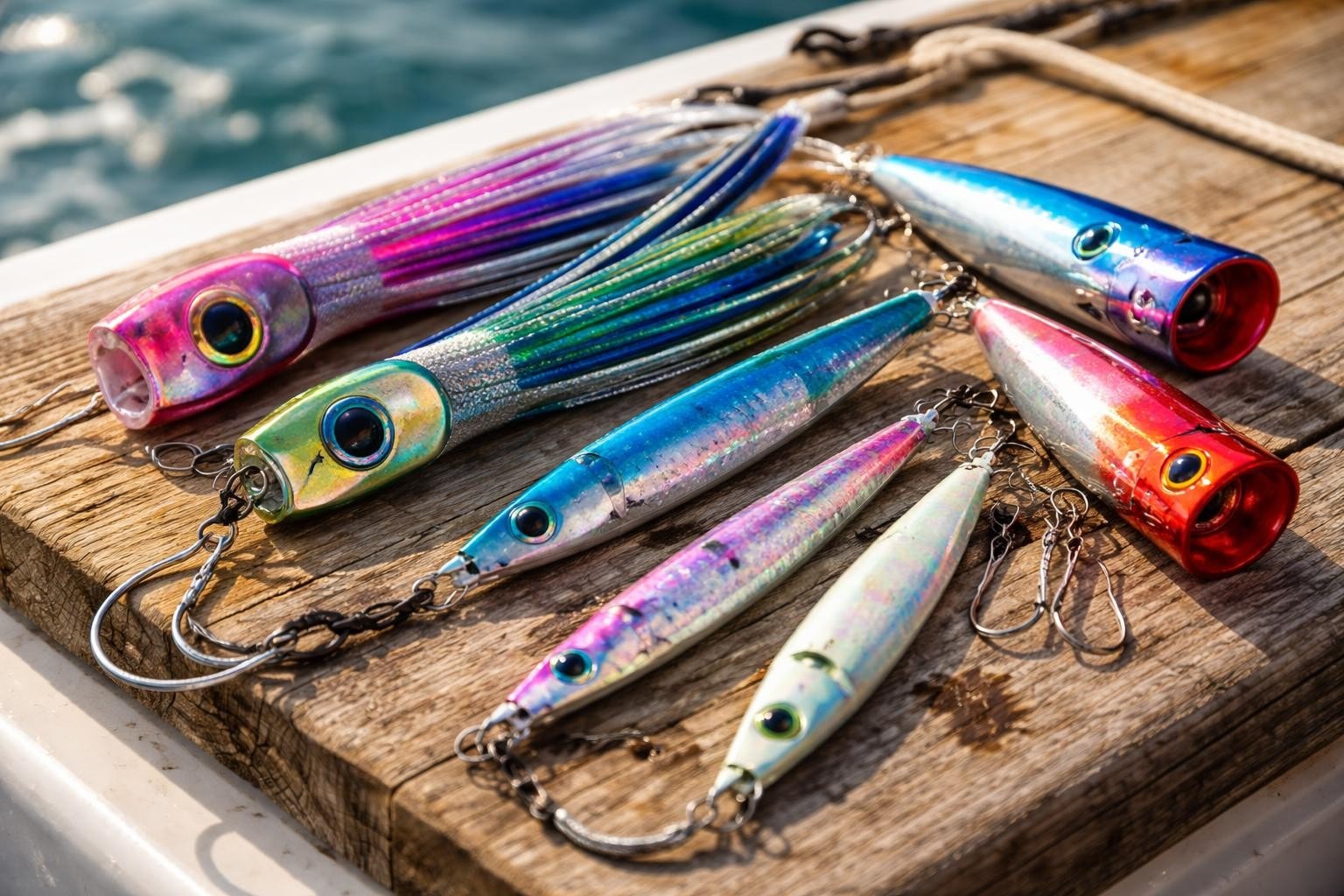
Tuna fishing ranks among the most exciting pursuits in saltwater angling, and having the right lure selection can make the difference between an empty cooler and a trophy-worthy catch. Whether you're targeting bluefin, yellowfin, or skipjack, understanding which fishing lures tuna species respond to gives you a serious advantage on the water. These powerful gamefish demand specialized tackle, and knowing what works-and when-will save you time, money, and frustration on your next offshore adventure.
Understanding What Makes Tuna Strike
Tuna are opportunistic feeders with incredible eyesight and aggressive instincts. They key in on baitfish schools, squid, and anything moving fast through the water column.
Key factors that trigger strikes:
- Speed and flash that mimics fleeing prey
- Vibration patterns resembling injured baitfish
- Color contrast visible at depth
- Size matching local forage species
The best tuna fishing lures replicate these natural triggers. Most successful anglers carry a variety of lure styles to match changing conditions throughout the day.
Water clarity, sea state, and time of year all influence which presentations work best. What crushes it in the Outer Banks might not produce the same results off San Diego.
Trolling Lures That Produce Results
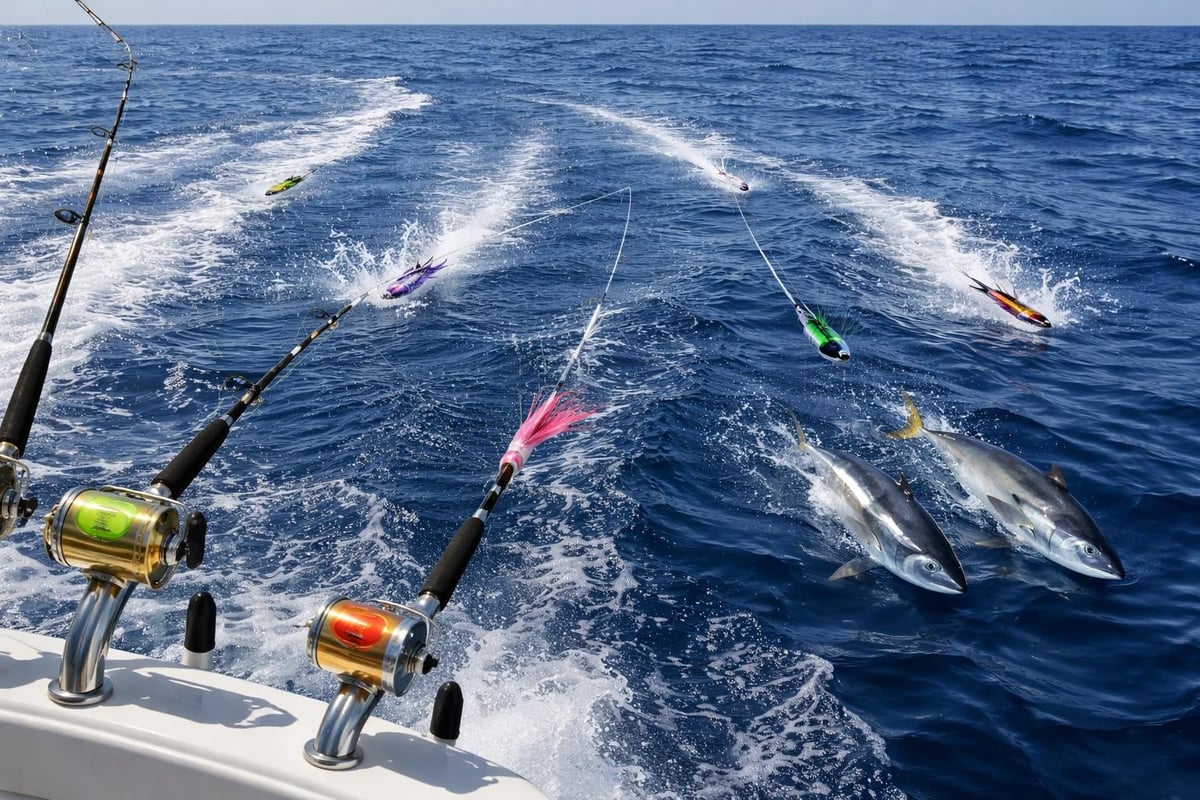
Trolling remains the go-to method for covering water and locating active tuna. Skirted trolling lures create commotion and bubble trails that pull fish from distance.
Feather Jigs and Cedar Plugs
These classic designs have fooled tuna for generations. Feather jigs create erratic action while cedar plugs offer a natural wood finish that tuna find irresistible during certain conditions.
- Run them in your spread between 6-9 knots
- Position cedar plugs in short rigger positions
- Mix feather colors based on water clarity
- Replace worn feathers regularly for best action
Cedar plugs shine when tuna are feeding on smaller baitfish. Their simple, reliable design makes them perfect for beginners learning the ropes.
Skirted Lures and Jet Heads
Modern skirted lures bring flash, color, and smoke trails to your spread. Metal jet heads dive deep and create aggressive swimming action that bigger tuna can't ignore.
The green-sticking technique uses specialized squid imitations on fiberglass poles, but traditional skirted lures offer similar effectiveness when trolled properly. Green machines and similar patterns consistently produce across different tuna fisheries.
Choose lure sizes between 6-12 inches depending on target species. Yellowfin often prefer slightly smaller profiles than bluefin.
Casting and Popping Techniques
When you find surface-feeding tuna, casting lures create explosive topwater action. Poppers and stickbaits trigger violent strikes from fish in feeding frenzies.
Top popping strategies:
- Match the hatch-size your lure to visible baitfish
- Work poppers with sharp jerks and pauses
- Cast beyond the boil and retrieve through it
- Keep rod tip low for better hooksets
- Use heavy braid for long casts
Topwater fishing offers unmatched excitement. Nothing beats watching a 100-pound tuna destroy a surface plug in clear water.
Stickbaits worked with a walk-the-dog retrieve imitate wounded fish. This subtle presentation often outfishes aggressive popping when tuna are pressured or selective.
Vertical Jigging for Deep Fish
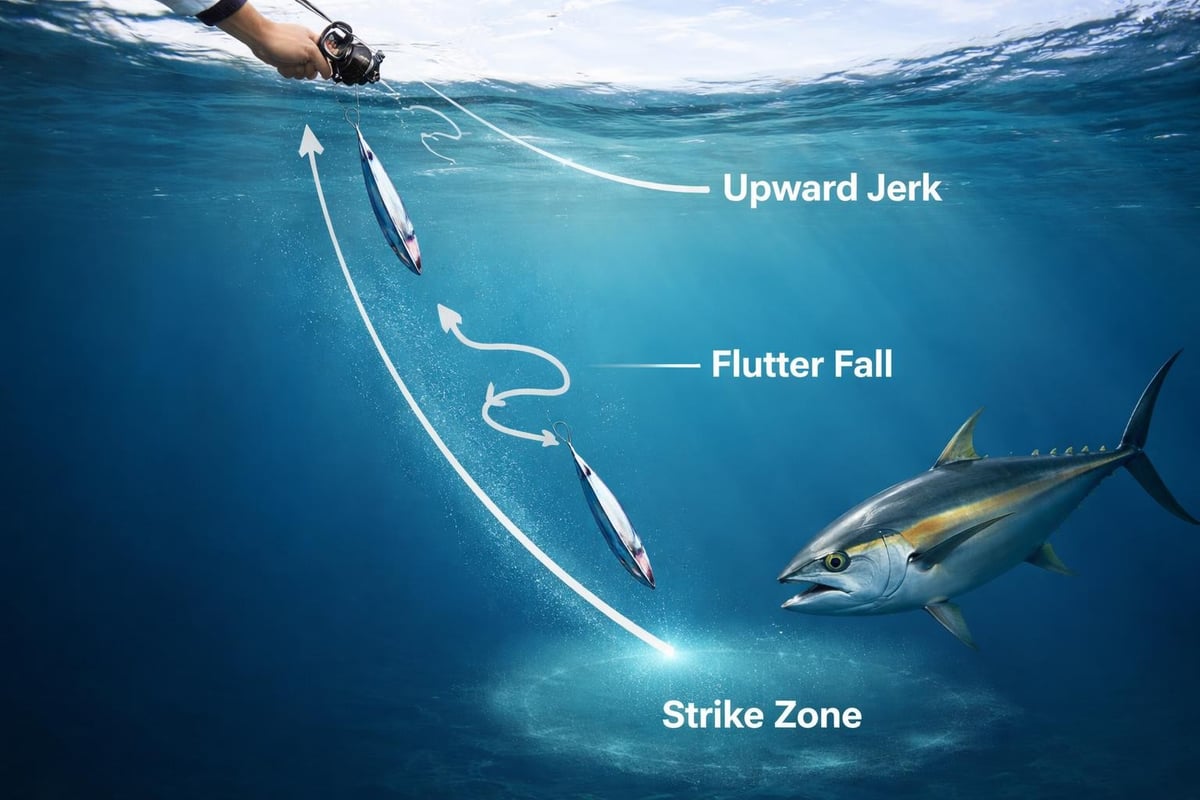
Jigging targets tuna holding at specific depths or around structure. This technique requires different tackle than trolling but connects you directly with hard-fighting fish.
Jig selection basics:
- Butterfly jigs for fast flutter descent
- Knife jigs for deeper water and current
- Speed jigs for aggressive retrieves
- Slow-pitch jigs for finicky biters
When searching for productive offshore fishing spots, look for temperature breaks, current edges, and bait concentrations. Tuna stack up in these areas, making vertical jigging extremely effective.
Drop your jig to the target depth, then work it with sharp upward jerks followed by controlled drops. Tuna typically strike during the fall, so maintain contact with your jig throughout the retrieve.
Spreader Bars and Daisy Chains
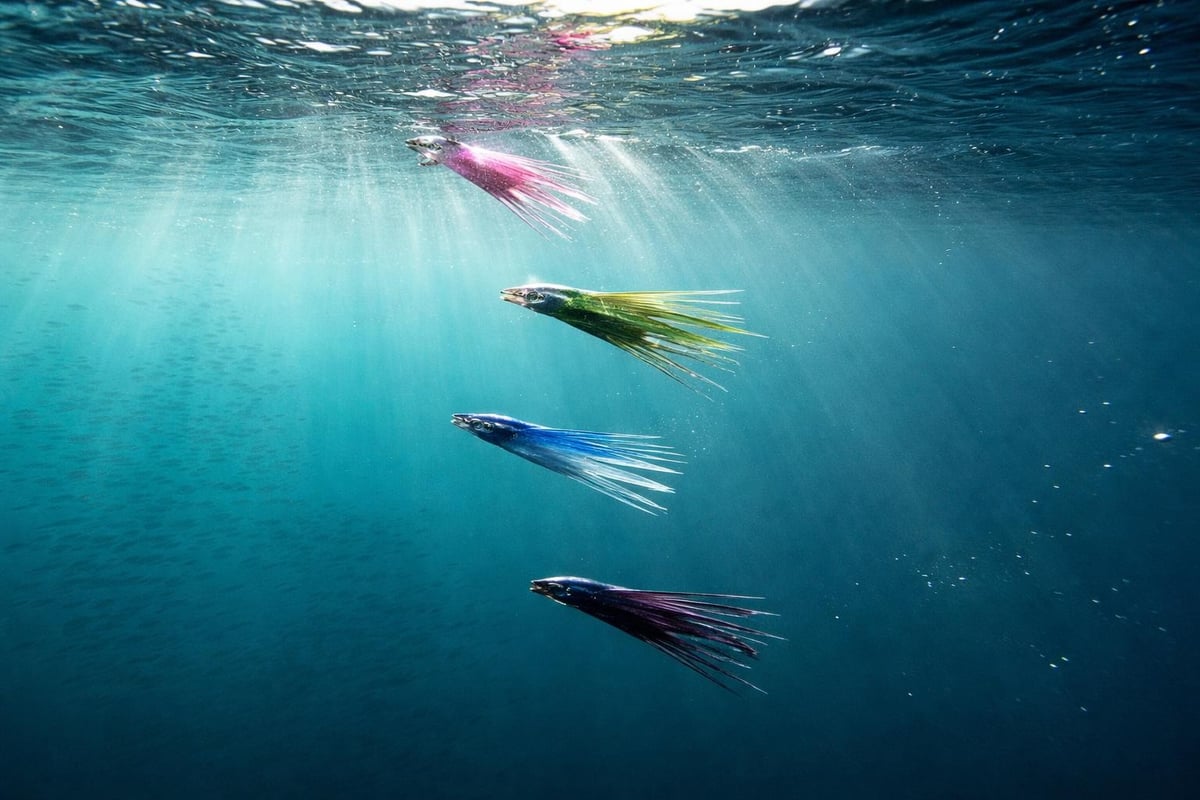
These multi-lure rigs create the illusion of baitfish schools. Spreader bars feature multiple squid or fish imitations arranged on rigid bars that maintain proper spacing during the troll.
Daisy chains offer similar visual appeal with a more flexible setup. Both excel at drawing tuna from depth or distance.
- Run one spreader bar per spread maximum
- Position them on long rigger lines
- Match squid colors to local forage
- Check rigging before each trip
These setups shine when targeting larger bluefin and bigeye tuna. The visual impact of multiple lures swimming together triggers aggressive competitive feeding responses.
Color Selection and Water Conditions
Fishing lures tuna anglers choose often depends on water clarity and light conditions. Clear offshore waters demand natural colors while stained water calls for brighter options.
Color guidelines by condition:
- Clear blue water: purple, black, blue patterns
- Green water: chartreuse, pink, orange combinations
- Low light: glow colors and metallic finishes
- Bright sun: darker profiles with UV accents
Many experienced captains featured in resources like this comprehensive lure guide recommend carrying duplicates in different color schemes. When one pattern stops producing, switching colors often reignites the bite.
Don't overlook the importance of hardware quality. Tuna test every component of your rigging. Split rings, hooks, and swivels must handle extreme pressure without failure.
Matching Lures to Target Species
Different tuna species show preferences for specific lure styles. Yellowfin respond well to smaller profiles and faster presentations. Bluefin often prefer larger offerings trolled at moderate speeds.
Skipjack and blackfin hit nearly anything moving through their feeding zones. These smaller tuna species make excellent practice targets while you learn what works in your local waters.
When planning your next trip using detailed fishing location information, consider which species you're most likely to encounter. Regional patterns vary significantly, and local knowledge proves invaluable.
Albacore prefer specific lure colors and speeds compared to their larger cousins. Research your target fishery before investing in specialized tackle. Some expert anglers share detailed techniques for different tuna fishing methods worth studying before your trip.
Rigging and Maintenance Tips
Proper rigging extends lure life and improves hookup ratios. Use quality fluorocarbon leaders in the 80-130 pound range for most situations. Heavier tests suit bigger fish and abrasive conditions.
Sharp hooks make the difference between hookups and pulled baits. Check points after every fish and replace bent or damaged hooks immediately. Single hooks often work better than trebles for catch-and-release fishing.
Store lures properly between trips. Rinse everything with freshwater, check skirts for tears, and replace worn components before they fail during battle. A well-maintained lure performs better and lasts multiple seasons.
Success with fishing lures tuna species target comes down to preparation, variety, and understanding what works in your specific fishery. Having the right selection rigged and ready puts you ahead of the game when tuna start feeding. Whether you're planning your first offshore adventure or looking to try new waters, Find Fishing Spots helps you discover productive tuna grounds across the U.S. with GPS coordinates, access information, and local insights all in one place.