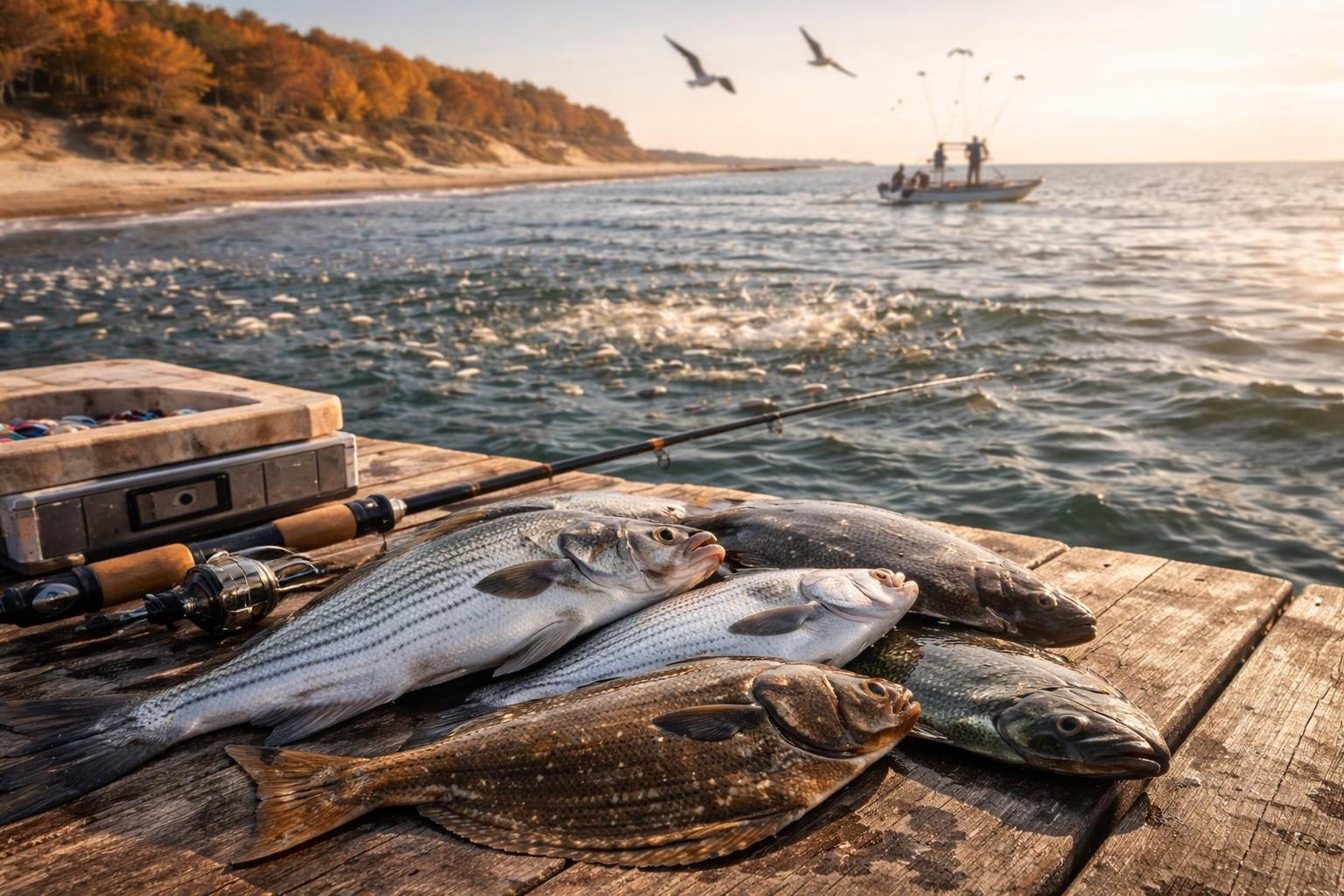
Finding a great fishing place nearby doesn't have to mean hours of research or guesswork. Whether you're new to the sport or looking to explore fresh waters close to home, knowing where to start makes all the difference. With the right tools and a bit of local knowledge, you can discover productive spots within minutes of your door, understand what fish are biting, and get on the water faster than you might think.
Why Search for a Fishing Place Nearby
Staying close to home has plenty of advantages that go beyond saving gas money. Local fishing spots let you learn the water intimately over time, understanding seasonal patterns, structure changes, and where fish hold during different conditions. You can make quick trips after work, test new techniques without a major time commitment, and build relationships with other anglers who fish the same waters.
Budget-conscious anglers appreciate that nearby locations reduce travel costs significantly. Instead of burning through a tank of gas to reach a famous destination, you're investing that money in better tackle, bait, or a fishing license renewal. Plus, when you fish locally, you can return to the same spot multiple times in a week, fine-tuning your approach based on what worked last time.
Building Your Local Fishing Knowledge
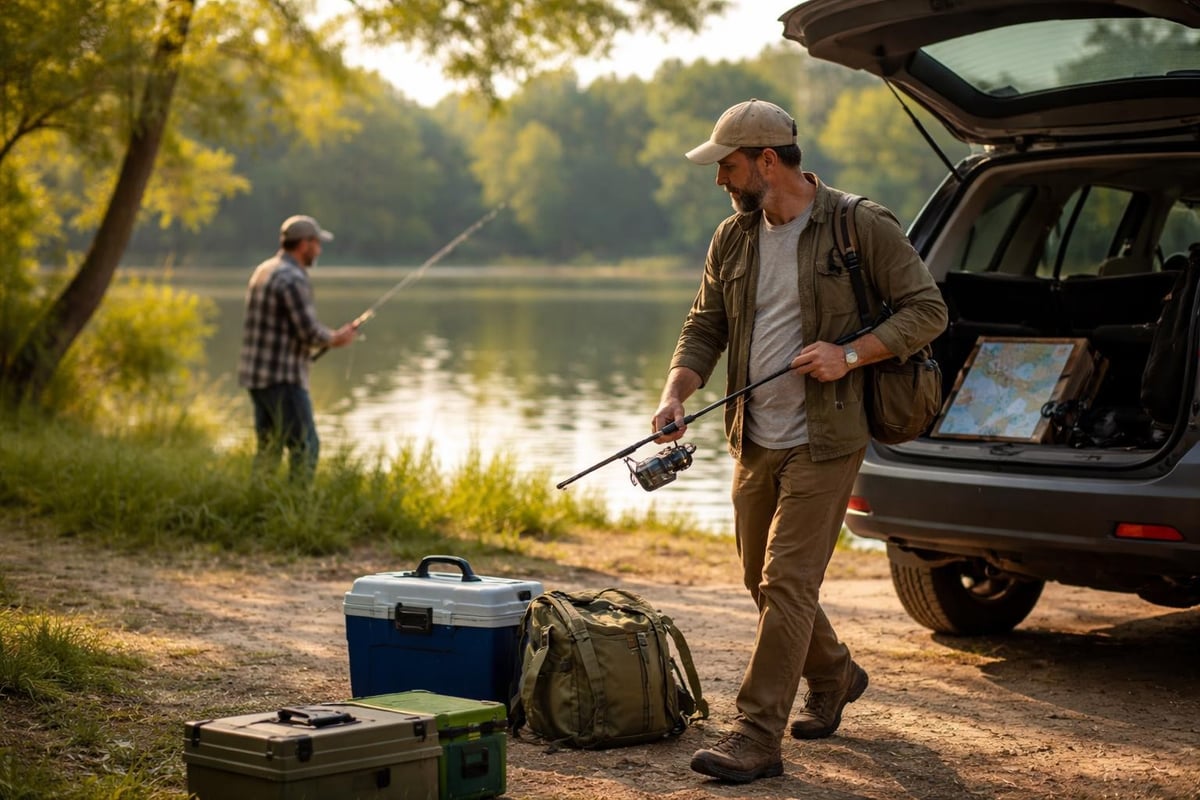
The best anglers know their home waters like the back of their hand. Start by identifying what type of fishing you prefer: freshwater lakes and rivers, saltwater beaches and piers, or brackish estuaries where salt and fresh water mix. Each environment offers different species, techniques, and seasonal windows.
Talk to local bait shops, browse fishing forums specific to your region, and don't be shy about asking other anglers what's working. Most fishing folks are happy to share general information, especially with someone showing genuine interest. You'll learn which spots produce during spring spawns, where summer heat pushes fish deeper, and which fall migrations bring new opportunities.
Understanding Fishing Regulations Before You Go
Before you wet a line at any fishing place nearby, you need to understand the legal requirements. The United States doesn't have a national fishing license, so understanding state-level fishing regulations is essential for every angler. Each state manages its own licensing system, season dates, size limits, and bag limits.
Key Regulatory Considerations
- State licenses: Purchase the appropriate license for where you plan to fish
- Saltwater vs. freshwater permits: Some states require separate endorsements
- Special regulations: Trout stamps, king salmon tags, or trophy bass restrictions
- Possession limits: How many fish you can keep per day and in your freezer
- Size restrictions: Minimum and sometimes maximum lengths for harvesting
If you fish across state lines regularly, navigating multi-state fishing licenses requires extra attention to avoid violations. Some states offer reciprocal agreements with neighbors, while others strictly enforce their borders. Always carry your license while fishing and know the specific rules for each water body, as some lakes and rivers have special restrictions beyond statewide regulations.
Resources like the comprehensive fishing regulations guide help you understand what's legal before you head out. Getting familiar with legal considerations for fishing protects you from fines and helps conserve fish populations for future generations.
How to Locate Quality Spots Near You
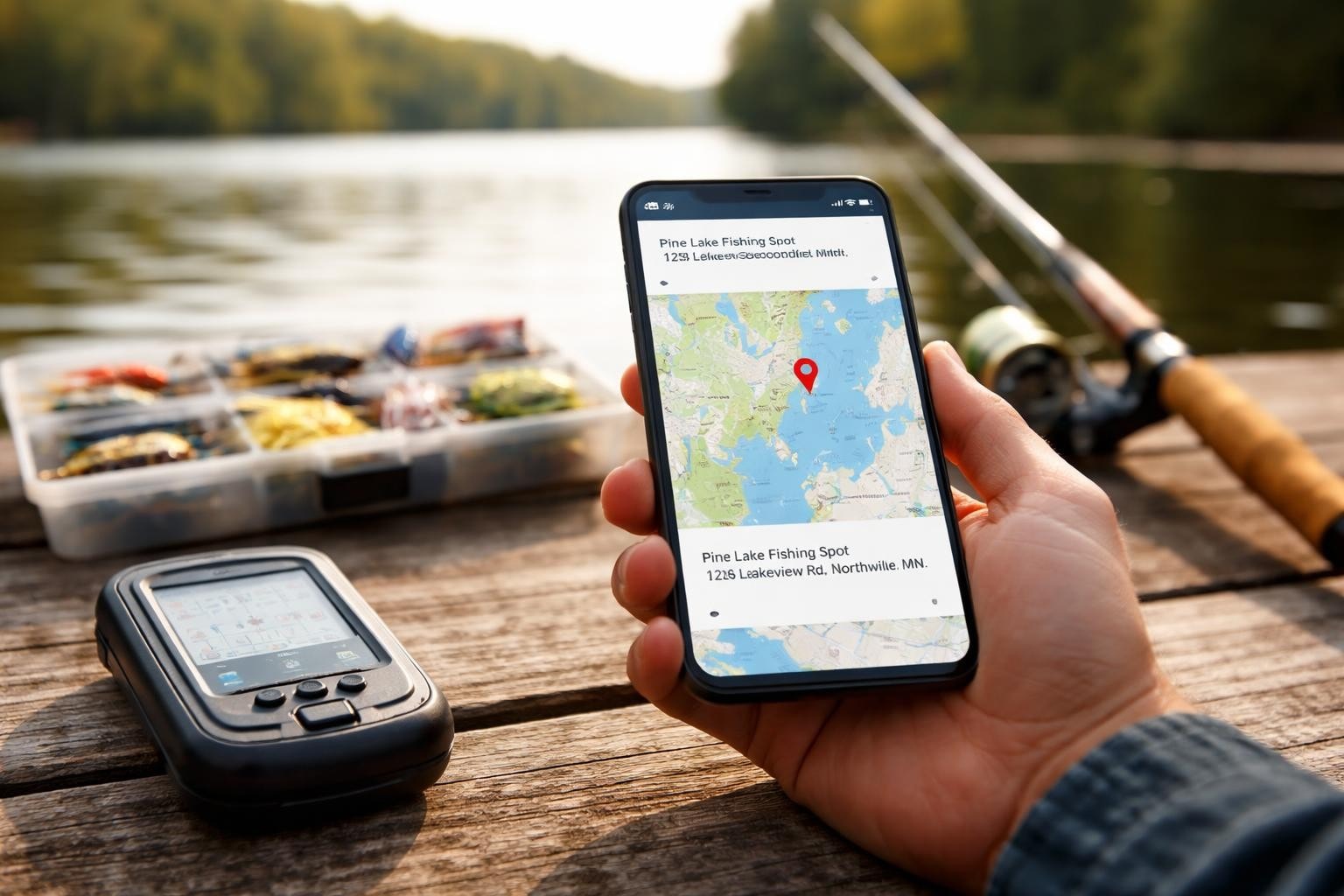
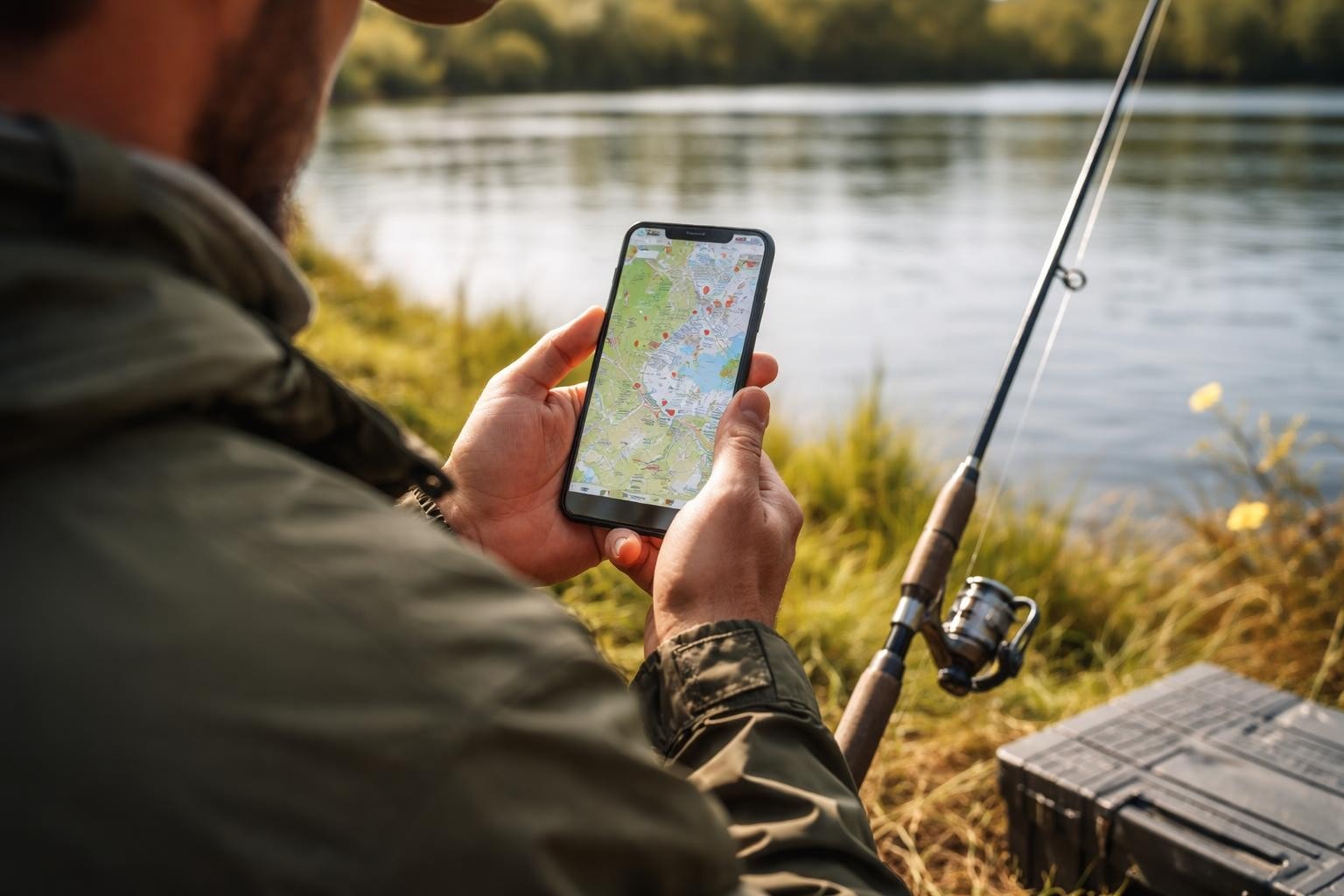
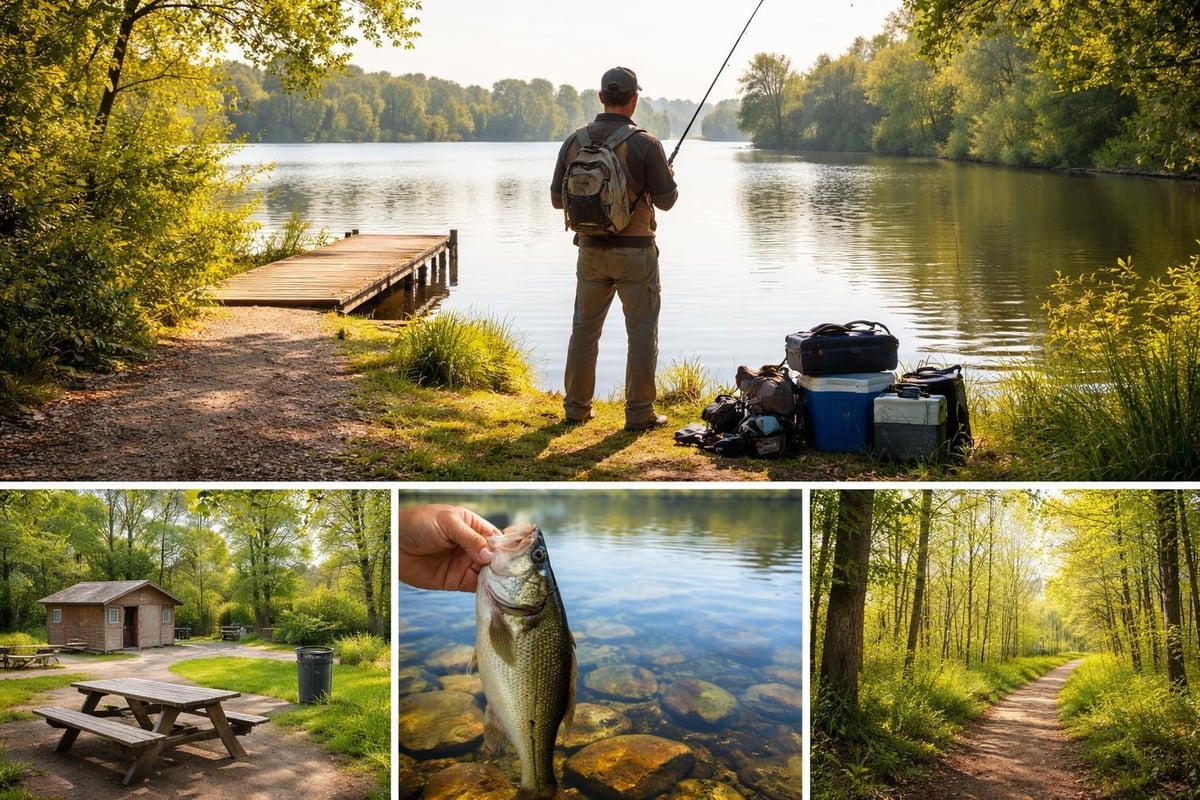
Modern technology has revolutionized how we find fishing locations. Online directories now compile information about thousands of spots across the country, complete with GPS coordinates, species lists, and access details. Instead of driving around aimlessly or relying solely on word-of-mouth, you can research productive waters from your phone or computer.
When evaluating a fishing place nearby, consider these factors:
- Access type: Public boat ramp, shore fishing, pier, or kayak launch
- Target species: What fish are commonly caught and when
- Facilities: Parking, restrooms, cleaning stations, bait shops
- Water type: Saltwater, freshwater, or brackish environments
- Skill level: Beginner-friendly or advanced techniques required
- Seasonal patterns: Best times of year for specific species
Regional Fishing Opportunities
The beauty of searching for nearby fishing is that every region offers something unique. Florida anglers might explore spots like Gandy Bridge on Old Tampa Bay for inshore action, while North Carolina fishermen target locations such as Oregon Inlet on the Outer Banks for seasonal runs. Massachusetts anglers have access to incredible saltwater opportunities at places like Stellwagen Bank when targeting offshore species.
Checking out must-visit fishing destinations can inspire you to explore beyond your immediate area while still keeping trips manageable. Sometimes the best fishing place nearby is one you've never considered because it's just outside your normal radius.
Making the Most of Your Local Waters
Once you've identified a promising fishing place nearby, preparation determines success. Check recent fishing reports, understand current weather patterns, and match your tackle to the target species. Arrive with realistic expectations, especially when trying somewhere new.
Pre-trip checklist essentials:
- Valid fishing license and required stamps
- Appropriate rod, reel, and terminal tackle
- Fresh bait or proven lures for the target species
- Weather-appropriate clothing and sun protection
- Cooler for keeping fish (if harvesting)
- Pliers, hook remover, and measuring device
Don't overlook smaller, less-publicized waters. That farm pond, neighborhood creek, or community lake might not make headlines, but often these overlooked spots hold surprising fish populations with less pressure than famous destinations. Browse through local fishing spots directories to uncover hidden gems that other anglers might miss.
Seasonal Adjustments Matter
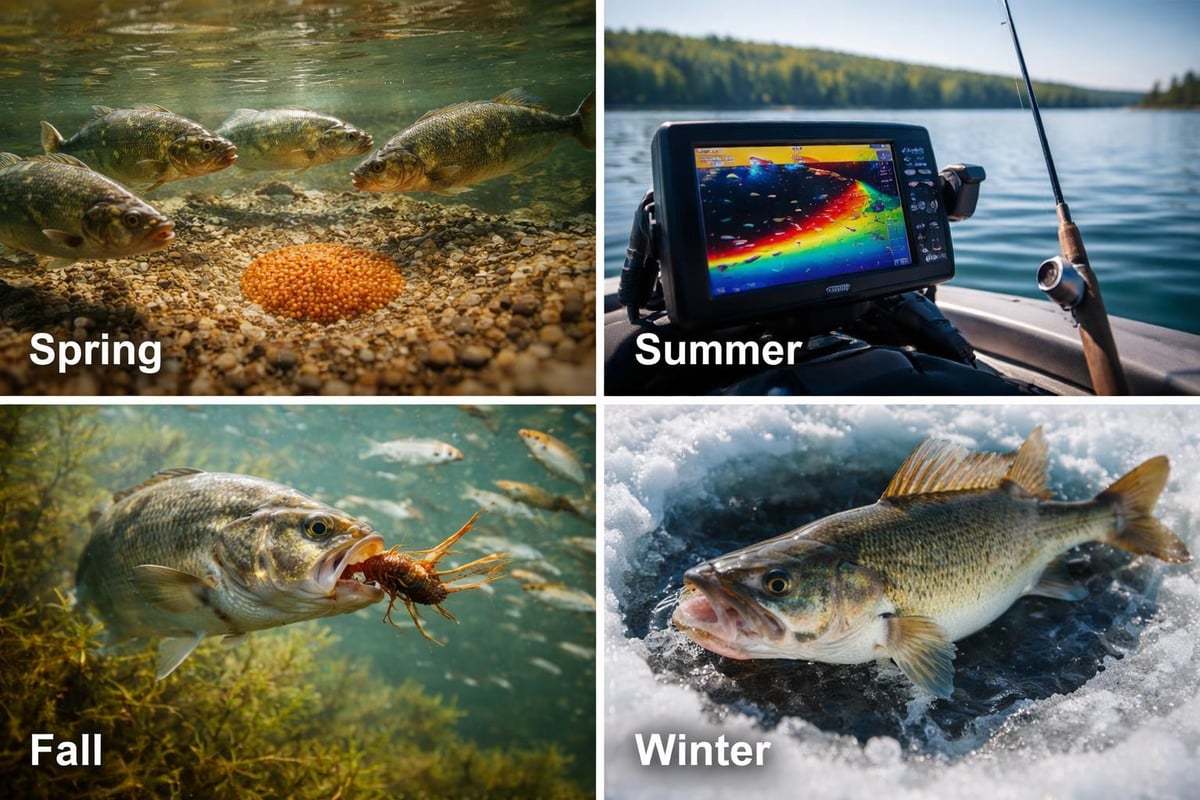
Your favorite fishing place nearby will fish differently throughout the year. Spring often brings spawning activity that concentrates fish in predictable locations. Summer heat pushes many species deeper or into shaded areas. Fall migrations can create phenomenal action as fish feed heavily before winter. Understanding these patterns helps you adjust tactics and timing.
Keep a simple fishing journal noting dates, conditions, baits used, and results. Over time, this information reveals patterns specific to your local waters that no app or website can predict. You'll know exactly when the crappie move shallow, where bass hold during cold fronts, or which tide stage produces best at your favorite pier.
Connecting With Local Fishing Communities
One often-overlooked benefit of fishing nearby is joining a community of local anglers. These relationships provide real-time information, shared experiences, and sometimes fishing partners for safer, more enjoyable trips. Many regions have fishing clubs, online groups, or regular meet-ups where knowledge flows freely.
Social media groups focused on specific regions or water bodies share daily reports, photos, and tips. While you shouldn't expect exact coordinates to honey holes, you'll learn general patterns, effective techniques, and which spots are producing. Contributing your own experiences and respecting others' information creates goodwill that benefits everyone.
Understanding fishing license requirements ensures you're legal while supporting conservation programs that maintain the quality fishing we all enjoy. License fees fund hatchery programs, habitat restoration, and fishery management that keeps local waters productive for future generations.
Finding a quality fishing place nearby transforms how you approach the sport, turning occasional outings into regular adventures that deepen your skills and connection to local waters. Whether you're targeting inshore saltwater species, chasing freshwater bass, or exploring brackish estuaries, having reliable information about access points, regulations, and seasonal patterns makes every trip more productive. Find Fishing Spots gives you GPS coordinates, detailed location information, and access details for thousands of spots across the United States, helping you spend less time searching and more time fishing. Start exploring what's waiting just down the road.