Whether you're trolling across a saltwater flat or casting from a quiet freshwater bank, keeping your rod secure makes the entire experience better. A fishing pole holder isn't just about convenience; it's about protecting your gear, managing multiple lines, and staying ready when fish strike. The right holder setup can transform how you fish, letting you monitor several rods at once or simply keeping your expensive setup from sliding overboard. From simple PVC pipe solutions to advanced flush-mount systems, understanding what's available helps you fish smarter and more comfortably.
Why Every Angler Needs a Fishing Pole Holder
The most obvious benefit of a fishing pole holder is hands-free fishing. When you're soaking bait or trolling, you don't need to grip your rod constantly. This frees you up to rig another line, handle the boat, or just relax while waiting for action.
Protection matters too. Rods are expensive, and water environments are unforgiving. A quality holder keeps your gear from getting stepped on, knocked overboard, or tangled with other equipment. I've seen too many good rods take a tumble because they weren't properly secured.
Key advantages include:
- Managing multiple rods simultaneously for different depths or baits
- Reducing arm fatigue during long fishing sessions
- Creating organized storage that prevents tangles
- Positioning rods at optimal angles for specific techniques
- Protecting investment gear from accidental damage
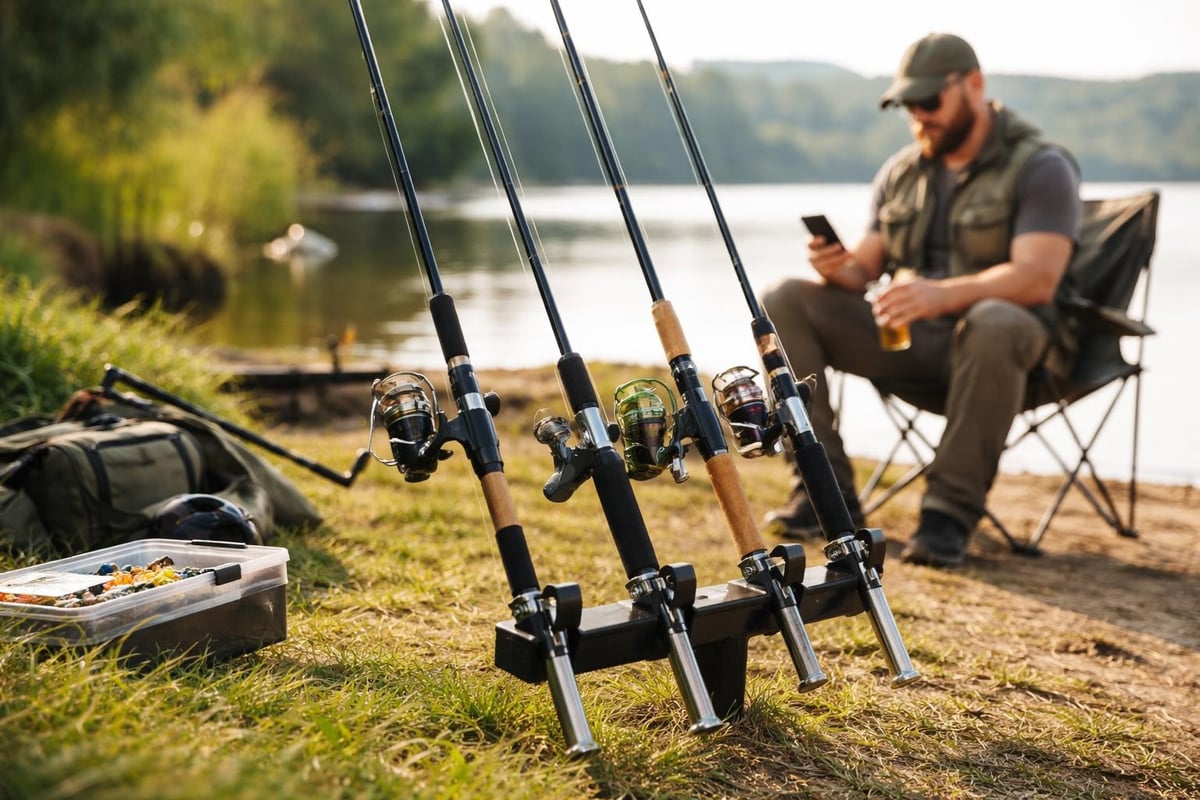
Organization becomes crucial when you're running several setups. With proper holders, you can keep a topwater rod ready while working a jig, or monitor three trolling lines without chaos. The best fishing pole holders provide stability and quick access when you need to grab a rod fast.
Types of Fishing Pole Holders for Different Situations
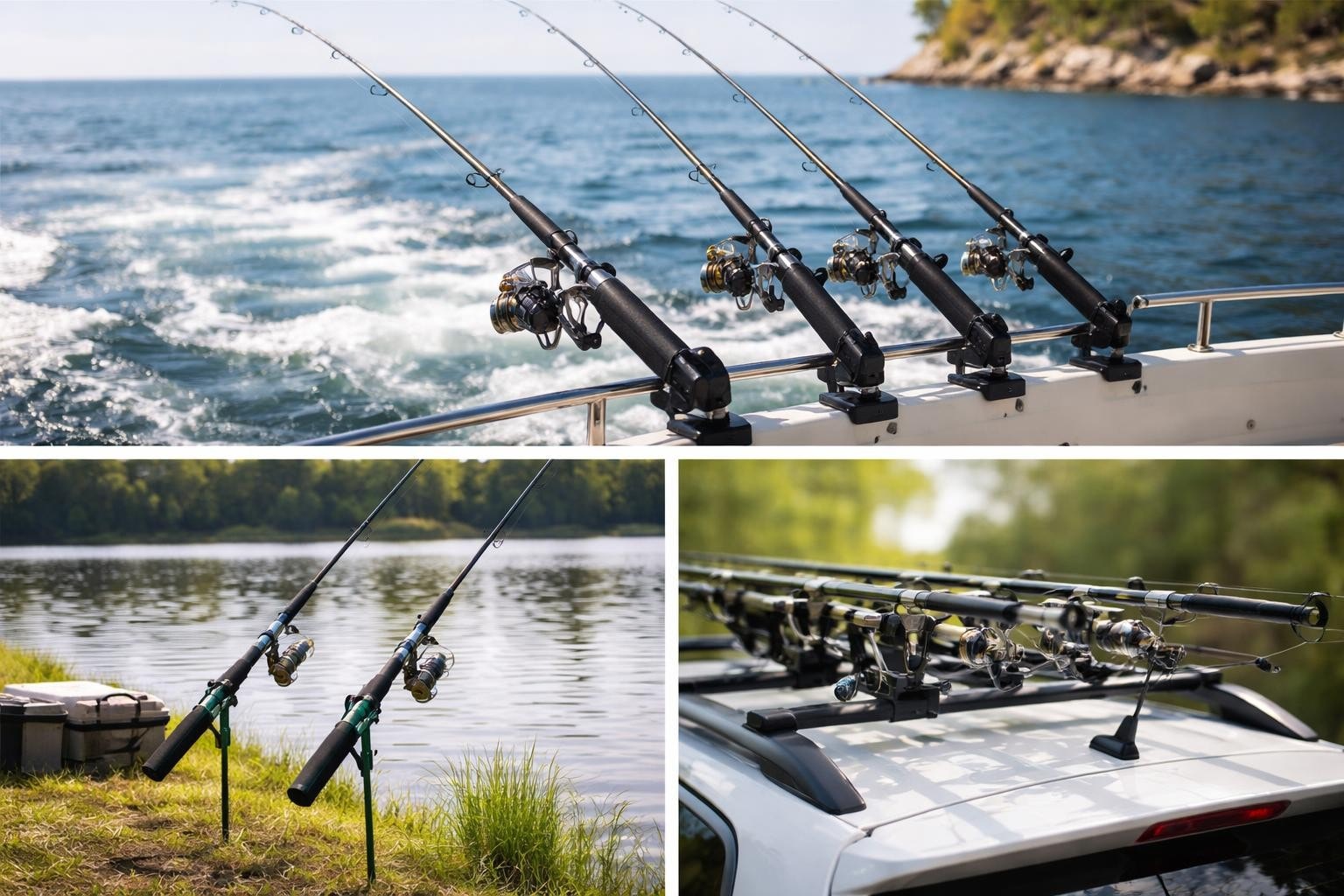
Boat-mounted holders come in several styles. Flush-mount holders install permanently into gunwales or rocket launchers, creating clean storage that doesn't interfere with deck space. These work great for offshore boats where you need multiple rods ready for trolling or live bait fishing.
Clamp-on models attach to rails, edges, or flat surfaces without drilling. They're perfect for rental boats or situations where you can't modify the vessel. Most adjust for angle, letting you set rods at different positions depending on your technique.
Shore and Bank Fishing Options
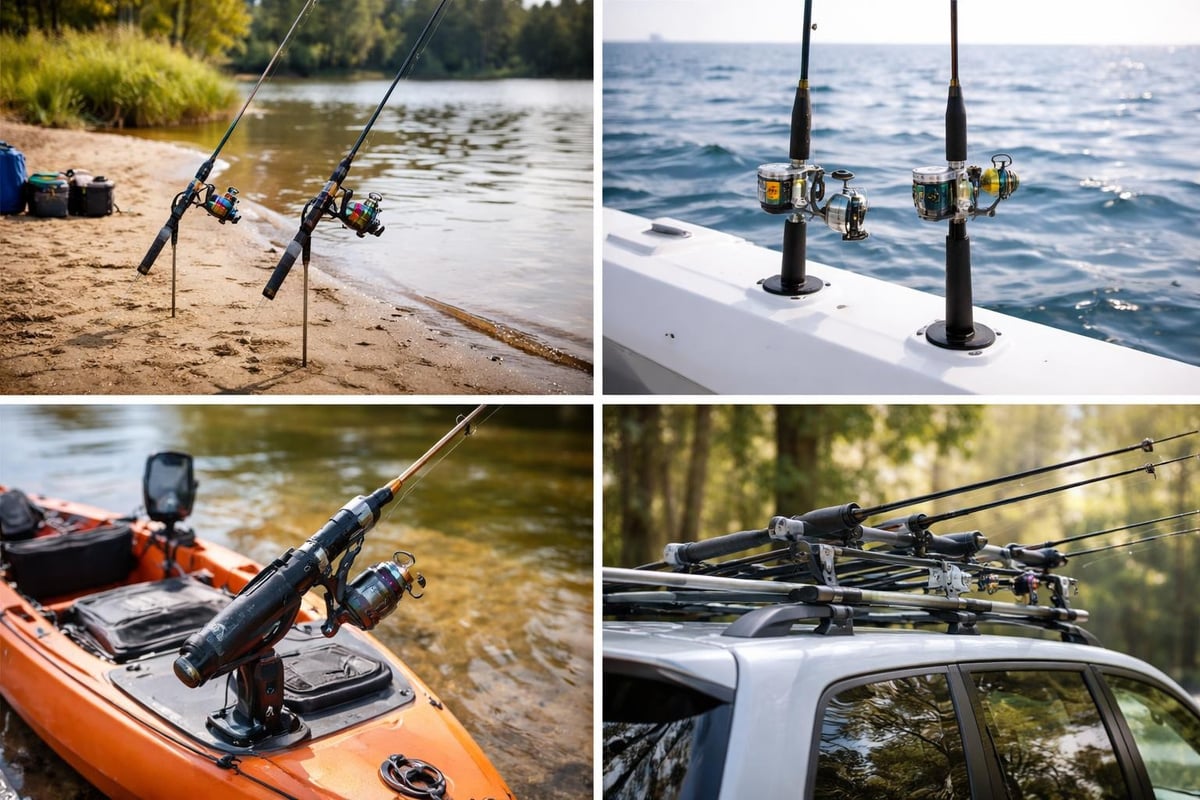
Bank fishing requires different solutions. Spike holders drive into soft ground, sand, or mud, holding your rod at an angle while you wait for bites. These simple but effective tools let you fish multiple rods from shore, which is especially useful for catfishing or carp fishing.
Rod pods create stable platforms on any terrain. They typically hold 2-4 rods and include adjustable legs that work on uneven ground. Surf fishers particularly appreciate these since they keep rods high above the sand and waves.
Vehicle and Transport Holders
Getting rods to your fishing spot safely matters as much as using them there. Roof rack systems secure multiple rods for highway transport, protecting tips and preventing tangles. Some anglers prefer bed-mounted truck holders that keep rods inside the vehicle for added security.
Interior holders mount to truck beds or boat gunwales, organizing rods during transport and storage. According to reviews of fishing rod racks, horizontal wall-mounted systems work well in garages, protecting rod tips while keeping gear accessible.
Material Choices and Durability Considerations
Stainless steel dominates saltwater applications. It resists corrosion from spray and humidity, though it costs more upfront. Quality stainless hardware lasts decades with basic rinsing after use. Cheap stainless still corrodes, so pay attention to grade specifications.
Plastic holders offer affordability and corrosion resistance. Modern polymers handle UV exposure and impact surprisingly well. They're lighter than metal, which matters for portable setups or when adding multiple holders to a small boat. The tradeoff is less rigidity under heavy loads.
Material comparison:
- Stainless steel: Maximum durability, corrosion-resistant, handles heavy rods, higher cost
- Aluminum: Lightweight, affordable, requires anodizing for saltwater, medium durability
- High-density plastic: Budget-friendly, won't corrode, lighter weight, less rigid
- Rubber and foam: Used for grip components, protects rod finishes, requires replacement over time
Aluminum works for freshwater and occasional saltwater use. Anodized aluminum resists corrosion better than raw metal, though it still requires freshwater rinsing after saltwater exposure. It's lighter than stainless and costs less, making it popular for kayak and canoe applications.
Mounting Methods and Installation Tips
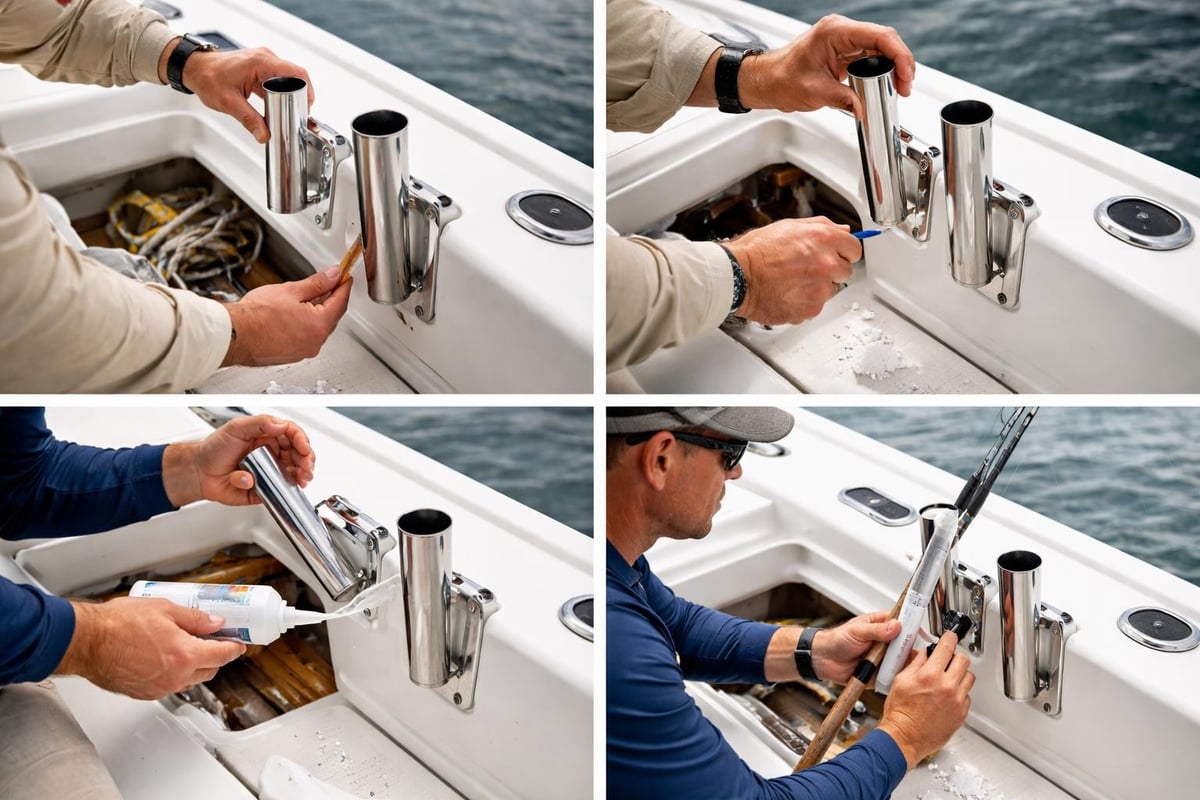
Permanent mounts require drilling and usually involve through-bolting or screwing into solid material. This creates the most secure connection but commits you to that location. Before drilling, consider what's behind the mounting surface. Avoid wiring, fuel lines, or structural components.
Mark your holes carefully using the holder as a template. Double-check measurements since mistakes are hard to undo. Use marine-grade sealant around fasteners to prevent water intrusion, especially on boat installations.
Temporary mounting systems use clamps, suction cups, or straps. These work great when you can't modify a boat or fish from different vessels. Clamp-on holders should attach to rails or edges at least 3/4-inch thick for stability.
The angle matters more than many anglers realize. Vertical holders save space but make it harder to see rod tips. Angled holders at 30-45 degrees provide better visibility for detecting strikes while keeping rods secure. Adjust based on your fishing style and boat layout.
When planning your fishing trips, think about how many holders you'll actually use. Overcrowding creates tangles and makes rod access difficult. Start with 2-3 well-placed holders rather than installing six that get in the way.
Features That Make Quality Holders Stand Out
Adjustability adds versatility. Holders that rotate or tilt let you position rods for different techniques. You might want a vertical position for storage but need a horizontal angle for trolling. Look for positive locking mechanisms that won't slip under load.
Capacity affects what rods you can secure. Measure your rod handles before buying. Oversized grips on some modern rods won't fit narrow holders. Similarly, check the tube depth if you fish with long butts or fighting belts.
Gimbal pins or rod butt cups matter for serious fishing. A good gimbal keeps the rod from spinning and provides leverage for fighting fish. Cup-style holders work fine for light fishing but don't offer the same control with heavy tackle.
Quick-release features help when fish hit. Some holders include spring-loaded or clip mechanisms that let you grab the rod instantly without fumbling. This matters more in fast-action fishing where seconds count.
The KastKing fishing rod holder reviews highlight how foam inserts protect rod finishes while providing grip. These small details extend the life of both your holder and your rods.
Specific Applications for Different Fishing Styles
Trolling requires holders that handle vibration and rod load. Flush-mount holders positioned along gunwales let you run multiple lines at different depths. Downrigger fishing often uses rod holders with quick-release capabilities so you can clear the downrigger clip and fight the fish freely.
Jigging and casting benefit from accessible holders positioned near the angler. You're constantly picking up and setting down the rod, so the holder becomes a temporary rest rather than long-term storage. Pivot models work well here, swinging the rod in and out of position easily.
Catfish and Bottom Fishing Setups
Multiple-rod setups dominate catfishing. Bank anglers often use 3-4 rod holders spread along the shore, each with different baits. This increases your chances and lets you cover more water. Stake-style holders work perfectly for this application, and they're affordable enough to buy several.
Bells or electronic bite indicators attach to many holders, alerting you to strikes. This matters when you're fishing multiple rods or taking a break. Some holders include built-in indicator systems or attachment points for aftermarket alarms.
Kayak and Small Boat Solutions
Space limitations require creative solutions. Flush-mount holders install in kayak scuppers or gunwales without taking up deck space. Rail-mounted options work for kayaks with tracks or rails, letting you reposition holders based on your setup.
Weight matters on kayaks. Heavy stainless holders affect stability and paddle performance. Lightweight plastic or aluminum options make more sense. The best fishing pole holder racks for kayaks prioritize compact design and easy reach from the seated position.
Maintenance and Long-term Care
Saltwater anglers should rinse holders after every trip. Salt crystals build up in moving parts, eventually causing corrosion and jamming. A quick freshwater spray takes thirty seconds and extends holder life by years. Pay special attention to adjustment screws and locking mechanisms.
Moving parts need occasional lubrication. Use marine-grade grease on pivot points and threads. Avoid petroleum-based lubricants that attract dirt and break down in saltwater. Silicone-based products work well for most applications.
Check mounting hardware regularly. Vibration and stress loosen screws over time. Retighten fasteners at the start of each season, and inspect for cracks or wear. Replace any damaged components before they fail during use.
Maintenance schedule:
- After each saltwater use: Rinse thoroughly with freshwater
- Monthly: Check mounting screws and tighten as needed
- Quarterly: Lubricate moving parts with marine grease
- Annually: Inspect for cracks, corrosion, or wear; replace damaged parts
UV exposure degrades plastic holders over time. If you store your boat outside, consider covering holders or removing portable models during off-season. This simple step prevents brittleness and cracking.
Budget Considerations and Value Assessment
Entry-level holders start around fifteen to twenty dollars. These work fine for occasional freshwater fishing or simple bank setups. You get basic functionality without frills, which is enough for many situations. Just don't expect premium materials or adjustability.
Mid-range options ($30-$60) offer better materials and features. You'll find stainless steel construction, adjustment mechanisms, and improved durability. This price range hits the sweet spot for regular anglers who want reliability without breaking the bank.
Premium holders exceed one hundred dollars. They feature advanced materials, precision engineering, and specialized designs. These make sense for serious anglers who fish frequently or in demanding conditions. The investment pays off in longevity and performance.
When exploring fishing spots across the United States, you'll encounter different environments that demand different holder qualities. A Lake George freshwater setup has different needs than Key West saltwater fishing.
Consider cost per use rather than upfront price. A sixty-dollar holder used weekly for five years costs about twenty-three cents per trip. That same holder lasting ten years drops to twelve cents per outing. Quality often proves cheaper long-term.
DIY and Custom Solutions
Building your own holder saves money and creates exactly what you need. PVC pipe makes functional bank holders for a few dollars. Cut pipe to length, cap one end, and drive it into the ground. Add a slot cut at an angle for the rod to rest in.
Wooden rod racks work well for home storage. Simple plans use 2x4s and dowels to create wall-mounted or freestanding holders. Sand and seal the wood to prevent splinters and moisture damage. This approach particularly suits anglers with woodworking skills.
Repurposing materials creates unique solutions. Old boat seats, PVC fence posts, or metal conduit can become effective holders with minimal modification. The key is ensuring stability and protection for your rods.
Custom fabrication lets you match holders to specific needs. Welding or working with a fabricator creates one-off solutions for unusual boats or fishing styles. This costs more but delivers exactly what you want. According to guides on fishing rod holders for boats, custom mounts solve problems that off-the-shelf products can't address.
Common Mistakes to Avoid
Buying the wrong size ranks as the most frequent error. Measure your rod handles and check holder specifications carefully. An expensive holder is worthless if your rods don't fit properly. Consider your entire rod collection, not just one favorite.
Over-tightening mounting hardware cracks plastic holders and strips threads. Snug is enough; gorilla-tight causes damage. Use appropriate tools and stop when you feel resistance. Remember that materials expand and contract with temperature changes.
Ignoring weight capacity leads to bent holders or lost rods. Every holder has limits based on design and materials. A light freshwater holder won't handle heavy offshore tackle. Match the holder strength to your fishing style.
Poor positioning creates access problems and safety hazards. Holders placed where people walk become tripping hazards. Rods mounted too close together tangle and interfere with each other. Plan your layout before drilling permanent mounts.
Neglecting compatibility with rod types causes frustration. Some holders work great for spinning rods but poorly for casting setups. Gimbal pins don't fit all rod butts. The top fishing rod holders list compatibility specifications to help avoid mismatches.
Seasonal and Environmental Adaptations
Winter fishing requires holders that function in cold weather. Metal becomes painfully cold to touch, while some plastics turn brittle and crack. Rubber grips help, as do neoprene covers for metal components. Consider bringing a cloth to handle frozen metal parts.
Summer heat affects different materials. Dark-colored holders absorb heat and can become too hot to touch. This particularly affects plastic holders on boats sitting in full sun. Light colors reflect heat better and stay more comfortable.
Freshwater versus saltwater environments demand different approaches. What works perfectly on a bass boat might fail quickly in salt spray. When planning trips to places like Fort Pierce or Islamorada, factor in saltwater's corrosive nature.
Ice fishing creates unique challenges. Traditional holders don't work through ice. Bucket-top holder systems let you fish multiple tip-ups while staying mobile. These specialized setups differ completely from warm-weather options.
Multi-rod Management Strategies
Color-coding helps track which rod has which setup. Use colored tape on rod butts or holders to quickly identify your crankbait rod versus your jig setup. This simple system prevents confusion when managing three or four rods.
Spacing matters for tangle prevention. Allow at least twelve to eighteen inches between holders when possible. This gives you room to manipulate each rod without interference. On small boats, prioritize spacing over quantity.
Height variation helps when vertical space is limited. Stagger holders at different heights so rods don't cross. This works particularly well for bank fishing with multiple rods spread along the shore.
Dedicated roles for each rod improve efficiency. Keep one rod always rigged for topwater, another for deep work, and a third for covering water. With proper holders, you can switch techniques in seconds rather than re-rigging constantly.
The insights from customer-favorite boat rod holders emphasize that successful multi-rod setups require planning, not just equipment. Think through your typical fishing day and design your holder arrangement accordingly.
Specialized Holders for Unique Needs
Fly fishing requires wider holders that accommodate large-arbor reels. Standard holders often pinch delicate fly lines or damage reels. Look for holders specifically designed for fly rods, which provide more clearance and gentler support.
Surf fishing demands tall holders that keep rods above wave action. Sand spikes range from two to four feet long, with longer versions better for rough conditions. Some include adjustable angles or multiple positions for different techniques.
Ice fishing shelters use inside holders that keep rods organized in tight quarters. These mount to shelter frames or bucket tops, providing quick access while protecting rods from foot traffic. They're typically lightweight and portable.
Trolling boards and planer systems require specialized rod holders that maintain proper line angles. These holders often include additional features like line releases or depth adjusters. They're essential for serious trolling operations.
Finding the right fishing pole holder transforms how you manage gear and approach different fishing situations. Whether you need a simple bank spike or a complete boat-mounted system, matching holder features to your fishing style creates a better experience on the water. Once you've got your gear sorted, the next step is finding great places to use it. Find Fishing Spots helps you discover saltwater, freshwater, and brackish locations across the country with GPS coordinates and access details, so you can focus on fishing instead of searching.