Fly fishing is making a huge comeback, with more anglers drawn to the thrill and precision it offers. Today’s fly fishing rod isn’t just a classic tool—it’s packed with cutting-edge technology that makes every cast smoother and every catch more rewarding.
This guide is your go-to resource for picking the ideal fly fishing rod in 2026. We’ll break down the basics, help you choose rods for different waters and species, explore new materials, and share expert picks. Want to feel confident in your gear? Follow along for honest advice, top recommendations, and smart tips to help you fish like a pro.
Understanding Fly Fishing Rod Basics
Fly fishing has a unique rhythm. If you have ever watched someone on a river, gracefully casting a line, you know that a fly fishing rod is unlike any other fishing tool. Let’s break down what sets it apart, get to know its key parts, and see how modern tech makes a difference in 2026.
What Makes a Fly Fishing Rod Unique?
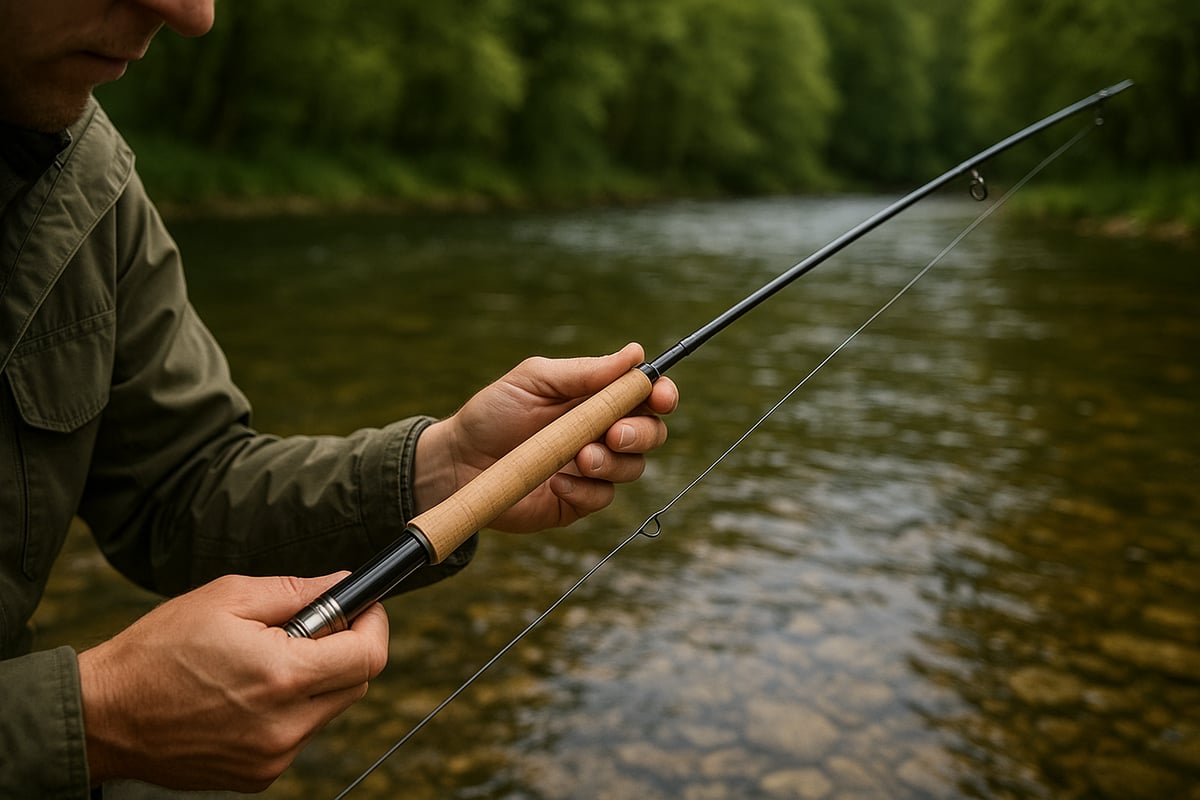
The fly fishing rod stands out from conventional fishing rods in several ways. Its main job is to cast lightweight flies using the weight of the line, not the lure, which changes the whole casting game. Flexibility is key, allowing the rod to load and unload energy smoothly, making those graceful loops you see on the water.
Unlike baitcasting or spinning rods, a fly fishing rod is designed for delicate presentations. You need to land your fly softly so you do not spook the fish, especially in clear or shallow water. The rod’s design helps with accuracy and distance, letting you reach tricky spots under branches or across fast-moving streams.
Picture yourself casting on a wide river, needing to place a dry fly right beyond a boulder. Here, a fly fishing rod’s action makes all the difference. Or imagine stalking brook trout in a tight mountain stream, where gentle, precise casts are crucial. In every scenario, the rod’s unique build helps deliver the fly exactly where it needs to be.
Key Components of a Fly Fishing Rod
Every fly fishing rod is made up of several main parts, each with its own job:
- Blank: The main shaft, providing the backbone and flexibility.
- Handle: Usually cork or synthetic, shaped for comfort and grip.
- Reel Seat: Where the reel attaches, keeping it secure.
- Guides: Rings that direct the fly line along the blank.
- Tip: The thinnest and most sensitive part, aiding accuracy.
When these components are high quality, the rod performs better and lasts longer. For instance, industry data shows that rods with reinforced guides and premium reel seats have lower failure rates, especially under heavy use. In 2026, trends point toward rods built with advanced materials like MITO Graphene, which boosts strength without extra weight. You can learn more about these innovations and how rods have evolved at the Fly Rod Evolution and Technology page.
Choosing a fly fishing rod with the right parts is like picking out a reliable car. You want smooth handling, comfort, and durability for every trip to the water.
Fly Rod Action and Power Explained
Understanding your fly fishing rod’s action and power is like knowing how your car handles corners and speed. Action describes how much and where the rod bends. A slow-action rod bends throughout, perfect for gentle, close casts. Medium-action rods offer a balance, good for varied fishing situations. Fast-action rods bend mostly at the tip and are great for long casts and windy days.
Power, on the other hand, refers to the rod’s strength and its ability to handle different line weights and fish sizes. Light power suits small trout and delicate flies. Medium power works for bigger fish like bass, while heavy power is for salmon or saltwater species.
Modern 2026 technology brings more precise ratings, so you can match your fly fishing rod to your skill level and the fish you are after. Many expert anglers say beginners do best with medium-action rods, as they are forgiving yet versatile. As you gain experience, you might try faster actions for more challenging conditions. Picking the right action and power makes every cast feel just right, building confidence and helping you land more fish.
Matching Your Rod to Fishing Environments
Choosing the right fly fishing rod starts with knowing where you’ll be casting your line. Different environments demand different features from your gear. Let’s break down how to find the perfect match for any fishing adventure.
Freshwater vs. Saltwater Fly Fishing Rods
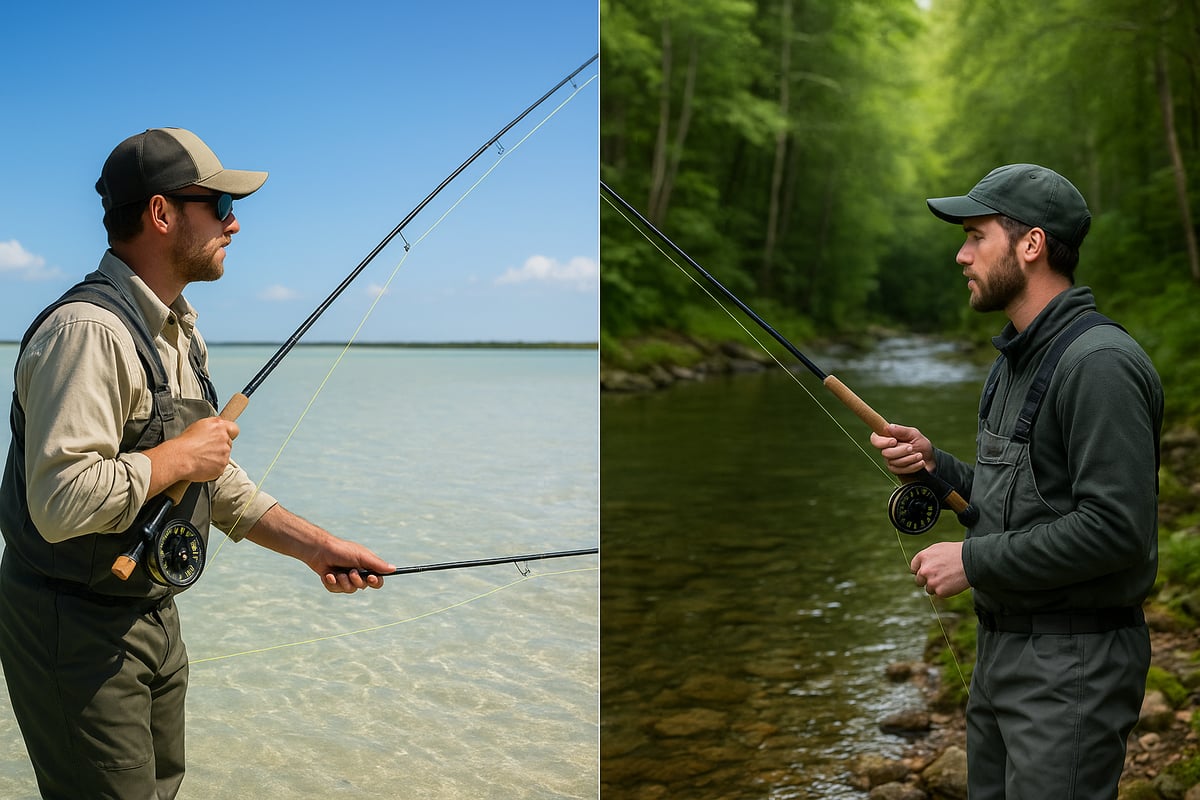
Freshwater and saltwater environments put different demands on your fly fishing rod. In freshwater, rods focus on finesse and accuracy for trout, bass, or panfish. Materials like graphite or carbon fiber offer sensitive touch and light weight, perfect for small streams or lakes.
Saltwater, on the other hand, requires a fly fishing rod built to handle bigger fish and harsh conditions. Corrosion-resistant guides, strong reel seats, and reinforced blanks are a must. Stainless steel or titanium guides help prevent rust, and beefier rods stand up to powerful runs from species like tarpon or redfish. Saltwater rods tend to last fewer seasons than freshwater rods due to the tough elements, so investing in quality pays off.
Target Species and Rod Selection
The fish you’re after will shape your fly fishing rod choice. Targeting trout in a mountain stream? A 3 to 5 weight, 8 to 9 foot rod offers the right blend of delicacy and control. Chasing bass or carp? Step up to a 6 or 7 weight for more backbone.
For salmon or steelhead, anglers often use 8 to 9 weight rods to handle long runs and heavy flies. If you’re after saltwater species like tarpon or snook, look for rods in the 9 to 12 weight range. Many anglers seek versatility, picking a rod that can handle multiple species by balancing weight and length. If you fish diverse waters, a well-chosen fly fishing rod can adapt to just about any challenge.
Local Conditions: Rivers, Streams, Lakes, and Beyond
Where you fish makes a big difference in rod selection. Small streams call for shorter rods—think 7 or 8 feet—for quick casts under tree cover. Larger rivers or lakes reward longer rods, around 9 or 10 feet, for better reach and line control.
If you fish windy areas, a stiffer, fast-action fly fishing rod helps punch through gusts. Fishing lakes or open water? Consider rods that can handle longer casts and heavier lines. Some regions, like the Pacific Northwest, favor beefier rods for salmon, while the Southeast often sees lighter setups for panfish.
Traveling or fishing new spots? Compact, multi-piece rods are easy to pack and handle a variety of conditions. Before you head out, tap into local fishing reports or use a best fishing spots directory to learn about the water and pick the right rod. The more you know about your fishing environment, the better your fly fishing rod will perform.
Materials and Technology: What’s New for 2026?
Fly fishing isn’t just about tradition anymore. Over the last few years, the fly fishing rod has gone through a real transformation, with new materials and smart technology changing the game. Whether you’re chasing trout or casting to saltwater giants, knowing what’s new in 2026 will help you pick the right rod for your next adventure.
Advances in Rod Materials
Rod makers are pulling out all the stops with high-modulus graphite, nano-resins, and carbon fiber blends. These materials make today’s fly fishing rod lighter, more sensitive, and stronger than ever before. You’ll notice the difference in how the rod feels in your hand and how it handles big fish or long casts.
This leap in technology isn’t just hype. Industry reports show that new materials boost rod resilience by up to 30 percent compared to older models. Some of the best 2026 rods even use graphene for a blend of feather-light feel and serious backbone. If you want to dive deeper into what’s behind these innovations, check out this guide on Advances in Fly Rod Materials.
Guide and Handle Innovations
The guides and handle might seem minor, but they can make or break your experience. In 2026, you’ll see guides that reduce friction, helping your line shoot farther and smoother. Ceramic inserts and titanium frames are leading the way, cutting down on wear and keeping your fly fishing rod casting like new.
Handles are getting an upgrade too. Ergonomic shapes and new cork blends mean less hand fatigue, even after a long day on the water. There’s a big push for eco-friendly materials, with many brands using recycled or sustainable sources. Experts agree: a comfortable grip and smooth guides can turn a good rod into your go-to favorite.
Smart Rods and Integrated Technology
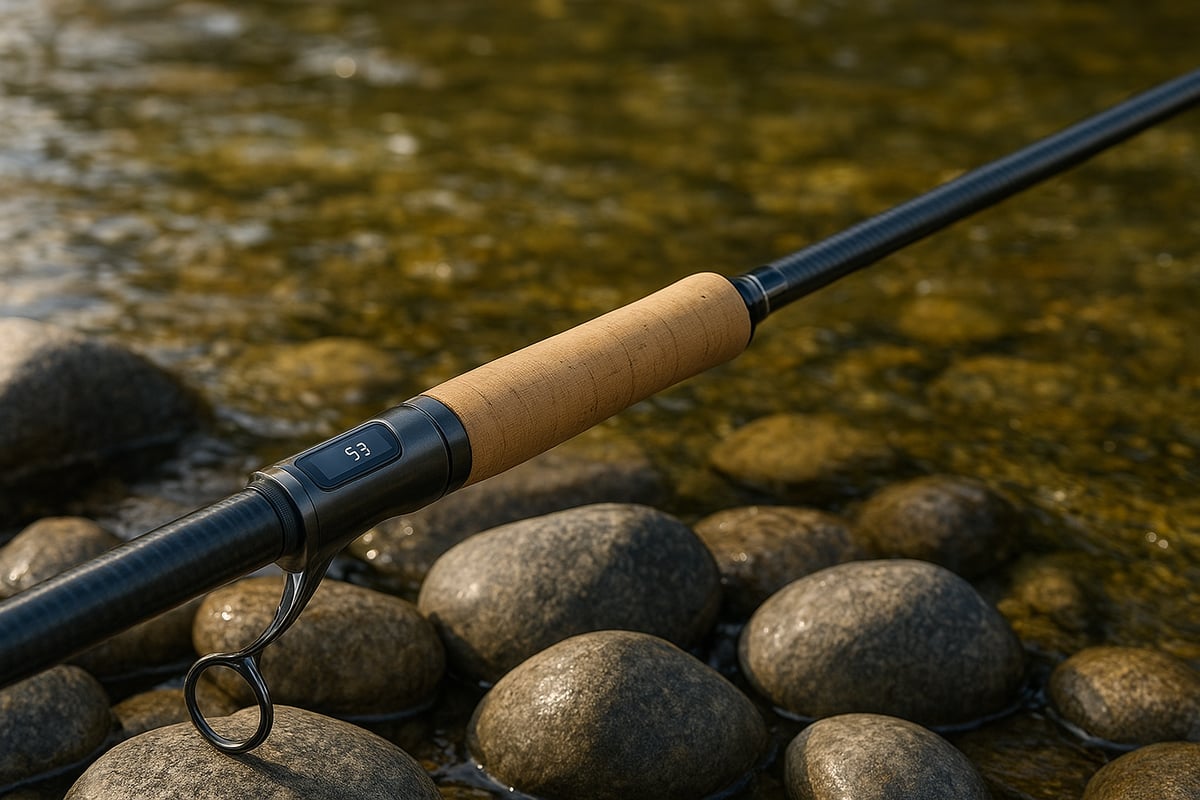
The biggest buzz for 2026 is smart tech built right into your fly fishing rod. Imagine rods with Bluetooth sensors that track your casting motion, speed, and even the number of casts per trip. Some models sync with your phone, giving instant feedback and tips to help you improve your skills.
Integrated displays on the handle can show real-time data, from water temperature to casting distance. This technology is a huge help for beginners, but even seasoned anglers are finding ways to use it for fine-tuning their technique.
There are a few things to keep in mind, though. Smart rods can take a little getting used to, and some traditionalists prefer the classic feel without electronics. Still, if you like data or want to track your progress, a tech-forward fly fishing rod could be a game changer.
Whether you’re a purist or a gadget lover, 2026 has something fresh to offer. The future of the fly fishing rod is lighter, tougher, and smarter, making every cast count.
Choosing the Right Length and Weight
Choosing the right fly fishing rod length and weight can feel confusing, but it is key to having fun and success on the water. Whether you are casting on a small stream or a wide lake, the details matter. Let us break down how length, weight, and rod design help you fish smarter, not harder.
Rod Length: Pros, Cons, and Applications
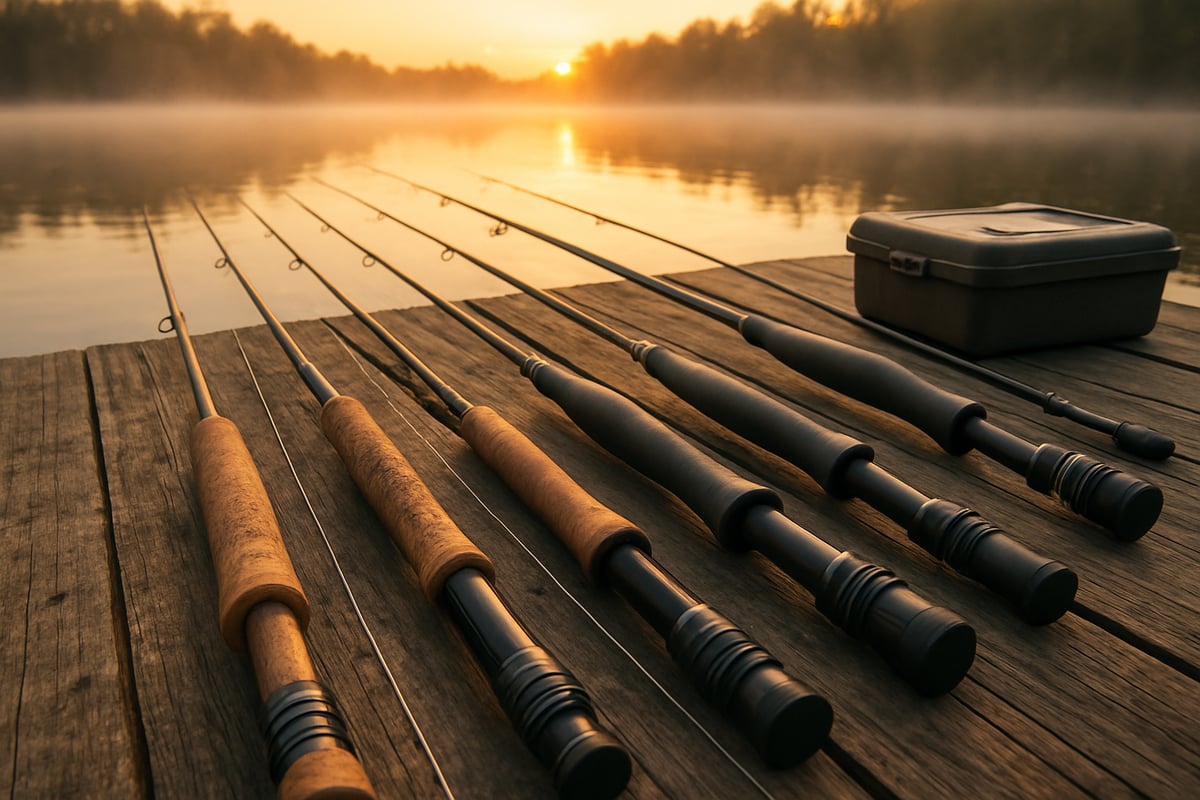
Most fly fishing rods range from 7 to 10 feet. Shorter rods (7–8 feet) shine in tight quarters, like small streams with overhanging trees. They offer better control and quick, accurate casts. On the other hand, longer rods (9–10 feet) excel in open water, such as lakes or big rivers, giving you more reach and helping manage longer lines.
For beginners, a 9-foot fly fishing rod is a sweet spot. It balances distance with control and works well for trout, bass, and more. Advanced anglers might pick longer rods for specialized techniques or windy days. Remember, the fly fishing rod length you choose also depends on your height and casting style.
If you often fish large lakes or travel to new water, consider checking out lake fishing techniques and spots for more tips on matching rod length to your adventure.
Rod Weight: Matching to Line and Fish
Rod weight is not about pounds, but about matching the fly line and the fish you are after. Fly fishing rods are rated from 1 (ultra-light) to 12+ (heavy-duty). Here is a quick guide:
- 1–3 weight: Small trout, tiny flies, spring creeks
- 4–6 weight: Most trout, panfish, light bass, all-around use
- 7–9 weight: Bass, steelhead, big trout, light saltwater
- 10–12+ weight: Salmon, pike, musky, saltwater giants
Always match your fly fishing rod, reel, and line weight for the best casting and fish-fighting results. Using mismatched gear can lead to sloppy casts or even broken rods. Many beginners pick a 5 or 6 weight for versatility, while seasoned anglers will build a quiver for different fishing styles.
Multi-Piece vs. One-Piece Rods
There is a classic debate: should you get a one-piece or a multi-piece fly fishing rod? One-piece rods are slightly more sensitive and durable, but they are hard to transport. Multi-piece rods, especially 4-piece designs, break down easily for travel or hiking. Thanks to modern ferrule technology, today’s multi-piece rods cast nearly as smoothly as one-piece models.
If you love exploring new water, compact rods are a game-changer. In 2026, many top brands offer lightweight, packable options that fit in a backpack or carry-on. These rods are perfect for anglers who value flexibility or want to fish remote spots.
When picking your fly fishing rod, think about your lifestyle. Do you hike to hidden streams or travel by plane? Multi-piece rods make those trips hassle-free. For home waters, a sturdy one-piece could be your go-to. Either way, today’s options mean you do not have to compromise on performance.
Top Fly Fishing Rod Recommendations for 2026
Finding the best fly fishing rod in 2026 can feel like searching for a needle in a haystack with so many new models and features hitting the market. Whether you want a rod that does it all, need something for a specific challenge, or are deciding between saving or splurging, here are the top picks and tips to help you cast with confidence.
Best All-Around Fly Rods
The best all-around fly fishing rod in 2026 is one that balances versatility, durability, and ease of use. Models like the Sage Foundation, Orvis Clearwater, and Echo Carbon XL consistently rank at the top for their ability to handle various conditions, from small streams to open lakes. These rods typically feature medium-fast action, making them forgiving for beginners but responsive enough for experienced anglers.
User reviews highlight their reliable performance and comfortable grip, even during long days on the water. Most all-around rods fall in the 9-foot, 5 or 6-weight range, which is ideal for targeting trout, bass, and even some light saltwater species. Expect prices from $200 to $400, with solid warranty support from major brands.
Many anglers choose an all-around fly fishing rod as their first or primary setup, knowing it can adapt to changing conditions and a range of fishing styles. If you want a rod that can do it all without breaking the bank, these picks are a safe bet.
Specialized Rods for Unique Situations
Sometimes, a standard fly fishing rod just does not cut it. Specialized rods are designed for those scenarios when you need extra finesse, power, or sensitivity. For example, euro-nymphing rods like the TFO Stealth or Sage ESN are longer (often 10 feet or more) and extra sensitive, allowing you to detect subtle takes in fast-moving water.
If saltwater is your playground, look for rods with corrosion-resistant components and extra backbone, such as the Redington Predator or G Loomis NRX+ Salt. For big game like tarpon or salmon, heavy-weight rods (8–12 weight) with reinforced blanks are a must. On the other end of the spectrum, small stream enthusiasts love the short, light, and ultra-accurate Orvis Superfine Glass.
Investing in a specialty fly fishing rod makes sense if you regularly fish certain environments or species, giving you an edge when standard rods fall short. Just remember, these rods shine brightest when used for their intended purpose.
Budget-Friendly vs. Premium Options
Choosing between a budget-friendly and a premium fly fishing rod in 2026 comes down to your priorities and how often you hit the water. Entry-level rods like the Moonshine Drifter or Redington Classic Trout offer impressive value, great warranties, and solid performance for under $200. They are perfect for new anglers or those who want a backup rod without sacrificing quality.
On the premium side, rods such as the Scott Centric or Winston Air 2 command higher prices, sometimes $800 or more. These rods use advanced materials like high-modulus graphite and nano-resins for unmatched sensitivity and strength, along with top-tier components and finishes. According to Fly Fishing Rods Market Trends, demand for high-tech rods is growing, but many anglers still find lasting satisfaction with mid-range models.
No matter your budget, the right fly fishing rod should feel balanced in your hand, match your fishing goals, and come with reliable support from the brand. Talk to fellow anglers and try different rods if you can—sometimes the best rod is not the most expensive, but the one that just feels right.
Expert Tips for Making the Perfect Choice
Choosing the right fly fishing rod can feel overwhelming, but a few expert tips can make the process much smoother. Whether you’re new to the sport or looking to upgrade, these strategies will help you find a rod that fits your style, skills, and fishing goals.
Try Before You Buy: Demo Days and Casting Clinics
There’s no substitute for putting a fly fishing rod in your hands before buying. Demo days and casting clinics give you the chance to test different rods and discover what feels right. Local fly shops, fishing expos, and manufacturer events often host these opportunities.
When you try out a fly fishing rod, pay attention to how it balances, the way it loads during a cast, and the comfort of the grip. Try a few different casting styles and see which rod matches your natural motion. Most anglers find their satisfaction with a rod increases when they’ve tested it first.
Ask questions, get a feel for the action, and don’t rush your decision. Taking time to cast several rods can reveal subtle differences that matter on the water. Many experts say that hands-on testing is the single best way to avoid buyer’s regret.
Consider Your Skill Level and Future Growth
It’s tempting to grab the fanciest fly fishing rod on the rack, but matching your rod to your current skill level is key. Beginners often do best with rods that offer a forgiving action and moderate power, while advanced anglers may want more specialized features.
Think about where you want your skills to go in the next few seasons. A rod that’s too basic could hold you back, but one that’s too advanced might frustrate you. Many brands now offer adaptable rods with interchangeable tips or adjustable weights, making it easier to grow without replacing your whole setup.
Experts recommend rods that serve you now but also help you progress. Look for models with solid warranties and support, so you can fish confidently as your technique improves. Remember, the best fly fishing rod is one you’ll keep reaching for as your skills grow.
Accessing Additional Resources and Community Support
Don’t overlook the power of community when choosing a fly fishing rod. Local clubs, online forums, and fishing blogs are packed with advice from anglers who have been in your shoes. These resources can point you toward the best rods for your local conditions and help you avoid common mistakes.
Up-to-date fishing reports and directories are especially useful for learning what works on your favorite waters. If you’re focusing on rivers and streams, check out this helpful river and stream fishing tips guide for local advice and rod recommendations.
Keep exploring, ask questions, and don’t hesitate to share your own experiences. Staying connected with the angling community ensures you’re always learning and finding new ways to enjoy your fly fishing rod.
Now that you’ve got the scoop on picking the perfect fly fishing rod for 2026, why not take your new knowledge out for a spin? The right rod is only part of the adventure—finding that next favorite fishing spot is where the real stories begin. Whether you’re after trout in mountain streams or chasing big reds in saltwater flats, knowing where to cast makes all the difference. If you’re ready to discover prime locations near you, I suggest checking out Find Spots to explore detailed fishing spots, access info, and GPS coordinates for your next outing.