Whether you're thinking about your first cast or looking to explore new waters, the decision to go fishing opens up a world of possibilities across America's diverse waterways. From quiet mountain streams to bustling coastal piers, fishing offers something for everyone who's willing to grab a rod and spend some time near the water. The key to a successful outing isn't just luck-it's about knowing where to go, understanding the rules, and using techniques that match your target species and environment.
Finding the Right Spot Makes All the Difference
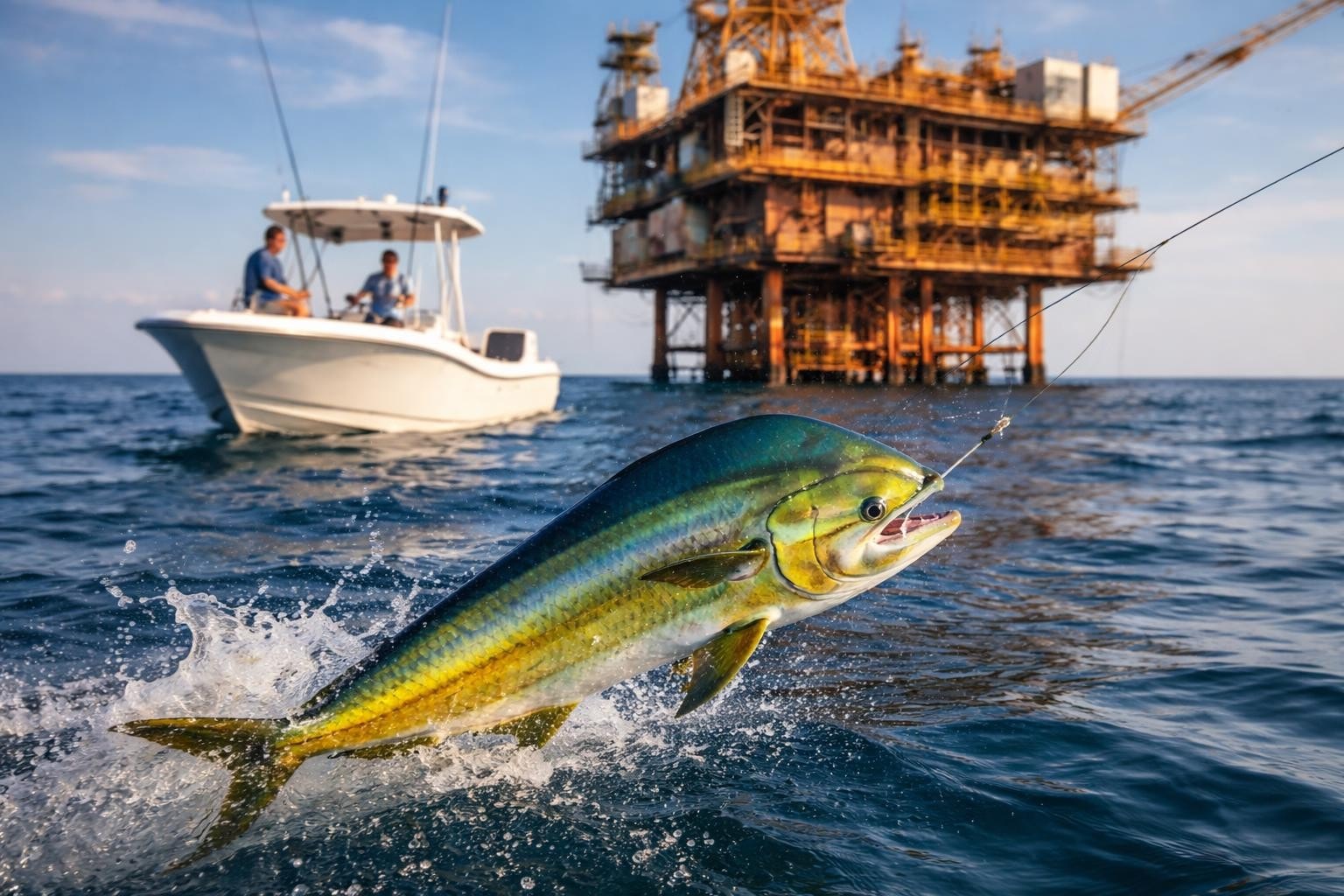
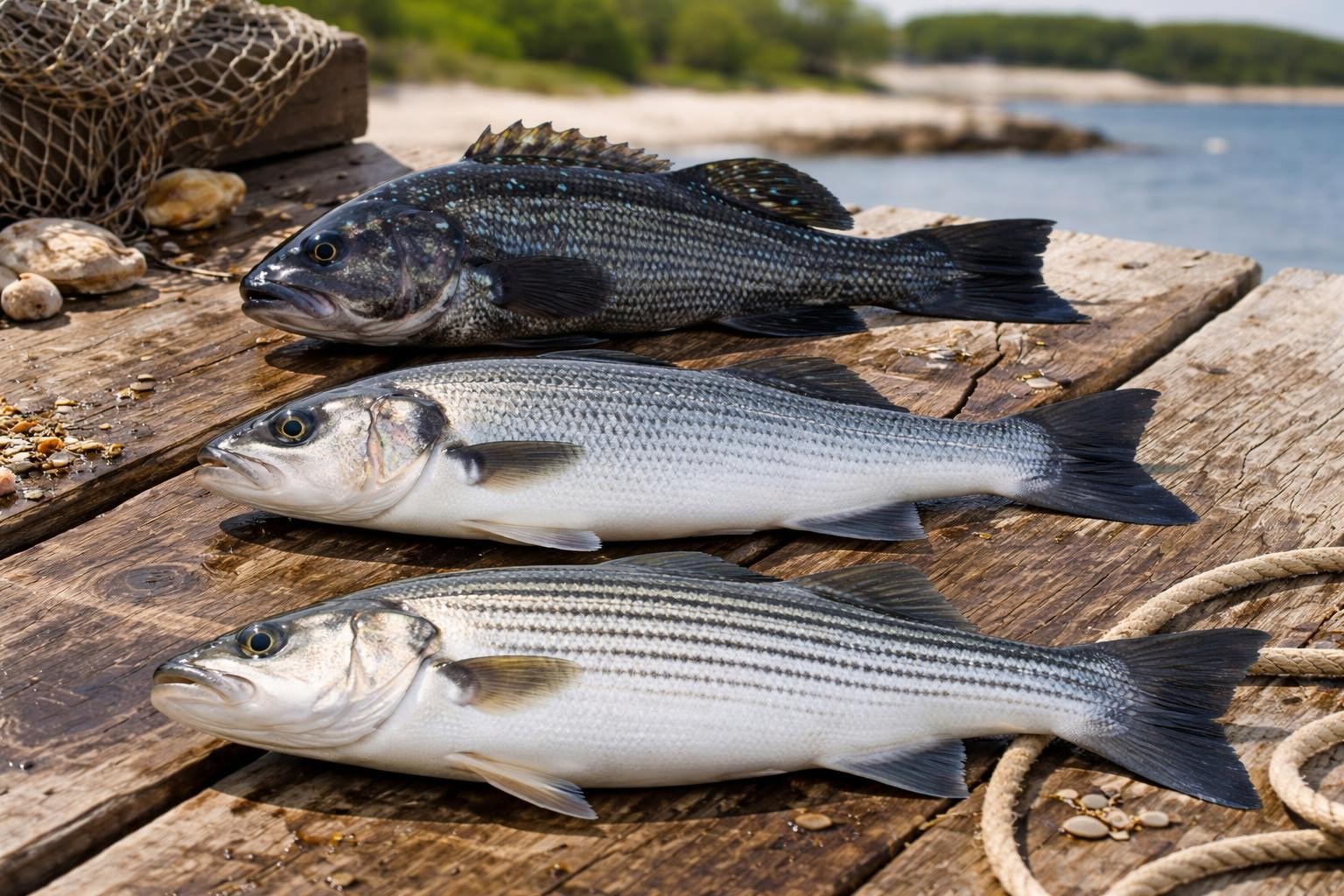
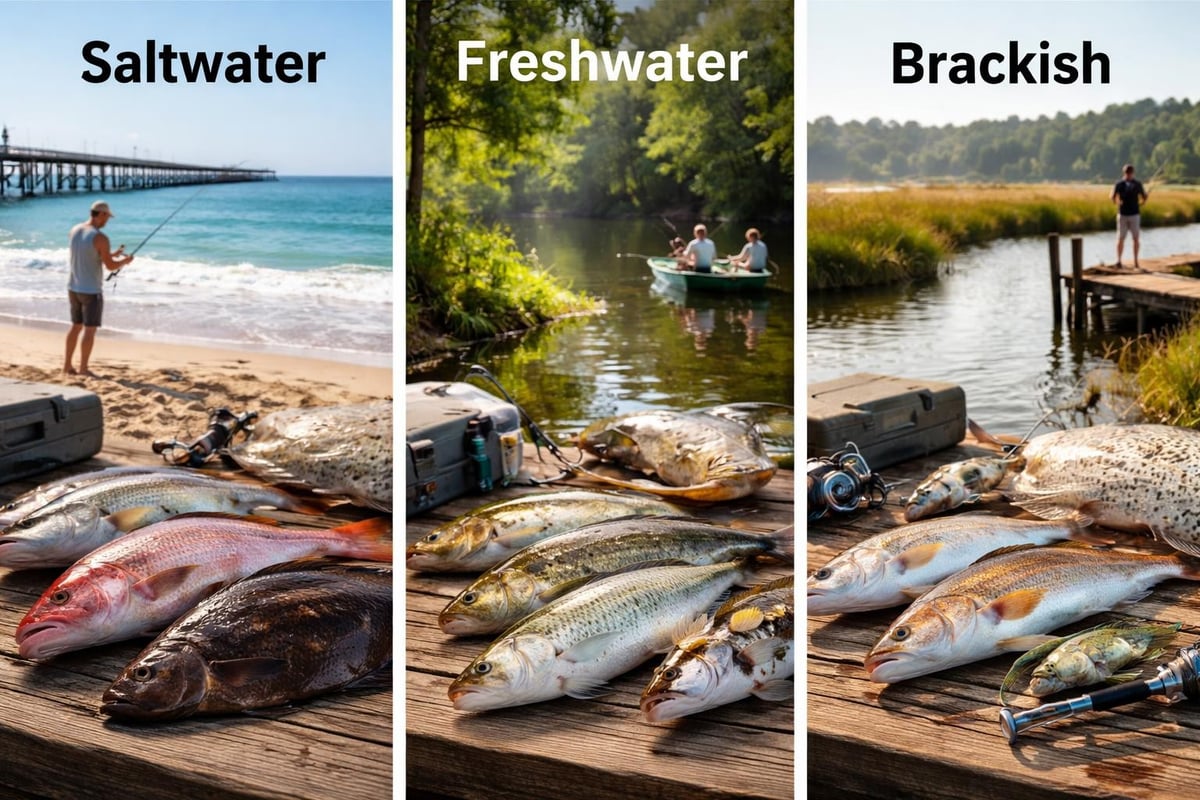
The first step when you go fishing is choosing a location that matches your skill level and goals. Saltwater fishing along coastlines offers opportunities for species like redfish, snook, and tarpon, while freshwater lakes and rivers are home to bass, trout, and catfish. Don't overlook brackish waters where salt and fresh water mix-these transition zones can be incredibly productive.
Location matters more than fancy gear. A well-chosen fishing spot with good access, the right depth, and active fish will outperform an expensive setup at a poor location every time.
Access and Preparation
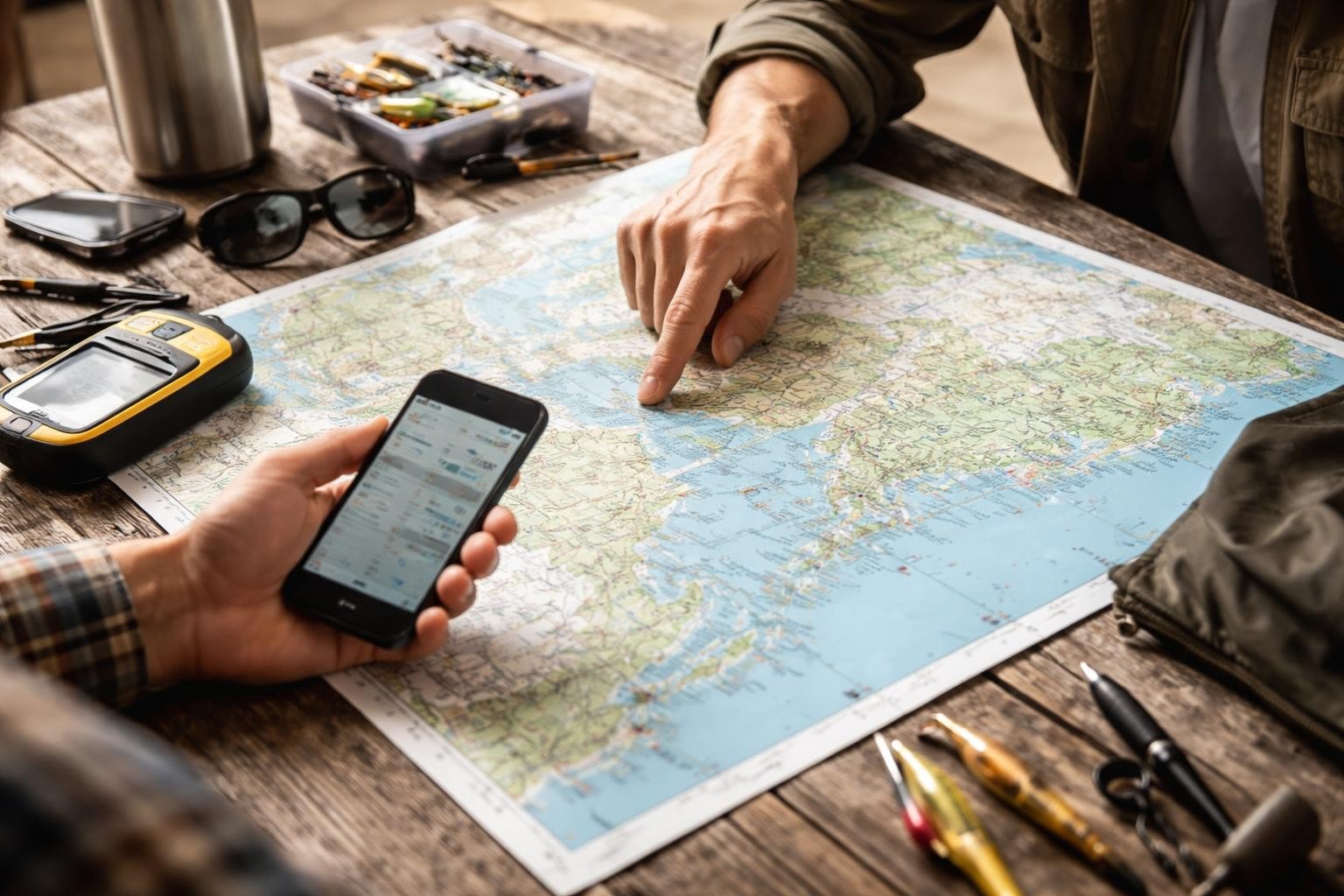
Before you head out, verify access points and parking availability. Some prime spots require hiking or boat launches, while others offer convenient shore access. Check if the location requires permits or has restricted hours.
- Research GPS coordinates for precise navigation
- Confirm parking and facilities availability
- Note any access fees or permit requirements
- Check recent fishing reports for the area
- Verify if the spot is suitable for your fishing style
When planning your trip to go fishing, tools like Find Fishing Spots help you discover locations across the U.S. with detailed access information and coordinates, saving you time and uncertainty.
Understanding Regulations Before You Cast
You can't go fishing legally without knowing the rules. Every state maintains its own set of regulations, and they can vary dramatically from one jurisdiction to another. Fishing regulations across the United States differ in licensing requirements, size limits, bag limits, and seasonal restrictions.
License and Legal Requirements
Most states require anglers over a certain age to carry a valid fishing license. Some offer daily permits for visitors, while residents typically purchase annual licenses. Certain waters have special regulations, and some species are catch-and-release only.
Federal regulations also come into play, particularly for saltwater fishing. The federal fishing regulations provide the framework for sustainable fisheries management across U.S. waters.
Always verify current regulations before you go fishing in a new area:
- Purchase the appropriate license for your location
- Check size and bag limits for your target species
- Note any seasonal closures or protected areas
- Understand gear restrictions for the waterway
- Keep your license with you while fishing
State wildlife agencies update regulations annually, so don't assume last year's rules still apply. Many states now offer mobile apps that put current regulations right at your fingertips.
Mastering Basic Techniques
Your approach depends on where and what you're targeting. Various fishing techniques range from simple bobber fishing to advanced fly casting, but beginners can catch plenty of fish with basic methods.
Technique Selection
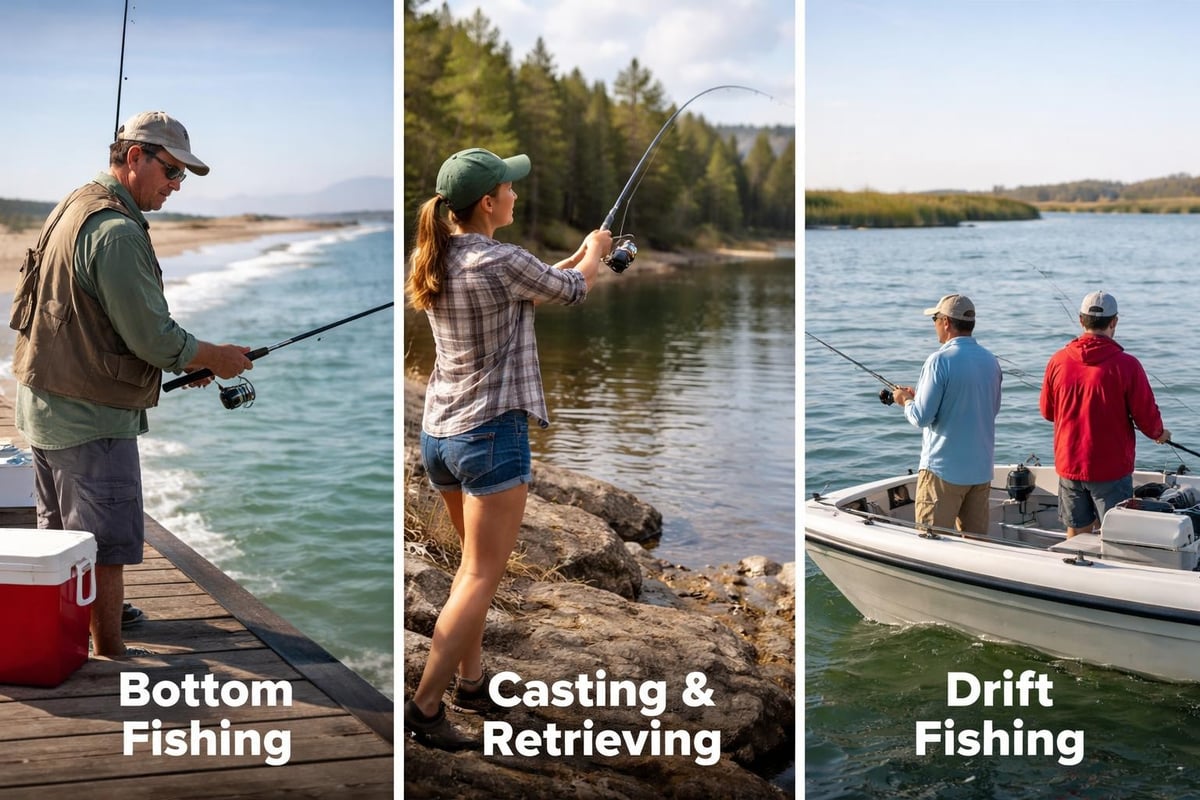
Bottom fishing works great for catfish, flounder, and other species that feed near the substrate. Casting and retrieving lures mimics prey movement and triggers strikes from bass and pike. Drift fishing covers more water and locates active fish in larger areas.
Different angling techniques include live bait fishing, artificial lures, and fly fishing, each with specific advantages. Match your technique to the water conditions and species behavior.
For those interested in traditional methods, primitive fishing techniques like spears and traps offer historical perspective, though modern anglers rarely need them outside survival situations.
Gear Essentials for Your First Trip
You don't need a tackle shop's worth of equipment to go fishing successfully. Start with basics and expand your collection as you gain experience and identify your preferences.
Core Equipment
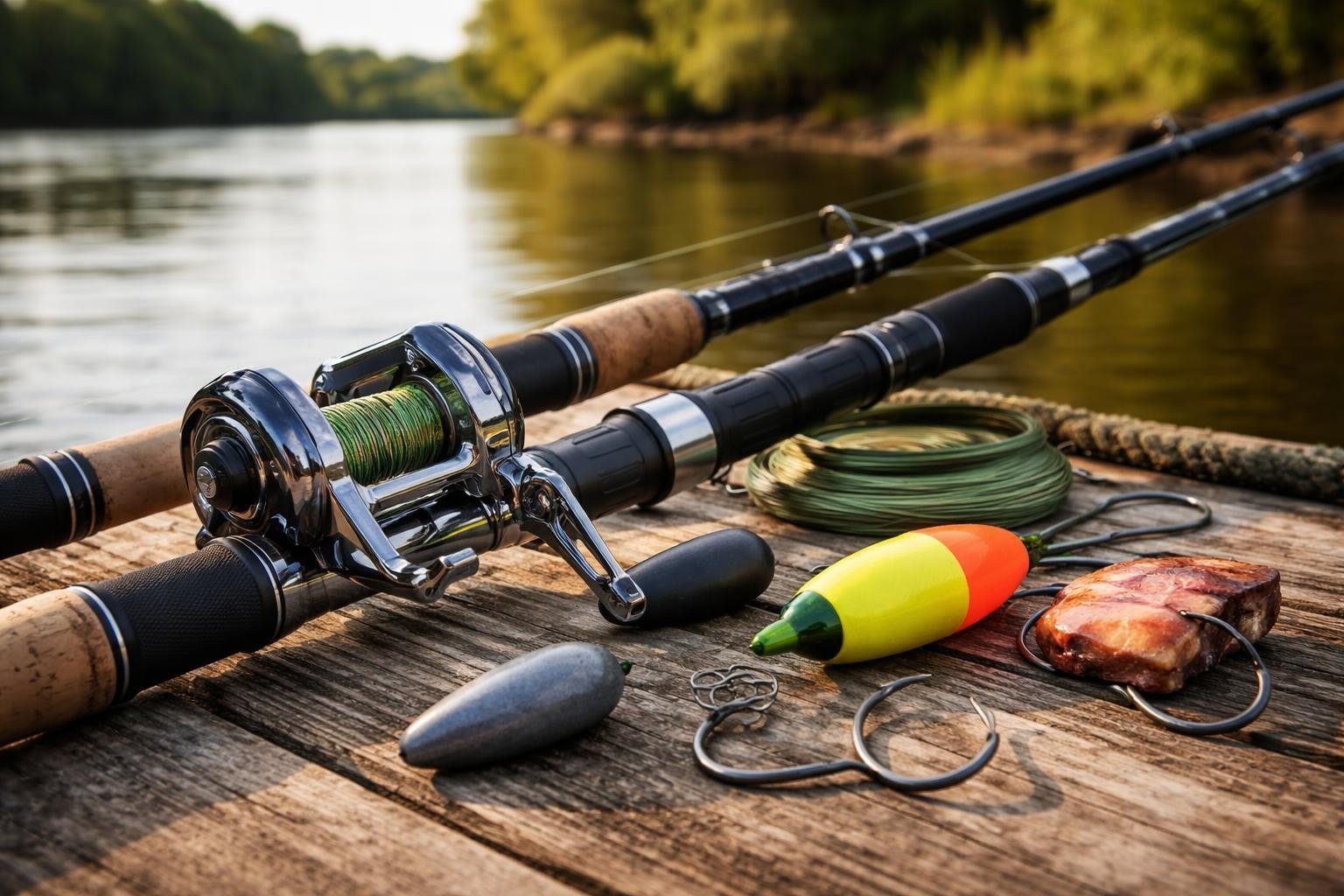
A medium-action spinning rod and reel combo handles most freshwater situations and many saltwater applications. Choose a 6-7 foot rod for versatility. Pair it with 10-12 pound test monofilament line for general use.
- Rod and reel combo: Spinning setup for beginners
- Fishing line: Monofilament or braided, appropriate test weight
- Hooks: Assorted sizes to match bait and species
- Weights and sinkers: Various sizes for depth control
- Bobbers or floats: Visual strike indicators
- Basic tackle box: Organized storage for terminal tackle
- Pliers and clippers: Line management and hook removal
- Measuring tape: Verify legal size limits
- Cooler or livewell: Keep catch fresh if harvesting
Regional considerations matter. Saltwater fishing requires corrosion-resistant gear, while fishing gear regulations in the United States may restrict certain equipment types in specific waters.
Bait and Lure Selection
Live bait like worms, minnows, and shrimp produces results for beginners because fish naturally feed on these items. Artificial lures require more technique but eliminate the need for bait storage and allow catch-and-release without gut-hooking fish.
Match your offering to local forage. If you're fishing a bass lake where shad are prevalent, use silver-colored crankbaits or soft plastic shad imitations. Fishing coastal waters where mullet run? Choose lures that mimic that profile and swimming action.
Timing Your Trip for Success
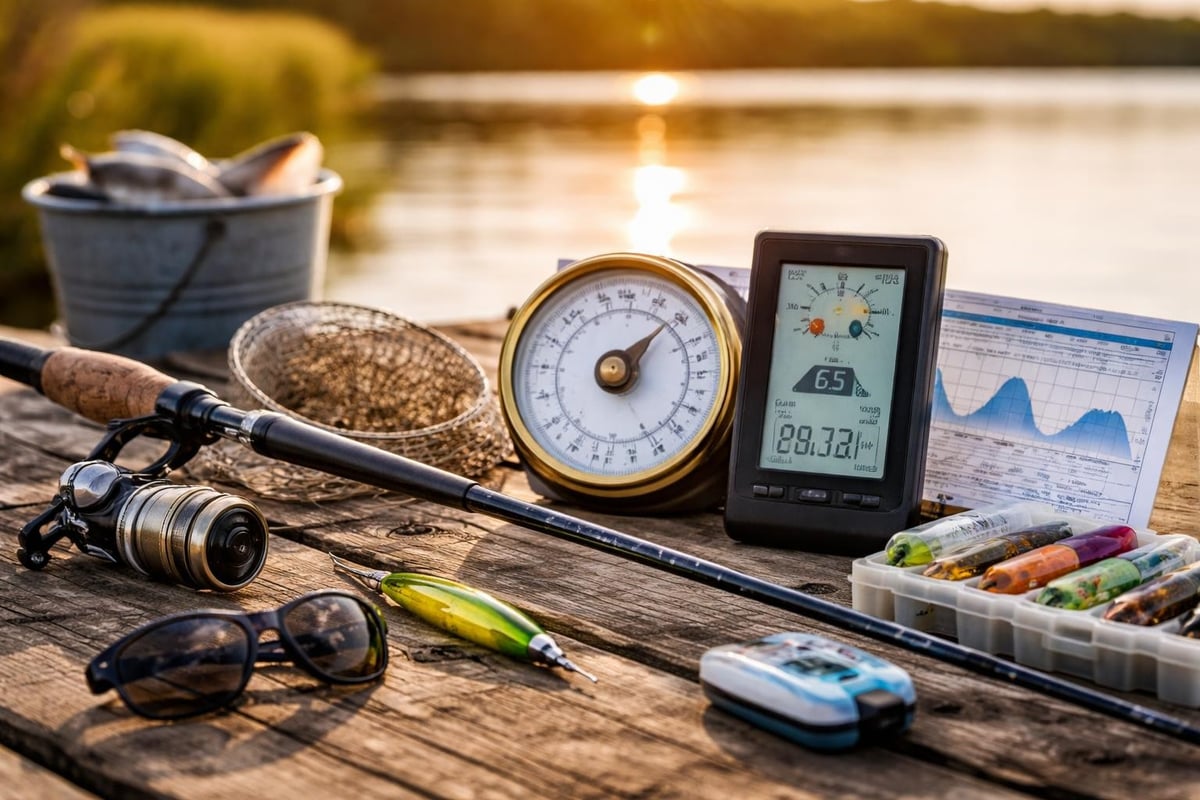
When you go fishing matters as much as where. Fish are cold-blooded creatures whose activity levels fluctuate with temperature, light, and barometric pressure.
Best Times to Fish
Early morning and late evening typically produce the best action as fish feed actively during these low-light periods. Midday fishing can still be productive, especially in deeper water or shaded areas.
Seasonal patterns influence fish location and behavior. Spring spawning periods see fish moving shallow, summer heat pushes them deep or into current, fall feeding prepares them for winter, and cold months slow metabolism and activity.
Moon phases affect tides in saltwater and can influence freshwater feeding as well. Many anglers swear by fishing around new and full moons when tidal movements are strongest.
Location-Specific Opportunities
The beauty of fishing in America is the incredible variety of environments. Coastal states like Florida offer world-class opportunities, from the flats of Islamorada to the urban fishing in Miami. Northern states feature excellent freshwater fishing, such as Lake George in New York.
Each region has signature species and techniques. Learning local patterns speeds your learning curve and increases your success rate when you go fishing in unfamiliar territory.
Getting out on the water to go fishing combines relaxation, skill development, and the chance to connect with nature in ways few other activities offer. Whether you're targeting your first bluegill or planning a saltwater expedition, having reliable information about locations, regulations, and access points sets you up for success. Find Fishing Spots helps anglers across America discover new waters with detailed GPS coordinates, access information, and local insights for saltwater, freshwater, and brackish locations. Start exploring today and find your next favorite fishing spot.