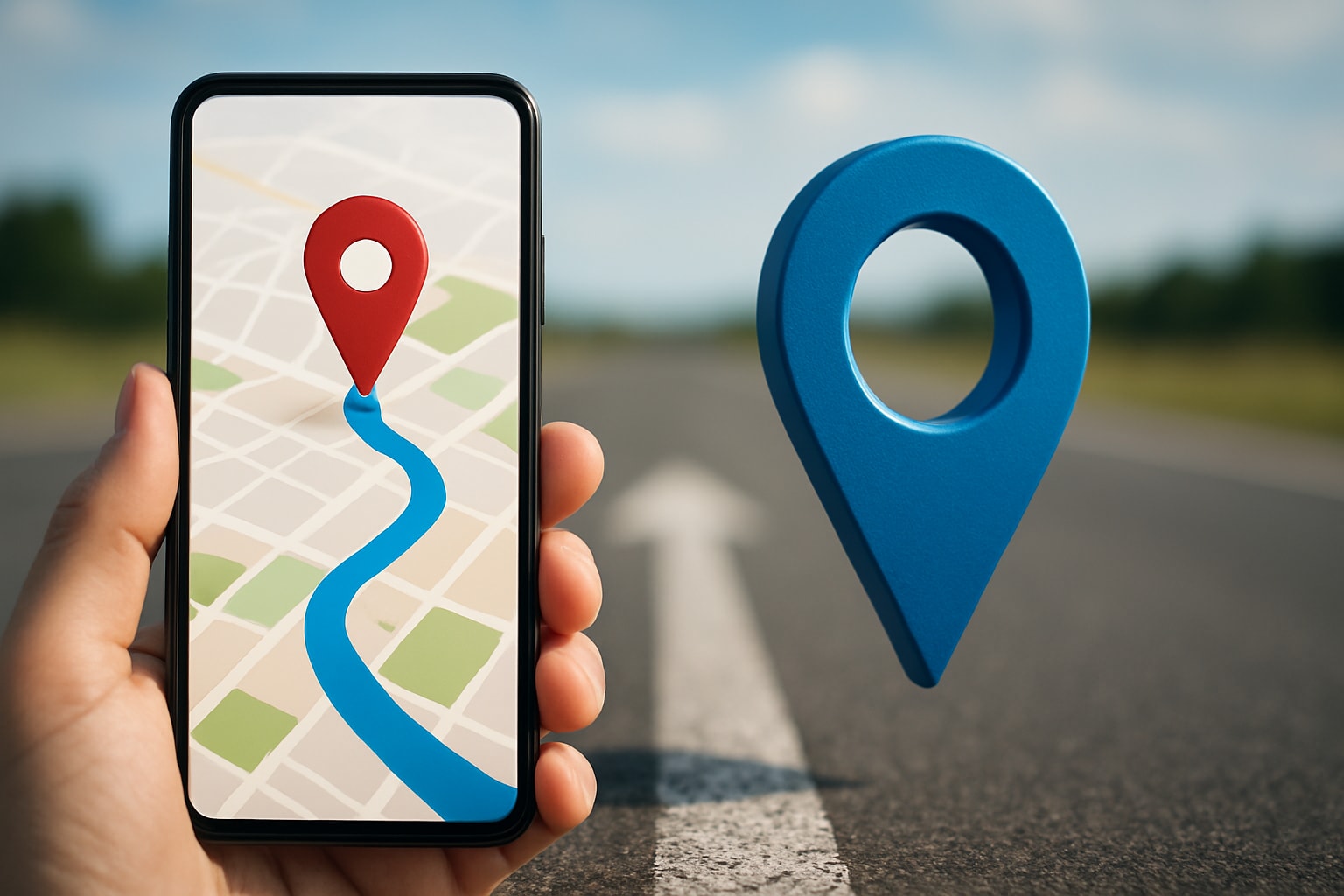
Imagine stepping outside and always knowing exactly where you are, no matter the twists and turns. In 2026, gps and location technology put the entire world at your fingertips, making getting lost a thing of the past.
This guide takes you through the evolution of gps and location systems, showing how they shape travel, daily routines, and even how we connect with others. We’ll explore the latest advancements, from pinpoint accuracy to smart integrations, and share expert tips to help you navigate with confidence.
Ready to see how gps and location are changing the way we move? Let’s dive in.
The Evolution of GPS: From Origins to 2026
The story of gps and location technology is a journey that started decades ago, shaping how we find our way today. Let’s break down how we got from bulky, early systems to the pinpoint-accurate navigation we depend on in 2026.
The Birth of GPS and Early Navigation Systems
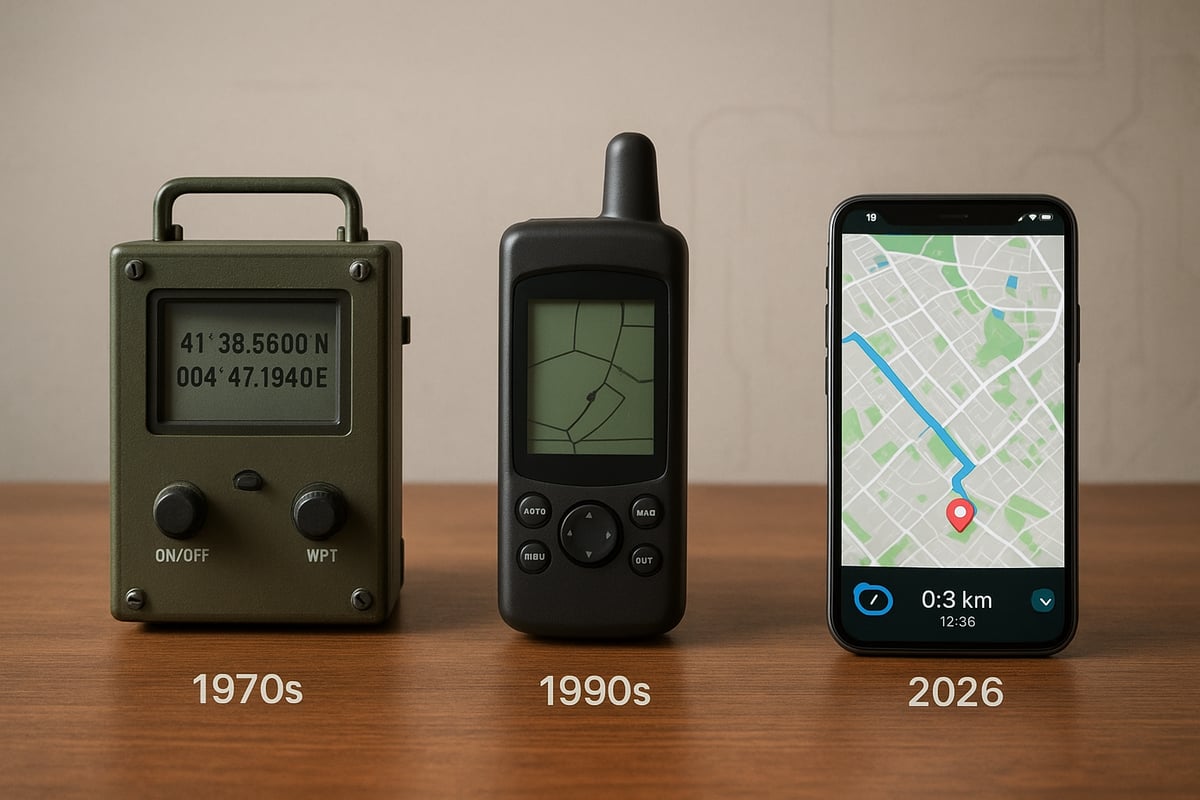
Back in the 1970s, the U.S. Department of Defense developed the first GPS system for military use. It was a game-changer for global navigation, even though the technology was bulky and reserved for the armed forces. By the 1980s and 1990s, gps and location technology started to reach civilians, especially after the government allowed non-military access.
Some milestones included the removal of Selective Availability, which made civilian signals more accurate, and the arrival of handheld GPS units. Early consumer devices were slow, often lost signal, and took a while to lock onto satellites, but they marked the start of a navigation revolution.
Major Technological Advancements Over the Decades
As more satellites launched into orbit, gps and location services grew more reliable and accessible. The integration of GPS chips into smartphones and wearables during the 2000s and 2010s made real-time positioning a part of everyday life. Dual-frequency GPS and GNSS systems, like GLONASS and Galileo, boosted accuracy even further.
By 2024, over 6.5 billion GPS-enabled devices were in use worldwide, showing just how much people rely on these technologies. The journey from basic navigation to advanced, always-on tracking has made getting lost almost impossible.
The State of GPS in 2026
Today, gps and location services work with multiple satellite constellations, including GPS, GLONASS, Galileo, and BeiDou. Real-time correction services now deliver sub-meter accuracy, and AI-powered navigation offers personalized routes and predictive suggestions. This precision is vital for self-driving cars, drones, and smart devices.
A recent leap forward came with the SpaceX launches advanced GPS satellite for US Space Force in January 2026, pushing accuracy and reliability to new heights. Navigation is now smarter, faster, and more dependable than ever.
Key Challenges and Solutions
Despite all the progress, gps and location technology still faces challenges. Signal interference and spoofing can disrupt navigation, but modern systems use advanced algorithms to detect and counteract these threats. The urban canyon effect—when tall buildings block signals—has inspired breakthroughs in indoor navigation.
Privacy and security are big concerns, too. With a 40% jump in anti-spoofing tech adoption since 2022, the industry is working hard to keep location data safe. Balancing innovation with security and privacy remains a top priority for everyone using gps and location tools.
How GPS and Location Services Work Today
Ever wondered how your phone always seems to know exactly where you are, even in the middle of nowhere? The magic behind gps and location services is more than just satellites in the sky. Let’s take a look at how all the pieces fit together to help you find your way, whether you’re exploring a new city or searching for the perfect fishing spot.
Core Principles of Satellite-Based Positioning
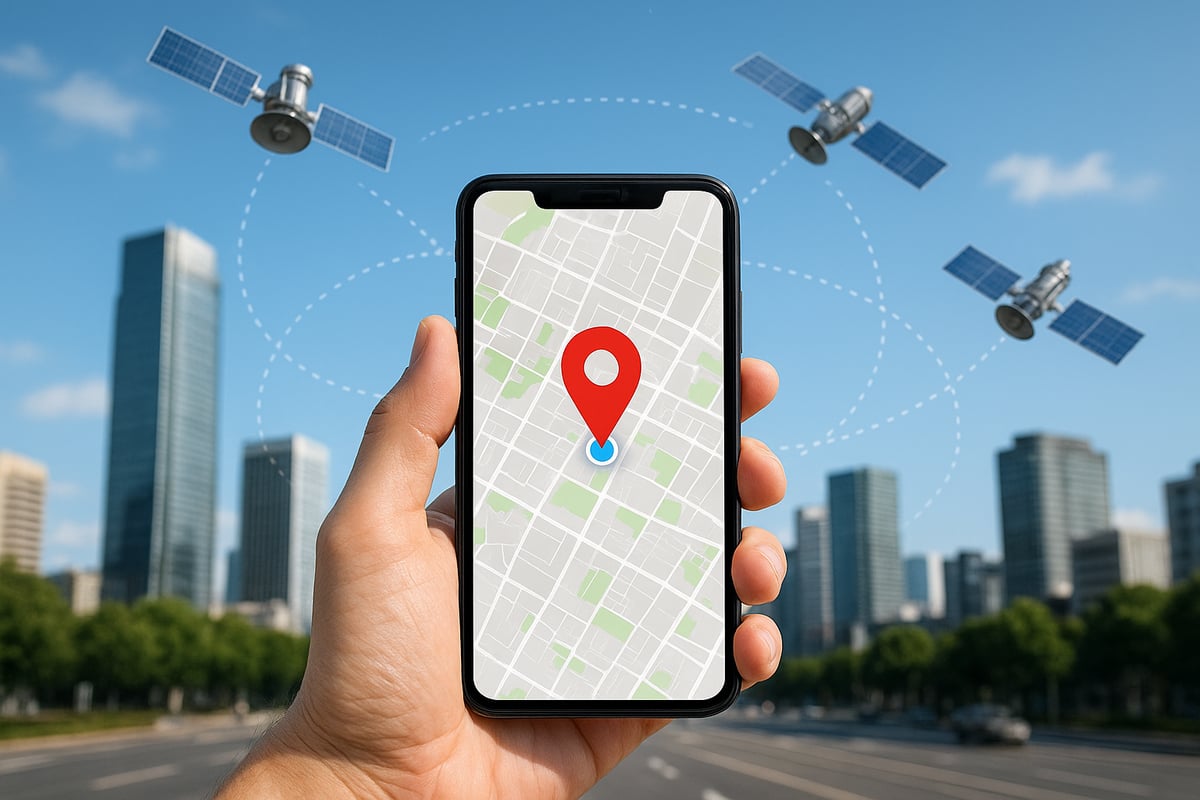
At the heart of gps and location services is a process called trilateration. This method uses signals from at least four satellites to pinpoint your exact spot on Earth. Each satellite beams down a time-stamped signal. Your device measures how long each signal takes to arrive, using atomic clocks for precise timing.
By crunching these numbers, your phone figures out where you are, usually in just a few seconds. If you’ve ever tracked your movement on a map, that’s trilateration in action. The result? Seamless navigation, whether you’re in the city or deep in the woods.
Integration with Mobile Devices and Everyday Tech
Today, gps and location technology is built into almost everything—phones, tablets, smartwatches, and even cars. Most smartphones now use Assisted GPS (A-GPS), which taps into cell towers and Wi-Fi to get your location faster, especially when satellite signals are weak.
Other tech, like Bluetooth and Wi-Fi, work alongside gps and location services for even more accurate positioning. In fact, 98% of smartphones shipped in 2025 included advanced GPS modules. Curious about real-world uses? Tools like Regional fishing spot locations show how gps and location data help anglers discover new waters, making every trip a breeze.
- Phones, tablets, and smartwatches use GPS chips
- Cars rely on navigation systems for real-time directions
- Hybrid positioning blends GPS, Wi-Fi, and cellular for speed and accuracy
Accuracy, Speed, and Reliability in 2026
How accurate is gps and location technology today? Several factors come into play, including weather conditions, tall buildings, and even thick forests. New correction services like SBAS, RTK, and PPP boost accuracy, shrinking the margin from meters to centimeters in both cities and rural areas.
This leap in precision powers everything from drone deliveries to location-based AR games. Imagine your drone dropping off a package right at your doorstep or joining a game that overlays digital creatures on real-world parks, all thanks to gps and location advancements.
Privacy and User Control in Modern Location Services
With all these perks, it’s natural to wonder about privacy. Most apps ask for permission before tapping into your gps and location data. You can control what you share, thanks to robust privacy settings and global regulations like GDPR and CCPA.
Surveys show 72% of users want more say over their data. As gps and location services get smarter, companies are working to make privacy controls clearer and more user-friendly. The goal? To keep you safe, informed, and always in the driver’s seat when it comes to your personal information.
GPS in Daily Life: Transforming How We Move and Explore
Ever wondered how gps and location technology shapes your daily routine? From your morning commute to weekend adventures, these tools have become part of the backbone of modern life. With real-time updates and reliable guidance, navigating the world has never felt more effortless.
Navigation for Commuters, Travelers, and Adventurers
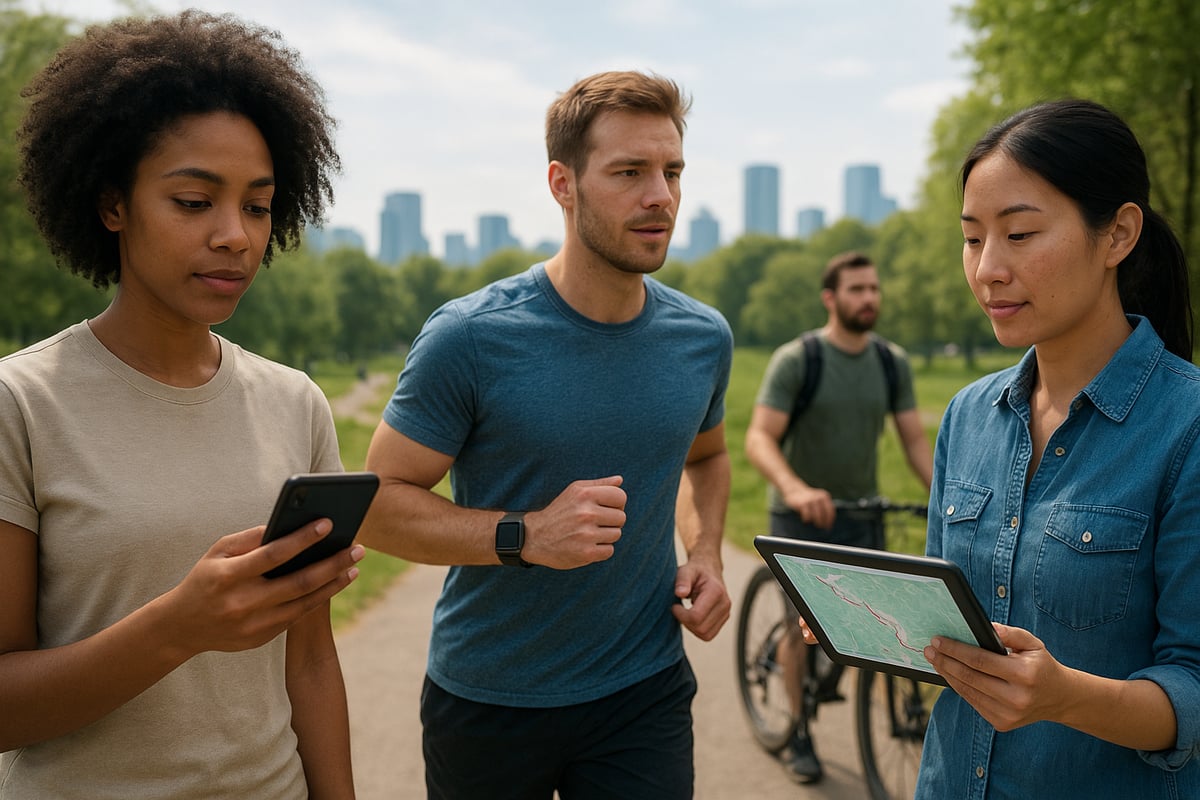
Whether you are dodging traffic, hopping on a bike, or plotting a scenic road trip, gps and location services guide you at every turn. Real-time traffic updates help commuters avoid delays, while smart rerouting keeps travelers on the fastest path.
Turn-by-turn navigation is now standard for cars, bikes, and even pedestrians. Looking for a unique adventure? Tools like City-based fishing destinations spotlight how accurate gps and location data can help you discover hidden gems right in the heart of the city.
Location-Based Services and Personalization
Gps and location technology powers more than just maps. Geofencing delivers timely notifications, like when your favorite coffee shop is nearby. Hungry for something new? Context-aware recommendations suggest restaurants, attractions, or events tailored to your tastes.
Planning a trip is easier too. Personalized itineraries use gps and location data to match your preferences, saving you time and making every outing feel custom-made.
Safety, Security, and Emergency Applications
It is not just about convenience, gps and location services play a major role in keeping us safe. Enhanced 911 (E911) means emergency responders can find you faster than ever before. Parents use child and pet trackers for peace of mind, while wearables for elderly loved ones combine gps and location with health monitoring to ensure safety.
When every second counts, these tools help bridge the gap between worry and reassurance.
The Role of GPS in Recreation and Fitness
Outdoor enthusiasts rely on gps and location to track runs, bike rides, and hikes with pinpoint accuracy. Fitness apps and wearables log distance, pace, and progress, making it easier to smash your personal best.
Plus, location-based AR games add a layer of fun to exploring new places. Did you know 60 percent of outdoor fitness fans now use gps and location enabled devices to power their workouts?
Challenges and Ethical Considerations
With all these benefits, it is easy to forget the flip side. Over-reliance on gps and location tech can leave traditional navigation skills a bit rusty. There are also concerns about privacy and how personal data is used.
Finding the right balance means enjoying the convenience while staying informed and protecting your information. As gps and location services evolve, keeping privacy top of mind will help everyone navigate safely and confidently.
Next-Gen GPS: Integration with Smart Systems and IoT
The world of gps and location is getting smarter by the day. As we head into 2026, our devices, vehicles, and even city infrastructure are more connected than ever. This next wave of technology is transforming how we travel, manage resources, and protect our data.
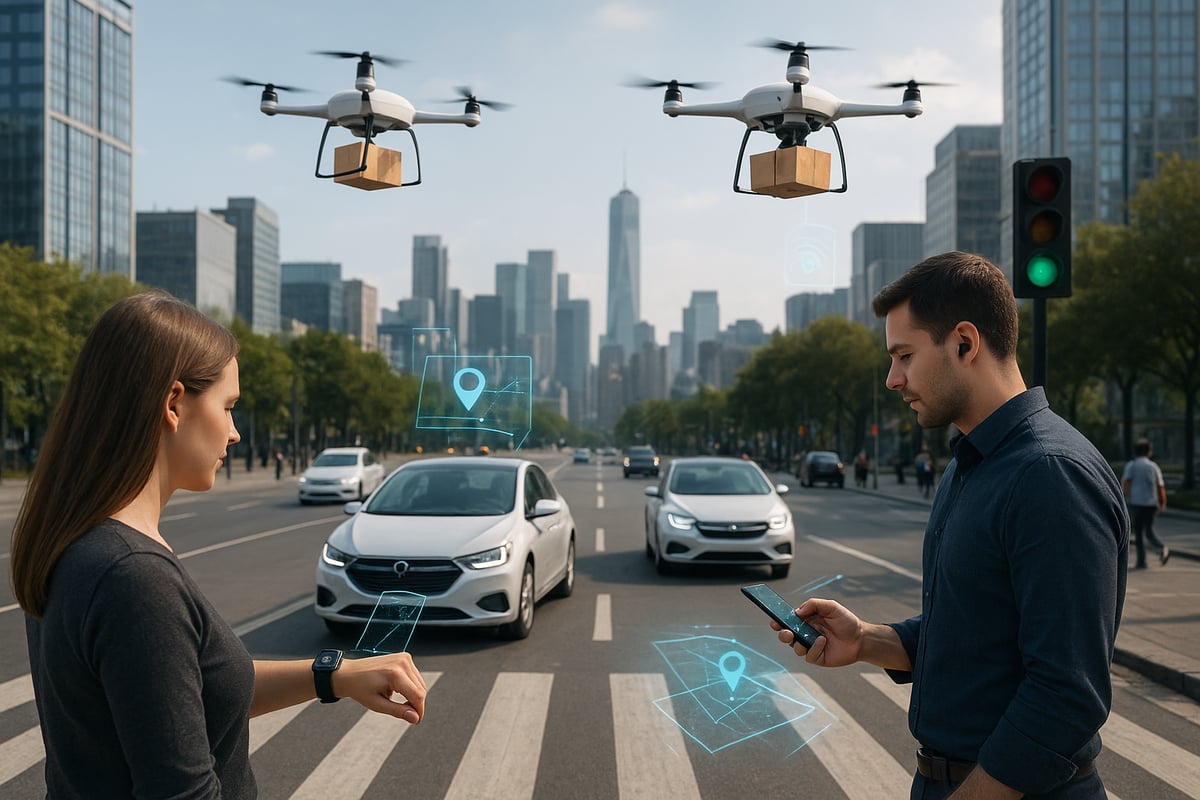
Autonomous Vehicles and Smart Transportation
Autonomous vehicles are at the heart of next-gen gps and location systems. Self-driving cars, delivery drones, and even urban air taxis rely on pinpoint accuracy to move safely and efficiently. These vehicles communicate with each other and the city’s infrastructure, sharing real-time data to avoid traffic jams and hazards. As gps and location accuracy improves, you can expect smoother commutes and more reliable deliveries, all coordinated by intelligent, connected systems.
Smart Cities and Infrastructure Management
Cities are getting a major upgrade thanks to advanced gps and location technology. Smart traffic lights adjust in real time to keep cars moving. Public service vehicles, like buses and garbage trucks, are tracked for better scheduling and efficiency. With these tools, city managers can analyze traffic flow, reduce congestion, and even guide you to the closest available parking spot. The result is a city that feels more responsive and less stressful for everyone.
IoT Devices and Everyday Automation
The rise of IoT means gps and location features are everywhere—from smartwatches to pet trackers and asset tags. Home automation gets a boost, too. Imagine your lights, thermostat, and security system adjusting automatically as you arrive or leave, all thanks to geofencing. By 2026, more than 30 billion IoT devices will be connected, making everyday life smoother and more personalized through gps and location integration.
Environmental Monitoring and Sustainability
Gps and location are powerful tools for protecting the planet. Scientists track wildlife migration and endangered species with gps collars and tags. Farmers use precision agriculture—guided by gps and location—to plant, irrigate, and harvest efficiently, cutting waste and boosting yields. During disasters, emergency crews rely on real-time geospatial data to allocate resources and coordinate rescue efforts. These advances help us care for the environment while improving safety and sustainability.
Security and Data Management in a Connected World
With so many devices connected, protecting your gps and location data is more important than ever. Strong encryption, anonymization, and user consent are becoming the norm. As new technologies emerge, like the NAB awarded contract to evaluate Broadcast Positioning System, alternative systems are also being tested to boost security and reliability. Staying informed and using best practices helps keep your data safe as the connected world grows.
Expert Guide: Navigating the World with GPS in 2026 (Steps)
Ready to make the most of gps and location tech in 2026? Here’s your step-by-step guide to navigating smarter, wherever you roam. Whether you’re commuting, exploring the wild, or just running errands, these tips will help you travel with confidence.
Step 1: Choosing the Right GPS Device or App
Picking the best gps and location tool starts with knowing what you need. Are you after navigation for driving, fishing, fitness, or safety? Compare top-rated navigation apps, smartwatches, and dedicated GPS units.
- For everyday travel, smartphone apps are hard to beat.
- For fishing or outdoor adventures, dedicated handheld devices shine. Check out these Freshwater lake navigation tips for inspiration.
- Look for features like offline maps, real-time updates, and battery life.
Choose the device or app that fits your lifestyle and budget.
Step 2: Setting Up and Personalizing Your Location Services
Once you have your gear, set up gps and location services for accuracy and privacy. Enable GPS, then adjust accuracy settings for your needs. Don’t forget to manage app permissions to protect your data.
- Customize alerts, notifications, and preferred routes.
- Set up geofencing for reminders or home automation.
- Review privacy settings regularly for peace of mind.
Personalizing your setup ensures you get the benefits without unwanted surprises.
Step 3: Using Advanced Features for Smarter Navigation
Modern gps and location tools come packed with smart features. Make use of real-time traffic, weather, and hazard alerts to avoid delays. Download offline maps before heading into remote areas.
- Try augmented reality overlays for city navigation.
- Use predictive routing for faster commutes.
- Explore global coverage for travel abroad.
Take advantage of these extras to make every journey smoother and more enjoyable.
Step 4: Troubleshooting Common GPS Issues
Even the best gps and location devices can run into trouble. If you lose signal or notice inaccurate readings, try these fixes:
- Move to an open area for better satellite visibility.
- Restart your device or update firmware.
- Download the latest maps.
For trickier problems, researchers are developing new solutions, like this brain-inspired information fusion method for enhancing robot GPS outages navigation, which could soon help devices recover from outages. Staying patient and trying these steps usually gets you back on track.
Step 5: Best Practices for Privacy and Data Protection
Your gps and location data is valuable, so keep it secure. Review app permissions often and only grant access when necessary. Opt out of location sharing for apps that don’t need it.
- Use privacy-focused navigation tools.
- Understand what data is collected and how it’s used.
- Stay updated on privacy laws and your rights.
Taking these steps helps you enjoy the perks of location tech without giving up control.
Step 6: Staying Informed About Future GPS Innovations
Gps and location technology is always evolving. Stay ahead by following tech news, joining user forums, and signing up for beta programs. New features and standards are always around the corner.
- Subscribe to newsletters from trusted sources.
- Share experiences with the community.
- Stay curious and open to updates.
By keeping informed, you’ll always get the most out of your gps and location tools.
The Future of GPS and Location Technology: Trends to Watch
Curious about where gps and location technology is heading? The future promises even more seamless navigation, smarter devices, and enhanced privacy. Let’s look at the top trends shaping how we’ll move and explore in the years ahead.
AI and Machine Learning in Navigation
Artificial intelligence is making gps and location services smarter. Imagine your navigation app learning your routines and suggesting routes before you even ask. AI analyzes traffic, weather, and your habits to offer personalized, real-time recommendations.
- Predictive routing that adapts on the fly
- Alerts for hazards based on user data
- Alternative routes tailored to your preferences
This blend of AI and gps and location data makes getting around easier and more efficient than ever.
Satellite and Ground-Based Hybrid Systems
To boost accuracy, the future of gps and location relies on both satellites and ground networks. New satellite constellations and ground stations, like those in the upcoming GPS Block IIIF program, will deliver even greater precision.
Hybrid systems combine signals from space and local sources, ensuring your position is spot-on, even in dense cities. By 2026, 80 percent of urban navigation will depend on these advanced methods.
Indoor Positioning and Augmented Reality
GPS and location services are breaking out of the outdoors. With enhanced indoor mapping, finding your way inside malls, airports, or stadiums is getting easier. Augmented reality overlays guide you visually, turning your phone or AR glasses into a virtual tour guide.
Real-time indoor wayfinding means you’ll never get lost in complex buildings again, with centimeter-level accuracy making every step count.
Sustainability and Energy Efficiency
The next wave of gps and location tech is all about being smarter and greener. Devices use less power thanks to efficient chips, and optimized routes can cut city traffic emissions by 20 percent.
Eco-friendly navigation helps electric vehicles go further, while smart city infrastructure uses gps and location data to manage resources with less waste.
Evolving Privacy Regulations and User Empowerment
As gps and location services grow, so do privacy concerns. New regulations give users more control, requiring opt-in for tracking and clear data policies.
- Transparent permission settings
- Tools to review and limit data sharing
- Laws like GDPR and CCPA expanding globally
By 2026, 67 percent of users will demand full control over their gps and location data.
The Expanding Role of Location in Everyday Life
Location tech is weaving into everything we do, from health tracking to shopping and entertainment. Imagine getting content or offers based on where you are, or using navigation to unlock new experiences in games and events.
Gps and location will keep shaping our lives, making everyday moments smarter, safer, and more connected.
Now that you’re up to speed on how GPS and location tech are changing the way we get around in 2026, why not put those insights to good use out on the water Whether you’re scouting new fishing holes or just want to make sure you never miss a hidden gem nearby, the right tools make all the difference. I’ve always found that having solid access info and real GPS coordinates takes the guesswork out of planning a trip. Ready to find your next favorite spot Check out Find Spots and see what’s biting near you.