When summer temperatures soar and fish behavior changes, understanding hot tackle becomes essential for consistent success on the water. Whether you're chasing bass in shallow ponds or targeting king mackerel offshore, the right gear can make the difference between a slow day and a memorable catch. Hot tackle isn't just about trending lures-it's about matching your equipment to the conditions fish face during the warmest months of the year.
Understanding Hot Tackle for Summer Conditions
Hot tackle refers to both the gear that performs best in warm weather conditions and the most effective techniques anglers use when temperatures climb. Fish metabolism increases in warmer water, but oxygen levels drop, fundamentally changing where and how they feed.
During summer months, fish often move to deeper, cooler water or seek out shaded areas and structure where oxygen levels remain higher. Your hot tackle selection needs to reflect these behavioral shifts.
Key Components of Effective Hot Tackle
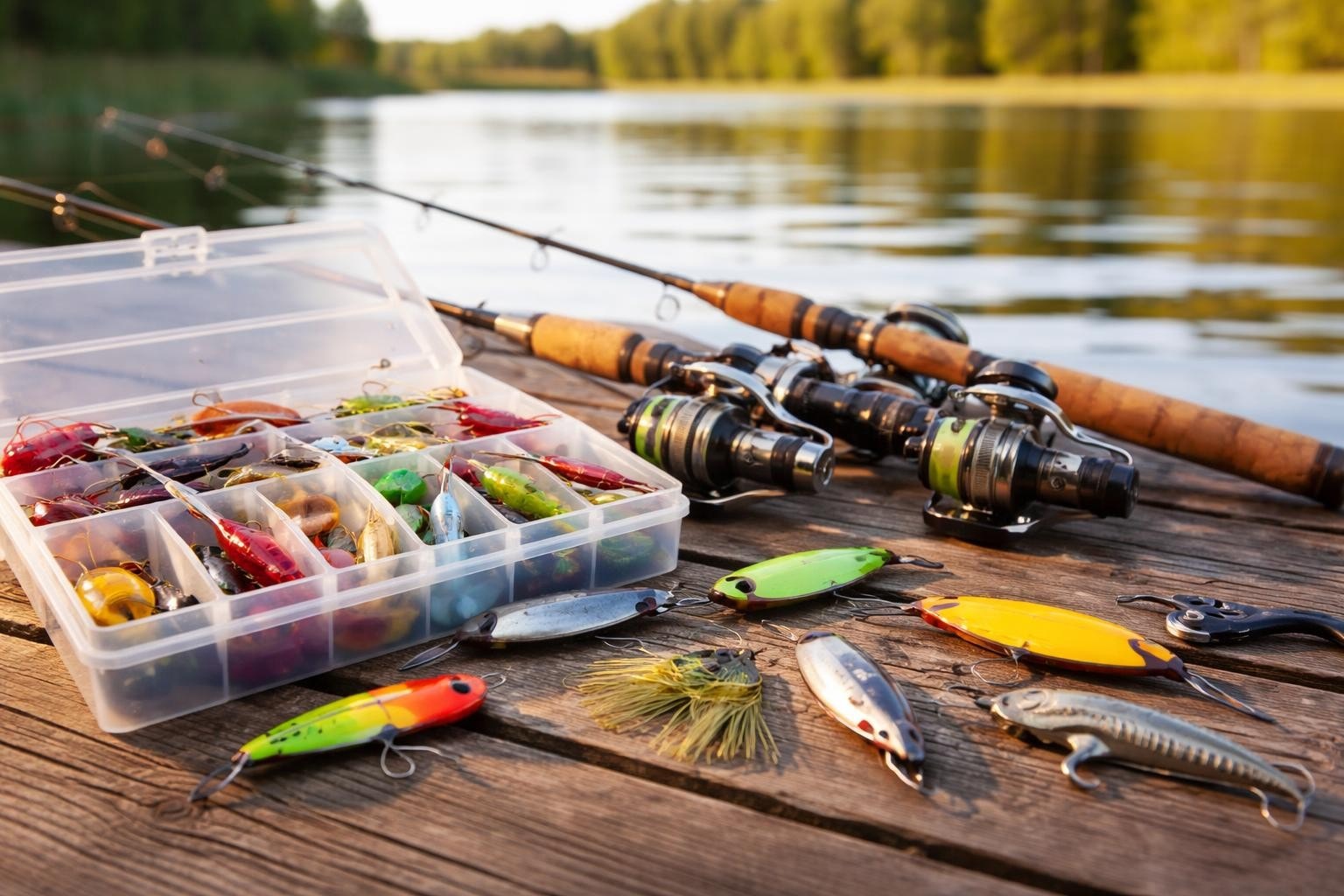
Jigs remain one of the most versatile options in your hot tackle arsenal. They work at various depths and can be presented slowly when fish are lethargic. Specific jig fishing techniques for hot weather include dragging them through deeper structure and using lighter weights to create a slower fall rate.
Topwater lures excel during early morning and late evening hours when surface temperatures moderate. These are prime times when fish move shallow to feed, making topwater presentations part of essential hot tackle.
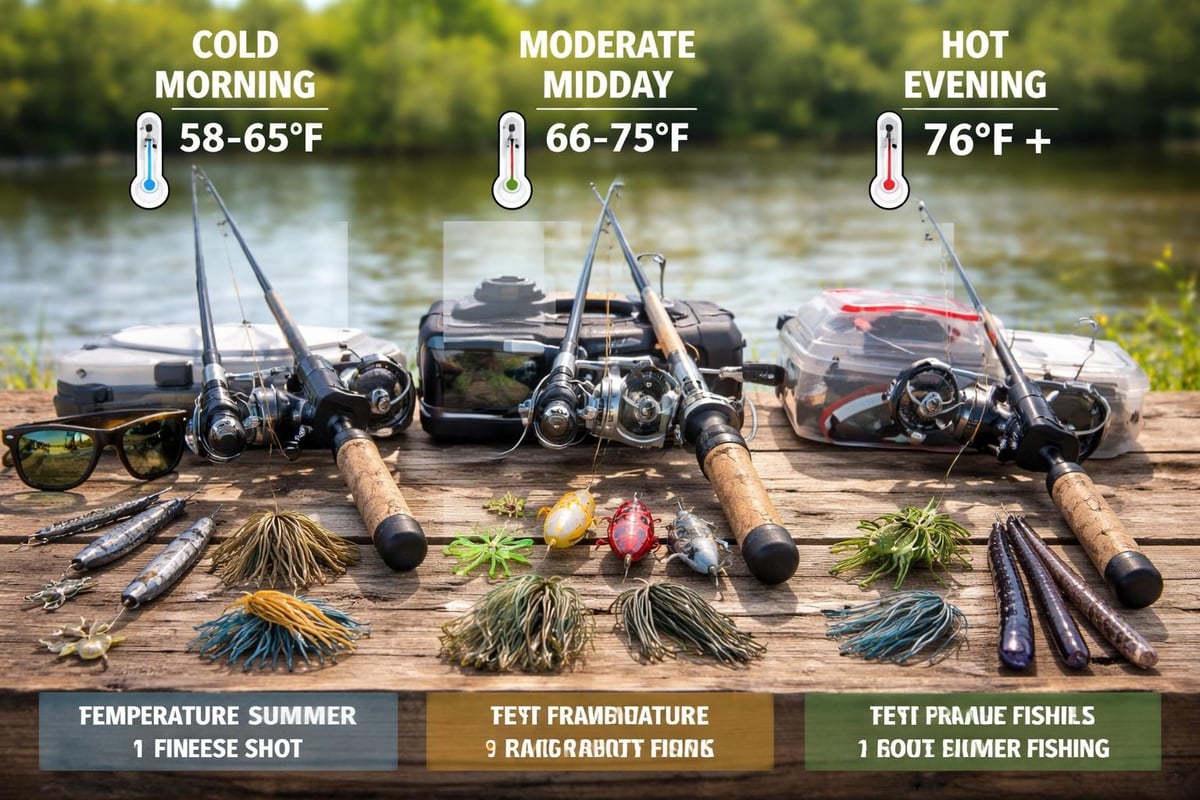
Soft plastics in natural colors work exceptionally well as hot tackle because they can be fished slowly and methodically. Worms, creature baits, and crawfish imitations allow you to target lethargic fish that won't chase fast-moving presentations.
Live bait becomes increasingly important in your hot tackle selection. When artificial lures fail, using worms and live bait can trigger strikes from reluctant fish.
Hot Tackle Techniques for Different Water Types
Freshwater and saltwater environments require distinct hot tackle approaches. Freshwater anglers often focus on structure-oriented fishing, while saltwater fishermen must consider tides, currents, and baitfish movements.
Freshwater Hot Tackle Strategies
In lakes and reservoirs, your hot tackle box should include:
- Deep-diving crankbaits for reaching suspended fish in thermoclines
- Drop shot rigs for finesse presentations in clear water
- Carolina rigs for covering bottom structure efficiently
- Spinnerbaits with willow leaf blades that flash in deeper water
The key is fishing where fish congregate for comfort rather than where you caught them in spring. Spots like Pelican Bank offer depth changes and structure that attract fish seeking cooler water.
Saltwater Hot Tackle Essentials
Coastal fishing demands hot tackle that handles stronger currents and larger fish. Consider these approaches:
Trolling techniques become particularly effective for species like king mackerel. Different trolling methods work depending on water temperature and baitfish activity.
Bottom fishing with cut bait targets species that feed deeper during heat. Locations like the Berry Patch Steel Freighter Wreck provide structure where fish congregate in summer.
Selecting the Right Hot Tackle for Your Target Species
Different species require specialized hot tackle approaches during summer months. Bass, trout, redfish, and offshore species all respond differently to heat stress.
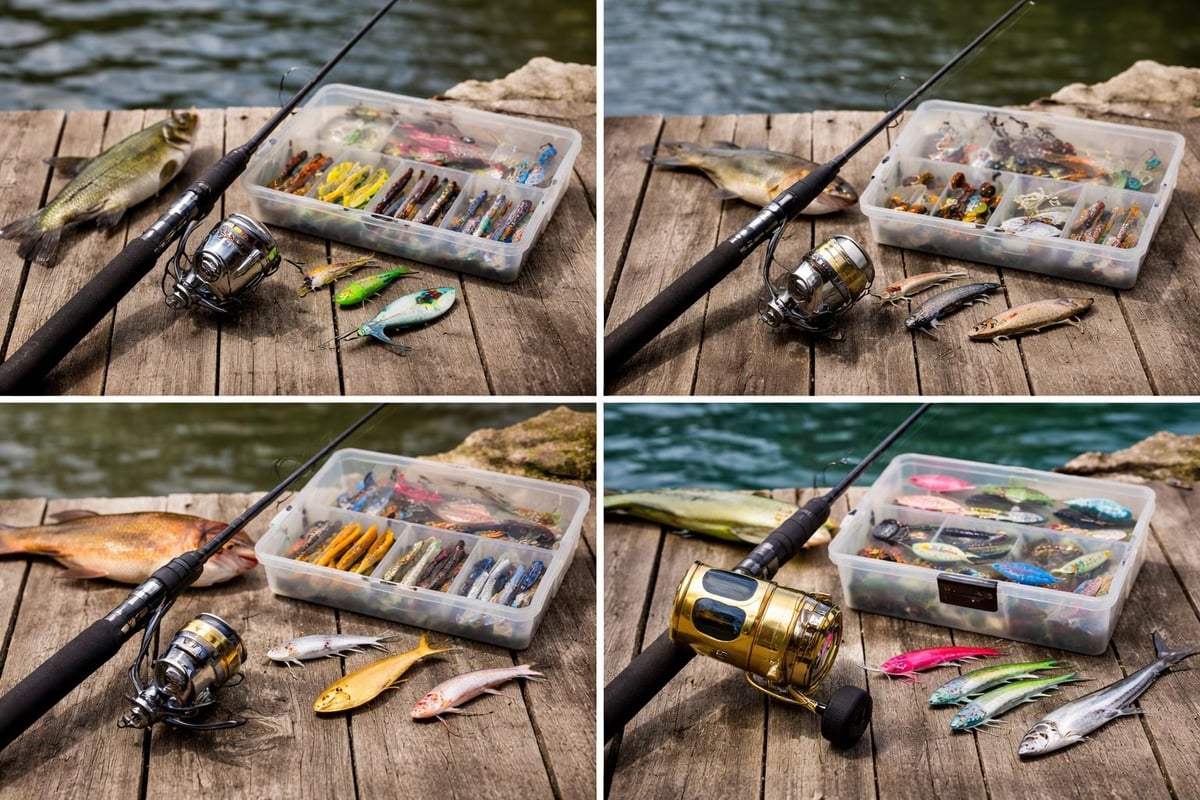
Bass-Focused Hot Tackle
Bass become more selective in hot weather. Your hot tackle selection should emphasize:
- Creature baits flipped into heavy cover where bass seek shade
- Swimbaits retrieved slowly along deeper edges
- Jigs with crawfish trailers bounced through rocky areas
- Buzz baits for low-light periods when bass move shallow
Color selection matters in your hot tackle choices. Natural colors like green pumpkin and watermelon work better in clear water, while darker colors produce in stained conditions.
Inshore and Offshore Considerations
Saltwater hot tackle needs durability and versatility. Modern fishing techniques like jigging and drop shotting have crossed over from freshwater applications.
For inshore fishing, spots like Ajax Reef Special Management Zone require hot tackle that can handle both structure and current. Offshore locations demand heavier gear capable of reaching depth quickly.
Timing Your Hot Tackle Presentation
When you fish matters as much as what hot tackle you choose. Summer heat creates distinct feeding windows that smart anglers exploit.
Early morning hours from dawn until 9 AM offer prime opportunities. Fish are most active, and your hot tackle presentation can be more aggressive. Topwater lures, fast-moving crankbaits, and spinnerbaits all produce during this window.
Midday slump from 10 AM to 4 PM requires patience and finesse. This is when various fishing techniques emphasizing slow presentations become crucial hot tackle strategies.
Evening resurgence starting around 5 PM brings renewed activity. Fish move from deep water back toward shallows, making transition zones productive. Your hot tackle should target these movement corridors.
Adapting Your Hot Tackle Approach
Successful summer fishing requires flexibility in your hot tackle selection. What worked yesterday might fail today based on subtle changes in conditions.
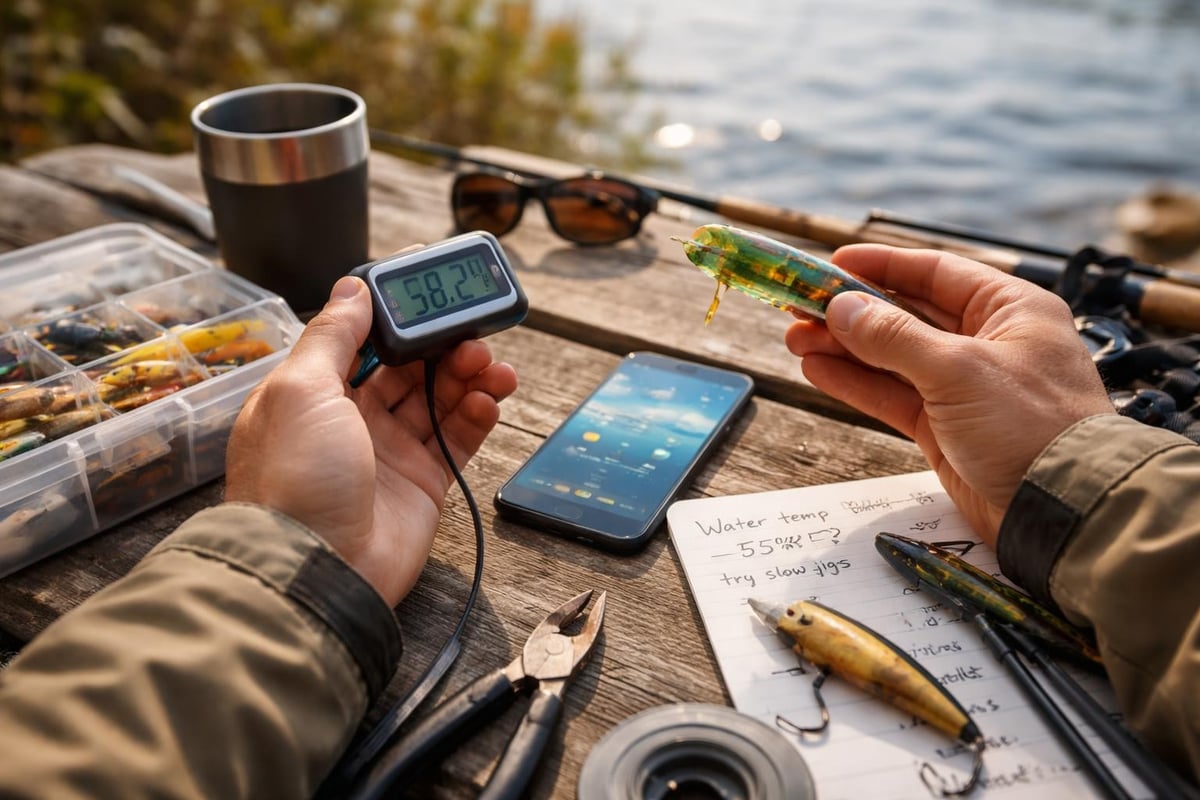
Water clarity influences hot tackle color and presentation speed. Clear water demands natural colors and subtle movements, while murky water calls for brighter colors and vibration-producing lures.
Current and wind affect how you present your hot tackle. Stronger current requires heavier weights to maintain bottom contact. Wind can be beneficial, breaking up surface tension and encouraging fish to feed.
Barometric pressure impacts fish behavior dramatically. Falling pressure before storms often triggers feeding frenzies, while high pressure post-frontal conditions slow activity, requiring downsized hot tackle and slower presentations.
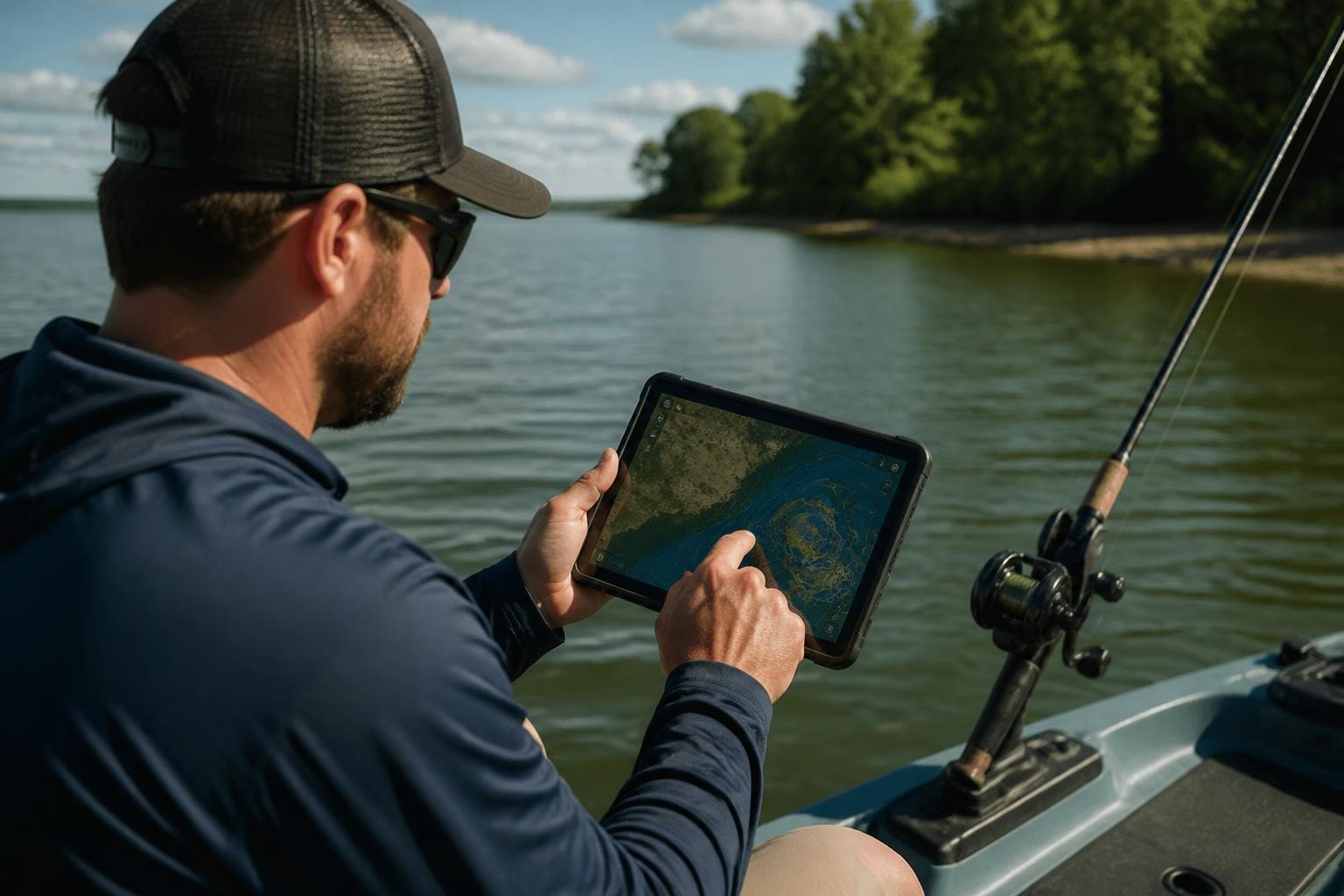
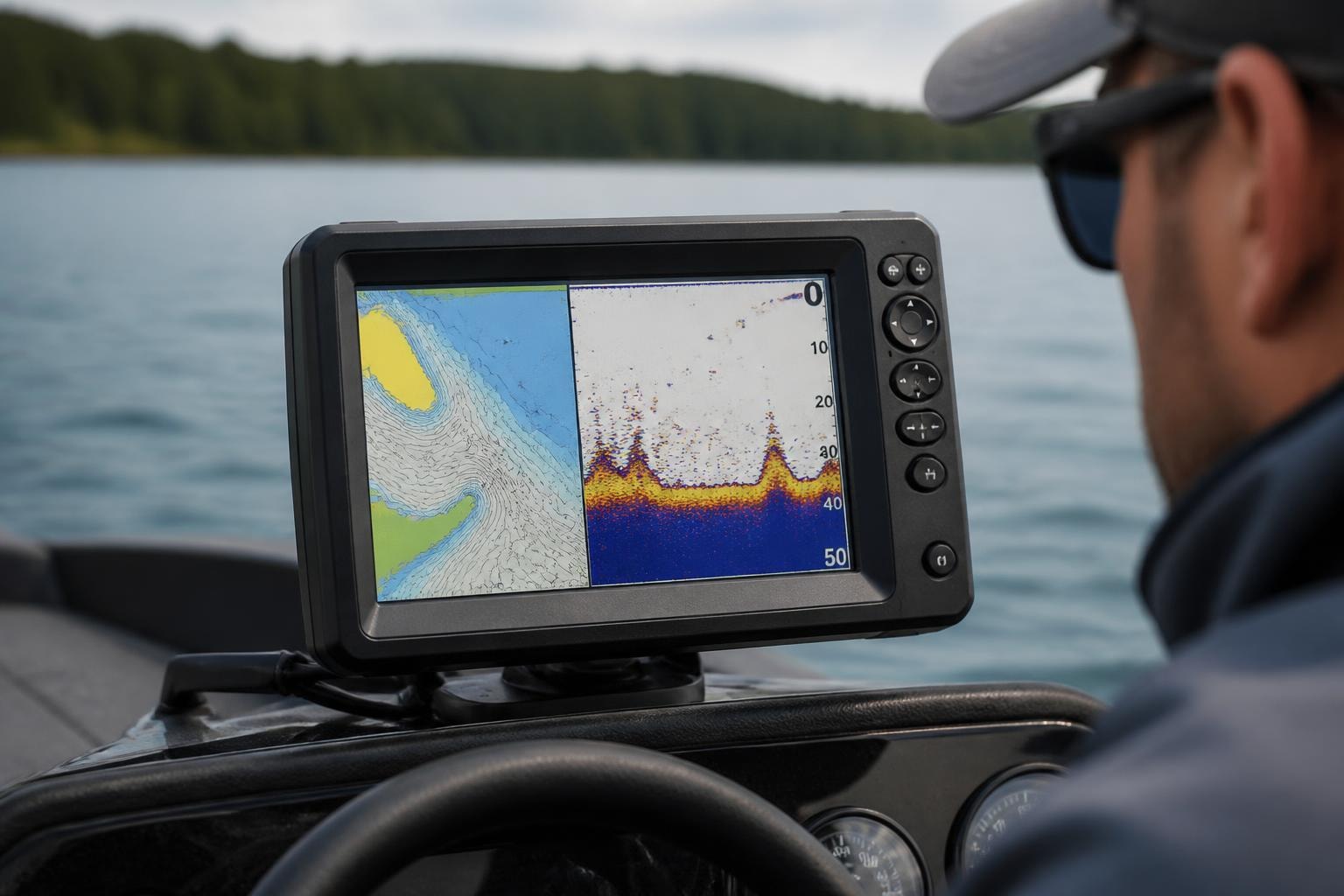
When exploring new waters, having detailed information about structure, depth, and access points helps you match your hot tackle to conditions. Knowing whether you're fishing rocky reef areas or sandy flats guides your equipment choices.
Success with hot tackle comes down to matching your gear and techniques to how fish behave during summer's challenging conditions. Whether you're targeting bass in freshwater structure or pursuing saltwater species around reefs and wrecks, the right approach makes all the difference. Find Fishing Spots gives you the GPS coordinates, depth information, and access details you need to put your hot tackle knowledge to work at proven locations across the country-start exploring today and make this your best summer on the water yet.