If you've spent any time fishing, you've probably heard someone mention a jig head or watched another angler pull in fish after fish using one. This simple but incredibly effective piece of tackle deserves a spot in every tackle box, whether you're chasing bass in a farm pond or targeting redfish along the Gulf Coast. Understanding what makes a jig head work and how to use it properly can transform your fishing success from occasional luck to consistent catches.
What Makes a Jig Head Different
A jig head is fundamentally a weighted hook designed to get your bait or soft plastic lure down to where fish are holding. The weight is typically molded directly onto the hook shank, creating a single piece of terminal tackle that's ready to fish. This design differs from other weighted rigs where you might add split shot or use a separate sinker.
The beauty of a jig head lies in its simplicity and versatility. You can fish it in three feet of water or thirty, bounce it along rocky bottoms, swim it through grass beds, or work it vertically alongside structure. The weight gets your presentation down quickly, while the exposed hook point ensures solid hooksets when fish strike.
Basic Components That Matter
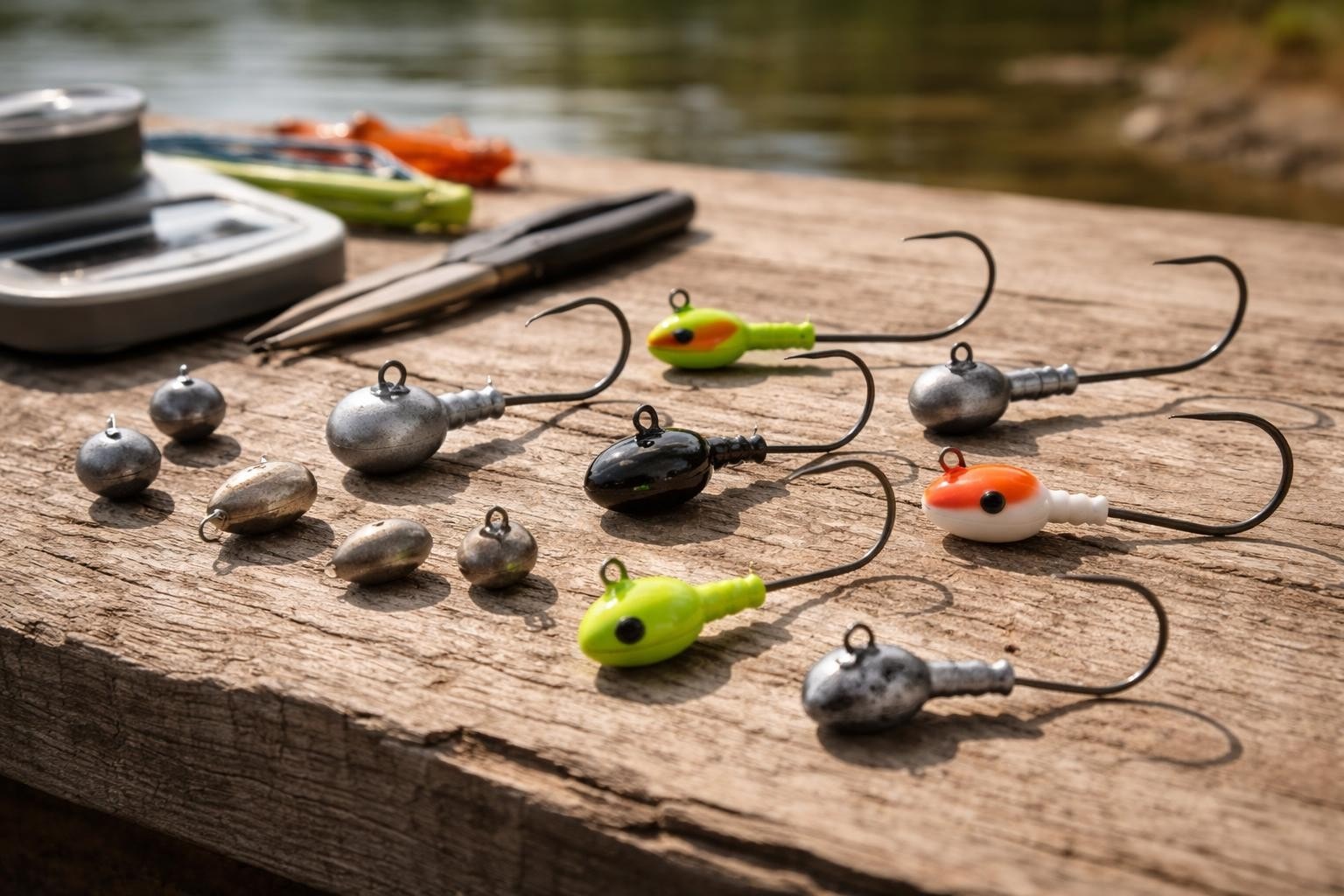
Every jig head consists of three main parts: the hook, the weight, and the attachment point. The hook can range from tiny #10 sizes for panfish up to massive 10/0 hooks for big saltwater predators. Hook quality matters more than many anglers realize, since a bent or dull hook means lost fish.
The weight portion serves multiple purposes:
- Controls sink rate and depth
- Determines casting distance
- Affects how the lure moves through water
- Helps maintain bottom contact in current
The attachment point, usually a molded eye or loop, is where you tie your line. Some jig heads feature recessed line ties that help prevent snags, while others use traditional open eyes that allow for maximum movement.
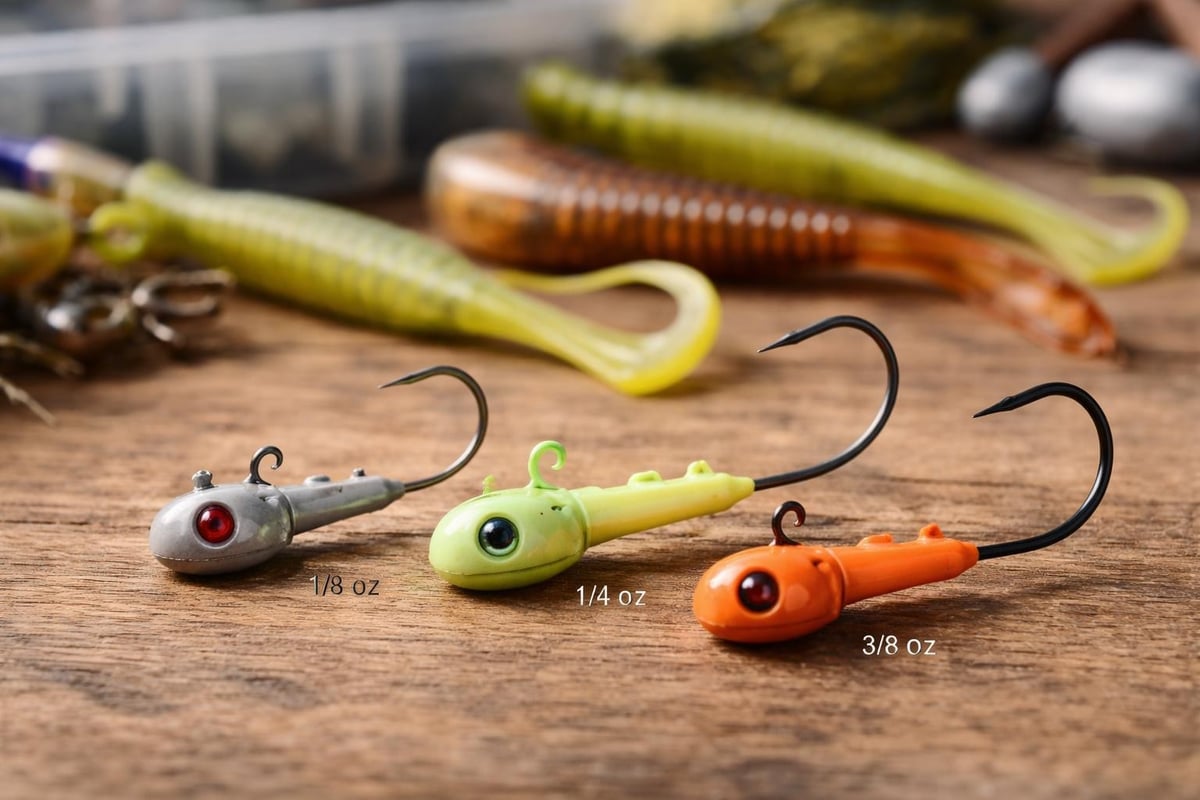
Common Jig Head Styles and Their Uses
Walk into any tackle shop and you'll find dozens of jig head styles, each designed for specific techniques or conditions. Understanding which style works best for your target species and fishing location makes all the difference. When you're exploring fishing spots across the country, knowing your jig head options helps you adapt quickly.
Round head jig heads represent the most versatile style. The ball-shaped weight casts well, sinks relatively straight, and works for everything from vertical jigging to casting and retrieving. These are your go-to choice when you're not sure what conditions you'll face.
Football head jigs feature an oblong, football-shaped weight that sits horizontally on the bottom. This design excels for dragging along rocky bottoms or structure without constantly snagging. Bass anglers love these for deep-water fishing, and they're equally effective in saltwater applications.
Shaky head jigs use a light weight with a specialized keeper that holds soft plastics in place. The light weight allows for subtle presentations that trigger bites from pressured or finicky fish. These shine in clear water conditions where fish scrutinize every detail.
Swimbait heads position the weight to keep soft plastic swimbaits swimming naturally. The line tie is often placed at a specific angle to create the right swimming action. These work exceptionally well for imitating baitfish in both fresh and saltwater environments.
Specialized Designs for Specific Situations
Some jig head designs solve very particular problems. Weedless jig heads incorporate wire guards or recessed hooks that deflect vegetation, allowing you to fish through grass beds without constant fouling. Stand-up jig heads use a flat or angled bottom that positions the bait upright, perfect for imitating crayfish or other bottom-dwelling prey.
Vertical jigging heads typically feature the line tie directly atop the weight, ensuring the bait stays horizontal when jigged straight up and down. This design works great when fishing around structure in deeper waters where you need precise depth control.
Choosing the Right Weight for Your Conditions
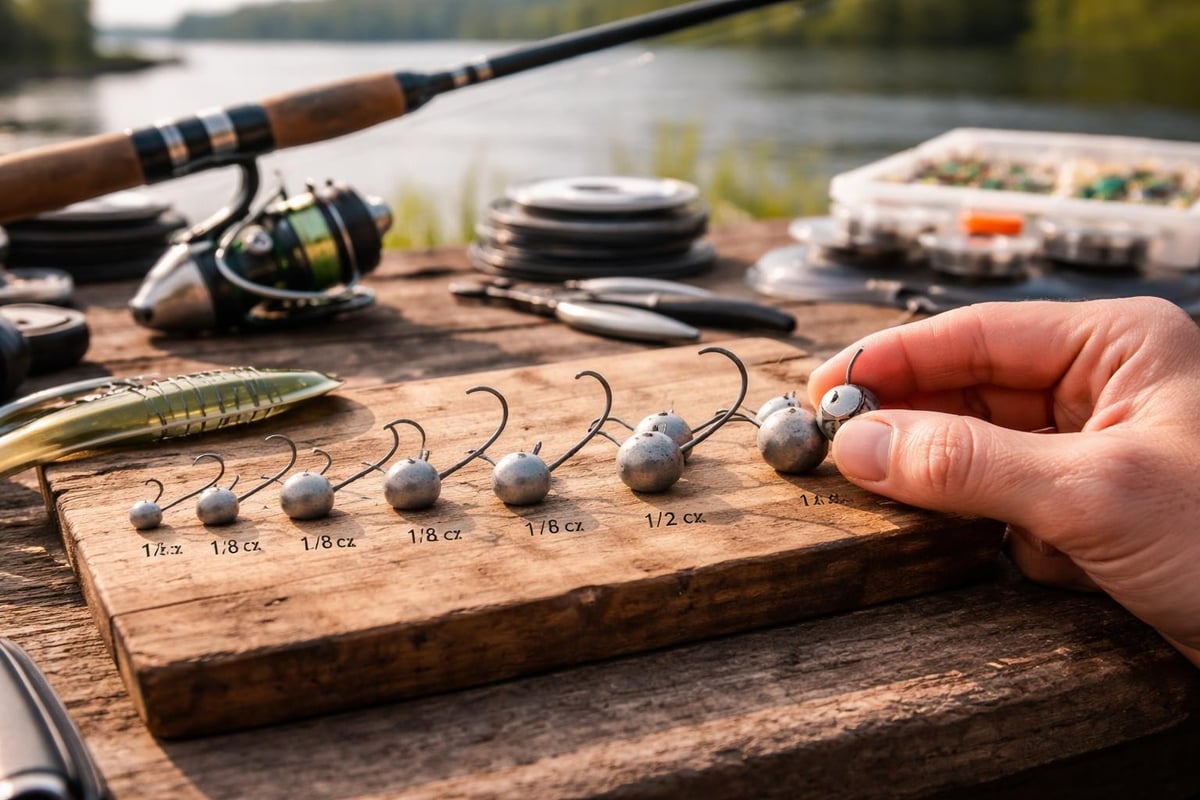
Weight selection might seem straightforward, but it's actually one of the most critical decisions you'll make. Too light and you can't reach the strike zone or maintain bottom contact. Too heavy and you'll snag constantly while missing the subtle bites.
Water depth provides your starting point. Shallow water under six feet typically requires 1/16 to 1/8 ounce. Medium depths from six to fifteen feet call for 1/4 to 3/8 ounce. Deeper water or strong current demands 1/2 ounce and up.
Current speed matters just as much as depth. Standing water lets you use lighter weights, while moving water requires heavier options to maintain bottom contact. When fishing tidal areas like Tampa Bay, you might need to switch weights as tide flow changes throughout the day.
Consider these factors when selecting jig head weight:
- Wind conditions affecting casting and line control
- Target species and their typical feeding depth
- Soft plastic size and buoyancy
- Desired fall rate through the water column
- Bottom composition and snag potential
The relationship between jig head weight and soft plastic size affects how your presentation looks underwater. A heavy jig head with a small plastic creates an unnatural appearance, while a light head with a large swimbait won't achieve proper swimming action.
Rigging Techniques That Catch More Fish
Proper rigging separates consistent catchers from frustrated casters. The way you thread a soft plastic onto your jig head affects action, hookup ratio, and snag resistance. For mastering jig fishing techniques, attention to rigging details pays immediate dividends.
Start by selecting a jig head with a hook size that matches your soft plastic. The hook point should exit near the middle of the bait's body, not at the tail or too far forward. Measure before you start threading to identify the exit point.
Push the hook point into the nose of your soft plastic, threading it straight through the center. When the hook eye reaches the plastic's nose, rotate the hook and push the point back through at your predetermined exit spot. The bait should sit straight on the hook shank without bending or twisting.
Weedless Rigging Methods
When fishing heavy cover, consider skin-hooking or Texas-rigging your soft plastic on the jig head. After threading the bait normally, embed just the hook point back into the plastic body. This creates a weedless presentation while maintaining the weighted advantage of a jig head.
Some anglers prefer leaving a small gap between the plastic and hook point for better hooksets. This works well in open water but increases snags around structure. Experiment to find what works best in your target locations.
Fishing Techniques for Different Species
The jig head's versatility shines when you adapt your retrieve to match what fish expect. Bass, walleye, redfish, and crappie all respond to jig heads, but each species prefers different presentations.
Bass fishing with jig heads involves several proven techniques. The drag and hop method works great along bottom structure. Cast out, let the jig settle, then drag it slowly across the bottom with periodic hops. This imitates crayfish or bottom-feeding baitfish. Jig fishing for bass requires understanding how bass relate to structure and adjusting your presentation accordingly.
Swimming retrieves work better in open water or over grass. Cast and retrieve at a steady pace, keeping your jig head at a consistent depth. Vary your speed until you find what triggers strikes.
For inshore saltwater species like redfish and speckled trout:
- Cast beyond your target area
- Let the jig head settle to the desired depth
- Use short, sharp rod twitches to create erratic action
- Pause between twitches to let the bait fall
- Maintain bottom contact in deeper water
Vertical jigging around structure produces fish when horizontal presentations fail. Drop your jig head straight down, maintain light tension, and work it with rhythmic lifts and drops. This technique excels when fishing coastal structure and channels.
Color and Head Finish Selection
Jig head color and finish might seem like minor details, but they influence fish behavior more than many anglers realize. The head itself can attract attention or remain inconspicuous depending on your choice.
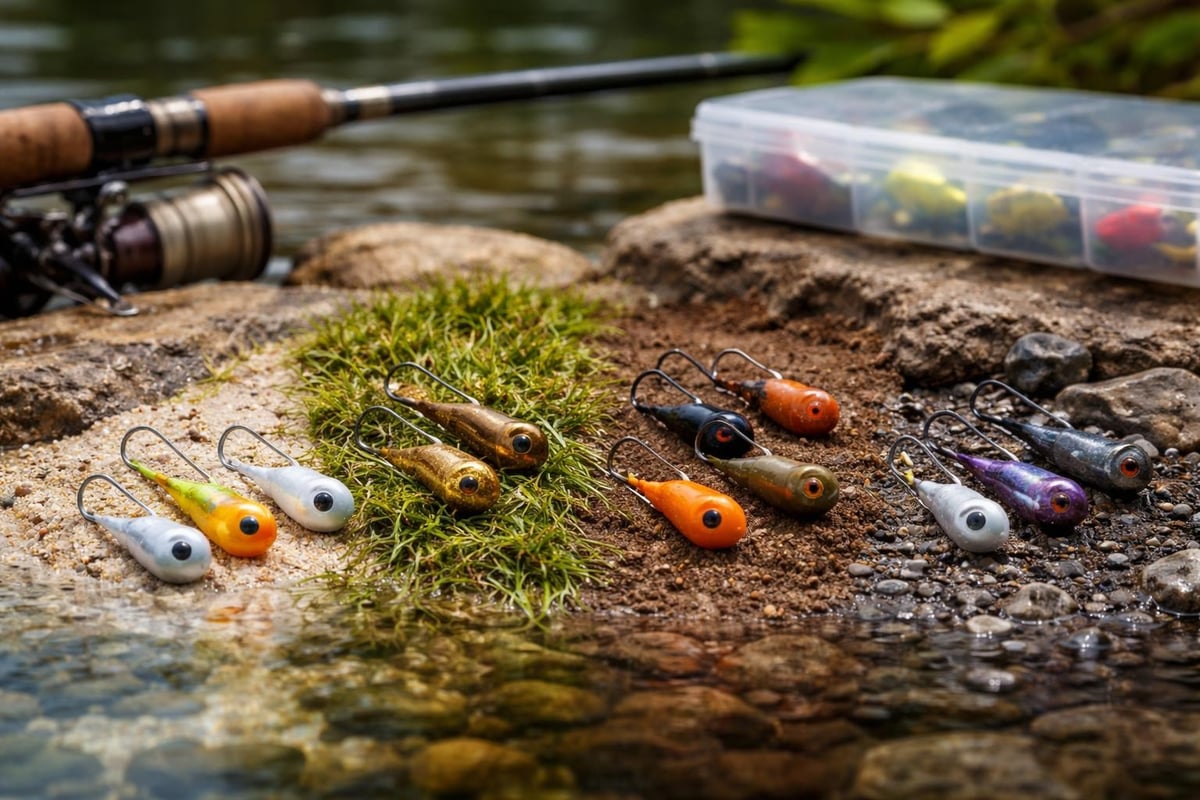
Clear or lightly stained water calls for natural colors. Unpainted lead, silver, or gold finishes work well when fish can examine your presentation closely. These subtle finishes let your soft plastic do the attracting.
Stained or muddy water demands attention-grabbing colors. Bright chartreuse, orange, or pink heads create visual contrast that fish can locate more easily. Glow-in-the-dark finishes extend your fishing time into low-light periods.
Match your jig head finish to conditions:
- Clear water: unpainted, silver, translucent
- Stained water: chartreuse, white, bright red
- Muddy water: black, dark purple, bright orange
- Low light: glow, reflective, bright chartreuse
Some manufacturers offer holographic or UV-enhanced finishes that create additional flash. These work particularly well in saltwater applications where baitfish naturally reflect light.
Maintenance and Storage Tips
Quality jig heads represent an investment worth protecting. Saltwater anglers especially need to maintain their jig heads properly to prevent rust and corrosion. Rinse everything thoroughly with fresh water after each trip, paying special attention to the hook point and eye.
Check hook points regularly. A dull hook means missed fish, and jig heads contact rocks, shells, and other abrasives constantly. Sharpen or replace hooks as needed. Some anglers prefer replacing entire jig heads rather than attempting to sharpen molded hooks.
Store jig heads organized by weight and style. Tackle boxes with adjustable compartments work well, keeping different weights separated for quick selection. Avoid jumbling them together, which dulls hooks and creates tangles.
Pre-rigged jig heads with soft plastics can save valuable fishing time, but store them properly. Keep rigged jigs in individual compartments or bags to prevent the plastics from melting together. Some soft plastic materials react with each other, creating a gooey mess.
Advanced Jig Head Modifications
Experienced anglers often modify jig heads to create custom presentations. Adding rattles creates sound that attracts fish in murky water or low-light conditions. Small glass or brass rattles can be threaded onto the hook shank before adding your soft plastic.
Paint or marker pens let you customize head colors on the water. Carry a few permanent markers in red, chartreuse, and black to adjust visibility as conditions change. This beats carrying dozens of different colored jig heads.
Trailer hooks increase hookup ratios when fish strike short. A small treble or single hook attached behind your main jig head catches fish that grab the tail of your soft plastic. This modification works especially well for bass and pike.
Some anglers enhance scent appeal by drilling small holes in jig heads and filling them with scent attractants. While effectiveness varies, the modification costs nothing and might trigger extra strikes from species that rely heavily on scent.
Reading Water to Maximize Jig Head Effectiveness
Understanding where to fish your jig head matters as much as how you fish it. Structure, current breaks, depth changes, and vegetation edges all concentrate fish. When exploring new fishing locations, look for these key features.
Rocky points and ledges create ambush spots where predators wait for baitfish. Work your jig head along the deep side of these features, using bottom contact to feel the terrain. Sudden depth changes often hold the biggest fish.
Grass beds provide cover and food sources. Fish jig heads along the edges where grass meets open bottom, or punch through sparse grass with weedless designs. Backwater creeks and oyster edges concentrate fish during certain tidal stages.
Current seams where moving water meets slack water create feeding lanes. Position yourself to work jig heads through these zones repeatedly. Fish often stack up in predictable spots along these breaks.
Seasonal Adjustments for Year-Round Success
Fish behavior changes with water temperature, affecting how you should fish jig heads throughout the year. Understanding the art of jigging lures across seasons keeps you catching fish when others struggle.
Spring fishing requires adapting to warming water and spawning behavior. Fish move shallow, becoming more aggressive. Lighter jig heads worked slowly near spawning areas produce well. Focus on protected bays and backwaters where water warms first.
Summer heat pushes fish deeper or into shaded areas. Heavier jig heads reach these depth zones, while early morning and evening fishing with lighter weights works in shallows. Target structure that provides current or shade during midday heat.
Fall feeding frenzies make this prime time for jig head fishing. Fish actively chase baitfish, responding to faster retrieves and larger presentations. Match the size of prevalent baitfish with your soft plastic and jig head combinations.
Winter slows everything down. Downsize your jig head weight, slow your retrieve, and fish deeper water where temperatures remain more stable. Subtle presentations with extended pauses between movements trigger lethargic fish into striking.
Troubleshooting Common Problems
Even experienced anglers encounter issues when fishing jig heads. Recognizing problems and adjusting quickly saves frustrating fishless days.
Constant snagging usually means your jig head is too heavy for conditions or you're fishing it incorrectly. Lighten up and keep your rod tip higher to maintain better feel. Slower retrieves also reduce snags in heavy cover.
Missing strikes indicates several possible issues. Your hook might be dull, your gap might be obstructed, or fish might be striking short. Check your hook point first, then consider adding a trailer hook or upsizing your jig head to position the hook further back in your soft plastic.
Soft plastics sliding down the hook shank frustrate everyone. Use jig heads with barbed keepers or add a dab of super glue at the insertion point. Some anglers wrap a small rubber band around the plastic and hook shank.
Poor casting distance often results from mismatched jig head weight and rod action. Heavy jig heads need stiffer rods, while light heads cast better on moderate or light action rods. Match your tackle to your jig head weight range for optimal performance.
Success with jig heads comes down to matching the right weight and style to your conditions while presenting them naturally where fish feed. Whether you're fishing shallow grass flats or deep channels, these versatile lures put fish in the boat when used properly. Ready to put these techniques into practice? Find Fishing Spots helps you discover productive waters near you, complete with GPS coordinates, access details, and local insights that help you spend more time catching and less time searching.