The mad max tuna lure has caught attention from anglers looking to mix up their offshore tactics. While originally designed as a topwater popper for bass, some anglers have experimented with using this lure in saltwater applications. Understanding what this lure can and can't do will help you decide if it fits your tuna fishing arsenal. Let's break down the realities of using poppers like the Mad Max for offshore gamefish and compare it to proven tuna-specific options.
What Is the Mad Max Lure
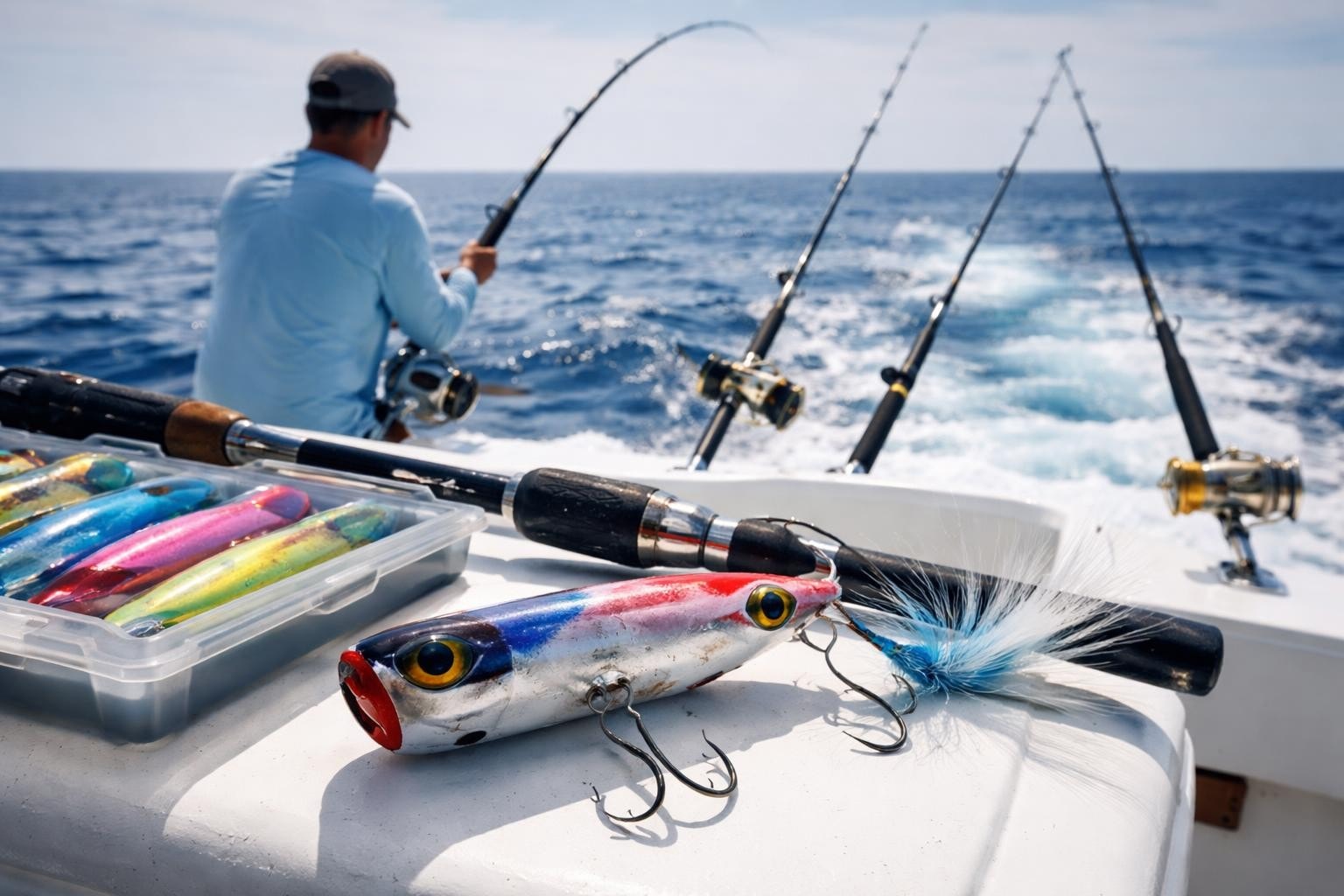
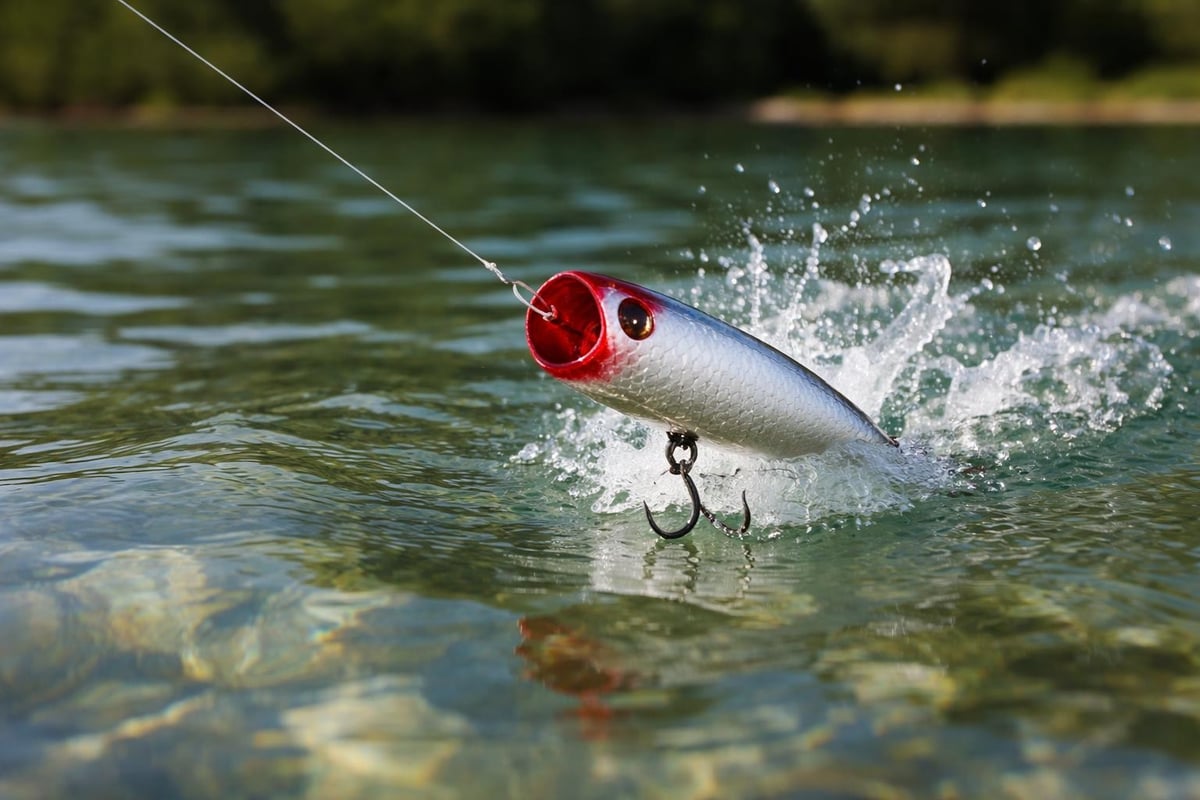
The mad max tuna lure started life as the MONSTERBASS Mad Max Popper, a freshwater topwater lure designed to create explosive surface strikes from bass. According to MONSTERBASS’s own testing, this popper performs particularly well in windy conditions when other topwater lures struggle. The design features a cupped face that creates substantial water displacement and noise.
Key Features:
- Cupped popper face for maximum splash
- Optimized for aggressive topwater strikes
- Works in choppy water conditions
- Available in various color patterns
The lure gained popularity because it triggers violent surface strikes. Multiple field tests showed consistent performance from coast to coast in freshwater applications. However, using it for tuna requires different considerations than bass fishing.
Using Topwater Lures for Tuna
Tuna absolutely strike topwater lures under the right conditions. Yellowfin, bluefin, and other tuna species will demolish surface presentations when they're feeding aggressively. Choosing the right topwater lures for yellowfin tuna depends on water conditions, bait presence, and fish behavior.
When tuna are busting bait on the surface, poppers can be deadly. The mad max tuna lure concept works when:
- Tuna are actively feeding on top
- Baitfish are present near the surface
- Water is clear enough for fish to see the lure
- Weather conditions aren't too rough for surface presentations
Conditions That Favor Topwater
Early morning and late afternoon often produce the best topwater action. Tuna push baitfish to the surface during these feeding windows, creating visible commotion. If you're exploring saltwater fishing spots in Florida or other coastal locations, timing your trips around these periods increases your chances.
Calm to moderate seas work better than heavy chop. While the Mad Max performs well in wind, offshore conditions present different challenges than freshwater lakes. Larger swells can make it harder for tuna to locate and track surface lures.
High-Speed Trolling vs. Topwater Casting
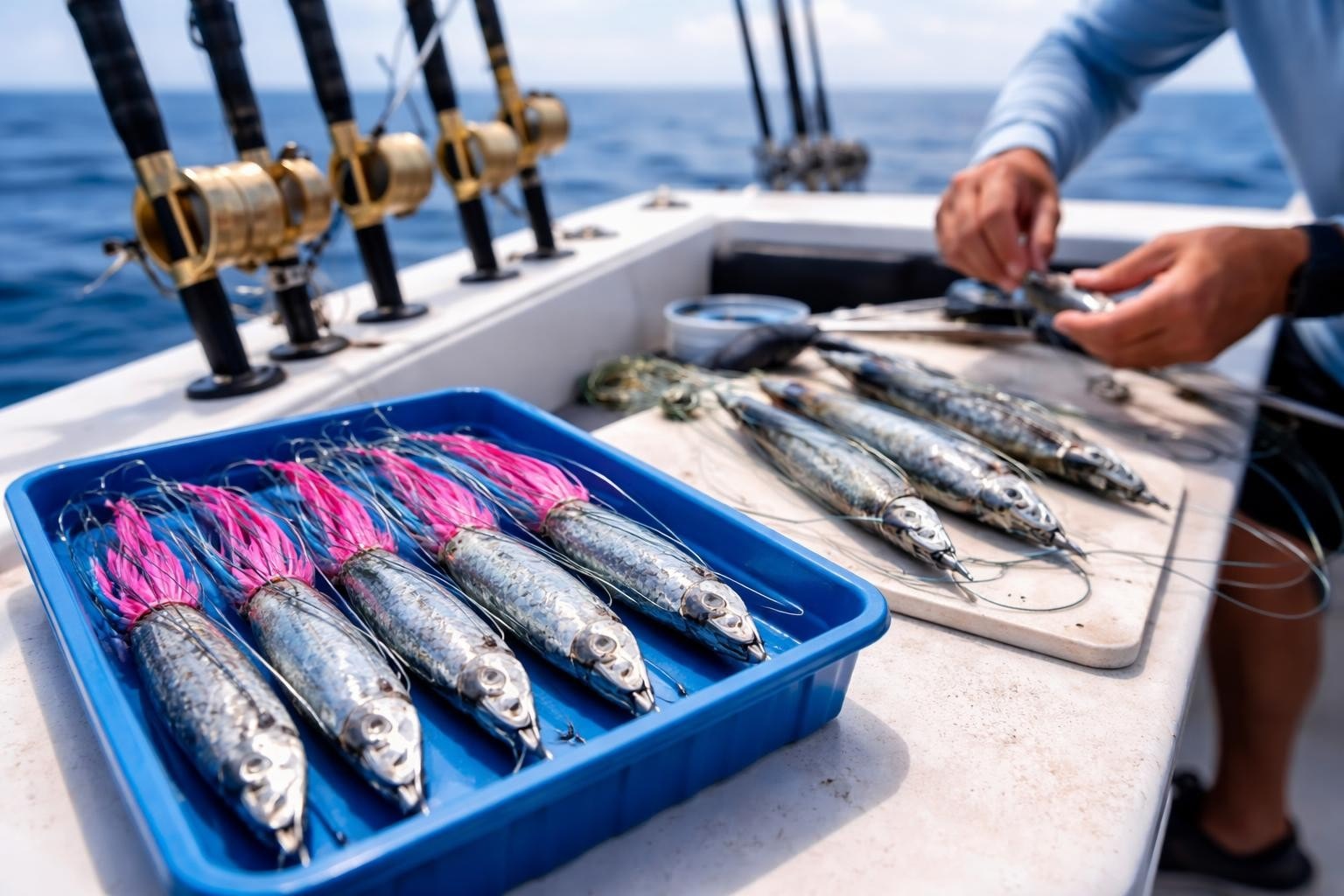
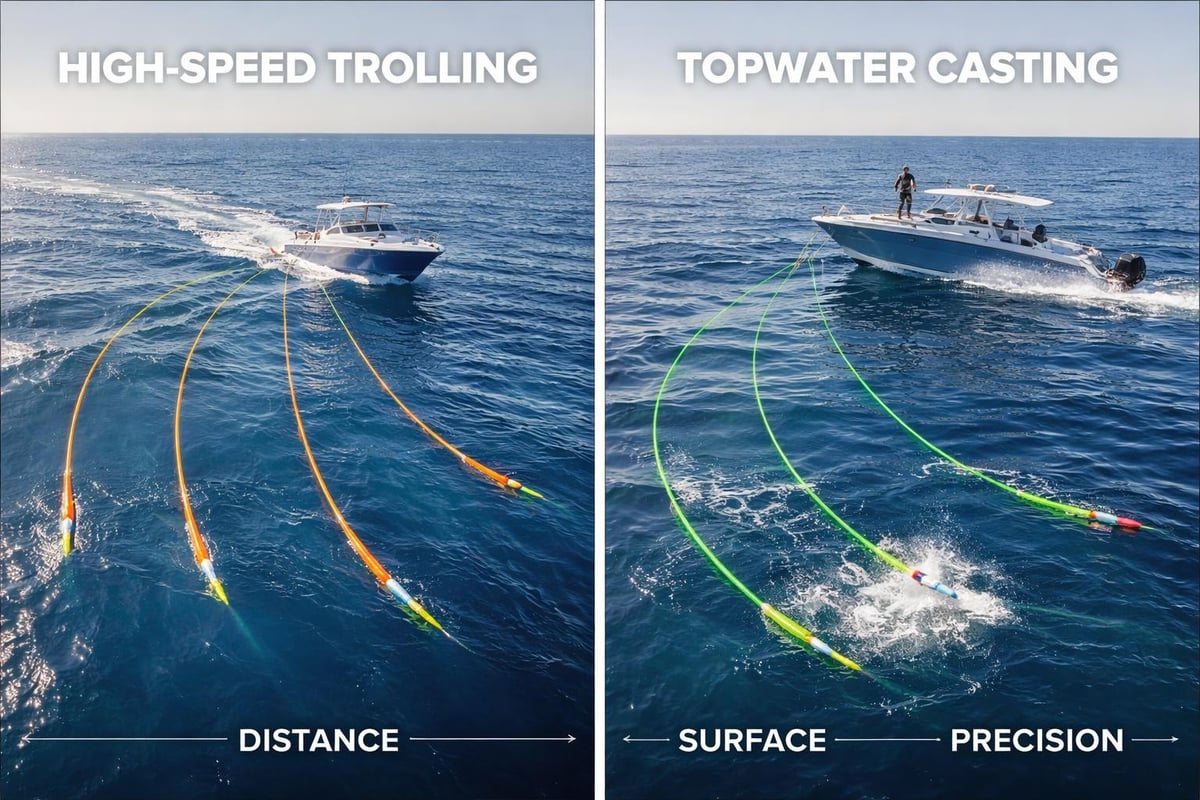
Most serious tuna anglers rely on high-speed trolling rather than casting topwater lures. The Nomad Design tuna trolling approach covers more water and stays in the strike zone longer. Trolling lures like the Madmacs series are specifically engineered for tuna behavior and offshore conditions.
Trolling Advantages:
- Covers vast areas efficiently
- Stays productive during non-feeding periods
- Works at depths where tuna spend most time
- Handles rough conditions better
Topwater Casting Advantages:
- Exciting visual strikes
- Effective during surface feeding frenzies
- Requires less specialized equipment
- Works well around structure or debris
The mad max tuna lure fits the casting category. It's not designed for high-speed trolling behind a boat. If you're targeting tuna specifically, dedicated offshore lures generally outperform freshwater designs adapted for saltwater.
Rigging Considerations for Offshore Use
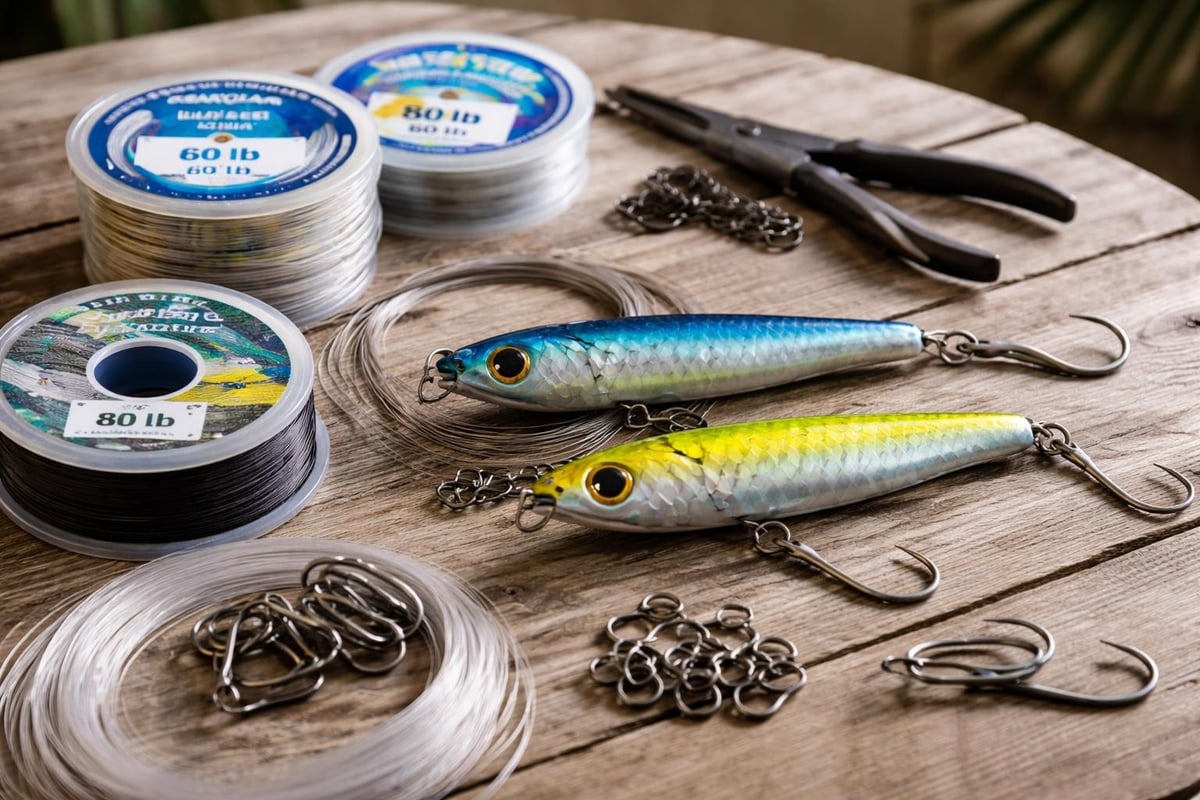
If you're determined to try the mad max tuna lure offshore, upgrade your tackle. Freshwater bass gear won't handle tuna. Comprehensive tuna fishing guides emphasize matching your equipment to the target species.
Essential Upgrades:
- Replace treble hooks with saltwater-grade hooks (corrosion-resistant)
- Use 50-80 lb braided line minimum
- Add a fluorocarbon or wire leader (tuna have sharp teeth and gill plates)
- Check all split rings and connection points
- Upgrade rod and reel to offshore-capable gear
Tuna fight harder and longer than bass. A 20-pound yellowfin will test equipment in ways a largemouth bass never could. The lure itself may hold up, but stock hardware typically fails under sustained offshore pressure.
Retrieve Techniques
Work the mad max tuna lure with aggressive pops and pauses. Create as much surface disturbance as possible to imitate fleeing baitfish. Unlike bass fishing where subtle presentations sometimes work better, tuna respond to commotion when feeding on top.
Vary your cadence until you find what triggers strikes. Some days require rapid pops, other times slower presentations work better. Watch for surface activity and adjust accordingly.
When to Choose Specialized Tuna Lures
The mad max tuna lure can work as a budget-friendly experiment, but dedicated tuna lures offer better reliability. If you're serious about consistently catching tuna, invest in lures designed for the job. The engineering that goes into offshore-specific tackle addresses challenges freshwater lures never encounter.
Salt corrosion, UV degradation, and extreme fish pressure require different construction. Reviews of purpose-built offshore lures highlight these differences even when discussing versatile designs.
Match your lure selection to your fishing goals. Occasional experimentation with adapted freshwater gear is fine for anglers exploring new waters through resources like Find Fishing Spots. Serious tuna hunters need serious tuna tackle.
Best Uses for Mad Max:
- Experimental trips with backup options available
- Targeting smaller tuna species (skipjack, bonito)
- Mixed-species fishing where versatility matters
- Budget-conscious anglers testing offshore waters
Better Tuna-Specific Choices:
- High-speed trolling lures for open water
- Heavy-duty poppers designed for big gamefish
- Cedar plugs and feathers for proven results
- Skirted lures that handle sustained trolling speeds
Color Selection and Visibility
Choose colors that match local baitfish when using the mad max tuna lure offshore. Tuna aren't particularly color-selective compared to other species, but matching the hatch helps. Silver, white, blue, and green patterns imitate common forage like sardines, anchovies, and flying fish.
In clear blue water, natural patterns work well. Murkier conditions favor brighter colors or contrasting patterns. The Mad Max offers multiple color options originally designed for bass, but several translate well to saltwater applications.
Visibility matters more than exact coloration. Tuna rely heavily on sight when feeding, so ensure your lure stands out enough to attract attention but still looks like food. Surface disturbance helps with this – the commotion draws fish from distance, then they visually confirm the target.
The mad max tuna lure represents an interesting crossover between freshwater and saltwater fishing, working best as a situational tool rather than a primary tuna weapon. When you're ready to explore proven fishing locations with detailed access information and GPS coordinates, Find Fishing Spots helps you discover productive waters across the United States. Whether you're targeting tuna offshore or bass closer to home, having reliable spot information puts you ahead before you even cast.