Perch fish represent some of the most popular and widely distributed game fish across North America. Whether you're casting from a dock on a quiet lake or fishing deeper waters in the Pacific, these distinctive fish offer exciting opportunities for anglers of all skill levels. Their firm, white meat makes them prized table fare, while their aggressive feeding behavior provides consistent action throughout the fishing season. Understanding the different perch species, their habitats, and effective fishing techniques will significantly improve your success rate on the water.
Understanding Perch Fish Species
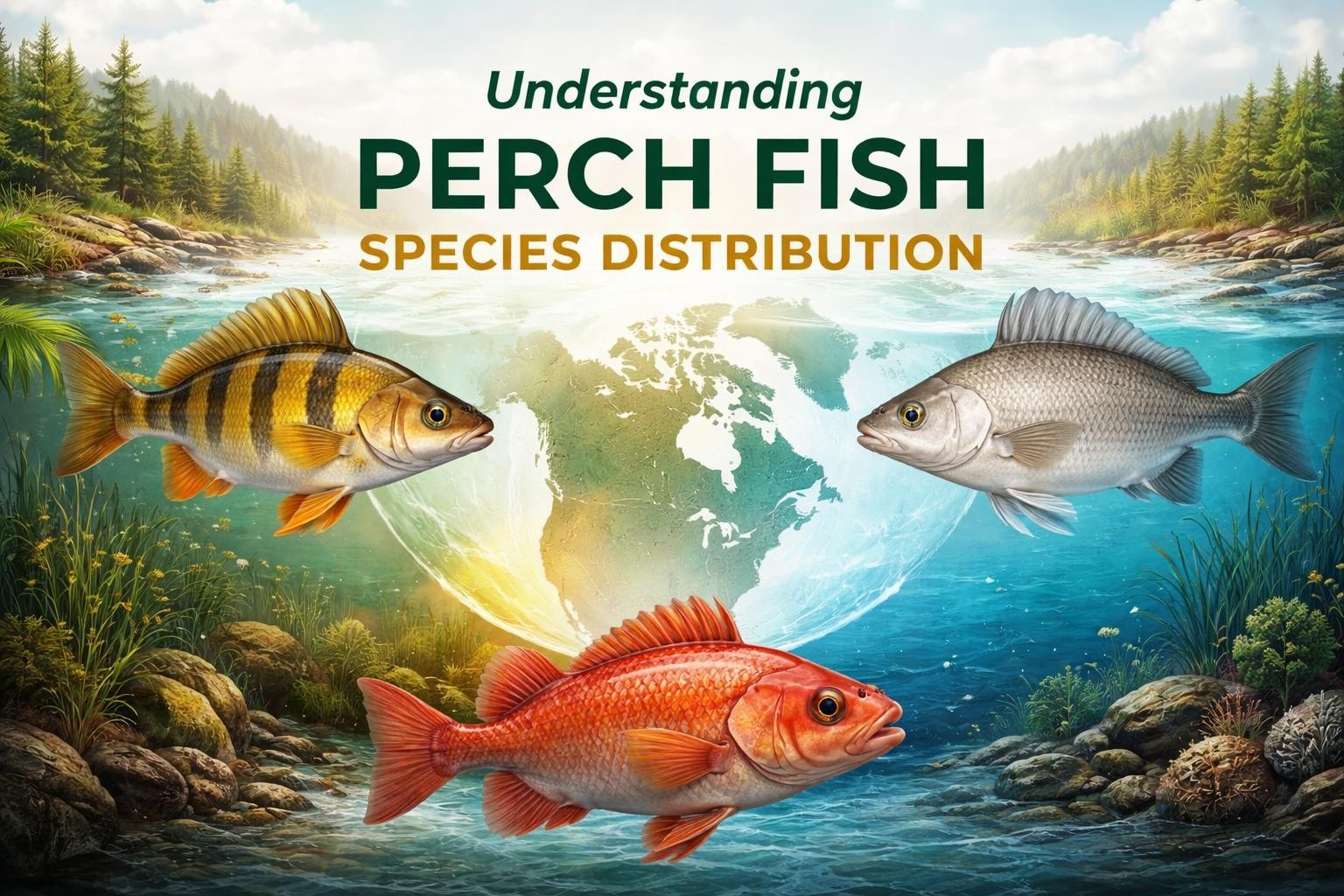
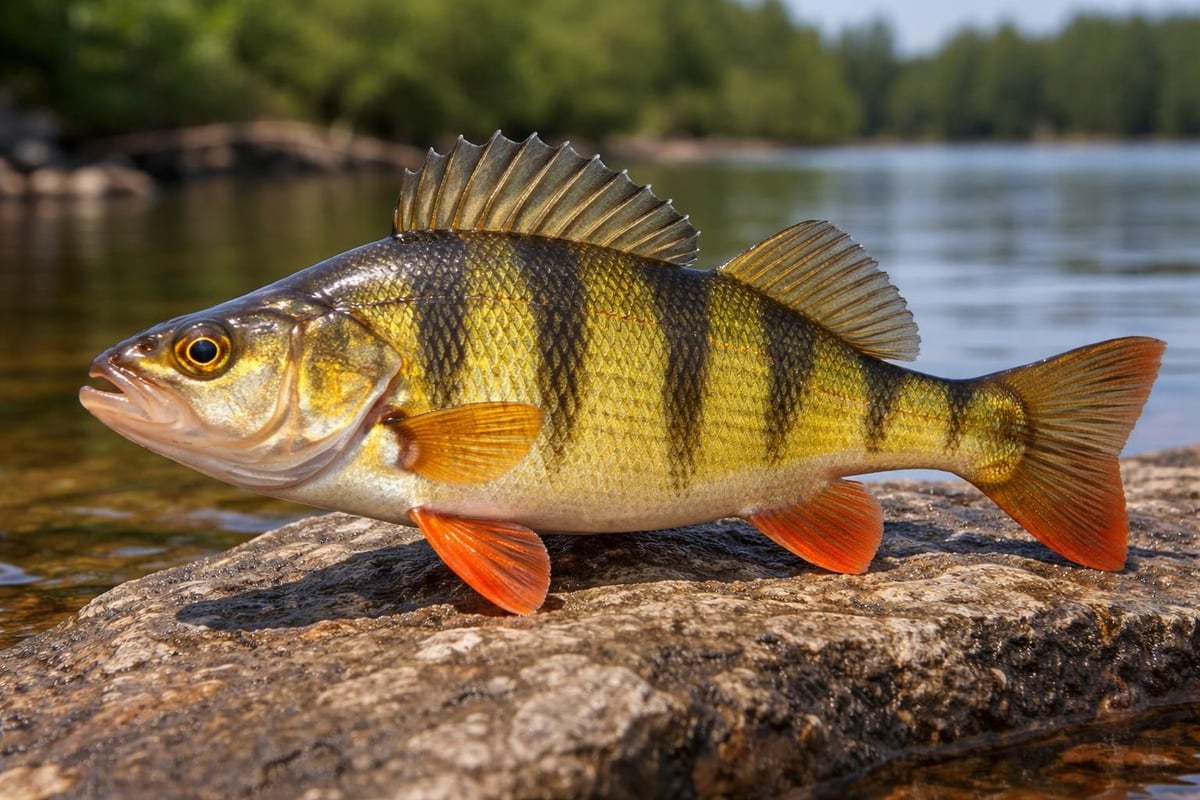
When anglers talk about perch fish, they're usually referring to one of several distinct species found throughout U.S. waters. The most common is the yellow perch, recognizable by its golden-yellow body marked with dark vertical bars. Yellow perch thrive in cool, freshwater environments and can be found from the Great Lakes region down through the Midwest and into parts of the South.
White perch represent another popular species, though they're actually members of the temperate bass family rather than true perch. These silvery fish have adapted to both freshwater and brackish environments, making them common catches along the Atlantic coast and in tidal rivers. The Sacramento perch, native to California, holds the distinction of being the only perch species indigenous to the western United States.
Key characteristics that help identify perch fish:
- Spiny dorsal fin separated from a softer rear dorsal fin
- Vertical dark bars or stripes on the body
- Golden, silver, or greenish coloration depending on species
- Large, reflective eyes adapted for hunting in various light conditions
- Rough, ctenoid scales that feel sandpaper-like to the touch
Pacific Ocean perch swim in much deeper, colder waters off the West Coast. These rockfish cousins live at depths ranging from 100 to 900 feet and support important commercial fisheries. While they share the "perch" name, Pacific Ocean perch are quite different from their freshwater cousins in both habitat and behavior.
Size and Growth Patterns
Yellow perch typically measure between 6 and 12 inches, though specimens exceeding 15 inches aren't uncommon in prime habitats. A 10-inch perch usually weighs around half a pound, while true trophy fish can push past two pounds. Growth rates vary considerably based on water temperature, food availability, and competition.
Northern populations generally grow slower but live longer compared to southern perch. A yellow perch in Minnesota might take seven years to reach 10 inches, while the same size fish in a warmer climate could achieve that length in four or five years. White perch tend to run slightly smaller on average, with most catches ranging from 7 to 10 inches.
Prime Perch Fish Habitats
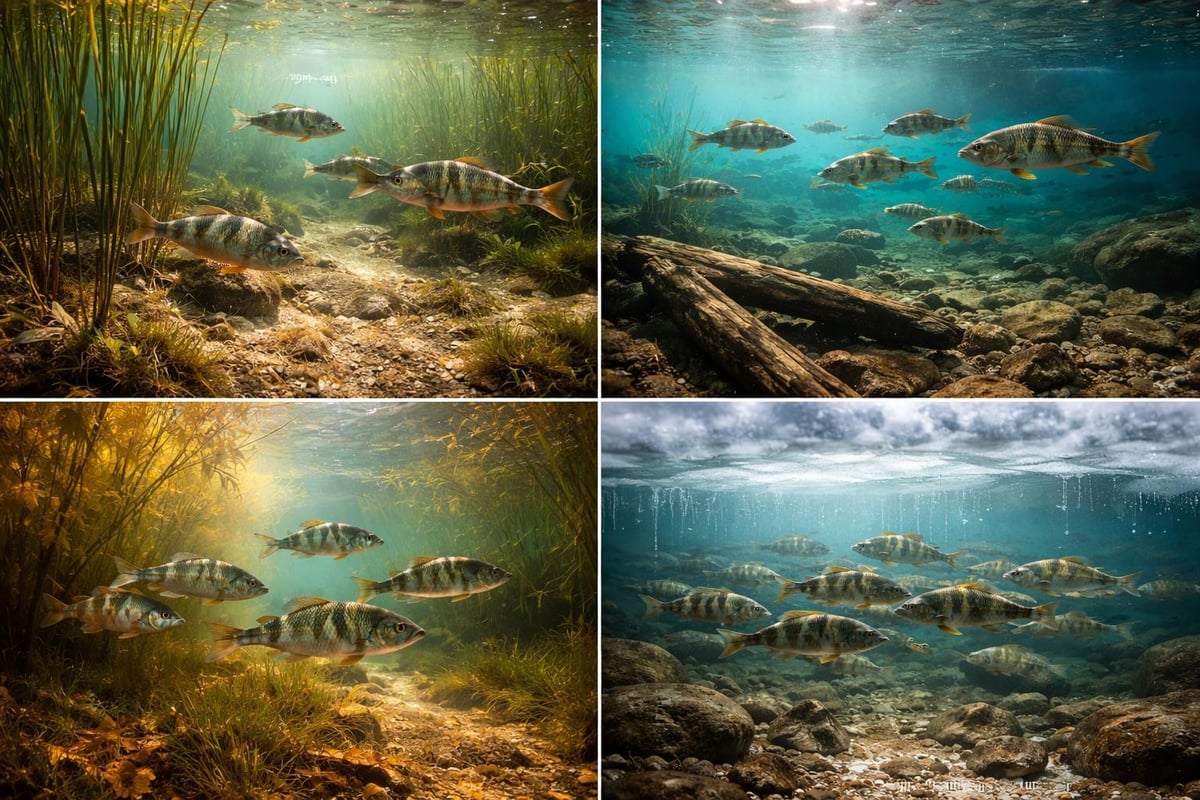
Finding productive perch fishing spots starts with understanding where these fish prefer to spend their time. Yellow perch gravitate toward lakes, ponds, and slow-moving rivers with clean, cool water and abundant vegetation. They're comfortable in water ranging from 63 to 77 degrees Fahrenheit, though they'll tolerate colder temperatures during winter months.
Structure plays a crucial role in perch behavior. Look for them around:
- Submerged weed beds and aquatic vegetation
- Rocky points and drop-offs
- Dock pilings and other man-made structures
- Sandy or gravelly bottoms near deeper water
- Fallen trees and brush piles
During spring and fall, perch often cruise shallower waters near shorelines, especially around dawn and dusk. Summer heat pushes them into deeper, cooler zones, typically between 20 and 35 feet. Winter ice fishing for perch becomes extremely productive as they school tightly in predictable locations.
White perch demonstrate remarkable adaptability, thriving in freshwater lakes, brackish estuaries, and even saltwater bays along the Atlantic seaboard. The Michigan Department of Natural Resources provides excellent information about habitat preferences specific to Great Lakes perch populations. These fish often congregate near similar structures as yellow perch but show greater tolerance for varying salinity levels.
When you're exploring new fishing locations, Find Fishing Spots offers detailed information about perch-friendly waters across the country. Checking local fishing reports and GPS coordinates helps narrow down productive areas before you make the drive.
Effective Perch Fishing Techniques
Bait Selection and Presentation
Perch fish are opportunistic feeders with a preference for small prey. Live minnows remain the gold standard for perch fishing, particularly during colder months when fish become more selective. Thread a 2-to-3-inch shiner or fathead minnow onto a small hook through the lips or just behind the dorsal fin for maximum natural action.
Top live and natural baits for perch:
- Small minnows (shiners, fatheads, emerald shiners)
- Nightcrawlers and red worms
- Waxworms and mealworms
- Freshwater shrimp and crayfish tails
- Leeches in summer months
- Fish eyes from cleaned perch (yes, really)
Artificial lures work exceptionally well when perch are actively feeding. Small jigs tipped with plastic grubs or tubes in chartreuse, white, or pink consistently produce fish. The jigging motion mimics wounded baitfish and triggers aggressive strikes. Ice fishermen swear by tiny tungsten jigs that drop quickly to bottom-hugging schools.
Rigging and Tackle Setup
Keep your perch fishing setup simple and sensitive. A light to ultralight spinning rod between 5 and 6.5 feet paired with a quality 1000 or 2000 series reel provides perfect balance. Spool with 4-to-6-pound test monofilament or fluorocarbon for subtle presentations that don't spook wary fish.
A basic perch rig consists of a small Aberdeen or mosquito hook (size 6 to 10) tied 12 to 18 inches below a small split shot or slip sinker. This allows bait to move naturally while keeping it in the strike zone. Some anglers prefer spreader rigs with multiple hooks to maximize catches when schools are thick.
When fishing deeper water or strong current, increase weight size to maintain bottom contact. Perch typically feed near the substrate, so keeping bait in that zone proves critical for consistent hookups. Feel for gentle taps and ticks rather than waiting for rod-bending strikes-perch nibble before committing to a full bite.
Seasonal Strategies
Spring perch fishing coincides with spawning activity when fish move into shallow, weedy areas. Males arrive first, followed by females carrying eggs. Post-spawn perch feed aggressively to recover energy, making late spring an excellent time to target them. Focus on water temperatures between 45 and 52 degrees during this period.
Summer finds perch deeper and more dispersed. Vertical jigging over structure in 20-to-40-foot depths produces steady action. Early morning and evening periods offer peak activity as fish move shallower to feed. Mid-summer heat can slow daytime bites, so adjust timing accordingly.
Fall triggers another aggressive feeding phase as perch bulk up for winter. They'll move back toward shallower structures and chase baitfish schools with renewed intensity. This season often produces the largest catches of the year. Water clarity improves in fall, so consider downsizing line and using more natural bait colors.
Reading Perch Fish Behavior
Understanding how perch fish respond to environmental conditions gives you a significant edge on the water. These schooling fish rely heavily on vision for hunting, which explains why they're most active during daylight hours. Overcast days often trigger better feeding activity than bright sunshine, as reduced light emboldens perch to venture from cover.
Perch possess keen hearing and lateral line sensitivity that detects vibrations from struggling prey. Subtle jigging motions that create vibration without excessive movement often outperform aggressive presentations. When bites slow, experiment with rhythm changes-sometimes pausing completely for several seconds triggers strikes from followers.
Environmental factors affecting perch activity:
- Barometric pressure changes (falling pressure increases feeding)
- Water clarity (clearer water favors smaller baits and lighter line)
- Temperature fluctuations (stable temps produce consistent bites)
- Wind direction and speed (moderate chop improves fishing)
- Moon phase (new and full moons influence feeding patterns)
Schools of perch fish often stack in vertical columns over structure. If you catch one fish at 25 feet, immediately drop your bait back to that exact depth. Chances are excellent that more fish occupy the same zone. Mark productive depths and return to them throughout your fishing session.
The comprehensive overview from Britannica offers detailed insights into perch behavior patterns and feeding ecology. This scientific perspective complements on-the-water observations and helps predict fish movements.
Processing and Table Quality
Perch fish rank among the finest-eating freshwater species available to anglers. Their flaky white meat offers mild, sweet flavor without the "fishy" taste that turns some people away from seafood. Pan-fried perch fillets represent a regional delicacy throughout the Midwest, often featured at fish fries and lakeside restaurants.
Cleaning perch requires patience due to their relatively small size and tough skin. Many anglers prefer to scale perch rather than skin them, as the skin crisps beautifully when fried and helps hold the delicate flesh together. A sharp fillet knife and fish scaler make quick work of the job once you establish a rhythm.
Steps for cleaning perch efficiently:
- Scale both sides thoroughly using firm strokes from tail to head
- Make a cut behind the pectoral fin down to the backbone
- Angle the knife toward the tail and slice along the backbone
- Flip the fillet and remove rib bones with a shallow cut
- Rinse fillets in cold water and pat dry
Yield from perch fish is lower than larger species-a 10-inch perch produces about 2 to 3 ounces of boneless fillet. Plan on keeping at least a dozen fish for a decent meal for two people. Most states set generous daily limits on perch due to their abundance and reproductive success.
Conservation and Sustainable Fishing
While perch fish populations remain generally healthy across most of their range, practicing responsible angling ensures future generations can enjoy this resource. Keep only what you'll eat and release smaller fish to grow and reproduce. Targeting 9-to-12-inch fish provides optimal meat quality while preserving breeding stock.
Some waters experience heavy fishing pressure that can impact perch populations. Pay attention to local regulations regarding size limits and daily possession limits. These rules are based on biological surveys and designed to maintain sustainable fisheries. When visiting popular freshwater spots, check current regulations before fishing.
Proper fish handling increases survival rates for released perch. Use barbless hooks or pinch down barbs to minimize injury. Handle fish with wet hands to protect their protective slime coating. Release fish quickly in deeper water rather than letting them float away in the shallows where predators can easily target them.
Invasive perch species pose challenges in some regions. White perch, for example, have expanded beyond their native Atlantic range and compete with native species in some Midwestern lakes. In these situations, harvest regulations may be relaxed to help control populations. Always verify whether you're fishing in waters where perch removal is encouraged.
Finding Your Next Perch Fishing Adventure
The beauty of perch fishing lies in its accessibility. These fish inhabit waters from Maine to California, from North Dakota down to Louisiana. Urban lakes, remote wilderness ponds, massive reservoirs, and Great Lakes shorelines all hold perch populations. Finding productive water near your location is easier than you might think.
If you're targeting different fishing spots across various regions, researching specific locations beforehand saves time and increases success. Look for waters with documented perch populations, public access points, and detailed GPS coordinates. Local fishing forums and state fisheries websites provide valuable intelligence about recent catches and seasonal patterns.
Don't overlook smaller, less-publicized waters. Many farm ponds and community lakes hold excellent perch populations with minimal fishing pressure. These fish adapt well to smaller bodies of water and can provide fantastic action when you find them. Ask permission from landowners and always respect private property boundaries.
Seasonal migrations create windows of opportunity when perch concentrate in predictable locations. Spring spawning runs, summer deep-water aggregations, fall feeding frenzies, and winter ice-fishing hotspots all offer unique experiences. Building knowledge of these patterns at your local waters transforms you from an occasional perch catcher into a consistent producer.
Whether you're after yellow perch in a Midwestern lake or exploring coastal waters for white perch, understanding these fish and their habits makes all the difference. Perch fishing combines accessibility with genuine sporting challenge-perfect for introducing kids to angling or enjoying a relaxing afternoon on the water. When you're ready to discover productive perch waters in your area, Find Fishing Spots provides the GPS coordinates, access information, and local knowledge you need to plan your next successful fishing trip.