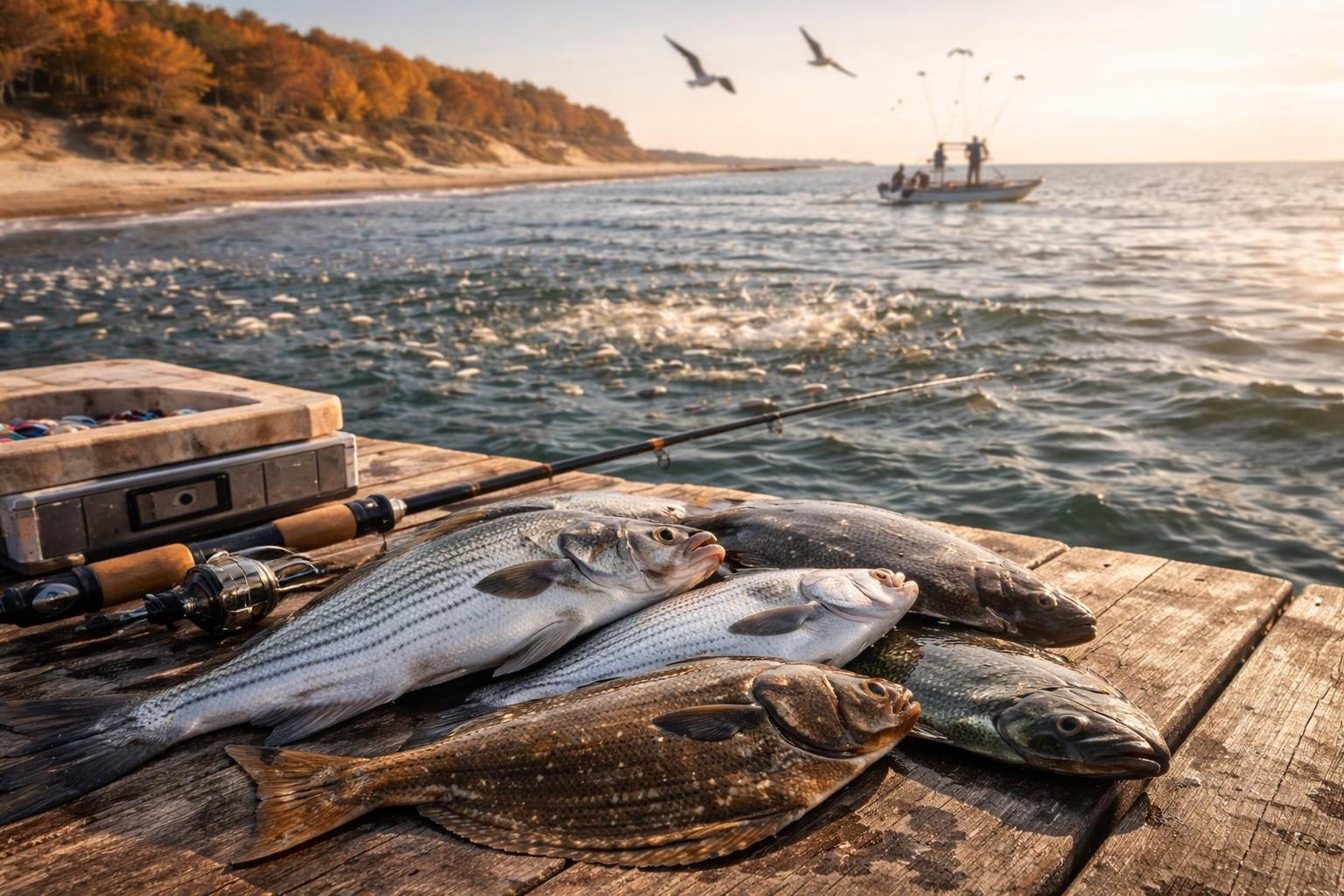
Spots fishing has been a favorite pastime for coastal anglers for generations, and for good reason. These silvery panfish offer consistent action, fight hard for their size, and make excellent table fare. Whether you're casting from a pier, surf fishing along barrier islands, or working backwater creeks, spot provide accessible fishing opportunities from spring through fall. Getting to know their habits, preferred baits, and seasonal movements can turn an average outing into a memorable day on the water.
Understanding Spot Fish Behavior and Habitat
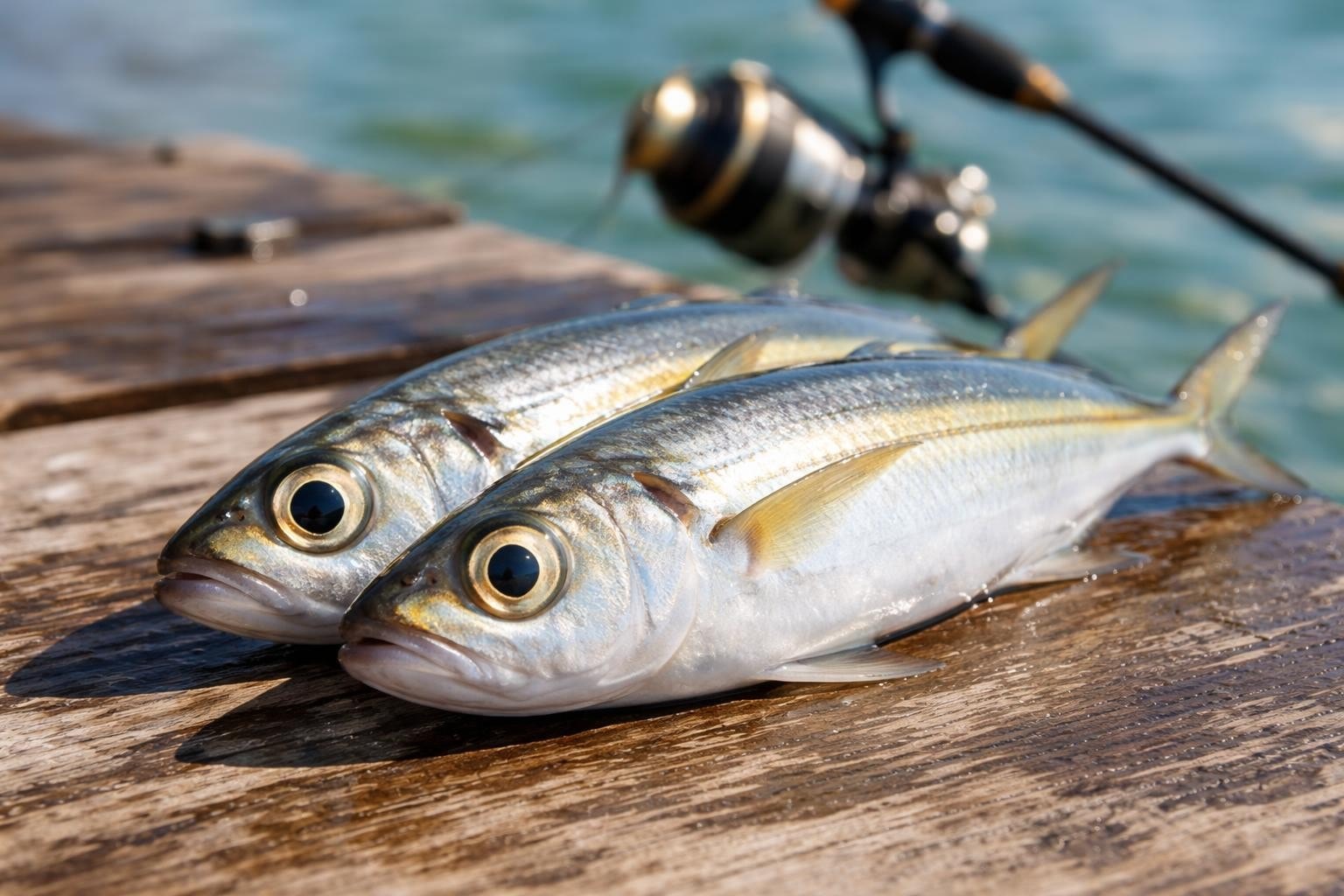
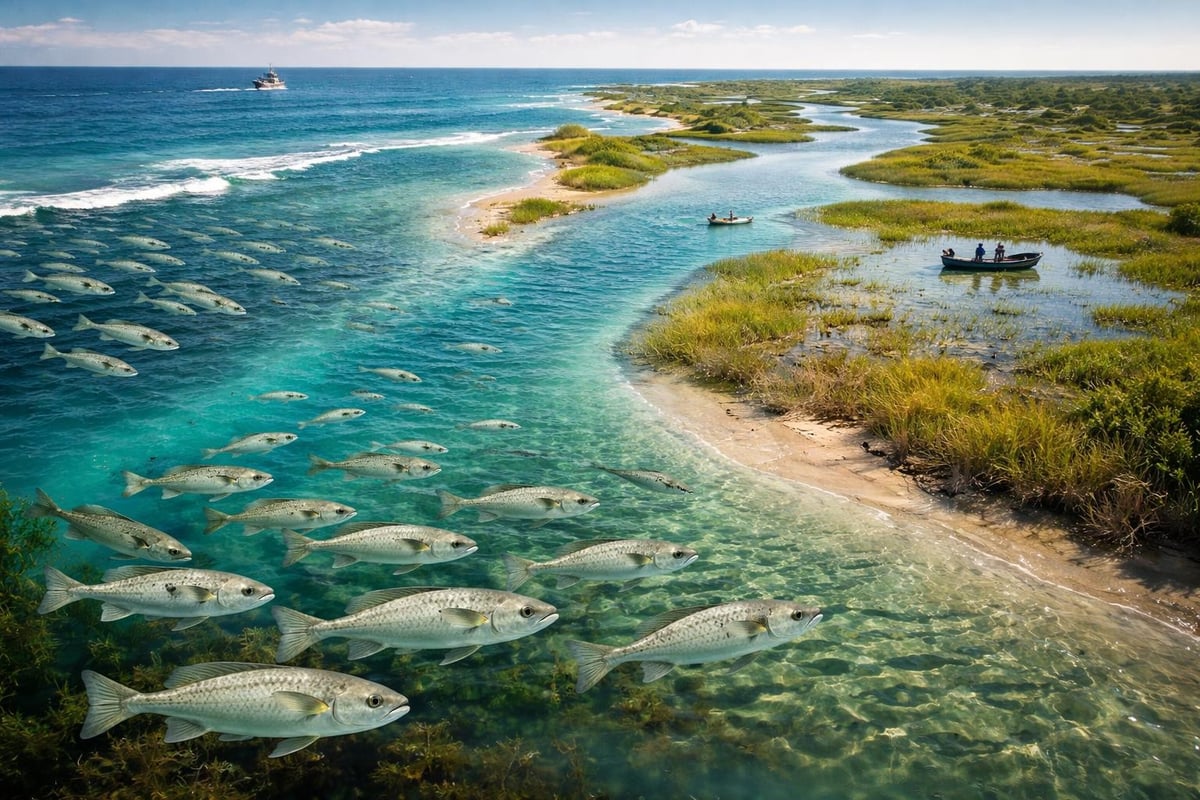
Spot are members of the drum family, recognizable by the distinctive black spot behind their gill plate. These fish follow predictable seasonal patterns that make them reliable targets when you know where and when to look. During spring, spot migrate into inshore waters from their offshore wintering grounds, moving through inlets and spreading into bays, sounds, and tidal rivers.
Prime spots fishing locations include:
- Sandy beaches and surf zones
- Inlet jetties and rock piles
- Tidal creeks with oyster bars
- Pier pilings and bridge structures
- Grass flats adjacent to channels
These fish prefer sandy or muddy bottoms where they can root around for small crustaceans, worms, and other invertebrates. Water depth between 3 and 15 feet often produces the best results during warmer months. As fall approaches, spot begin staging near inlets before heading offshore, creating excellent fishing opportunities at places like Oregon Inlet and Beaufort Inlet along the Outer Banks.
Tackle and Rigs for Spots Fishing Success
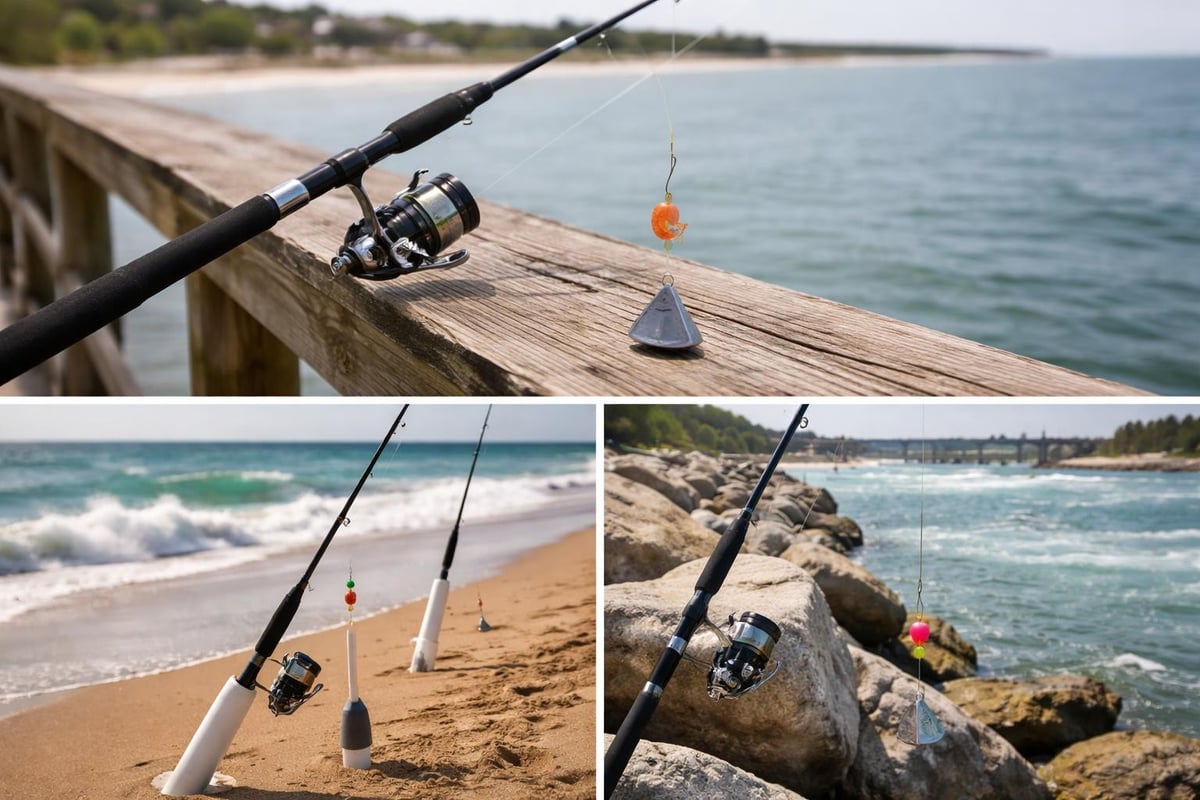
You don't need expensive gear for productive spots fishing. A medium-light spinning rod in the 6 to 7-foot range paired with a reel spooled with 10 to 15-pound test works perfectly. The key is matching your tackle to the conditions rather than the fish size.
Bottom Rigs That Produce
The classic two-hook bottom rig remains the most effective setup. Tie a pyramid sinker (2 to 4 ounces depending on current) at the terminal end, then attach two snelled hooks on dropper loops about 12 inches apart up the main line. Hook size matters for spot fish, with most anglers favoring size 4 to 6 long-shank hooks that make unhooking easier.
Essential bait options for spot:
- Bloodworms – the gold standard, especially during spring runs
- Squid strips – cut into thin pieces about an inch long
- Peeler crab – deadly when available
- Shrimp – fresh or frozen, cut into appropriate chunks
- Fishbites – synthetic alternative that stays on the hook well
Circle hooks work great for spots fishing since these fish tend to swallow bait quickly. The self-hooking nature of circle hooks means you simply reel steadily when you feel weight rather than setting the hook hard.
Seasonal Patterns and Regional Regulations
Timing your spots fishing trips with seasonal movements dramatically improves catch rates. Spring migration typically begins in April and continues through May, with fish moving into brackish waters throughout coastal regions. Summer months see spot spread throughout estuaries, while the fall run from September through November often provides the best fishing as spot fatten up before heading offshore.
Different states manage spot populations with varying regulations. Before heading out, check current rules since fishing regulations vary by state and can change annually. For example, Maryland regulations specify possession limits, while Texas fishing regulations outline their own requirements. Most coastal states don't require special stamps for spot, but a valid saltwater fishing license is mandatory.
Finding Productive Spots Fishing Locations
Success in spots fishing often comes down to location selection. Productive areas share common characteristics: good tidal flow, structure or bottom irregularities, and access to deeper water nearby. Piers offer excellent opportunities since spot congregate around pilings where currents concentrate food. Johnnie Mercer’s Pier in North Carolina consistently produces quality catches throughout the season.
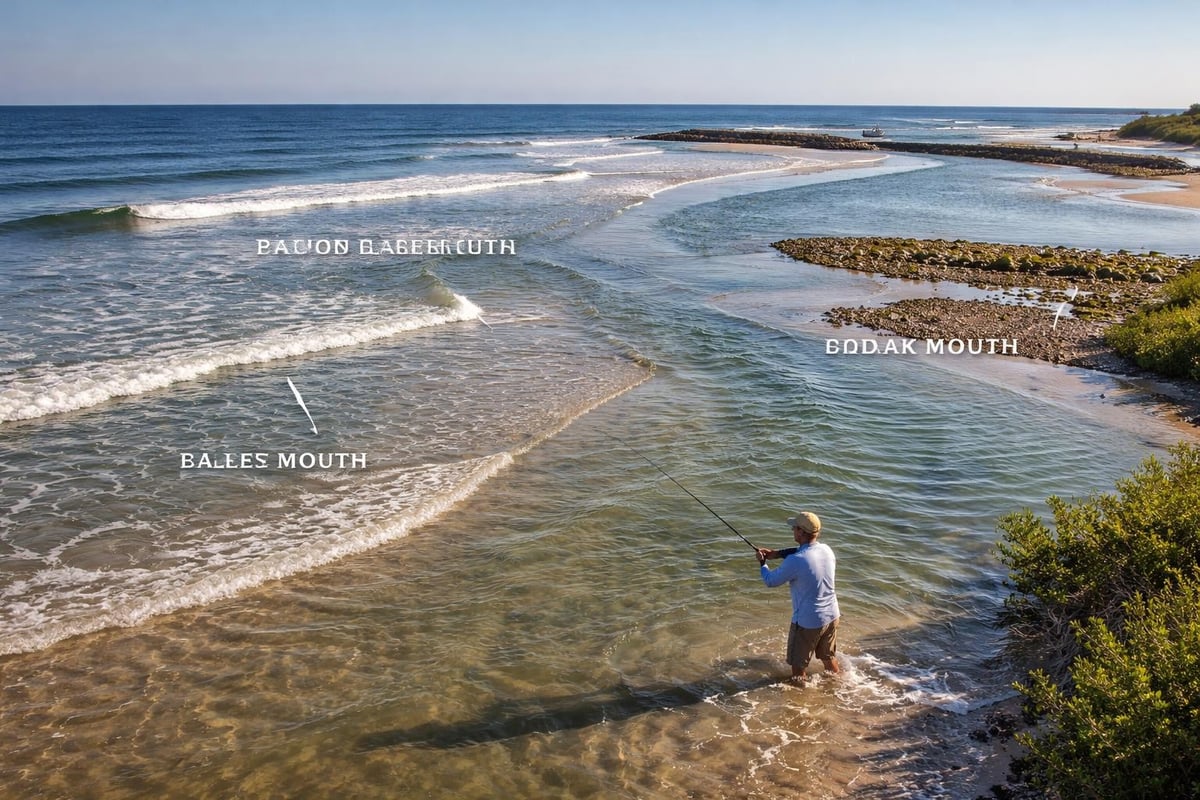
Surf fishing requires reading the beach. Look for sloughs (troughs running parallel to shore), points where sandbars create current breaks, and areas where waves create foam lines. These features concentrate baitfish and the predators following them. Early morning and evening tides typically fish best, though spot will feed throughout the day.
Working Backwater Spots
Don't overlook backwater creeks and marsh edges. Spot push into these areas on rising tides to feed along oyster bars and grass lines. Bishop Harbor backwater areas in Florida demonstrate how productive these spots can be. Fish these locations on the incoming tide, positioning yourself where creeks meet larger channels.
Inlet areas shine during spring and fall migrations. Spot stage in these transitional zones, and numbers can be phenomenal. Cape Point on Hatteras Island offers classic inlet-adjacent fishing where spot move through in large schools.
Techniques for Consistent Catches
Spots fishing success comes from attention to detail. Fresh bait makes a significant difference, as does keeping hooks sharp. When fishing multiple rods, check baits every 15 to 20 minutes even without bites. Spot often pick at offerings without creating obvious rod movement.
Presentation tips that increase hookups:
- Use just enough weight to hold bottom
- Keep bait close to the seafloor where spot feed
- Thread soft baits onto hooks completely for better hooking percentage
- Downsize hooks if getting bites but missing fish
- Move locations if action slows after 30 to 45 minutes
Current speed influences feeding activity. Moderate current typically produces better than slack or ripping tides. Spot become more aggressive as current begins moving after slack water, then taper off as flow reaches peak velocity. Understanding these tidal patterns helps you time trips for maximum productivity.
When you find feeding fish, multiple hookups become common since spot travel in schools. Landing one fish often means more are nearby. Keep lines in the water and maintain your spot on a productive piece of structure.
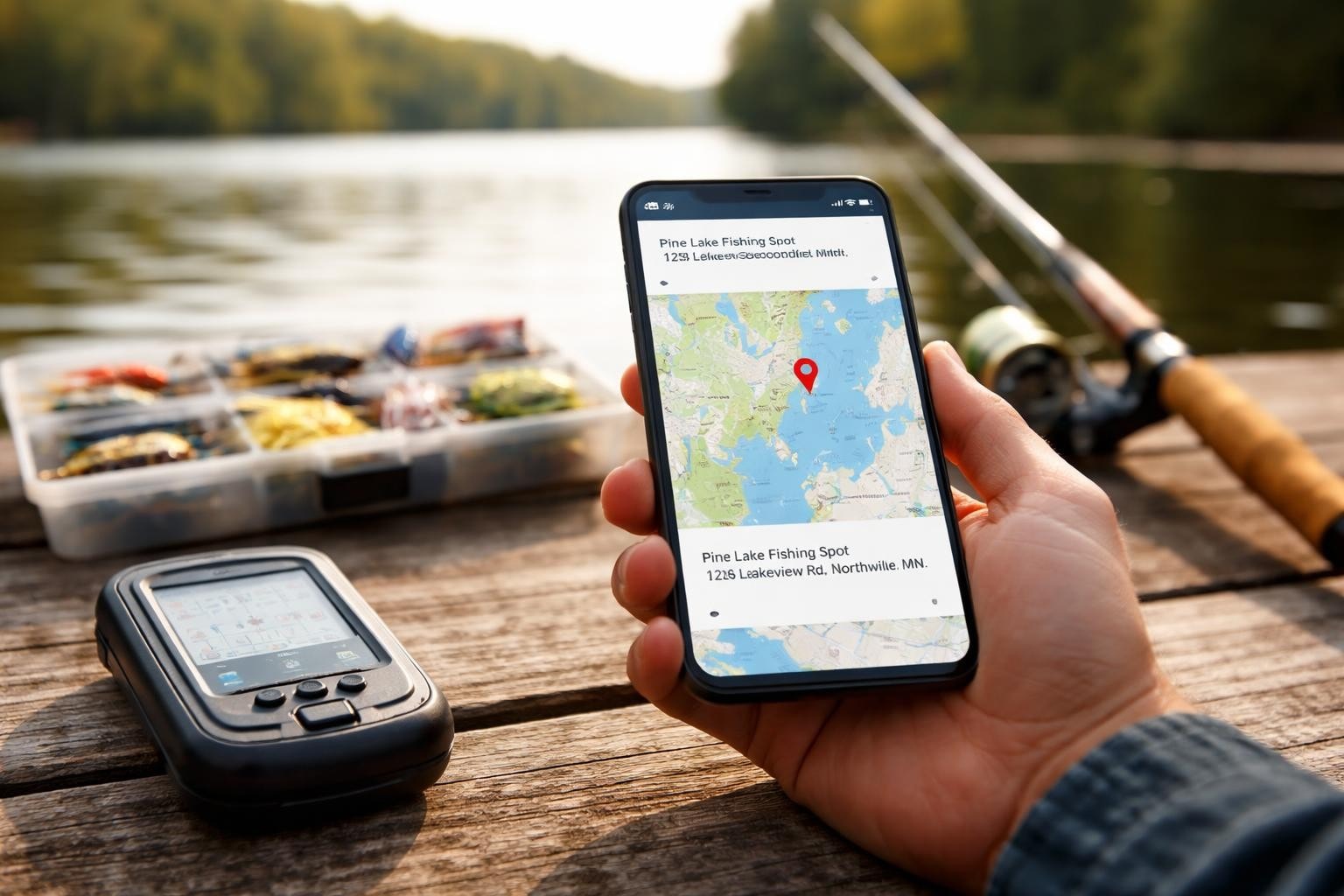
Getting consistent at spots fishing comes down to understanding seasonal patterns, using appropriate tackle and fresh bait, and finding productive locations where these fish congregate. Whether you're targeting spring migrants pushing through inlets or fall concentrations along the surf, spot offer accessible action for anglers of all skill levels. Ready to discover top spots fishing locations near you? Find Fishing Spots provides GPS coordinates, access information, and detailed location data for saltwater, freshwater, and brackish fishing areas across the United States, helping you spend less time searching and more time catching.