Getting the right tuna bait can make or break your day on the water. Whether you're targeting bluefin, yellowfin, or albacore, understanding what tuna eat and how to present it effectively puts more fish on the deck. From live baitfish to chunk bait strategies, there's a whole toolkit of options to match conditions, seasons, and the specific tuna species you're after. Let's break down what works, when it works, and how to use it.
Understanding What Tuna Eat
Tuna are opportunistic feeders with serious appetites. Their diet changes based on location, season, and what's swimming around them at the moment.
Common natural forage includes:
- Mackerel and herring
- Sardines and anchovies
- Squid and cuttlefish
- Flying fish
- Small tuna and bonito
The key is matching your tuna bait to what's naturally present in the area you're fishing. If you're hitting saltwater fishing spots along the coast, check what baitfish are running that week. Local tackle shops and fishing reports give you real-time intelligence on what's been working.
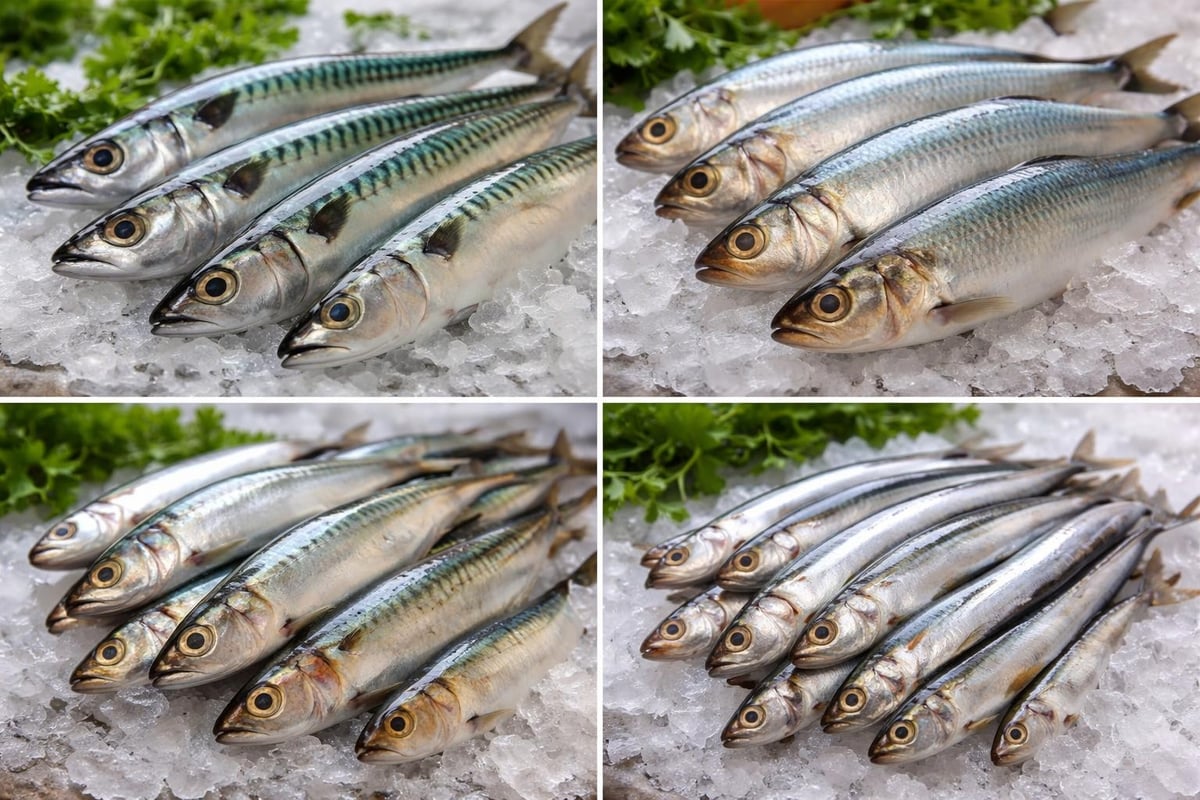
Live Bait Options and Rigging
Live bait is the gold standard for tuna fishing, especially when fish are picky or conditions are calm. Nothing beats the natural action and scent profile of a swimming baitfish.
Best Live Baits for Tuna
Mackerel are tough, lively, and irresistible to most tuna species. They stay active on the hook and their size makes them perfect for larger bluefin. Hook them through the nose or behind the dorsal fin, depending on whether you're drifting or trolling.
Herring work exceptionally well for smaller tuna and can be slow-trolled or fished under kites. They're more delicate than mackerel, so handle them gently and change them out when they lose energy.
Sardines and anchovies are deadly for yellowfin and skipjack, particularly when you're chumming. These smaller baits create a feeding frenzy when deployed correctly. Chumming techniques for tuna can turn a slow day into a nonstop action.
Rigging Live Bait Properly
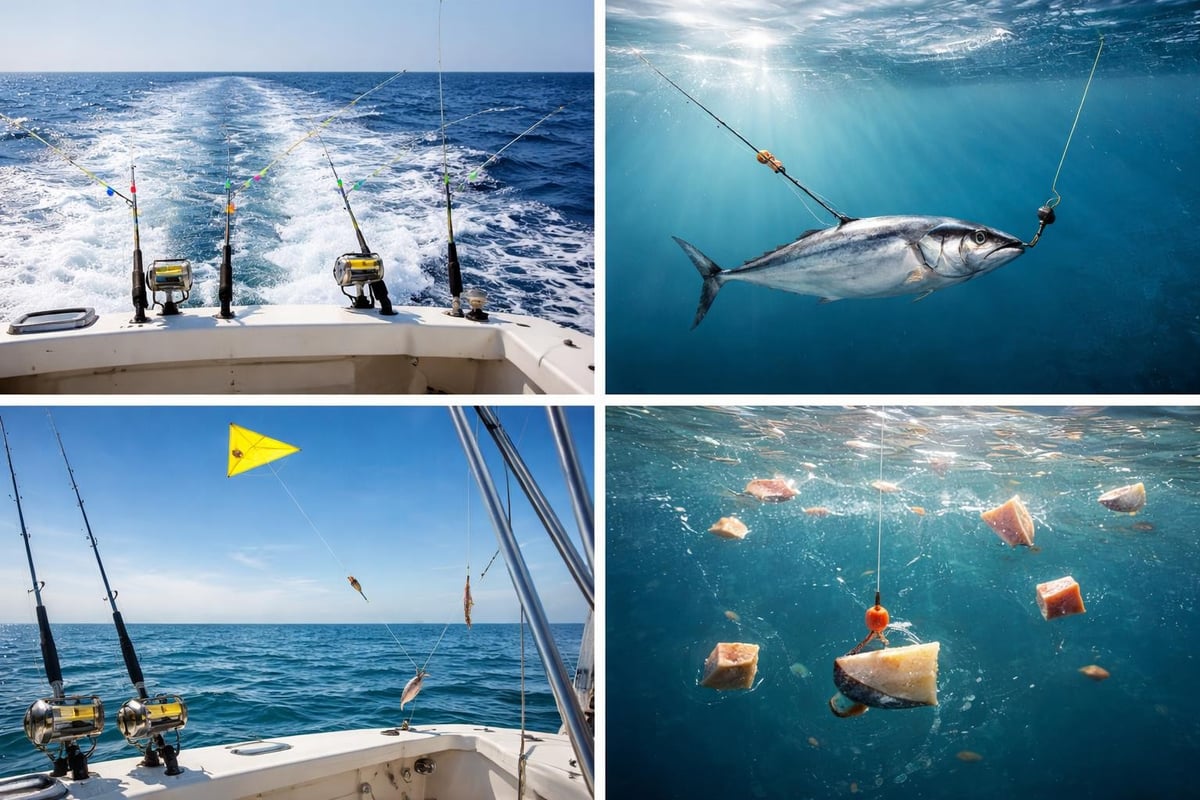
How you hook your tuna bait matters as much as what you choose. For trolling, nose hooking keeps the bait swimming straight and natural. When drifting or kite fishing, try hooking through the back near the dorsal fin to allow free swimming motion.
Circle hooks have become the standard for live bait fishing, both for conservation and effectiveness. They hook fish in the corner of the mouth, making releases cleaner and improving survival rates for catch-and-release fishing.
Cut Bait and Chunking Strategies
When live bait isn't available or you're covering water quickly, cut bait and chunking are proven alternatives. These methods also work brilliantly when combined with live offerings.
Cut bait advantages:
- Longer lasting on the hook
- Creates a strong scent trail
- Works in rougher conditions
- Cost-effective option
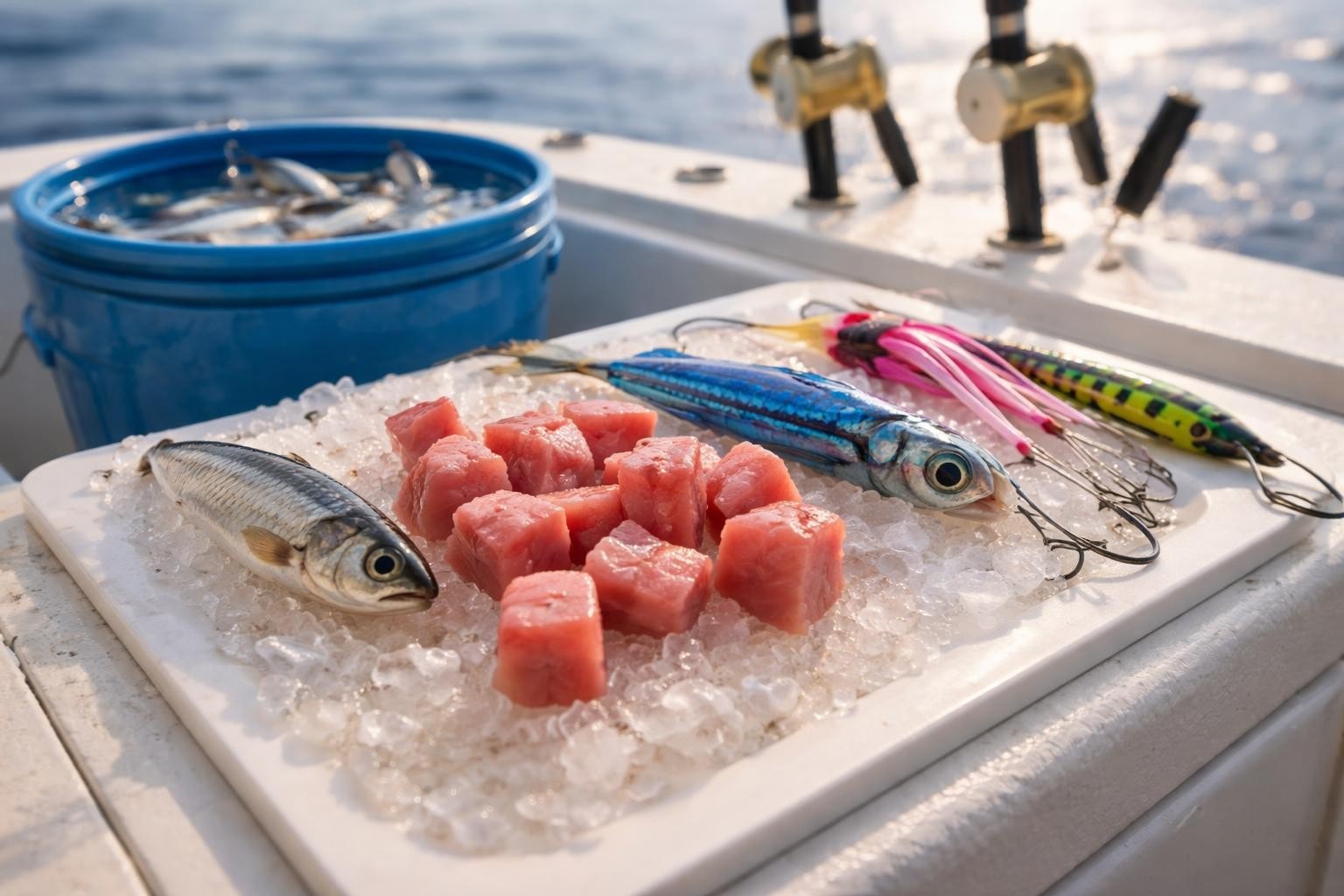
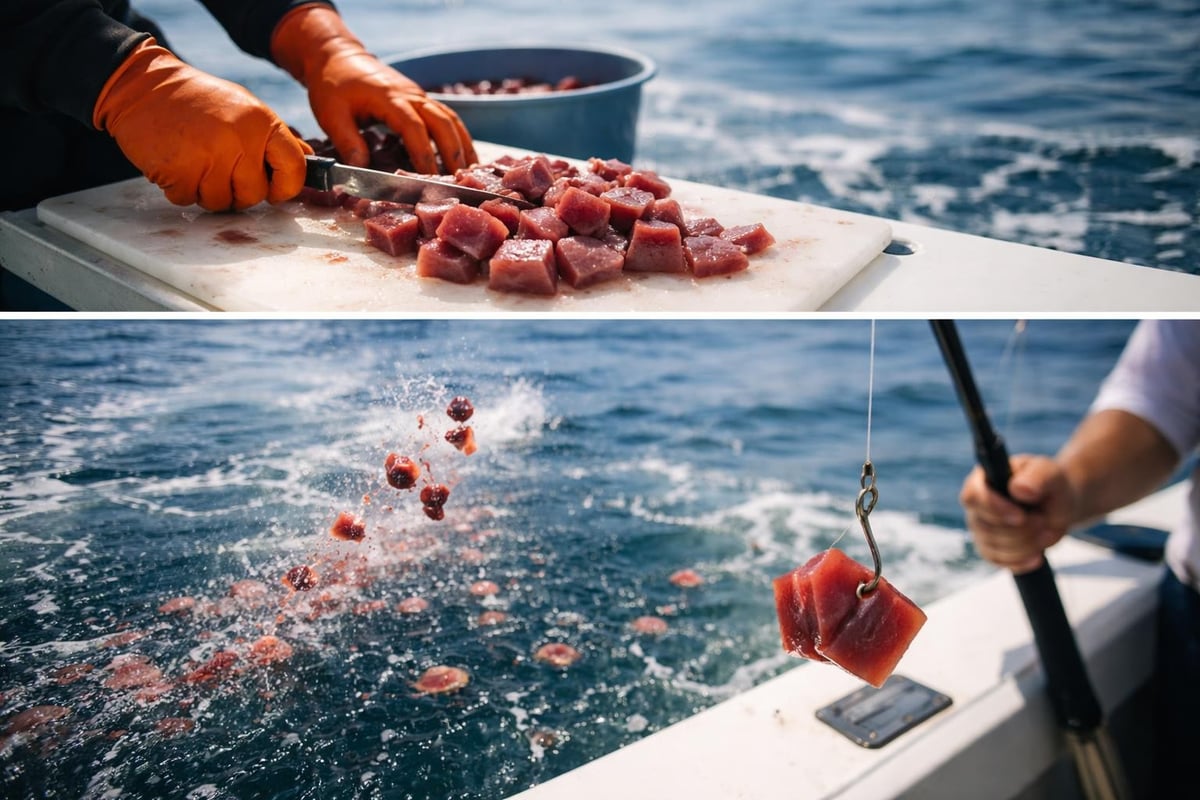
Mackerel, bonito, and squid make excellent cut bait. Slice them into strips or chunks, leaving some skin on for durability. The oils released create an irresistible scent trail that draws tuna from distance.
Chunking involves cutting bait into pieces and tossing them overboard to create a chum line. Start with smaller pieces to get fish interested, then introduce your hook bait. Keep the chunks consistent in size so your hook bait doesn't stand out. This technique for catching bluefin tuna has proven incredibly effective in the Northeast and other bluefin hotspots.
Sustainable Bait Sourcing Matters
With growing awareness around fisheries health, choosing sustainable tuna bait benefits everyone. Overfishing baitfish populations impacts the entire food chain, including the tuna we love to catch.
Look for bait suppliers who source responsibly. Research into sustainable bait sources shows that alternative options exist without compromising effectiveness. When possible, catch your own bait using sabiki rigs or cast nets-it's fresher and you know exactly where it came from.
Pole-and-line fishing methods demonstrate how responsible bait practices support long-term fishery health. While recreational anglers operate differently than commercial operations, the principle remains: healthy bait stocks mean healthy tuna populations.
Matching Bait to Conditions
Water temperature, clarity, and current all influence which tuna bait performs best. Clear water and calm seas favor live bait presentation, where tuna can inspect their meal. Choppy conditions or murky water make cut bait and artificials more effective since scent becomes more important than sight.
Temperature considerations:
- Warmer water (70-75°F): Tuna are more aggressive, live bait excels
- Cooler water (60-68°F): Slower metabolism, cut bait and chunk strategies shine
- Temperature breaks: Fish both sides with different presentations
Current creates feeding opportunities. Tuna position themselves to ambush baitfish swept along by moving water. Place your tuna bait along current edges, temperature breaks, and structure where baitfish concentrate.
Time of day matters too. Early morning and late afternoon often see the best live bait action, while midday chunking can keep fish interested during slower periods. Midshore tuna tactics demonstrate how adapting your approach throughout the day improves success rates.
Artificial Alternatives
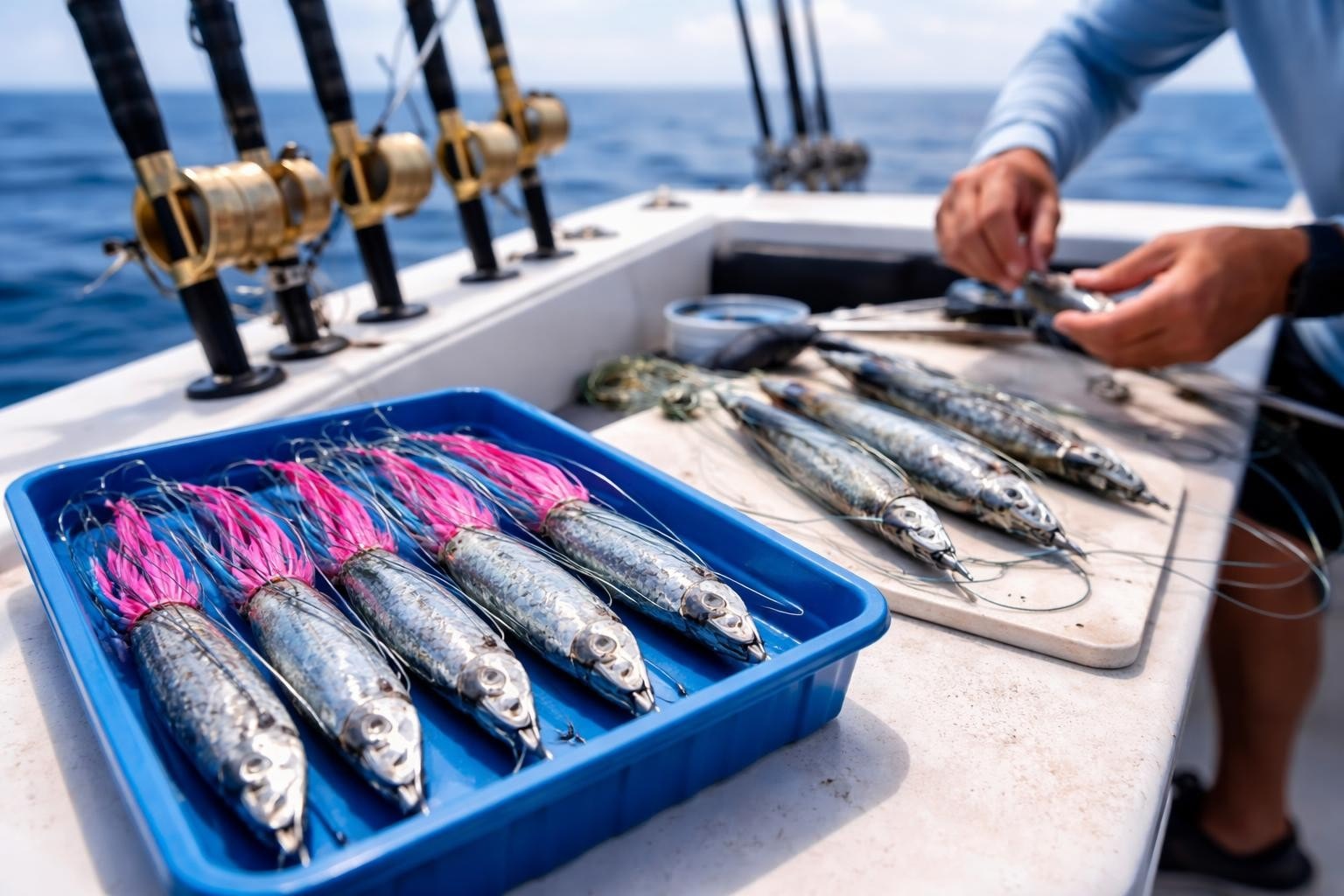
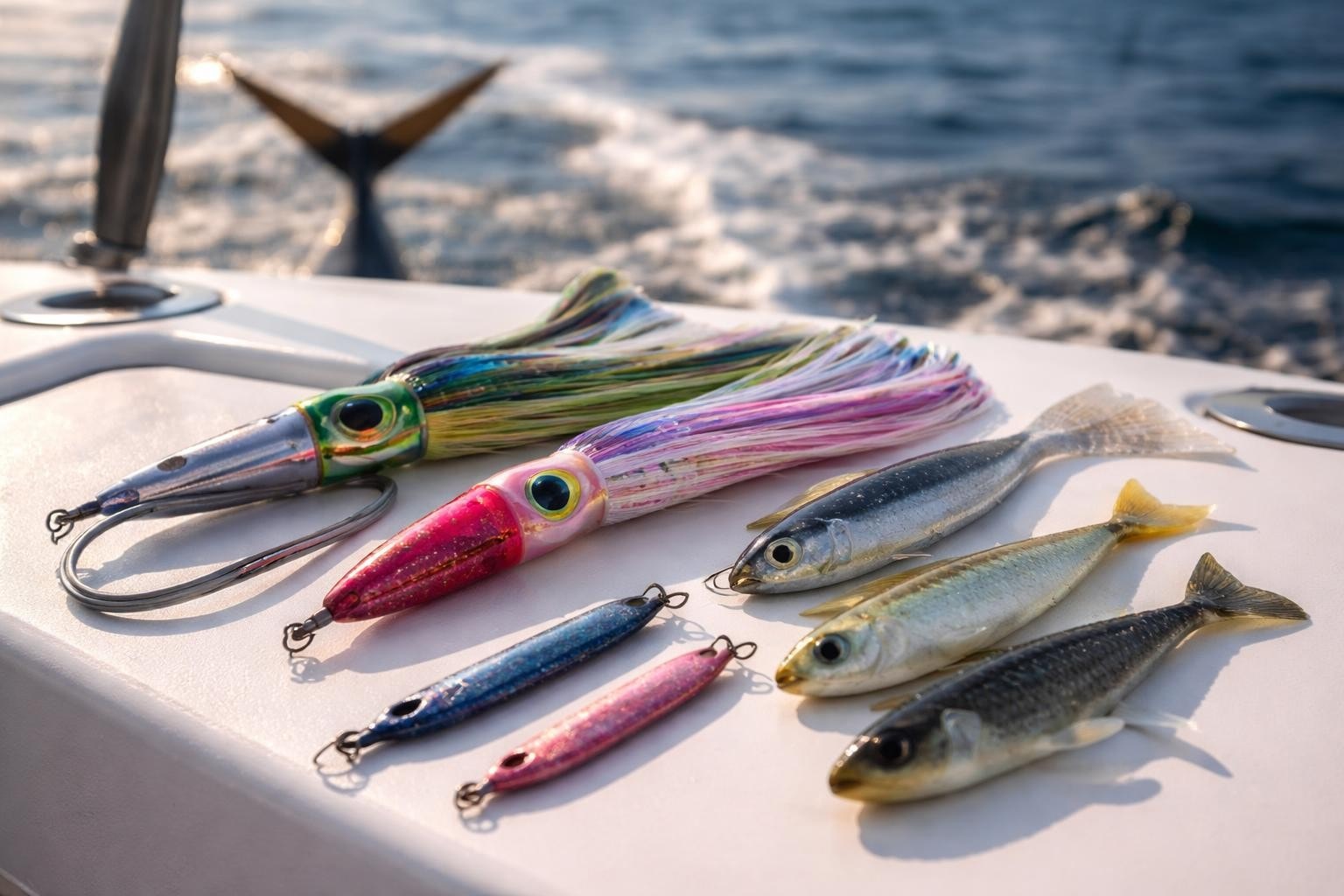
While natural bait dominates tuna fishing, artificials have their place. Cedar plugs, spreader bars, and soft plastic swimbaits catch fish when presented correctly. They're especially useful when you can't source quality live or cut bait.
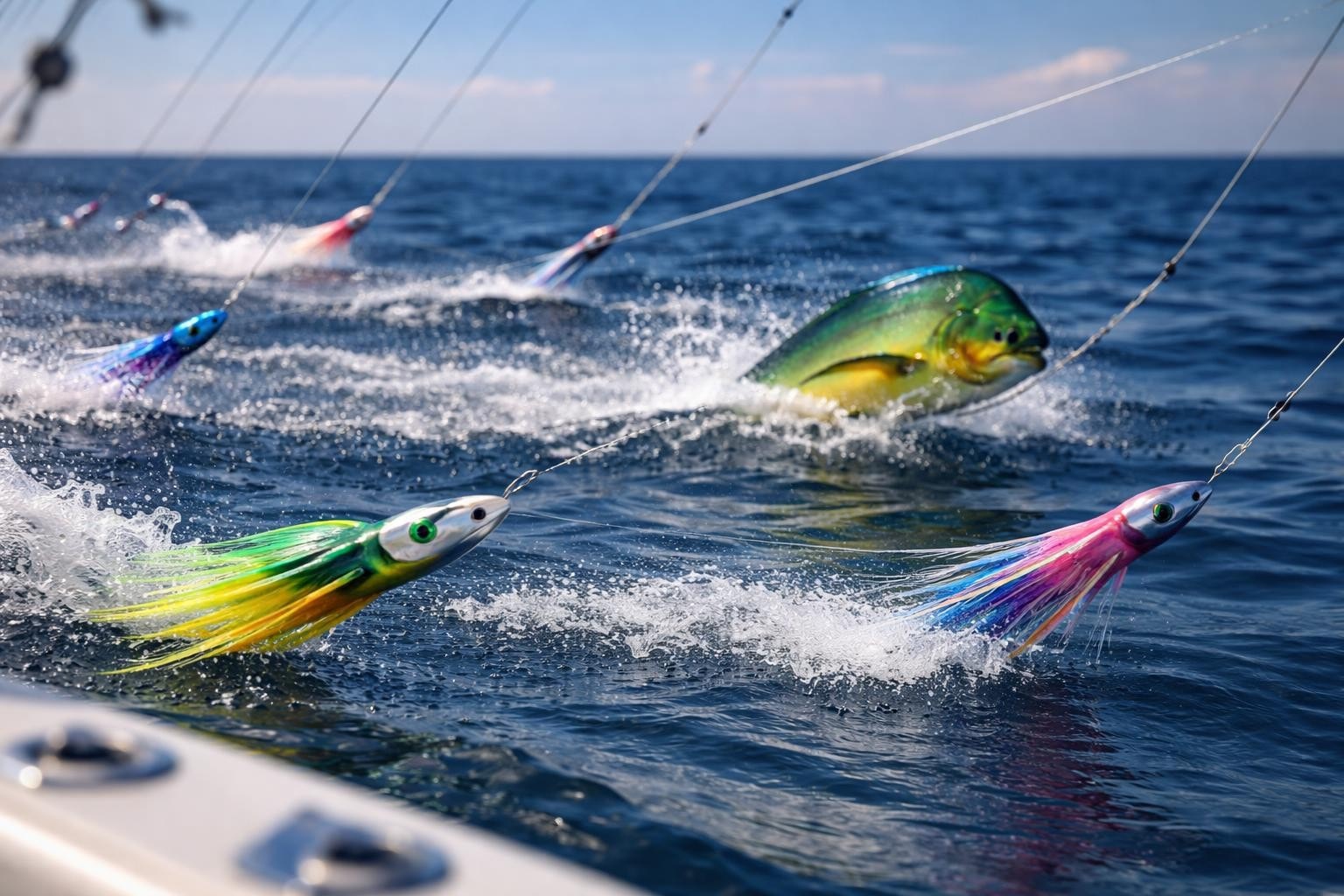
Spreader bars create the illusion of a baitfish school, triggering tuna's competitive feeding instincts. Combine them with natural bait for a mixed spread that covers multiple bases. Some anglers run artificials on outer lines while keeping live or cut bait closer to the boat.
The advantage of artificials is consistency. They don't die, don't need special care, and work in any conditions. The downside is they typically don't outfish quality natural bait when tuna are actively feeding.
Storage and Handling Tips
Keeping your tuna bait fresh maximizes its effectiveness. Live bait requires aerated live wells with proper water temperature and salinity. Change water regularly and don't overcrowd the tank-stressed bait doesn't swim naturally.
For cut bait, keep it iced and out of direct sunlight. Frozen bait works in a pinch, but fresh always outperforms it. If you're buying frozen, check for freezer burn and ice crystal formation, which indicate poor storage.
Bait care essentials:
- Maintain proper water temperature in live wells
- Use bait-friendly nets (knotless mesh)
- Handle minimally to reduce stress
- Keep cut bait on ice
- Pre-rig baits before fish are located
When you find fish, you don't want to waste time rigging. Have a selection of pre-rigged baits ready to deploy immediately. Those first few presentations often produce the best bites.
Getting your tuna bait selection and presentation dialed in dramatically improves your catch rates, whether you're chasing bluefin off the Northeast coast or yellowfin in the Gulf. When you're ready to explore new waters or find productive tuna grounds, Find Fishing Spots helps you discover top fishing locations across the U.S. with GPS coordinates, access details, and everything you need to plan your next successful tuna trip.