The striped bass is one of the most sought-after gamefish in American waters, and for good reason. These powerful, silver-sided fish offer thrilling fights, grow to impressive sizes, and can be found in a wide variety of environments from the Atlantic coast to inland reservoirs. Whether you're a newcomer looking to hook your first striper or a seasoned angler scouting new water, understanding where and when to target these fish makes all the difference.
Where Striped Bass Live and Why It Matters
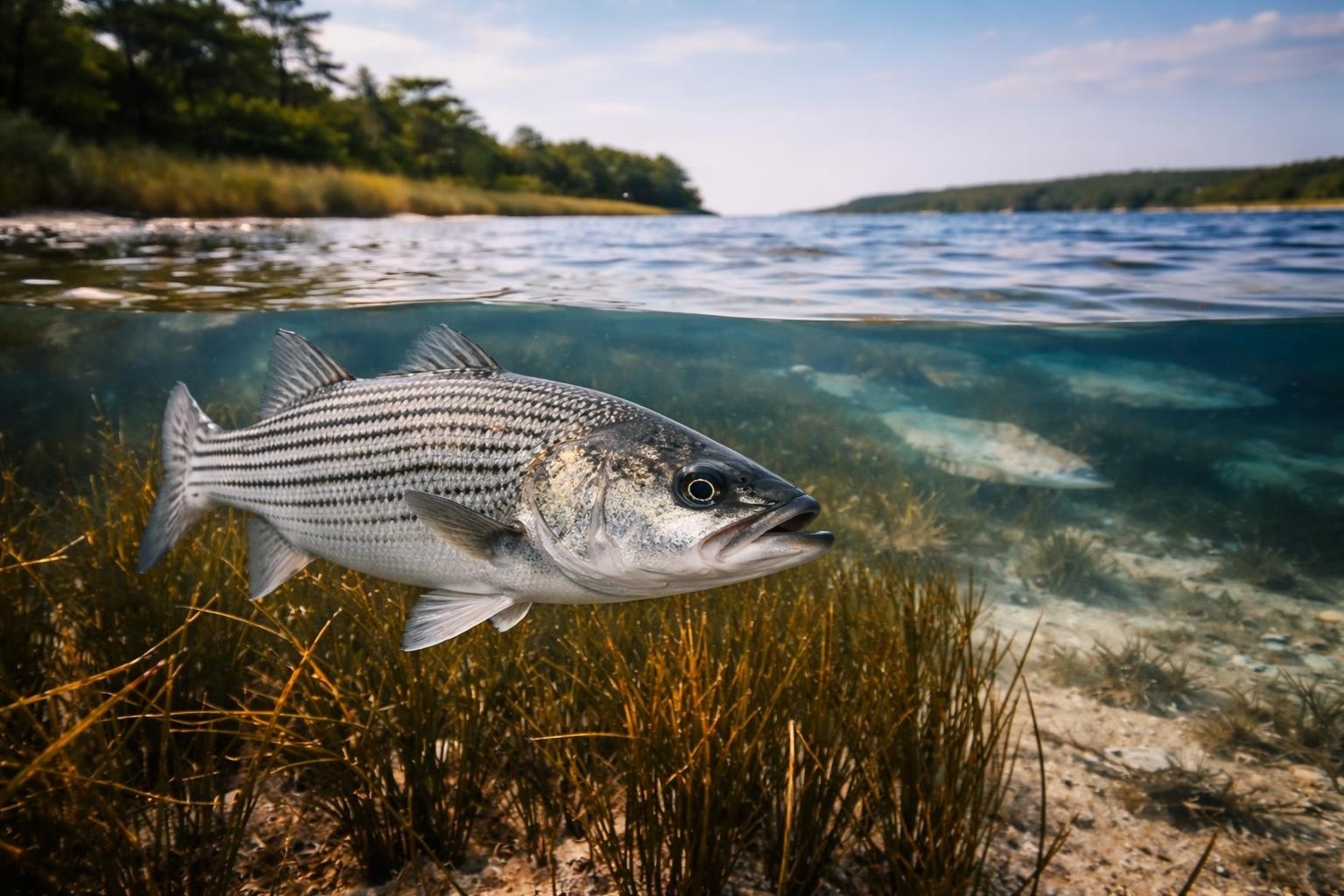
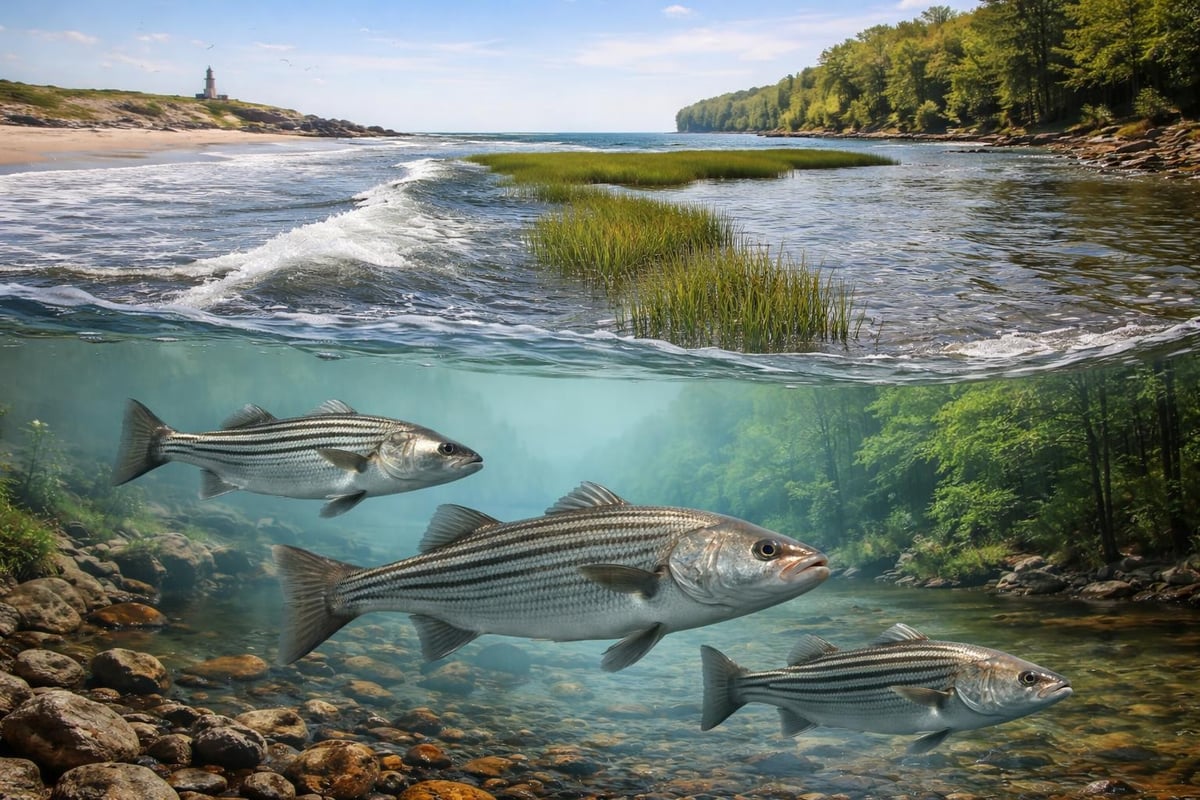
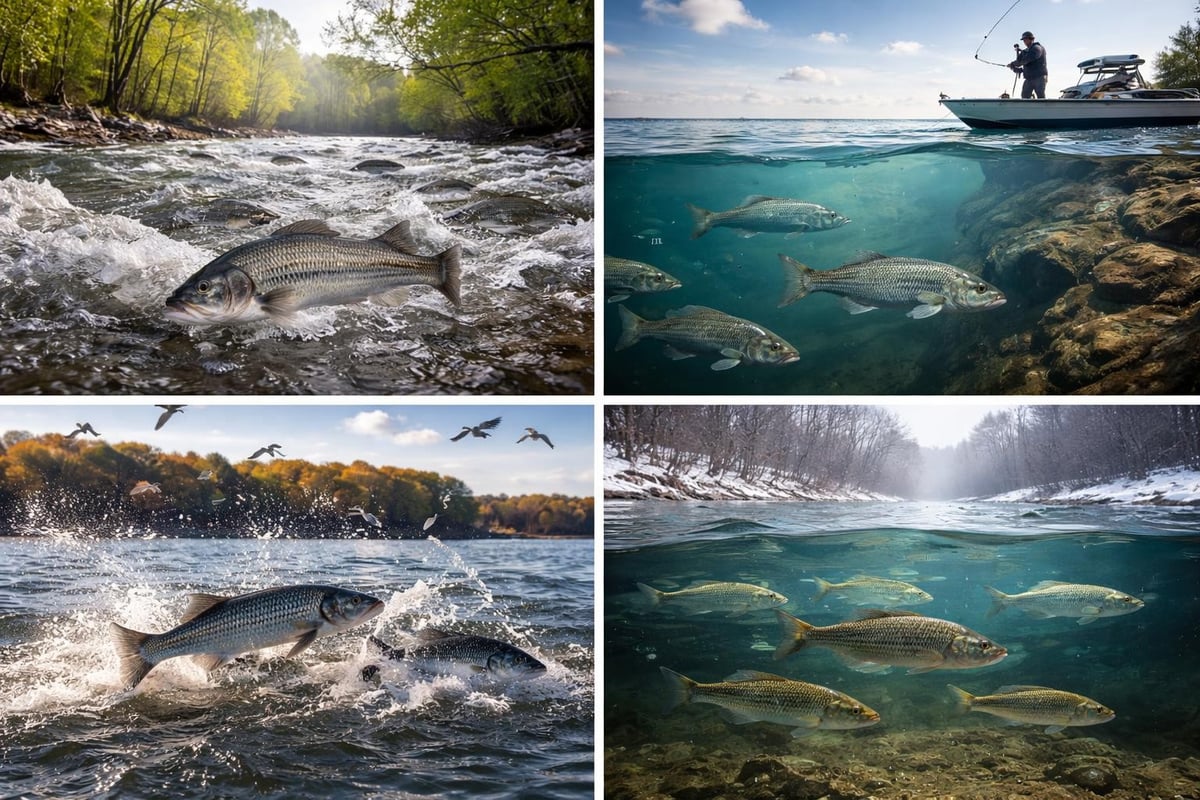
Striped bass are incredibly adaptable fish that thrive in saltwater, brackish, and freshwater environments. Along the Atlantic coast, they migrate seasonally between spawning rivers and feeding grounds in the open ocean. This migratory behavior means your timing and location need to align with their movements.
Common striped bass habitats include:
- Coastal beaches and surf zones where baitfish concentrate
- River mouths and estuaries offering brackish mixing zones
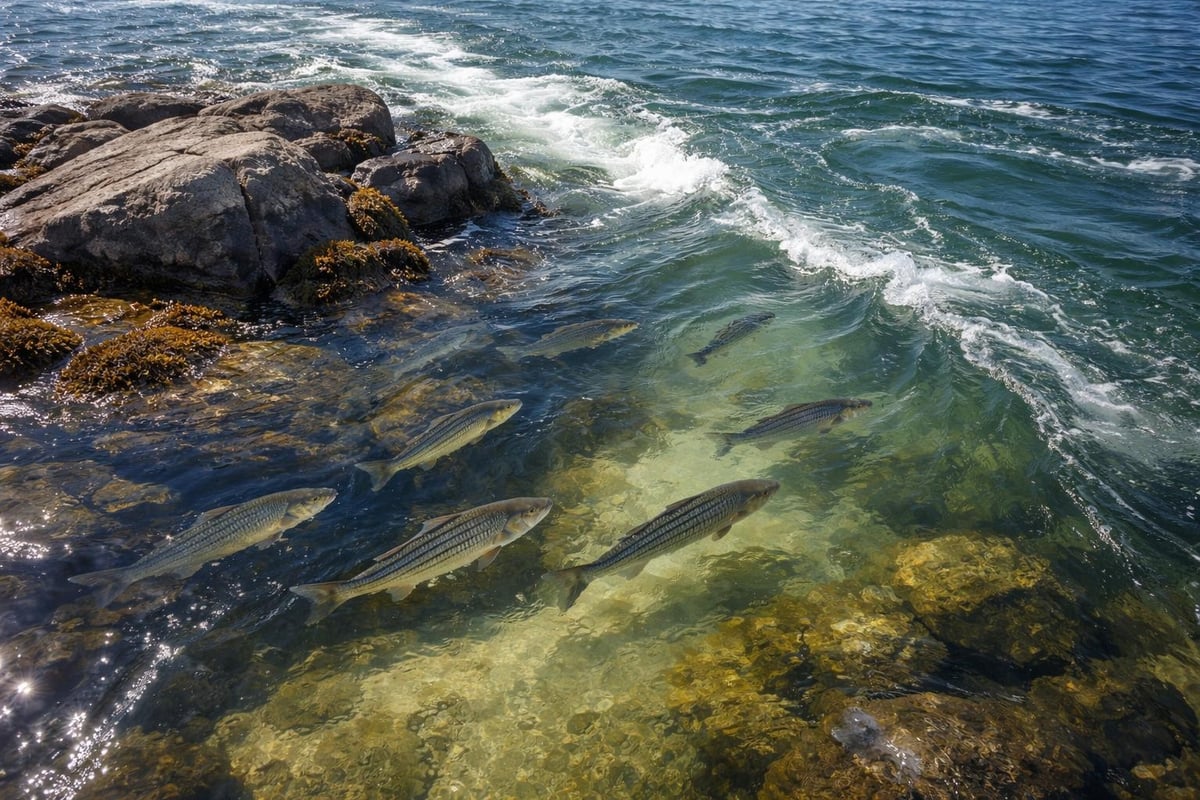
- Rocky points and jetties that create current breaks
- Bridge pilings and structure in tidal rivers
- Freshwater reservoirs in landlocked populations
The species has also been successfully introduced to the West Coast and numerous inland lake systems. If you're planning a trip, checking out regional fishing spots can help you identify productive striped bass waters near you.
Understanding Seasonal Patterns
Spring marks the spawning run when striped bass push into freshwater rivers. This period offers fantastic fishing opportunities as concentrations of fish move upstream. Water temperatures between 55-65°F trigger the spawn, typically from April through June depending on your latitude.
Summer patterns shift dramatically. Larger stripers often move to deeper, cooler water or follow baitfish schools along the coast. Early morning and evening become prime feeding times as fish avoid midday heat.
Fall represents peak season for many anglers. As water temperatures drop, striped bass feed aggressively to build reserves for winter. This is when you'll find fish actively chasing bunker, herring, and other prey in spectacular surface blitzes.
Proven Techniques for Catching Stripers
Live bait remains one of the most consistent approaches:
- Eels work exceptionally well at night around structure
- Bunker (menhaden) attract larger fish when slow-trolled or chunked
- Herring and shad excel during spawning runs
- Live eels fished on rocky bottoms produce trophy fish
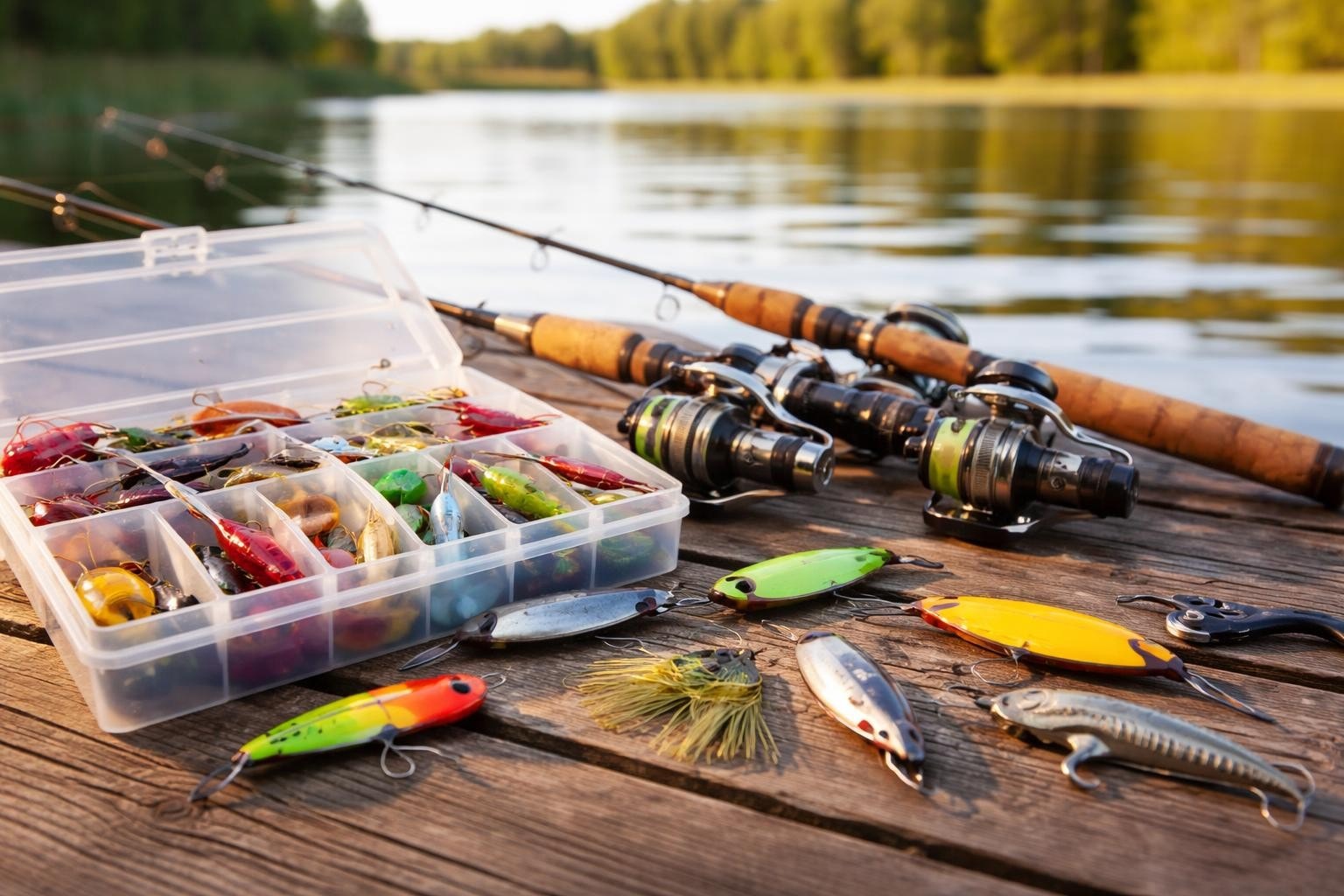
Artificial lures give you mobility and the ability to cover water efficiently. Soft plastic swimbaits in the 5-8 inch range mimic the profile of common prey. Topwater plugs create explosive strikes during low-light periods. Metal jigs allow you to reach deeper water and work current seams effectively.
Trolling stretches of coastline or reservoir channels lets you locate active schools. Once you find fish, switch to casting for more precise presentations.
Reading Water and Structure
Success with striped bass often comes down to understanding how current and structure concentrate bait. Rips and tide lines create natural feeding zones where stripers ambush prey swept along by moving water.
Key structural elements:
- Submerged boulders and rocky outcroppings
- Channel edges in rivers and estuaries
- Sandbars that create depth changes
- Man-made structures like bridges and docks
The Wikipedia overview of striped bass provides excellent background on how these fish use structure throughout their range. Pay attention to tide charts in tidal waters. Moving water activates striped bass feeding behavior far more than slack conditions.
Regulations and Conservation Considerations
NOAA Fisheries management of striped bass populations involves complex regulations that vary by state and sometimes by specific water bodies. Slot limits, seasonal closures, and bag limits all aim to maintain healthy populations while providing recreational opportunities.
The Atlantic striped bass stock has faced challenges in recent years. Size regulations play a crucial role in protecting breeding females while allowing harvest of sustainable numbers. Always check current regulations before your trip, as they can change annually based on stock assessments.
Many anglers now practice catch-and-release, especially for larger breeding fish. Proper handling techniques include:
- Using circle hooks to reduce deep hooking
- Keeping fish in the water when possible
- Supporting the body horizontally, not vertically by the jaw
- Reviving tired fish before release
Gear Essentials for Striped Bass Fishing
Your rod and reel setup depends on your target environment and technique. For surf fishing, 9-11 foot rods paired with reels holding 200+ yards of 20-30 pound braid handle distance casting and strong fish. Boat anglers can use shorter 7-8 foot rods with similar line capacity.
Terminal tackle considerations:
- Leaders: 30-50 pound fluorocarbon resists abrasion around rocks
- Hooks: Circle hooks in 5/0-8/0 for live bait, trebles on lures
- Weights: Pyramid sinkers for surf, egg sinkers for drift fishing
- Snaps and swivels: Quality hardware prevents lost fish
Lighter tackle increases the fight excitement but requires more skill in strong current or around structure. Match your gear to the conditions you'll face. When you're exploring city-specific fishing locations, local tackle shops can provide valuable intel on what's working.
Weather and Timing Factors
Overcast conditions often produce better daytime action than bright sun. Cloud cover makes striped bass more comfortable feeding in shallow water. Light rain can trigger feeding activity, though safety should always come first.
Moon phase influences tidal strength and feeding behavior. New and full moons create stronger tidal flows that concentrate baitfish and activate predators. The detailed information found in striped bass fishing resources can help you understand these patterns more deeply.
Dawn and dusk consistently produce fish, but don't overlook nighttime fishing. Large stripers often feed more confidently after dark, especially around lighted bridges and docks where baitfish gather.
Finding Your Next Striped Bass Spot
The beauty of striped bass fishing lies in the variety of environments where you can pursue them. A single season might include surf casting at sunrise, working river structure during a spring run, and trolling a reservoir in late fall. Each approach offers unique challenges and rewards.
Local knowledge accelerates your learning curve tremendously. Talking with anglers on the water, monitoring fishing reports, and exploring different locations builds the experience base you need for consistent success. When you're ready to discover new fishing spots, having detailed location information with GPS coordinates and access details saves valuable time.
Striped bass offer some of the finest fishing experiences available in American waters, combining accessibility with genuine challenge. Whether you're targeting your first schoolie or chasing a personal best, understanding their seasonal movements and habitat preferences puts you ahead of the game. Ready to find productive striped bass water near you? Find Fishing Spots gives you GPS coordinates, access information, and location details for thousands of fishing spots across the U.S., helping you spend less time searching and more time with a line in the water.