If you've ever fished for grouper along the Gulf Coast or Atlantic waters, you've probably heard someone mention pinfish as their go-to bait. There's a good reason pinfish grouper bait consistently outperforms artificial lures and cut bait. These feisty little baitfish are abundant, easy to catch, and grouper absolutely love them. Whether you're targeting gag grouper around Tampa Bay or red grouper at offshore ledges, understanding how to catch, rig, and present pinfish can make the difference between a slow day and a cooler full of fillets.
Why Pinfish Work So Well for Grouper
Pinfish are a natural part of the grouper's diet in most coastal waters. These spiny baitfish live in the same areas where grouper hunt, making them instantly recognizable as food. Their hardy nature means they stay lively on the hook longer than many other bait options, creating that irresistible movement that triggers strikes.
The advantages of pinfish grouper bait include:
- Natural scent profile that grouper recognize immediately
- Tough enough to survive multiple casts and stays active
- Abundant in coastal waters where grouper frequent
- Size variety allows matching the hatch for different grouper species
- Works in both shallow reef and deep offshore scenarios
Grouper rely heavily on ambush tactics, waiting for baitfish to swim within striking range. A lively pinfish struggling near a reef or wreck mimics exactly what grouper are programmed to attack. This is why effective bait options for grouper fishing consistently include live pinfish at the top of the list.
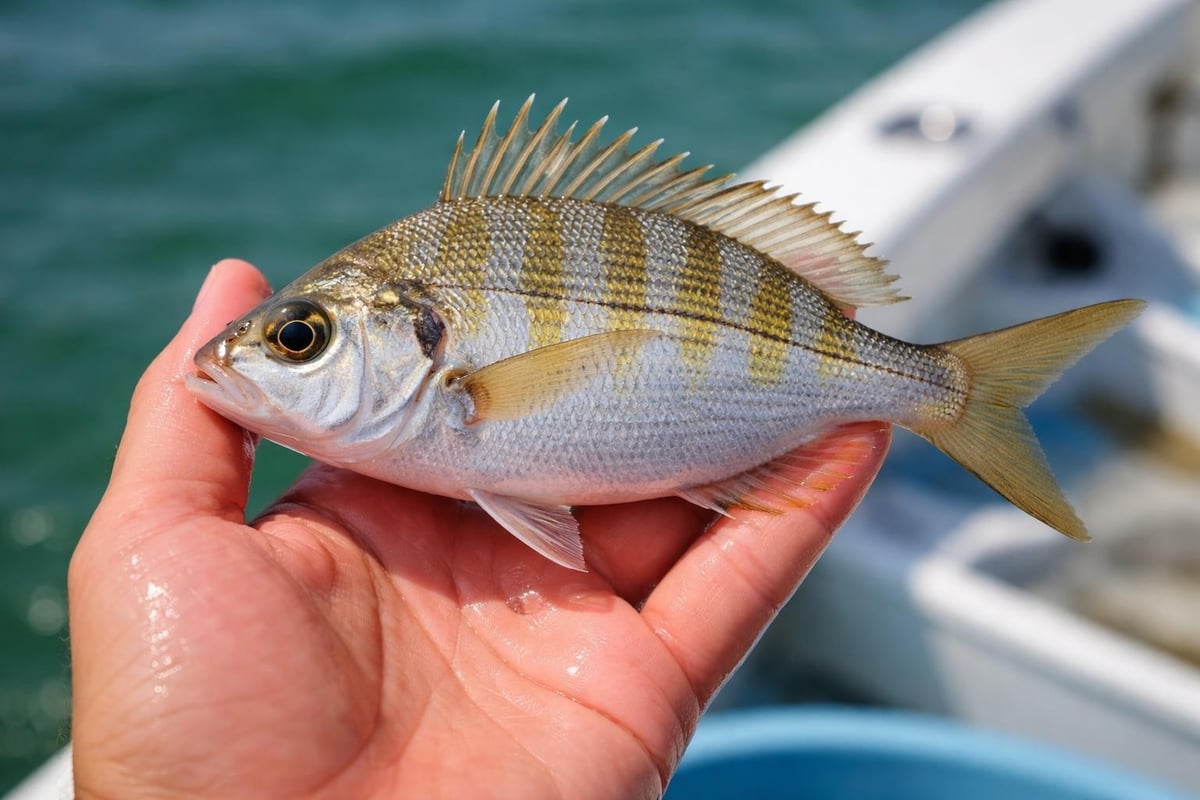
Catching Your Own Pinfish
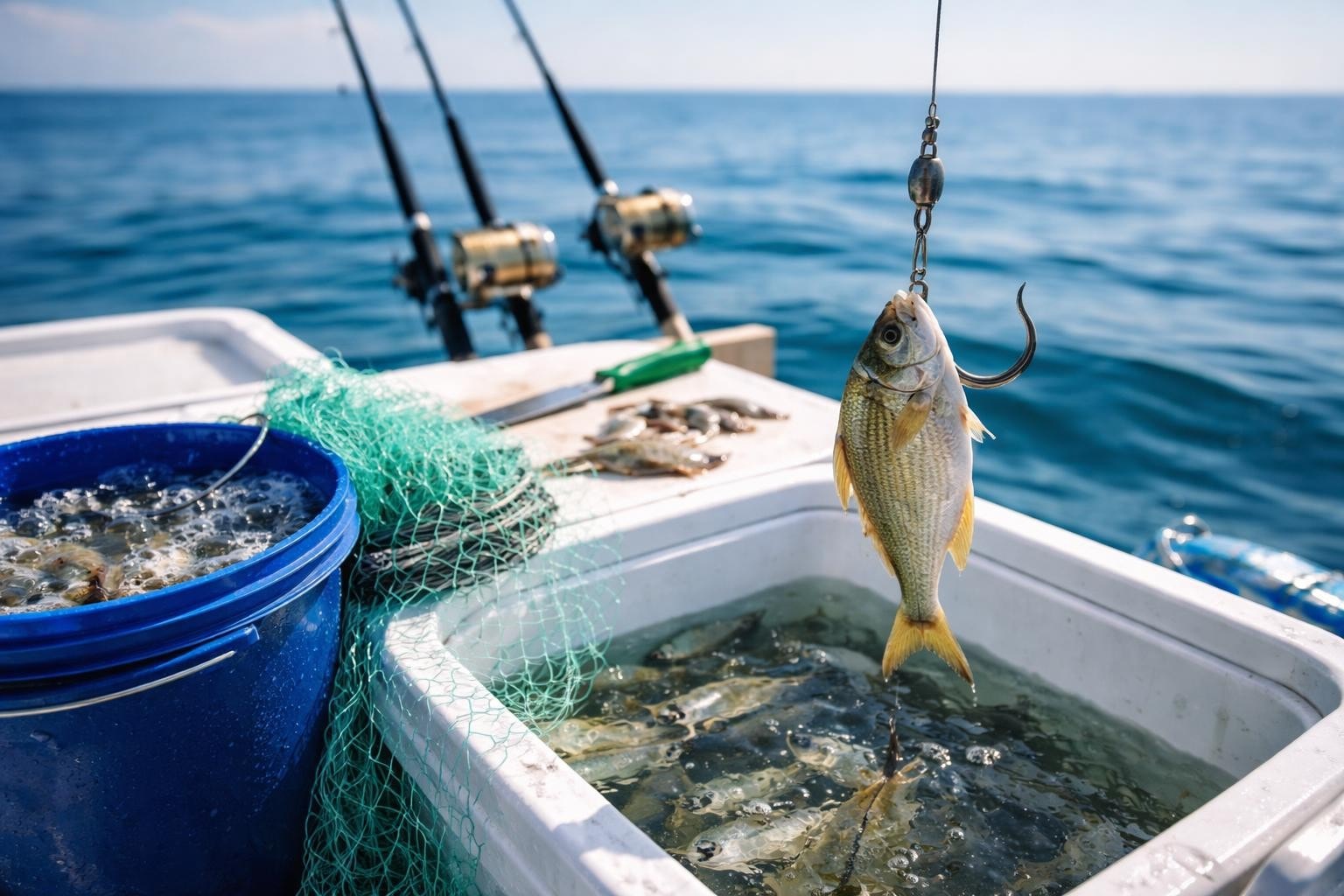
The best way to ensure a steady supply of pinfish grouper bait is learning to catch them yourself. These little guys congregate around docks, seagrass beds, and nearshore structures where they're relatively easy to harvest before heading offshore.
Using Pinfish Traps
Pinfish traps are hands-down the most efficient method for collecting bait. These wire or mesh cages let you set and forget while you prep your boat or grab morning coffee. Using pinfish traps involves baiting the trap with cut bait, cat food, or fish scraps, then deploying it near dock pilings or grass flats overnight.
Steps for successful trapping:
- Place traps near structure in 3-10 feet of water
- Use fresh bait like sardines, squid chunks, or commercial chum
- Check traps early morning for best results
- Transfer pinfish to an aerated livewell immediately
- Sort by size, keeping 3-5 inch specimens for grouper
The beauty of traps is you can catch dozens of pinfish while you sleep. When you're planning a grouper trip to spots like Egmont Key at the mouth of Tampa Bay, having a trap set the night before means you hit the water with fresh, lively bait ready to go.
Rod and Reel Techniques
If you prefer more active fishing or need bait quickly, catching pinfish on light tackle is surprisingly fun. Small hooks (size 6-8), tiny pieces of shrimp or squid, and a bobber rig work perfectly around docks and grass flats.
Pinfish aren't shy about biting, making them easy targets for various catching methods. Cast near structure, let your bait settle, and watch for that distinctive pinfish nibble. They'll often bite aggressively despite their small mouths, so a quick hookset is important.
Rigging Pinfish for Grouper Success
Once you've got your bait, proper rigging makes all the difference. Pinfish grouper bait needs to be presented naturally while staying securely hooked through aggressive strikes and rough bottom contact.
Hook Placement Options
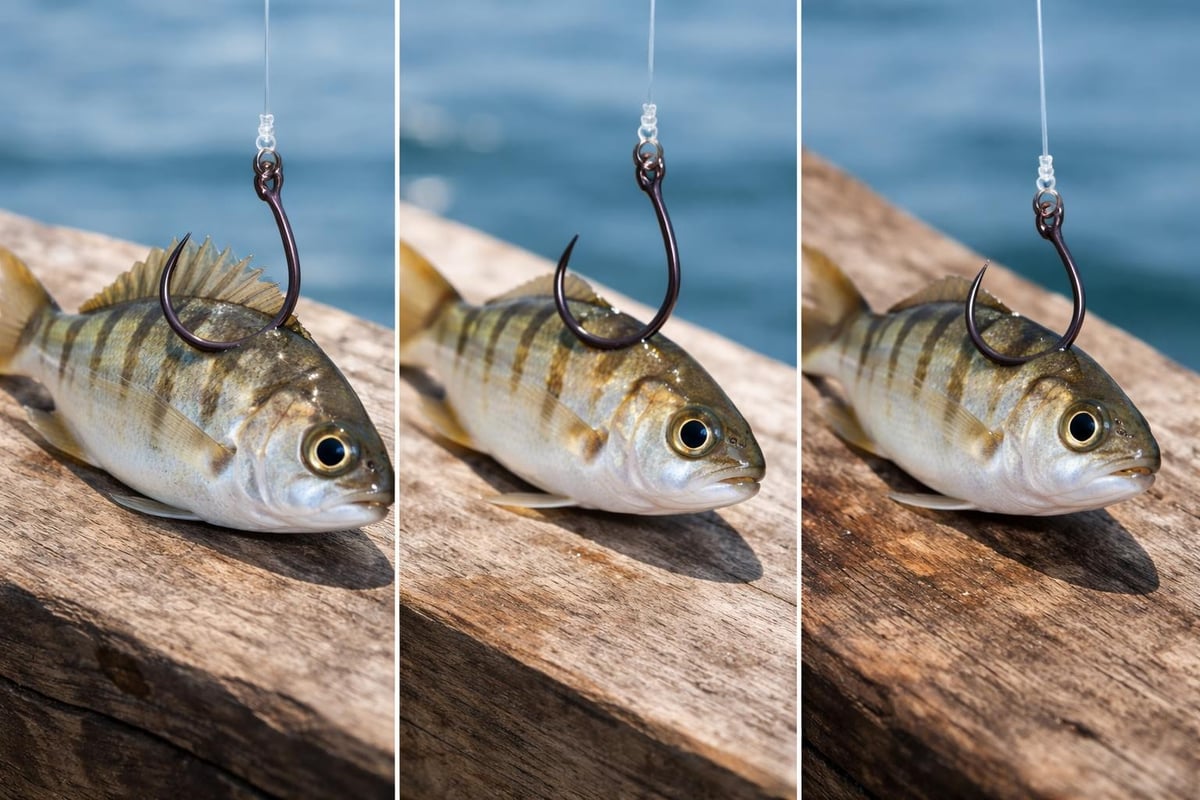
Through the back method: Hook the pinfish just behind the dorsal fin, avoiding the spine. This keeps the bait upright and swimming naturally but may reduce hooking percentage on short strikes.
Nose hooked: Run the hook through both nostrils or the upper jaw. This creates a more streamlined presentation for deep dropping and reduces bait spinning during descent.
Lip hooked: Through the lower or upper lip works great for shallow reef fishing where you want maximum swimming action.
The comprehensive guide to rigging pinfish demonstrates that hook placement depends on current, depth, and how aggressive the grouper are feeding. In strong current at spots like the Skyway Fishing Pier, nose hooking prevents excessive bait spin.
Fishing Techniques That Put Pinfish in the Strike Zone
Presentation matters as much as bait selection when grouper fishing. These bottom dwellers won't chase bait far from their ambush points, so getting pinfish grouper bait right in front of their faces is critical.
Bottom Fishing Basics
Drop your pinfish to the bottom near structure, then reel up one or two cranks. This keeps your bait visible but prevents snagging on rocks or coral. Grouper typically hold tight to structure, waiting for baitfish to pass overhead or drift past their hiding spots.
Key presentation tips:
- Use enough weight to reach bottom quickly in current
- Maintain contact with structure without constant snags
- Allow pinfish to swim naturally, avoiding excessive rod movement
- Watch for the distinctive grouper thump, not subtle nibbles
- Set the hook hard, these fish have tough mouths
When fishing ledges or wrecks, like those found at offshore California grouper spots, position your boat upcurrent and let your pinfish drift back toward structure. This natural presentation often triggers strikes from wary grouper.
Adjusting for Different Grouper Species
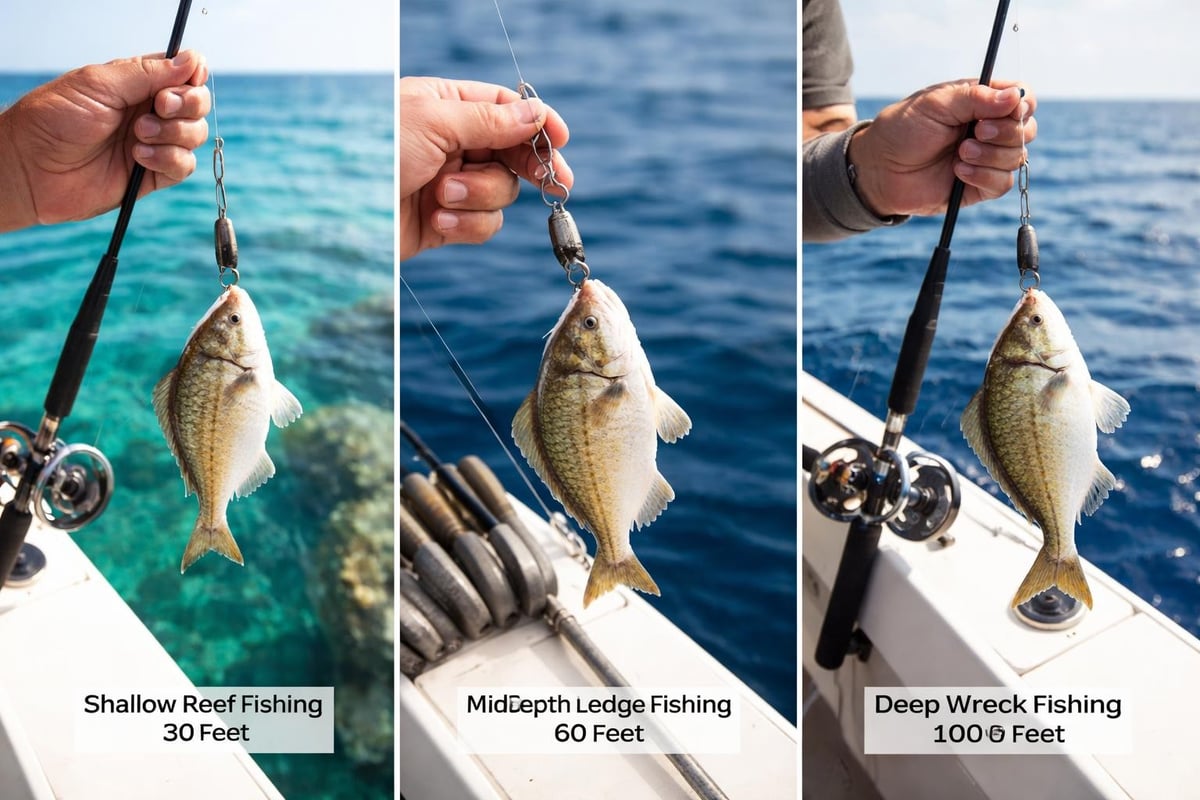
Different grouper species have varying preferences and habitats. Gag grouper in 20-60 feet often prefer slightly larger pinfish (4-5 inches), while red grouper on deeper structure might take smaller baits more readily. Black grouper around wrecks are aggressive enough to hit most size pinfish.
The angler’s guide to grouper fishing emphasizes matching your pinfish size to the grouper you're targeting. Bigger isn't always better, especially when fish are finicky or smaller grouper dominate the area.
Keeping Pinfish Alive and Kicking
Live pinfish grouper bait catches more fish than dead or lethargic bait. Proper care from trap to hook ensures your bait stays active throughout your fishing day.
Livewell Management
Pinfish are relatively hardy, but they still need proper care. Maintain good water circulation and avoid overcrowding. A good rule is no more than one pinfish per gallon of well capacity. Change water regularly if fishing inshore first, and add ice packs to keep temperatures down on hot days.
Livewell essentials:
- Strong aeration to maintain oxygen levels
- Regular water exchange, especially in summer heat
- Remove dead or injured baitfish promptly
- Avoid sudden temperature changes when transferring fish
- Use salt additives if starting with freshwater fill
Finding the Right Structure
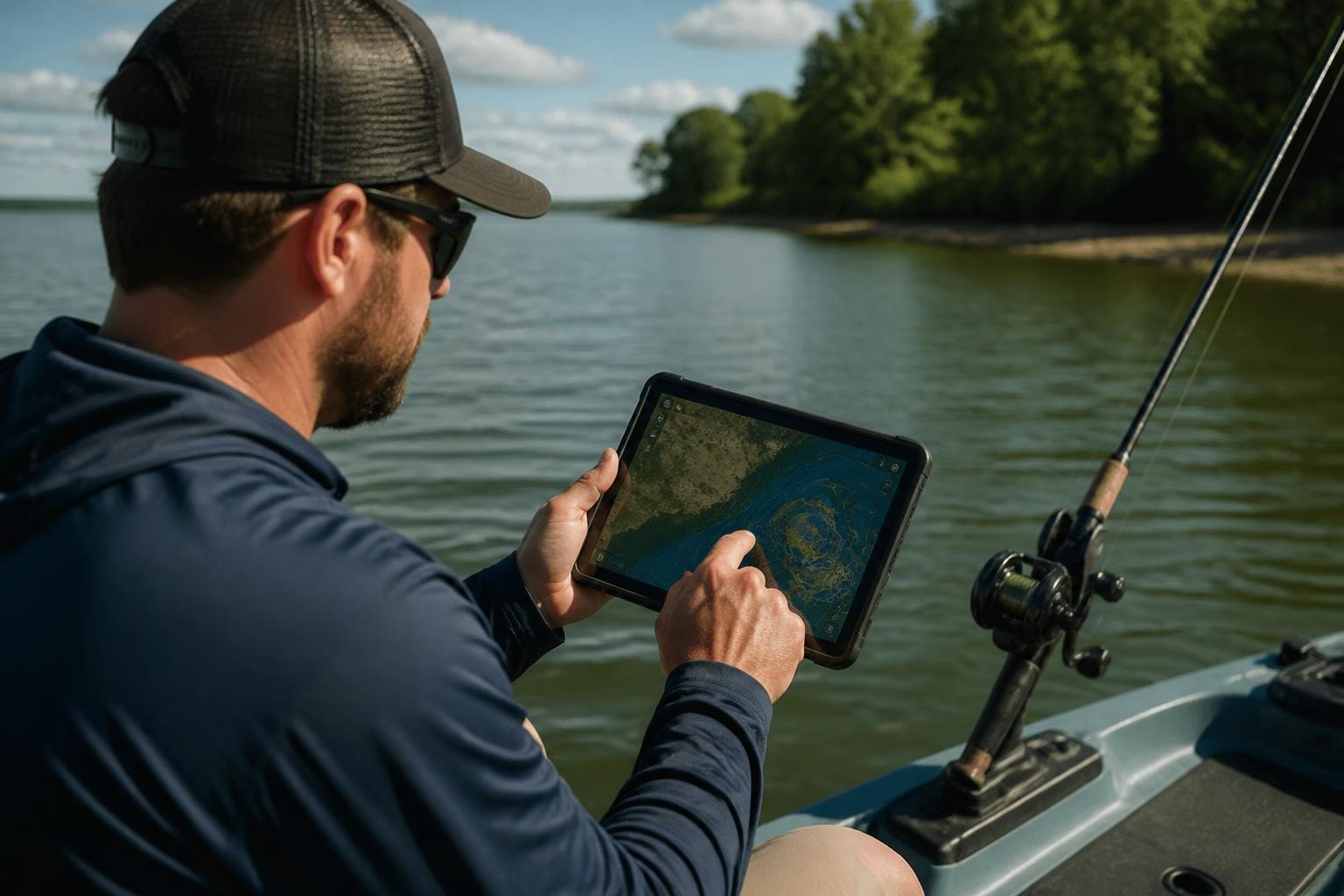
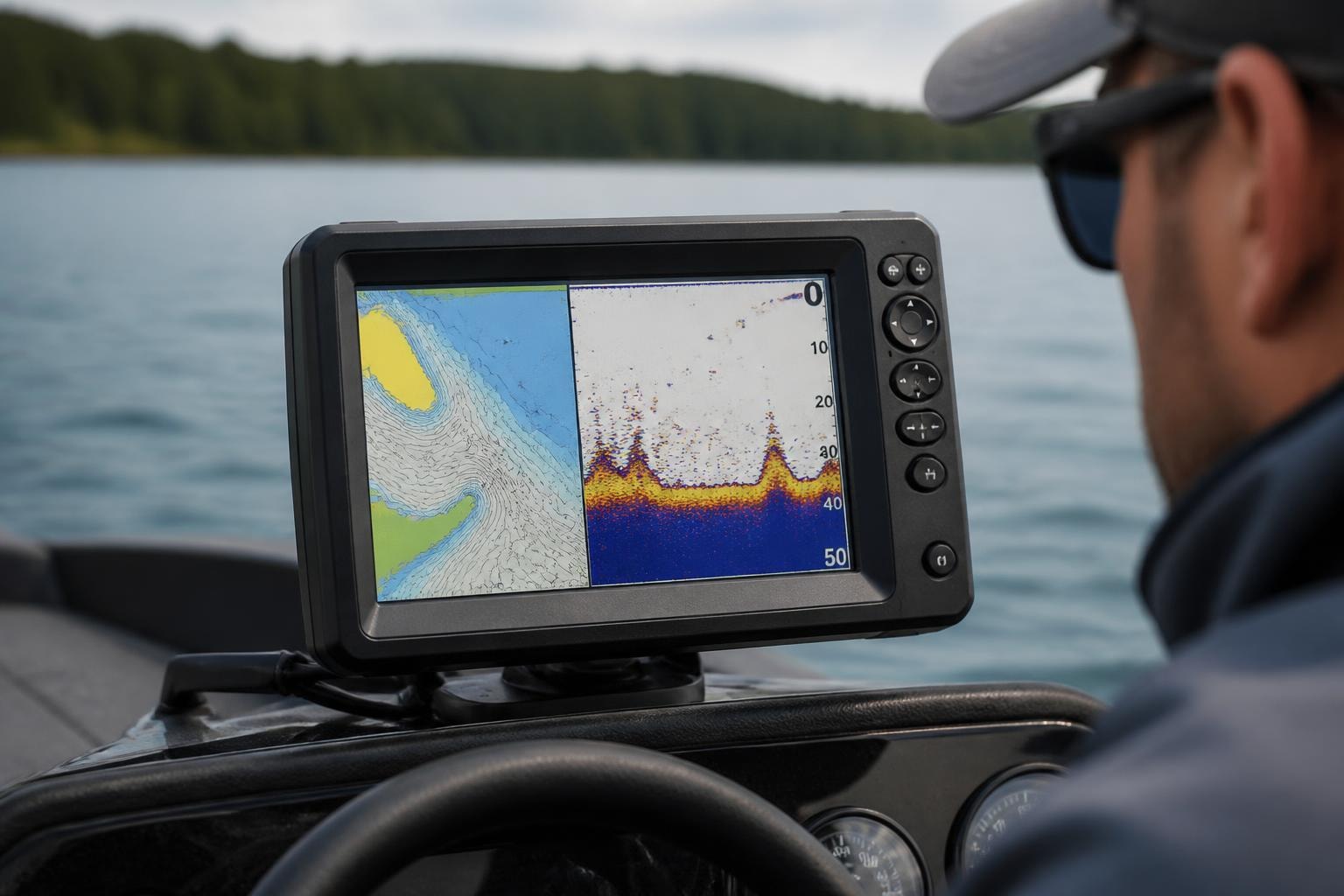
Knowing where grouper live is just as important as having the right bait. These fish are structure-oriented, rarely found far from rocks, reefs, wrecks, or ledges. Using resources like Find Fishing Spots helps locate proven grouper territory with GPS coordinates and bottom composition details.
Whether you're fishing natural ledges, artificial reefs, or nearshore structure like the Fort De Soto Park flats, having pinfish ready to deploy means you can focus on fishing rather than scrambling for bait. The various grouper species and fishing techniques all share one common thread: live bait like pinfish consistently outperforms other options.
Mastering pinfish grouper bait opens up consistent success for one of the most rewarding bottom fish species in coastal waters. From trapping your own bait to rigging and presenting it properly around structure, these techniques work whether you're fishing local reefs or exploring new territory. Ready to put these tips into action? Find Fishing Spots gives you access to thousands of grouper-holding locations across the U.S., complete with GPS coordinates, depth information, and local knowledge to help you connect with your next trophy grouper.