The blue marlin fish, with its sword-like bill and electric speed, captures the imagination of anglers and ocean lovers everywhere. Known for its power and beauty, this legendary species is a true icon of the open sea.
In this 2026 guide, we dive into the blue marlin fish’s world. You’ll discover its habitat, unique adaptations, and how it lives and hunts. We’ll explore its life cycle, the thrill of fishing for one, and the latest on conservation.
Ready to learn what makes the blue marlin fish so extraordinary? Let’s jump in and explore its fascinating world together.
Blue Marlin Overview: Species Profile
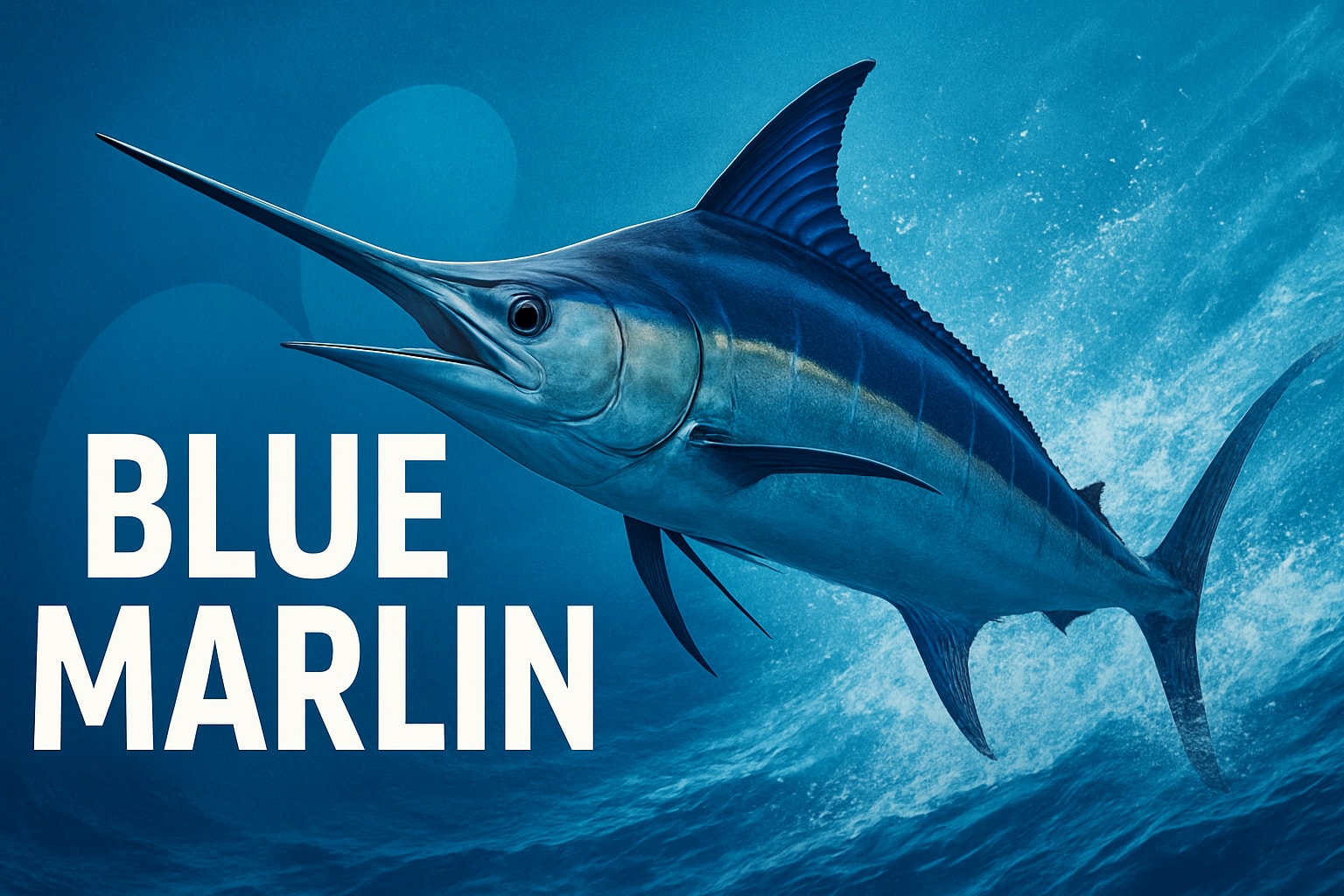
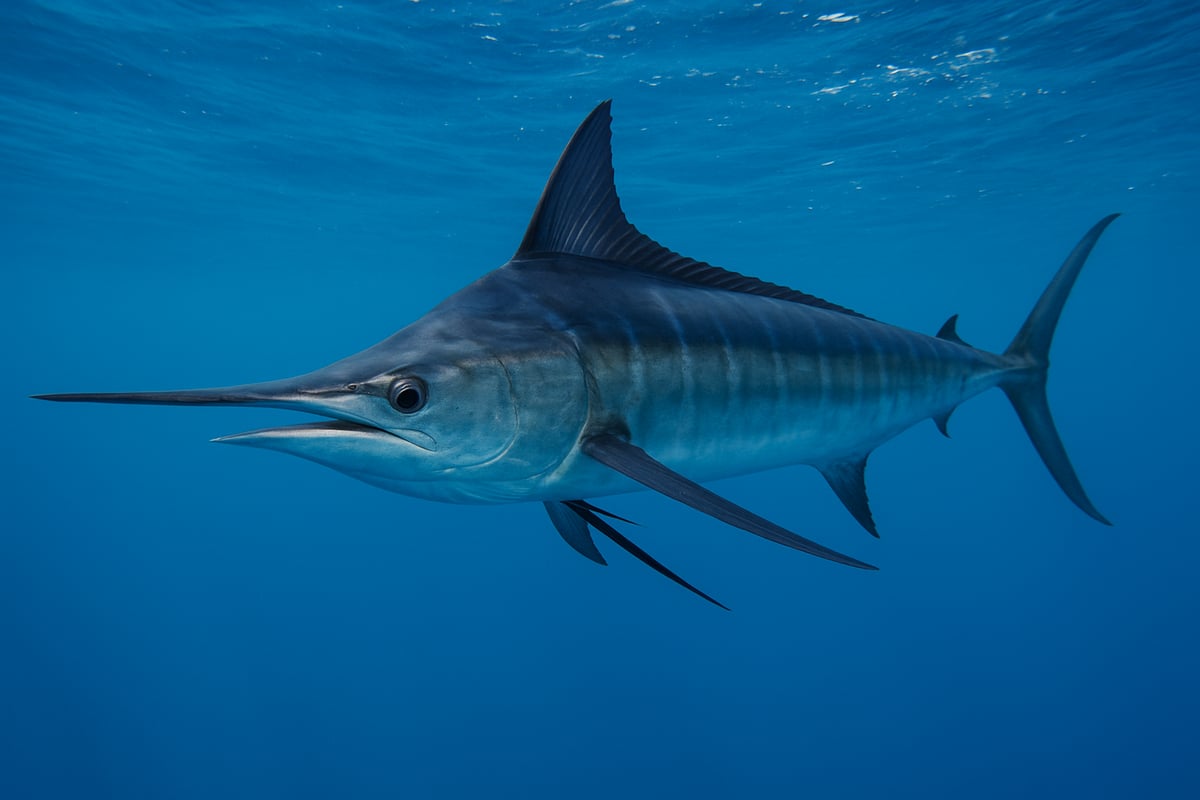
The blue marlin fish stands out as one of the most impressive predators in the ocean. With a striking cobalt-blue back, silvery belly, and a long, spear-like bill, this species is instantly recognizable. Adult blue marlin fish can grow to enormous sizes, with females often topping 1,800 lbs, while males stay much smaller. Their bodies are perfectly shaped for speed, thanks to a streamlined form and a unique ability to fold their fins flat against their sides, reducing drag as they slice through the water. Unlike their relatives—the black, white, and striped marlin—the blue marlin fish displays remarkable color-changing abilities, especially when excited or under stress. If you're curious for more specifics, the Blue Marlin Species Profile offers a detailed breakdown of their features.
Physical Characteristics and Identification
The blue marlin fish is famous for its size and shape. Females are much larger than males, sometimes reaching over 1,800 lbs, while males rarely top 400 lbs. Their bodies are torpedo-shaped, built for speed and power, with a tall dorsal fin and long, sword-like bill that helps them stun prey.
One of the most interesting features of the blue marlin fish is its ability to change color quickly. When excited or stressed, their body can flash electric blue stripes, making them even more striking. Compared to other billfish, blue marlin fish have a more robust build and a sharper contrast between their blue and silver coloring.
Taxonomy and Distribution
Scientifically, the blue marlin fish is known as Makaira nigricans in the Atlantic and Makaira mazara in the Indo-Pacific. They belong to the Istiophoridae family, which also includes sailfish, swordfish, and spearfish. Blue marlin fish are truly global travelers, found in the warm waters of the Atlantic, Pacific, and Indian Oceans.
There is a clear distinction between Atlantic and Indo-Pacific populations, both in genetics and migration patterns. You might encounter blue marlin fish anywhere from Hawaii to Portugal, Australia, or South Africa. Since the 1920s, they have been prized targets for sport fishermen, earning a legendary reputation worldwide.
Cultural and Economic Significance
Few fish stir the imagination quite like the blue marlin fish. Immortalized in Hemingway’s “The Old Man and the Sea,” this species is a symbol of strength and adventure in sport fishing culture. The blue marlin fish drives a huge part of the global sportfishing industry, supporting local economies through charters, tournaments, and tourism.
In some coastal regions, blue marlin fish are also valued as a food source, caught by both commercial and subsistence fishers. However, with their IUCN status listed as “threatened,” conservation is now a big part of their story. Tagging programs and catch-and-release practices are helping ensure the blue marlin fish remains a living legend for future generations.
Habitat and Migration Patterns
The blue marlin fish is a true wanderer of the open sea, thriving in some of the world’s most spectacular waters. Known for its love of the deep, this majestic species rarely strays close to shore, instead favoring the vast, blue wilderness where few other creatures roam.
Preferred Environments and Range
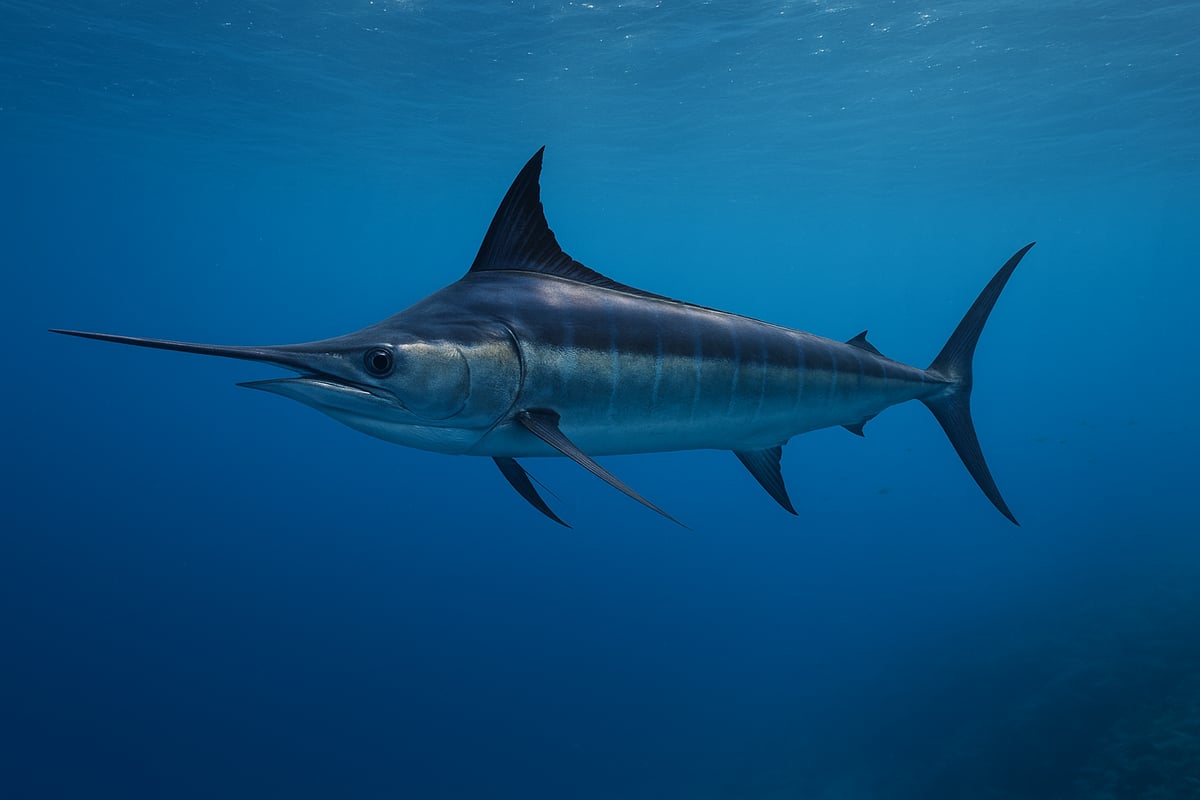
The blue marlin fish calls the warm, deep waters of the Atlantic, Pacific, and Indian Oceans home. These pelagic predators are most abundant in offshore areas, where the water is crystal clear and the temperature stays between 22 and 30°C.
They tend to stick to the upper layers of the open ocean, usually above the thermocline, but can dive deep if needed. Blue marlin fish are rarely found near the coast except during spawning season, when some venture closer to land. Popular hotspots include the Caribbean, Hawaii, and off Portugal, where they gather seasonally in search of food and mates.
- Prefer blue water far from shore
- Most active in tropical and subtropical regions
- Known to spawn near the Portuguese coast in summer
These preferences make the blue marlin fish a prized catch for offshore anglers.
Migration and Movement
Migration is a way of life for the blue marlin fish. Each year, these giants travel incredible distances, sometimes crossing entire ocean basins. Their movements are driven by a mix of spawning needs, water temperature, and the search for prey.
Satellite tagging has revealed that some blue marlin fish can travel over 9,000 kilometers in a single journey. For example, a marlin tagged near Delaware was later recaptured off the coast of Mauritius. These migrations are not random; they follow invisible highways shaped by ocean currents and seasonal changes.
- Migrate between tropical and temperate waters
- Use currents to conserve energy
- Return to familiar areas year after year
This wandering lifestyle helps the blue marlin fish thrive in ever-changing ocean conditions.
Spawning Grounds and Nursery Areas
Blue marlin fish choose specific spawning grounds with the right conditions for their young. Top locations include the waters off Portugal, the Caribbean, and other tropical zones. Spawning usually happens when water temperatures, moon phases, and food supply line up just right.
Females are incredibly productive, releasing up to 7 million eggs per event. These eggs drift in the plankton, carried by currents for weeks or even months. The larval blue marlin fish grow rapidly, sometimes up to 16 mm per day, but face high risks from predators and the elements.
- Planktonic larvae rely on ocean currents for transport
- Spawning occurs several times a year
- High mortality, but rapid growth for survivors
These nursery areas are crucial for the future of the blue marlin fish.
Environmental Threats and Changes
Life is getting tougher for the blue marlin fish. Climate change is shifting their distribution, altering spawning times, and changing the temperature of their favorite waters. Overfishing and bycatch, especially from long-line fleets targeting tuna, put even more pressure on their populations.
Habitat degradation and declining ocean health also threaten blue marlin fish, especially in key spawning areas. Recent research, like the Blue Marlin Habitat Study, highlights how these threats are forcing marlin to adapt or move to new areas.
- Climate change impacts spawning and migration
- Long-liners target spawning aggregations
- Ocean pollution harms nursery habitats
Protecting the blue marlin fish means understanding and responding to these evolving challenges.
Blue Marlin Behavior and Adaptations
Understanding the blue marlin fish means diving into a world of speed, power, and stealth. These ocean athletes have evolved incredible behaviors and adaptations that keep them at the top of the food chain. Let’s break down how the blue marlin fish hunts, survives, and thrives in the open sea.
Feeding Habits and Hunting Techniques
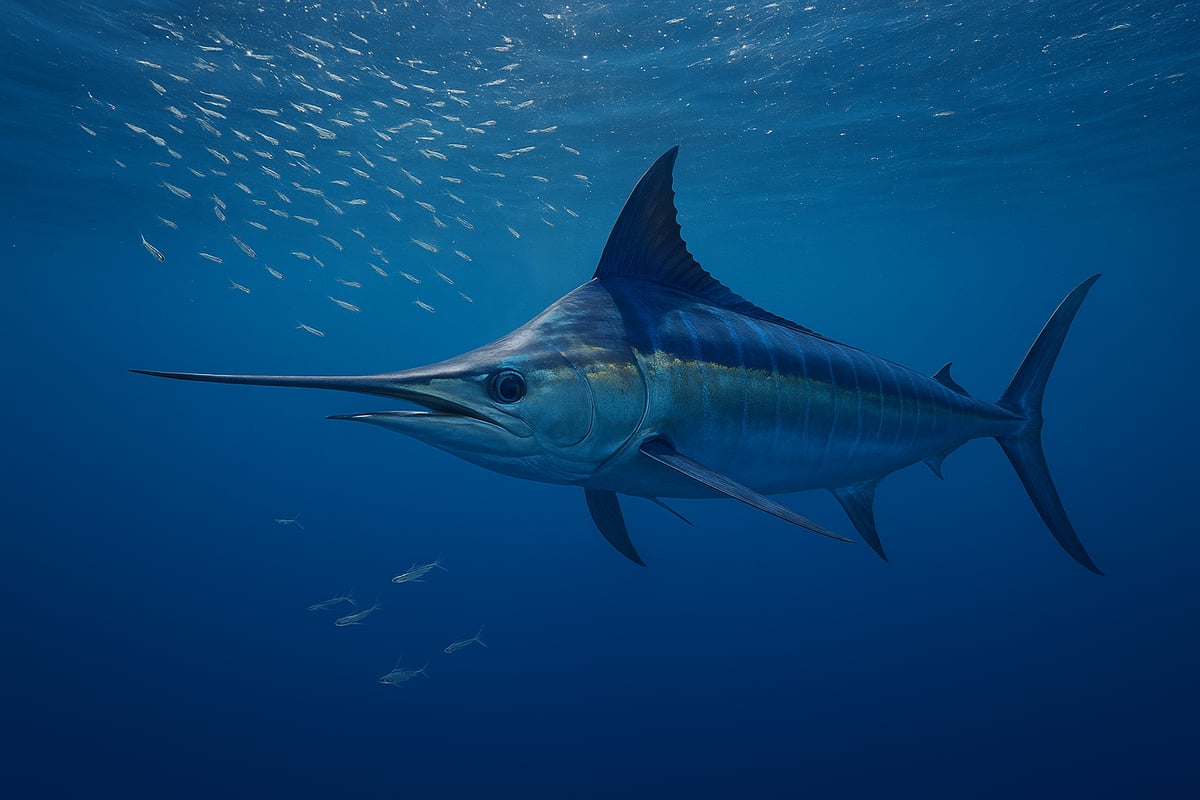
The blue marlin fish is a true predator, relying on both power and precision when hunting. Its diet mainly includes fish like tuna and mackerel, plus squid and the occasional unlucky prey that crosses its path. Using its long, sharp bill, the blue marlin fish slashes through schools of baitfish, stunning or injuring several at once before circling back to scoop up the easy meal.
You’ll often see a blue marlin fish attack bait balls, darting through with incredible speed, then returning for the stunned or wounded fish. Their large eyes help them spot prey even in the vast, clear blue water. It’s important to note that while the bill is a deadly tool for hunting, the blue marlin fish does not use it against humans or larger predators.
Social Structure and Daily Activity
When it comes to company, the blue marlin fish prefers a solo lifestyle. Adults are mostly solitary, but sometimes you’ll spot loose groups where food is abundant. During the day, blue marlin fish are on the move, actively hunting near the surface or along the thermocline. At night, they tend to rest in deeper, cooler waters.
Interactions with other billfish and large ocean predators are rare, except during spawning or feeding frenzies. Blue marlin fish are seldom seen close to shore, except during certain spawning periods. For a deeper dive into their post-release behavior and movement, check out this Blue Marlin Behavior Research.
Speed, Strength, and Evasion
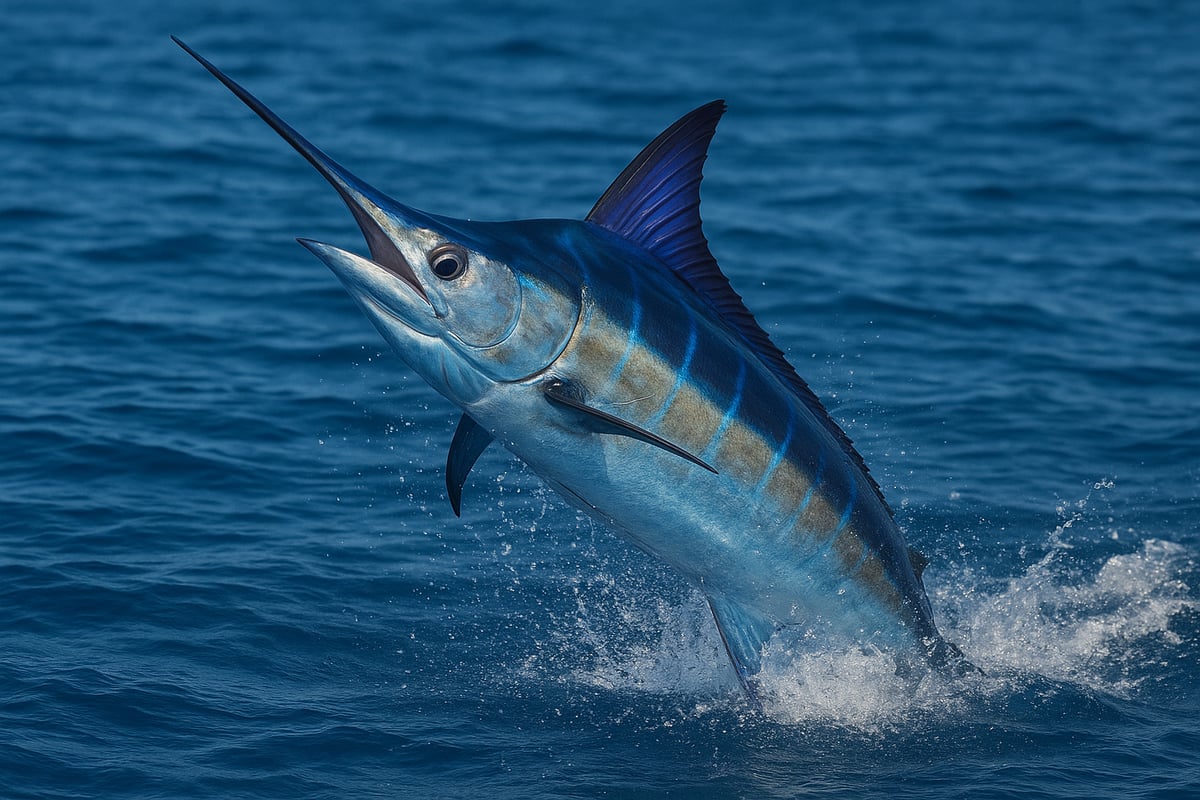
Speed is where the blue marlin fish truly shines. Their bodies are built for fast, long-distance travel, with a sleek, hydrodynamic shape and a dorsal fin that folds down to reduce drag. When hooked, blue marlin fish are famous for explosive leaps and acrobatics, making them a thrilling challenge for anglers.
These fish can reach some of the fastest speeds in the ocean, helping them chase prey and escape from threats. If a blue marlin fish senses danger or feels a hook, it will often leap high out of the water, twisting and turning in an attempt to throw the line and break free.
Coloration and Camouflage
The blue marlin fish sports a dark blue or nearly black dorsal side and a silvery-white belly, a classic example of countershading that helps it blend in from above and below. This camouflage is vital for both ambushing prey and avoiding bigger predators.
One of the most fascinating tricks up the blue marlin fish’s sleeve is its ability to rapidly change color when excited, stressed, or during a hunt. These shifts in color can signal other marlin or help with camouflage, making the blue marlin fish a true master of disguise in the open ocean.
Life Cycle and Reproduction
Understanding the life cycle of the blue marlin fish gives us a window into its resilience and the challenges it faces in the wild. From massive spawning events to the swift growth of young marlin, every stage is shaped by the ocean’s rhythms and pressures.
Reproductive Biology and Spawning
The blue marlin fish shows some truly fascinating reproductive habits. Females are much larger and outlive males by nearly a decade, which gives them a big advantage during spawning. Each year, blue marlin fish can spawn several times, with each event producing millions of tiny, nearly invisible eggs about 1 mm in diameter.
Spawning happens in warm, offshore waters, often in places like Portugal, the Caribbean, and other tropical regions. Environmental cues, such as water temperature and daylight, trigger these mass gatherings. While we know some key spawning grounds, others remain a mystery, making research and management tricky. Heavy fishing pressure at known sites can threaten future generations, so understanding these patterns is crucial. For a deeper dive into their reproductive biology and current management, check out the Pacific Blue Marlin Overview.
Larval and Juvenile Development
Once the eggs hatch, blue marlin fish larvae drift along ocean currents, completely at the mercy of the sea. This planktonic stage lasts for months. During this time, the young grow at impressive rates—sometimes up to 16 mm per day—but they also face huge risks from predators and environmental changes.
As they transition from larvae to juvenile blue marlin fish, only a tiny fraction survive. Their rapid growth helps, but they remain vulnerable until they’re big enough to avoid most predators. Females, if they make it, can live for more than 27 years, while males typically reach up to 18 years.
Growth, Maturity, and Longevity
Blue marlin fish reach sexual maturity between 2 and 4 years old, usually when they weigh between 35 and 61 kg, depending on their sex. Growth is fast in their early years, fueled by abundant prey and their streamlined bodies. Adult blue marlin fish are at the top of the food chain, with few natural enemies aside from large sharks, orcas, and humans.
Tagging studies have revealed that some individuals show a surprising loyalty to certain regions, returning year after year. These insights help scientists understand migration patterns and the importance of protecting key habitats so the blue marlin fish can thrive for generations.
Blue Marlin Fishing: Techniques, Challenges & Ethics
Nothing matches the thrill of hunting the blue marlin fish, a true ocean legend. Whether you’re a seasoned angler or a curious first-timer, landing one of these giants is a dream come true. Let’s break down how to target, handle, and protect this remarkable species for the future.
Sportfishing Techniques and Gear
Catching a blue marlin fish is a test of skill and patience. Most anglers rely on trolling with heavy rods, 80-130 lb test lines, and large artificial lures or live bait. Circle hooks are a must for conservation. Popular destinations include Hawaii, the Caribbean, and Florida. For those seeking legendary waters, check out Best offshore fishing spots or the Islamorada Hump blue marlin hotspot for proven action.
When the blue marlin fish strikes, be ready for blistering runs and jaw-dropping leaps. Keep your drag smooth, and don’t rush the fight. The right gear and a steady hand make all the difference.
Catch-and-Release Best Practices
If you hook a blue marlin fish, your goal should be a safe release. Minimize fight time to reduce stress, and always use non-stainless, barbless circle hooks. Avoid removing the fish from the water. Instead, measure and photograph your catch alongside the boat. Revive the blue marlin fish by holding it beside the moving boat until it swims off strong.
By following these steps, you’ll give every blue marlin fish the best shot at survival, preserving the thrill for future anglers.
Conservation and Regulatory Considerations
The future of blue marlin fish depends on responsible stewardship. International rules from ICCAT and national laws set quotas and size limits. Bycatch in tuna and swordfish fisheries remains a big challenge. Many tournaments now favor tag-and-release over traditional weigh-ins, supporting research and conservation.
Tagging programs show how far blue marlin fish travel and help track population health. Following regulations and supporting sustainable practices keeps our fisheries strong.
The Blue Marlin’s Role in Angler Culture
The blue marlin fish is more than a trophy—it’s an icon. Stories of epic battles and record catches fuel sportfishing culture worldwide. Today, anglers are shifting toward ethics and sustainability, with a focus on respect for the fish and the ocean.
This new attitude, along with advances in gear and catch-and-release, ensures the blue marlin fish remains a symbol of adventure and good stewardship for generations to come.
Fascinating Blue Marlin Facts & Latest Research (2026)
The blue marlin fish is a true legend in offshore waters, inspiring anglers and researchers alike with its size, power, and mystery. Let’s dive into some of the most fascinating facts and the latest breakthroughs from 2026.
Record-Breaking Marlin and Notable Catches
When it comes to trophy fish, the blue marlin fish is in a league of its own. The largest ever recorded was a Pacific female that tipped the scales at over 1,800 pounds, a catch that still makes headlines today.
Some of the most famous stories come from Florida and the Caribbean, where anglers chase monster marlin each season. If you’re dreaming of landing a giant, check out the best Florida bluewater fishing destinations for a shot at your own record.
World records for the blue marlin fish are split between the Atlantic and Indo-Pacific populations. Legendary tales, like Hemingway’s classic, continue to fuel the fish’s mystique. These catches are rare, but every year, new stories add to the legend.
New Scientific Discoveries and Tracking Insights
The blue marlin fish is now one of the most studied billfish, thanks to advances in satellite tagging. Researchers have tracked individual fish traveling over 9,000 kilometers, revealing migration routes that stretch from the U.S. East Coast to Africa.
Recent genetic studies show clear differences between Atlantic and Indo-Pacific blue marlin fish populations, helping conservationists focus their efforts. New insights into spawning behavior, growth rates, and nursery grounds are shaping how scientists protect these giants for future generations.
One jaw-dropping discovery: a marlin tagged off Delaware was recaptured near Mauritius, proving these fish are true ocean wanderers.
Conservation Successes and Ongoing Challenges
There’s hope for the blue marlin fish, but challenges remain. Tag-and-release programs and stricter tournament rules have helped some populations rebound, especially where new regulations are enforced.
Despite these wins, the blue marlin fish still faces threats from overfishing, bycatch, and climate change. International cooperation is essential to protect spawning grounds and keep these icons thriving.
The good news? Some areas show early signs of recovery, thanks to better management and the dedication of anglers and scientists worldwide.
Now that you’ve got the inside scoop on blue marlin—where they roam, what makes them tick, and how to fish for them responsibly—you’re probably itching to put that knowledge to use. Whether you dream of spotting one offshore or just want a new local spot to cast a line, you don’t have to search alone. I always recommend exploring new waters, and it’s way easier when you know exactly where to go. If you’re ready to find your next fishing adventure, check out Find Spots for detailed locations, tips, and everything you need to get started.