When it comes to offshore fishing, few baits match the effectiveness of ballyhoo. These slender baitfish have been a staple in saltwater fishing for decades, and for good reason. They're irresistible to pelagic predators like sailfish, marlin, tuna, and mahi-mahi. If you're looking to up your offshore game, understanding baitmaster ballyhoo and how to use it properly can make all the difference between a slow day and a cooler full of fish.
Why Ballyhoo Works So Well
Ballyhoo has earned its reputation as one of the most versatile and productive offshore baits. These small forage fish naturally inhabit tropical and subtropical waters, where they form massive schools that attract predators from miles around.
The appeal is simple: ballyhoo swim with an erratic, fluttering action that triggers aggressive strikes. When rigged correctly, they maintain this natural movement even when trolled at varying speeds.
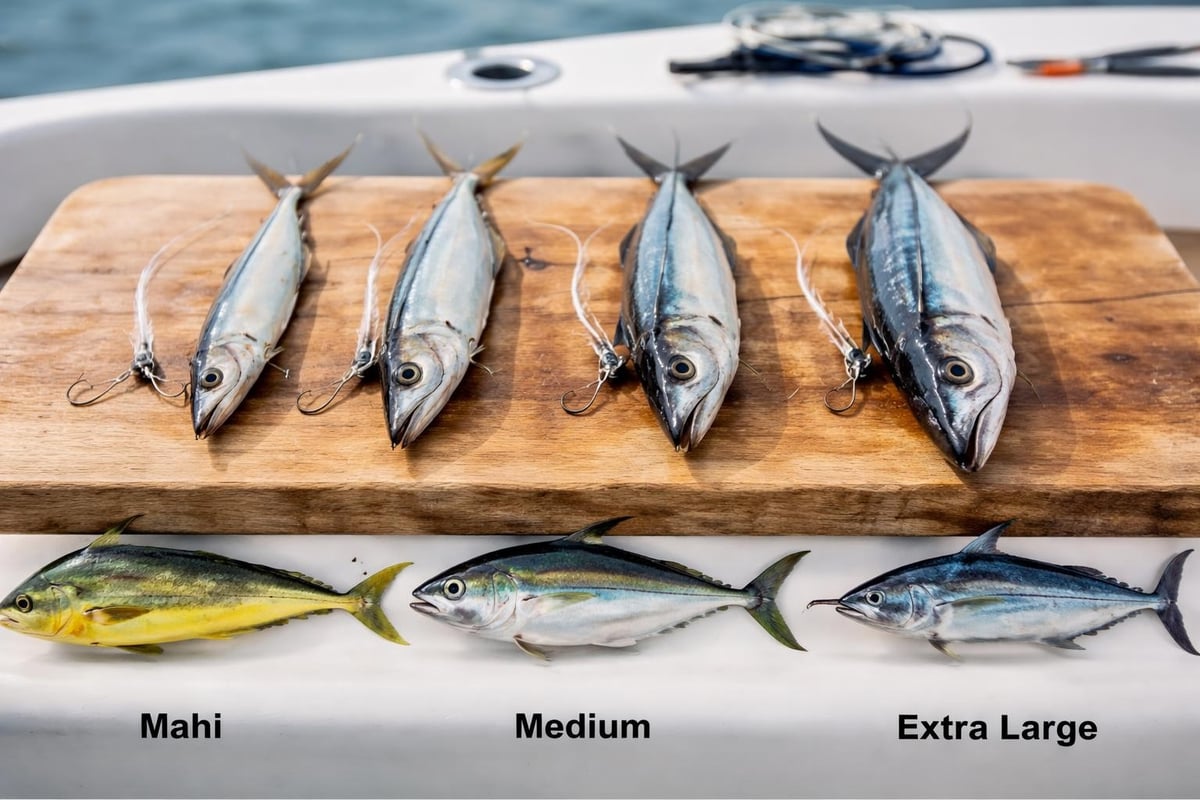
Size matters when selecting your bait. Baitmaster ballyhoo comes in different grades:
- Small: 6-8 inches, perfect for dolphin and small tuna
- Medium: 8-10 inches, the all-around workhorse size
- Large: 10-12 inches, ideal for big billfish and wahoo
- Extra Large: 12+ inches, reserved for trophy hunting
The BAITMASTERS brand offers vacuum-sealed packages that preserve freshness and make storage convenient.
Rigging Techniques That Produce
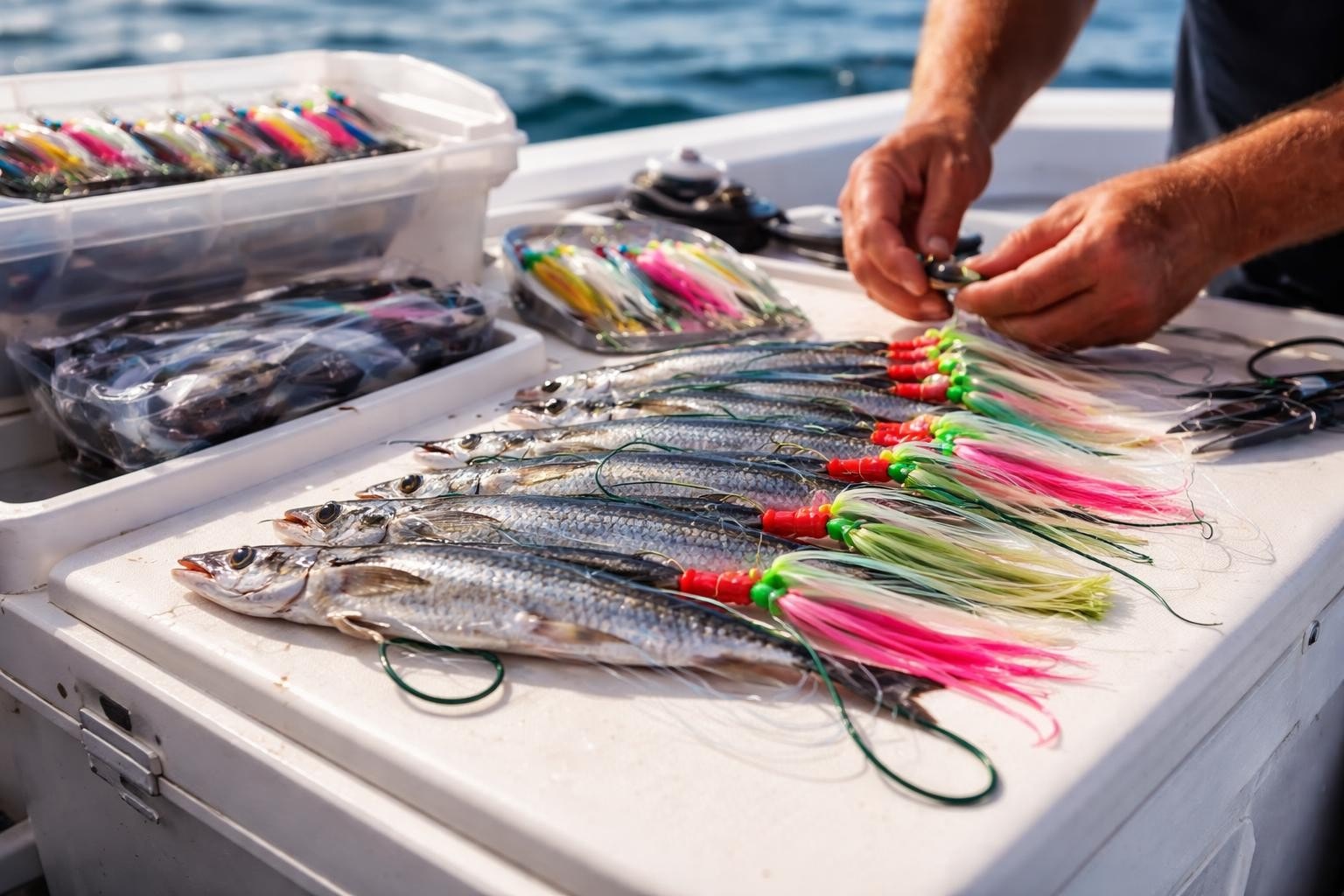
Proper rigging separates successful anglers from those who struggle. A well-rigged baitmaster ballyhoo swims naturally, while a poorly rigged one spins and twists, turning fish away.
The standard ballyhoo rig involves these key steps:
- Remove the backbone using a rigging needle or deboning tool
- Pin the beak shut with a small piece of copper wire or a pre-made pin
- Thread your hook through the eye sockets or chin
- Secure with rigging wire wrapped around the beak and bill
- Add a skirt (optional) for extra flash and attraction
Many anglers prefer using pre-rigged baitmaster ballyhoo to save time on the water. These come ready to fish with high-quality hooks and tested rigging methods. Understanding ballyhoo biology and behavior helps you rig them more effectively.
Your trolling speed affects presentation. Ballyhoo fishes well between 4-8 knots, but each situation differs. Watch your baits and adjust speed until they swim with a natural wobble, not a spin.
Storage and Preparation Tips
Taking care of your baitmaster ballyhoo before you hit the water ensures peak performance. Frozen ballyhoo requires proper thawing to maintain its integrity.
Never microwave or use hot water. Instead, let them thaw slowly in your cooler with ice. This gradual process keeps the meat firm and the skin intact. Some captains thaw their baits the night before in a refrigerator.
Once thawed, baitmaster ballyhoo should be kept cold and used within a day or two. Brine solutions help preserve them during longer fishing sessions. A simple saltwater ice slush works perfectly.
Here's what to check before rigging:
- Firm flesh that doesn't fall apart when handled
- Intact skin without tears or soft spots
- Clear eyes indicating freshness
- Straight body that hasn't been bent or damaged
Where to Fish Ballyhoo
Offshore anglers run ballyhoo in various situations. Weed lines, temperature breaks, and color changes all concentrate baitfish and the predators that chase them.
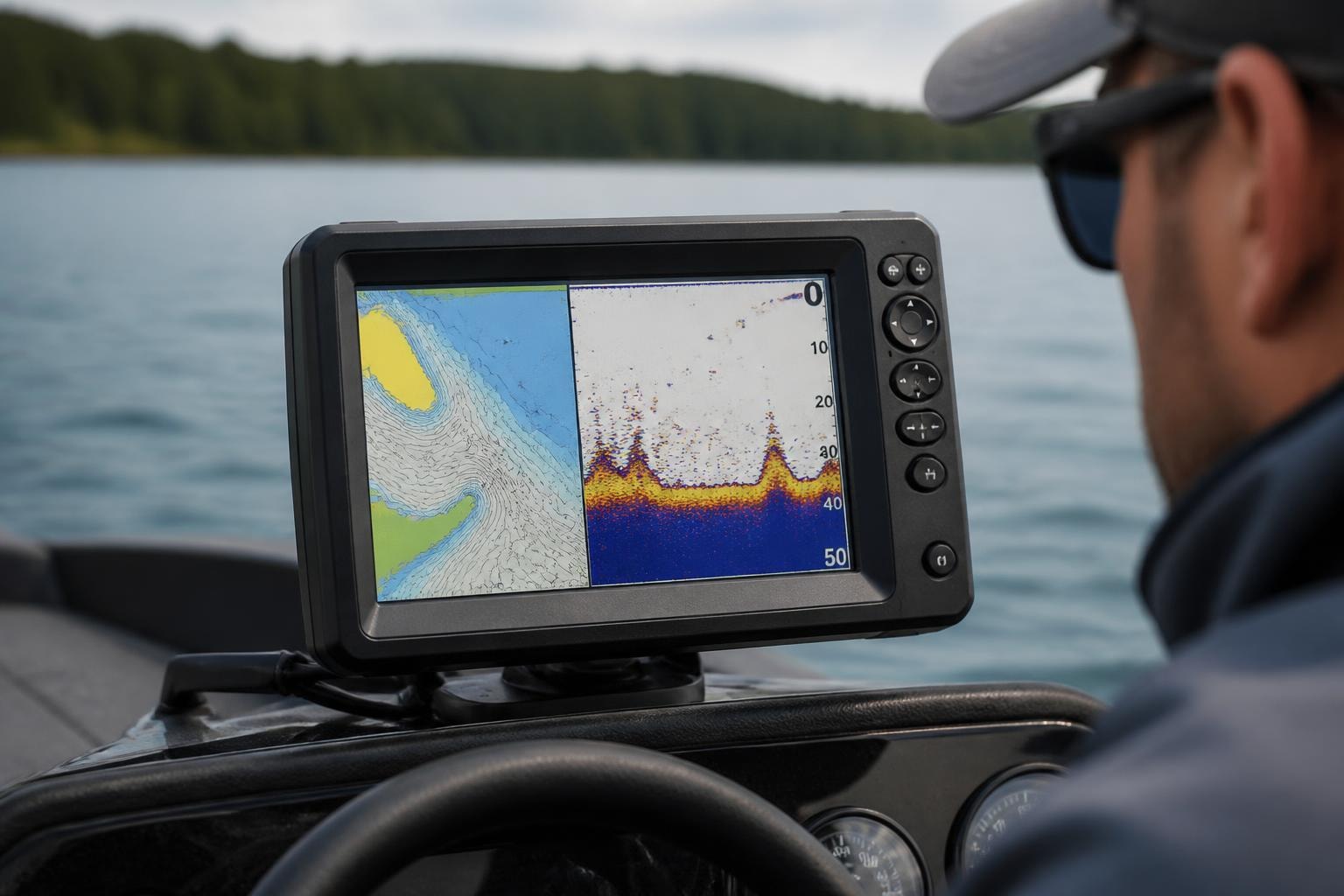
When exploring saltwater fishing locations, look for structure and current. Reefs, wrecks, and ledges hold fish, and a spread of baitmaster ballyhoo pulled through these zones produces consistent action.
South Florida anglers have exceptional access to productive waters. Spots like Pelican Bank near Key Biscayne offer excellent opportunities for sailfish and kingfish. The area around Porgy Key consistently produces dolphin and tuna.
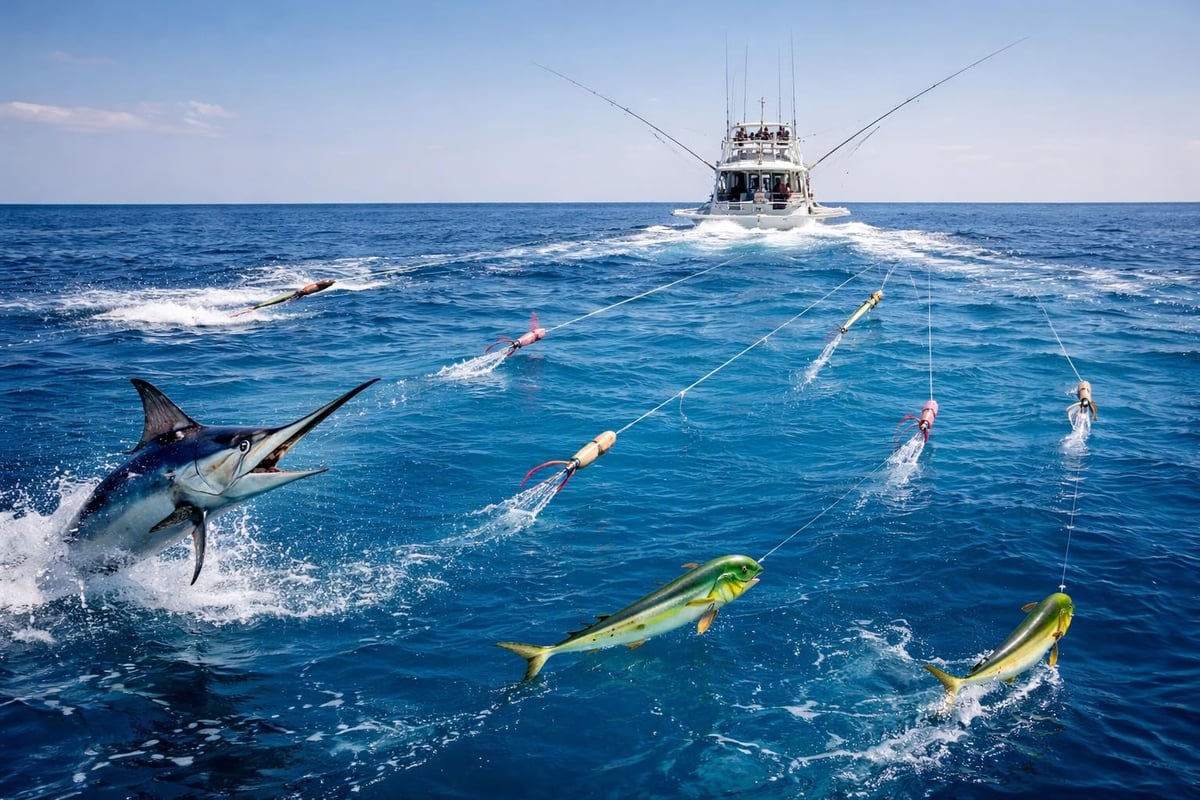
Gulf Stream fishing is where ballyhoo truly shines. The current's edge attracts everything from white marlin to blackfin tuna. A well-presented spread covers different depths and distances, giving fish multiple options.
Combining Ballyhoo with Lures
Smart anglers don't fish ballyhoo alone. Mixing natural baits with artificial lures creates a diverse spread that appeals to different moods and feeding patterns.
A typical offshore spread might include:
- Two naked baitmaster ballyhoo on the short riggers
- Two skirted ballyhoo on the long riggers
- One or two artificial lures in the pattern
- A teaser or dredge to attract attention
This variety increases your odds. Some days fish want the real thing, other days they'll smash artificials. Running both keeps you in the game regardless of conditions.
Color coordination matters less than presentation. Focus on getting your baits to swim properly rather than obsessing over skirt colors. A well-running bait in the wrong color outfishes a poorly-rigged bait in the perfect color every time.
Seasonal Considerations
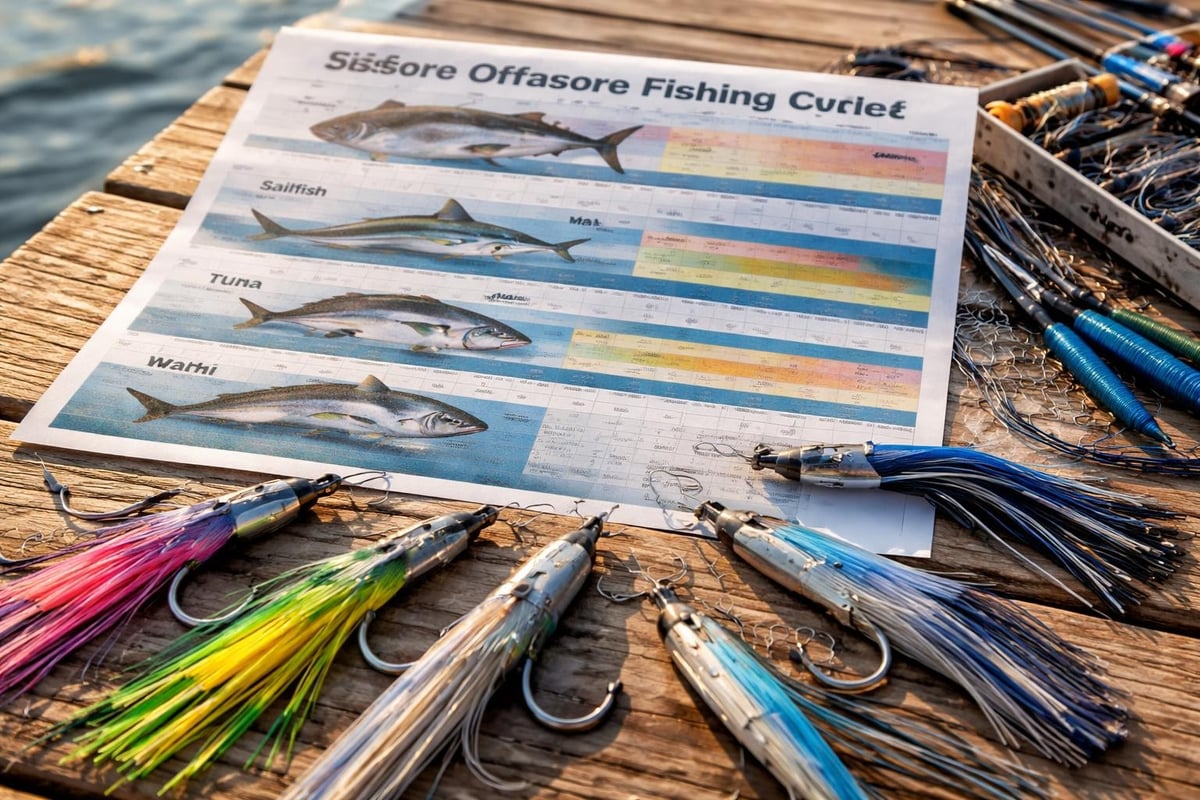
Baitmaster ballyhoo produces year-round, but certain seasons see peak action. Spring brings the sailfish migration along the East Coast, with boats catching double-digit releases on good days.
Summer means mahi-mahi and tuna. These aggressive feeders attack ballyhoo with abandon, especially around floating debris and weed mats. Fall sees wahoo runs, and winter offers excellent billfish opportunities in southern waters.
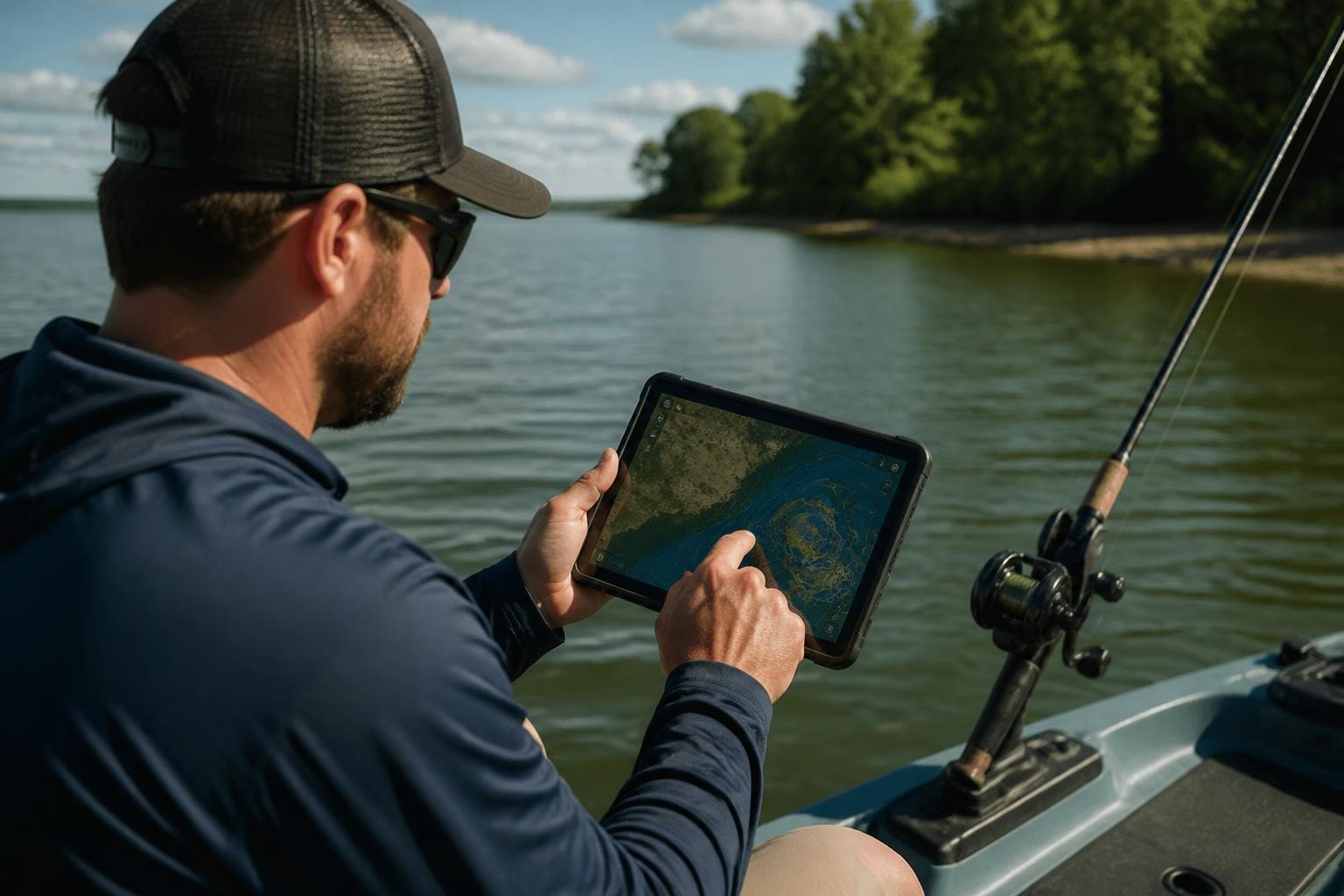
When searching for productive fishing spots in your region, consider the seasonal patterns. Local knowledge combined with quality bait creates the recipe for success.
Water temperature influences fish location and feeding behavior. Ballyhoo works in a wide temperature range, but knowing where fish hold during different seasons puts you on them faster.
Getting the most from baitmaster ballyhoo comes down to proper rigging, storage, and presentation in the right locations. These techniques work whether you're targeting your first sailfish or your hundredth. Ready to put this knowledge to work? Find Fishing Spots helps you discover productive offshore locations across the U.S., complete with GPS coordinates and detailed access information to get you on the water and into the fish.