When you're heading offshore to target mahi mahi, your success often comes down to one thing: what you're throwing in the water. These aggressive, colorful fish aren't particularly picky eaters, but choosing the right mahi bait can make the difference between a slow day and a cooler full of fillets. Whether you're fishing the Gulf Stream, the Atlantic, or Pacific waters, understanding what these dolphinfish find irresistible will help you hook up more consistently.
What Makes Effective Mahi Bait
Mahi mahi are opportunistic feeders that patrol open water looking for anything that moves. They're attracted to floating debris, weed lines, and structure where baitfish congregate. The best mahi bait mimics their natural prey and triggers their predatory instincts.
These fish feed primarily on:
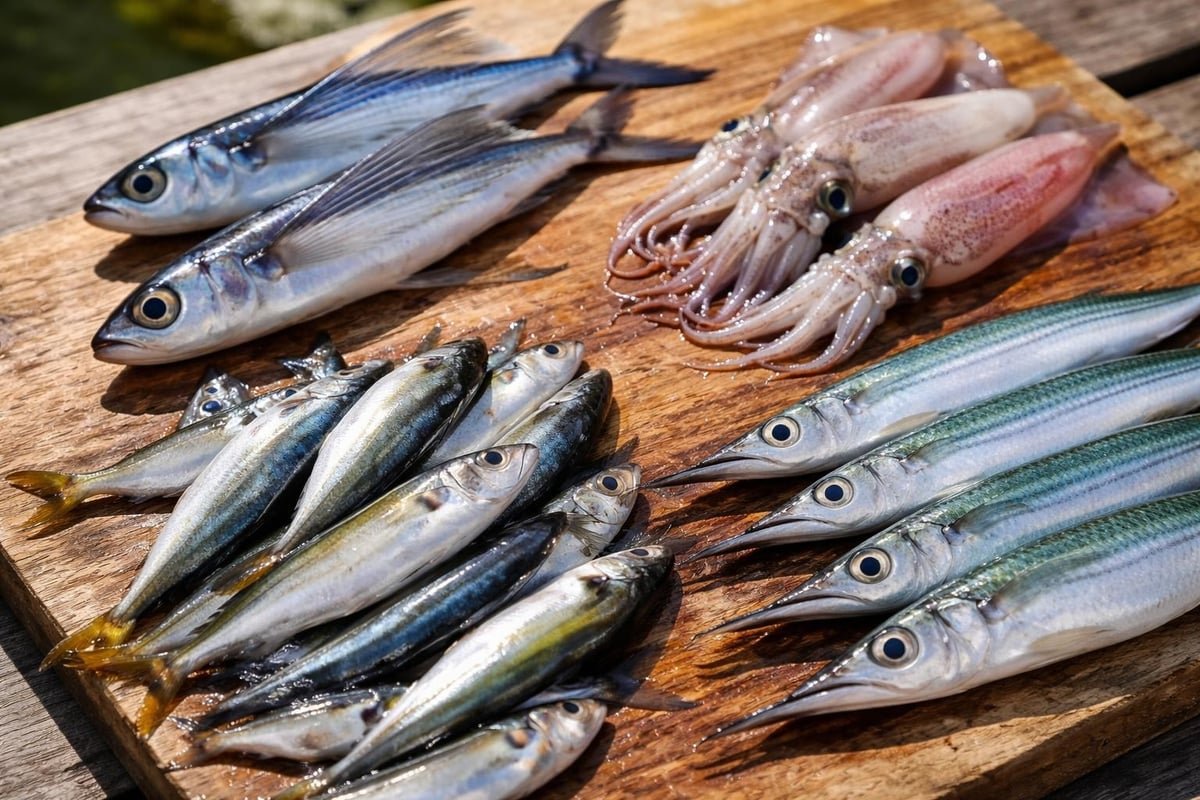
- Flying fish – their number one food source in most areas
- Squid – especially near deeper water structures
- Small tuna and mackerel – when hunting in schools
- Ballyhoo – a staple baitfish in many regions
- Dorado fish (smaller baitfish, not baby mahi)
Understanding mahi mahi feeding habits helps you match your presentation to what they're actively hunting. Water temperature, season, and location all influence what they're targeting on any given day.
Live Bait Options That Produce Results
Nothing beats live bait for triggering aggressive strikes from hungry mahi. The erratic movement and natural scent create an irresistible combination.
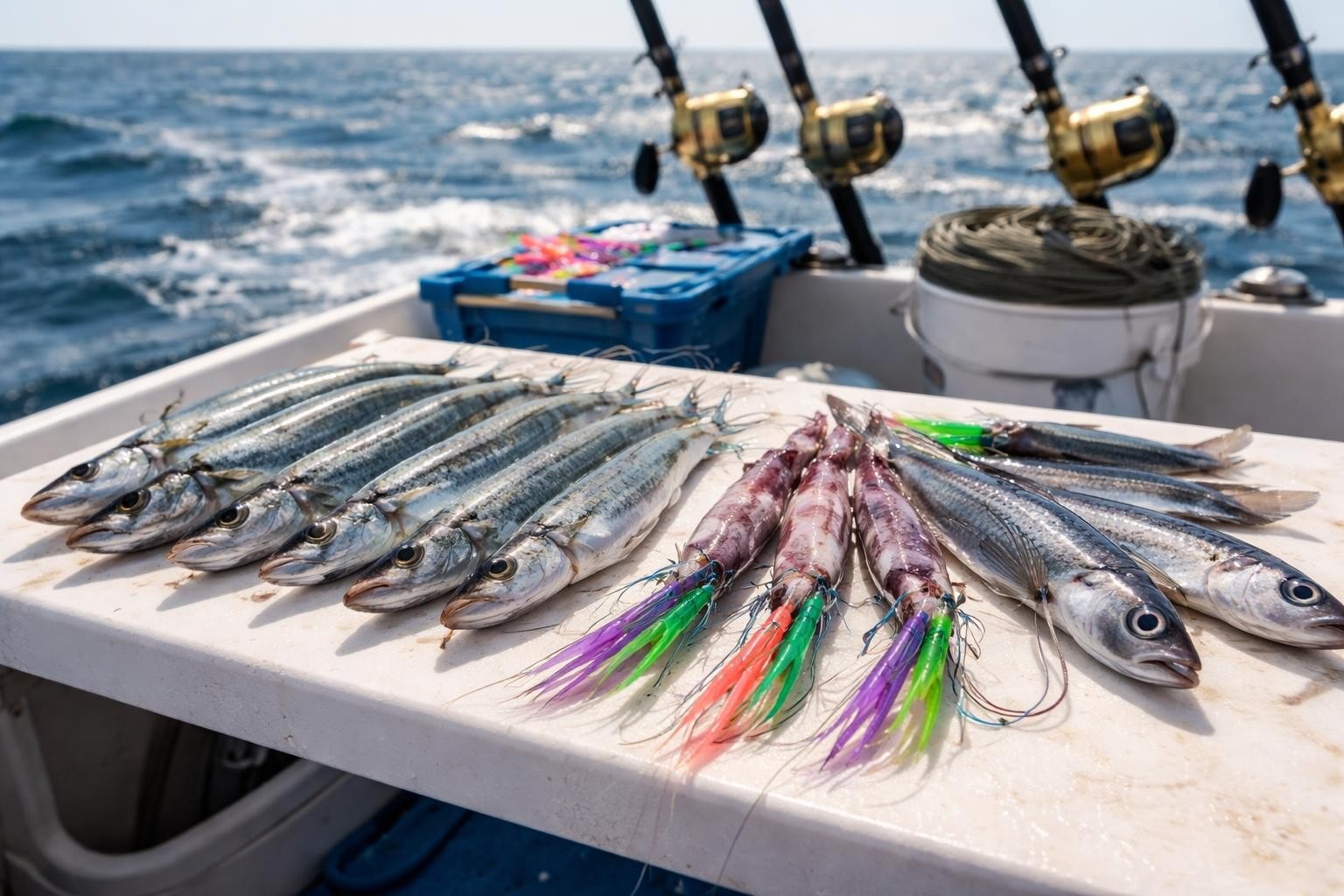
Ballyhoo remain the gold standard for many offshore anglers. These slender baitfish can be fished live on a circle hook or slow-trolled behind the boat. They're hardy enough to stay lively in the livewell and their flash attracts mahi from distance.
Live pilchards or sardines work exceptionally well when you find mahi under floating debris. Free-lining them without weight lets them swim naturally, often triggering immediate strikes. Keep your drag loose initially since mahi hit hard.
Small blue runners in the 6-8 inch range make excellent mahi bait when fished on a 3/0 to 5/0 circle hook. Hook them through the nose or just behind the dorsal fin for maximum swimming action.
Goggle eyes are another top choice, particularly in Florida waters. When checking Florida fishing regulations, make sure you're aware of size and bag limits before heading out with your catch.
Cut Bait and Rigged Options
Cut bait offers advantages when live bait isn't available or when you want to cover more water through trolling. Fresh is always better than frozen, but both work.
Popular Cut Bait Choices
Squid ranks among the most versatile mahi bait options. It's tough, stays on the hook well, and its white color provides excellent visibility. You can troll whole squid or cut them into strips for vertical jigging.
Bonito strips create a lifelike flutter when trolled at 6-8 knots. Cut them from the belly in a triangle shape, roughly 6-8 inches long. The oily flesh leaves a scent trail that brings mahi in from considerable distances.
Mackerel chunks work well for chunking when you've located a school. Cut them into 2-3 inch pieces and free-line them into the current. This technique keeps fish around the boat longer.
Rigged ballyhoo remain the most popular trolling mahi bait across U.S. waters. When you're exploring saltwater fishing locations along the coast, rigged baits let you cover water efficiently while searching for active fish.
Artificial Lures as Mahi Bait Alternatives
While natural bait excels, artificial lures offer distinct advantages. They're always available, require no special storage, and allow you to fish faster and more aggressively.
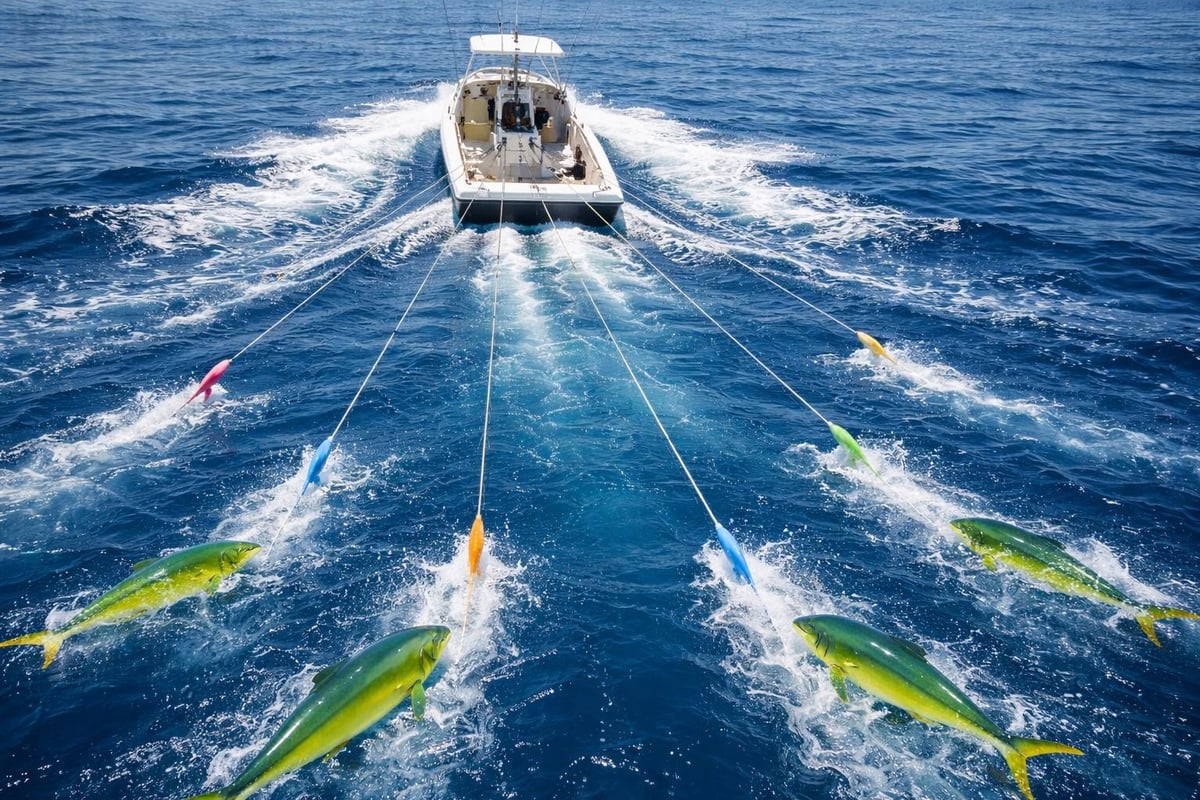
Skirted trolling lures in bright colors like pink, green, yellow, and blue consistently produce. Mahi are visual predators attracted to contrast and flash. Run these at 7-9 knots in the spread.
Soft plastic swimbaits work well when sight-casting to mahi around floating objects. A 5-7 inch shad tail in chartreuse or white on a 1/2 to 1 ounce jig head gets their attention quickly.
Spoons create excellent flash and vibration. Silver or gold 2-4 ounce casting spoons can be deadly when mahi are feeding aggressively near the surface.
The key is matching your presentation to fish activity level. When they're hot, almost any offering works. During slower periods, switching to natural mahi bait often makes the difference.
Location-Specific Mahi Bait Strategies
Different regions require adjusted approaches based on local baitfish populations and water conditions. Understanding Atlantic mahi mahi populations helps you time your trips for peak activity.
In Gulf of Mexico waters, flying fish and ballyhoo dominate the forage base. Rigged baits trolled along weed lines produce consistently from spring through fall.
Atlantic Coast fishing from the Carolinas to New England sees mahi following warm water eddies. Squid and butterfish become important bait components in northern waters.
Pacific fisheries along California benefit from sardine and anchovy populations. When searching California offshore spots, match your bait to what's locally available.
Florida waters provide year-round opportunities with the strongest bite occurring April through September. Checking current sustainability guidelines ensures you're fishing responsibly.
Rigging and Presentation Tips
How you present your mahi bait matters as much as what you're using. These fish are fast, aggressive, and often found in schools.
For trolling, vary your spread with different baits at different depths. Run one flat line, one long rigger, and one short. Speed between 6-9 knots covers ground while keeping baits swimming naturally.
Pitch baiting to visible fish requires quick reactions. Keep a rod rigged with a circle hook and live bait ready. When you spot fish, have someone toss the bait while maintaining boat position.
Vertical jigging works when fish are holding deep near structure. Drop a squid or bait-tipped jig to depth, then work it with aggressive lifts and falls.
When you hook into a school, keep one fish in the water while others cast to the remaining mahi. They're competitive feeders that often stick around to investigate hooked fish.
Seasonal Bait Considerations
Mahi bait preferences shift slightly with seasons and water temperatures. Spring migrations bring fish closer to shore, following warming currents and baitfish movements.
Spring (March-May) sees mahi moving north along the Atlantic coast. Flying fish and small tuna become primary targets. This period offers some of the year's best action.
Summer (June-August) provides peak fishing across most ranges. Water temperatures climb into the optimal 78-84 degree range. Mahi feed aggressively on whatever's available, making bait selection less critical.
Fall (September-November) brings southern migrations. Larger bull mahi appear more frequently. Bigger baits like whole ballyhoo or larger squid match their appetites.
Winter fishing concentrates in southern waters and requires targeting deeper structures where water stays warmer. Responsible anglers stay informed about fishery management strategies to ensure healthy populations continue.
Getting your mahi bait selection right dramatically improves your offshore success, whether you prefer live offerings, cut bait, or artificial presentations. Once you've dialed in your approach, finding productive water becomes the next priority. Find Fishing Spots helps you discover proven mahi locations across U.S. coastal waters with GPS coordinates, access details, and local insights all in one searchable directory. Start exploring new spots and planning your next offshore adventure today.