When you're heading offshore to target one of the ocean's most powerful gamefish, choosing the right tuna fish bait can make the difference between an epic day and a long ride home with an empty cooler. Tuna are opportunistic feeders with incredible speed and keen eyesight, so your bait selection needs to match their preferences and the conditions you're fishing. Whether you're after yellowfin, bluefin, or blackfin tuna, understanding what these fish eat and how to present it will put you in a much better position to hook up.
Live Bait Options for Tuna
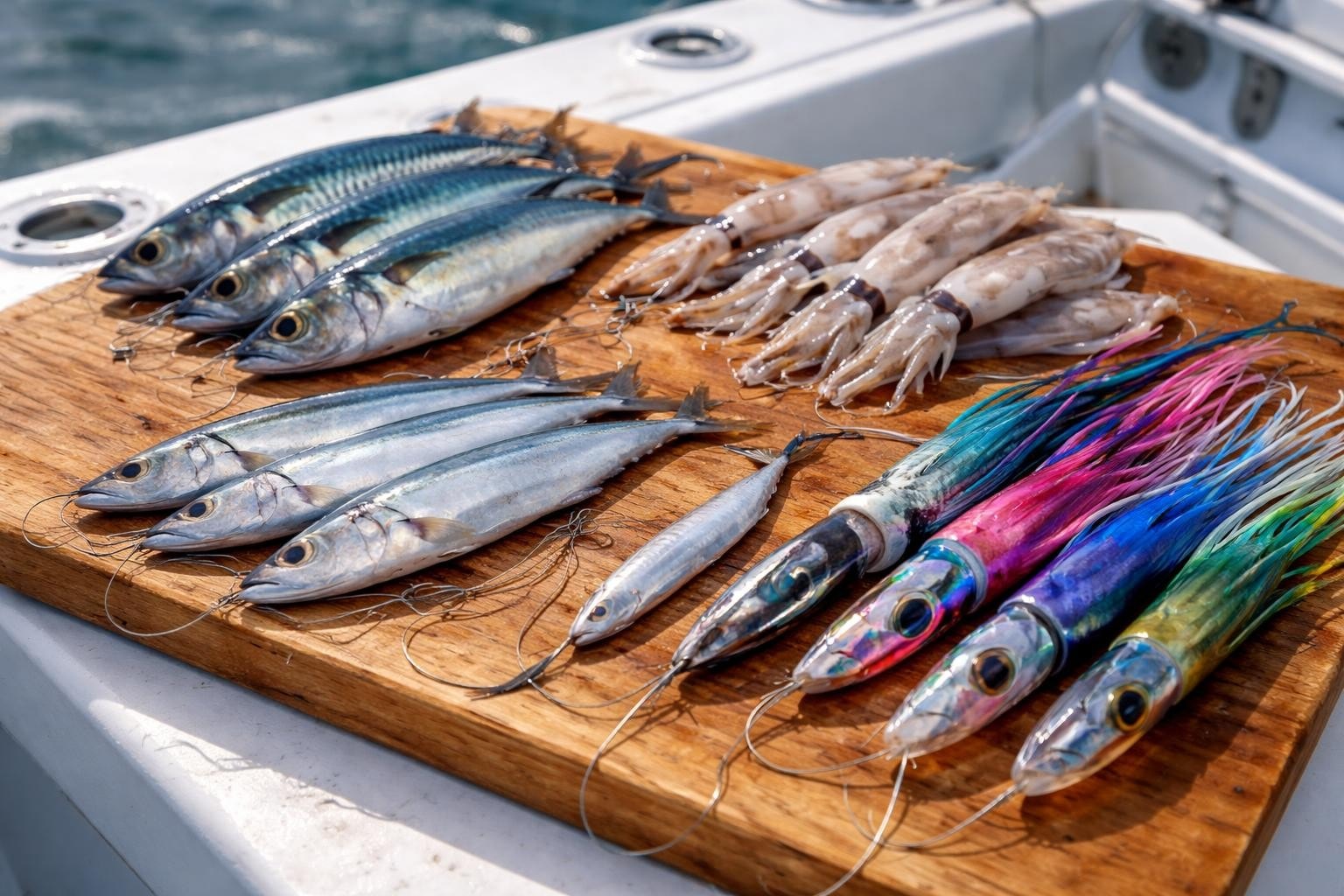
Live bait remains the gold standard for tuna fishing across most coastal waters. The natural movement and scent of live fish trigger aggressive strikes from even the most finicky tuna.
Popular live bait choices include:
- Mackerel – Hearty and active, they stay lively on the hook
- Herring – Excellent for bluefin tuna in cooler waters
- Sardines – Perfect for smaller yellowfin and blackfin
- Goggle eyes – A Southern favorite that drives tuna wild
- Blue runners – Tough baitfish that withstand long drifts
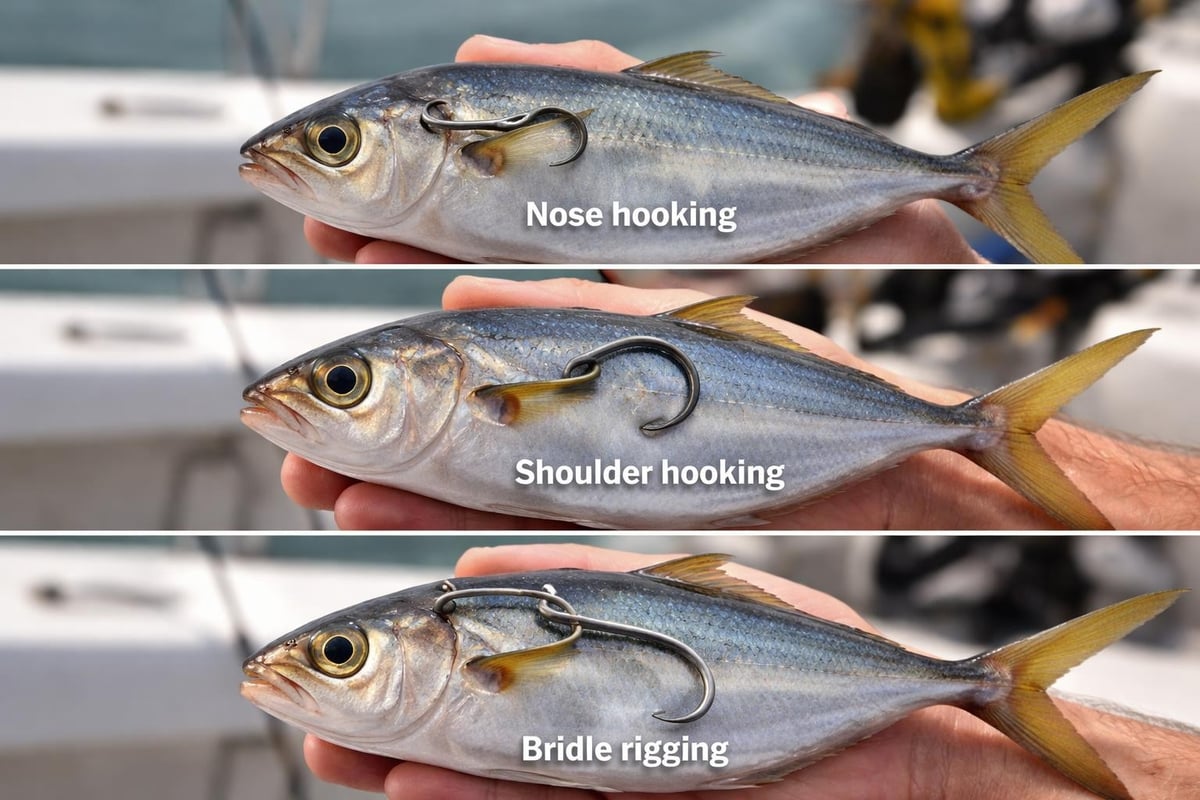
The key to live bait success is keeping your bait frisky. Use a well-aerated livewell, change the water regularly, and avoid overcrowding. When you're ready to fish, hook your bait through the nose or just behind the dorsal fin, allowing it to swim naturally.
Many anglers find success combining live bait with chumming techniques. By creating a slick of scent and small pieces in the water, you can draw tuna into range of your hooked offerings. Strategic chumming creates feeding frenzies that make tuna less cautious about striking.
Dead Bait and Cut Bait Strategies
Fresh or frozen dead bait works surprisingly well as tuna fish bait, especially when live options aren't available. Ballyhoo reign supreme in this category – rigged on a trolling spread or drifted beneath a kite, they're incredibly effective. Squid is another excellent choice, particularly for yellowfin tuna that naturally feed on cephalopods throughout their range.
Cut bait from mackerel, bonito, or mullet creates a strong scent trail. Chunk it up and drift the pieces down current while fishing a larger chunk or whole fish on your hook. This method excels when tuna are holding deep or being selective.
Before heading out, check Find Fishing Spots to identify productive offshore locations near you. Having GPS coordinates for proven tuna grounds saves valuable searching time and puts you where the fish are feeding.
Artificial Lures That Produce
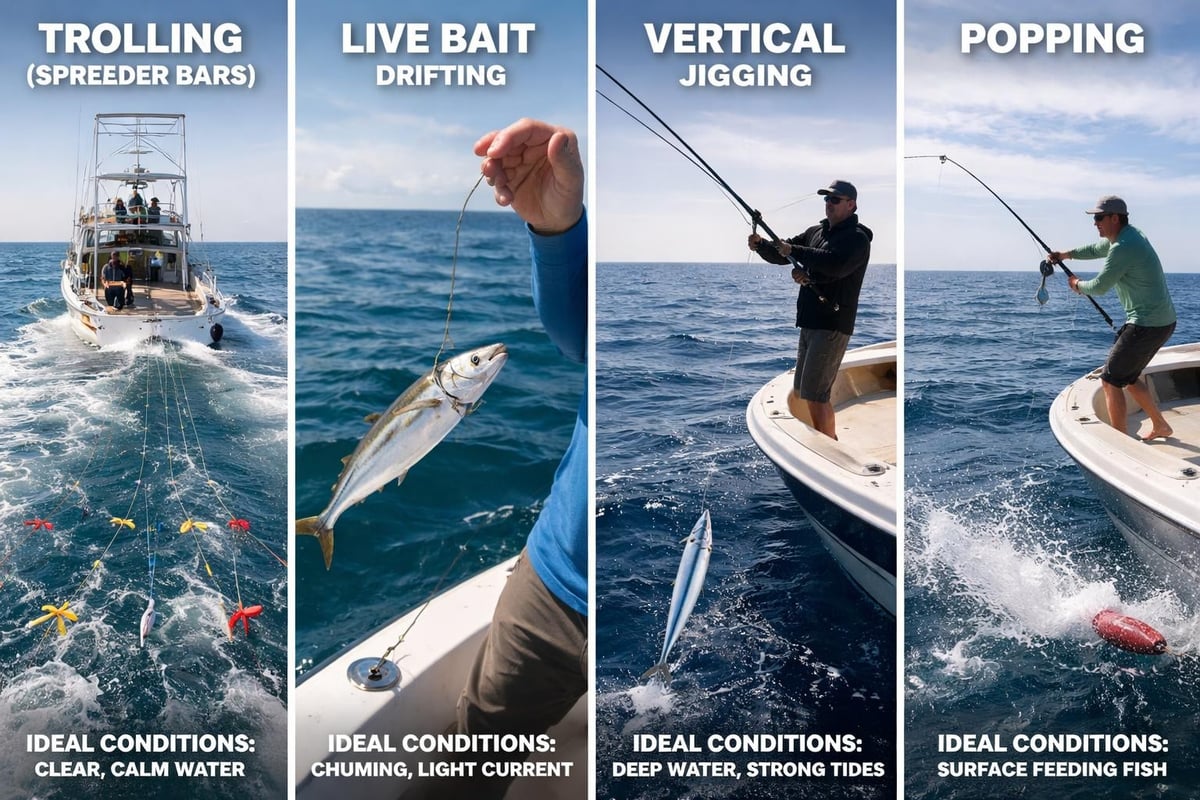
Modern artificial lures have revolutionized tuna fishing, offering durability and versatility that natural bait can't match. Trolling spreads using spreader bars simulate entire schools of baitfish, triggering the competitive feeding instinct in tuna.
Effective artificial tuna fish bait includes:
- Cedar plugs – Classic wooden lures that imitate baitfish
- Feather jigs – Simple yet deadly, especially in blue and white
- Soft plastic swimbaits – Realistic action that fools educated fish
- Poppers – Surface lures for explosive topwater action
- Metal jigs – Vertical jigging produces when fish are deep
Beginner-friendly lure selections help newcomers build an effective tackle box without breaking the bank. Start with a few proven patterns in different sizes and colors, then expand based on what works in your local waters.
Specialized Techniques Worth Trying
Green-sticking has gained popularity along the Atlantic coast. This technique uses long fiberglass poles to skip artificial squid across the surface, mimicking flying fish. Tuna can't resist the commotion, often exploding on the bait in spectacular fashion.
High-speed trolling with chain lures or ballyhoo covers water quickly. Running lures at 8-12 knots lets you search for active fish and triggers reaction strikes from aggressive tuna. This approach works particularly well when targeting bluefin tuna in cooler northern waters.
Casting to feeding frenzies or "foamers" requires quick reactions and accurate casts. When you spot birds diving and tuna busting bait on the surface, fire poppers or stick baits into the chaos. The visual excitement of this fishing style keeps anglers coming back season after season.
Matching Bait to Conditions
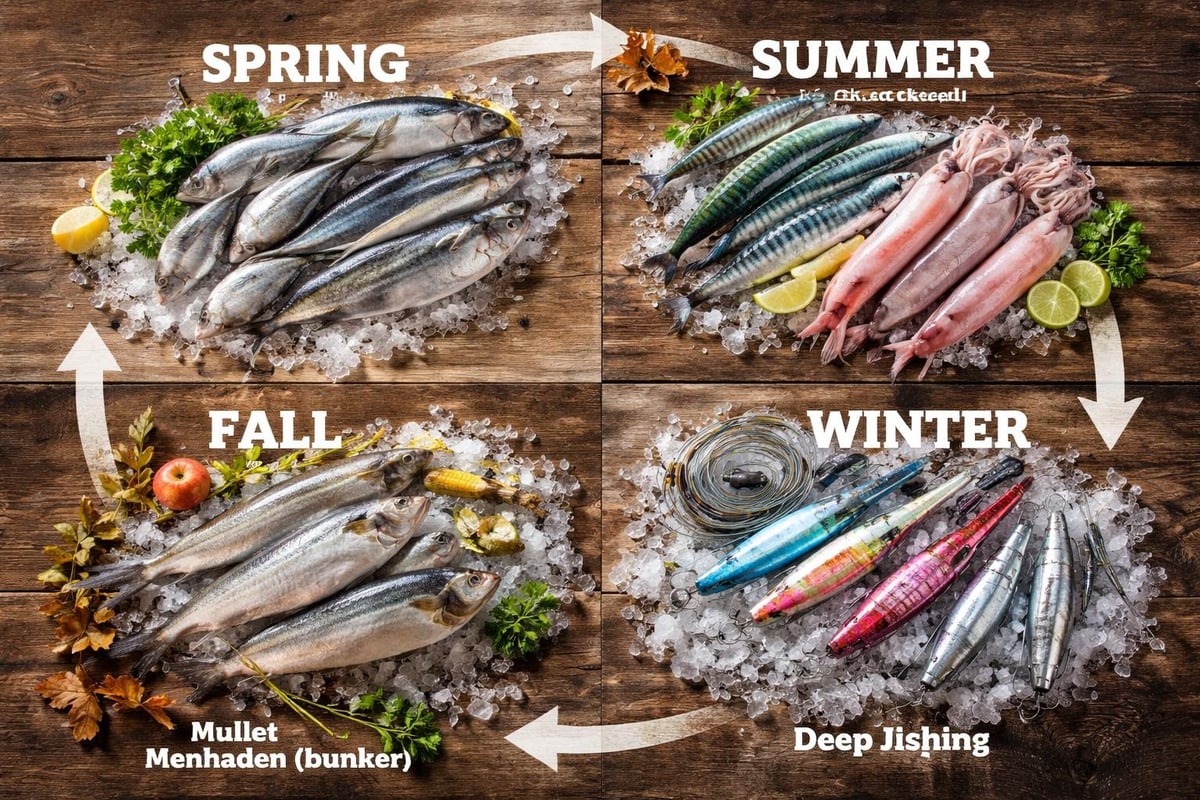
Water temperature, time of year, and local forage all influence which tuna fish bait performs best. In spring and early summer, when smaller baitfish are abundant, downsize your offerings. Match the hatch by using similar-sized baits to what tuna are naturally feeding on.
Offshore structure and current play huge roles. Tuna concentrate where currents meet, creating upwellings that push baitfish to the surface. Position yourself properly using detailed location information from fishing spot directories, and you'll encounter more feeding fish.
Clear water demands more natural presentations and lighter leaders. Fluorocarbon leaders in the 40-80 pound range work well for most situations. In stained or choppy water, tuna are less leader-shy, so you can beef up your tackle.
Different tuna fishing techniques work better in specific scenarios. Understanding when to troll, when to drift live bait, and when to work jigs or poppers comes with experience and observation.
Sustainable Bait Sourcing
As tuna populations face pressure worldwide, using sustainable bait sources becomes increasingly important. Support bait shops that harvest responsibly and consider alternatives when traditional baitfish stocks are stressed.
Artificial lures reduce pressure on baitfish populations while often catching just as many tuna. They're also reusable, saving money over time. The conservation-minded angler balances effectiveness with environmental responsibility, ensuring healthy fisheries for future generations.
Rigging and Presentation Tips
How you present your tuna fish bait matters as much as what you use. Circle hooks have become standard for live bait fishing, providing better hookups and easier releases. Sizes from 5/0 to 8/0 cover most tuna fishing situations.
When trolling, vary your spread depth. Run some baits on the surface, others down 20-30 feet on planers or downriggers. This multi-level approach finds where tuna are feeding in the water column. Successful yellowfin tuna anglers adjust their tactics based on what's working each day.
For drifting or kite fishing, use just enough weight to get your bait to the desired depth. Too much weight kills the natural action that attracts strikes. A slow-trolling live bait with minimal resistance often outfishes heavily weighted presentations.
Success with tuna fish bait comes down to preparation, presentation, and persistence. Whether you prefer the excitement of live bait, the convenience of artificials, or a combination approach, matching your tactics to conditions gives you the edge. Ready to find productive tuna grounds in your area? Find Fishing Spots provides detailed location information, GPS coordinates, and access details for saltwater fishing destinations across the country, helping you spend less time searching and more time with lines in the water.