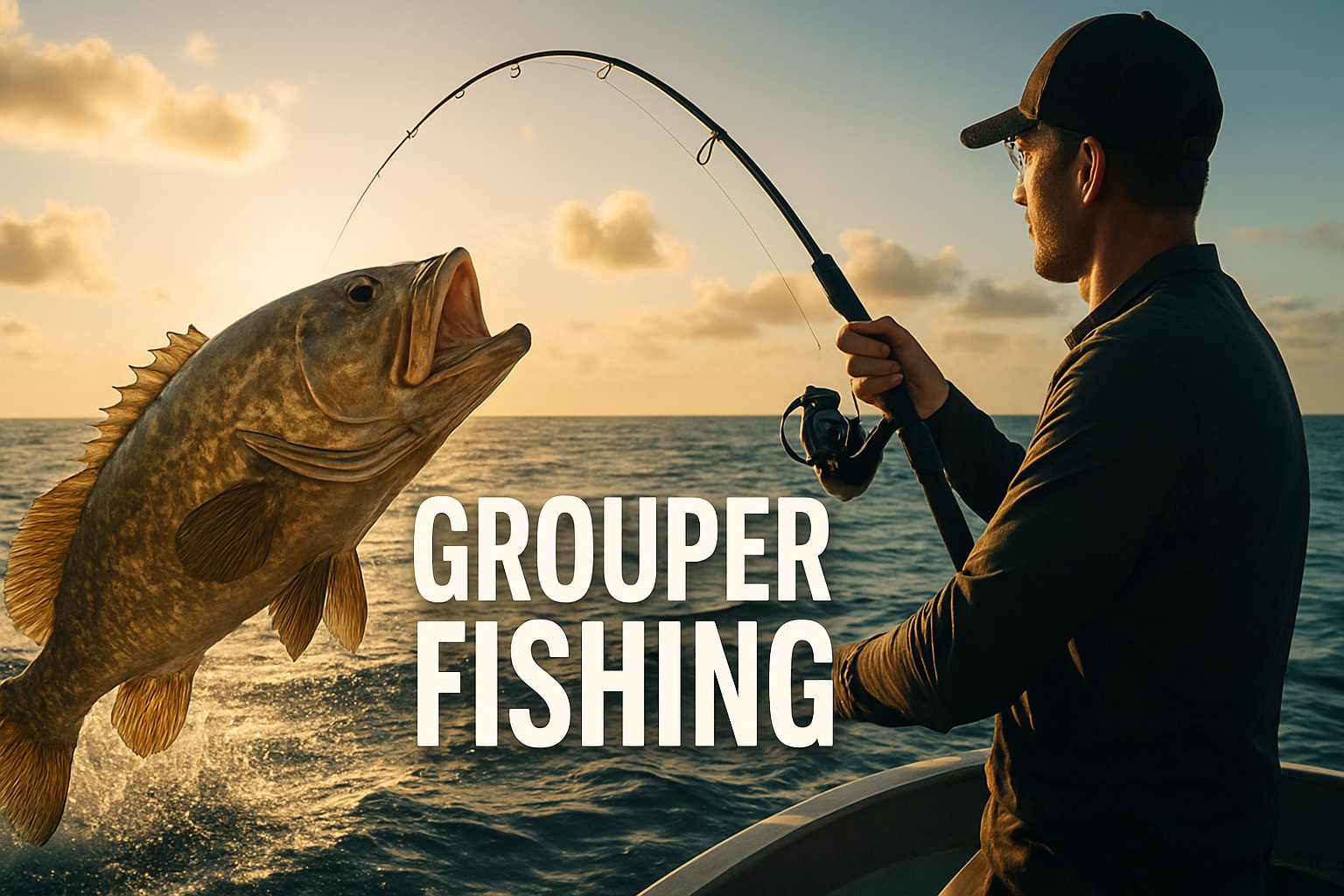
Ready to battle one of the ocean’s toughest predators? Grouper fishing delivers heart-pounding action, whether you’re dreaming of a record-breaking catch or just want a tasty dinner. It’s a challenge that hooks both first-timers and salty veterans alike.
This guide is here to help you master grouper fishing in 2026. We’ll cover everything you need to know, from identifying the right species and finding top locations, to picking the best gear, bait, and techniques.
Let’s dive in and discover how you can boost your success and fish smarter this season.
Understanding Grouper Species
From shallow reefs to deep offshore ledges, grouper fishing offers a huge variety of experiences. To get the most out of your time on the water, it helps to know the main grouper species, where they live, and what rules protect them. Let’s break it down by type, habitat, and conservation.
Common Grouper Types
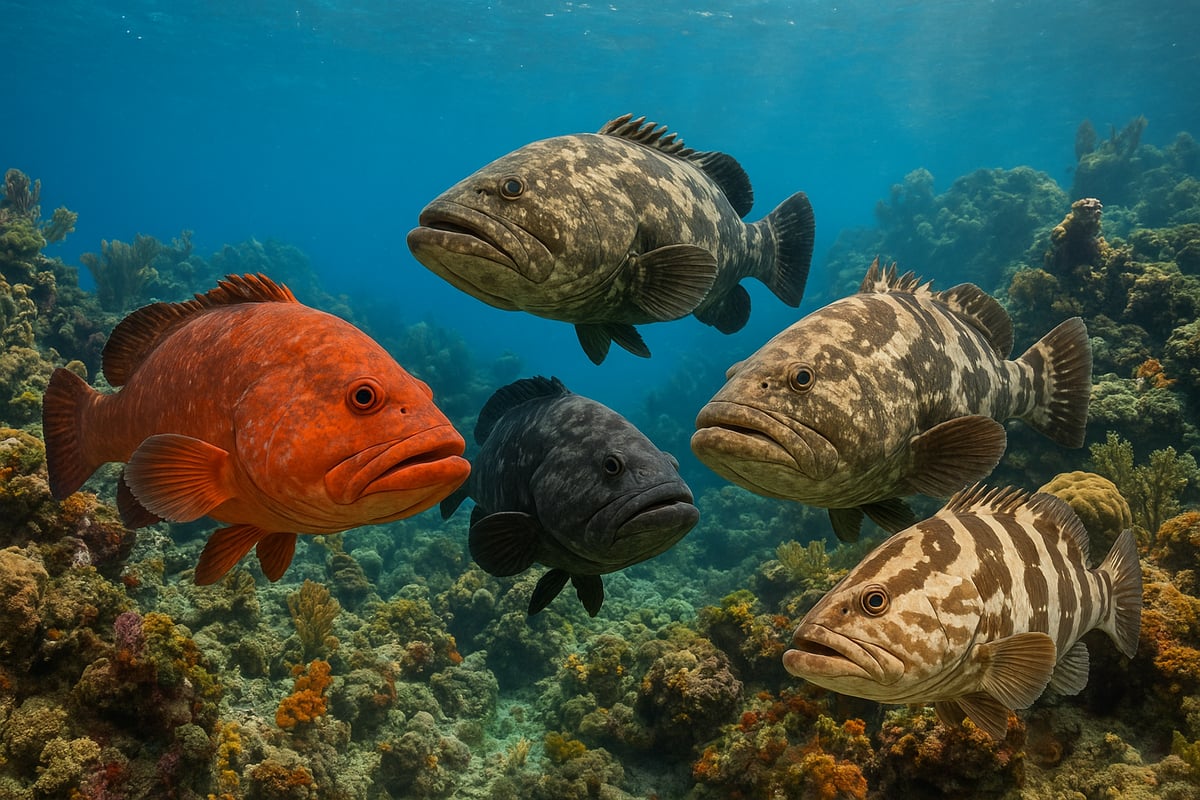
There are over 234 grouper species worldwide, but a handful stand out as the main targets for grouper fishing. Red Grouper is the most common catch on US reefs, known for its reddish color and tasty fillets. Black Grouper can grow over 100 pounds and prefers deeper, rocky structure. Goliath Grouper is the true heavyweight, reaching up to 800 pounds and famous for its aggressive feeding. Gag Grouper starts life inshore and moves offshore as it grows, while Snowy Grouper lurk in deep water. Nassau Grouper, once abundant, is now endangered and tightly protected. If you’re looking to focus on Black Grouper, check out this Black Grouper fishing guide for expert tips and regulations. Each species brings its own challenge, making grouper fishing an adventure every time.
Habitat Preferences & Distribution
Grouper love structure, and that’s the secret to successful grouper fishing. You’ll find them around reefs, wrecks, pilings, estuaries, and mangroves. Some species, like Gag Grouper, start in shallow mangroves before heading offshore, while others, like Nassau Grouper, stick to the clear waters of the Bahamas. Hotspots include the Florida Keys, Gulf of Mexico, and Caribbean, all loaded with fishy structure. Offshore and inshore habitats support different life stages, so knowing where to look is half the battle. Grouper’s structure-oriented habits mean you’ll need to think like a fish and hunt for the best cover.
Conservation Status & Regulations
Conservation is a big part of grouper fishing today. Some species, like Nassau Grouper, are endangered with strict catch bans. Others face seasonal closures or slot limits to help populations recover. Rules change by region, so always check local regulations before heading out. Conservation efforts include size and bag limits, seasonal closures, and habitat protection. As anglers, we play a key role by following the rules, practicing catch and release on protected species, and supporting research. Keeping grouper populations healthy ensures great fishing for years to come.
Best Locations for Grouper Fishing in 2026
Dreaming of your next big grouper fishing adventure? The right spot can make all the difference between a quiet day and a story-worthy haul. Whether you’re planning a local trip or looking to travel for trophy catches, let’s explore the top places where grouper thrive in 2026.
Top U.S. Grouper Hotspots
The United States is packed with legendary grouper fishing locations. The Florida Keys are a classic, offering access to both inshore and offshore reefs. Madeira Beach, often called the "grouper fishing capital of the world," hosts annual tournaments and Grouper Fest, drawing anglers from everywhere.
Venice, Louisiana is another prime destination, famous for its deep wrecks and reefs teeming with large Black and Gag Grouper. Along the Gulf Coast, you’ll find miles of structure and countless access points, making it a year-round favorite. Even the Bahamas, just a short hop from Florida, are home to incredible Nassau Grouper and other tropical species.
For a detailed breakdown of Florida’s top grouper fishing areas, check out the Florida grouper fishing locations guide, which highlights the best local waters for every skill level.
International Destinations
If you’re up for a grouper fishing adventure abroad, consider Mexico’s Abreojos. This spot is famous for its exceptionally large grouper and pristine waters. The Caribbean islands are another dream destination, boasting crystal-clear water and healthy grouper populations.
Central America is quickly gaining popularity, with emerging hotspots that offer both challenge and reward. Each region brings its own unique mix of species and catch rates. Whether you want to chase giants or enjoy steady action, international grouper fishing delivers unforgettable experiences.
How to Find Productive Grouper Spots
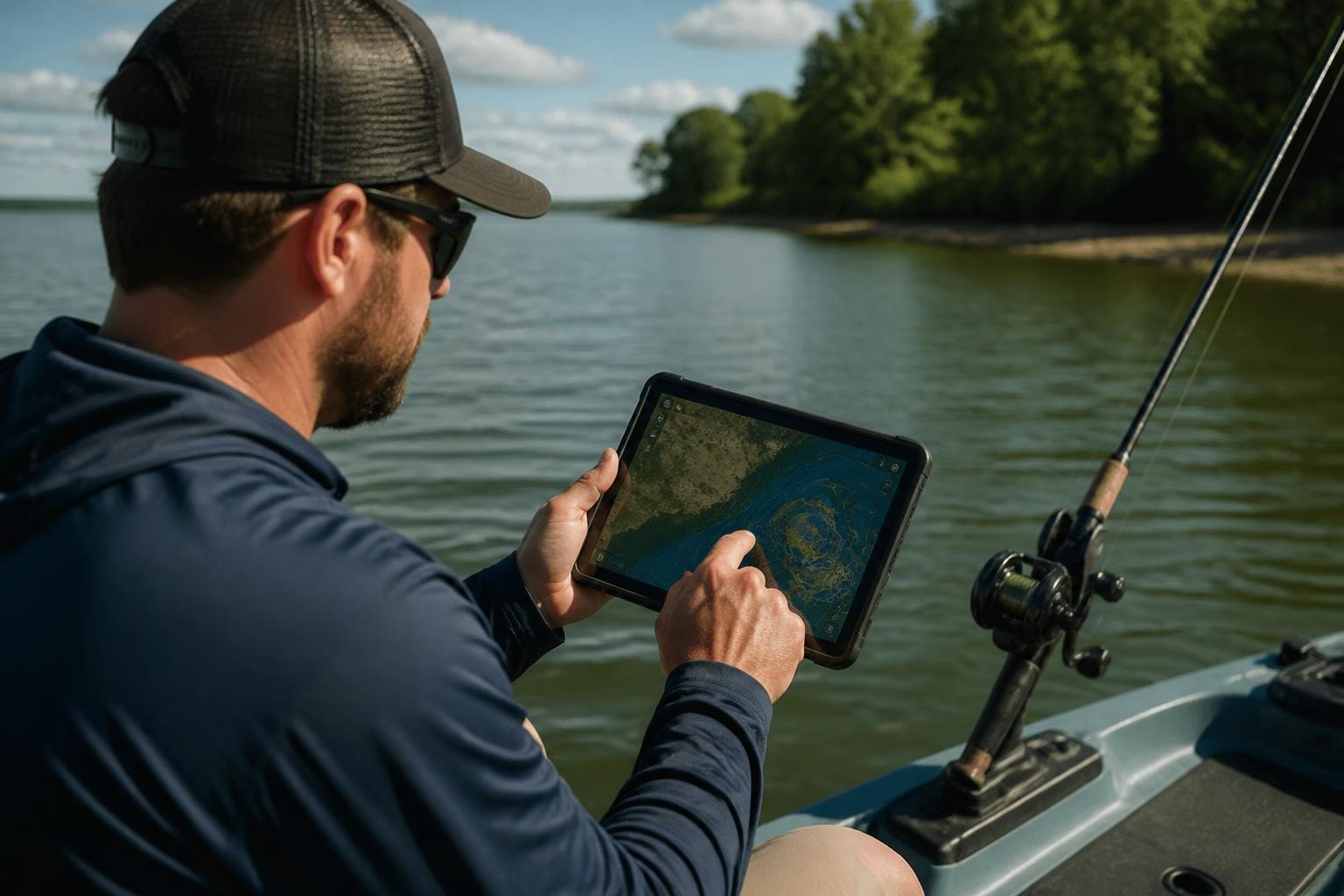
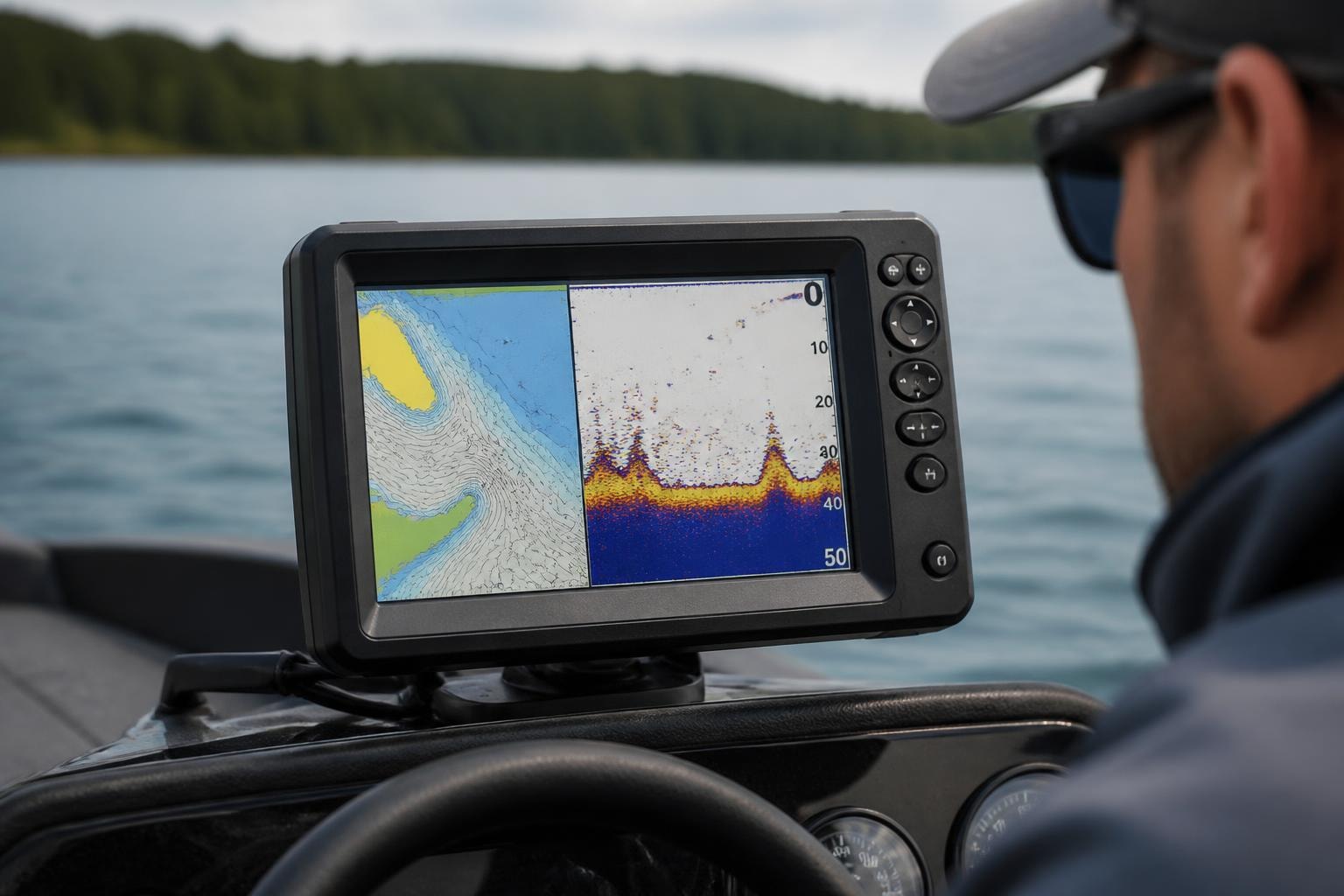
Finding the perfect grouper fishing spot takes a mix of tech and local know-how. Start with marine charts to locate reefs, wrecks, and ledges. Modern sonar and fish finders help pinpoint structure where grouper gather.
A GPS is invaluable for marking productive locations and returning to the same spot. Many anglers rely on local guides who know the secret spots and seasonal movements. For precise boat positioning, consider GPS anchor systems, which can keep you right over the strike zone, even in a strong current.
Discover Grouper Fishing Spots Near You
If you want to expand your grouper fishing horizons, FindFishingSpots.com is a fantastic resource. It offers a searchable directory of U.S. fishing spots, complete with GPS coordinates and access info.
You can filter by region, water type, and even get community-driven tips to maximize your success. Planning your next grouper fishing trip just got a whole lot easier.
When and How to Fish for Grouper: Timing & Techniques
Ready to time your trip for the best grouper fishing action? Knowing when and how to fish for these powerful predators can turn a slow day into a memory-maker. Let’s break down the prime seasons, proven techniques, and how your choice of platform can impact your success.
Best Seasons & Tides
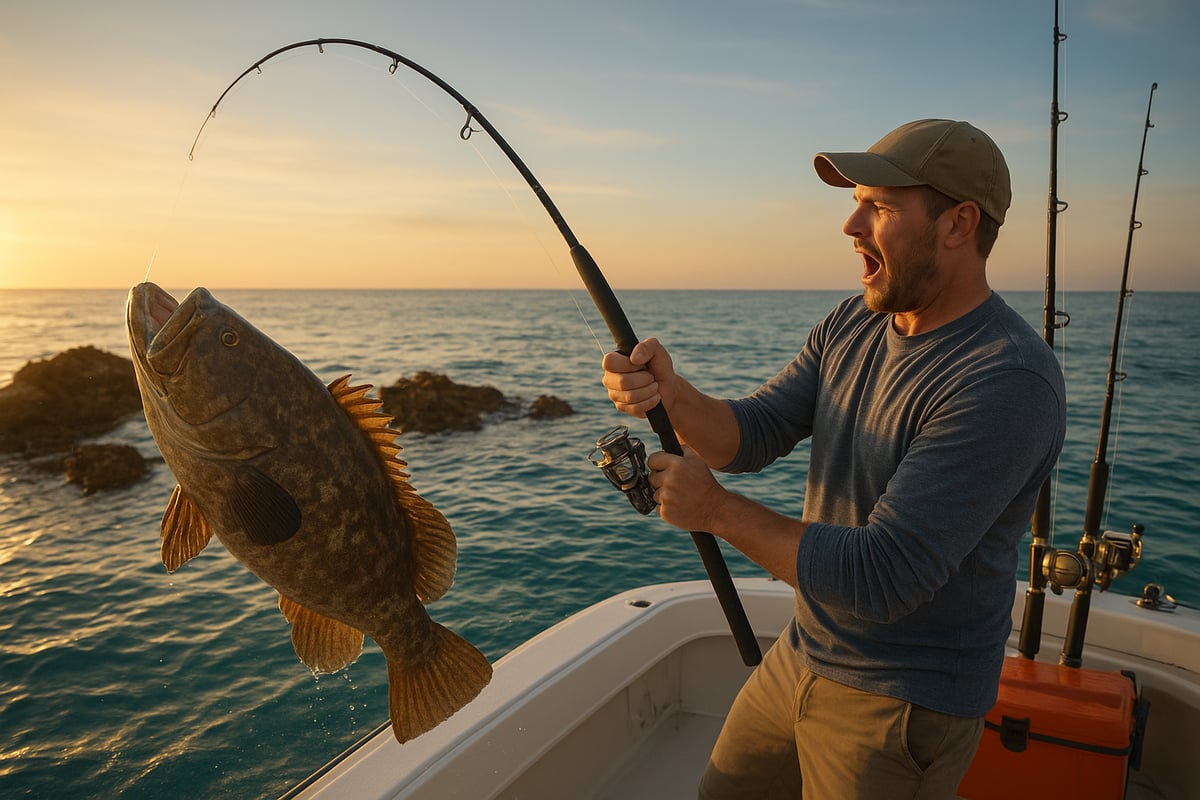
Grouper fishing heats up as water temperatures rise in spring, especially after the annual spawn. Spring mornings are legendary for producing both numbers and size, with hungry grouper moving closer to reefs and wrecks. Winter is spawning time for many species, but keep in mind, some are off-limits during these months to protect their populations.
Early mornings and late afternoons are peak feeding times. If you want to boost your catch rate, plan your outing around strong incoming or outgoing tides. These moving waters stir up baitfish and get grouper on the hunt. For example, many seasoned anglers report that spring mornings with a good tidal push lead to the most consistent action.
Proven Grouper Fishing Techniques
There’s more than one way to outsmart a big grouper. Bottom fishing is the classic go-to: drop a live or cut bait right into the structure and be ready for an explosive hit. Jigging works wonders too, especially with flashy jigs danced near rocks or wrecks. Some anglers also try trolling deep-diving plugs, which can be surprisingly effective for grouper fishing when covering new ground.
No matter your technique, a tight drag is critical. After the bite, immediately reel hard to keep the fish from diving back into cover. Here’s a quick step-by-step: set your drag heavy, drop your bait to the structure, wait for the thump, then hook set and crank fast. If you’re targeting giants like Goliath Grouper, be prepared for a tug-of-war. Adjust your approach based on depth and current for the best results.
Boat vs. Shore & Kayak Grouper Fishing
Your approach to grouper fishing can change depending on where you fish. Offshore boats open up deep reefs and towering wrecks, giving you access to trophy-sized fish. If you don’t have a boat, don’t worry—piers, bridges, and mangroves are perfect for catching juvenile grouper close to shore.
Kayak fishing is gaining popularity for its stealth and ability to reach shallow, less-pressured spots. Always keep safety in mind, especially when fishing solo or in remote areas. One memorable case saw a kayak angler haul in a hefty Black Grouper from a shallow bay, proving you don’t need a big boat for a big catch. No matter your platform, stay flexible and enjoy the adventure.
Essential Grouper Fishing Gear for 2026
Getting your gear right is the secret sauce to successful grouper fishing. Whether you're chasing giants offshore or hunting smaller groupers near the reefs, having the right setup can be the difference between landing a trophy and losing it to the rocks. Let’s break down what you’ll need for a winning trip.
Rods, Reels, and Line Selection
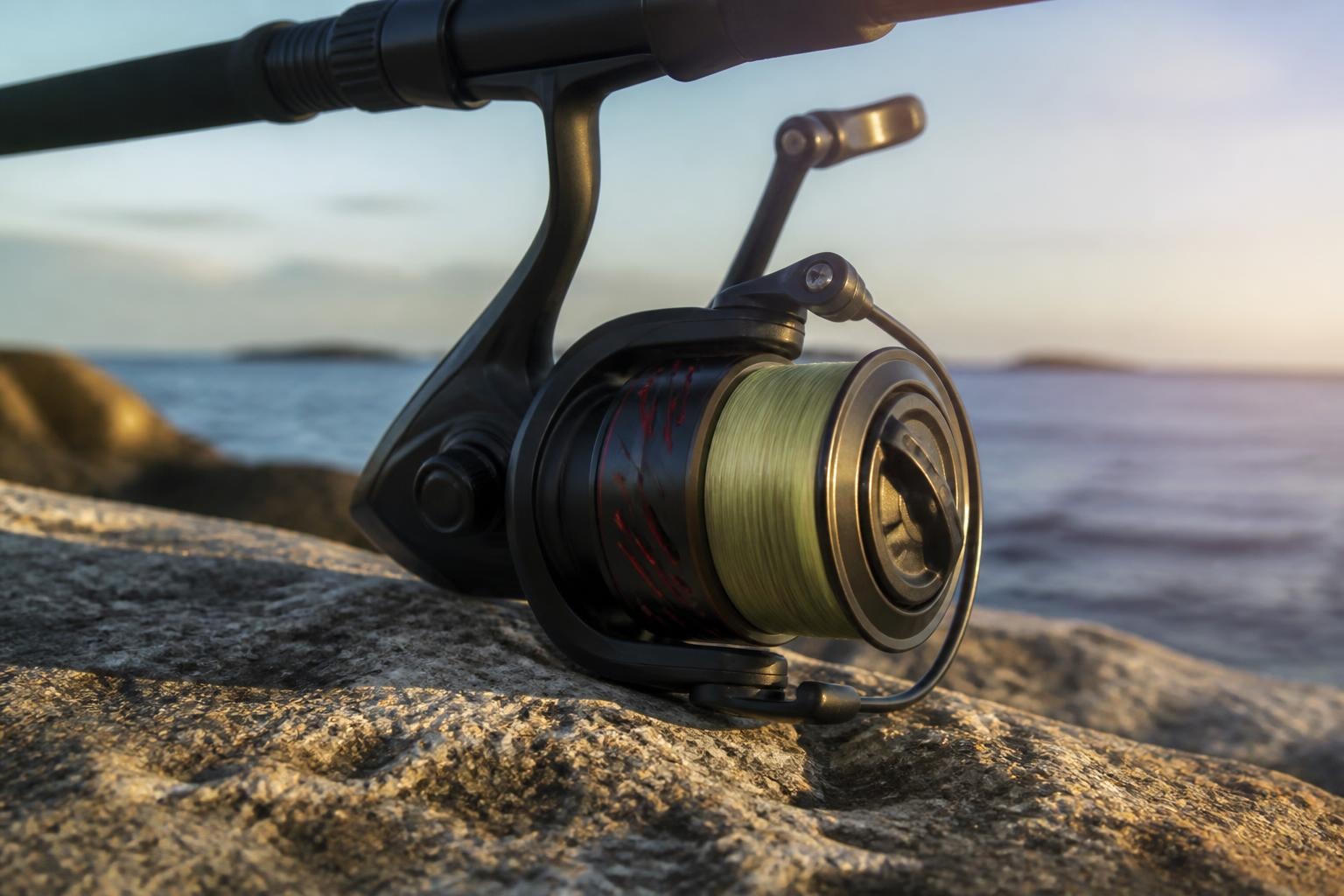
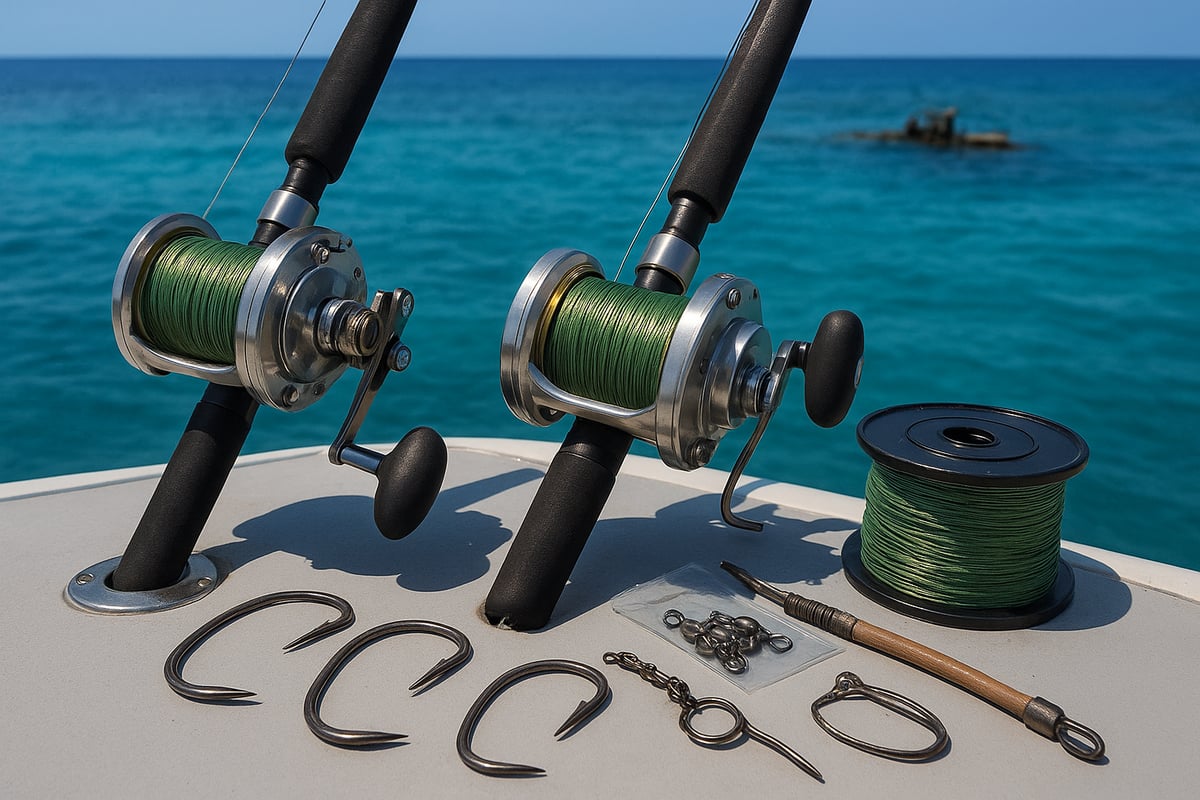
When it comes to grouper fishing, your rod and reel need to be as tough as the fish you’re chasing. Medium-heavy rods and 4000+ spinning reels are solid for smaller groupers, while heavy-action rods paired with reels rated for 300 lb line are what you want for monsters like Goliath Grouper.
Line choice is just as important. Most anglers run 40-80 lb braid for strength and sensitivity, with leaders ranging from 50 to 300 lb depending on the target. Circle hooks are the go-to, starting at 4/0 for smaller fish and 10/0 or larger for the big boys. Barrel swivels help prevent line twist, especially when using live bait.
Looking for more advice on dialing in your setup? Check out these Expert fishing gear tips for the latest recommendations on rods, reels, and all things grouper fishing.
Terminal Tackle & Accessories
Grouper fishing demands terminal tackle that can handle punishing runs and sharp structure. Sinkers are a must—pick weight based on depth and current. Fluorocarbon leader material stands up to abrasion from rocks and wrecks.
Don’t forget:
- Swivels and snaps for quick rig changes
- Circle and J-hooks sized to your bait and target
- Gloves and a gaff for landing big fish safely
If you’re deep-dropping for Snowy Grouper at 800 feet, electric reels can be a game changer. Always match your tackle to the size and species you’re after.
Electronics & Navigation Tools
Finding grouper means finding structure. Modern sonar and fish finders are essential for locating reefs, wrecks, and ledges. GPS anchor systems, like the Rhodan 36-volt, let you hold position over productive spots without dropping a traditional anchor.
Don’t skimp on:
- Marine charts and mobile apps for planning
- Safety gear like VHF radios, EPIRBs, and life jackets
These tools not only boost your grouper fishing success but also keep your trip safe and efficient.
Gear Maintenance & Preparation
A little prep goes a long way in grouper fishing. Before every trip, inspect and replace lines and leaders that show wear. Saltwater can be brutal on gear, so rinse reels and rods thoroughly after each outing to prevent corrosion.
Quick checklist:
- Double-check tackle, bait, electronics, and safety gear
- Keep hooks sharp and knots tight
- Store everything dry and organized
Staying on top of maintenance means less time fixing problems on the water and more time battling trophy fish.
Bait Selection: What Grouper Can’t Resist
Choosing the right bait is the secret sauce in grouper fishing. Grouper are smart, powerful, and sometimes picky, so bait selection can mean the difference between a legendary catch and heading home empty-handed. Let’s break down what really gets grouper biting, whether you’re using live bait, cut bait, or artificial lures.
Live Bait Choices
When it comes to grouper fishing, live bait is often the top pick. Grouper love the movement and scent of live pinfish, mullet, ladyfish, threadfin, needlefish, shrimp, squid, and crabs. These baits trigger aggressive strikes, especially when dropped right beside reef edges or wrecks.
Rigging live bait is simple but important. Use a strong circle hook through the nose or back of the bait to keep it lively. Drop it near structure and let the bait swim naturally. Pinfish and mullet are favorites for big grouper, but don’t overlook shrimp or squid for inshore juveniles. Remember, local rules may impact your bait choices, so it’s smart to check FWC’s Grouper Regulations Overview if you’re fishing Florida waters.
Dead, Cut, and Artificial Baits
Dead and cut bait are go-to options for bottom fishing, and they work wonders in grouper fishing. Sardines, squid, mullet, and ladyfish make great choices, sending out strong scents that lure grouper from their hiding spots. Simply thread the bait onto a sturdy hook and drop it to the bottom near structure.
Artificial lures can also be effective, especially when natural bait is hard to find. Try jig heads, soft plastics, jerk baits, or deep-diving plugs. Match the color and size of your lure to what local grouper are eating. The main advantage of artificials is convenience and less mess, but live bait usually brings more consistent results.
Adapting to Grouper Feeding Behavior
Grouper can be surprisingly finicky. If the bites slow down, don’t be afraid to switch from live to cut bait or try a different lure. Watch for seasonal changes in baitfish—what works in spring might not work in winter. For the best grouper fishing results, stay flexible and pay attention to what’s working for other anglers nearby.
Grouper Fishing Regulations & Conservation in 2026
Staying on top of grouper fishing regulations is crucial if you want to keep your trips legal and sustainable. Whether you’re new to the sport or a seasoned pro, understanding the rules helps protect these prized fish for future generations.
Licensing & Legal Requirements
Before you cast a line for grouper fishing, make sure you have a valid fishing license. Most states require anglers to carry a license, and you can usually choose between daily, weekly, or annual options to fit your plans.
Licenses are available online or at local tackle shops, making the process quick and easy. Fishing without a license can lead to hefty fines or even the loss of gear. Always double-check that your license covers saltwater fishing and keep it on hand during every trip.
Species-Specific Rules & Seasons
Every region sets unique grouper fishing rules to keep populations healthy. Many popular species have strict harvest bans, size minimums, and daily bag limits. For example, the Gulf Council has set new guidelines for gag grouper—review the Gulf Council’s 2026 Gag Grouper Catch Limits to stay informed on the latest changes.
In Texas, knowing the Texas Grouper Bag & Length Limits is essential, since they differ by species and season. Many places close grouper fishing during spawning months to protect breeding fish. Always check local regulations before heading out, as rules can change yearly.
Responsible Grouper Fishing Practices
Practicing responsible grouper fishing goes beyond following the law. Use circle hooks to reduce deep hooking, release protected species carefully, and report your catches for research when possible.
By making smart choices on the water, you help ensure grouper fishing remains rewarding for everyone.
Now that you’ve got the scoop on grouper species, the best gear, and proven tactics for landing these hard-fighting fish, you might be itching to put your new skills to the test. I get it—there’s nothing like the thrill of finding a perfect spot and feeling that first big tug on your line. If you’re ready to plan your next adventure or want to discover new waters close to home, check out Find Spots for a full directory of fishing locations, complete with GPS details and local tips. Let’s make your next grouper trip the best one yet!