Chasing king mackerel in 2026 is more than just fishing, it’s an adrenaline rush that keeps anglers coming back for more. Known for blistering runs and sharp instincts, king mackerel challenge even the most seasoned fishers.
This guide is packed with expert, practical tips to help you land more king mackerel this year. We’ll cover everything from understanding their biology and seasonal migrations to the best gear, top fishing spots, up-to-date regulations, and cutting edge tactics.
Ready to boost your catch rate and enjoy every moment on the water? Dive in and put these pro tips to the test.
Understanding King Mackerel: Species Profile
Physical Characteristics and Identification
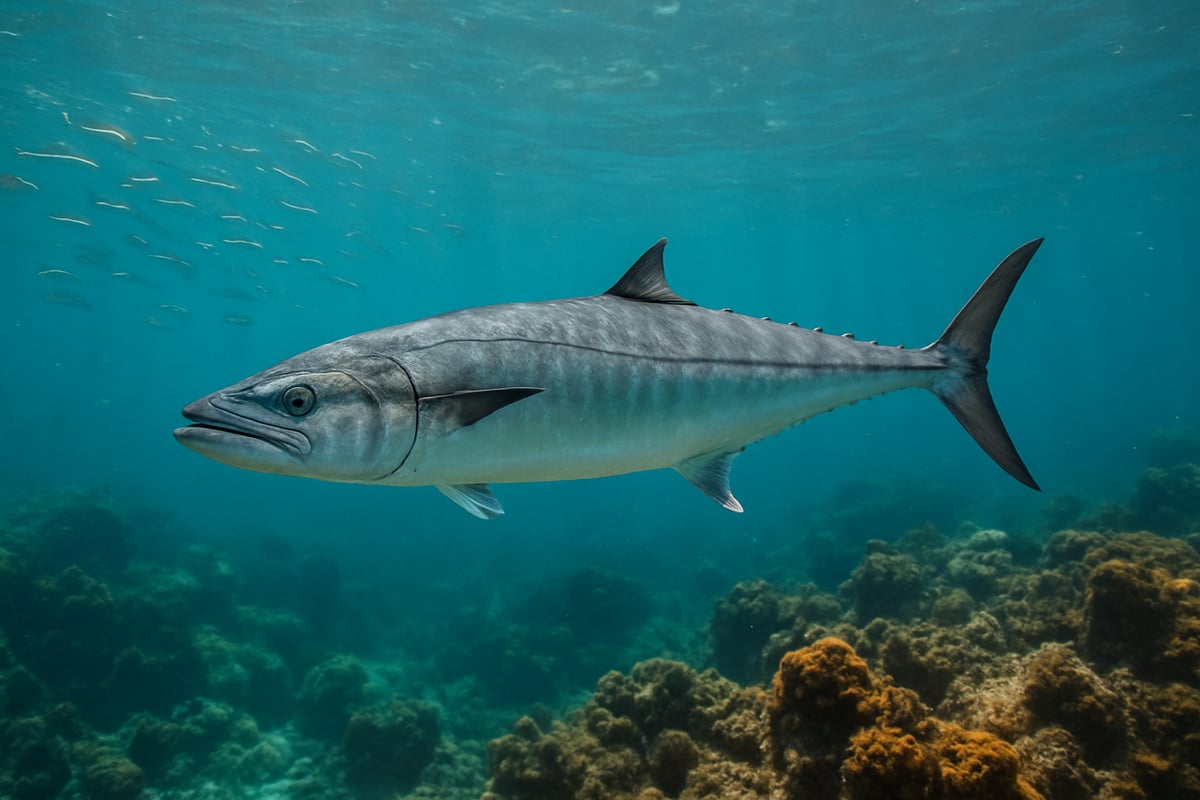
King mackerel are sleek, powerful fish known for their torpedo-shaped bodies and razor-sharp teeth. Typically, they range from 10 to 30 pounds, though giants exceeding 90 pounds have been recorded. Their coloration features a silvery body with a faint greenish-blue back and a white belly.
What sets king mackerel apart from similar species like Spanish mackerel? Look for a pronounced lateral line that dips sharply under the second dorsal fin, a sharply forked tail, and fewer spots along the flanks. The jawline is strong, with large, triangular teeth designed for tearing into baitfish. Males and females look quite similar, but older females often grow larger. Notable catches, like the record-breaking 93-pounder, showcase just how massive a king mackerel can get. For more details on their unique features, check out the King Mackerel Species Profile.
Distribution and Habitat
The king mackerel’s range stretches across the western Atlantic, Gulf of Mexico, and Caribbean Sea. You’ll often find them cruising coastal waters, hanging out near reefs, shipwrecks, and offshore structures. These fish prefer depths between 40 and 150 feet, where baitfish are plentiful.
Seasonal migrations are a hallmark of the king mackerel lifestyle. In spring, they head north along the Atlantic coast, while fall sees them returning south to warmer waters. Regional abundance can shift year to year, with climate change nudging some populations farther north. Recent migration studies reveal that water temperature and bait availability play big roles in determining where these fish show up each season.
Feeding Habits and Behavior
As classic predators, king mackerel thrive on a diet of menhaden, sardines, and squid. They hunt in packs, using bursts of speed to ambush schools of baitfish. Early morning and evening are prime times for feeding, with frenzies breaking out when bait is thick.
Their aggressive strikes are legendary, making every hookup a heart-pounding experience. Anglers notice that live bait, especially oily fish, often triggers more bites. Because king mackerel feed so aggressively, matching your bait choices to their preferences can dramatically improve your catch rates. Observing their hunting behavior, especially during feeding frenzies, gives valuable clues for planning your next trip.
Seasonal Patterns and Migration in 2026
When it comes to chasing king mackerel, timing and location are everything. Understanding their seasonal patterns and migration in 2026 will help you plan trips that put you right in the action. Let’s break down how these fish move, when to target them, and what’s changing as the climate shifts.
Annual Migration Routes
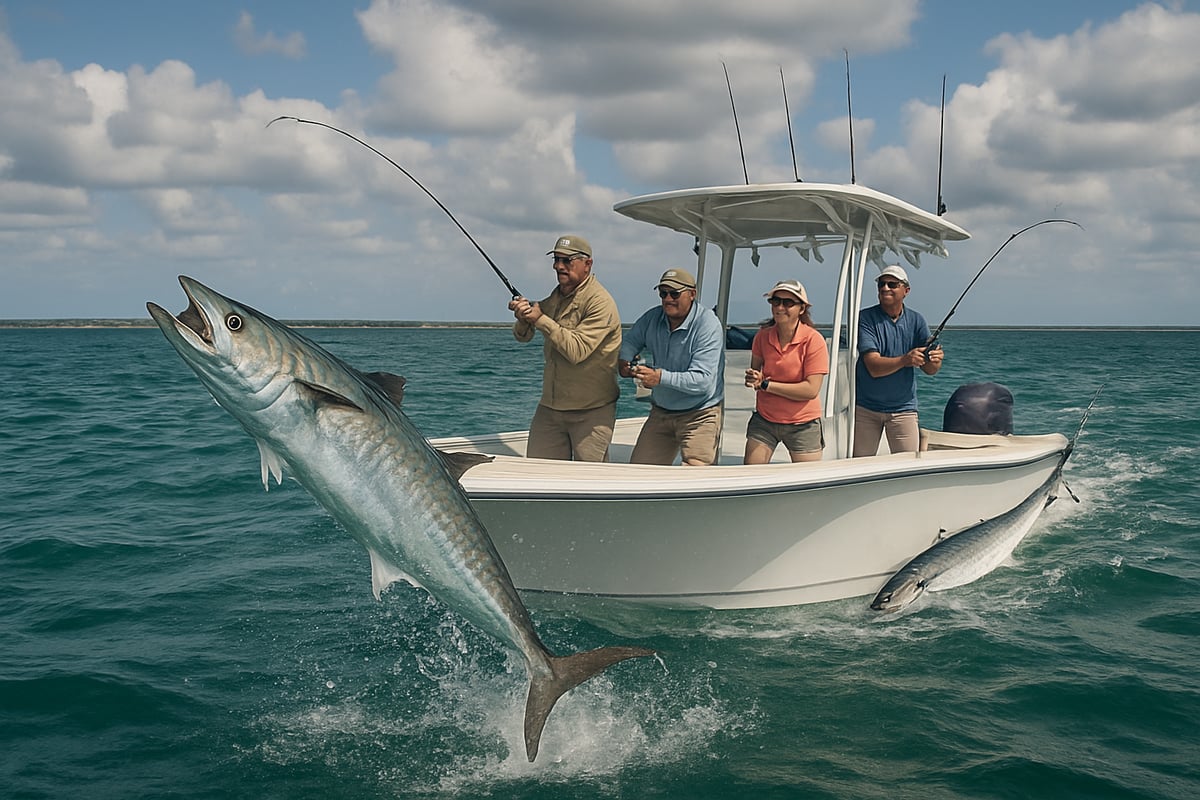
King mackerel are true travelers of the ocean, known for their epic north-south migrations along the Atlantic and Gulf coasts. Each year, they head north in spring, following warming water and schools of baitfish. In the fall, they reverse course, moving south as temperatures drop.
Key migration corridors include the Atlantic coastline from Florida up to the Carolinas, and the Gulf of Mexico from Texas to Florida. Triggers like water temperature (usually 68–78°F) and baitfish presence set these migrations in motion. Tagging studies, such as those detailed in the King Mackerel Migration Patterns, show some fish travel hundreds of miles in a season.
Recently, shifts in migration timing have been observed, likely tied to environmental changes. Anglers who study these patterns are the ones who find themselves in the right place at the right time for king mackerel action.
Best Times of Year to Target King Mackerel
To maximize your chances, focus on the peak seasons for king mackerel in your area. Along the Atlantic coast, spring and early summer are prime, especially from April through July. The Gulf of Mexico sees its best runs in the fall, from September to November, when water cools and baitfish gather offshore.
Monthly hot spots include the Outer Banks in May and June, the Florida Panhandle in October, and the Texas coast in late fall. Weather patterns like El Niño can shift these windows, sometimes moving runs earlier or later. Shore anglers often catch king mackerel during baitfish blitzes, while offshore boats may find them deeper around reefs.
Keeping tabs on local reports and adjusting with the seasons will help you make the most of king mackerel opportunities.
Impact of Climate and Environmental Changes
Warming ocean waters are already changing the game for king mackerel anglers. Migration routes are stretching farther north, and some traditional hotspots are seeing more or fewer fish than usual. Studies from NOAA indicate that population densities are shifting as water temperatures rise and baitfish move.
Major storms and hurricanes can push king mackerel schools off their usual paths, forcing anglers to adapt quickly. In response, fisheries managers are monitoring these changes and considering updated regulations to protect the resource.
As 2026 approaches, expect continued shifts in migration and feeding. Keeping track of scientific updates and adjusting your tactics will be key to staying ahead of these changes and finding king mackerel where they’re biting.
Regional Hotspots for 2026
Some places always seem to deliver when it comes to king mackerel. For 2026, top destinations include:
- Florida Keys: The Islamorada Hump is legendary for big king mackerel, especially during spring and fall runs.
- Outer Banks, North Carolina: Frying Pan Tower area offshore is a proven hotspot, drawing both local and migratory fish.
- Texas Coast: Consistent catches near jetties and offshore rigs, with peak action in late fall.
Local baitfish runs, water clarity, and current strength all play a role in king mackerel abundance at these spots. Angler reports suggest new areas may emerge as migration patterns shift, so stay alert for fresh intel to find the next big bite.
Essential Gear and Tackle for King Mackerel
Chasing king mackerel is a test of both skill and preparation. The right gear can mean the difference between landing a trophy and watching it vanish in a blur of silver. Let’s break down what you need to be ready for these fast, toothy predators.
Rods, Reels, and Line Selection
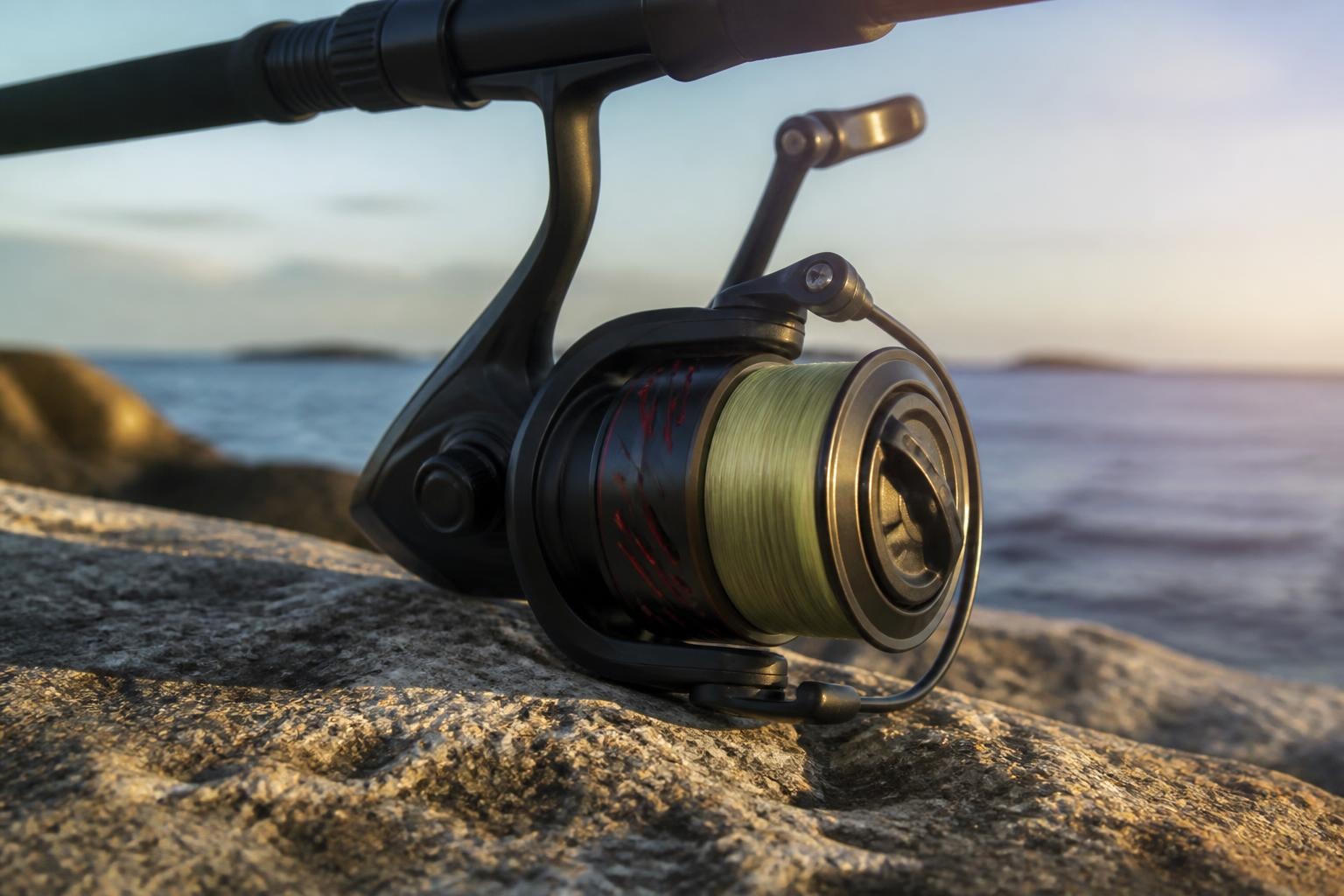
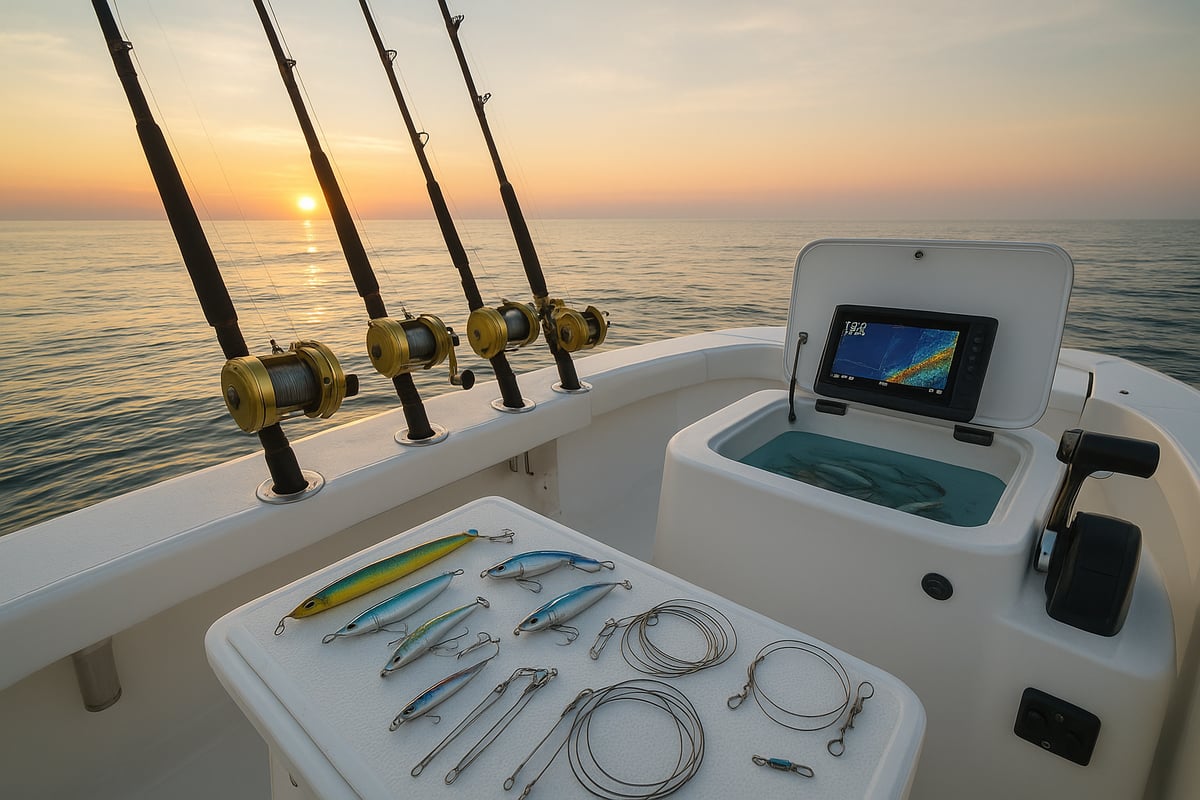
When it comes to king mackerel, your rod and reel need to handle speed and power. Most anglers prefer rods between 6.5 to 7.5 feet, with medium-heavy action for solid backbone and enough flex to absorb sudden runs. Pair that with a quality spinning or conventional reel that offers smooth, reliable drag and holds plenty of line.
For line, 20 to 40 pound monofilament or braid is the standard. King mackerel have razor-sharp teeth, so a wire leader—18 to 36 inches long—is essential. Many pros trust brands like Shimano, Penn, and Daiwa for reels, and Ugly Stik or St. Croix for rods. A solid setup keeps you in the fight when a king mackerel makes its blistering first run.
Terminal Tackle and Lure Choices
Terminal tackle for king mackerel starts with sharp, strong hooks—think 2/0 to 4/0. Stinger rigs, which add a trailing treble hook, help catch those short-striking fish. Swivels and snap swivels prevent line twist, especially when trolling.
Natural baits like menhaden or blue runners are classic choices, but artificial lures—spoons, plugs, and jigs—produce too. Silver, green, and blue colors mimic baitfish. For trolling, spoons and hard baits excel, while casting jigs works when fish are visible near the surface. New lure tech in 2026 offers better flash and vibration. If you want more expert advice on lure rigs and advanced methods, check out these King Mackerel Fishing Techniques.
Electronics and Boat Setup
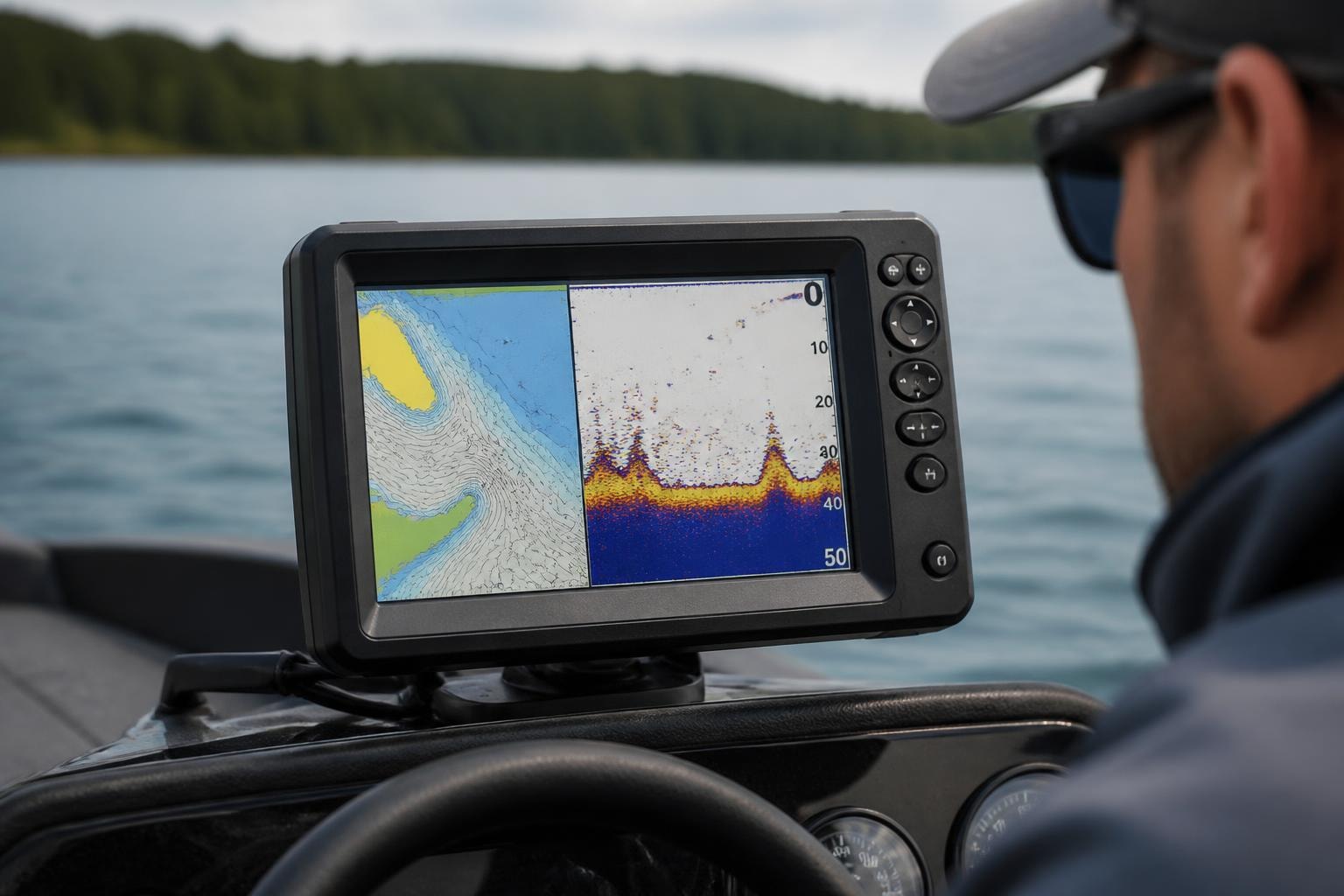
Electronics are a game changer for king mackerel fishing. A reliable fish finder helps spot bait schools and track depth changes where kings patrol. GPS units allow you to mark productive spots and follow migration corridors.
Outriggers, downriggers, and planer boards spread your lines and help reach different depths. Boats set up for trolling need rod holders, a spacious deck, and a good livewell for keeping bait healthy. Safety gear—like life jackets, EPIRBs, and radios—is a must, especially offshore. Advances in marine electronics for 2026 make it easier than ever to stay on top of king mackerel action.
Pro Tips for Gear Maintenance and Prep
Keep your gear in top shape to avoid heartbreak on the water. Rinse rods and reels with fresh water after every trip, and check wire leaders for kinks or rust. Sharpen hooks before you head out.
A quick pre-trip inspection—checking drags, knots, and connections—can prevent most failures. Store tackle in organized boxes to save time when action heats up. Reliable gear means more time battling king mackerel and less time fixing problems.
Proven Techniques and Strategies for Success
Ready to up your king mackerel game in 2026? Whether you’re a weekend warrior or a tournament regular, mastering the right techniques is key. Let’s break down the proven methods that consistently put king mackerel in the boat, from trolling and live bait to casting and advanced tactics. Each approach has its own flavor, and with the right tweaks, you’ll see your catch rates soar.
Trolling: Methods and Best Practices
Trolling is the king mackerel staple, and for good reason. Most anglers find success running lines at 4 to 7 knots, adjusting speed for water clarity and bait presence. Use planers, downriggers, or outriggers to spread out lines and cover more water.
- Stinger rigs with wire leaders prevent bite-offs from sharp teeth.
- Spoons, plugs, and skirted baits are top lure choices.
- Vary lure depths to target different parts of the water column.
Keep an eye on your electronics to mark bait schools or king mackerel arches. Multi-line setups increase odds, but keep lines spaced to avoid tangles. Tournament pros often switch up trolling patterns when fish get wary.
Live Bait Fishing
Live baiting is a classic for targeting big king mackerel. Favorite baits include menhaden, blue runners, and mullet. Rig these on a wire stinger rig to handle their aggressive strikes and sharp teeth.
- Slow trolling or drifting with live bait is highly effective.
- Use a light drag to allow natural movement.
- Keep bait lively by using a well-aerated livewell.
Detecting subtle bites is crucial. Watch the rod tip and feel for taps. Gather live bait locally or purchase from trusted sources for best results. Many legendary king mackerel catches start with a fresh, frisky bait.
Casting and Jigging Techniques
When king mackerel are busting bait on the surface, casting and jigging can be explosive. Topwater plugs, metal jigs, and large spoons are all productive. Cast to visible fish or slicks and work lures with a steady or erratic retrieve.
- Use fast retrieves for reaction strikes.
- Switch to subsurface lures when fish are deeper.
- Light tackle ups the excitement and challenge.
Look for feeding birds or bait showers as clues. From piers, jetties, or boats, casting lets anglers cover active zones quickly. Many king mackerel anglers prefer this hands-on approach for the sheer adrenaline rush.
Advanced Tactics for Experienced Anglers
Ready to go beyond the basics? Try chumming or chunking to draw king mackerel close and keep them fired up. Use stealthy approaches, like fluorocarbon leaders in ultra-clear water, to fool pressured fish.
- Target trophy-sized fish with large live baits.
- Adapt tactics to wind, current, and boat traffic.
- Study tournament results for new technique trends.
Stay flexible and experiment with lure colors or rig variations. In 2026, innovative anglers are blending old-school strategies with new tech for even better results. Fine-tuning your king mackerel approach keeps the game fresh and rewarding.
Regulations, Conservation, and Safety in 2026
Fishing for king mackerel is a blast, but it comes with a few rules and responsibilities. Knowing the latest regulations, understanding conservation efforts, and following smart safety tips will keep your trips fun, legal, and safe. Let’s break it down for 2026.
Current Regulations and Size Limits
Before you chase your next king mackerel, make sure you’re up to date on the latest rules. Federal and state agencies set size and bag limits to protect stocks. For 2026, most regions require a minimum fork length (often 24 inches), with daily bag limits ranging from two to three fish per angler, depending on location. Always check if permits or licenses are needed, especially for offshore trips.
Regulations can shift from year to year. In some states, new rules address population changes and climate impacts. Violating king mackerel limits can mean stiff penalties, so it’s smart to double-check before every trip. For the most current details, see the King Mackerel Fishing Regulations. Staying informed keeps both you and the fishery in good shape.
Conservation Efforts and Sustainability
King mackerel play a key role in healthy coastal ecosystems and local economies. Overfishing used to be a big concern, but recent conservation programs have helped stabilize populations. Scientific tagging, catch-and-release efforts, and tighter regulations all make a difference. Anglers can help by releasing small or spawning fish, using circle hooks, and reporting tagged catches.
Sustainable king mackerel fishing means thinking about the future. Support research, follow bag limits, and handle every fish with care. These small steps keep the fishery strong for years to come. Conservation is a group effort, and every angler counts.
Safety Tips for Offshore and Inshore Angling
Targeting king mackerel often means heading into big water, so safety should always come first. Check weather forecasts before leaving the dock, and pack essential gear like life jackets, VHF radios, flares, and first-aid kits. Always tell someone your float plan.
Handling king mackerel can be tricky, thanks to their sharp teeth and powerful runs. Use gloves and sturdy tools to avoid bites and injuries. Watch for sudden storms, strong currents, and boat traffic, especially in busy king mackerel hotspots. Smart planning and good habits mean every trip ends with great stories instead of close calls.
Finding the Best King Mackerel Fishing Spots
Finding the best king mackerel fishing spots can feel like a mix of detective work and local know-how. With so many variables, knowing where to start makes all the difference. Let’s break down how to pinpoint those productive waters, blend old-school research with new tech, and tap into the best online tools for 2026.
How to Research and Select Productive Locations
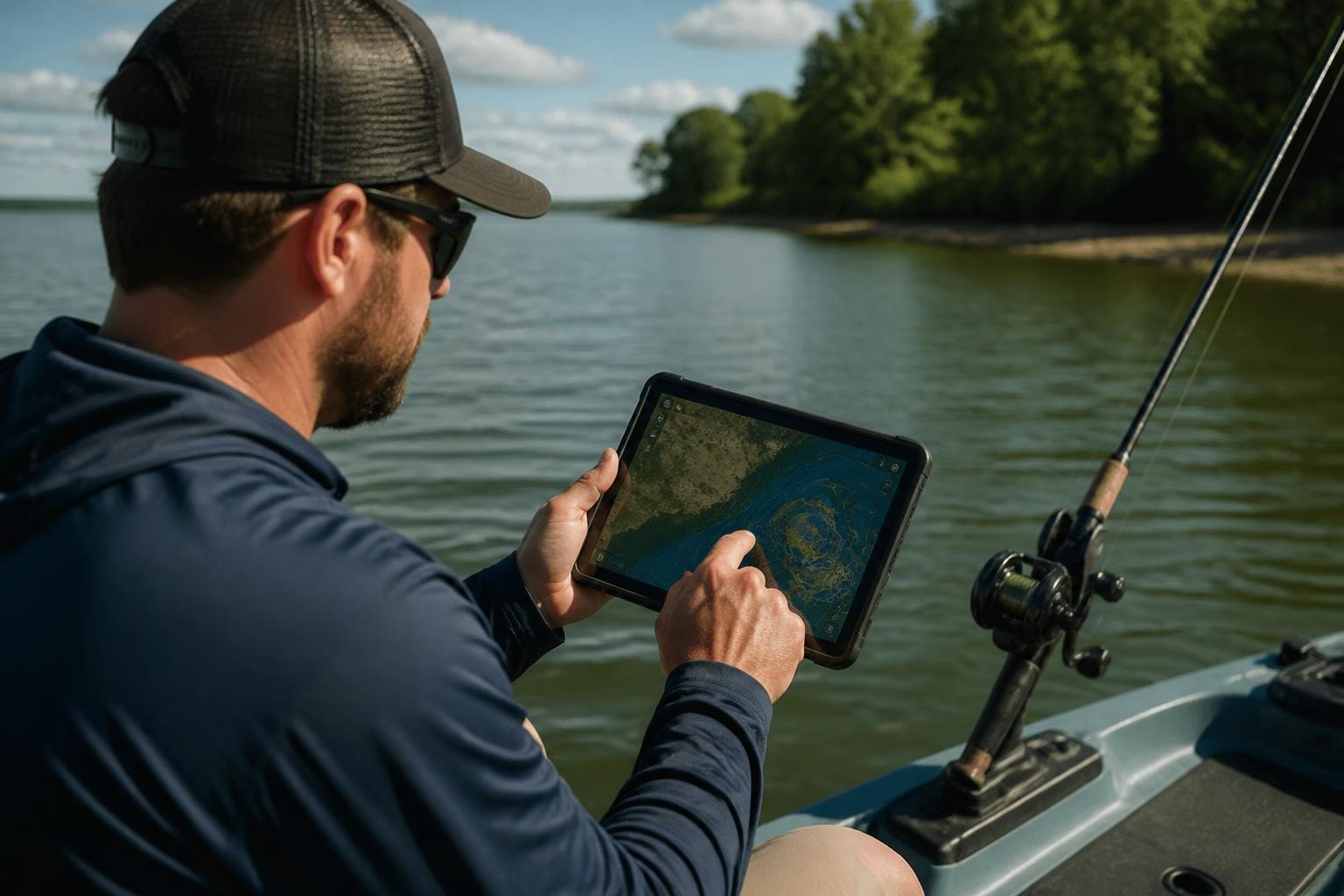
Start by studying nautical charts and satellite maps to spot prime king mackerel habitats. Look for underwater features like reefs, ledges, and drop-offs, since these attract baitfish and, in turn, hungry king mackerel.
Pay attention to current direction and water clarity. Areas where baitfish gather, such as near inlets or manmade structures, are classic king mackerel magnets. When scouting new areas, spend time watching bird activity and surface disturbances, which often signal feeding fish below.
Local angler reports and conversations at the marina can reveal recent king mackerel hot bites. Keep a fishing log to track patterns, weather, and tides for future trips. The more you observe, the easier it becomes to predict where the action will be.
Leveraging Technology and Community Resources
Technology has revolutionized how we find king mackerel. GPS and mapping apps help you mark productive spots and navigate safely, while fish finders make it easier to locate bait schools and king mackerel lurking nearby.
Online fishing forums and social media groups are goldmines for real-time updates. Follow regional fishing reports to stay on top of king mackerel movements, and don’t be shy about asking seasoned locals for advice. Many are willing to share tips if you show genuine curiosity.
Networking with other anglers can lead to new discoveries and shared success on the water. By combining digital tools and community insights, you’ll stay one step ahead and always have a promising spot to try.
Discover Fishing Spots with FindFishingSpots.com
Want to cut down the guesswork and find king mackerel spots fast? FindFishingSpots.com king mackerel directory is a one-stop resource where you can search by GPS, water type, and access points, making trip planning a breeze.
The platform’s blog features expert king mackerel guides and honest gear reviews, while the user community shares their own favorite locations and tactics. Everything you need to plan a king mackerel trip is right at your fingertips, from detailed spot info to local tips.
For 2026, using a tool like FindFishingSpots.com means less time searching and more time fishing. Give it a try the next time you’re planning a king mackerel adventure and see how much smoother your trip can be.
Now that you’ve got the inside scoop on king mackerel biology, top gear, and the best tactics for 2026, the next step is putting all that knowledge into practice. Whether you’re eyeing classic hotspots like the Florida Keys or want to discover somewhere new, having the right info at your fingertips makes all the difference. I’ve found that planning trips is way easier when you can check out real location details, access info, and even see what other anglers are saying. If you’re ready to map out your next king mackerel adventure, just Find Spots and start exploring.