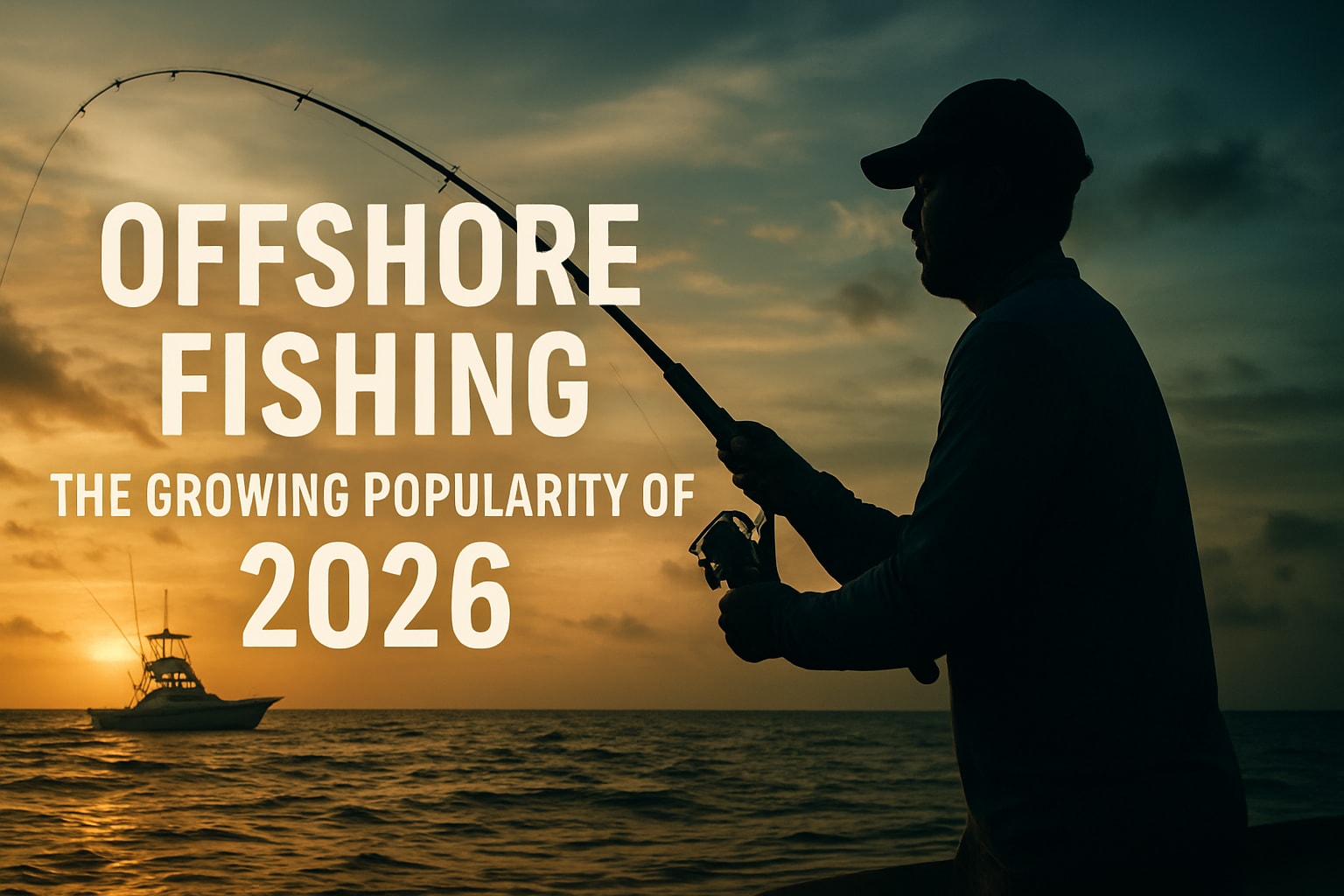
The open ocean is calling, and more anglers than ever are answering in 2026. Offshore fishing is booming, drawing in everyone from seasoned pros to eager beginners chasing the thrill of big water and bigger fish.
Sure, the challenges are real—rough seas, advanced gear, and unpredictable weather. But the rewards? They’re unmatched. This guide dives deep into offshore fishing success, covering must-have gear, top species, cutting-edge tactics, prime locations, safety essentials, up-to-date regulations, and pro tips to help you make every trip count. Ready to reel in adventure? Let’s get started.
Understanding Offshore Fishing in 2026
Offshore fishing is making waves with anglers in 2026, but what exactly sets it apart from other types of fishing? Let’s break down what defines this adventure, why it’s booming, and how the experience stands out in terms of techniques, target species, and the learning curve. Whether you’re gearing up for your first trip or looking to sharpen your skills, understanding the basics is the first step to success.
What Defines Offshore Fishing?
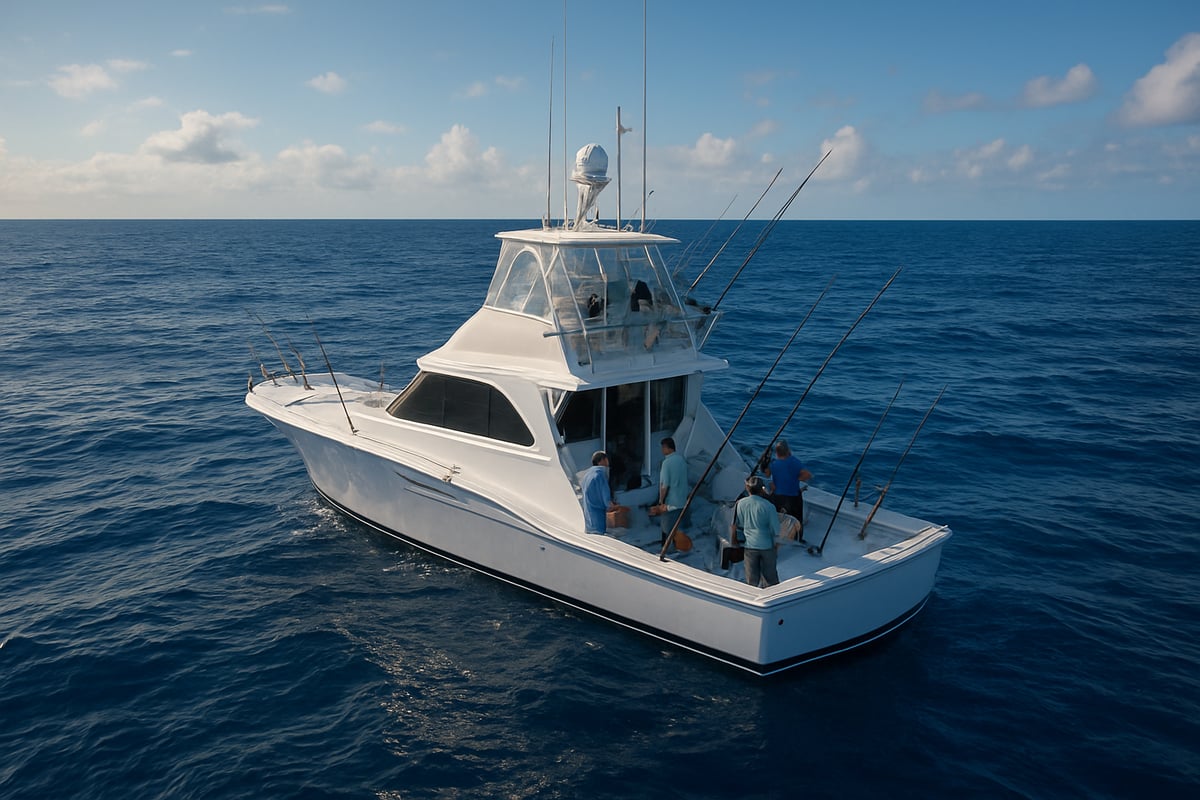
Offshore fishing takes you far beyond the beach, usually several miles from land, into waters at least 30 meters deep. Unlike inshore trips, offshore fishing demands specialized boats that can handle rougher seas, bigger waves, and longer journeys. You’ll often hear “deep-sea” used to mean the same thing, though some think it only covers the deepest parts. Classic offshore environments include places like the Gulf Stream and Pacific canyons, or legendary spots such as Carysfort Trench offshore spot. There’s a common misconception that offshore fishing only targets a handful of species, but changing ocean patterns mean more overlap with inshore species than ever. With 70 percent of the planet covered by ocean, offshore fishing remains one of the last big angling frontiers.
Why Offshore Fishing is Gaining Popularity
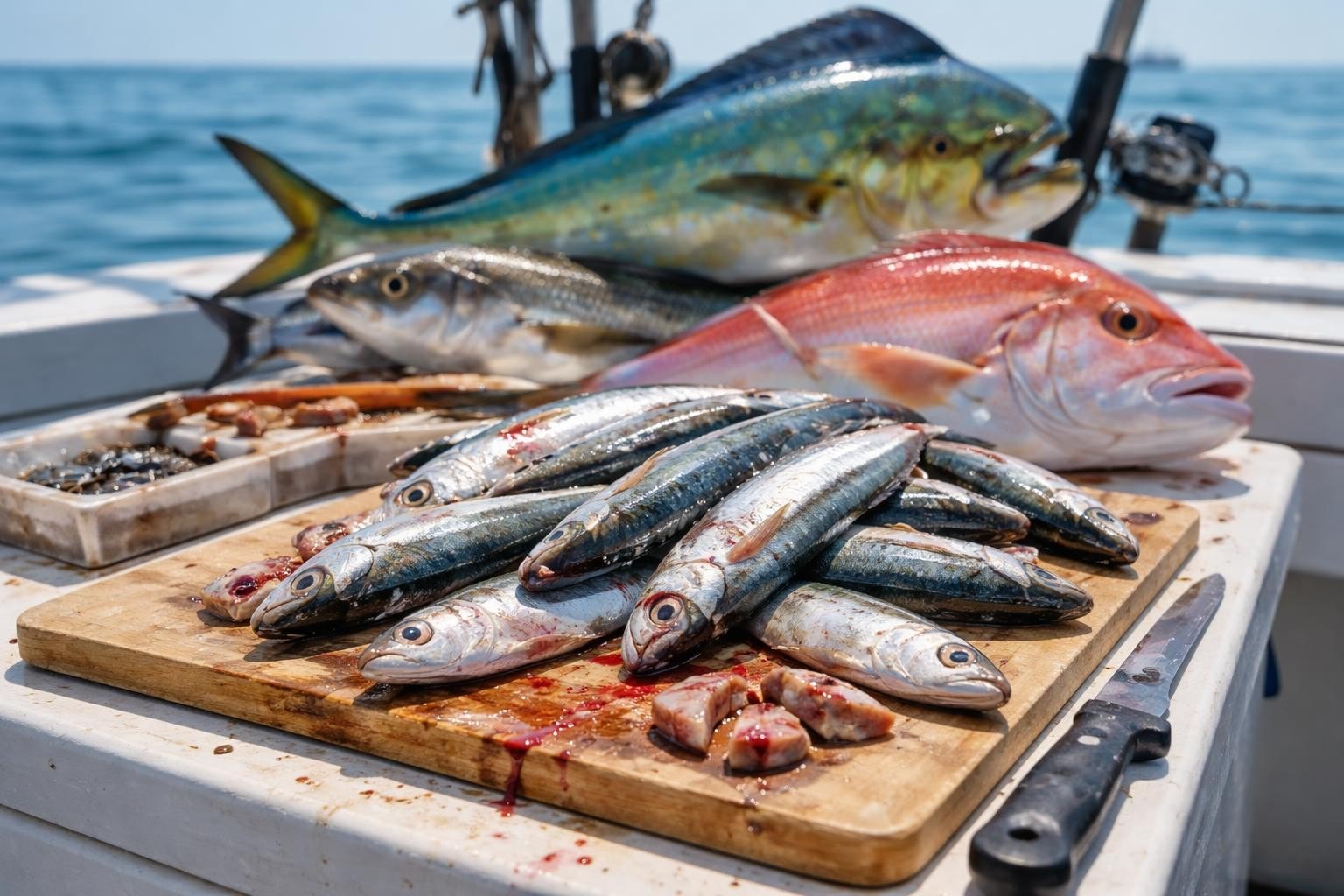
The excitement of chasing big game fish like marlin, tuna, and mahi-mahi draws more anglers offshore every year. Recent data shows offshore fishing charter bookings in the U.S. have spiked heading into 2026, thanks to improved technology and more affordable trips. For many, nothing matches the adventure or the sense of accomplishment that comes with landing a trophy fish in the open sea. Stories from captains and seasoned anglers highlight the thrill and unpredictability of each trip. Social media is also fueling the rise, with viral photos and videos of offshore fishing catches inspiring new anglers to give it a try.
Essential Differences: Techniques, Species, and Experience
Offshore fishing stands apart from inshore not just in location, but in how you fish. Techniques like trolling, bottom fishing, chumming, and vertical jigging are staples offshore, designed to target a wider range and much larger species than you’ll find close to shore. The diversity is wild—from lightning-fast wahoo to hard-fighting tuna—so you need the right gear and know-how. Navigating offshore waters calls for advanced electronics, serious safety prep, and a close eye on the weather. There’s a learning curve, but fishing with experienced captains or mentors can make all the difference. Picture the difference between a quiet day on a bass boat and an all-out offshore fishing adventure on a bluewater sportfisher—the skills, excitement, and rewards are on an entirely different level.
Must-Have Offshore Fishing Gear and Technology
Getting ready for offshore fishing in 2026 means gearing up with the right tools, tech, and safety essentials. The distance from shore and the size of the fish make preparation crucial. Let’s break down what you’ll need for a successful, stress-free day chasing the giants.
Boats and Navigation Equipment
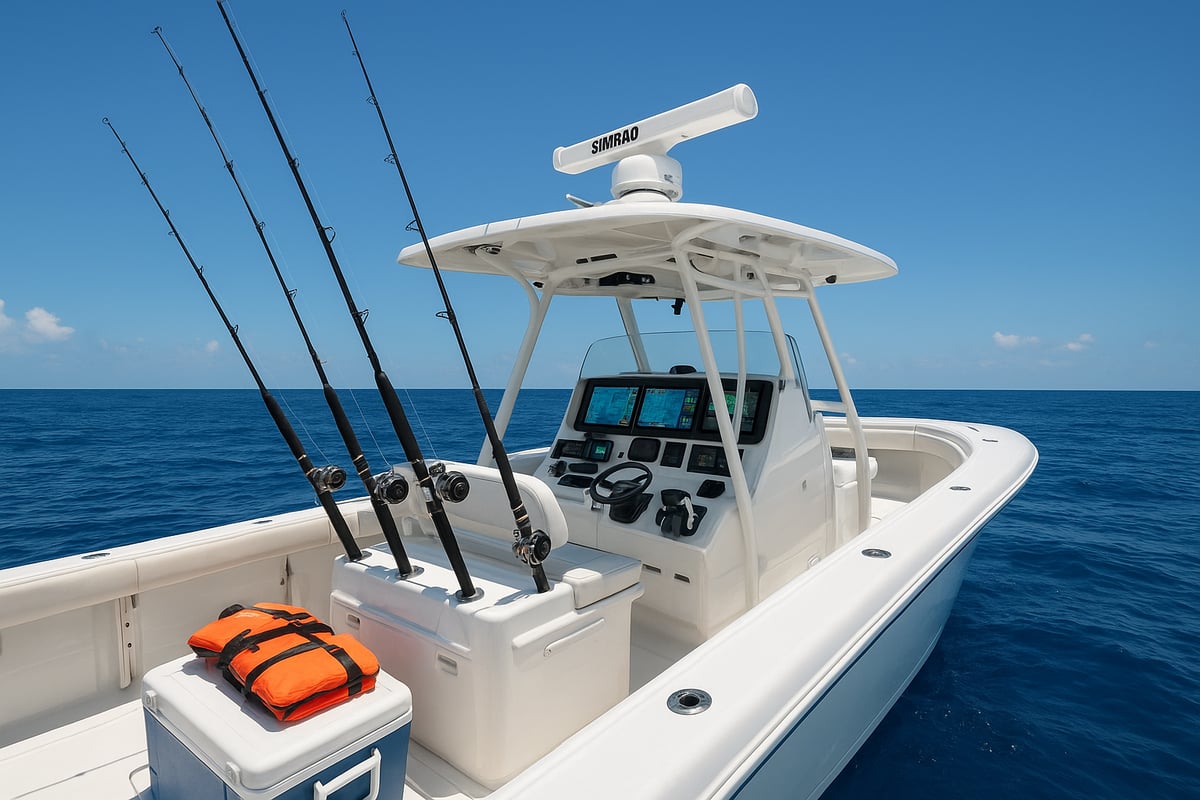
Your boat is the heart of any offshore fishing adventure. Offshore-ready boats feature deep-V hulls for cutting through waves, lengths typically 25 feet or more, and large fuel tanks to cover long distances. Safety features like high railings, non-slip decks, and self-bailing cockpits are a must.
Navigation technology has come a long way. GPS chartplotters, sonar/fish finders, and radar systems help you find reefs, canyons, and fish schools with ease. Many anglers now rely on integrated marine electronics and smartphone apps for real-time mapping and weather updates, making offshore fishing safer and more productive.
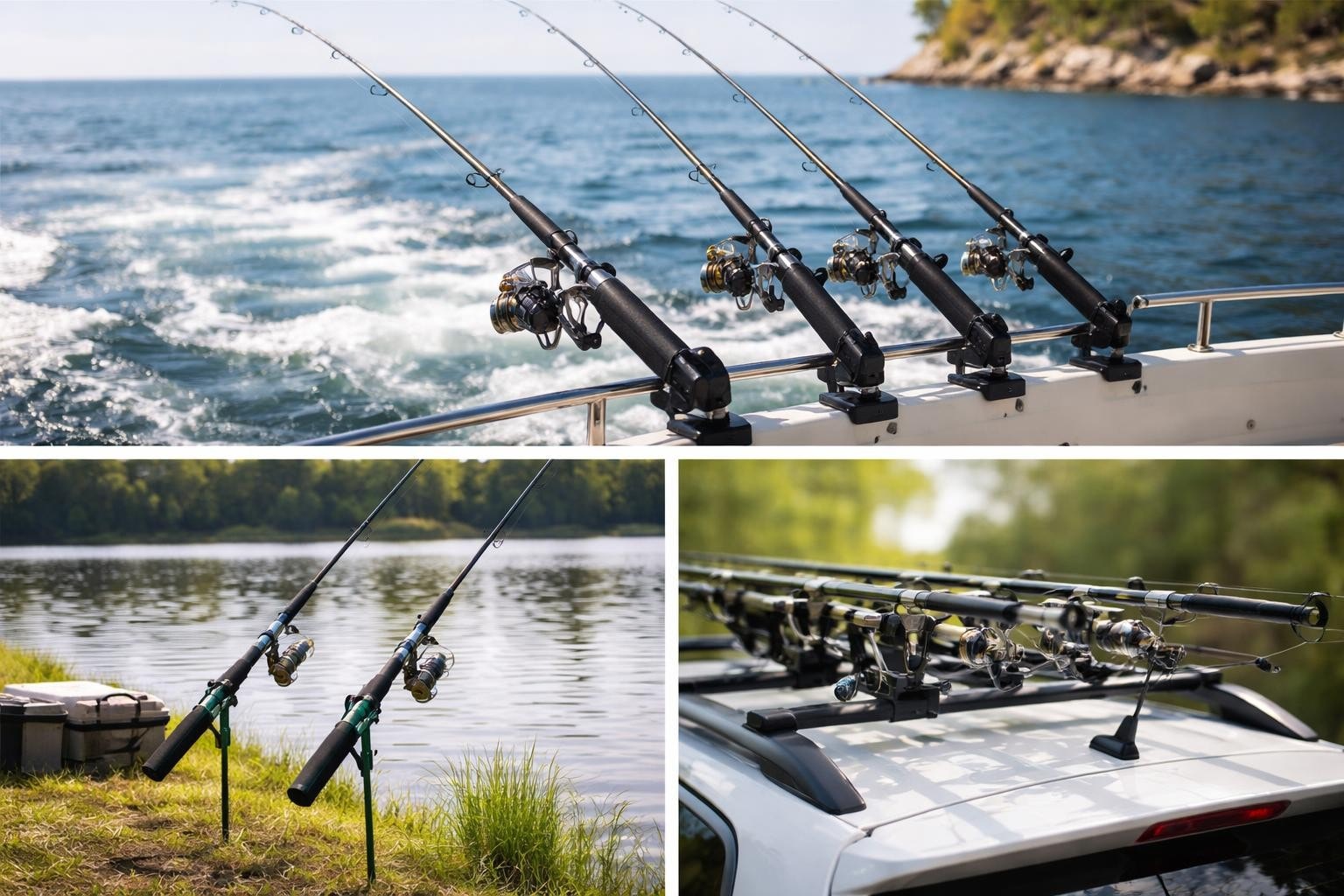
Serious offshore fishing setups include outriggers for trolling, live wells for bait, and backup systems like EPIRBs and VHF radios for emergencies. Upgrades such as anti-fatigue mats and extra storage make long runs more comfortable.
Rods, Reels, and Tackle for Big Game
When it comes to rods and reels, offshore fishing demands heavy-duty gear. Look for stout rods, high-capacity reels, and lines rated for the massive pull of marlin, tuna, or wahoo. Gear matching is key: you’ll want lighter setups for snapper or grouper, but nothing less than a 50-80 lb class outfit for bluewater giants.
Advances in drag systems and corrosion-resistant materials mean reels run smoother and last longer, even in harsh saltwater. Harnesses, fighting chairs, and gaffs are standard for handling big catches. For insight into the latest advancements and what’s hitting the market for 2026, check out Okuma’s 2025/2026 Offshore Gear Innovations.
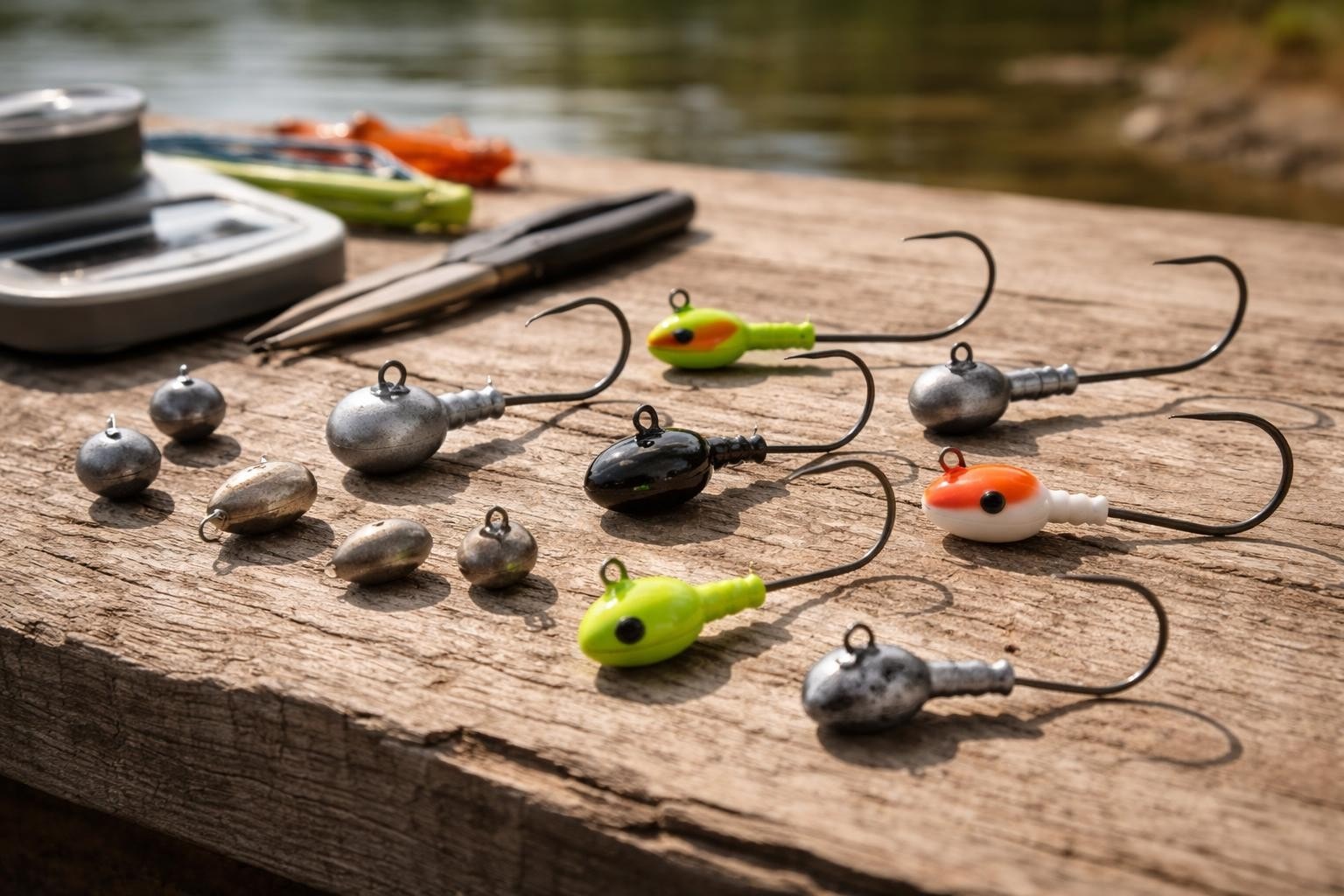
Popular tackle setups for offshore fishing now include fluorocarbon leaders, circle hooks, and upgraded swivels. Make sure your arsenal is ready for anything the open ocean throws your way.
Bait, Lures, and Rigging Innovations
Bait choice can make or break your offshore fishing trip. Live baits like ballyhoo, squid, and mackerel are favorites for most pelagic species. Dead baits are reliable standbys, but artificial lures have become more sophisticated, too.
Trolling plugs, skirted baits, and heavy jigs are top picks for covering water fast. New rigging materials boost hook-up rates and stand up to toothy fish. Teaser rigs and daisy chains help draw fish closer, increasing your chances of a strike.
Practicing knots and rigging techniques at home pays off. The right setup can mean the difference between a trophy catch and a missed opportunity in offshore fishing.
Safety, Comfort, and Emergency Gear
Safety always comes first offshore. Essential gear includes life jackets, first-aid kits, flares, and an emergency beacon. Weather can change fast, so bring a VHF radio and check forecasts before heading out.
To stay comfortable, pack sun protection, marine coolers, and anti-fatigue mats. Always run through a safety checklist and crew briefing before every offshore fishing trip for peace of mind.
Top Offshore Species to Target in 2026
The heart of offshore fishing lies in the chase for legendary fish. Whether you dream of battling a giant marlin or hauling up a cooler of snapper, 2026 is shaping up to be an epic year for anglers. Let’s break down the top species you’ll want on your radar, where to find them, and how to fish responsibly for a sustainable future.
Iconic Game Fish and Where to Find Them
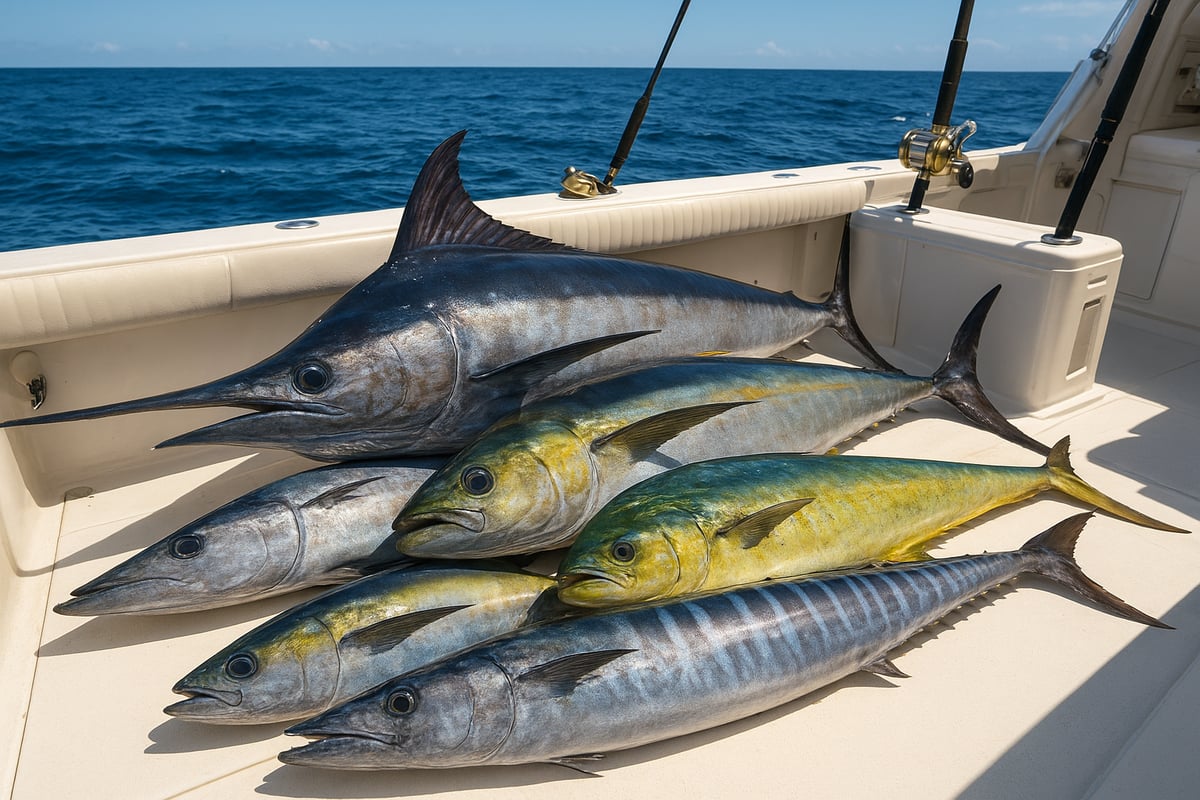
When most folks picture offshore fishing, they imagine chasing giants like blue marlin, sailfish, and yellowfin tuna. These species are the stars of deep bluewater, drawing anglers to places like the Gulf Stream, California’s canyons, and the warm waters off Florida.
- Marlin: Blue, black, and striped marlin are most active in summer and early fall. Florida and the Gulf Coast shine for blue marlin, while black marlin are more common in the Pacific.
- Sailfish: Best known in South Florida and the Caribbean, especially in winter and spring.
- Tuna: Yellowfin and bluefin show up along the East Coast and Gulf, with albacore runs peaking in the Pacific Northwest.
- Mahi-mahi, wahoo, swordfish, and sharks round out the lineup, each with their own seasonal hotspots.
Billfish tournaments and catch-and-release practices are growing, helping protect these icons for future offshore fishing adventures.
Reef and Structure-Related Species
Not all offshore fishing happens over open water. Drop your line near reefs or wrecks, and you’ll find bruisers like amberjack, grouper, snapper, barracuda, and triggerfish.
Structure attracts bait and big predators alike. Look for rocky outcrops or shipwrecks using your fish finder. Bottom fishing with live or cut bait is the go-to method for these tough fighters.
Pelagic Superstars: Tuna, Marlin, and Sailfish
Few offshore fishing experiences match the thrill of hooking a tuna, marlin, or sailfish. These pelagic predators are fast, powerful, and put on a show with acrobatic leaps or long runs.
Tournaments report record catches every year, drawing anglers from around the world. Besides the adrenaline rush, these fish are prized for their quality on the dinner table.
Bycatch and Unexpected Catches
Offshore fishing is full of surprises. Sharks, cobia, king mackerel, and even big barracuda often show up when you least expect them.
When these unexpected guests bite, be ready to adapt. Sometimes you’ll want to switch to wire leaders for toothy fish like sharks, or change tactics altogether. Experienced anglers know that every trip can bring something new.
Conservation and Responsible Harvesting
With more folks getting into offshore fishing, following regulations is crucial. Pay attention to size and bag limits for each species. Many popular fish, like red snapper and billfish, have strict rules or closed seasons.
Sustainable practices include using circle hooks for catch-and-release, handling fish gently, and releasing protected species quickly. Staying up to date on regulations protects the fishery for everyone.
Regional Spotlight: U.S. Offshore Hotspots
The U.S. is packed with legendary offshore fishing destinations. Florida, the Gulf Coast, California, North Carolina, New Jersey, and Louisiana all offer world-class action. Don’t overlook the Pacific Northwest’s tuna runs or international hotspots like Costa Rica and Panama.
If you want to find more offshore fishing tips and recommended locations, check out this handy Offshore fishing tips and spots resource.
Every region has its specialty—whether it’s sailfish in Florida or yellowfin in Louisiana. Do a little research, and you’ll discover the perfect spot for your next trophy catch.
Proven Offshore Fishing Techniques for 2026
Ready to level up your offshore fishing game in 2026? Let’s break down the most effective techniques, from covering miles of bluewater to fine-tuning your approach when the bite gets tough. Whether you’re a seasoned angler or just starting your offshore journey, these methods will help you hook into trophy fish and make each trip more memorable.
Trolling: Covering Water for Pelagic Giants
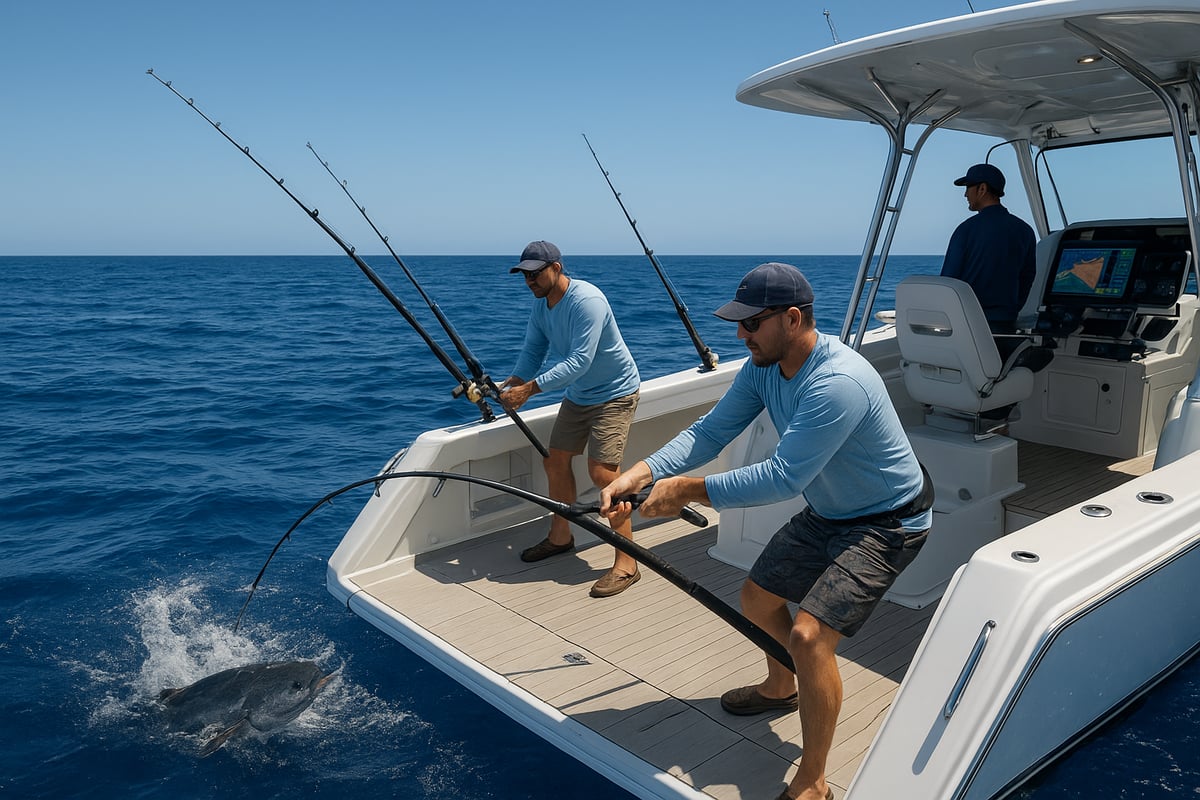
Trolling is the bread and butter of offshore fishing, especially when targeting pelagic species like marlin, tuna, mahi-mahi, and wahoo. By dragging a spread of lures or baits behind the boat at varying speeds, you can cover massive areas and trigger reaction strikes from fast-moving fish.
Advancements in outriggers, planer boards, and downriggers allow you to present baits at different depths, increasing your chances. Many serious anglers now use fish finders to locate underwater canyons and temperature breaks where predators gather. The Costa Offshore World Championship 2026 showcases some of the world’s best trolling tactics and innovations each year.
Try mixing up your lure selection and speed based on the target species, and don’t be afraid to experiment with color or size until you find what works. Remember, patience and constant adjustment are key to successful offshore fishing when trolling.
Bottom Fishing and Vertical Jigging
When you’re after reef dwellers like snapper, grouper, or amberjack, bottom fishing and vertical jigging are go-to offshore fishing techniques. Drop your bait or jig straight down to structure, and let the motion of the boat or your rod action entice a bite.
Electric reels and deep-drop rigs have made fishing in 400+ feet of water easier than ever. Use heavy sinkers to hold bottom, and always check your bait for freshness. Many anglers prefer vertical jigs for their ability to mimic wounded prey, attracting big strikes from lurking predators.
Keep your tackle organized and ready, because the action can be fast and furious once you’re on the fish.
Drift Fishing and Chumming
Drift fishing lets you present baits naturally as your boat moves with the current, a classic offshore fishing method for tuna, sharks, and snapper. Chumming—tossing chopped bait into the water—creates a scent trail that draws fish right to your spread.
To maximize your drift, watch your speed and direction. Use a sea anchor if you need to slow your boat. Position your baits at various depths to cover more of the water column and increase your odds of success.
Chumming requires patience, but the payoff can be huge when predators show up in force.
Casting and Surface Action
Sometimes, the hottest offshore fishing action happens right on the surface. When you spot birds diving or baitfish showering, it’s time to grab a casting rod and fire poppers, swimbaits, or stickbaits into the frenzy.
Casting to visible schools of tuna or mahi-mahi is pure adrenaline. Watch for color changes, slicks, or floating debris—these often signal fish activity. Fast retrieves and erratic lure movements often trigger explosive strikes.
Keep a rigged casting setup ready at all times so you never miss an opportunity when the surface comes alive.
Adapting to Conditions: Weather, Water, and Fish Behavior
The best offshore fishing captains know how to adapt on the fly. Weather, tides, and water clarity all play a role in where fish will be and how they’ll bite. Use your electronics to monitor sea surface temps, track bait schools, and pinpoint structure.
If conditions change—cloud cover rolls in, wind picks up, or the bite slows—don’t hesitate to switch tactics. Sometimes moving spots, changing lure color, or altering speed is all it takes to turn the day around.
Staying flexible and observant is what separates good offshore fishing trips from great ones.
Learning from the Pros: Charter Trips and Mentorship
One of the best ways to accelerate your offshore fishing skills is by fishing with experienced captains and crews. Charter trips give you hands-on exposure to advanced gear, local knowledge, and proven tactics.
Watch how the crew rigs baits, handles fish, and responds to changing conditions. Don’t be shy about asking questions—most pros love sharing tips. Building relationships within the offshore fishing community can lead to new opportunities, valuable mentorship, and more productive days on the water.
Whether you’re booking a trip or joining a tournament, learning from the pros is always a smart move.
Planning Your Offshore Fishing Trip
Getting the most out of your offshore fishing adventure starts with smart planning. Success on the water is no accident—it comes from knowing when to go, where to fish, what to pack, and how to stay safe. Let’s break down exactly how to prepare for a trip that’s both fun and productive.
Choosing the Best Time and Location
Timing is everything in offshore fishing. Each species has its own peak season, often tied to spawning runs or migrations. For example, yellowfin tuna show up in the Gulf during spring, while billfish make their grand entrance off the East Coast in summer.
Do your homework by checking local bite reports, studying weather patterns, and considering moon phases and tidal swings. Historical catch data can help you zero in on the best windows. Wondering where to go? Regions like Florida, the Gulf Coast, and the Pacific Northwest offer legendary offshore fishing opportunities. Researching your target species’ habits will stack the odds in your favor.
Booking Charters vs. DIY Adventures
Deciding between a charter and a DIY trip comes down to your experience, budget, and goals. Charters offer expert captains, top-tier gear, and access to prime fishing grounds—plus, you can learn a ton from the crew. DIY trips give you flexibility and adventure, but require more prep and local knowledge.
Charters continue to grow in popularity, especially for groups and newcomers. If you’re new to offshore fishing, consider starting with a charter to build your skills and confidence.
Licensing, Permits, and Regulations
Before you cast a line, make sure you’re legal. Offshore fishing often requires both state and federal licenses, and sometimes special permits for specific species. Rules can change yearly, so always double-check the latest regulations, including size and bag limits.
For up-to-date information on quotas and species limits, check resources like the NOAA Fisheries 2025-2026 Fishery Specifications. Many charters handle licensing for you, but it’s smart to confirm before heading out.
Packing Checklist: What to Bring
A well-packed bag can make or break your day offshore. Be sure to include:
- Heavy-duty rods and reels
- Tackle box with extra rigs and lures
- Sun-protective clothing and hat
- Polarized sunglasses and sunscreen
- Plenty of water and snacks
- Motion sickness remedies
- Backup electronics and chargers
- All required licenses and ID
Organize your gear the night before to save time and reduce stress on launch day.
Offshore Safety and Emergency Planning
Safety is the backbone of every successful offshore fishing trip. Review emergency protocols with your crew, including man-overboard drills and how to handle sudden weather changes. Always file a float plan and keep communication lines open with someone onshore.
For a thorough pre-trip review, use a deep sea fishing safety checklist to make sure nothing slips through the cracks. Offshore fishing is more rewarding when everyone returns safely, so take the time to prepare.
Expert Tips for Offshore Fishing Success in 2026
When it comes to offshore fishing, a little expert know-how goes a long way. The open ocean rewards those who prep, pay attention, and keep learning. Let’s break down the key habits and pro tips that can make every trip safer, smoother, and way more successful.
Preparation and Practice Make Perfect
Getting ready before you hit the water is essential for offshore fishing. Practice tying knots, rigging baits, and setting up tackle at home. Build a checklist for gear and safety items. Many top captains say preparation is the secret to more hookups, fewer headaches, and a smoother day on the deep blue.
Reading the Water and Finding Fish
Learn to read sonar, follow temperature breaks, and spot bait schools. Watch for birds or surface splashes. Modern apps and satellite data help track fish and conditions in real time. The more you observe, the better you’ll be at predicting where the next bite will come from.
Maximizing Efficiency on the Water
Offshore fishing is all about making the most of your time. Set up multiple rigs in advance for quick changes. Assign tasks so everyone knows their role. Efficient bait management and clear communication help cover more ground, adapt to slow bites, and ensure you never miss a hot bite window.
Staying Safe and Comfortable Offshore
Long trips test your stamina. Stay hydrated, eat well, and use sun protection. Pack seasickness remedies and anti-fatigue mats. Run safety drills with your crew, and always double-check emergency gear. Comfort and safety mean you can focus on fishing, not distractions.
Building Your Offshore Network and Knowledge
Connect with other anglers, join clubs, and swap reports online. Sharing tips and stories builds your skills and opens doors to new adventures. Curious about top spots? Check out the Best offshore fishing locations Florida for inspiration and local insight.
Embracing New Technology and Trends
Stay on top of the latest offshore fishing tech. AI-powered fish finders, smart tackle, and digital logbooks make trips more productive. Try electric reels or remote drones for deep drops. Embracing innovation helps you adapt, learn, and stay ahead of the curve every season.
Ready to take everything you’ve learned about offshore fishing and put it into action? Whether you’re itching to chase a trophy marlin, try out the latest gear, or just find that perfect hidden spot for your next epic trip, the real adventure starts with knowing where to go. I always find it’s half the fun to discover new places and compare notes with fellow anglers. If you’re looking to explore saltwater, freshwater, or even those brackish gems, you can check out detailed spots with GPS info and tips all in one place—just Find Spots. Happy fishing!