If you've ever hooked into a silver streak that put up a surprising fight for its size, chances are you might've caught a blue runner. These underrated game fish are a staple along the Atlantic coast and Gulf of Mexico, and they're perfect for anglers who want consistent action without traveling far offshore. Whether you're fishing from a pier, jetty, or boat, understanding where these fish hang out and how they behave can seriously up your catch rate.
What Makes Blue Runners Worth Targeting
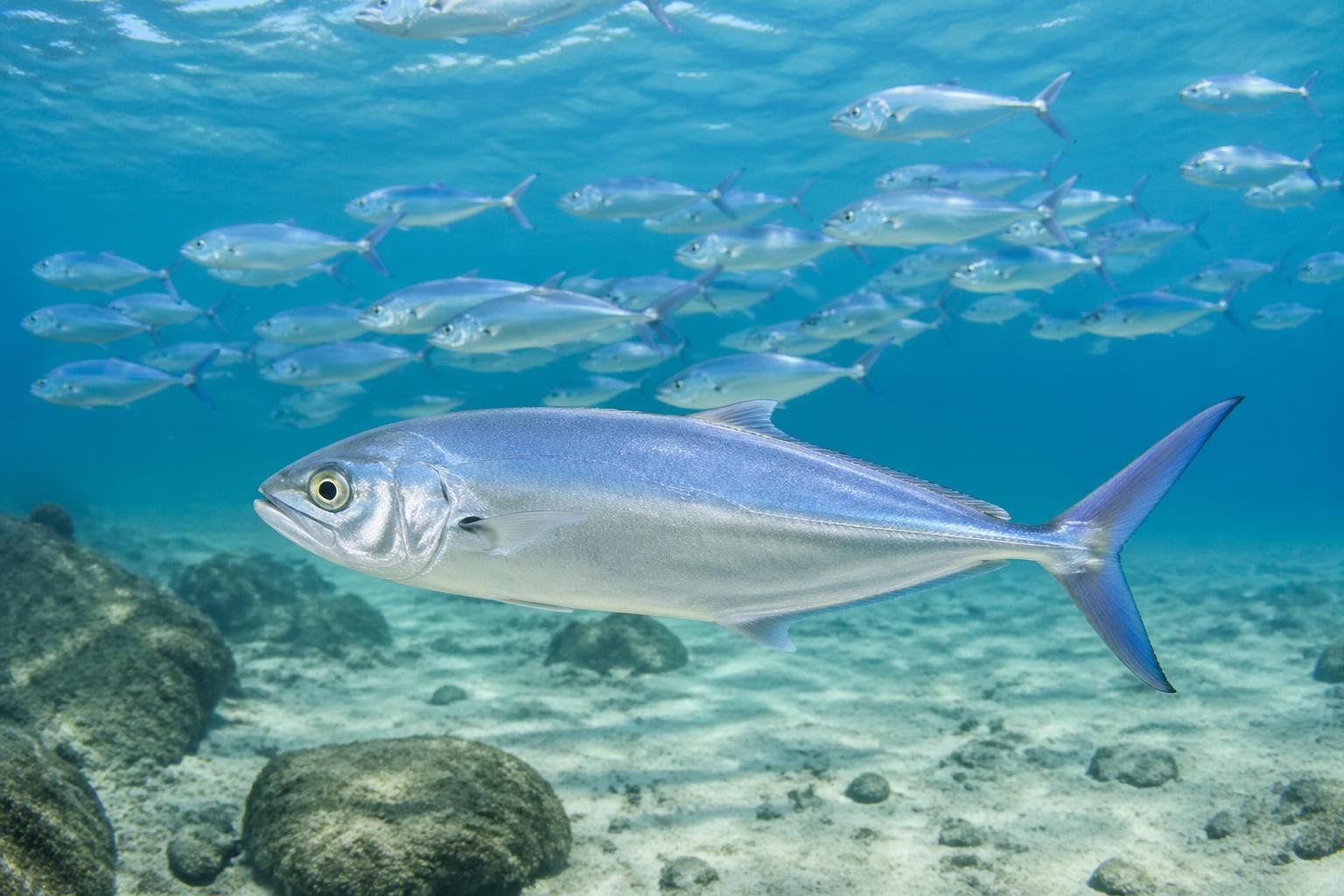
The blue runner isn't the flashiest fish in the ocean, but it's one of the most reliable. They travel in schools, often in huge numbers, which means when you find one, you're likely to find dozens.
Physical characteristics that help you identify them:
- Streamlined, torpedo-shaped body built for speed
- Blue-green back with silver sides
- Black spot on the gill cover
- Forked tail designed for quick bursts
- Typically range from 10 to 16 inches, though some reach over 20 inches
These fish fight harder than their size suggests. That's partly because they're built like little speedboats, designed for fast swimming in open water. The Virginia Institute of Marine Science notes that blue runners are highly migratory and often found around structures where they feed aggressively.
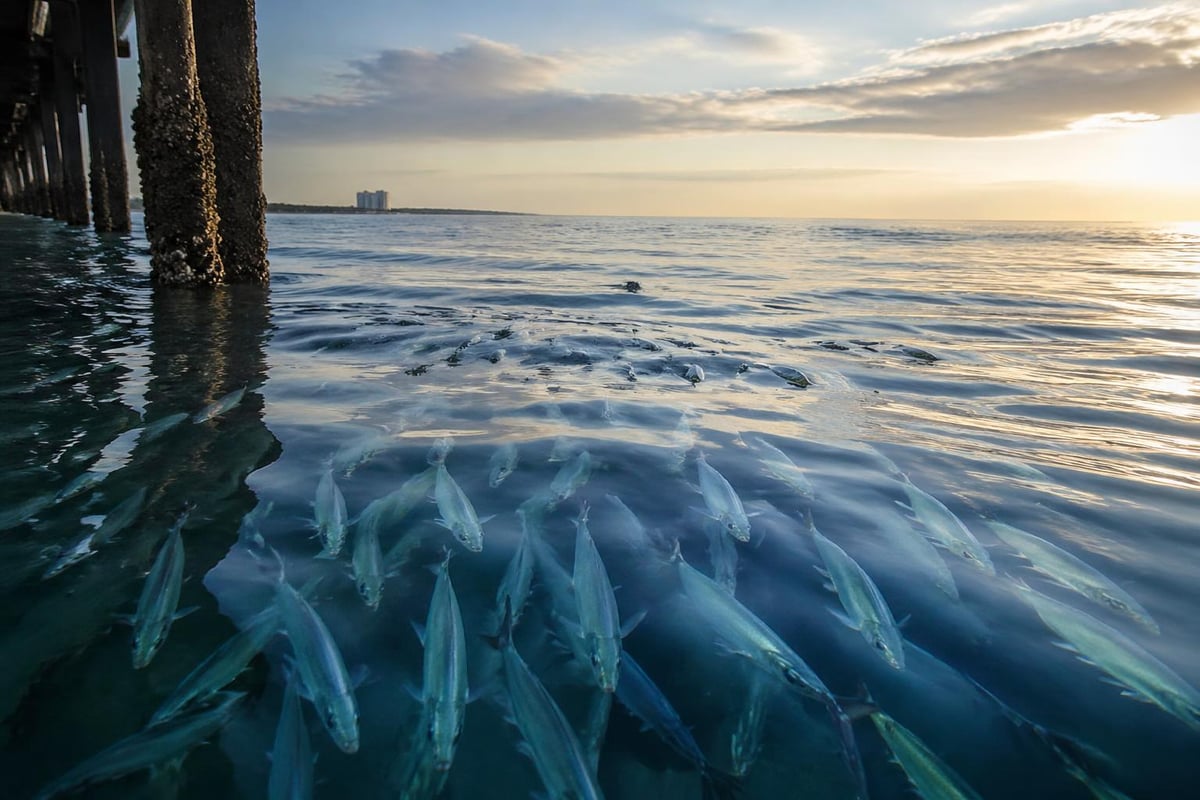
Where You'll Find Them
Blue runners aren't picky about their neighborhoods. They adapt to various saltwater environments, which is great news if you're exploring saltwater fishing spots along the coast.
Prime blue runner habitats include:
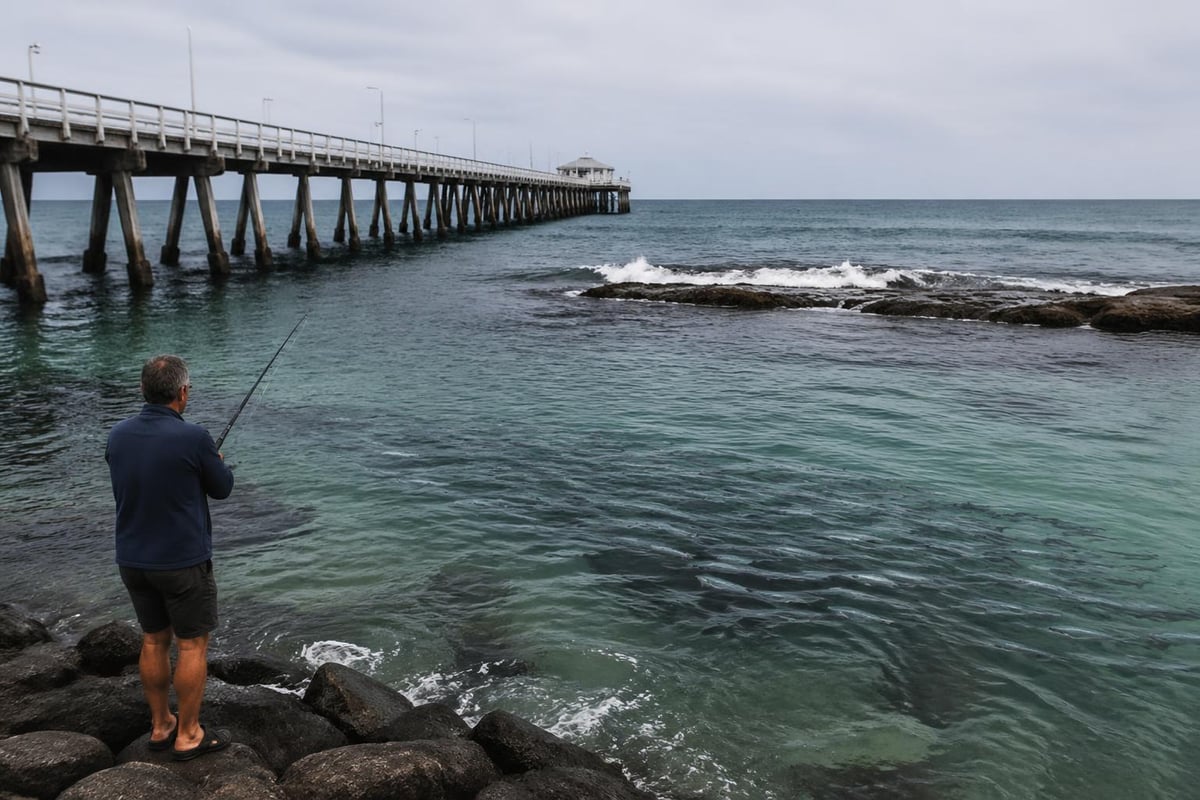
- Piers and jetties: These structures attract baitfish, and blue runners follow the food
- Nearshore reefs: Rocky bottoms and artificial reefs hold schools year-round
- Inlets and passes: Tidal flows concentrate baitfish and predators alike
- Offshore wrecks: Larger blue runners often patrol around sunken structures
- Beach zones: Schools cruise just beyond the surf line, especially during baitfish runs
According to the Delaware Department of Natural Resources, blue runners prefer waters with temperatures between 68°F and 80°F, which influences their seasonal movements. In summer, they spread out along the entire coast. Come fall and winter, they migrate south or move to deeper water.
Best Techniques for Catching Blue Runners
These fish aren't complicated to catch once you understand their feeding habits. They're aggressive predators that strike fast-moving baits and lures.
Live Bait and Cut Bait Approaches
Top bait choices:
- Live shrimp: Thread them on a hook and let the current do the work
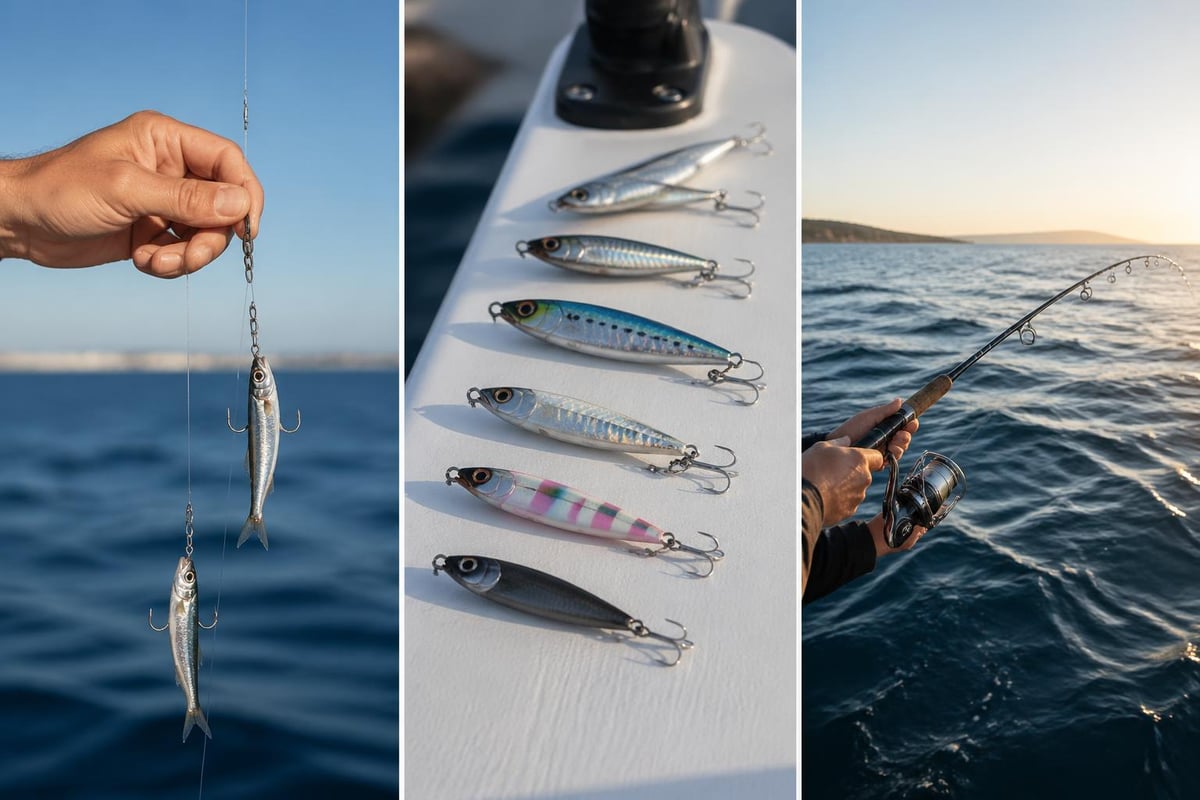
- Small baitfish: Pilchards, sardines, and finger mullet work great
- Cut bait: Chunks of squid or fish belly strips
- Frozen bait: When live bait isn't available, thawed shrimp still produces
A simple high-low rig or fish-finder rig works perfectly. Use a 1/0 to 2/0 circle hook with just enough weight to reach the bottom or hold your bait in the current. Blue runners often feed mid-water, so don't be afraid to suspend your bait a few feet off the bottom.
Artificial Lure Strategies
Blue runners smash lures with enthusiasm. Fishing guides recommend matching your lure size to the local baitfish.
Effective lure options:
- Small jigs (1/4 to 1/2 ounce) in white, chartreuse, or silver
- Spoons that flash and wobble
- Soft plastic swimbaits on jig heads
- Small topwater plugs during dawn and dusk
- Gotcha plugs for fast retrieves
The key is keeping your lure moving. Blue runners chase down prey, so a steady retrieve with occasional twitches triggers strikes. If you're fishing from shore, cast beyond the school and retrieve through them. From a boat, vertical jigging around structure is deadly.
Seasonal Patterns and Timing
Timing your trips around blue runner behavior patterns makes a huge difference. These fish are opportunistic feeders, but they definitely have preferences.
Spring (March to May): Blue runners move inshore as waters warm. Look for them around piers and jetties during this migration period. They're hungry after winter and feed aggressively.
Summer (June to August): Peak season for blue runners. They're everywhere along the coast, from the surf zone to offshore reefs. Early morning and late afternoon produce the best action, though they'll bite all day.
Fall (September to November): Another prime time as blue runners fatten up before their winter movement. Schools become more concentrated around structures. This is when you might find coastal fishing opportunities producing consistently.
Winter (December to February): Blue runners move to deeper water or migrate south. Southern Gulf states still offer good fishing, but northern regions see fewer fish.
What to Do After You Catch Them
Blue runners make excellent bait for larger game fish like king mackerel, grouper, and sharks. Many anglers specifically target them for this purpose. But they're also perfectly good eating if prepared correctly.
The meat is darker and oilier than some other fish, which means it benefits from strong flavors. Preparation methods that work well include smoking, blackening, or making fish cakes. The key is bleeding and icing them immediately after catch to preserve quality.
If you're not planning to use them, blue runners make great catch-and-release targets. They're hardy fish that survive the experience well when handled properly.
Regulations and Conservation
Before you head out, check your local fishing regulations. Most states don't have specific size or bag limits for blue runners since they're abundant, but regulations change. Some areas include them in general "jack" categories with specific rules.
Blue runners play an important role in the ecosystem as both predator and prey. They're a crucial food source for larger game fish, seabirds, and marine mammals. Keeping only what you need helps maintain healthy populations.
Gear Recommendations for Blue Runner Fishing
You don't need specialized equipment for blue runners. Medium-light spinning or conventional tackle handles them perfectly.
Suggested setup:
- 7-foot medium-light spinning rod
- 2500-3000 series spinning reel
- 10-15 lb monofilament or 10-20 lb braided line
- 20 lb fluorocarbon leader
- Assorted hooks, weights, and terminal tackle
This setup gives you the sensitivity to feel bites while providing enough backbone to handle occasional larger fish. If you're using blue runners as bait, consider carrying a small cast net for quick catches.
Blue runners offer accessible, exciting fishing action along most of the U.S. coastline. Whether you're targeting them for sport, bait, or the table, understanding their habits and habitats puts more fish on your line. Ready to find productive blue runner spots near you? Check out Find Fishing Spots to discover saltwater locations complete with GPS coordinates, access information, and local insights that'll get you on the water faster.