Few gamefish get your heart racing quite like a spanish mackerel slicing through the water at 30 miles per hour. These sleek, aggressive predators offer exciting action for anglers up and down the Atlantic and Gulf coasts, and they're delicious table fare to boot. Whether you're casting from a pier, trolling offshore, or fishing the surf, understanding where and how to target these speedsters will put more fish in your cooler.
Understanding Spanish Mackerel Behavior and Biology
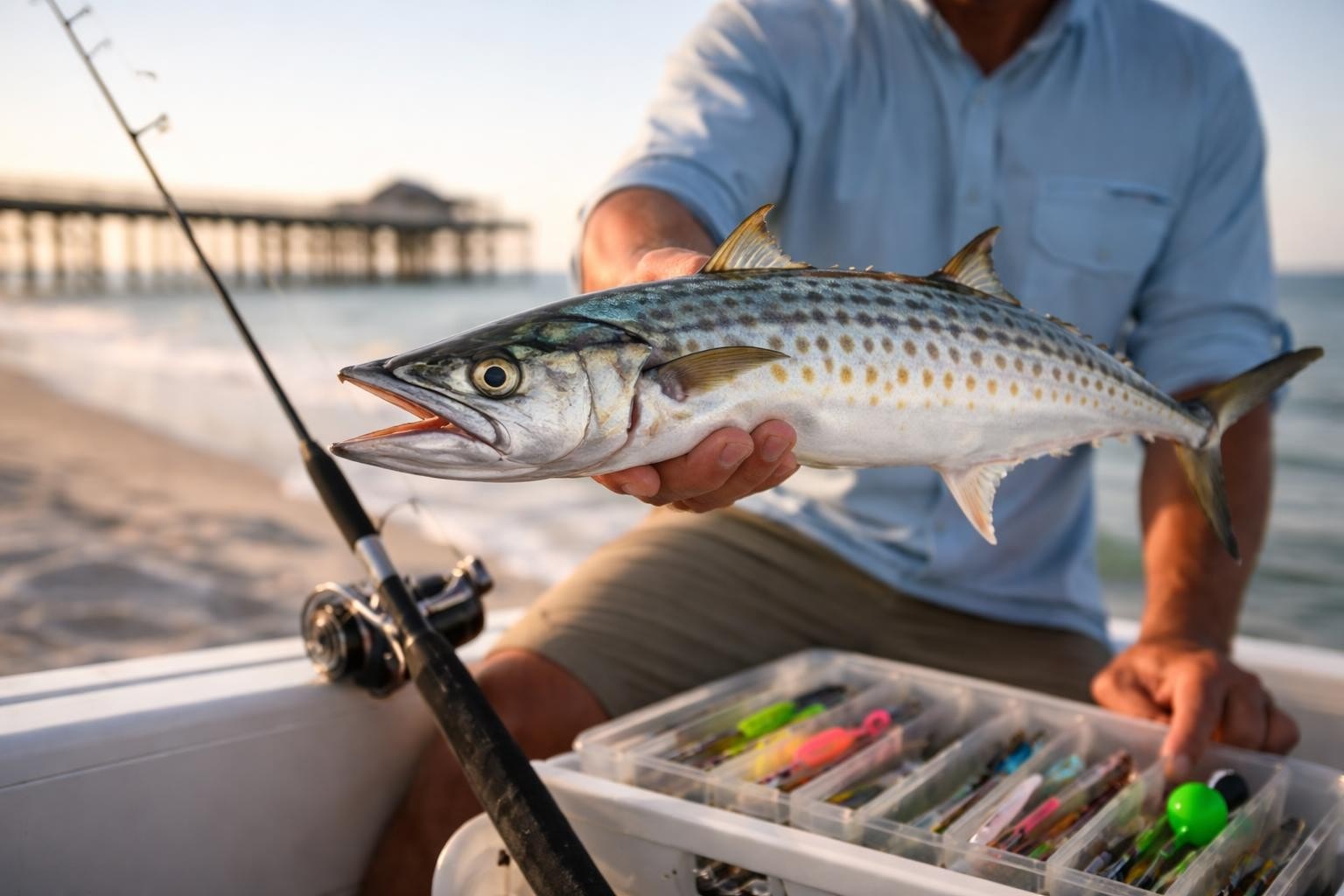
Spanish mackerel are members of the mackerel family, distinguished by their streamlined silver bodies dotted with golden-bronze spots along their sides. According to NOAA Fisheries research on Spanish mackerel, these fish typically range from 2 to 6 pounds, though specimens over 10 pounds aren't uncommon in prime locations.
These fish are warm-water lovers that follow seasonal migration patterns. During spring and summer months, they move northward along the Atlantic coast, reaching as far as the Chesapeake Bay and occasionally beyond. As water temperatures drop in fall, they retreat southward to winter in Florida and the Gulf of Mexico.
Preferred Habitats and Water Conditions
Spanish mackerel thrive in specific conditions that make them somewhat predictable once you know what to look for:
- Water temperature between 70-80°F triggers the most active feeding
- Clear to slightly murky water where baitfish congregate
- Depth ranges from 10-40 feet along coastal areas
- Areas with strong current that concentrate prey
- Nearshore structure like reefs, wrecks, and artificial reefs
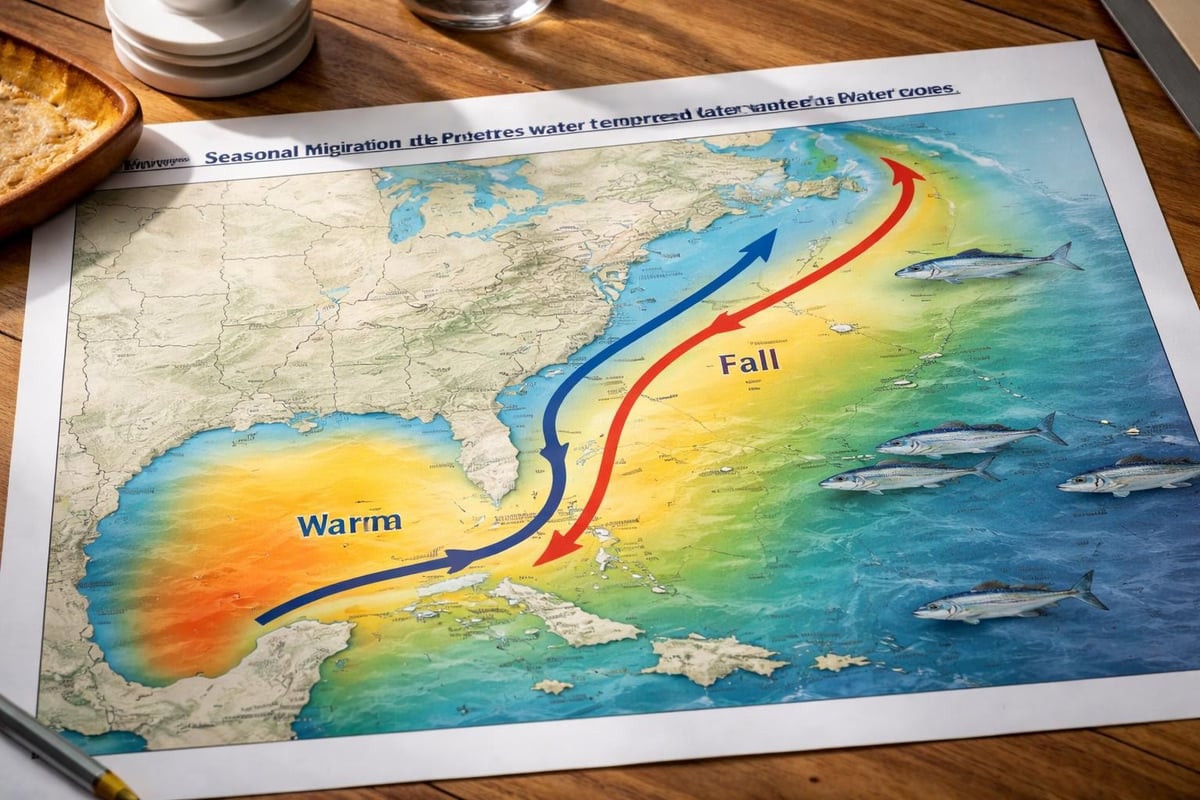
The Virginia Institute of Marine Science provides detailed habitat information that helps anglers understand how these fish relate to their environment throughout the year.
Prime Locations for Spanish Mackerel Fishing
Finding productive spanish mackerel spots requires understanding both their migratory nature and their preference for baitfish-rich areas. The Atlantic coast from North Carolina to Florida consistently produces excellent fishing, particularly around inlets, jetties, and coastal structures.
The Carolinas see fantastic runs from April through November. Piers like those in Myrtle Beach, Wrightsville Beach, and the Outer Banks become mackerel magnets when conditions align. South Carolina's Department of Natural Resources tracks Spanish mackerel populations and provides regional fishing updates that help anglers time their trips.
Gulf Coast Hotspots
Florida's Gulf Coast offers year-round opportunities, though spring and fall produce the most consistent action. Popular areas include:
- Tampa Bay and surrounding coastal waters
- Destin and Panama City beach areas
- Texas Gulf beaches from Galveston to South Padre Island
- Alabama's Gulf Shores and Orange Beach regions
- Mississippi's barrier islands and nearshore waters
If you're looking to explore specific fishing locations with detailed GPS coordinates and access information, Find Fishing Spots offers comprehensive saltwater location data across coastal states.
Proven Fishing Techniques and Tackle
Spanish mackerel aren't particularly tackle-shy, but their sharp teeth and explosive strikes demand specific gear considerations. A medium-action spinning rod paired with a reel capable of smooth drag and quick retrieves works perfectly for most situations.
Recommended Tackle Setup
Your basic spanish mackerel rig should include:
- 7-foot medium-action rod with fast tip
- 3000-4000 series spinning reel with quality drag
- 15-20 lb braided main line for sensitivity and strength
- 20-30 lb fluorocarbon or wire leader (12-18 inches)
- Sharp hooks in sizes 1/0 to 3/0
The wire or heavy fluorocarbon leader isn't optional. These fish have razor-sharp teeth that slice through standard monofilament like butter.
Top Lure Choices and Presentations
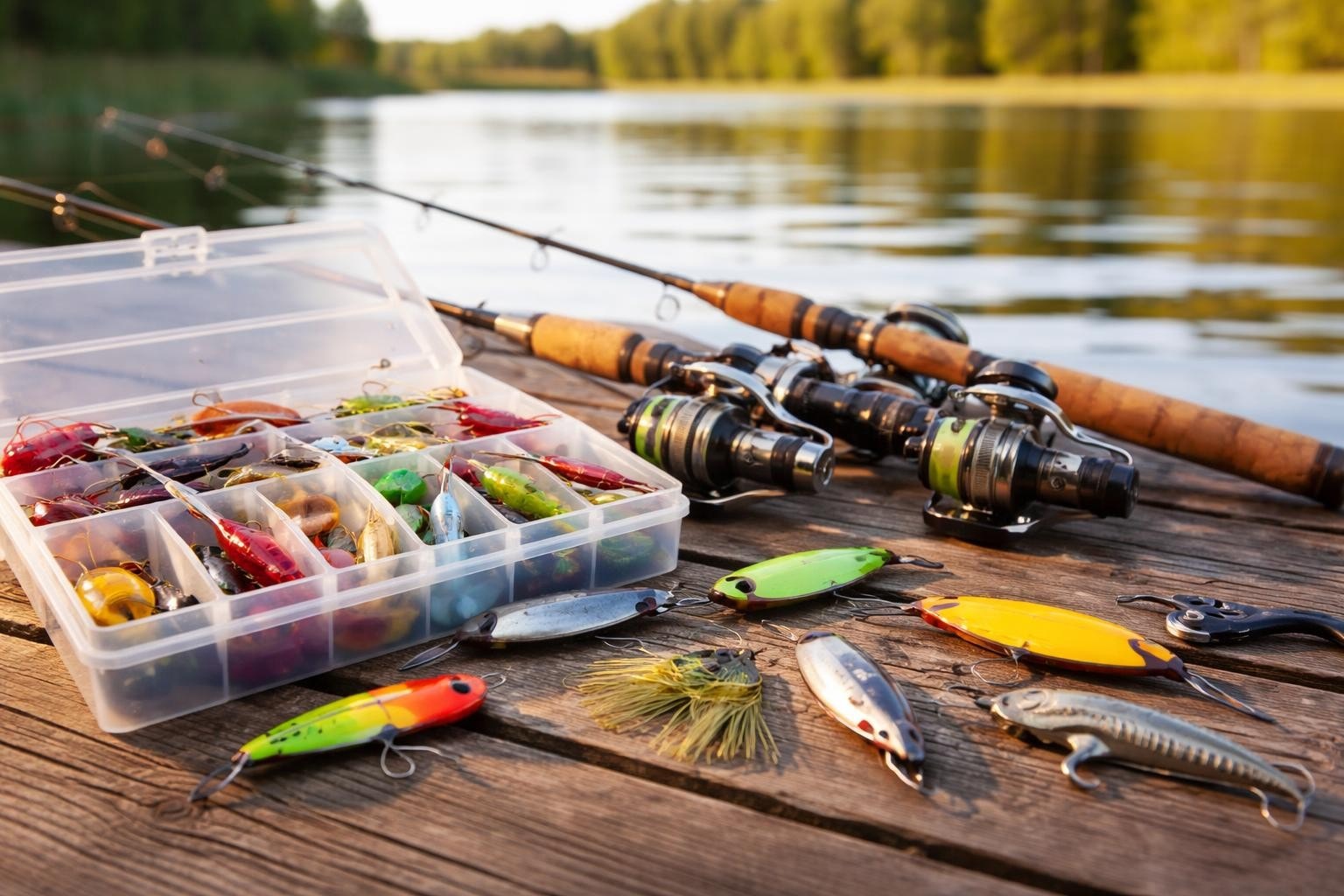
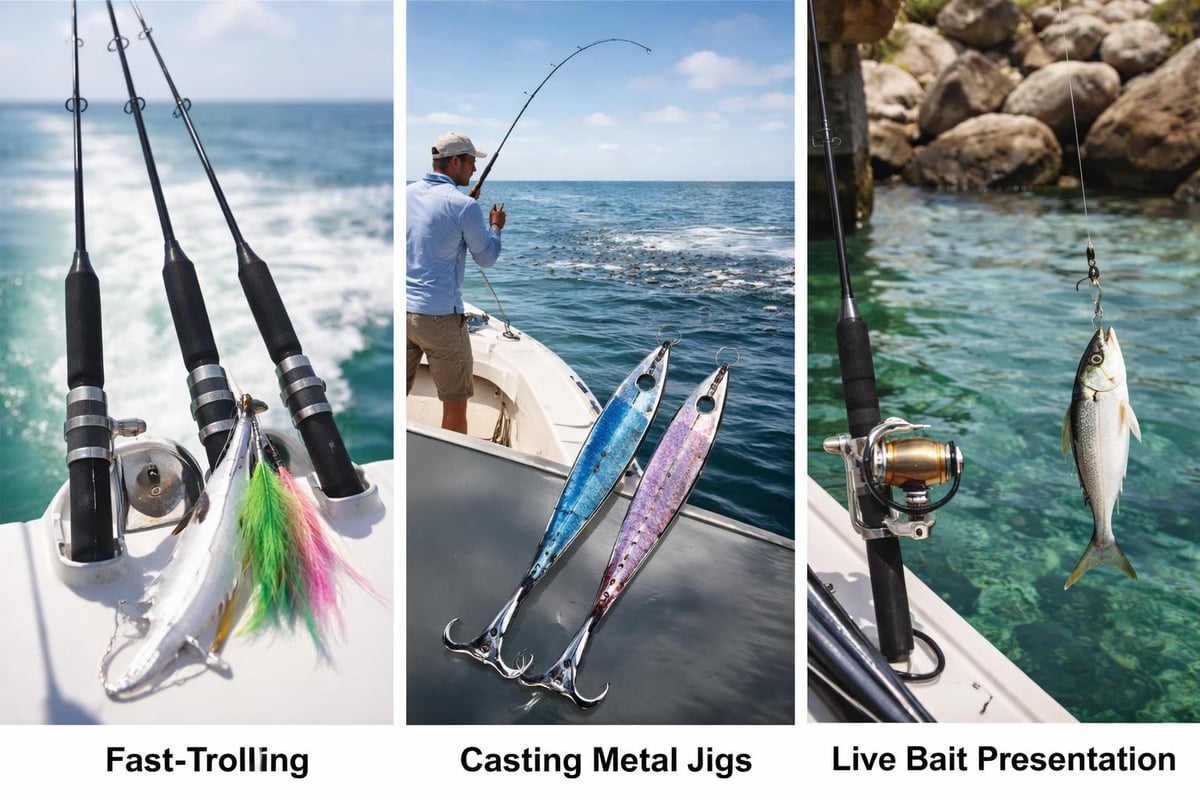
Spoons reign supreme for spanish mackerel fishing. Silver or gold Clark spoons, Drone spoons, and similar flashy metal lures catch fish consistently when retrieved quickly just below the surface. Gotcha plugs in various colors produce explosive topwater strikes that you won't soon forget.
For live bait enthusiasts, nothing beats a frisky live shrimp, finger mullet, or threadfin herring. Free-line them near feeding schools or under corks around structure. The key is keeping your bait moving since spanish mackerel react to motion.
Seasonal Patterns and Timing Your Trips
Understanding seasonal movements dramatically improves your success rate. Spanish mackerel follow water temperature religiously, and tracking these patterns helps you be in the right place at the right time.
Spring (March-May): Fish begin appearing along Florida's east coast in March, gradually moving northward. By May, they've typically reached North Carolina and Virginia waters. This is prime time for pier fishing and near-shore trolling.
Summer (June-August): Peak season in northern Atlantic states. Schools spread along beaches, around inlets, and over nearshore reefs. Early morning and late afternoon feeding periods produce the fastest action.
Fall (September-November): The return migration begins. Fish stack up around inlets and coastal structures as they prepare to move south. Some of the year's best fishing happens during this period.
Daily Timing Considerations
While spanish mackerel feed throughout the day, certain periods consistently outperform others:
- First two hours after sunrise typically see the most aggressive feeding
- Last hour before sunset triggers another feeding window
- Incoming tides concentrate baitfish and trigger strikes
- Tide changes around structure create ambush opportunities
Conservation and Size Regulations
Spanish mackerel populations along the Atlantic and Gulf coasts are currently considered healthy, thanks largely to effective management practices. However, following size and bag limits helps maintain this sustainability for future generations.
Federal regulations set a 12-inch fork length minimum for spanish mackerel, though individual states may impose stricter rules. Bag limits vary by state, typically ranging from 10-15 fish per angler per day. Always check current regulations for your specific fishing location before heading out.
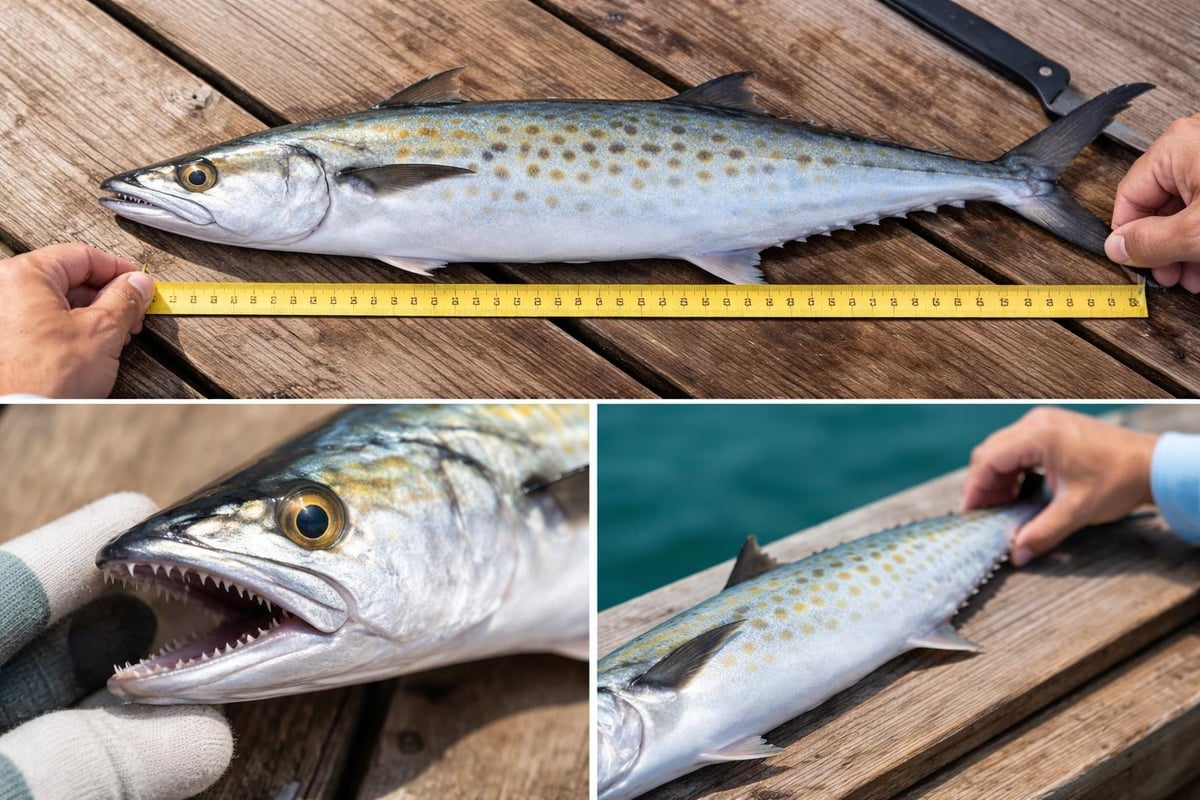
The NOAA stock assessment programs continuously monitor population health to ensure fishing pressure remains sustainable. Practicing selective harvest and releasing smaller fish supports these conservation efforts while maintaining quality fishing opportunities.
Spanish mackerel offer some of the most exciting light-tackle action available to coastal anglers, combining speed, aggression, and excellent table quality. Whether you're targeting them from piers, boats, or beaches, success comes down to being in productive locations during the right seasons with appropriate tackle and techniques. Ready to find your next spanish mackerel hotspot? Find Fishing Spots provides detailed saltwater fishing locations with GPS coordinates, access information, and local insights to help you connect with these incredible gamefish across the U.S. coast.