Zander fish are making waves in the angling world, catching the attention of both fishing fans and conservationists. This 2026 guide is your go-to resource for everything you need to know about zander fish, from how to spot them in the wild to understanding their role as both a prized catch and a controversial predator.
Inside, you’ll get the latest on zander identification, where they live, how they behave, and their real impact on local ecosystems. We’ll also share expert tips for catching and managing them responsibly. Whether you’re hoping to land a trophy or help protect native species, you’re in the right place—let’s jump in and get started.
Zander Fish Overview: Origins, Biology, and Global Spread
The zander fish, known scientifically as Sander lucioperca, is a fascinating member of the Percidae family, which also includes the perch. Native to the lakes and rivers of Central and Eastern Europe, this species has a history that stretches back centuries. In their natural range, zander fish thrive in murky, slow-flowing waters, where their predatory instincts make them top-tier hunters.
Zander fish didn’t always stay put in their home waters. Since the 19th century, they’ve made their way into new territories, sometimes intentionally introduced for sport fishing, and other times arriving by accident. Today, you’ll find zander fish not only in their European heartland but also in the UK’s canal networks and even some North American waterways, where they’re now labeled as invasive.
What makes the zander fish stand out? For starters, they can grow up to a whopping 120 centimeters in length and weigh in at over 3 kilograms, with the British record tipping the scales at 9.665 kilograms. These fish are long-lived too, with some reaching up to 20 years of age. Their robust lifespan helps zander fish populations bounce back quickly, even when conditions get tough.
As voracious predators, zander fish primarily feed on smaller species like roach, bullhead, and gudgeon. This appetite has made them a hit among sport anglers but a real headache for conservationists. The arrival of zander fish in new waters can upset the balance, leading to declines in native fish populations and sparking heated debates about their place in local ecosystems. For a deeper dive into their spread and impact, check out this resource on zander identification and habitat.
Whether you see them as a prized catch or a problematic invader, there’s no denying the zander fish has made a splash on the global stage. Their adaptability, size, and predatory prowess ensure they remain a species worth knowing—both for anglers and anyone concerned with aquatic biodiversity.
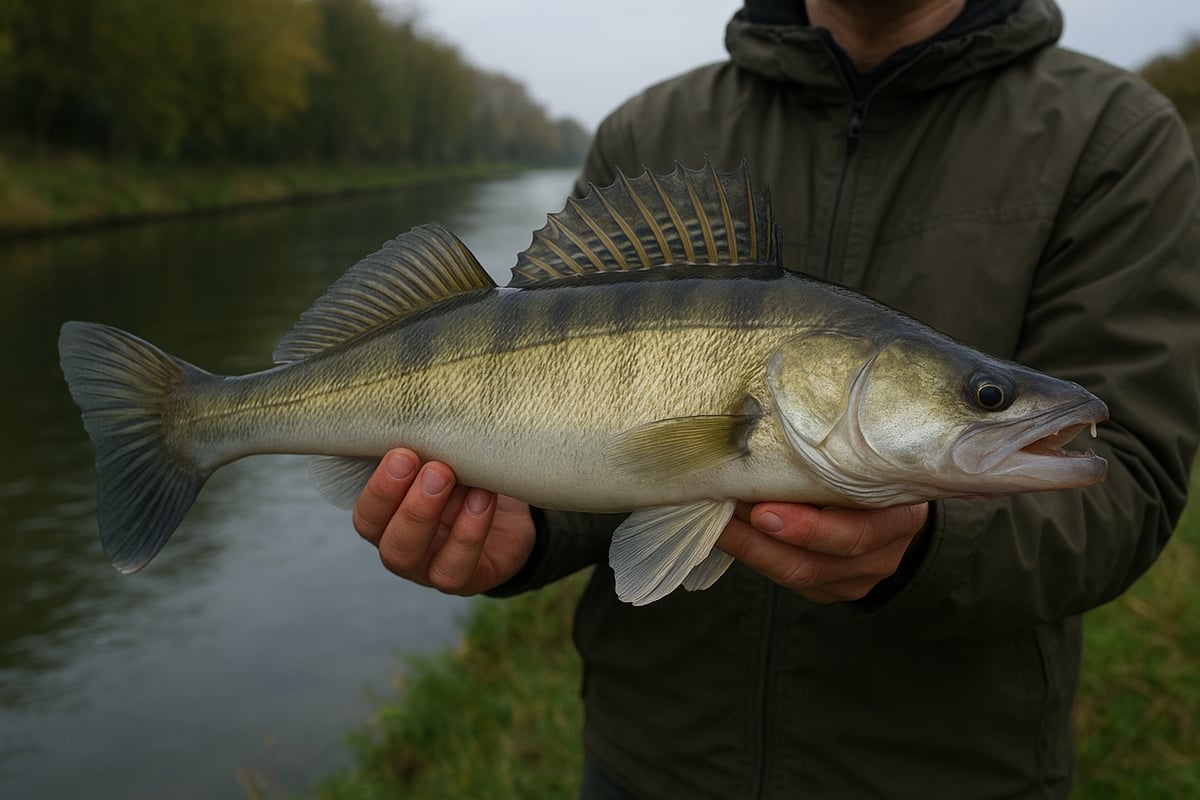
How to Identify a Zander: Features and Field Tips
Ever spotted a fish in murky canal water and wondered if it was a zander fish? Proper identification is key, whether you are trying to land a new personal best or help monitor local waterways. Zander fish have a mix of features that set them apart from other freshwater species, but they can still be easily confused with perch or pike if you are not sure what to look for.
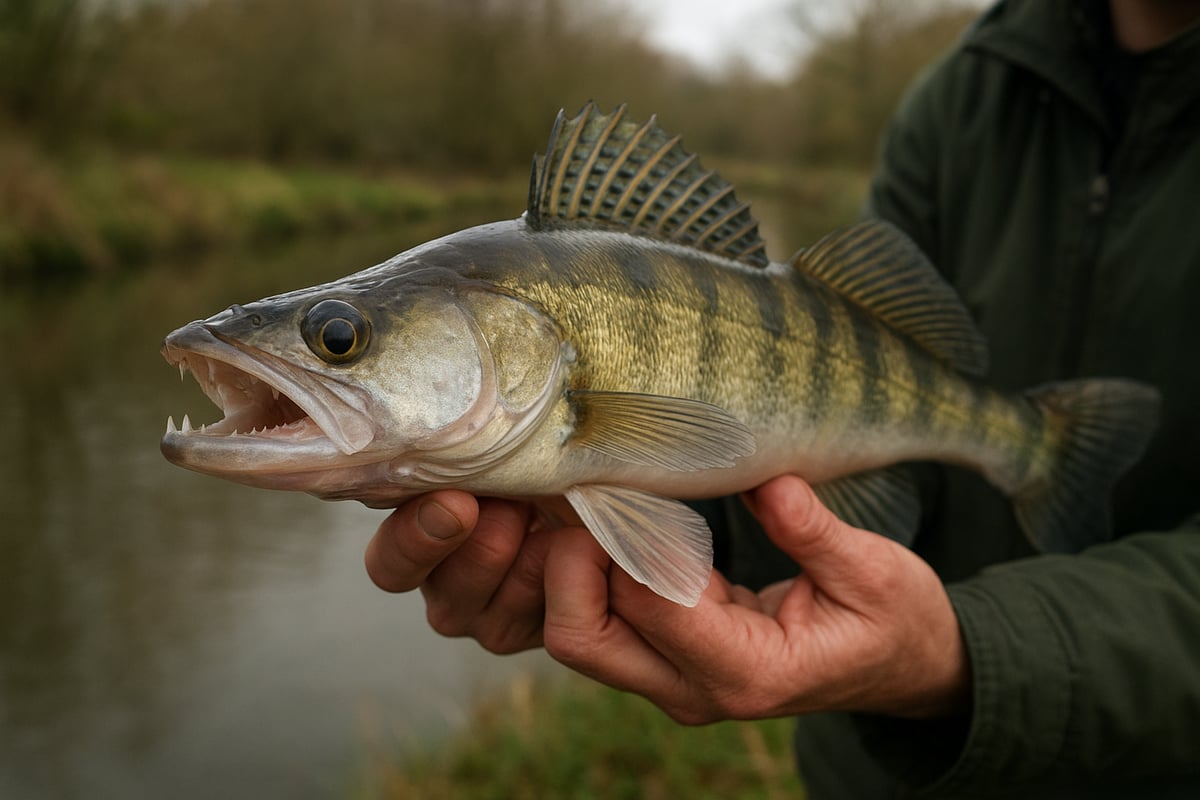
Key Features of a Zander Fish
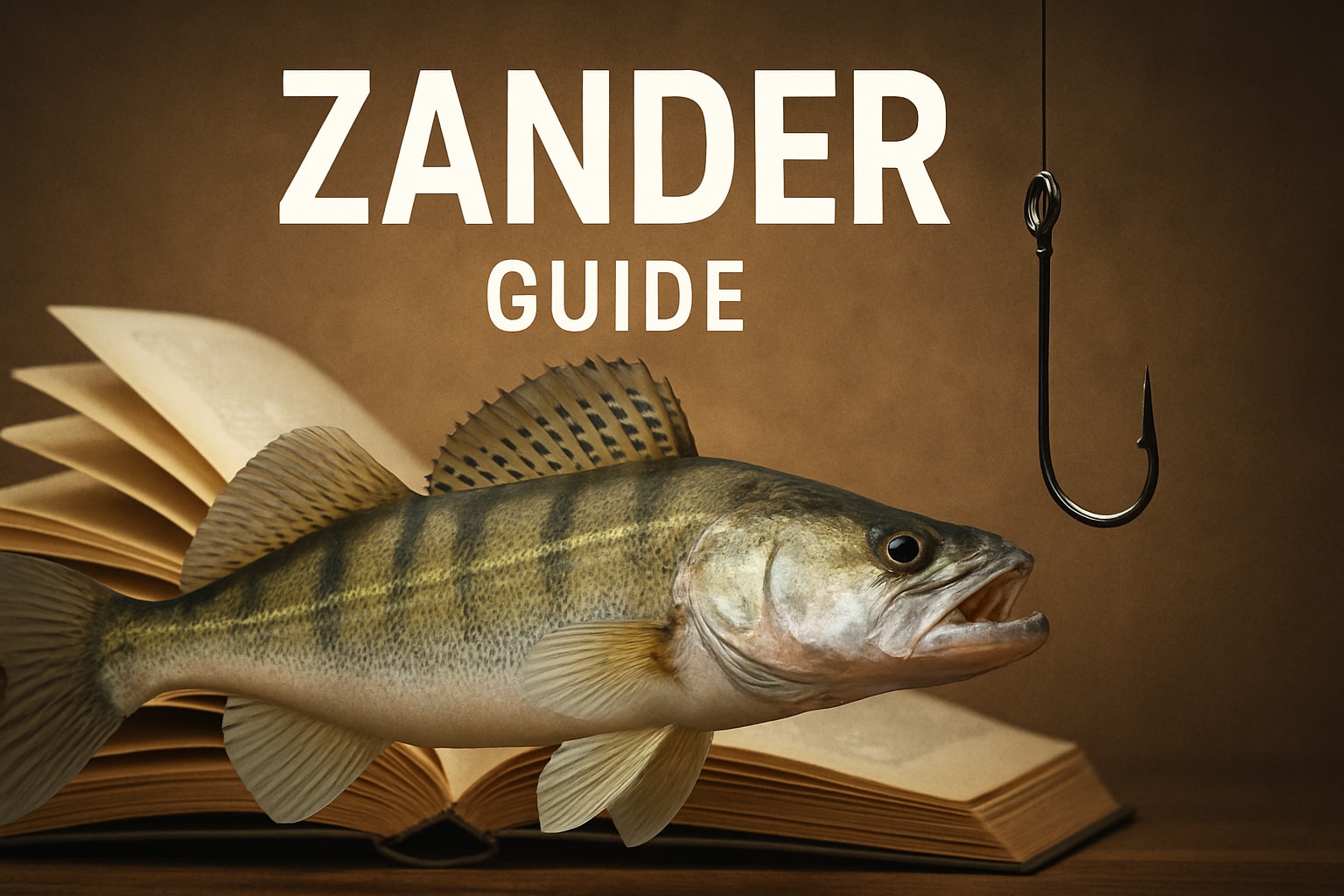
The easiest way to identify a zander fish is by its body shape and coloration. These fish are long and slender, with a green-brown back and dark vertical stripes running along their sides. Their bellies are noticeably lighter, usually cream or white. The double dorsal fin is a giveaway: the first is spiky and rigid, while the second is much softer and more flexible.
Another standout feature of the zander fish is its “vampire” teeth. Look for two long, sharp fangs at the front of the upper jaw, perfect for grabbing prey. The eyes are large and sometimes appear milky or opaque, a handy adaptation for hunting in low-visibility waters.
Comparison with Similar Species
It is easy to mix up a zander fish with a large perch, pike, or even a ruffe. Here is a quick comparison to help clear things up:
| Feature | Zander Fish | Perch | Pike | Ruffe |
|---|---|---|---|---|
| Dorsal fins | Two, first spiny | Two, first spiny | One | Two, both spiny |
| Teeth | Two long fangs | Small, uniform | Many sharp, uniform | Small, uniform |
| Eyes | Large, opaque | Medium, clear | Medium, clear | Small, clear |
| Stripes | Dark vertical stripes | Dark vertical stripes | No vertical stripes | Spots, no stripes |
| Gill cover spine | Flat, sharp | Rounded | Pointed | Rounded |
Common Mistakes and Field Tips
One common mistake is confusing the zander fish with perch, especially in murky water. Remember, perch are more compact and have a more pronounced hump behind their head. Pike, on the other hand, have a much longer, streamlined snout and lack the double dorsal fin.
If you are unsure, always check the mouth. Those vampire fangs are unique to zander fish. Also, take a look at the eyes. In cloudy or dark water, the zander fish’s eyes will look almost ghostly compared to other species.
For more detailed identification advice and expert tips on fishing for zander fish, you might want to check out this Comprehensive zander fishing guide, which includes photos, techniques, and seasonal strategies.
Zander Habitat and Distribution in 2026
When it comes to finding zander fish, knowing their favorite haunts is half the battle. These predators thrive in turbid, slow-moving rivers, vast canals, and the deeper stretches of large lakes. Unlike pike, zander fish prefer open water with fewer weeds, giving them room to hunt and avoid direct competition.
In the UK, zander fish have carved out a niche in some of the most iconic waterways. If you’re hoping to spot or catch one, focus on these hotspots:
- Oxford Canal
- Ashby Canal
- Coventry Canal
- Grand Union Canal
- South Stratford
- Gloucester & Sharpness Canal
- River Severn
These canals and rivers offer the kind of murky, low-visibility environment that zander fish love. By day, they often hide near the bottom or in shaded areas. Come nightfall, they become far more active, patrolling drop-offs and open channels for prey.
Globally, the story of zander fish is one of adaptability and spread. Originally native to Central and Eastern Europe, they’ve traveled far beyond their home range. In the last century, accidental and deliberate introductions have helped them establish populations in Western Europe and even parts of North America. Their ability to thrive in both freshwater and brackish water has made them a true survivor.
Zander fish are especially successful in human-altered habitats. Canals, reservoirs, and modified river systems have become strongholds for these fish. The British canal network is a prime example. Ideal conditions, such as moderate depth, slow currents, and sandy or stony bottoms, have allowed zander to flourish. If you’re looking for detailed canal fishing spots where zander might be present, check out this canal fishing locations UK resource for ideas.
While their spread has thrilled many anglers, it’s caused headaches for conservationists. Zander fish compete with local predators and can dramatically reduce native species like roach and gudgeon. This has led to active management programs, including removal efforts and strict monitoring, especially in sensitive waterways.
Management strategies are always evolving. Regular surveys, public reporting, and angling regulations all play a part in keeping zander fish populations in check. Still, their knack for adapting to new conditions makes them a species to watch in 2026 and beyond.
Whether you’re fishing, observing, or managing, understanding where zander fish live and how they move is key to staying ahead of the game.
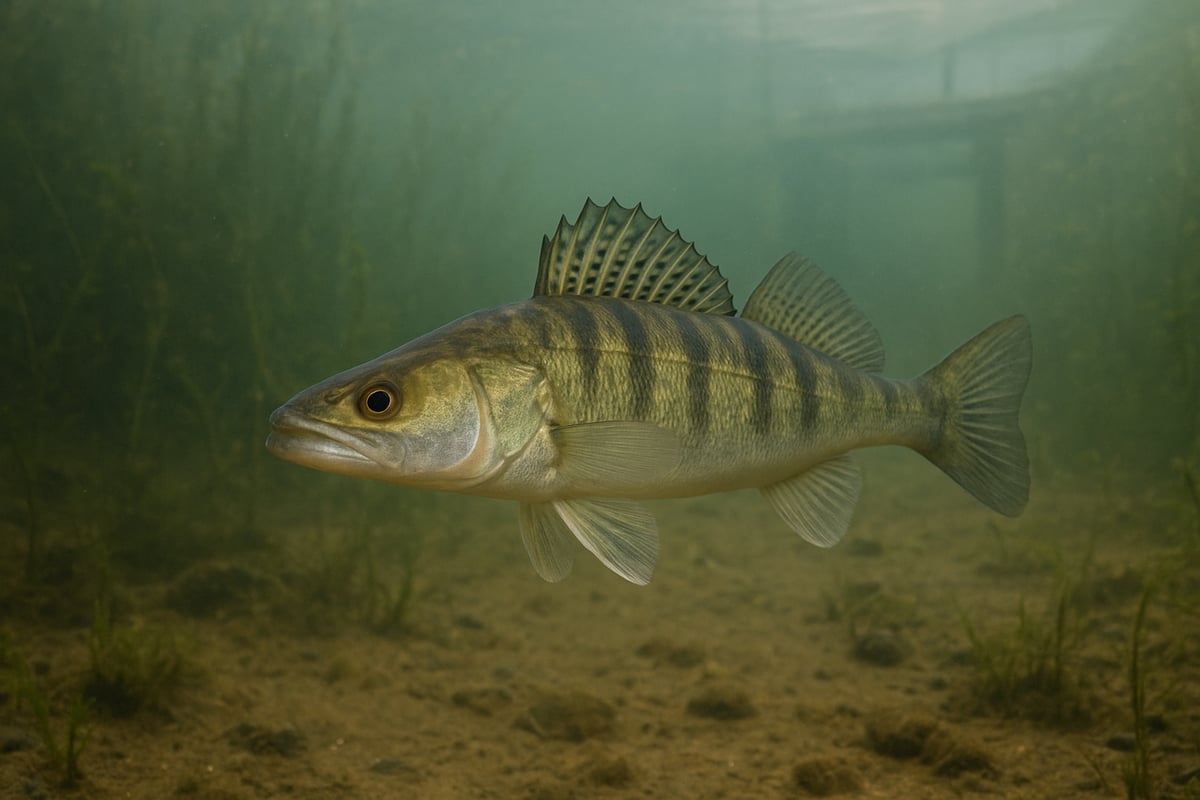
Zander Lifecycle and Reproduction
Understanding the lifecycle of the zander fish is key for anyone hoping to catch them or manage their impact on local waters. This species has a fascinating approach to reproduction, which helps explain why zander fish populations can boom so quickly in new environments.
The spawning season kicks off between April and June, usually when water temperatures hit about 12°C. During this time, female zander fish lay their eggs all at once, choosing sandy or stony spots in shallow water. The males take over from there, fiercely guarding the nest and fanning the eggs to keep them oxygenated. This parental care increases the odds of survival for the fry, especially in habitats where predators lurk.
Eggs hatch in just a few days, and the fry stick close to the nest at first. Thanks to rapid early growth, young zander fish quickly become strong enough to venture out and hunt for themselves. The survival rate of these juveniles can swing dramatically depending on food supply, water quality, and weather. After a mild winter or changes in water management, you might see a spike in zander fish numbers as more fry survive to adulthood.
Zander fish reach reproductive maturity at around two to four years old, depending on local conditions. As adults, they shift habitats with the seasons, moving to deeper waters after spawning and then returning to shallower areas to feed. Climate and water conditions can really shape how successful a spawning season is, sometimes setting the stage for a population explosion. For a closer look at how these reproductive patterns impact ecosystems and management, check out Zander’s ecological role and management.
Knowing the ins and outs of the zander fish lifecycle is a big help for both anglers and conservationists. It guides everything from the best fishing times to effective strategies for population control.
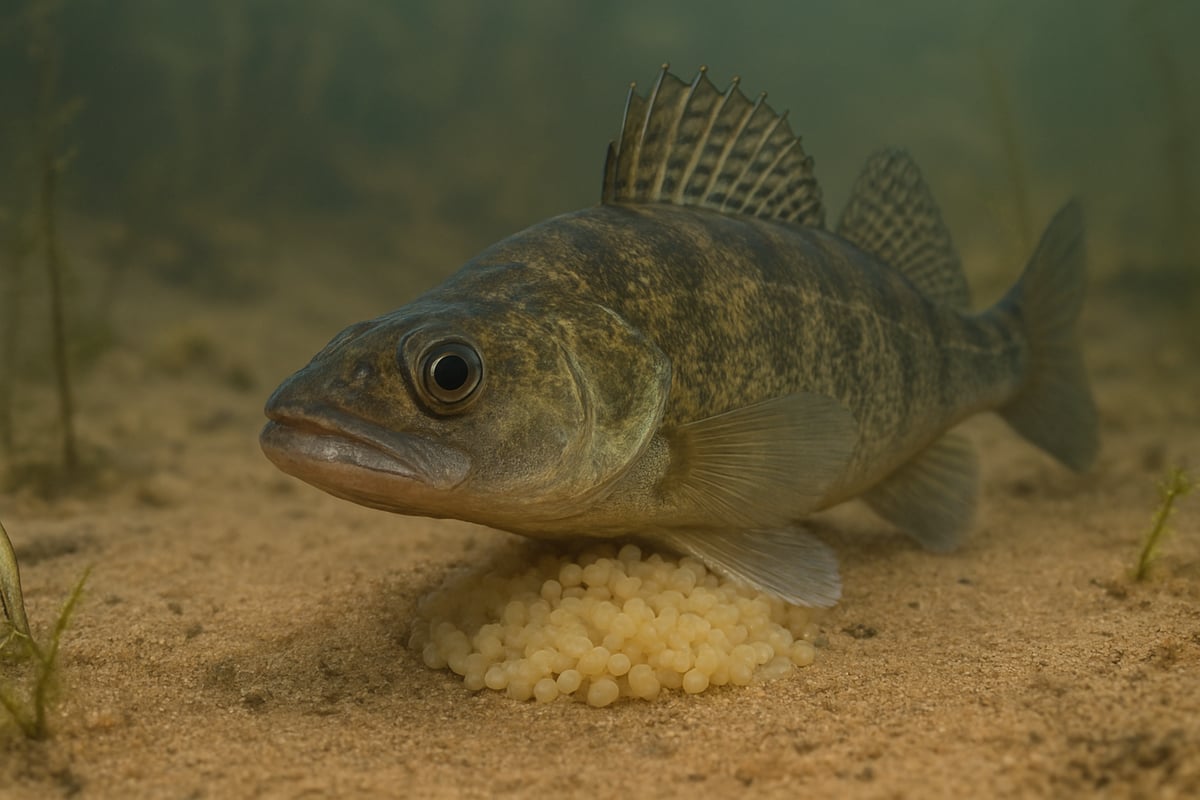
Key Stages of the Zander Lifecycle
- Egg laying and fertilization: Female zander fish lay eggs in shallow, sandy areas, and males fertilize them right away.
- Male nest guarding: The male stays with the eggs, protecting them from predators and fanning them for oxygen.
- Fry protection and dispersal: After hatching, fry stick close to the nest until they are strong enough to swim away.
- Growth from juvenile to adult: Young zander fish feed on tiny aquatic creatures, growing quickly during their first year.
- Seasonal migrations: As they mature, zander fish shift locations based on food and breeding needs.
- Longevity and turnover: With a lifespan up to 20 years, generations sometimes overlap, leading to dense populations.
Each of these steps shapes how zander fish thrive in a range of environments, making their lifecycle both resilient and a challenge to manage.
Ecological Impact and Management of Zander
Zander fish have become a hot topic in both angling and conservation circles, especially as their numbers surge beyond their native range. Originally from Central and Eastern Europe, zander fish have spread to waterways across Western Europe and even North America, often with dramatic effects on local ecosystems.
The main concern with zander fish is their appetite and adaptability. As fierce predators, they feed on native species like roach, bullhead, and gudgeon. This can lead to noticeable declines in these populations, reshaping the balance of aquatic life. In the UK, especially in canal systems, the arrival of zander fish has been linked to drops in native fish numbers and increased competition with other top predators like pike and perch.
Researchers have documented shifts in food webs after zander fish introductions. For example, after their arrival in certain British canals, surveys found significant reductions in small, native fish. This not only affects recreational fishing but also disrupts the natural role of local species in the ecosystem. The rapid spread and resilience of zander fish make them a unique challenge for fisheries managers.
To tackle these issues, several management strategies are in play:
- Organized removal programs targeting zander fish in sensitive waters
- Strict regulations on transport, possession, and release of zander fish
- Public awareness campaigns to educate anglers and locals
- Ongoing monitoring and research to track impacts and population changes
Legal restrictions are especially important. In some regions, it is illegal to move, release, or even keep zander fish without special permission. Anglers are encouraged to familiarize themselves with fishing regulations and safety before heading out, as these rules help prevent the further spread of this invasive species.
Despite these efforts, results are mixed. While some areas have seen partial recovery of native fish after zander fish removal, others continue to struggle with ongoing population pressures. Success often depends on the scale of intervention and community involvement. Documented data shows that where zander fish populations are controlled, native biodiversity stands a better chance of rebounding.
In the end, the story of zander fish is one of both opportunity and responsibility. Anglers value the sport and challenge they bring, but careful management is crucial for protecting the health of our waterways.
Expert Tips for Catching and Managing Zander
Fishing for zander fish is a blend of skill, timing, and knowing where to look. These predators are most active at night, so plan your trips for dusk or after dark. Focus your efforts around structure like submerged trees, canal drop-offs, or rocky ledges. Zander fish love to ambush prey from the shadows, so think like a hunter.
Choosing the right gear makes a big difference. Use a medium spinning rod paired with a sensitive reel for detecting those subtle bites. For bait, zander fish are partial to:
- Soft plastic lures that mimic small fish
- Live bait like roach or small perch
- Bright, rattling crankbaits for murky water
When it comes to technique, vertical jigging is a proven winner, especially in deeper water. If you want to master this approach, check out these vertical jigging techniques for zander, which cover gear and seasonal tactics. Trolling along canal edges or slow-retrieving lures near the bottom also increases your odds. Change up your retrieve speed until you find what triggers a strike.
Safety matters when handling zander fish. Their sharp teeth and dorsal spines can cause nasty cuts. Always grip them firmly behind the head, keep your fingers away from their mouth, and use long-nosed pliers to unhook them. If you plan to release, wet your hands and support their belly to avoid stress.
Stay up to date on local regulations. In some areas, zander fish are considered invasive, so check if you need to report your catch or avoid moving them between waters. Practice responsible angling by releasing native species unharmed and reporting unusual catches to authorities.
Joining a local angling club is a great way to swap tips, share success stories, and keep informed about rule changes. Many experienced anglers say their most memorable zander fish catches came from listening to local advice and being willing to try new spots at odd hours.
Now that you’ve got the inside scoop on zander—how to spot them, where they thrive, and the best ways to tackle them—you’re probably itching to put your new knowledge to the test. Whether you want to reel in a trophy fish or keep tabs on invasive populations, it all starts with knowing the right spots. If you’re ready to explore local rivers, lakes, and canals where zander might be lurking, check out Find Spots for real, GPS-marked fishing locations near you. Let’s make your next fishing trip an adventure to remember!