If you've fished the waters off Florida or other warm coastal areas, you've probably heard experienced anglers swear by goggle eyes as their go-to live bait. These small, silvery fish with their distinctively large eyes are one of the most effective baits for targeting trophy gamefish. Whether you're new to using live bait or looking to step up your fishing game, understanding how to find, catch, rig, and present goggle eyes bait can make a serious difference in your success on the water.
What Are Goggle Eyes and Why They Work
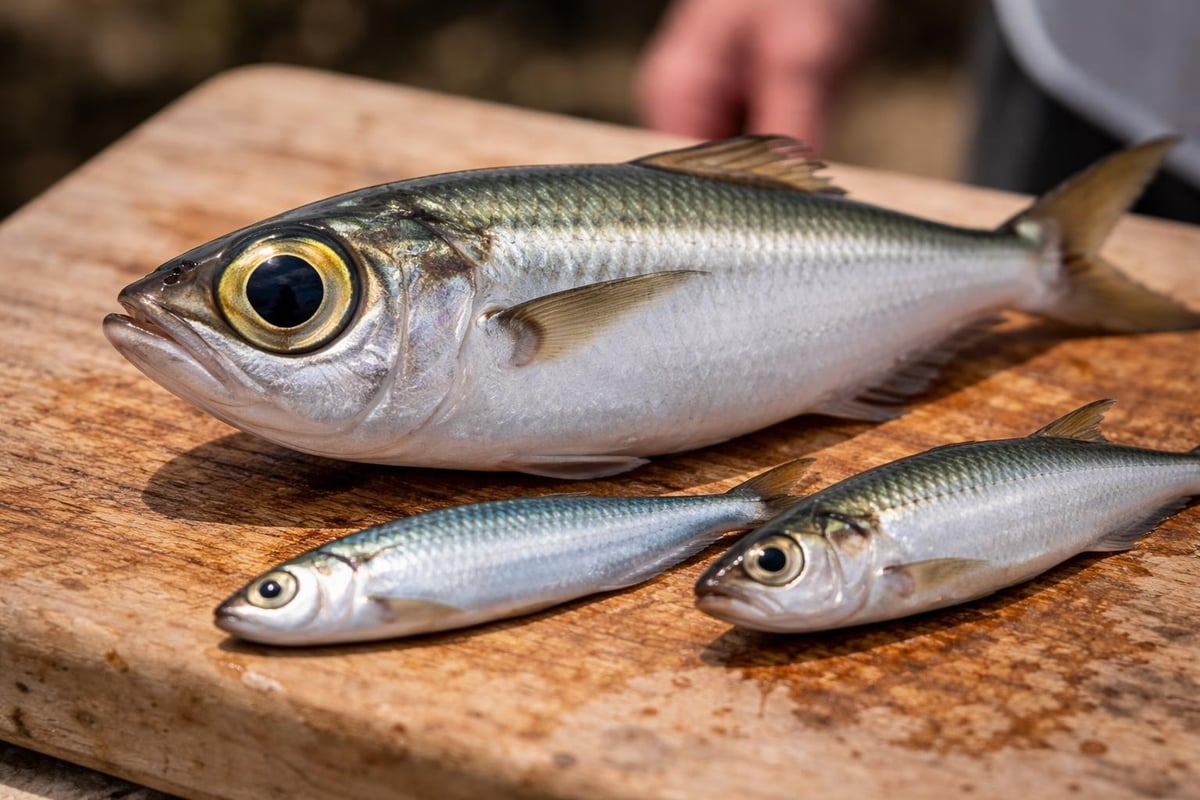
Goggle eyes, also known as bigeye scad or big-eyed scad, are small forage fish that swim in schools around reefs, wrecks, and structure. Their most noticeable feature is right in the name: they have unusually large eyes relative to their body size, which helps them navigate in deeper waters where light is limited.
These baitfish typically range from 4 to 8 inches long, making them the perfect size for targeting a variety of predators. What makes goggle eyes bait so effective comes down to a few key factors:
- High activity level: Goggle eyes are naturally energetic swimmers that create vibrations and flash that gamefish can detect from distance
- Durability: They're hardy fish that stay lively on the hook longer than many other live baits
- Natural presence: Gamefish regularly feed on them in their natural habitat
- Size versatility: Different sizes work for everything from kingfish to massive sailfish
The goggle eye’s characteristics make it particularly valuable for targeting pelagic species that cruise offshore waters looking for an easy meal.
Where to Catch Goggle Eyes
Finding goggle eyes requires knowing where these fish hang out. They're structure-oriented, meaning you'll have the best luck around specific types of underwater features.
Prime Goggle Eye Locations
Artificial reefs and wrecks top the list of productive spots. These structures attract baitfish like goggle eyes because they provide shelter and concentrations of smaller food sources. When you're exploring fishing spots in Florida, pay attention to marked wrecks and reef systems.
Natural ledges and drop-offs also hold schools of goggle eyes, particularly where the depth changes quickly. Bridge pilings in areas like the Florida Keys create similar structure that concentrates baitfish.
Depth matters: Most goggle eye fishing happens in 40 to 120 feet of water, though this varies by location. Early morning often produces the best results, as baitfish move up in the water column to feed.
Catching Your Own Bait
Most serious anglers prefer catching their own goggle eyes rather than buying them. A specialized sabiki rig works best – these multi-hook rigs feature tiny lures that mimic plankton.
Here's the basic approach:
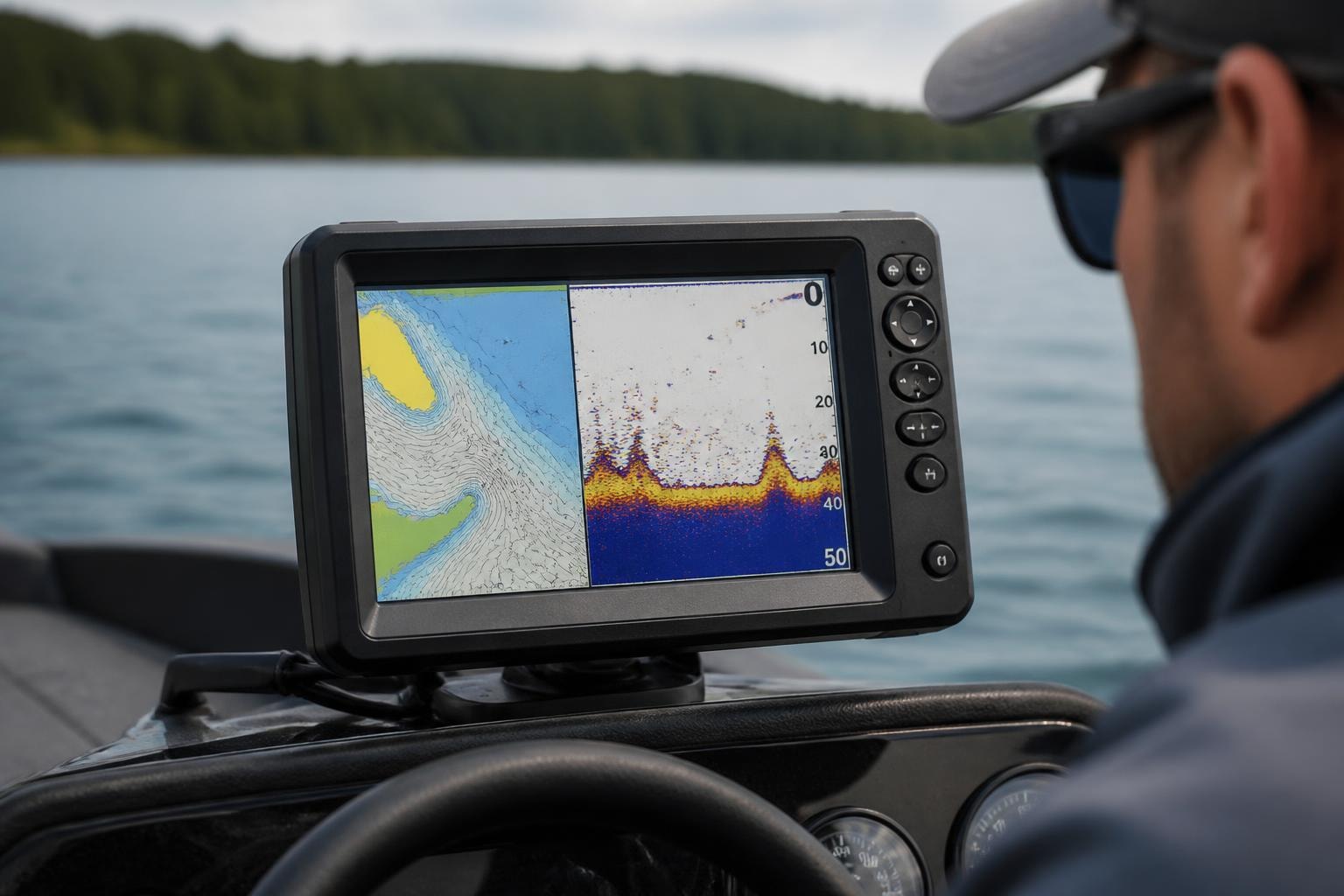
- Position over structure using your GPS and depth finder
- Drop your sabiki rig to the desired depth, usually near the bottom
- Work the rig with gentle jigging motions
- Watch for bites – you'll often hook multiple goggle eyes at once
- Transfer carefully to your livewell to keep them healthy
You can find specialized rigs designed specifically for catching goggle eyes that make the process more efficient.
Rigging Goggle Eyes for Maximum Effectiveness
How you rig your goggle eyes bait determines how long it stays lively and how naturally it swims. The rigging method depends on your target species and fishing technique.
Hook Placement Options
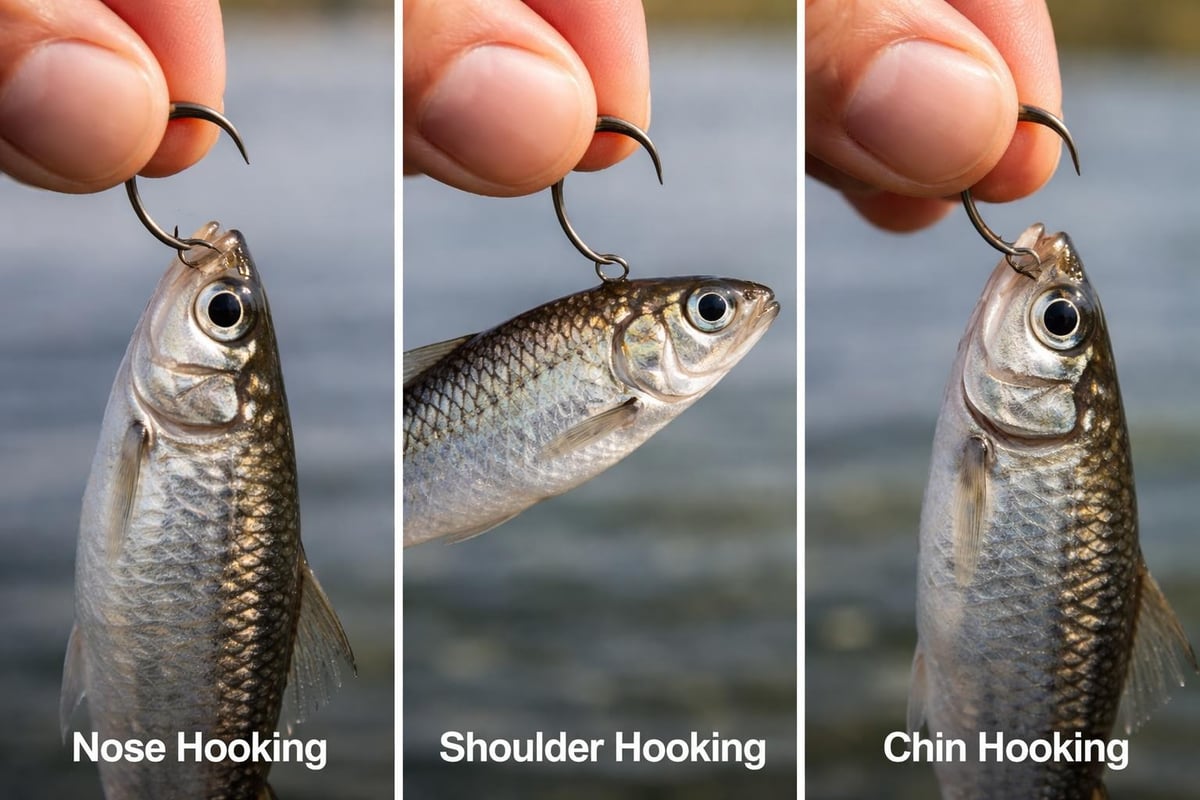
Nose hooking works well for trolling or drift fishing. Insert a circle hook through both nostrils or just behind the upper jaw. This keeps the bait swimming naturally while allowing good hook sets.
Shoulder hooking behind the dorsal fin works when you need the bait to swim deeper or when fishing in current. This placement gives the goggle eye more freedom of movement.
Chin hooking through the lower jaw and out the upper jaw creates an upward swimming presentation that's deadly for sailfish and marlin.
Visual demonstrations of proper rigging techniques can help you master the nuances of each method. The key is using sharp hooks and minimizing damage to keep your bait lively.
Tackle Considerations
Choose circle hooks in the 4/0 to 7/0 range depending on goggle eye size. Fluorocarbon leaders in the 40-60 pound range balance strength with invisibility. Keep your tackle simple – the bait does the work.
Target Species and Techniques
Goggle eyes bait attracts an impressive variety of gamefish. Understanding which species you're targeting helps you adjust your presentation.
Prime Targets
Sailfish rank as the number one target for goggle eyes in southeast Florida. These acrobatic billfish can't resist a lively goggle eye presented at the right depth. Many captains consider them the deadliest bait for sailfishing.
Kingfish (king mackerel) aggressively strike goggle eyes, whether you're slow-trolling or kite fishing. Their speed and sharp teeth make for exciting action.
Other species that readily take goggle eyes include:
- Cobia
- Dolphin (mahi-mahi)
- Wahoo
- Barracuda
- Large grouper
- Amberjack
Presentation Methods
Kite fishing elevates goggle eyes to the surface, creating commotion that draws strikes from sailfish and other surface feeders. This technique is standard practice out of South Florida ports.
Slow trolling with goggle eyes bait at depths between 20 and 60 feet covers water while keeping baits active. Adjust your depth based on where you're marking fish.
Live bait fishing at anchor near structure like productive spots off Key Largo can be incredibly effective for bottom species and pelagics cruising by.
Keeping Goggle Eyes Healthy
The effectiveness of goggle eyes bait depends entirely on keeping them alive and active. Dead or sluggish bait won't produce the same results.
Livewell Management
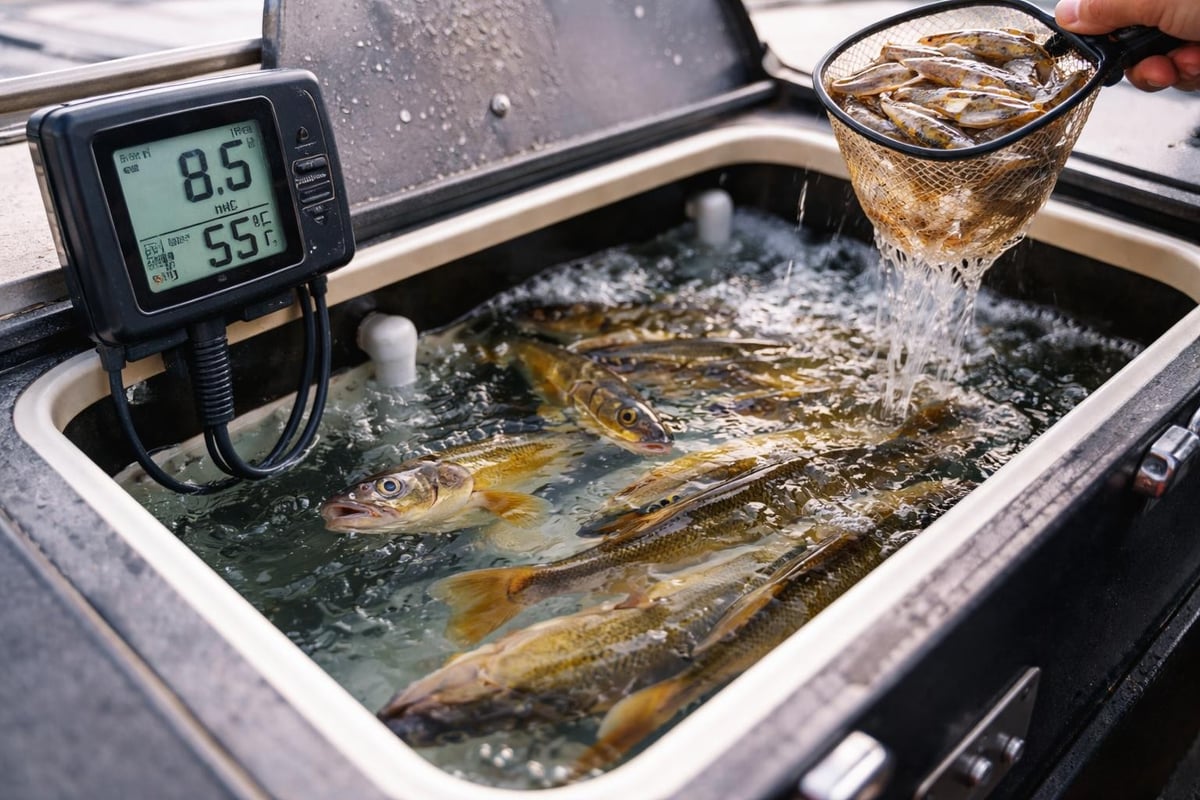
Goggle eyes need well-oxygenated water at the right temperature. Maintain water temperature between 72-78°F if possible. Overcrowding kills bait quickly, so don't pack too many into your livewell.
Water exchange keeps oxygen levels high and removes waste. Continuous flow systems work best, but recirculating pumps with good aeration can work too.
Minimize handling when transferring bait from the catching rig to the livewell and eventually to your fishing hook. Wet your hands first and handle them gently.
Common Mistakes to Avoid
Even experienced anglers sometimes lose bait through preventable errors:
- Temperature shock: Don't add ice directly to your livewell
- Rough handling: Squeezing goggle eyes damages their internal organs
- Poor water quality: Change water regularly to prevent ammonia buildup
- Wrong hook size: Hooks that are too large kill bait quickly
Regional Variations and Related Species
While southeast Florida is famous for goggle eye fishing, similar species exist in other regions. In freshwater systems, particularly in the Midwest, the term "goggle-eye" refers to rock bass (Ambloplites rupestris), a completely different species.
The freshwater goggle-eye or rock bass doesn't work as saltwater bait, but it's a fun panfish to catch. When searching for fishing locations in different states, understanding these regional naming differences prevents confusion.
In saltwater, bigeye scad is the scientific term, while commercial fishermen and charter captains universally call them goggle eyes. Miss Britt Sportfishing highlights how valuable they are to the charter fishing industry throughout the Florida Keys.
Seasonal Patterns and Availability
Goggle eyes bait is available year-round in most Florida waters, but seasonal patterns affect their abundance and location. Winter months (December through March) bring sailfish season, creating peak demand for quality goggle eyes.
During summer, schools often move to slightly deeper water as surface temperatures rise. Spring and fall transitions bring excellent bait availability as goggle eyes congregate around spawning areas.
Weather also impacts catching bait. Calm mornings with light wind make it easier to work sabiki rigs effectively. After cold fronts, give the water a day or two to settle before expecting consistent bait catches.
Mastering goggle eyes bait opens up incredible fishing opportunities for gamefish that serious anglers dream about. From catching your own bait around structure to presenting it perfectly for that trophy sailfish, every step matters. When you're ready to discover prime fishing locations where goggle eyes and the gamefish that eat them thrive, Find Fishing Spots provides GPS coordinates, access details, and local insights for saltwater destinations across the U.S. Start exploring new waters and put your goggle eye fishing skills to work at productive spots you might never have found on your own.