There’s nothing quite like the heart-pounding excitement of a smallmouth bass smashing your lure. Whether you’re a seasoned angler chasing your next trophy or just starting out, smallmouth bass fishing is packed with challenge and reward. It’s no wonder this sport keeps growing in popularity across North America.
This expert guide is your go-to resource for smallmouth bass fishing in 2026. We’ll break down everything you need to know, from understanding the fish itself to the best locations, gear, seasonal tactics, pro tips, and how to fish responsibly. Ready to boost your skills and catch rates? Let’s dive in.
Understanding Smallmouth Bass: Biology and Behavior
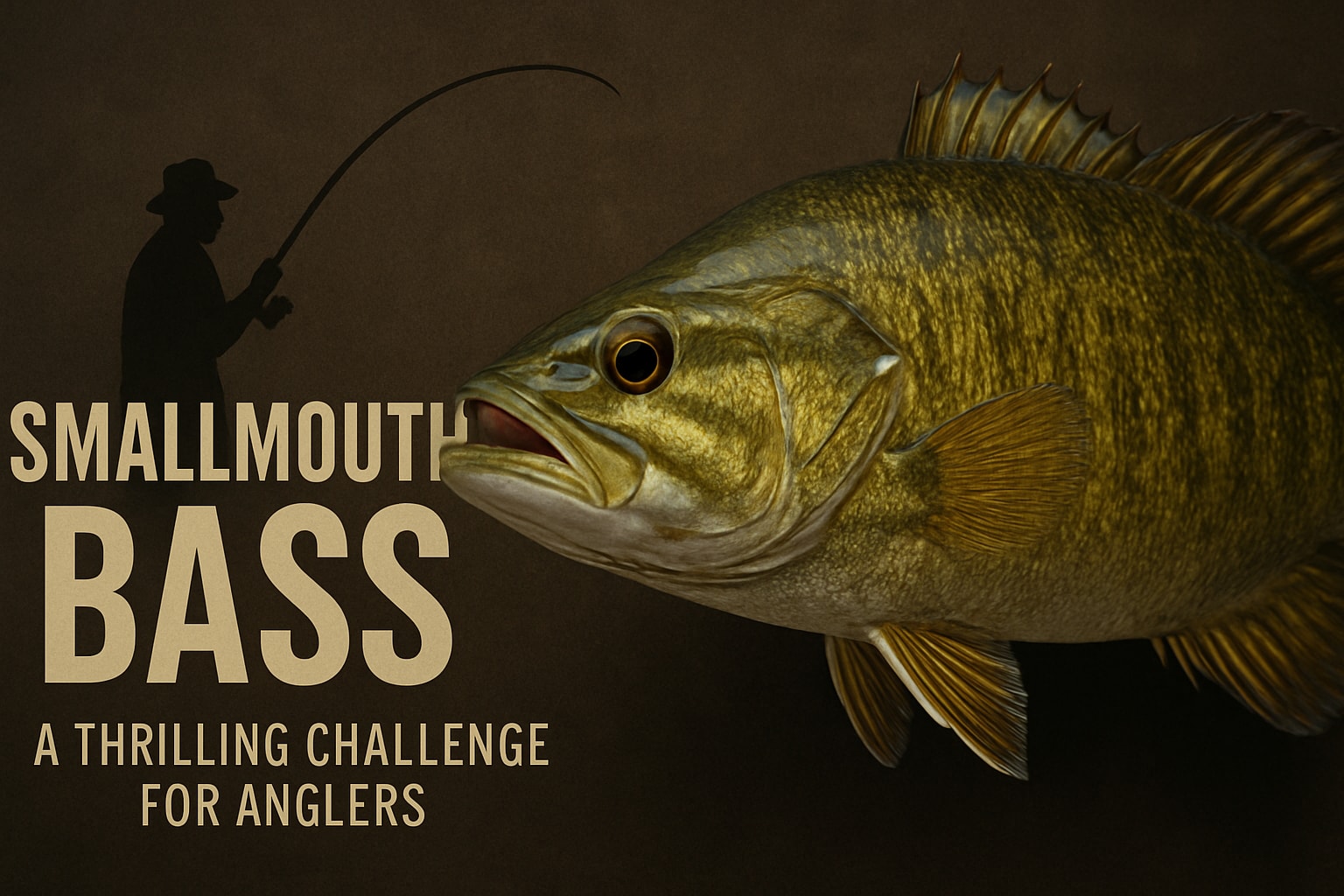
Few fish capture the hearts of anglers quite like the smallmouth bass. Known scientifically as Micropterus dolomieu, this species goes by nicknames such as “bronzeback” or “smallie.” Whether you hear a fish tale from a riverbank regular or see tournament results, the smallmouth bass stands out for its fighting spirit and adaptability.
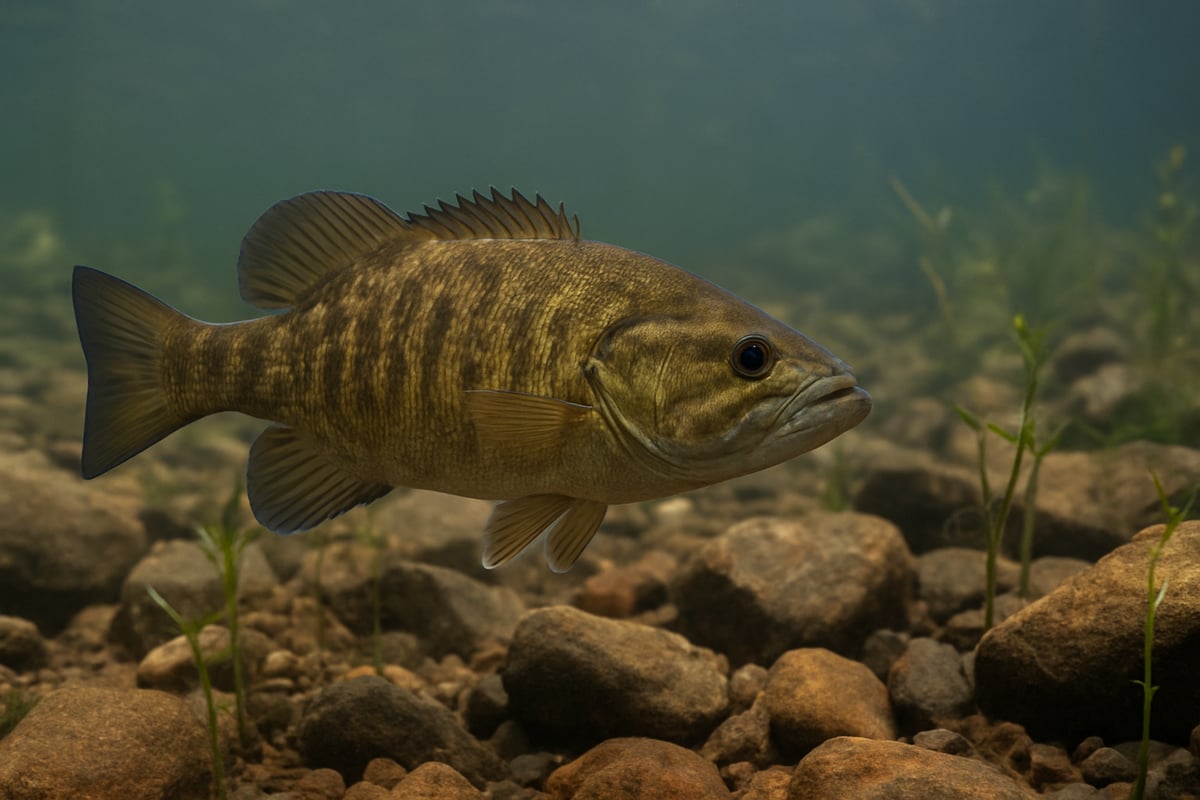
You can spot a smallmouth bass by its slender, muscular body and bronze-to-olive coloration. Their sides often shimmer with vertical bars, which help them blend into rocky or sandy habitats. Most smallmouth bass measure between 12 and 16 inches, though trophies can reach up to 27 inches and weigh over 12 pounds. The world record, in fact, tips the scale at 11 pounds 15 ounces from Dale Hollow Reservoir.
Smallmouth bass are native to the upper and middle Mississippi River, the Great Lakes, and Saint Lawrence River. Over time, anglers and wildlife agencies have helped expand their range across North America. Today, you’ll find thriving populations in clear streams, cool lakes, and rivers with rocky or sandy bottoms. Smallmouth bass prefer clean, oxygen-rich water where they can spot prey and avoid predators.
When it comes to diet, smallmouth bass are versatile feeders. Their menu includes:
- Crayfish
- Aquatic insects
- Tadpoles
- Small fish
Their feeding habits make them ambush predators, waiting in cover before darting out with surprising speed. Powerful swimmers, smallmouth bass put up a memorable fight, which is why so many anglers chase them year after year.
There are two main subspecies: the Northern smallmouth bass and the Neosho smallmouth bass. While they share many traits, subtle differences in coloration, size, and preferred water conditions set them apart. State records, such as Washington’s 8.75-pound catch, highlight the impressive size these fish can reach across the country.
Want to dig deeper into why smallmouth bass populations are booming and what that means for anglers? Check out the latest research and trends in the Smallmouth Bass Boom: A New Era for Anglers.
Top Smallmouth Bass Fishing Locations in 2026
Want to know where the action is for smallmouth bass in 2026? Whether you’re a seasoned pro or just getting your feet wet, finding the right spots makes all the difference. The best locations blend natural beauty, healthy fish populations, and easy access, giving every angler a shot at their next trophy.
Key Regions and Waterways
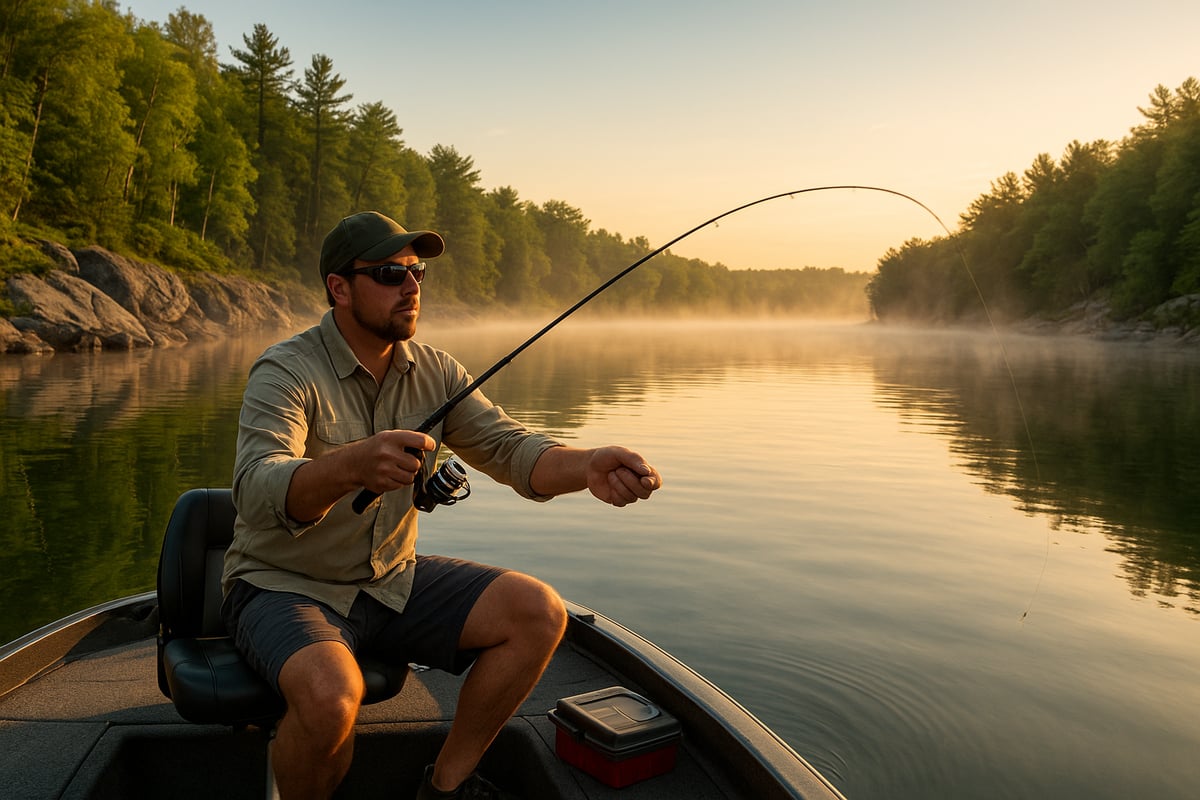
The smallmouth bass thrives in some of North America’s most legendary waters. Top regions include the Great Lakes, the Saint Lawrence River, and the vast Mississippi River basin. These areas offer clear water, abundant rocky or sandy bottoms, and plenty of structure that smallmouth bass love.
The Midwest and Pacific Northwest are also packed with hotspots. Think Lake Chelan in Washington, the iconic Dale Hollow Reservoir on the Kentucky-Tennessee border, and stretches of the Snake River. Thanks to stocking and introductions, smallmouth bass now call many new waters home, expanding opportunities for anglers across the continent.
Water clarity often shapes the color and behavior of smallmouth bass, with clearer lakes producing lighter, more golden fish. Public access is a big plus—many lakes and rivers have well-marked boat launches, bank fishing spots, and family-friendly parks. Water quality and local regulations can impact your success, so always check for up-to-date rules before hitting the water.
For a sneak peek at the most promising destinations, check out the latest Previewing the 2026 Elite Fisheries for expert picks and conditions.
Seasonal Hotspots and Migration Patterns
Smallmouth bass are on the move throughout the year, and knowing their patterns is key. In spring, rising water temperatures push bass into shallow flats and gravel beds to spawn. This is prime time for action, with fish feeding aggressively and holding tight to cover.
As summer heats up, smallmouth bass often shift deeper, settling near rocky drop-offs or submerged timber in 20 to 30 feet of water. Early mornings and evenings are ideal for topwater bites, while midday calls for deeper presentations.
Come fall, cooling water gets smallmouth bass feeding hard before winter. They roam shallower again, chasing schools of baitfish and bulking up. Covering water and adapting to changing conditions will help you stay on the bite. Competitor data shows spring and fall produce the best numbers, while summer and winter require extra patience and strategic adjustments.
No matter the season, understanding migration and habitat preferences will put you right where the smallmouth bass are biting.
Essential Gear and Tackle for Smallmouth Bass Fishing
The right gear is your ticket to more action and bigger catches when chasing smallmouth bass. Whether you fish from shore or boat, knowing what to bring can make or break your day on the water. Let’s break down the must-haves for a successful smallmouth bass trip.
Rods, Reels, and Line Selection
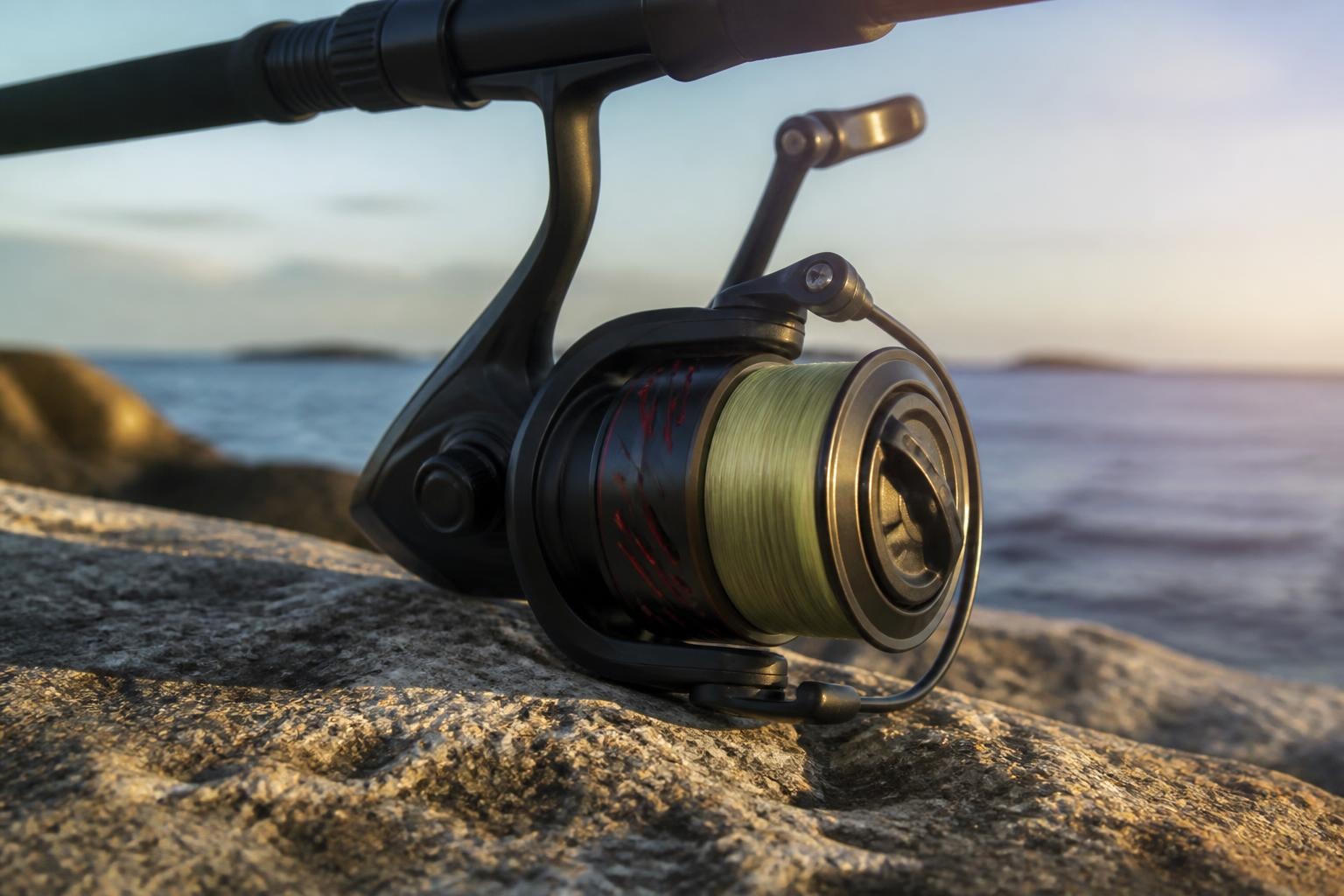
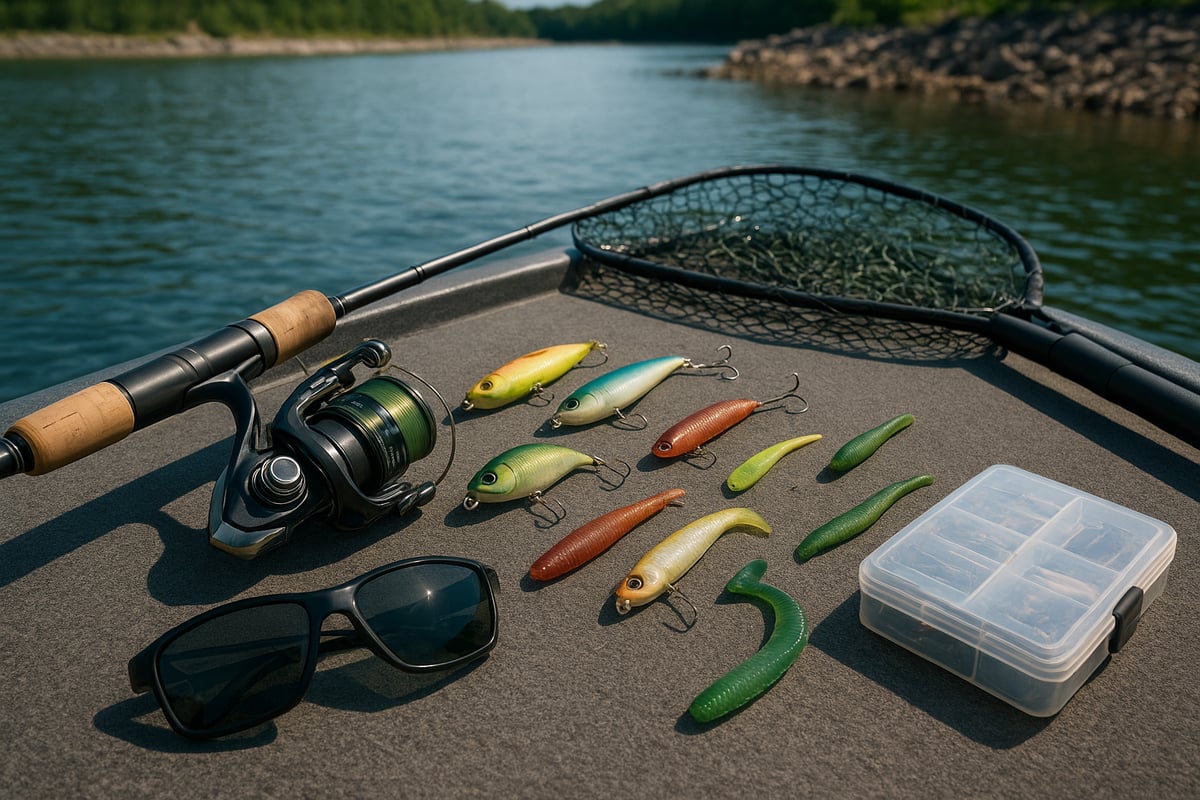
Choosing the right rod and reel for smallmouth bass is all about balance. A medium or medium-heavy spinning rod gives you the backbone for hard fights, but still enough sensitivity to detect subtle bites. Many anglers prefer spinning reels with smooth drag systems and high gear ratios, so you can quickly reel in slack and keep up with fast-moving fish.
For line, go with 8 to 12 pound fluorocarbon or braided line. Fluorocarbon is nearly invisible in clear water, which smallmouth bass often prefer. Braided line offers more strength for fishing around rocks and timber. Adding a fluorocarbon leader can help you fool wary smallmouth bass in crystal clear lakes and rivers.
Lures and Baits
Smallmouth bass are known for their aggressive strikes, so lure choice matters. Crankbaits, jerkbaits, spinnerbaits, and soft plastics like grubs or finesse worms are top picks. In spring, go for natural colors that mimic crayfish or baitfish. During summer and fall, brighter colors can trigger more bites, especially in stained water.
Don’t overlook classic setups like football head jigs, drop shot rigs, and Texas rigs. Each has a time and place, depending on lake structure and season. If you want to dig deeper into lure choices and tactics, check out these top fishing techniques and tips perfect for smallmouth bass.
Accessories and Tools
Having the right accessories keeps your smallmouth bass adventure smooth and safe. Bring a sturdy landing net to avoid losing fish at the boat. Fish grips make handling easier, while polarized sunglasses help spot bass in shallow water. Compact tackle boxes or bags keep your lures and gear organized, so you spend more time fishing and less time searching.
Don’t skimp on safety. Always wear a personal flotation device, especially if you’re fishing from a kayak or small boat. Sun protection and a simple first aid kit round out your essentials. With the right gear, you’re set to enjoy every smallmouth bass trip, rain or shine.
Seasonal Tactics and Expert Strategies for 2026
Fishing for smallmouth bass is all about timing and adapting to the changing seasons. Each phase of the year brings its own challenges and opportunities. Let’s break down how to outsmart smallmouth bass throughout the year, so you can make every trip count.
Spring: Pre-Spawn and Spawn Tactics
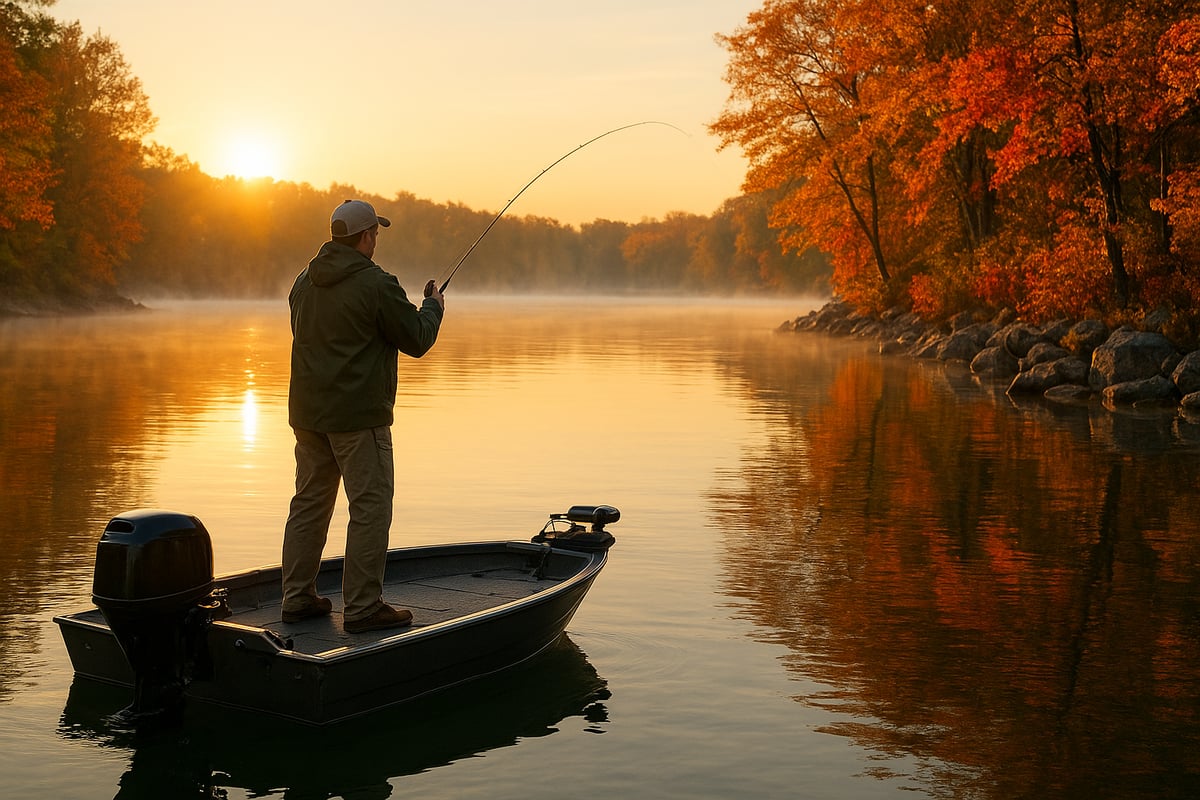
When spring rolls in and water temperatures start climbing, smallmouth bass wake up and get hungry. You’ll find them moving from deep winter holes to shallow flats and gravel shorelines. Early on, reaction baits like crankbaits and jerkbaits work wonders for sluggish fish.
As the spawn approaches, smallmouth bass males build nests in water five to twenty feet deep. They fiercely guard these spots. Look for subtle depressions on gravel or sand. Fish slow, target staging areas near current seams or rocky points, and use soft plastics to tempt aggressive nest defenders. Remember, handle fish with care during this sensitive time.
Summer: Deep-Water and Structure Fishing
Once the heat kicks in, smallmouth bass shift to deeper water, often holding at twenty to thirty feet. The thermocline forms, and bass hang just above it, close to structure like boulders, docks, and submerged timber.
For deep action, finesse worms on drop-shot rigs and grubs on jig heads are hard to beat. Early mornings and late evenings are prime for topwater lures along shaded banks. Don’t overlook fishing around structure—bass love ambushing prey from cover. Adjust your tactics as the sun rises, and always keep a close eye on your electronics.
Fall: Transition and Feeding Frenzies
As the days cool down, smallmouth bass go on a feeding spree to prep for winter. They move shallower again, chasing baitfish and crayfish. Covering water quickly becomes key, using spinnerbaits and crankbaits to trigger reaction strikes at dawn and dusk.
During the day, focus on bottom fishing with jigs or soft plastics. Stay alert for changing conditions—wind, temperature drops, or rain can shuffle fish locations fast. If you want even more seasonal tips, check out these Techniques to Target Smallmouth Through the Seasons for extra expert insight.
Winter: Slow Presentations and Deep Holding
Winter means smallmouth bass slow way down, stacking up in the deepest holes, sometimes over thirty feet. Slow and subtle is the name of the game. Vertical jigging with small spoons or soft plastics can entice bites from these chilly, sluggish fish.
Electronics become your best friend for finding tight schools. Be patient and persistent—sometimes it takes a dozen slow drags to get a single bite. Dress warm, fish slow, and remember, winter bass are worth the wait for those who stick it out.
Advanced Techniques and Pro Tips for Trophy Smallmouth
Want to turn good days into legendary ones? Unlocking advanced techniques is the key to catching trophy smallmouth bass, especially in 2026 when the pressure is up and fish are getting smarter. Whether you’re after size or numbers, going beyond the basics will help you land more and bigger fish.
Finesse vs. Power: Mastering Two Worlds
When smallmouth bass get picky, finesse tactics shine. Try drop-shotting, Ned rigs, or shaky heads for pressured fish. These subtle presentations mimic natural prey and work wonders in clear water or when bass are shy.
On the flip side, power fishing is perfect for aggressive smallmouth bass, especially during feeding frenzies. Swimbaits, spinnerbaits, and jerkbaits move quickly and trigger reaction strikes. Mixing both finesse and power lets you adapt to changing moods and conditions, so always have both options ready.
Electronics, Positioning, and Current
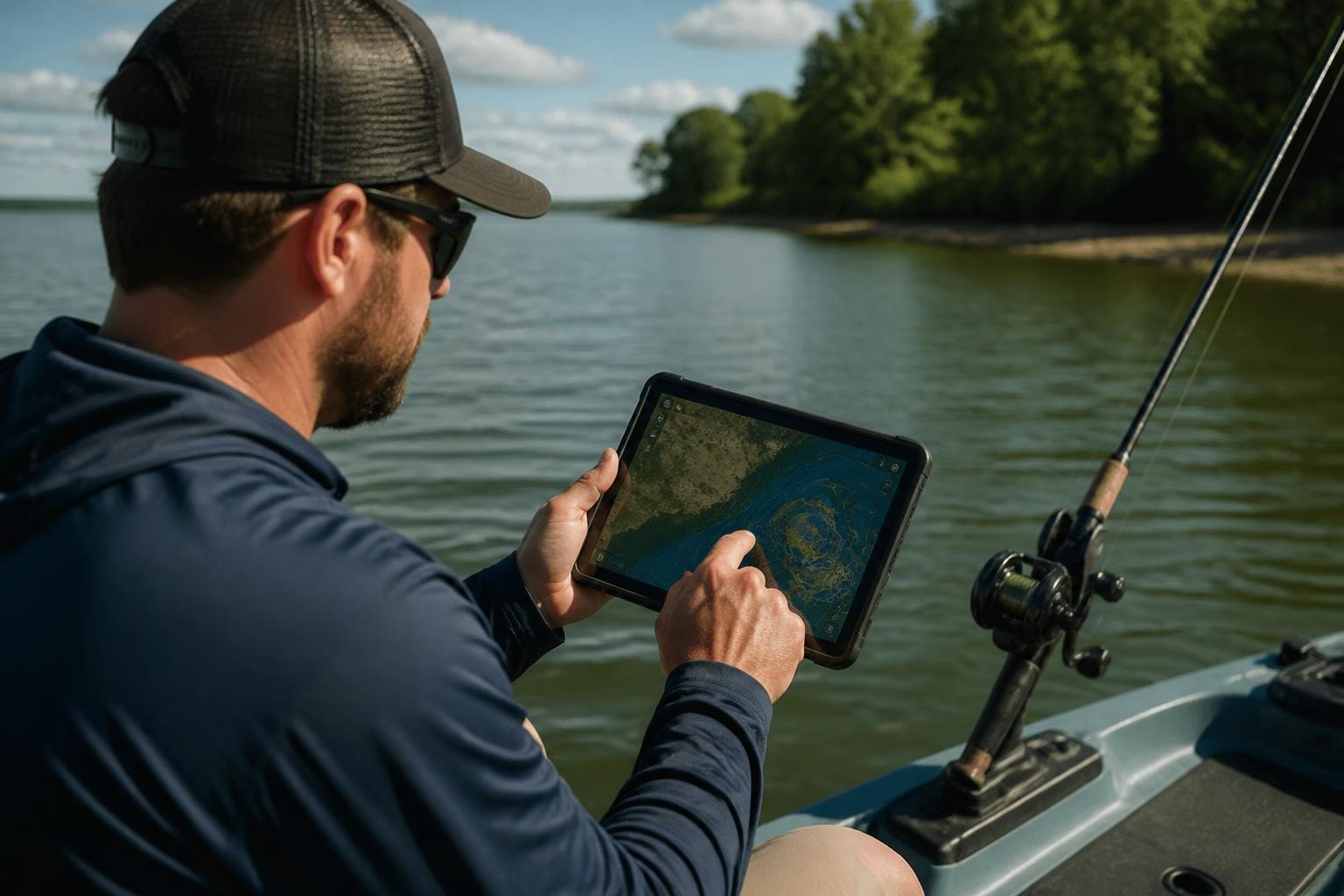
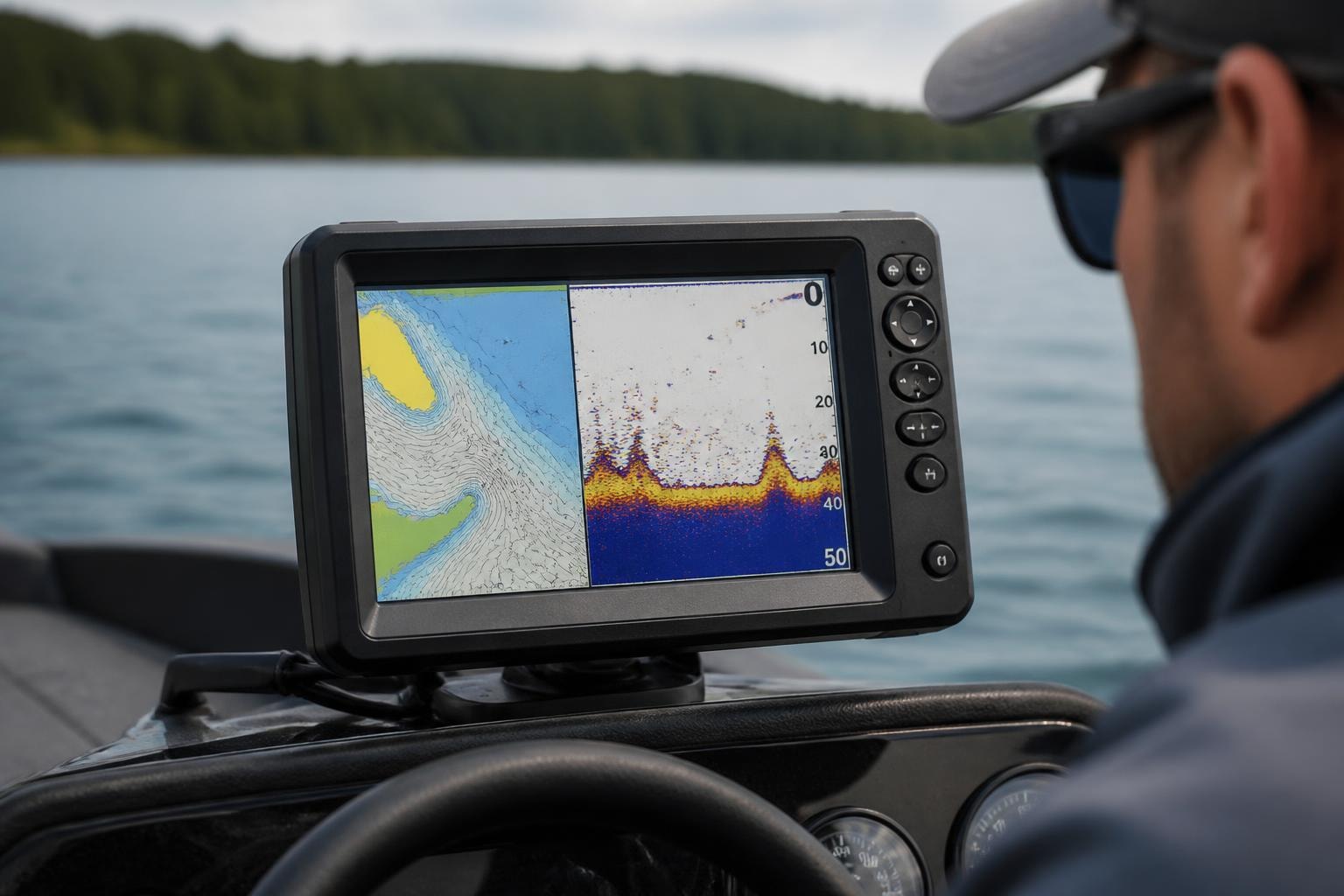
Modern electronics have changed the smallmouth bass game. Use fish finders to spot bait schools, rocky structure, and thermoclines where bass hang out. Side imaging and down imaging can help you pinpoint the biggest fish without wasting time.
Boat positioning is just as important. Cast at different angles to cover water thoroughly, and target current breaks, eddies, and seams. These spots concentrate smallmouth bass, especially in rivers or when water levels fluctuate.
- Use electronics to mark prime spots
- Approach quietly to avoid spooking fish
- Watch for bait movement on your screen
Trophy Tactics, Night Fishing, and Tournament Tricks
If you want a true trophy, focus on rivers like the Snake, where 100-fish days are possible with the right approach. Try night fishing in summer and early fall, using topwaters or big swimbaits for the largest smallmouth bass that feed after dark. Stay patient, move slowly, and listen for subtle bites.
Tournament pros are always innovating. In 2026, forward-facing sonar and new lure designs are making a difference. For more expert insights, check out the Smallmouth Bass Tactics of a Rising Star, where pro anglers share their winning strategies for smallmouth bass.
Mastering these advanced techniques will help you outsmart even the wariest smallmouth bass and keep your fishing game ahead of the curve.
Conservation Practices and Responsible Angling
Caring for smallmouth bass is just as important as catching them. If you want to see healthy populations for years to come, responsible angling is the way to go. Practicing catch-and-release helps preserve trophy fish and keeps local waters thriving.
Handle fish with care every time you land one. Use barbless hooks when possible and always wet your hands before touching a bass. Keep the fish in the water as much as you can, and release it quickly to minimize stress. Avoid squeezing the fish or holding it by the jaw for long periods.
Preventing the spread of invasive species is another key part of protecting smallmouth bass habitats. Rinse and dry your gear, boats, and waders after each trip. Never move fish or bait between bodies of water. These small steps keep the ecosystem balanced for everyone.
Stay up to date on local rules. Many areas have size and bag limits, seasonal closures, or protected zones. Before you head out, check Best fishing locations in the US for site-specific regulations and tips on responsible fishing access.
Most anglers chase smallmouth bass for the thrill, not for the table. Supporting habitat restoration projects or joining citizen science efforts can make a real difference in your local fishery. According to the IUCN, smallmouth bass are listed as "Least Concern," but that only stays true with our help.
Education and community stewardship go a long way. Share best practices with fellow anglers, encourage youth involvement, and support conservation groups. Every action counts toward a future where smallmouth bass fishing remains world-class.
By fishing responsibly today, we ensure smallmouth bass will be there for the next generation of anglers. It is all about respect—for the fish, the water, and the sport.
Now that you’ve got a handle on what makes smallmouth bass tick and where to find them, why not take the next step and explore new waters for yourself? Whether you’re planning a weekend getaway or just looking for a hidden gem close to home, having the right spot makes all the difference. I always find it exciting to scout out fresh locations and try out the tactics we’ve talked about together. If you’re ready to put these tips to work and discover your next favorite fishing hole, just Find Spots and start planning your next adventure.