Finding fish in unfamiliar water can feel like searching for a needle in a haystack. The Lowrance Hook 7 aims to change that by packing GPS navigation and sonar technology into a single, affordable unit. This fish finder has become a go-to option for anglers who want reliable performance without breaking the bank. Whether you're exploring new locations or returning to your favorite spots, understanding what this unit offers can make your time on the water more productive.
What Makes the Lowrance Hook 7 Stand Out
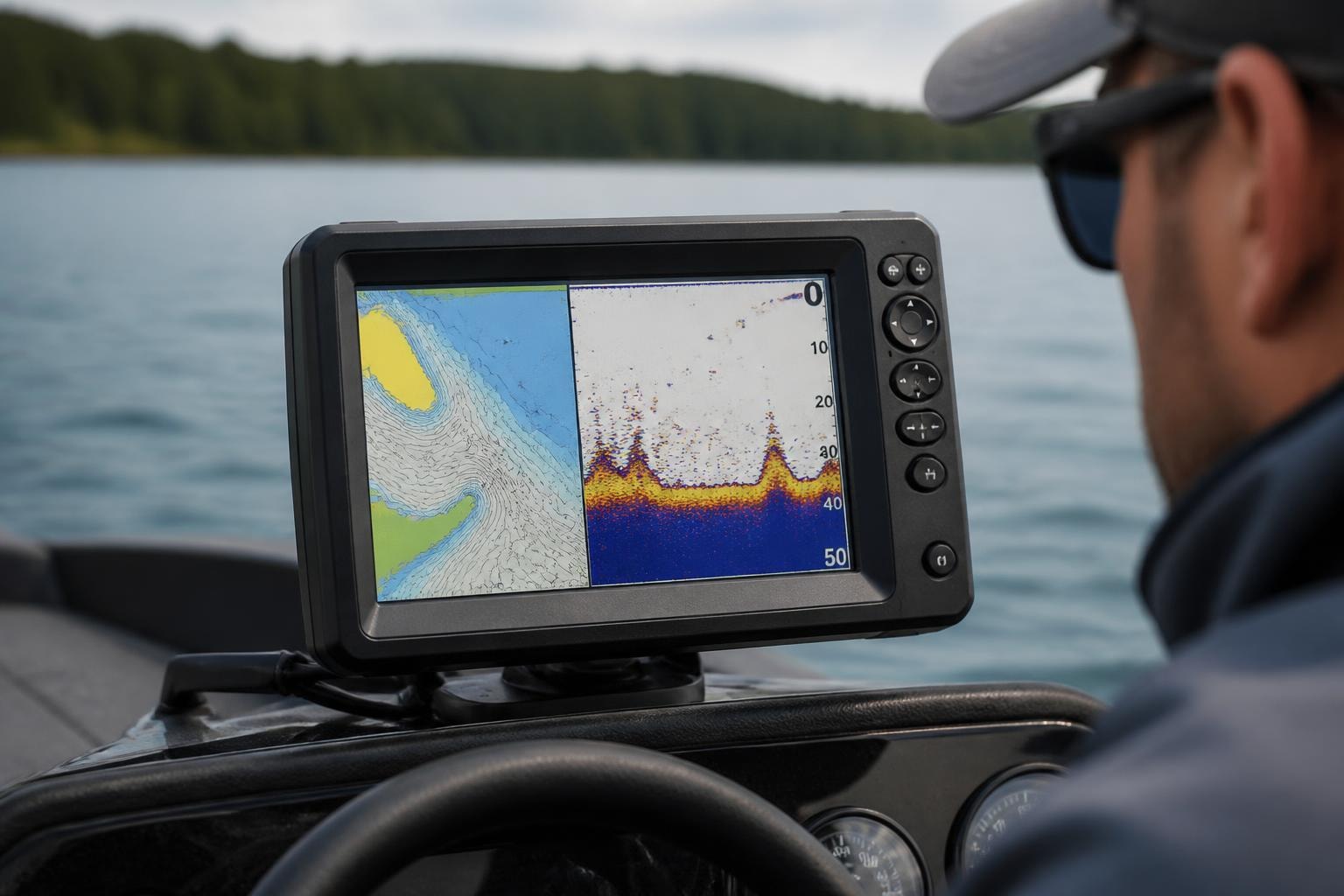
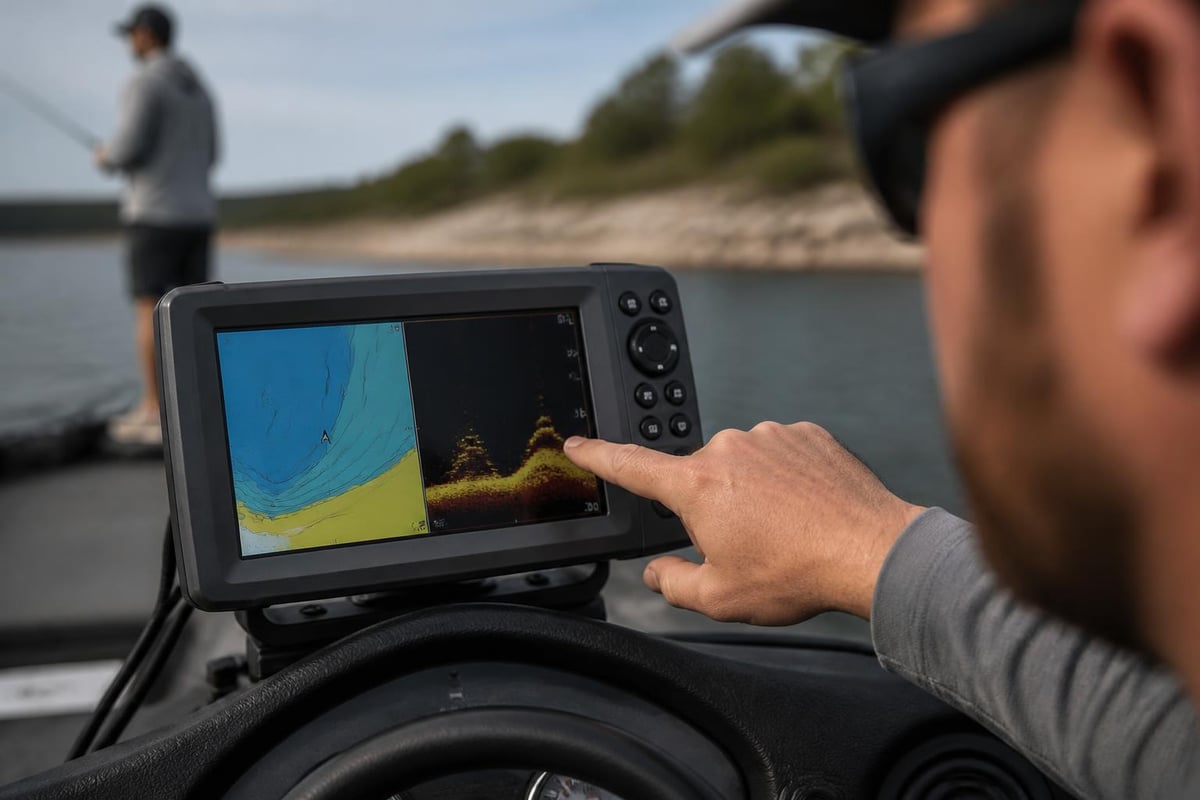
The lowrance hook 7 features a seven-inch color display that's readable in bright sunlight, a crucial feature when you're out on open water. The screen size hits a sweet spot between portability and visibility, giving you enough real estate to see what's happening below your boat without overwhelming your dashboard.
Key features include:
- SolarMAX display technology for outdoor visibility
- Built-in GPS plotter with US base map
- CHIRP sonar for detailed fish detection
- DownScan Imaging for photo-like bottom views
- Easy-to-use keypad navigation
One of the biggest advantages is how the Lowrance Hook 7 balances affordability with performance, making it accessible for weekend anglers and serious fishing enthusiasts alike. You're not sacrificing essential features just to save a few bucks.
Display and User Interface
The seven-inch screen responds quickly to button presses, something you'll appreciate when conditions get rough. The display runs at 800 x 480 pixels, providing clear imagery of structure, fish, and bottom composition.
Navigation happens through physical buttons rather than touchscreen, which works better when your hands are wet or you're wearing gloves. The interface follows a logical menu structure that doesn't require you to dig through endless submenus.
Screen Readability in Different Conditions
Bright midday sun can wash out many fish finder displays, but the lowrance hook 7 handles it well. The SolarMAX technology adjusts brightness automatically, though you can also tweak settings manually. Early morning and late evening fishing sessions also benefit from the screen's versatility, as it dims appropriately without losing detail.
GPS and Mapping Capabilities
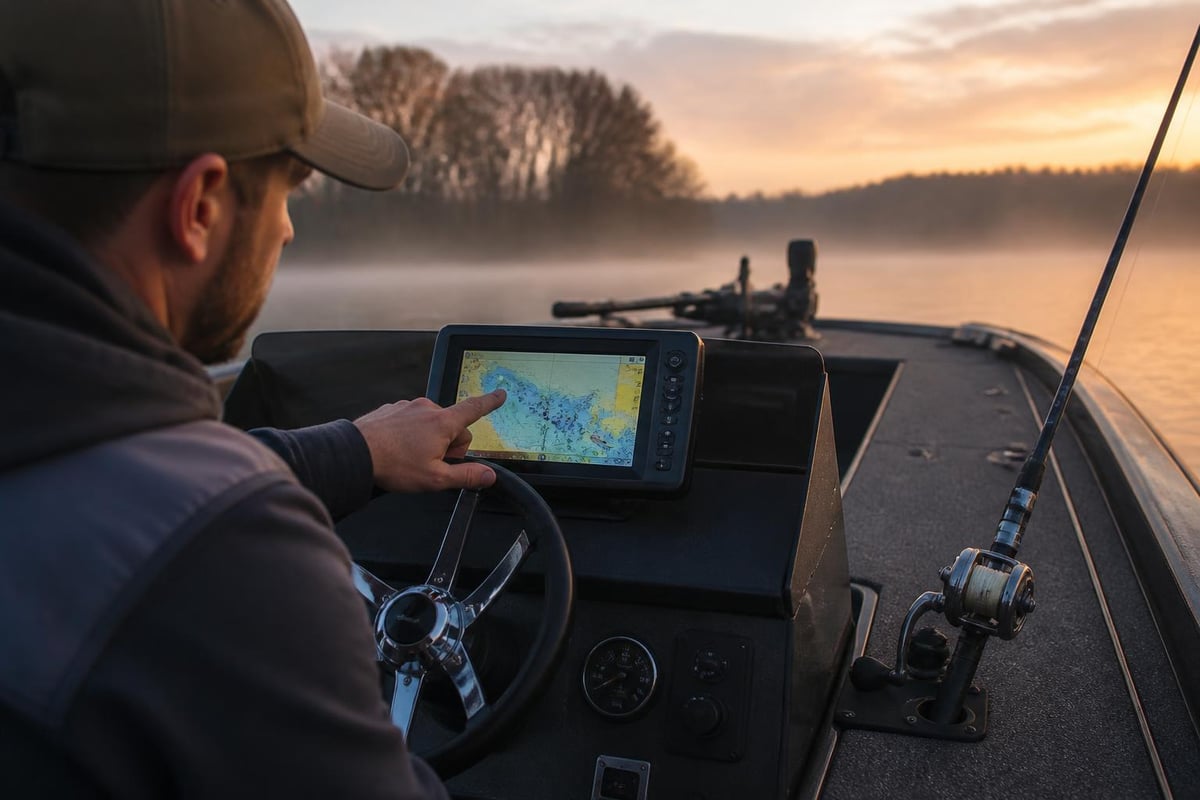
The built-in GPS plotter comes loaded with a US base map showing over 3,000 lakes and coastal contours. While this isn't the most detailed mapping available, it gives you enough information to navigate safely and mark waypoints.
When you find productive water, you can drop a waypoint with a few button presses. This feature proves invaluable when you're exploring different fishing spots across various regions, allowing you to build a personal database of locations worth revisiting.
The unit supports microSD cards for map upgrades, so you can add more detailed charts as your budget allows. Many anglers start with the base map and expand later, keeping initial costs down.
Sonar Performance and Fish Detection
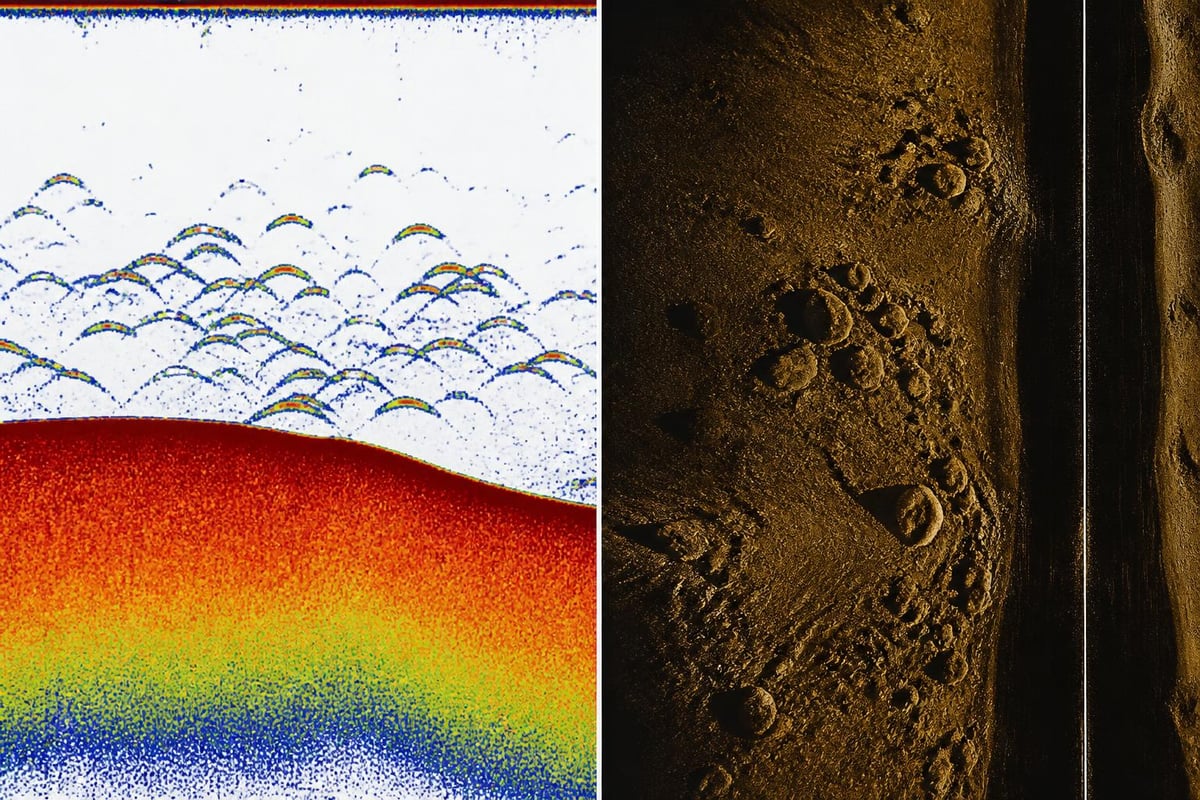
CHIRP sonar represents a significant upgrade over traditional sonar. Instead of sending a single frequency, CHIRP sweeps through a range of frequencies, returning more information about what's below. The result? Better target separation and more accurate depth readings.
DownScan Imaging provides a different perspective, creating photo-like images of structure and fish. This view helps you distinguish between rocks, logs, and actual fish, reducing false positives.
What you'll see with DownScan:
- Individual fish arches with clear separation
- Bottom composition (hard vs. soft)
- Standing timber and brush piles
- Thermoclines in deeper water
- Baitfish schools
The detailed review from Fishing Tech highlights how these imaging technologies work together to give you a complete underwater picture. In practice, switching between traditional sonar and DownScan helps confirm what you're seeing.
Installation and Setup Process
Setting up the lowrance hook 7 typically takes a few hours for someone comfortable with basic wiring. The operation manual walks through mounting, transducer placement, and power connections step by step.
Installation checklist:
- Mount display in visible location
- Run power cables to battery
- Install transducer on transom or trolling motor
- Configure sonar settings for your water type
- Enter GPS settings and test accuracy
The transducer matters more than many realize. Proper placement ensures accurate readings, while poor placement creates air bubbles that interfere with sonar. Take time to get this right during installation.
Real-World Performance on the Water
Testing reveals where fish finders excel and where they fall short. The lowrance hook 7 performs admirably in depths from shallow flats to moderately deep water around 800 feet. Outdoor Life’s review particularly notes its reliability for kayak fishing, where size and weight constraints matter.
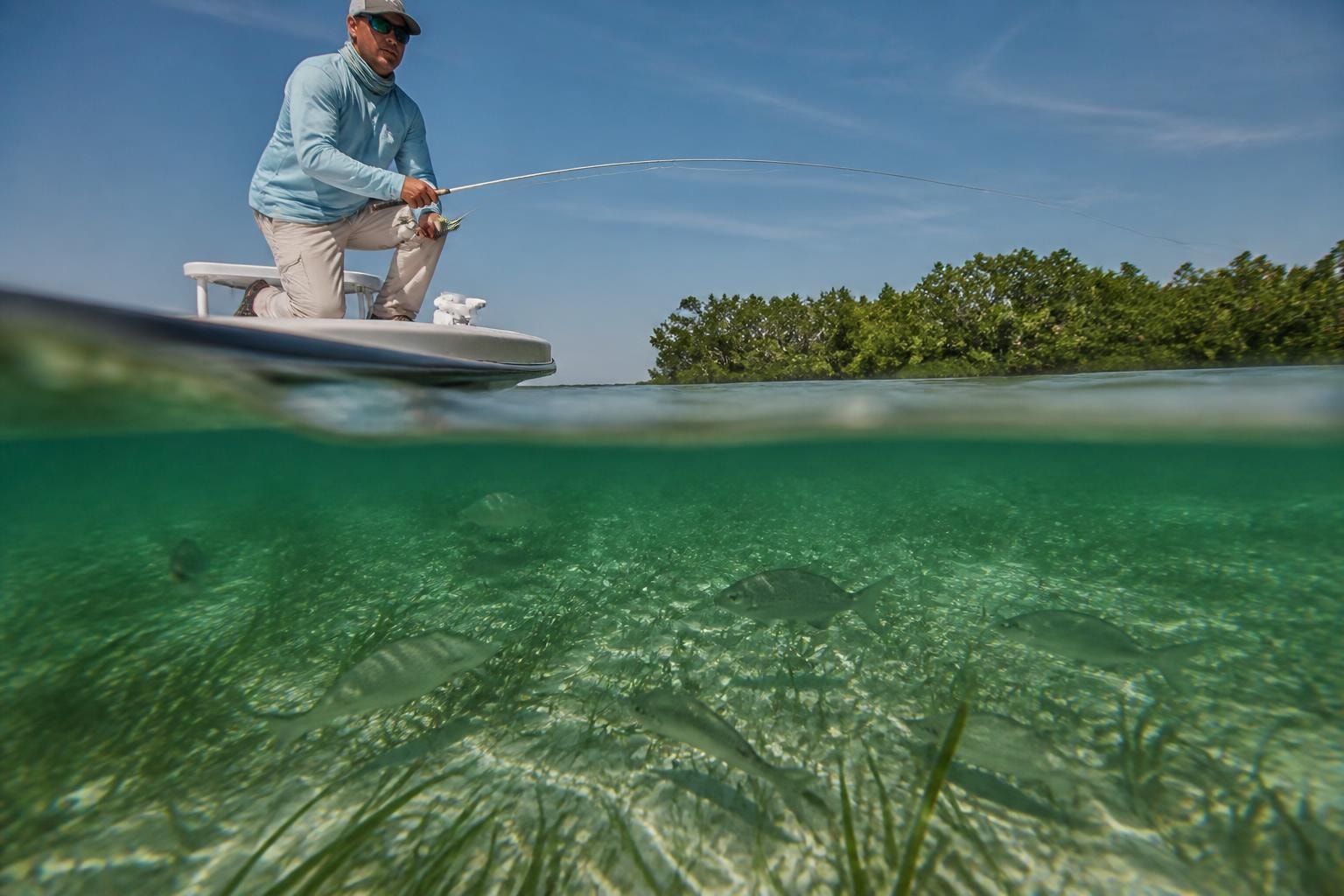
In shallow water under 10 feet, like you might find at coastal flats in Florida, the unit clearly shows bottom changes and fish holding near structure. Deeper offshore locations also read well, though extreme depths beyond 800 feet push the limits.
Comparing Different Hook 7 Models
Lowrance offers several Hook 7 variations, primarily differing in sonar capabilities and included transducers. The TripleShot version includes side imaging alongside down imaging and CHIRP, while the SplitShot sticks to down imaging and CHIRP.
Consider your fishing style:
- Offshore anglers benefit from extended depth capabilities
- Bass fishermen prioritize structure imaging
- Kayak anglers need compact transducer options
- Coastal fishermen want detailed shallow water performance
Budget plays a role, but so does intended use. Paying extra for features you'll never use doesn't make sense.
Practical Tips for Maximizing Performance
Getting the most from your lowrance hook 7 requires understanding a few key settings. Start with factory defaults, then adjust sensitivity based on water clarity and depth. Murkier water often needs higher sensitivity, while crystal-clear water performs better with reduced settings.
Save your settings profiles for different fishing situations. One profile for shallow water, another for deep, and a third for when you're searching for suspended fish saves time on the water.
Quick optimization steps:
- Adjust ping speed for your boat speed
- Set appropriate depth range (auto or manual)
- Configure alarms for fish and depth
- Customize screen layouts for your preferences
- Update software when available
The GPS tracking feature also helps pattern fish movements over time. When you catch fish at specific waypoints, note the time, tide, and conditions. This data becomes more valuable as you accumulate it across seasons.
Maintenance and Longevity
The lowrance hook 7 proves durable with basic care. Keep connections clean and dry, rinse saltwater residue after coastal trips, and protect the screen during storage. The unit itself resists water intrusion well, though it's not designed for full submersion.
Battery voltage matters for performance. Low voltage can cause the unit to shut down unexpectedly or reduce screen brightness. Monitor your power source and replace aging batteries before they cause problems.
The Lowrance Hook 7 delivers reliable fish-finding technology at a price point that makes sense for most anglers, combining GPS navigation with effective sonar in a user-friendly package. Once you've got your electronics sorted, the next step is knowing where to use them. Find Fishing Spots helps you discover productive waters across the country, with GPS coordinates and detailed access information for thousands of locations, so you can spend less time searching and more time fishing.