Your hands take a beating when you're out fishing. Whether you're handling braided line that can slice through skin, gripping a rod for hours in freezing weather, or fighting a big fish that's testing your tackle, the right pair of fishing gloves can make all the difference. They're not just about comfort-they're about protecting your hands so you can fish longer, safer, and more effectively. Let's dive into what makes fishing gloves essential and how to choose the right pair for your needs.
Why You Actually Need Fishing Gloves
Most anglers start out thinking gloves are optional gear, something you grab only when it's cold. That changes fast after your first line burn or when you're trying to handle a toothy pike. Understanding what fishing gloves offer goes beyond simple warmth.
Protection is the primary reason to wear gloves:
- Line cuts: Braided line acts like a razor when a fish runs. Gloves prevent deep cuts.
- Sun damage: Your hands get more UV exposure than almost any body part while fishing.
- Fish handling: Teeth, spines, gill plates, and sharp fins can all cause injuries.
- Weather protection: Cold, wind, and wet conditions can make fishing miserable without proper hand coverage.
Beyond protection, fishing gloves improve your grip on wet rods, slippery fish, and tools. When you're at popular fishing spots across the country, conditions change throughout the day. Having gloves that work with your style keeps you fishing when others pack up.
Types of Fishing Gloves for Different Conditions
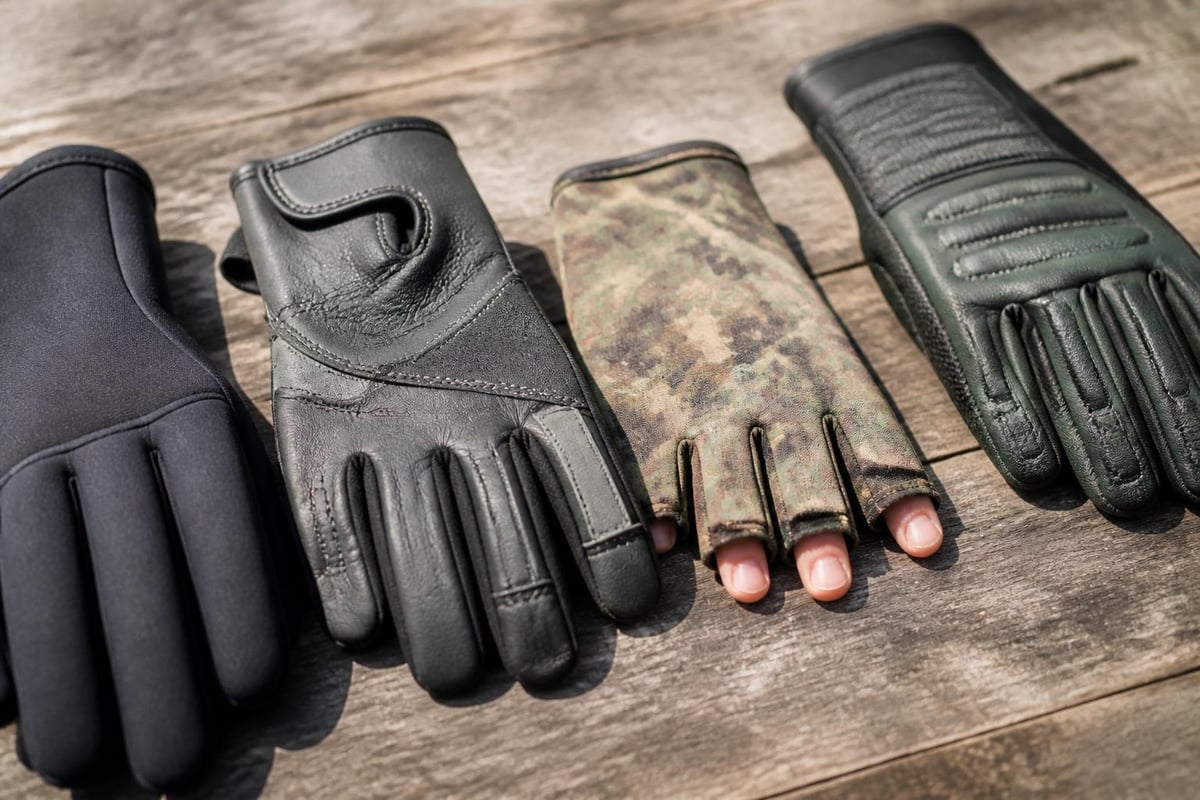
Not all fishing gloves serve the same purpose. The variety of glove types available means matching your gear to your fishing style and environment.
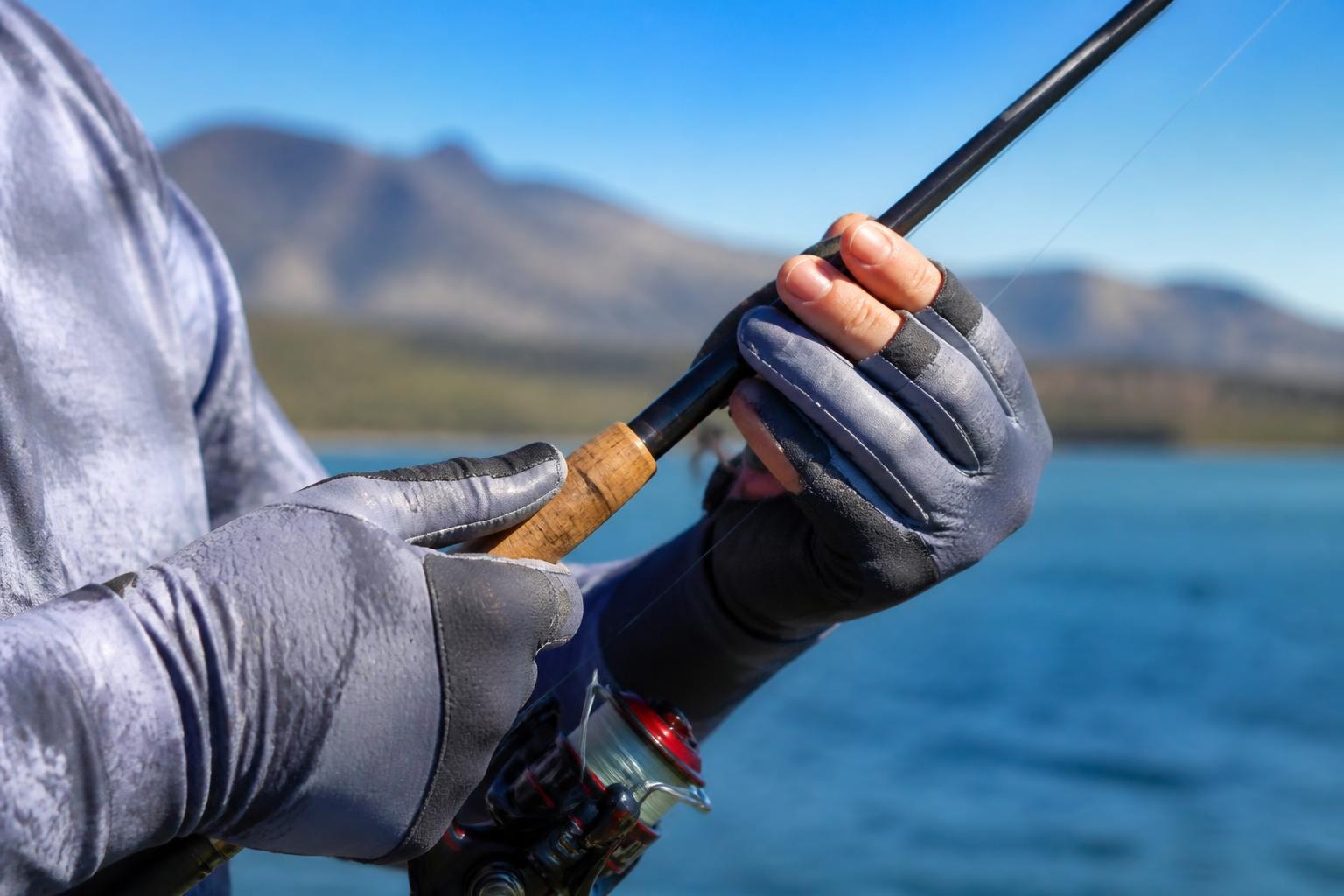
Fingerless Gloves for Warm Weather
Fingerless designs dominate warm-weather fishing:
- Maximum dexterity: You can tie knots, handle lures, and feel bites without removing gloves.
- Palm protection: Coverage where you need it most for line handling.
- UV blocking: Backs of hands stay protected from sun damage.
- Ventilation: Your hands don't overheat on hot days.
These work great for freshwater bass fishing, inshore saltwater trips, and anywhere you need fine motor control. When you're exploring fishing locations in warmer climates, fingerless gloves become daily essentials.
Neoprene Gloves for Cold Water
Neoprene fishing gloves trap a thin layer of water against your skin, which your body heats. This insulation keeps hands warm even when wet. Specialized cold-weather designs offer varying thicknesses based on how cold conditions get.
Key features of quality neoprene gloves:
- 2mm to 5mm thickness options
- Reinforced palms for durability
- Extended cuffs that seal under jacket sleeves
- Textured grip surfaces
Winter steelhead fishing, early spring trout streams, and late-fall walleye trips all benefit from neoprene protection. The material maintains flexibility even in freezing temperatures.
Full-Finger Tactical Gloves
When handling aggressive species or fishing in rough conditions, full-finger gloves with reinforced construction provide maximum protection. These typically use synthetic leather or specialized fabrics that combine durability with grip.
Material Choices That Matter
The material determines how your fishing gloves perform. Comparing different glove materials helps you understand what works for specific situations.
Popular materials and their benefits:
- Synthetic leather: Durable, good grip when wet, resists fish slime
- Neoprene: Insulating, flexible, waterproof
- Spandex/Lycra: Lightweight, breathable, quick-drying
- Kevlar: Cut-resistant for heavy line work
- Fleece-lined: Extra warmth for extreme cold
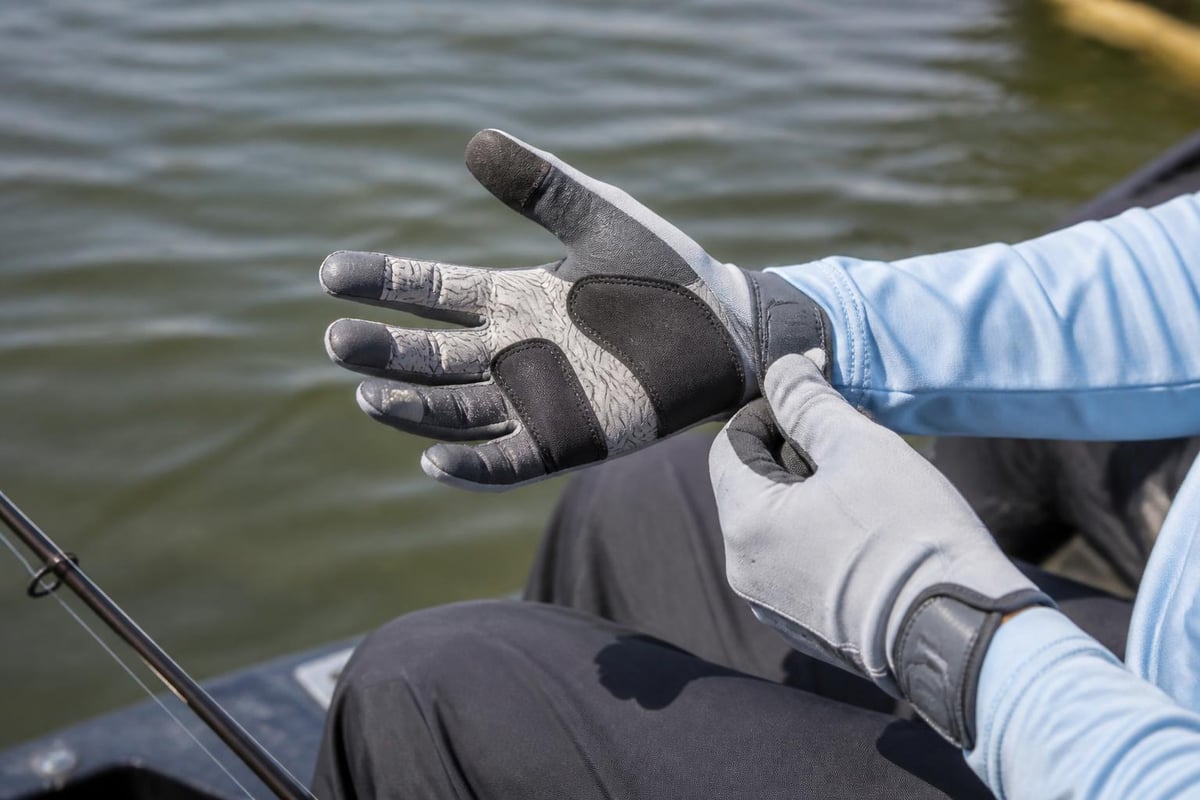
Many modern fishing gloves combine materials in strategic zones. Palm areas might use grippy synthetic leather while backs feature breathable spandex. This hybrid approach gives you the best characteristics where you need them most.
Choosing Gloves for Your Fishing Style
Your fishing method determines which glove features matter most. Offshore anglers fighting tuna need different protection than fly fishermen working trout streams.
Saltwater Fishing Considerations
Saltwater environments demand corrosion-resistant materials and reinforced construction. Sea fishing glove requirements include rinse-and-dry capability and resistance to sun degradation. When you're at spots like Shelter Island Pier or Jennette’s Pier, salt spray constantly attacks your gear.
Look for gloves with drainage holes, quick-dry materials, and stitching that won't corrode. Some designs include extended cuffs that prevent water from running down your arms when you're reaching into waves.
Freshwater Applications
Freshwater fishing often involves more delicate presentations and smaller species. Lighter-weight gloves work better here, maintaining sensitivity while protecting from occasional pike teeth or catfish spines.
Freshwater glove priorities:
- Thin enough to feel light bites
- Nimble for tying small knots
- Protection from sun and minor cuts
- Easy to remove when needed
Features That Enhance Performance
Modern fishing gloves include features that earlier generations never had. Understanding these options helps you choose wisely.
Touchscreen compatibility lets you use your phone or fish finder without removing gloves. This seems minor until you're trying to photograph a catch or check GPS coordinates at your favorite fishing location with cold, wet hands.
Adjustable wrist closures prevent gloves from slipping off when wet or during hard fights. Velcro, elastic, or cinch cord systems keep gloves secure.
Reinforced fingertips extend glove life in high-wear areas. Look for double-stitching or extra material layers where you grip line most often.
Anti-slip palm patterns use silicone, rubber, or textured surfaces to maintain rod control. Waterproof glove technologies vary in how they create grip on wet surfaces.
Fit and Sizing Considerations
Poorly fitting fishing gloves create more problems than they solve. Too tight restricts blood flow and causes fatigue. Too loose reduces dexterity and allows slipping.
Measure your hand circumference at the widest part (usually across the knuckles) and compare to manufacturer sizing charts. Most quality brands provide detailed measurements rather than just S/M/L sizing.
Sizing tips from experienced anglers:
- Order a size up if between sizes for cold-weather gloves
- Choose exact fit for warm-weather fingerless designs
- Consider hand swelling during long fishing sessions
- Check return policies before buying online
Break in new gloves before important fishing trips. Wear them around the house, practice casting, and tie a few practice knots. This reveals fit issues while you can still exchange them.
Caring for Your Fishing Gloves
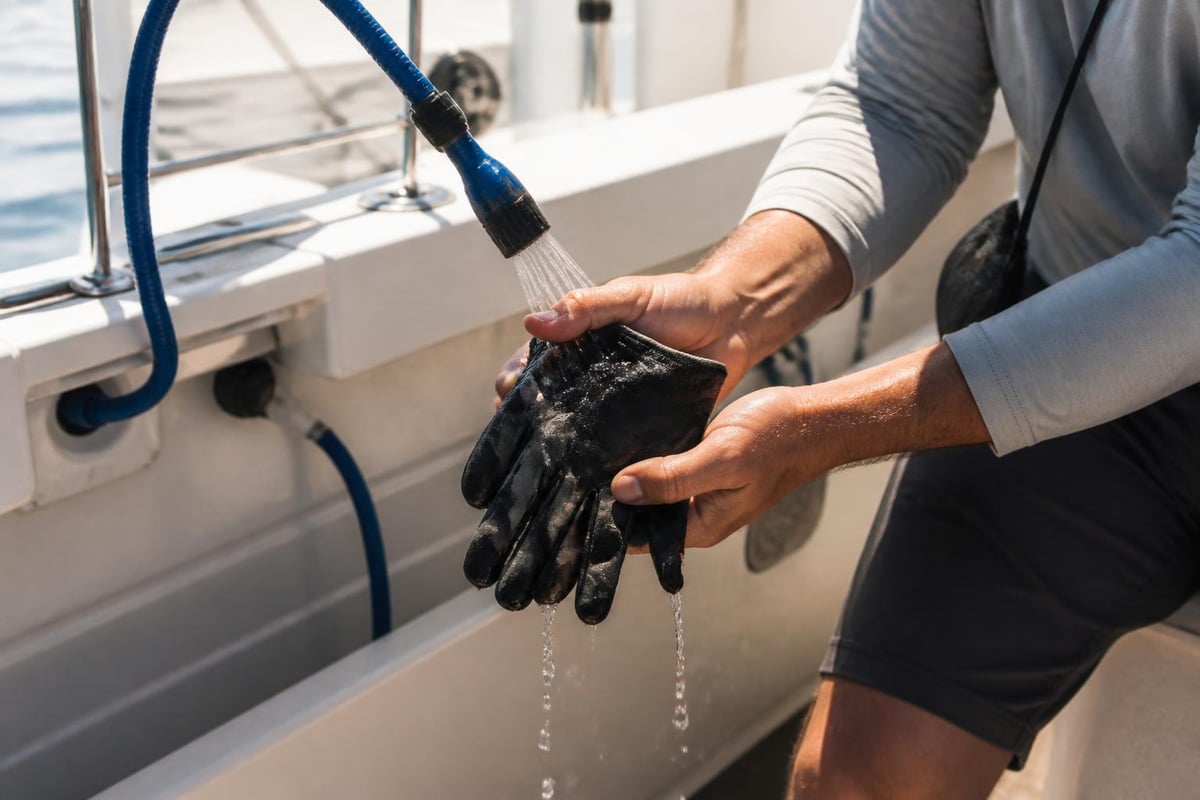
Proper maintenance extends glove life significantly. After each saltwater trip, rinse gloves in fresh water to remove salt crystals that degrade materials. For freshwater fishing, a simple rinse removes fish slime and debris.
Air-dry gloves away from direct heat sources. Dryers, radiators, and direct sunlight break down materials faster. Stuff them loosely with newspaper to maintain shape while drying.
Store gloves in a cool, dry place away from chemicals and petroleum products that can damage synthetic materials. Keeping them in your tackle bag works fine, but avoid leaving them compressed for long periods.
When you notice fraying stitches, worn grip surfaces, or holes developing, repair or replace gloves promptly. Damaged gloves don't protect properly and can actually create hazards.
Getting the Most from Your Investment
Quality fishing gloves range from budget-friendly basics around fifteen dollars to premium options exceeding a hundred dollars. Selecting the right fishing gloves depends on how often you fish and what conditions you face.
Owning multiple pairs for different situations makes sense for regular anglers. Keep fingerless gloves for warm days, neoprene options for cold weather, and reinforced gloves for handling aggressive species. This approach costs more upfront but each pair lasts longer because they're used appropriately.
Consider gloves an investment in fishing comfort and safety rather than an expense. The ability to fish effectively in varying conditions, protection from injuries, and extended time on the water easily justify the cost.
The right fishing gloves protect your hands, improve your grip, and let you fish comfortably in conditions that would otherwise cut trips short. Whether you need sun protection during summer bass fishing or warmth for winter steelhead runs, there's a glove designed for your needs. Ready to find your next fishing adventure? Explore thousands of fishing spots across the United States with detailed GPS coordinates, access information, and local insights that help you plan successful trips year-round.