Finding quality fishing spots near your current location doesn't have to feel like searching for a needle in a haystack. Whether you're planning a weekend trip or just have a free afternoon, knowing how to locate productive waters close by can transform your fishing experience. The right combination of research tools, local knowledge, and a bit of exploration will put you on fish faster than you might think.
Why Location Matters More Than You Think
When you're searching for fishing spots near your home or vacation destination, proximity is just the starting point. The best nearby fishing location balances convenience with quality, giving you productive water without burning half your day in transit.
Distance considerations affect more than just drive time:
- Frequent trips become easier when spots are within 30 minutes
- You can fish morning and evening sessions without major commitment
- Local knowledge builds faster with regular visits
- Fuel costs stay manageable for spontaneous outings
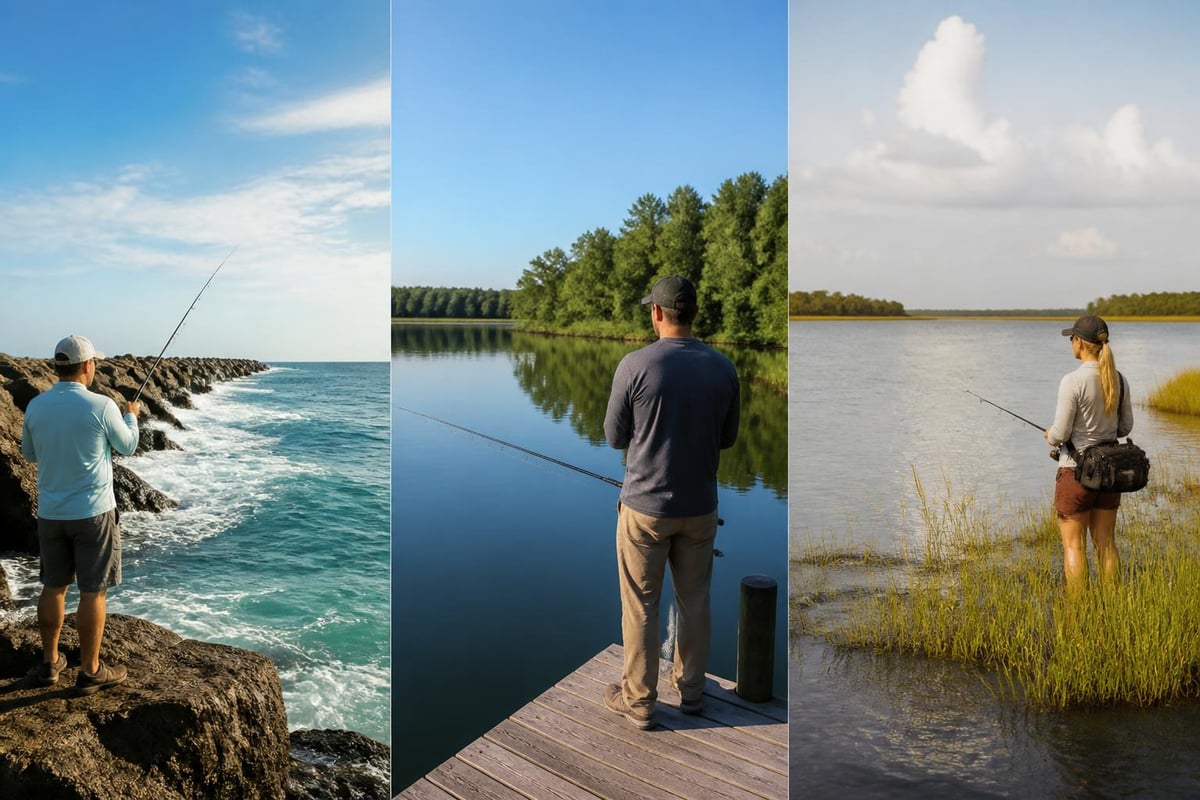
Understanding fishing types and regulations in your area helps narrow down which nearby waters match your fishing style. Saltwater anglers in coastal regions have different options than freshwater enthusiasts in the heartland.
Using Digital Tools to Scout Locations
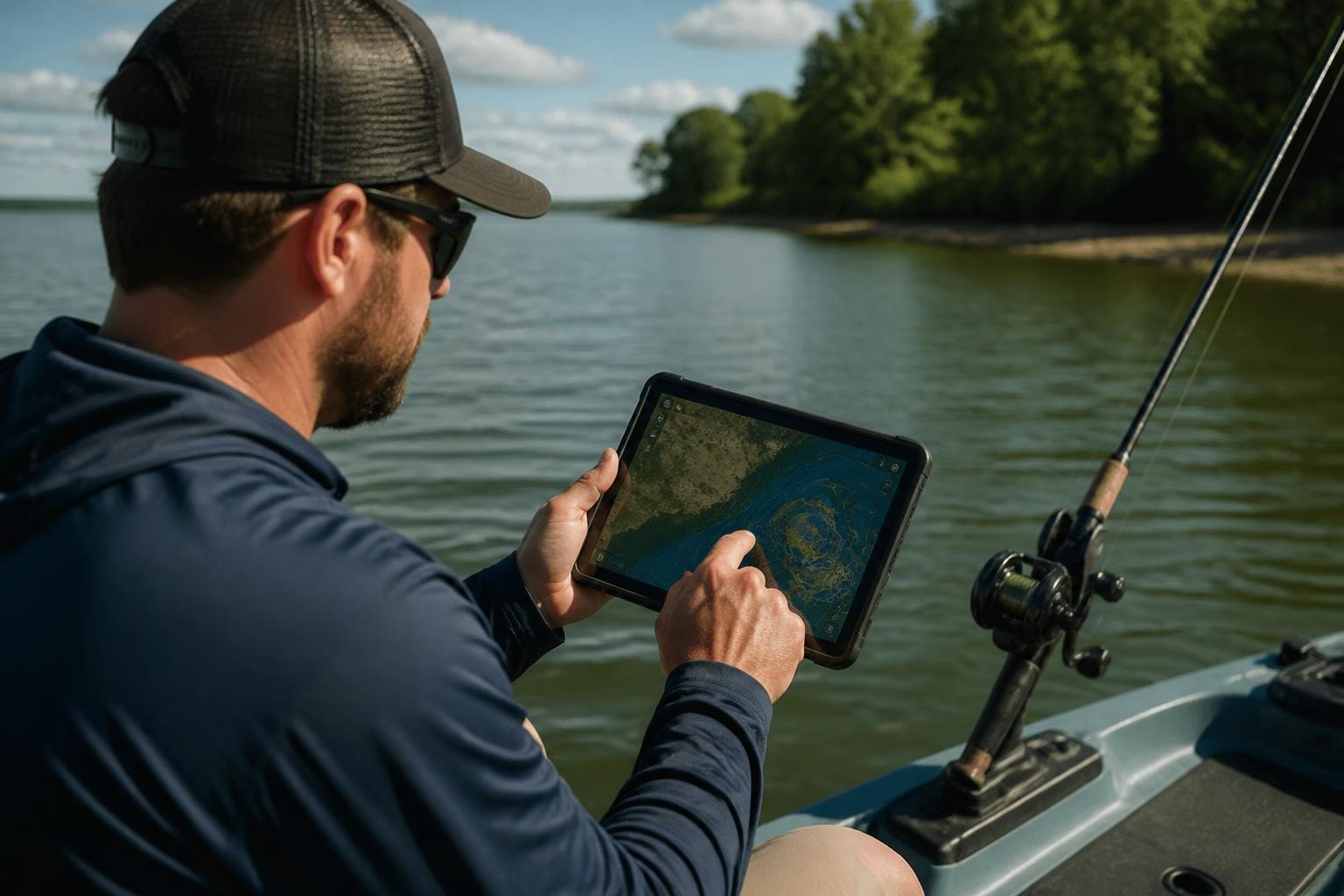
Modern anglers have advantages our predecessors never dreamed of. Online directories and mapping tools let you identify fishing spots near you before ever leaving home. The key is knowing what information actually matters.
GPS coordinates eliminate the guesswork. When you're heading to an unfamiliar area, exact location data means you'll actually find that boat ramp or shoreline access point instead of driving circles. Find Fishing Spots provides precise coordinates along with access details for locations across the country.
Essential information to look for includes:
- Parking availability and lot size
- Boat launch facilities versus bank fishing
- Handicap accessibility features
- Seasonal access restrictions
- Public versus private water designation
Many productive fishing spots near urban areas require permits or day-use fees. Checking these details ahead saves frustration when you arrive ready to fish.
Breaking Down Water Types
Not all fishing spots near your location offer the same opportunities. Understanding water classifications helps set realistic expectations and proper gear preparation.
Saltwater Opportunities
Coastal anglers enjoy diverse options from surf fishing to inshore flats. If you're searching for saltwater fishing spots near Tampa or saltwater locations near Wilmington, you'll find everything from piers to jetties to wade-fishing areas.
Popular saltwater access points:
- Public fishing piers (often lighted for night fishing)
- Beach and surf zones
- Jetty and breakwater structures
- Causeway bridges with walkways
- Marina and harbor areas
Remember that state-specific licensing requirements apply even at public saltwater locations. Don't assume any spot is license-free without checking first.
Freshwater Access Points
Lakes, rivers, ponds, and streams offer year-round fishing in most regions. When evaluating freshwater fishing spots near you, consider both access quality and fish populations.
Public boat ramps provide the most flexibility, but quality bank fishing can be equally productive. State parks, wildlife management areas, and Army Corps of Engineers properties often provide well-maintained freshwater access.
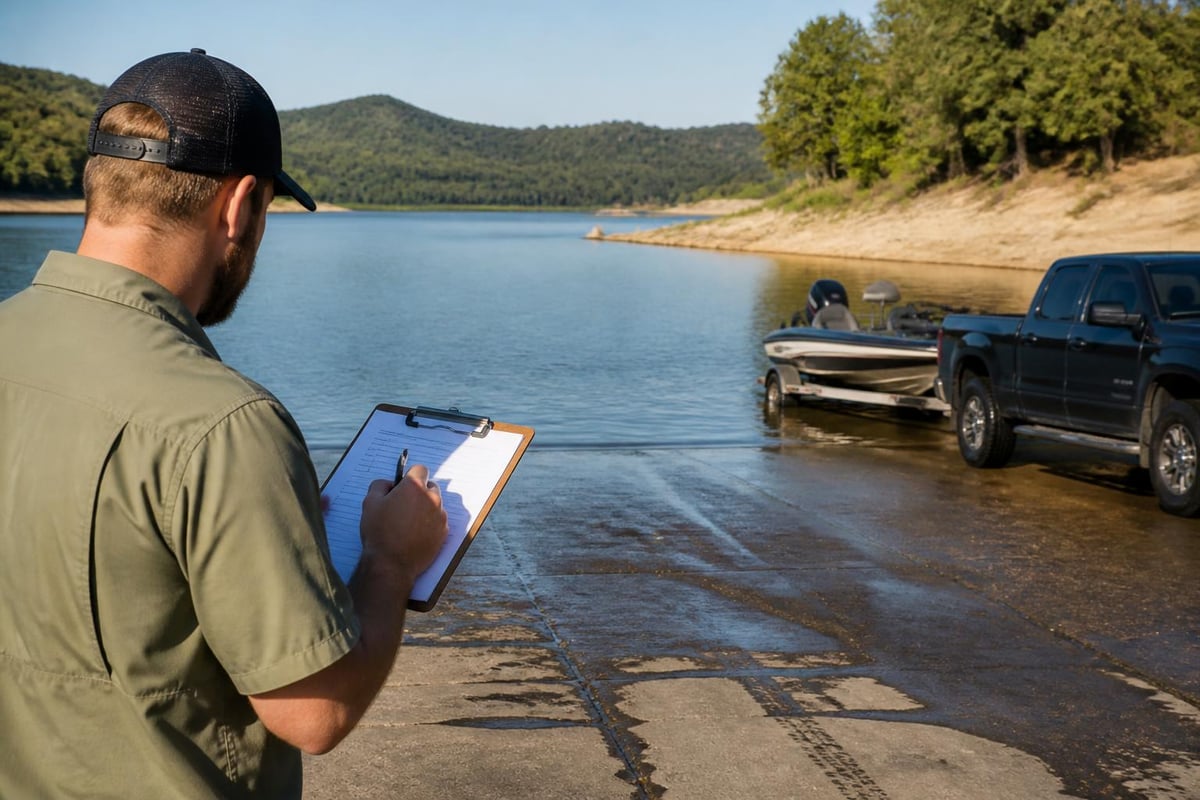
Before you can legally fish most waters, you'll need to understand age requirements for fishing licenses in your state. Requirements vary significantly across state lines.
Brackish Water Zones
These transitional areas where fresh and salt water mix create unique ecosystems. Estuaries, tidal creeks, and coastal marsh systems offer excellent fishing for species that thrive in variable salinity.
Brackish fishing spots near coastal cities often receive less pressure than pure saltwater locations. The tradeoff is that access can be trickier, with tidal fluctuations affecting boat launches and wade-fishing opportunities.
Making the Most of Nearby Opportunities
Once you've identified promising fishing spots near your area, maximizing success requires more than just showing up. Strategic planning separates occasional catches from consistent action.
Pre-trip preparation checklist:
- Check recent fishing reports for the specific location
- Verify current regulations and size limits
- Review tide charts for tidal waters
- Confirm access points haven't changed
- Prepare backup spots in case crowds are heavy
Understanding what fish you can legally keep matters as much as finding them. Bag limits and size restrictions exist for good reasons, protecting fish populations for future generations.
Regional Variations Across the Country
The concept of "fishing spots near me" means something different in Florida than it does in Montana. Regional characteristics shape what's available and what's productive.
Anglers in the Southeast enjoy year-round fishing with minimal winter closures. Top fishing destinations across the U.S. showcase the incredible diversity available depending on your location.
Northern states offer incredible summer and fall fishing, but ice fishing becomes the winter focus. Desert regions concentrate fishing around reservoirs and tail-waters below dams. Pacific Northwest anglers target salmon runs and steelhead in river systems.
The comprehensive directory at Find Fishing Spots breaks down options by region, making it easier to find relevant locations regardless of where you're based.
Building Your Personal Fishing Spot Database
The most successful anglers maintain their own collection of proven locations. As you explore fishing spots near your home waters, keep detailed notes on what works when.
Track these key details:
- Seasonal patterns and peak times
- Effective techniques and presentations
- Weather conditions during good trips
- Moon phase and tidal stage (if applicable)
- Water clarity and temperature when available
This personal knowledge base becomes invaluable over time. You'll recognize patterns that help predict when specific spots will fish well, letting you make smarter decisions about where to spend your time.
Modern smartphones make this easier than ever. Drop pins on mapping apps, take photos of access points, and note parking lot GPS coordinates for future reference.
Finding quality fishing spots near your location gets easier with the right resources and a systematic approach. Whether you prefer saltwater flats, freshwater lakes, or brackish estuaries, knowing where to look and what information matters helps you spend more time fishing and less time driving around lost. Find Fishing Spots takes the guesswork out of discovery, providing GPS coordinates, access details, and location information for waters across the United States in one searchable directory.